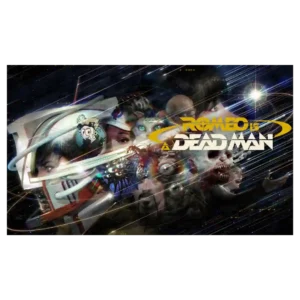
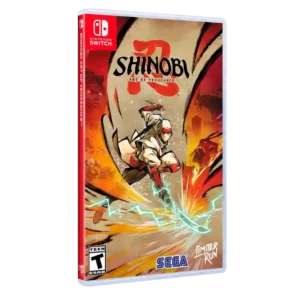
Compare Shinobi: Art of Vengeance vs Romeo is a Dead Man

Shinobi: Art of Vengeance

Shinobi: Art of Vengeance

Overall score 4.4 / 5

Based on 30 scored reviews

vs
Romeo is a Dead Man

Romeo is a Dead Man

Overall score 3.5 / 5

Based on 59 scored reviews

How we score

Scorata scores summarize analyzed review evidence on a 1–5 scale; they are not laboratory measurements or a simple average of customer star ratings. Feature scores summarize the reviews covering that feature. The overall score averages feature scores within each review, then combines review averages. When both expert and customer evidence are available, those two groups receive equal weight. Products can have different review coverage, so small score gaps do not establish a winner.

Recommendations prioritize important features for the category, with a score of at least 3.5, a gap of at least 0.25 points and at least two supporting reviews per product. Features with widely varying scores or broad connectivity contexts are excluded from recommendations. These safeguards do not establish statistical significance.

Quick verdict

What each product is best for

The review evidence points to a tradeoff: environmental detail and core gameplay loop versus endgame content and replay value. Choose according to which strengths matter more to you; the overall score alone does not settle that choice.

Choose Shinobi: Art of Vengeance for environmental detail and core gameplay loop.

Choose Romeo is a Dead Man for endgame content and replay value.

Why these recommendations?

Shinobi: Art of Vengeance

Where It Has the Edge

  • environmental detail is 5.0 vs 2.3. Environmental detail stands out in reviews that praise painterly backgrounds, large-scale set pieces, and richly detailed level backdrops.
  • core gameplay loop is 4.7 vs 2.2. The core loop is widely liked as fast, stylish 2D action with strong combat and traversal, with a...
  • fast travel convenience is 4.8 vs 2.8. Fast travel is repeatedly praised for making revisits, secret hunting, and post-completion cleanup smoother rather than tedious.

Romeo is a Dead Man

Where It Has the Edge

  • endgame content is 4.8 vs 4.1. New Game Plus is the main post-credits attraction and is enthusiastically received by the reviewers who discuss it,...
  • replay value is 4.6 vs 4.1. New Game Plus is widely welcomed, and several reviewers immediately started or planned another run. Carryover progression, higher...
  • content variety is 4.8 vs 4.5. Variety is one of the game’s defining strengths. Third-person action, pixel-art hub exploration, horror, comics, minigames, dungeons, and...
Shinobi: Art of Vengeance 4.4 overall score
Romeo is a Dead Man 3.5 overall score

Compare features

Scores are out of 5. Missing scores mean missing review evidence, not a missing feature.

Scored on both products

Other features

Camera behavior
Shinobi: Art of Vengeance
5.0

Camera behavior is praised in one review for intelligently changing framing to support mood, traversal, and visual depth.

Romeo is a Dead Man
2.3

The camera compounds crowded fights for several reviewers, with complaints about tight zoom, wall collisions, poor tracking, and aiming movements that disorient the view.

Environmental detail
Shinobi: Art of Vengeance
5.0

Environmental detail stands out in reviews that praise painterly backgrounds, large-scale set pieces, and richly detailed level backdrops.

Romeo is a Dead Man
2.3

Environment quality trails the broader art direction. Critics describe several locations as bland, basic, or budget-constrained even when the surrounding presentation is imaginative.

Core gameplay loop
Shinobi: Art of Vengeance
4.7

The core loop is widely liked as fast, stylish 2D action with strong combat and traversal, with a few reviewers calling it great despite structural complaints.

Romeo is a Dead Man
2.2

The routine of clearing enemies, dipping into Subspace, and repeating objectives wears thin for several reviewers. Creative detours help, but the standard loop is often described as repetitive or tedious.

Checkpoint system
Shinobi: Art of Vengeance
5.0

The checkpoint system is praised as a quality-of-life improvement because it reduces frustration around difficult optional challenges.

Romeo is a Dead Man
2.6

Checkpoints are functional but divisive. Some reviewers appreciate returning to an activated point with a retry buff, while others dislike old-school save-point rules and unforgiving placement.

Movement feel
Shinobi: Art of Vengeance
4.8

Movement feel is heavily praised as fast, fluid, snappy, and fun, though one Switch review notes combat can feel slower than traversal.

Romeo is a Dead Man
2.4

Movement is one of the rougher mechanical areas, with complaints about sluggish transitions, animation lock-in, and awkward recovery after being hit. A few reviewers adapt, but the jank remains noticeable.

Tutorial quality
Shinobi: Art of Vengeance
4.5

Tutorial quality is positive where one reviewer says the early tutorials made combat options easy to understand and apply.

Romeo is a Dead Man
2.3

The opening tutorial is viewed as generic and insufficient for some of the game’s stranger systems. Important mechanics can feel underexplained even when the basic attack controls are easy to grasp.

Onboarding experience
Shinobi: Art of Vengeance
4.5

Onboarding is praised for easing the player into each move rather than overwhelming them with the full combat kit at once.

Romeo is a Dead Man
2.3

Early hours can misrepresent how complex and unusual the game becomes. Reviewers repeatedly mention awkward introductions or systems—especially Bastards—being explained too late or too vaguely.

Fast travel convenience
Shinobi: Art of Vengeance
4.8

Fast travel is repeatedly praised for making revisits, secret hunting, and post-completion cleanup smoother rather than tedious.

Romeo is a Dead Man
2.8

Fast travel through Space-Time Pharmacies is useful, but using those points can respawn defeated enemies, making backtracking and repeated traversal less convenient than expected.

Crash stability
Shinobi: Art of Vengeance
5.0

Crash stability is strong in the PS5 review that reports no crashes, soft-locks, or freezes over a long playthrough.

Romeo is a Dead Man
3.0

Crash reports are inconsistent: some reviewers encounter no major crashes, while others report multiple crashes or severe issues requiring restarts or reinstalls.

Polish
Shinobi: Art of Vengeance
4.8

Polish is praised where reviewers highlight the game as well put together and visually refined.

Romeo is a Dead Man
2.8

The game’s rough edges are impossible to ignore even for many fans. Jank, uneven controls, technical problems, and reused content coexist with unusually confident presentation and several highly polished individual systems.

Emotional impact
Shinobi: Art of Vengeance
2.5

Emotional impact is limited in the review evidence, with one reviewer wishing for a stronger moment of emotional weight.

Romeo is a Dead Man
4.4

Beneath the gore and absurdity, several reviewers find genuine melancholy, loss, and tenderness. The best story beats and boss setups can hit surprisingly hard when the game’s emotional wavelength connects.

Enemy variety
Shinobi: Art of Vengeance
4.7

Enemy variety is a strength, with reviewers praising the range of ninjas, soldiers, monsters, bosses, and specialized foes that shape encounters.

Romeo is a Dead Man
2.9

Enemy variety is mixed and trends weaker late in the game. Some reviewers enjoy distinct tactical threats and weak-point roles, while others feel the same small pool is recycled too often.

Side character depth
Shinobi: Art of Vengeance
2.5

Side character depth is weak in the evidence focused on Ankou, whom one reviewer calls dull despite liking the broader visual design.

Romeo is a Dead Man
4.3

The colorful Space-Time Police crew is a major source of charm. Reviewers often enjoy returning to the ship just to hear new conversations and spend time with its strange, likable personalities.

Gameplay mechanics
Shinobi: Art of Vengeance
4.4

Gameplay mechanics are praised for depth and power fantasy, though one reviewer argues an execution mechanic lacks meaningful challenge pressure.

Romeo is a Dead Man
2.7

The broader gameplay package is divisive: some reviewers find its layered systems satisfying once they click, while others call the underlying mechanics stiff, dated, or uneven.

Platforming precision
Shinobi: Art of Vengeance
4.0

Platforming is often praised as tight, precise, and rewarding, though several reviewers flag optional challenge rooms or late-game traversal as frustrating or inconsistent.

Romeo is a Dead Man
2.3

Ladders, ledges, and vertical spaces expose control roughness, with reviewers describing falls, pauses, and vulnerable transitions that make traversal more frustrating than precise.

Graphics quality
Shinobi: Art of Vengeance
5.0

Graphics quality is a major strength, with reviewers repeatedly calling the game gorgeous, beautiful, and visually impressive.

Romeo is a Dead Man
3.5

Raw graphical fidelity is less consistent than the art direction. Some call it Grasshopper’s best-looking work, while others point to dated environments, uneven lighting, low-detail scenes, or technical softness.

Combat system
Shinobi: Art of Vengeance
4.9

Combat is the most consistently praised attribute, with reviewers calling it fluid, deep, expressive, satisfying, and central to the game’s appeal.

Romeo is a Dead Man
3.5

Combat lands very differently depending on the reviewer. Its aggressive melee/ranged rhythm, Bloody Summer attacks, and Bastard summons can feel exhilarating, but others find the foundation shallow, clunky, or overly repetitive.

Visual effects quality
Shinobi: Art of Vengeance
4.8

Visual effects are praised for stylish Ninjutsu, cinematic flourishes, audiovisual impact, and bold combat feedback.

Romeo is a Dead Man
3.5

Blood, neon, particles, and special attacks create huge spectacle, but the same excess can obscure enemies and make combat visually overwhelming. Reviewers love the style more than its readability.

HUD clarity
Shinobi: Art of Vengeance
3.0

HUD clarity receives a mixed score because flashy combat effects can make the player lose track of the action.

Romeo is a Dead Man
1.8

Combat readability is a recurring problem. Dense blood, particles, cyan sparks, summons, and cramped arenas can turn the screen into visual noise that reviewers struggle to parse.

Flying mechanics
Shinobi: Art of Vengeance
3.0

Flying mechanics are mildly criticized in the glider’s case, with the reviewer saying it slows down otherwise snappy traversal.

Romeo is a Dead Man
4.0

The limited ship travel works more like a stylish level-select and resource-gathering interlude than free flight. The one direct assessment found its restrictions acceptable.

Immersion
Shinobi: Art of Vengeance
4.0

Immersion is supported by strong presentation and visual depth, though one reviewer says the game remained enjoyable without strongly resonating.

Romeo is a Dead Man
5.0

Reviewers who click with the game find its world-building and constant tonal shifts unusually absorbing, even when they stop actively trying to decode every plot detail.

Fun factor
Shinobi: Art of Vengeance
4.8

Fun factor is high, with many reviewers calling the combat, challenge rooms, and overall ninja fantasy enjoyable or easy to recommend.

Romeo is a Dead Man
3.8

Most reviewers find substantial fun in the combat spectacle, Bastards, bosses, and sheer unpredictability, but a sizable minority is worn down by repetition, rough controls, and navigation.

Accessibility options
Shinobi: Art of Vengeance
4.2

Accessibility options are praised for adjustable difficulty, assist settings, and sliders that make the challenge more approachable without fully flattening it.

Romeo is a Dead Man
3.3

Accessibility impressions conflict. One reviewer says dedicated options are sparse despite aim assists and colorblind settings, while another finds the game broadly accessible and praises clear subtitles.

Dialogue quality
Shinobi: Art of Vengeance
2.5

Dialogue quality is uneven: one review criticizes a dull character, and another finds paused dialogue barks jarring despite fun narrative moments.

Romeo is a Dead Man
3.4

Quirky banter, one-liners, and crew conversations are often charming, but the quantity of text and occasional nonsense can become tiring for reviewers less receptive to the style.

Pacing
Shinobi: Art of Vengeance
3.6

Pacing is mixed: several reviewers like the length and steady tool rollout, while others say long stages, revisit loops, or samey rhythm weaken momentum.

Romeo is a Dead Man
2.8

High-energy combat and rapid tonal shifts keep the best stretches moving, but repeated Subspace trips, late-game gauntlets, and drawn-out navigation repeatedly interrupt that momentum.

Bug frequency
Shinobi: Art of Vengeance
2.0

Bug frequency is a concern in one review that reports a severe save-wipe issue, even though other technical impressions were cleaner.

Romeo is a Dead Man
2.7

Bug experiences vary from almost clean runs to serious progression and audio problems. Pathfinding glitches, broken settings, and late-game bugs keep the technical picture from feeling dependable.

Endgame content
Shinobi: Art of Vengeance
4.1

Endgame content is generally seen as useful for replay through Arcade Mode, Boss Rush, superbosses, and ranking challenges, though one reviewer sees arcade mode as padding.

Romeo is a Dead Man
4.8

New Game Plus is the main post-credits attraction and is enthusiastically received by the reviewers who discuss it, especially because progression carries over and higher difficulties deepen combat.

Learning curve
Shinobi: Art of Vengeance
4.5

The learning curve is favorable because reviewers describe the combat as simple to engage with while still rewarding mastery.

Romeo is a Dead Man
3.9

Basic combat is easy to pick up, but weapon switching, aiming, Bastard use, and higher difficulties take longer to internalize. Some reviewers enjoy that mastery curve; others find the adaptation needlessly awkward.

Upgrade system
Shinobi: Art of Vengeance
4.5

The upgrade system is praised for meaningful amulets, combat additions, and flexible build choices that alter playstyle.

Romeo is a Dead Man
3.9

Upgrades usually feel consequential, especially reload speed, health, damage, and Bastard improvements. Resource limits and late grinding keep a few reviewers from enjoying the system as much.

Lore depth
Shinobi: Art of Vengeance
4.0

Lore depth gets mild praise where the reviewer appreciates Shinobi’s blend of cultural mythological elements.

Romeo is a Dead Man
4.5

The denser story material rewards close reading and replay for reviewers who enjoy interpretation. Layers of meaning, notes, and recurring themes leave some players wanting to revisit the game with a notebook.

Difficulty balance
Shinobi: Art of Vengeance
4.1

Difficulty is generally viewed as fair and satisfying, but opinions split on spikes, projectile-heavy sections, undertuned enemies, and some hard optional challenges.

Romeo is a Dead Man
3.6

Higher difficulties often bring out the combat’s best qualities by forcing full use of weapons, Bastards, and boss patterns. Cheap attacks, uneven spikes, and a too-easy standard setting create some disagreement.

Frame rate stability
Shinobi: Art of Vengeance
2.9

Frame rate stability is mixed, especially on Switch, where reviewers note dips or painful frame-rate issues despite otherwise strong presentation.

Romeo is a Dead Man
2.4

Frame-rate drops are one of the most repeated complaints, particularly in crowded fights, Subspace, and certain late areas. Some console configurations stay stable, but consistency varies sharply by platform and scene.

Animation quality
Shinobi: Art of Vengeance
4.9

Animation quality is a standout, especially Joe’s motion, hand-drawn character work, and the way combat and traversal read in motion.

Romeo is a Dead Man
4.5

The limited direct assessments are positive, praising stellar character-scene animation and well-executed motion even when the broader presentation can be rough.

Atmosphere
Shinobi: Art of Vengeance
4.5

Atmosphere is supported by presentation touches such as camera framing and mood-setting scenes that help the 2D spaces feel more dramatic.

Romeo is a Dead Man
4.9

The game’s strongest locations can feel intensely distinct, from cozy pixel-art downtime aboard The Last Night to oppressive, grotesque horror spaces. Its tonal confidence is a major attraction.

Art direction
Shinobi: Art of Vengeance
5.0

The hand-drawn art direction receives near-universal praise for its style, cohesion, painterly look, and strong franchise fit.

Romeo is a Dead Man
4.6

Art direction earns near-universal enthusiasm. The game constantly shifts among 3D action, pixel art, comics, animation, retro interfaces, and other styles while retaining a distinct Grasshopper identity.

Content variety
Shinobi: Art of Vengeance
4.5

Content variety is strong across stage themes, optional challenges, enemy encounters, bonus levels, and replay modes, though some side segments are less loved.

Romeo is a Dead Man
4.8

Variety is one of the game’s defining strengths. Third-person action, pixel-art hub exploration, horror, comics, minigames, dungeons, and other format shifts make the experience unusually unpredictable.

Innovation
Shinobi: Art of Vengeance
4.8

Innovation is praised where reviewers say the game evolves Shinobi meaningfully instead of merely repeating the past.

Romeo is a Dead Man
5.0

The most celebrated innovations are small but memorable: the DeadGear Cannonball progression maze, Bastard system, mixed-media storytelling, and willingness to switch genres without warning.

Originality
Shinobi: Art of Vengeance
4.5

Originality is praised where reviewers call the revival fresh for the series rather than a simple nostalgic retread.

Romeo is a Dead Man
4.8

Originality is the strongest consensus point. Even harsh critics acknowledge that the game is bold, strange, handmade-feeling, and unlike the safer action games surrounding it.

Exploration quality
Shinobi: Art of Vengeance
4.1

Exploration is divisive: many enjoy secrets, replayable routes, and rewards, while others find backtracking or Metroidvania-lite detours less compelling.

Romeo is a Dead Man
3.9

Exploration often pays off with upgrades, collectibles, and hidden material, and some stages invite satisfying detours. Backtracking and Subspace navigation can undermine that sense of discovery.

Progression system
Shinobi: Art of Vengeance
4.6

Progression is praised for steadily adding moves, abilities, upgrades, and customization that keep combat and traversal evolving.

Romeo is a Dead Man
4.4

DeadGear Cannonball is one of the most consistently praised systems: turning stat growth into a Pac-Man-like route-planning minigame makes progression feel playful, deliberate, and memorable.

Character development
Shinobi: Art of Vengeance
3.3

Character development is limited overall, with one reviewer liking a supporting character but another calling broader character depth minimal.

Romeo is a Dead Man
3.1

Reviewers who connect with the cast praise the care given to relationships and recurring crew members. More critical sources argue that major characters remain thin or never become emotionally convincing.

Narrative quality
Shinobi: Art of Vengeance
3.3

Narrative quality is the most mixed creative element: some call it one of the franchise’s better stories, while many describe it as simple, thin, or tonally inconsistent.

Romeo is a Dead Man
3.2

The story is intentionally bizarre and deeply polarizing. Some reviewers find its fragmented mystery, themes, and emotional turns captivating; others see an incoherent, directionless plot that never earns its chaos.

Writing quality
Shinobi: Art of Vengeance
2.8

Writing quality is mixed-to-weak, with reviewers describing the script as fine, tropey, or not especially nuanced.

Romeo is a Dead Man
2.9

Writing ranges from layered and thoughtful to rambling and underdeveloped. The strongest reactions praise thematic depth and character moments, while critics object to tenuous plot connections, cryptic exposition, and uneven payoff.

Mission variety
Shinobi: Art of Vengeance
4.5

Mission variety is supported by praise for fresh objectives and distinct environments across the stages.

Romeo is a Dead Man
4.4

Chapters regularly introduce new eras, gimmicks, or genre shifts, which helps the campaign avoid feeling identical from start to finish even when the underlying objective structure repeats.

Comfort and build

World-building
Shinobi: Art of Vengeance
2.5

World-building is weak in the evidence that explicitly says not to expect captivating world building from the campy action story.

Romeo is a Dead Man
4.9

The fractured space-time setting, bizarre institutions, crew, horror detours, and mixed-media presentation create an unusually immersive world for reviewers who embrace the game’s logic.

User interface design
Shinobi: Art of Vengeance
5.0

User interface design receives praise for being clean and easy to navigate.

Romeo is a Dead Man
2.9

The interface is visually distinctive but not universally easy to use. Its retro flourishes and strong personality win praise, while messy layouts and confusing technical settings can frustrate.

Map and navigation design
Shinobi: Art of Vengeance
3.8

Map and navigation design is mixed: reviewers like map clarity and fast travel, but some cite confusing secret tracking or unclear pits.

Romeo is a Dead Man
2.1

Navigation is one of the clearest weaknesses, especially in Subspace. Maze-like rooms, weak vertical guidance, repeated TVs, and getting lost make progression more tiring than exploratory.

Level design
Shinobi: Art of Vengeance
4.1

Level design is usually praised for scale, variety, secrets, and challenge structure, but some reviewers criticize flow, pacing, or underused combat spaces.

Romeo is a Dead Man
2.4

Level design is a recurring weakness despite flashes of creativity. Reviewers praise certain chapter gimmicks and the asylum, but criticize bland corridors, reused spaces, overly linear layouts, and Subspace-heavy progression.

Puzzle design
Shinobi: Art of Vengeance
4.0

Puzzle design receives a mild positive note for being logical and not slowing the action down.

Romeo is a Dead Man
2.4

Subspace puzzles are usually viewed as simple rather than clever, and their growing length can turn them into a chore. The asylum’s horror puzzles are a notable positive exception.

Mission design
Shinobi: Art of Vengeance
4.5

Mission design is praised through comments about well-crafted stages that mix platforming, combat, puzzles, and optional routes.

Romeo is a Dead Man
3.1

The episodic structure produces some memorable setups, yet late-game missions and repeated routes can become exhausting. Several reviewers specifically dislike the gauntlets and reused material near the end.

Sound design
Shinobi: Art of Vengeance
3.5

Sound design is mixed: impact feedback and combat audio are praised, but one reviewer strongly disliked the harsh radio or speaker filter.

Romeo is a Dead Man
4.1

Most reviewers like the punchy, unsettling audio and how it supports the action and horror tone. One detailed PS5 assessment reports tinny sound and sibilant dialogue, creating a notable dissenting view.

Boss design
Shinobi: Art of Vengeance
4.4

Boss design earns many positive notes for memorable, exciting encounters, though a few reviewers find some bosses too easy, clunky, or mechanically weaker than regular fights.

Romeo is a Dead Man
4.0

Bosses are among the most reliable highlights: grotesque designs, bespoke music, varied mechanics, and demanding patterns make many encounters memorable. A minority find some fights spongy, cheap, or mechanically basic.

Controls and connectivity

Menu usability
Shinobi: Art of Vengeance
5.0

Menu usability is praised through the clean, easy-to-navigate interface that removes friction around fast travel and play.

Romeo is a Dead Man
3.0

One reviewer explicitly wishes more upgrade and farming tasks were handled through straightforward menus, finding the repeated hands-on routines charming at first but increasingly cumbersome.

Controls responsiveness
Shinobi: Art of Vengeance
4.7

Controls are usually described as smooth, tight, intuitive, and responsive, with a few caveats around moments where scripted control loss or platforming inputs feel awkward.

Romeo is a Dead Man
3.3

Responsiveness ranges from superbly snappy to frustratingly delayed. Weapon-switch locks, dodge timing, and animation commitments are the main complaints when the controls feel slow.

Protagonist appeal
Shinobi: Art of Vengeance
4.5

Protagonist appeal is positive where Joe Musashi is described as a compelling, badass ninja fantasy rather than a talkative character.

Romeo is a Dead Man
4.0

Romeo is usually seen as a solid or compelling lead, with his earnestness and growth helping anchor the chaos. Even positive reviewers sometimes want more depth behind his fixation on Juliet.

Voice acting
Shinobi: Art of Vengeance
4.0

Voice acting receives mixed-to-positive reactions: some reviews praise the performances, while others call the English voices merely fine or jarring.

Romeo is a Dead Man
3.9

Voice work is generally well received, with several reviewers singling out Romeo’s performance and the cast’s delivery. A few sources find parts of the English voice work merely adequate or uneven.

Performance

Performance optimization
Shinobi: Art of Vengeance
3.8

Performance optimization varies by platform and context, with PS5 impressions strong but Switch-oriented reviews noting optimization and frame-pacing caveats.

Romeo is a Dead Man
2.3

Performance is a persistent technical weakness. Reviews repeatedly report heavy slowdowns, poor PC scaling, troublesome settings, and especially bad Steam Deck results, though a few systems run smoothly.

Soundtrack quality
Shinobi: Art of Vengeance
4.4

The soundtrack is mostly praised as energetic, fitting, and memorable, though one review finds it weaker than the visuals and Genesis-era expectations.

Romeo is a Dead Man
4.8

The soundtrack is one of the clearest consensus strengths. Reviewers repeatedly praise its rock, synth, vocal boss themes, and eclectic genre mix, with several wanting to keep listening after play ends.

Ownership and support

Value for money
Shinobi: Art of Vengeance
4.6

Value for money is positive overall, especially for combat-focused or completionist players, though one review frames value as more moderate for players skipping side content.

Romeo is a Dead Man
4.1

Positive reviewers see strong value in the mid-priced runtime, side content, New Game Plus, and replayability. One more skeptical source recommends waiting for a steep discount, so value depends on tolerance for the roughness.

Replay value
Shinobi: Art of Vengeance
4.1

Replay value is strong for completionists thanks to collectibles, secrets, stage revisits, Arcade Mode, Boss Rush, ranks, and unlockables, though not every reviewer loves revisiting.

Romeo is a Dead Man
4.6

New Game Plus is widely welcomed, and several reviewers immediately started or planned another run. Carryover progression, higher difficulties, missed Bastards, and interpretive story details give repeat play real appeal.

Evidence available for one product

Controls and connectivity

Age appropriateness
Shinobi: Art of VengeanceNo score yet
Romeo is a Dead Man
1.5

The direct parental-suitability assessment advises against the game for concerned parents because of frequent blood fountains and coarse language.

Character customization
Shinobi: Art of VengeanceNo score yet
Romeo is a Dead Man
4.3

Build flexibility comes from combining weapons, badges, consumables, and Bastard loadouts rather than cosmetic creation. Reviewers like how those choices support different combat approaches.

Collector appeal
Shinobi: Art of VengeanceNo score yet
Romeo is a Dead Man
5.0

One reviewer strongly wishes for a physical copy specifically to keep and display on a shelf, showing clear collector appeal despite the lack of a broader consensus.

Other features

AI behavior
Shinobi: Art of VengeanceNo score yet
Romeo is a Dead Man
1.0

The direct AI critique is severe: enemies can stand idle or get stuck when elevation changes, undermining otherwise straightforward encounters.

Aiming precision
Shinobi: Art of VengeanceNo score yet
Romeo is a Dead Man
2.6

Ranged combat is useful for weak points, yet aiming frequently draws criticism for slow speed, awkward camera movement, manual-aim feel, and cumbersome reload behavior.

Character roster
Shinobi: Art of VengeanceNo score yet
Romeo is a Dead Man
4.7

The ensemble is widely liked for being bizarre, colorful, and memorable, with the ship’s crew providing some of the game’s warmest and funniest downtime.

Crafting system
Shinobi: Art of VengeanceNo score yet
Romeo is a Dead Man
4.3

Growing, fusing, and refining Bastards is a major highlight. Reviewers frequently treat the system as a game within the game because it supports experimentation, stronger summons, and personalized builds.

Economy and resource balance
Shinobi: Art of VengeanceNo score yet
Romeo is a Dead Man
2.5

One reviewer specifically disliked how scarce upgrade materials can push players toward investing in only a small part of the weapon roster rather than experimenting freely.

Faithfulness to franchise
Shinobi: Art of Vengeance
4.7

Reviewers broadly describe the revival as faithful to Shinobi’s legacy while modernizing it with new structure, combat depth, and visual presentation.

Romeo is a Dead ManNo score yet
Family friendliness
Shinobi: Art of VengeanceNo score yet
Romeo is a Dead Man
1.5

The same parental assessment rates the game poorly for family suitability due to its extreme violence and strong language, even if the gore can be exaggerated and comic.

Grind level
Shinobi: Art of VengeanceNo score yet
Romeo is a Dead Man
2.9

Grinding is manageable when save points let players quickly respawn nearby enemies, but some reviewers still resent being pushed into farming for late upgrades or harder encounters.

Handheld play suitability
Shinobi: Art of VengeanceNo score yet
Romeo is a Dead Man
1.3

Steam Deck impressions are poor. Reviewers report frame rates falling into the 20s or teens and describe the handheld experience as effectively unplayable or more frustrating than fun.

Horror tension
Shinobi: Art of VengeanceNo score yet
Romeo is a Dead Man
4.8

The asylum chapter is the standout horror moment, with stalking, disturbing imagery, puzzles, and a helpless-player setup that several horror-focused reviewers find genuinely effective.

Load times
Shinobi: Art of Vengeance
4.5

Load times receive a positive note from one Switch reviewer who says they did not take too long.

Romeo is a Dead ManNo score yet
Loot system
Shinobi: Art of VengeanceNo score yet
Romeo is a Dead Man
3.3

Reward quality depends on the activity. Some optional content delivers worthwhile badges and materials, while generic combat dungeons are criticized for offering little worth chasing.

Romance quality
Shinobi: Art of VengeanceNo score yet
Romeo is a Dead Man
3.8

The Romeo-and-Juliet relationship is a major point of disagreement. Some reviewers find its messy, unhealthy dynamic fascinating, while others think the central romance lacks enough substance to justify Romeo’s devotion.

Skill tree depth
Shinobi: Art of VengeanceNo score yet
Romeo is a Dead Man
4.8

Reviewers who discuss the stat maze like how route choices turn character growth into a small puzzle rather than a conventional list of nodes. It offers meaningful planning without becoming opaque.

Stealth mechanics
Shinobi: Art of VengeanceNo score yet
Romeo is a Dead Man
2.1

The weaponless asylum sequence sharply divides opinion. Horror-focused reviewers call the stealth change-up fantastic, while others consider the forced sneaking one of the game’s weakest sections.

Weapon balance
Shinobi: Art of VengeanceNo score yet
Romeo is a Dead Man
3.2

The eight-weapon arsenal invites experimentation, yet melee and guns do not always feel equally satisfying. Ranged weapons are strategically essential for weak points, but slow reloads and awkward switching often make melee more enjoyable.

World interactivity
Shinobi: Art of VengeanceNo score yet
Romeo is a Dead Man
5.0

The Last Night hub stands out for its tactile feel, with hands-on activities and character interactions giving the ship more personality than a simple menu-based base.

Ownership and support

Platform-specific feature support
Shinobi: Art of VengeanceNo score yet
Romeo is a Dead Man
2.5

The detailed technical review finds the PC upscaling controls confusing and ineffective in places, with DLSS quality settings not behaving as their labels suggest.

Save system reliability
Shinobi: Art of Vengeance
3.3

Save reliability is split: one review praises frequent saves, while another reports the serious problem of a save being wiped twice.

Romeo is a Dead ManNo score yet

Comfort and build

Quest design
Shinobi: Art of VengeanceNo score yet
Romeo is a Dead Man
4.8

Optional missions and side dungeons can be compelling enough to pull players away from the main path, especially when they combine combat with useful upgrades and rewards.

Other Top Video Games to Consider

#1 Well Dweller
4.7

Best for fluid traversal, rewarding exploration, striking art, and forgiving quality-of-life features. Skip it if you want deep combat, radical genre innovation, or consistently demanding bosses.

Pros: difficulty balance, boss design

Cons: innovation, sandbox freedom

#2 Hades II
4.5

Best for superb combat, inventive builds, and richly voiced characters. Skip it if repeated runs, resource gathering, or visually busy battles outweigh the appeal of steady progress.

Pros: overall quality, combat system

Cons: pacing, grind level

#3 Valheim
4.5

Good if you want a beautiful, demanding survival sandbox built around exploration, building, progression, and memorable co-op. Skip it if long resource runs, harsh death recovery, and deliberate pacing sound...

Pros: town-building system, exploration quality

Cons: grind level, fast travel convenience

#4 Grand Theft Auto VI
4.5

Leonida is a breathtakingly alive crime sandbox with memorable protagonists, spectacular heists, and extraordinary detail. The tradeoff is a 30 fps ceiling, occasional control awkwardness, and some progression friction.

Pros: immersion, graphics quality

Cons: grind level, controls responsiveness