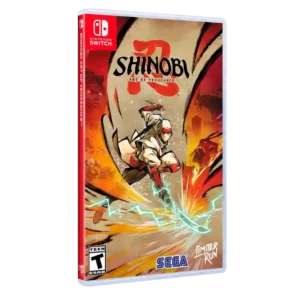
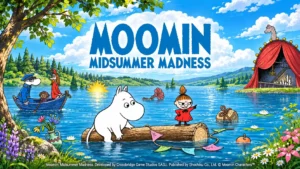
Compare Shinobi: Art of Vengeance vs Moomin: Midsummer Madness

Shinobi: Art of Vengeance

Shinobi: Art of Vengeance

Overall score 4.4 / 5

Based on 30 scored reviews

vs
Moomin: Midsummer Madness

Moomin: Midsummer Madness

Overall score 4.0 / 5

Based on 25 scored reviews

How we score

Scorata scores summarize analyzed review evidence on a 1–5 scale; they are not laboratory measurements or a simple average of customer star ratings. Feature scores summarize the reviews covering that feature. The overall score averages feature scores within each review, then combines review averages. When both expert and customer evidence are available, those two groups receive equal weight. Products can have different review coverage, so small score gaps do not establish a winner.

Recommendations prioritize important features for the category, with a score of at least 3.5, a gap of at least 0.25 points and at least two supporting reviews per product. Features with widely varying scores or broad connectivity contexts are excluded from recommendations. These safeguards do not establish statistical significance.

Quick verdict

What each product is best for

The review evidence points to a tradeoff: replay value and core gameplay loop versus dialogue quality and writing quality. Choose according to which strengths matter more to you; the overall score alone does not settle that choice.

Choose Shinobi: Art of Vengeance for replay value and core gameplay loop.

Choose Moomin: Midsummer Madness for dialogue quality and writing quality.

Why these recommendations?

Shinobi: Art of Vengeance

Where It Has the Edge

  • replay value is 4.1 vs 1.4. Replay value is strong for completionists thanks to collectibles, secrets, stage revisits, Arcade Mode, Boss Rush, ranks, and...
  • core gameplay loop is 4.7 vs 2.0. The core loop is widely liked as fast, stylish 2D action with strong combat and traversal, with a...
  • controls responsiveness is 4.7 vs 2.0. Controls are usually described as smooth, tight, intuitive, and responsive, with a few caveats around moments where scripted...

Moomin: Midsummer Madness

Where It Has the Edge

  • dialogue quality is 5.0 vs 2.5. Brief conversations give the eccentric cast distinct voices on the page. Little My's sharp remarks and the gentler...
  • writing quality is 4.7 vs 2.8. Dialogue and small requests weave kindness, loneliness, mischief and resilience into apparently simple situations. The writing keeps the...
  • narrative quality is 4.8 vs 3.3. A flood and a floating theatre lead to a sweet, quietly thoughtful adventure about helping others. The tale...
Shinobi: Art of Vengeance 4.4 overall score
Moomin: Midsummer Madness 4.0 overall score

Compare features

Scores are out of 5. Missing scores mean missing review evidence, not a missing feature.

Scored on both products

Controls and connectivity

Menu usability
Shinobi: Art of Vengeance
5.0

Menu usability is praised through the clean, easy-to-navigate interface that removes friction around fast travel and play.

Moomin: Midsummer Madness
2.0

Console menu navigation can feel clumsier than direct mouse selection, occasionally disrupting an otherwise calm pace.

Controls responsiveness
Shinobi: Art of Vengeance
4.7

Controls are usually described as smooth, tight, intuitive, and responsive, with a few caveats around moments where scripted control loss or platforming inputs feel awkward.

Moomin: Midsummer Madness
2.0

Point-and-click input works, but movement and interaction conventions can feel stiff or counterintuitive. Console navigation is less comfortable for some players than a mouse.

Protagonist appeal
Shinobi: Art of Vengeance
4.5

Protagonist appeal is positive where Joe Musashi is described as a compelling, badass ninja fantasy rather than a talkative character.

Moomin: Midsummer Madness
4.4

Moomintroll's optimism and Little My's unruly energy make a memorable duo. Little My is especially divisive: many find her delightful, while a minority strongly dislike her attitude.

Voice acting
Shinobi: Art of Vengeance
4.0

Voice acting receives mixed-to-positive reactions: some reviews praise the performances, while others call the English voices merely fine or jarring.

Moomin: Midsummer Madness
4.0

There is no full voiced dialogue, with conversations shown as text bubbles and only brief character noises. Several critics feel the expressive writing and pleasant audio make that absence easy to accept.

Comfort and build

User interface design
Shinobi: Art of Vengeance
5.0

User interface design receives praise for being clean and easy to navigate.

Moomin: Midsummer Madness
2.0

The journal and hotspot tools are useful, yet selecting items and recognizing interactions is not always consistent. Touchscreen prompts and cooldown timing create avoidable friction.

Mission design
Shinobi: Art of Vengeance
4.5

Mission design is praised through comments about well-crafted stages that mix platforming, combat, puzzles, and optional routes.

Moomin: Midsummer Madness
2.0

Objectives reflect the Moomins' small, personal concerns and are pleasant when their solutions click. The need to gather several objects per chapter sometimes makes progress resemble a checklist.

World-building
Shinobi: Art of Vengeance
2.5

World-building is weak in the evidence that explicitly says not to expect captivating world building from the campy action story.

Moomin: Midsummer Madness
5.0

Moominvalley feels lived-in through its eccentric residents, quiet routines and richly illustrated spaces. The world prioritizes intimacy and personality over a sprawling map.

Sound design
Shinobi: Art of Vengeance
3.5

Sound design is mixed: impact feedback and combat audio are praised, but one reviewer strongly disliked the harsh radio or speaker filter.

Moomin: Midsummer Madness
4.7

Ambient effects and the cast's little vocal noises add charm without overwhelming scenes. Sound supports a calm storybook mood.

Puzzle design
Shinobi: Art of Vengeance
4.0

Puzzle design receives a mild positive note for being logical and not slowing the action down.

Moomin: Midsummer Madness
3.4

Inventory combinations and environmental riddles are often clever and satisfying without being punishing. Occasional moon logic, overlooked objects and unexplained steps can turn gentle puzzles into tedious searches.

Other features

Movement feel
Shinobi: Art of Vengeance
4.8

Movement feel is heavily praised as fast, fluid, snappy, and fun, though one Switch review notes combat can feel slower than traversal.

Moomin: Midsummer Madness
2.0

An unusual single-click versus double-click movement scheme can take time to internalize, especially for genre veterans.

Core gameplay loop
Shinobi: Art of Vengeance
4.7

The core loop is widely liked as fast, stylish 2D action with strong combat and traversal, with a few reviewers calling it great despite structural complaints.

Moomin: Midsummer Madness
2.0

Helping characters and finding items can be cozy and satisfying, but several chapters lean too heavily on repeated fetch quests. The entertaining cast helps offset that repetition.

Dialogue quality
Shinobi: Art of Vengeance
2.5

Dialogue quality is uneven: one review criticizes a dull character, and another finds paused dialogue barks jarring despite fun narrative moments.

Moomin: Midsummer Madness
5.0

Brief conversations give the eccentric cast distinct voices on the page. Little My's sharp remarks and the gentler exchanges help the humor and personality land.

Emotional impact
Shinobi: Art of Vengeance
2.5

Emotional impact is limited in the review evidence, with one reviewer wishing for a stronger moment of emotional weight.

Moomin: Midsummer Madness
5.0

The adventure inspires nostalgia, hope and a sense of warmth in people drawn to the Moomins. Its gentle mood also makes room for anxiety and sadness beneath the fairytale surface.

Mission variety
Shinobi: Art of Vengeance
4.5

Mission variety is supported by praise for fresh objectives and distinct environments across the stages.

Moomin: Midsummer Madness
2.0

Different characters and settings give errands some variation, yet the repeated collect-and-deliver structure becomes noticeable over time.

Originality
Shinobi: Art of Vengeance
4.5

Originality is praised where reviewers call the revival fresh for the series rather than a simple nostalgic retread.

Moomin: Midsummer Madness
2.0

The point-and-click approach is a welcome new lens for Moominvalley, but the underlying tasks borrow familiar genre ideas. Players expecting novel mechanics will find a traditional adventure.

Tutorial quality
Shinobi: Art of Vengeance
4.5

Tutorial quality is positive where one reviewer says the early tutorials made combat options easy to understand and apply.

Moomin: Midsummer Madness
2.0

The first chapter introduces exploration and character switching, but not every touchscreen interaction is explained. Players can discover some unmarked actions only by accident.

Progression system
Shinobi: Art of Vengeance
4.6

Progression is praised for steadily adding moves, abilities, upgrades, and customization that keep combat and traversal evolving.

Moomin: Midsummer Madness
2.5

The quest checklist makes goals approachable, but progress sometimes depends on a poorly signposted prerequisite. That can send players in circles despite the straightforward chapter structure.

Writing quality
Shinobi: Art of Vengeance
2.8

Writing quality is mixed-to-weak, with reviewers describing the script as fine, tropey, or not especially nuanced.

Moomin: Midsummer Madness
4.7

Dialogue and small requests weave kindness, loneliness, mischief and resilience into apparently simple situations. The writing keeps the recognizable Moomin spirit at the center.

Narrative quality
Shinobi: Art of Vengeance
3.3

Narrative quality is the most mixed creative element: some call it one of the franchise’s better stories, while many describe it as simple, thin, or tonally inconsistent.

Moomin: Midsummer Madness
4.8

A flood and a floating theatre lead to a sweet, quietly thoughtful adventure about helping others. The tale is easy to follow and engaging, though familiar readers may know its major turns.

Crash stability
Shinobi: Art of Vengeance
5.0

Crash stability is strong in the PS5 review that reports no crashes, soft-locks, or freezes over a long playthrough.

Moomin: Midsummer Madness
4.0

Some critics report frame dips without outright crashes. Others encounter issues that interrupt progression even when the application remains running.

Onboarding experience
Shinobi: Art of Vengeance
4.5

Onboarding is praised for easing the player into each move rather than overwhelming them with the full combat kit at once.

Moomin: Midsummer Madness
3.5

An early Little My scenario demonstrates basic item use and movement, though some later interactions are not as clearly taught.

Accessibility options
Shinobi: Art of Vengeance
4.2

Accessibility options are praised for adjustable difficulty, assist settings, and sliders that make the challenge more approachable without fully flattening it.

Moomin: Midsummer Madness
5.0

A larger cursor, a dyslexia-friendly font, and skippable mini-games make the story easier to approach. These conveniences matter when individual interactions become confusing.

Gameplay mechanics
Shinobi: Art of Vengeance
4.4

Gameplay mechanics are praised for depth and power fantasy, though one reviewer argues an execution mechanic lacks meaningful challenge pressure.

Moomin: Midsummer Madness
3.8

Collecting and combining items, talking to residents and exploiting different character abilities form an approachable point-and-click foundation. The mechanics are familiar rather than deeply innovative.

Environmental detail
Shinobi: Art of Vengeance
5.0

Environmental detail stands out in reviews that praise painterly backgrounds, large-scale set pieces, and richly detailed level backdrops.

Moomin: Midsummer Madness
4.5

Theatre props, tiny objects and intricately decorated rooms invite close inspection. That density can also hide puzzle-critical objects among visual distractions.

Learning curve
Shinobi: Art of Vengeance
4.5

The learning curve is favorable because reviewers describe the combat as simple to engage with while still rewarding mastery.

Moomin: Midsummer Madness
5.0

The basic point-and-click loop is easy to learn, making the game welcoming to genre newcomers. Occasional indirect puzzle logic is a separate hurdle.

Difficulty balance
Shinobi: Art of Vengeance
4.1

Difficulty is generally viewed as fair and satisfying, but opinions split on spikes, projectile-heavy sections, undertuned enemies, and some hard optional challenges.

Moomin: Midsummer Madness
3.6

Most puzzles are accessible and low-stakes, with occasional lateral-thinking surprises. That balance welcomes beginners but may feel too easy for veterans, while a handful of obscure solutions can still frustrate children.

Bug frequency
Shinobi: Art of Vengeance
2.0

Bug frequency is a concern in one review that reports a severe save-wipe issue, even though other technical impressions were cleaner.

Moomin: Midsummer Madness
2.3

Several playthroughs include glitches ranging from small hitches to missing inventory items. A few reports are serious enough to make reliability a concern.

Atmosphere
Shinobi: Art of Vengeance
4.5

Atmosphere is supported by presentation touches such as camera framing and mood-setting scenes that help the 2D spaces feel more dramatic.

Moomin: Midsummer Madness
4.8

Moominvalley feels whimsical, gentle and comforting even as a flood upends daily life. Its occasional melancholy and danger give the coziness more texture than a purely carefree outing.

Exploration quality
Shinobi: Art of Vengeance
4.1

Exploration is divisive: many enjoy secrets, replayable routes, and rewards, while others find backtracking or Metroidvania-lite detours less compelling.

Moomin: Midsummer Madness
3.9

Beautiful rooms and whimsical details reward looking around. Repeated sweeps for one overlooked object can make otherwise enjoyable exploration feel like pixel hunting.

Frame rate stability
Shinobi: Art of Vengeance
2.9

Frame rate stability is mixed, especially on Switch, where reviewers note dips or painful frame-rate issues despite otherwise strong presentation.

Moomin: Midsummer Madness
2.7

Minor drops, transition hitches and occasional stutters appear in some versions. Most reports describe them as manageable rather than game-breaking, though PC movement can be noticeably uneven.

Fun factor
Shinobi: Art of Vengeance
4.8

Fun factor is high, with many reviewers calling the combat, challenge rooms, and overall ninja fantasy enjoyable or easy to recommend.

Moomin: Midsummer Madness
5.0

The warm atmosphere, thoughtful puzzles and chance to explore Moominvalley make the adventure enjoyable without overstaying its welcome.

Faithfulness to franchise
Shinobi: Art of Vengeance
4.7

Reviewers broadly describe the revival as faithful to Shinobi’s legacy while modernizing it with new structure, combat depth, and visual presentation.

Moomin: Midsummer Madness
4.9

The adaptation captures Jansson's recognizable character designs, oddball conversations and themes of community. Some events are remixed or omitted, but most Moomin enthusiasts regard it as an affectionate interpretation.

Pacing
Shinobi: Art of Vengeance
3.6

Pacing is mixed: several reviewers like the length and steady tool rollout, while others say long stages, revisit loops, or samey rhythm weaken momentum.

Moomin: Midsummer Madness
3.5

The adventure flows comfortably when characters, clues and chapters move forward. Hidden objects, repeated conversations or opaque puzzle steps sometimes stall its otherwise peaceful rhythm.

Animation quality
Shinobi: Art of Vengeance
4.9

Animation quality is a standout, especially Joe’s motion, hand-drawn character work, and the way combat and traversal read in motion.

Moomin: Midsummer Madness
4.9

Subtle character gestures and moving scenery help the illustrations feel alive. Expressive animation carries personality even without full spoken dialogue.

Content variety
Shinobi: Art of Vengeance
4.5

Content variety is strong across stage themes, optional challenges, enemy encounters, bonus levels, and replay modes, though some side segments are less loved.

Moomin: Midsummer Madness
4.4

Optional mini-games and alternating protagonists help break up the repeated item hunts. The mix remains light, with some critics finding the chapter structure formulaic.

Art direction
Shinobi: Art of Vengeance
5.0

The hand-drawn art direction receives near-universal praise for its style, cohesion, painterly look, and strong franchise fit.

Moomin: Midsummer Madness
5.0

Hand-drawn backdrops give Moominvalley the feel of a living picture book, with rich colour and outlines that recall Jansson's illustrations. The artwork is one of the game's strongest attractions.

Graphics quality
Shinobi: Art of Vengeance
5.0

Graphics quality is a major strength, with reviewers repeatedly calling the game gorgeous, beautiful, and visually impressive.

Moomin: Midsummer Madness
5.0

Scenes look vivid and inviting, from the Moominhouse to the flooded valley and floating theatre. The distinctive 2D presentation often impresses more than the mechanics.

Ownership and support

Replay value
Shinobi: Art of Vengeance
4.1

Replay value is strong for completionists thanks to collectibles, secrets, stage revisits, Arcade Mode, Boss Rush, ranks, and unlockables, though not every reviewer loves revisiting.

Moomin: Midsummer Madness
1.4

A linear story and fixed solutions offer few fresh discoveries after completion. Several critics see little reason for a second trip once the puzzles are known.

Save system reliability
Shinobi: Art of Vengeance
3.3

Save reliability is split: one review praises frequent saves, while another reports the serious problem of a save being wiped twice.

Moomin: Midsummer Madness
1.0

One account describes a randomly wiped save and lost hours, while a disappearing quest item required reloading. That is a meaningful risk in an otherwise low-stress adventure.

Value for money
Shinobi: Art of Vengeance
4.6

Value for money is positive overall, especially for combat-focused or completionist players, though one review frames value as more moderate for players skipping side content.

Moomin: Midsummer Madness
3.0

The roughly $20 asking price can feel fair for an illustrated storybook-sized adventure, but less compelling for buyers counting hours. Discounts make its short duration easier to accept.

Performance

Soundtrack quality
Shinobi: Art of Vengeance
4.4

The soundtrack is mostly praised as energetic, fitting, and memorable, though one review finds it weaker than the visuals and Genesis-era expectations.

Moomin: Midsummer Madness
4.9

Soft melodies, occasional vocal-jazz touches and gentle themes complement the illustrated setting. The music is frequently praised as a major source of warmth.

Evidence available for one product

Controls and connectivity

Age appropriateness
Shinobi: Art of VengeanceNo score yet
Moomin: Midsummer Madness
3.8

The story and presentation are gentle, but puzzle comprehension is another matter. Young children can become stuck and lose interest without an adult to guide them.

Comfort and build

Boss design
Shinobi: Art of Vengeance
4.4

Boss design earns many positive notes for memorable, exciting encounters, though a few reviewers find some bosses too easy, clunky, or mechanically weaker than regular fights.

Moomin: Midsummer MadnessNo score yet
Level design
Shinobi: Art of Vengeance
4.1

Level design is usually praised for scale, variety, secrets, and challenge structure, but some reviewers criticize flow, pacing, or underused combat spaces.

Moomin: Midsummer MadnessNo score yet
Map and navigation design
Shinobi: Art of Vengeance
3.8

Map and navigation design is mixed: reviewers like map clarity and fast travel, but some cite confusing secret tracking or unclear pits.

Moomin: Midsummer MadnessNo score yet

Other features

Camera behavior
Shinobi: Art of Vengeance
5.0

Camera behavior is praised in one review for intelligently changing framing to support mood, traversal, and visual depth.

Moomin: Midsummer MadnessNo score yet
Character development
Shinobi: Art of Vengeance
3.3

Character development is limited overall, with one reviewer liking a supporting character but another calling broader character depth minimal.

Moomin: Midsummer MadnessNo score yet
Character roster
Shinobi: Art of VengeanceNo score yet
Moomin: Midsummer Madness
4.3

Familiar faces from Moominvalley make meetings and small errands enjoyable. The personalities feel true to the books, even if some players would welcome more time with particular favorites.

Character switching
Shinobi: Art of VengeanceNo score yet
Moomin: Midsummer Madness
4.8

Moomintroll and Little My handle different obstacles, with occasional chapters reversing or separating their roles. It adds delightful variety, and some wish it were used more often.

Checkpoint system
Shinobi: Art of Vengeance
5.0

The checkpoint system is praised as a quality-of-life improvement because it reduces frustration around difficult optional challenges.

Moomin: Midsummer MadnessNo score yet
Combat system
Shinobi: Art of Vengeance
4.9

Combat is the most consistently praised attribute, with reviewers calling it fluid, deep, expressive, satisfying, and central to the game’s appeal.

Moomin: Midsummer MadnessNo score yet
Endgame content
Shinobi: Art of Vengeance
4.1

Endgame content is generally seen as useful for replay through Arcade Mode, Boss Rush, superbosses, and ranking challenges, though one reviewer sees arcade mode as padding.

Moomin: Midsummer MadnessNo score yet
Enemy variety
Shinobi: Art of Vengeance
4.7

Enemy variety is a strength, with reviewers praising the range of ninjas, soldiers, monsters, bosses, and specialized foes that shape encounters.

Moomin: Midsummer MadnessNo score yet
Family friendliness
Shinobi: Art of VengeanceNo score yet
Moomin: Midsummer Madness
4.9

A sweet tone, approachable tasks and skippable activities make this inviting for families. Adults may need to help younger children decode less obvious puzzle solutions.

Fast travel convenience
Shinobi: Art of Vengeance
4.8

Fast travel is repeatedly praised for making revisits, secret hunting, and post-completion cleanup smoother rather than tedious.

Moomin: Midsummer MadnessNo score yet
Flying mechanics
Shinobi: Art of Vengeance
3.0

Flying mechanics are mildly criticized in the glider’s case, with the reviewer saying it slows down otherwise snappy traversal.

Moomin: Midsummer MadnessNo score yet
Game length
Shinobi: Art of VengeanceNo score yet
Moomin: Midsummer Madness
3.2

Most playthroughs take roughly three to six hours, depending on puzzle progress. Some appreciate the storybook-sized runtime; others wish the beautiful world and character-switching sections lasted longer.

Handheld play suitability
Shinobi: Art of VengeanceNo score yet
Moomin: Midsummer Madness
3.0

Portable play is attractive, especially with Switch 2 tabletop mouse input, but small-screen navigation and movement can take adjustment.

Hint system
Shinobi: Art of VengeanceNo score yet
Moomin: Midsummer Madness
2.5

A journal and interactable-object highlighting help identify tasks and hotspots. Critics repeatedly wish the hints were more specific and less constrained by cooldowns when the next step remains unclear.

HUD clarity
Shinobi: Art of Vengeance
3.0

HUD clarity receives a mixed score because flashy combat effects can make the player lose track of the action.

Moomin: Midsummer MadnessNo score yet
Humor
Shinobi: Art of VengeanceNo score yet
Moomin: Midsummer Madness
4.7

Little My's sarcastic mischief and the characters' eccentric logic supply playful comedy. The sharper remarks appeal to most critics but are not universally endearing.

Immersion
Shinobi: Art of Vengeance
4.0

Immersion is supported by strong presentation and visual depth, though one reviewer says the game remained enjoyable without strongly resonating.

Moomin: Midsummer MadnessNo score yet
Innovation
Shinobi: Art of Vengeance
4.8

Innovation is praised where reviewers say the game evolves Shinobi meaningfully instead of merely repeating the past.

Moomin: Midsummer MadnessNo score yet
Inventory management
Shinobi: Art of VengeanceNo score yet
Moomin: Midsummer Madness
2.8

A compact bag avoids overwhelming players with dozens of unrelated items. Even so, combining and selecting objects can feel awkward, with unclear triggers slowing progress.

Load times
Shinobi: Art of Vengeance
4.5

Load times receive a positive note from one Switch reviewer who says they did not take too long.

Moomin: Midsummer MadnessNo score yet
Lore depth
Shinobi: Art of Vengeance
4.0

Lore depth gets mild praise where the reviewer appreciates Shinobi’s blend of cultural mythological elements.

Moomin: Midsummer MadnessNo score yet
Minigame quality
Shinobi: Art of VengeanceNo score yet
Moomin: Midsummer Madness
4.1

A frog chase, maze puzzles, music challenges and other short activities break up inventory errands. Many enjoy their variety, though some find them too simple, inconsistent or poorly explained.

Minigame skip option
Shinobi: Art of VengeanceNo score yet
Moomin: Midsummer Madness
4.8

Players can bypass optional mini-games without punishment, keeping the story moving if a maze or other activity frustrates them. This is consistently welcomed as an accessibility-friendly choice.

Objective journal
Shinobi: Art of VengeanceNo score yet
Moomin: Midsummer Madness
4.3

A notebook tracks current errands, dialogue and sometimes the story so far. It is useful for returning to the game, though it cannot always substitute for a specific hint.

Overall quality
Shinobi: Art of VengeanceNo score yet
Moomin: Midsummer Madness
4.4

The broad response is positive: a beautifully crafted, affectionate Moomin adventure with memorable characters. Frustrating hints, brief length and repetitive errands are the clearest reservations.

Platforming precision
Shinobi: Art of Vengeance
4.0

Platforming is often praised as tight, precise, and rewarding, though several reviewers flag optional challenge rooms or late-game traversal as frustrating or inconsistent.

Moomin: Midsummer MadnessNo score yet
Polish
Shinobi: Art of Vengeance
4.8

Polish is praised where reviewers highlight the game as well put together and visually refined.

Moomin: Midsummer MadnessNo score yet
Side character depth
Shinobi: Art of Vengeance
2.5

Side character depth is weak in the evidence focused on Ankou, whom one reviewer calls dull despite liking the broader visual design.

Moomin: Midsummer MadnessNo score yet
Story recap and replay
Shinobi: Art of VengeanceNo score yet
Moomin: Midsummer Madness
5.0

Journal summaries of previous events and conversations help players remember their place after a break.

Upgrade system
Shinobi: Art of Vengeance
4.5

The upgrade system is praised for meaningful amulets, combat additions, and flexible build choices that alter playstyle.

Moomin: Midsummer MadnessNo score yet
Visual effects quality
Shinobi: Art of Vengeance
4.8

Visual effects are praised for stylish Ninjutsu, cinematic flourishes, audiovisual impact, and bold combat feedback.

Moomin: Midsummer MadnessNo score yet
Visual readability
Shinobi: Art of VengeanceNo score yet
Moomin: Midsummer Madness
2.0

Intricate art looks delightful but can obscure important objects in crowded scenes. Players who dislike pixel hunting may get stuck searching rather than reasoning.

Performance

Performance optimization
Shinobi: Art of Vengeance
3.8

Performance optimization varies by platform and context, with PS5 impressions strong but Switch-oriented reviews noting optimization and frame-pacing caveats.

Moomin: Midsummer MadnessNo score yet

Other Top Video Games to Consider

#1 Well Dweller
4.7

Best for fluid traversal, rewarding exploration, striking art, and forgiving quality-of-life features. Skip it if you want deep combat, radical genre innovation, or consistently demanding bosses.

Pros: difficulty balance, boss design

Cons: innovation, sandbox freedom

#2 Hades II
4.5

Best for superb combat, inventive builds, and richly voiced characters. Skip it if repeated runs, resource gathering, or visually busy battles outweigh the appeal of steady progress.

Pros: overall quality, combat system

Cons: pacing, grind level

#3 Valheim
4.5

Good if you want a beautiful, demanding survival sandbox built around exploration, building, progression, and memorable co-op. Skip it if long resource runs, harsh death recovery, and deliberate pacing sound...

Pros: town-building system, exploration quality

Cons: grind level, fast travel convenience

#4 Grand Theft Auto VI
4.5

Leonida is a breathtakingly alive crime sandbox with memorable protagonists, spectacular heists, and extraordinary detail. The tradeoff is a 30 fps ceiling, occasional control awkwardness, and some progression friction.

Pros: immersion, graphics quality

Cons: grind level, controls responsiveness