Compare Goodnight Universe vs Akiba Lost

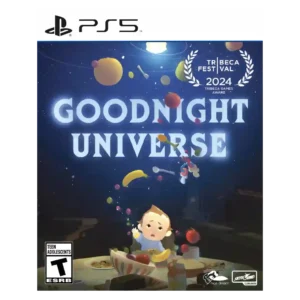
Goodnight Universe

Goodnight Universe

Overall score 4.2 / 5

Based on 21 scored reviews

vs
Akiba Lost

Akiba Lost

Overall score 4.0 / 5

Based on 9 scored reviews

How we score

Scorata scores summarize analyzed review evidence on a 1–5 scale; they are not laboratory measurements or a simple average of customer star ratings. Feature scores summarize the reviews covering that feature. The overall score averages feature scores within each review, then combines review averages. When both expert and customer evidence are available, those two groups receive equal weight. Products can have different review coverage, so small score gaps do not establish a winner.

Recommendations prioritize important features for the category, with a score of at least 3.5, a gap of at least 0.25 points and at least two supporting reviews per product. Features with widely varying scores or broad connectivity contexts are excluded from recommendations. These safeguards do not establish statistical significance.

Quick verdict

What each product is best for

The review evidence points to a tradeoff: pacing and graphics quality versus core gameplay loop and difficulty balance. Choose according to which strengths matter more to you; the overall score alone does not settle that choice.

Choose Goodnight Universe for pacing and graphics quality.

Choose Akiba Lost for core gameplay loop and difficulty balance.

Why these recommendations?

Goodnight Universe

Where It Has the Edge

  • pacing is 3.6 vs 2.6. Pacing was one of the most split areas: some reviewers thought the short runtime was well used, while...
  • graphics quality is 4.3 vs 3.8. Graphics quality was viewed positively but modestly, with reviewers calling the game easy on the eyes and technically...
  • side character depth is 5.0 vs 4.5. Side characters were praised where discussed, especially Isaac’s family and the small cast that reviewers came to care...

Akiba Lost

Where It Has the Edge

  • core gameplay loop is 4.7 vs 3.0. Following one viewpoint and discovering how it changes another is consistently engaging. Character switching turns the mystery into...
  • difficulty balance is 4.0 vs 3.0. Progression is generally manageable when you pay attention to the story and track the cast. Route puzzles are...
  • immersion is 4.8 vs 4.0. Akihabara feels engaging through detailed cultural context and the contrast between cheerful everyday locations and hidden danger.
Goodnight Universe 4.2 overall score
Akiba Lost 4.0 overall score

Compare features

Scores are out of 5. Missing scores mean missing review evidence, not a missing feature.

Scored on both products

Other features

Visual effects quality
Goodnight Universe
5.0

Visual effects quality had limited but very positive evidence around inventive mixed 2D, 3D, and hand-drawn late-game visual storytelling.

Akiba Lost
2.8

The blurred fast-forward effect used to suggest movement is a divisive stylistic choice. It takes getting used to and does not always land convincingly.

Core gameplay loop
Goodnight Universe
3.0

The core loop worked best in chore/checklist or story-observation moments, but reviewers who wanted more active play found it passive or lacking.

Akiba Lost
4.7

Following one viewpoint and discovering how it changes another is consistently engaging. Character switching turns the mystery into an enjoyable process of connecting partial accounts.

Learning curve
Goodnight Universe
4.5

Learning curve was praised in limited evidence because the mechanics click quickly and let the storytelling stay central.

Akiba Lost
2.8

The multi-viewpoint structure takes some adjustment, and the volume of names, relationships, and details can become overwhelming. Attentive play helps keep the connections clear.

Bug frequency
Goodnight Universe
4.0

Bug frequency was a minor caveat rather than a major complaint; reviewers mentioned visual bugs or jank but often said they did not derail the experience.

Akiba Lost
2.5

One account reports rare pages with an abruptly cut-off final sentence. The missing text did not prevent understanding, but the defect still undermines presentation.

Environmental detail
Goodnight Universe
4.3

Environmental detail was mixed: one reviewer found the world not especially detailed, while another praised the overall detail and animation.

Akiba Lost
3.0

Smaller locations can have well-designed sets, but some open scenes feel underpopulated. A few more background extras would help those environments feel convincing.

Difficulty balance
Goodnight Universe
3.0

Reviewers agreed the game is not especially challenging; this worked for passive narrative play but may disappoint players seeking demanding gameplay.

Akiba Lost
4.0

Progression is generally manageable when you pay attention to the story and track the cast. Route puzzles are described as straightforward once the relevant possibilities are narrowed down.

Pacing
Goodnight Universe
3.6

Pacing was one of the most split areas: some reviewers thought the short runtime was well used, while others cited side-tracked sections, slow stretches, abrupt movement, or rough emotional timing.

Akiba Lost
2.6

Repeated scenes and late flashbacks are the most persistent drag on the mystery. Switching perspectives can be absorbing, but revisiting familiar material sometimes turns progress into a slog.

Immersion
Goodnight Universe
4.0

Immersion depended heavily on setup: webcam, headphones, and eye inputs often deepened immersion, while missing camera support, rough pacing, or weaker mechanics could reduce intimacy.

Akiba Lost
4.8

Akihabara feels engaging through detailed cultural context and the contrast between cheerful everyday locations and hidden danger.

Gameplay mechanics
Goodnight Universe
3.7

Reviewers often praised the mechanics when webcam, blinking, telepathy, and psychic interactions served the story, but several found the console or passive versions thin, clunky, or less meaningful.

Akiba Lost
4.4

FREEZE & ACTIVATE and cross-route choices give the filmed story meaningful interaction. The systems are inventive and satisfying, though repeated searches for the right trigger can interrupt the flow.

Polish
Goodnight Universe
3.5

Polish was somewhat imperfect in limited evidence, with motion and jank issues noted despite the broader emotional success.

Akiba Lost
2.8

Script typos and occasional text-display problems leave room for another editing pass. The reported flaws are mostly minor, but noticeable against the substantial production effort.

Camera behavior
Goodnight Universe
4.0

Camera behavior was central and mixed: several reviewers loved or respected the webcam/blink mechanics, but others found detection finicky, awkward, mechanical, or platform-dependent.

Akiba Lost
4.5

The first-person panoramic scenes are enjoyable and useful for investigation. Looking around can reveal meaningful information instead of merely showing off a filming technique.

Dialogue quality
Goodnight Universe
4.0

Dialogue quality had limited but positive evidence, with one reviewer appreciating small unique dialogue changes tied to choices.

Akiba Lost
4.5

Dialogue is concise and well written, keeping conversations moving at a comfortable pace.

Graphics quality
Goodnight Universe
4.3

Graphics quality was viewed positively but modestly, with reviewers calling the game easy on the eyes and technically good rather than visually cutting-edge.

Akiba Lost
3.8

The still images and high-resolution footage are generally attractive, with plenty of visual variety. Changes in lighting and lenses can make the switch from photographs to moving footage feel awkward.

Side character depth
Goodnight Universe
5.0

Side characters were praised where discussed, especially Isaac’s family and the small cast that reviewers came to care about.

Akiba Lost
4.5

Supporting characters contribute charm, memorable relationships, and hidden depth. Several are compelling enough to become favorites rather than simply serving the main cast.

Writing quality
Goodnight Universe
4.6

Writing was widely admired for beauty, sincerity, character moments, and presentation, though a few reviewers felt the story could fall flat or shine unevenly.

Akiba Lost
4.1

Interconnected viewpoints, thoughtful grief themes, and concise dialogue give the writing real appeal. Coincidences, overexplaining, and uneven final answers weaken some of that work.

Narrative quality
Goodnight Universe
4.5

Narrative quality was the strongest consensus point, with most reviewers praising the emotional family story, unusual premise, and memorable journey, though a minority found it less focused or affecting.

Akiba Lost
4.1

The Akihabara mystery hooks early and gains depth from its interconnected viewpoints. Its ambitious final revelations divide opinion, ranging from rewarding closure to implausible or confusing answers.

Character development
Goodnight Universe
4.3

Character development was usually praised for grounded family dynamics and three-dimensional characters, though one reviewer found the cast likable but underdeveloped.

Akiba Lost
4.7

The main cast grows beyond its initial archetypes through layered motivations, hidden nuances, and compelling arcs. Even seemingly meandering threads can gain purpose at the finale.

Fun factor
Goodnight Universe
4.2

Fun factor was mostly positive in story and psychic-play moments, but one negative review said the gameplay stopped being fun.

Akiba Lost
4.5

Connecting viewpoints and following the character journeys remains highly enjoyable despite occasional slow scenes. Several accounts describe the mystery as delightful or difficult to put down.

Art direction
Goodnight Universe
4.5

Art direction was generally praised for its colorful, charming, expressive, and warm visual identity, even when the world itself was not always detailed.

Akiba Lost
4.3

Cute chibi and pixel-art versions of the characters add charm alongside the live-action presentation.

Atmosphere
Goodnight Universe
4.8

Atmosphere was praised for dreamlike ambience, emotional visual contrast, and a warm, engaging mood.

Akiba Lost
5.0

The mystery creates a compelling sense of paranoia, inviting constant reassessment of who seems innocent or suspicious.

Originality
Goodnight Universe
4.6

Originality was strongly praised, with reviewers repeatedly calling the premise, baby perspective, and overall experience unique or fresh.

Akiba Lost
4.5

The game retains a distinct identity despite its clear influences. Its unusual combination of live-action drama, stills, and interconnected routes stands out within narrative games.

Emotional impact
Goodnight Universe
4.7

Emotional impact was a major strength, with many reviewers reporting tears, lingering feelings, heartfelt moments, or strong investment; a few found the beats less earned.

Akiba Lost
4.6

Grief and the search for closure provide a strong emotional core. Personal character struggles resonate even when the mystery’s final twists become outlandish.

Handheld play suitability
Goodnight Universe
2.0

Handheld suitability had limited negative evidence, with one reviewer saying the eye-tracking design is not a great fit for Steam Deck or handheld PCs.

Akiba Lost
2.0

The high production values benefit from a bigger display. One handheld player specifically recommends moving to a large screen to appreciate the presentation.

Innovation
Goodnight Universe
4.5

Innovation was praised for surprising mechanics and interactive storytelling, although one reviewer felt the good ideas were not fully realized.

Akiba Lost
4.5

Interlocking character routes and the blend of still photography, drama footage, and interactive investigation make the format engaging. The experimentation earns admiration even when individual effects or transitions fall short.

World interactivity
Goodnight Universe
4.5

World interactivity was praised for using psychic abilities and environmental interactions to reinforce the heartfelt story.

Akiba Lost
4.5

Looking around the filmed environments encourages attention beyond the central action and gives the player a more active role in investigation.

Comfort and build

User interface design
Goodnight Universe
2.0

User interface design had a negative console/set-piece example where cursor text highlighting bogged down the experience.

Akiba Lost
4.0

The timeline and flowchart make it easy to revisit decisions and locate route triggers. Cramped text placement and occasional cut-off sentences detract from that otherwise useful interface.

Puzzle design
Goodnight Universe
4.5

Puzzle design received praise in limited evidence, especially for a psychic-camera sequence that felt fun and surprisingly challenging.

Akiba Lost
4.4

Piecing together route dependencies makes the story feel like a puzzle. Discovering that another viewpoint contains the needed answer delivers a satisfying payoff.

Performance

Performance optimization
Goodnight Universe
5.0

Performance optimization was praised in limited evidence, with one reviewer noting it does not need a cutting-edge PC.

Akiba Lost
3.5

After performance and fan adjustments, an AYN Thor running through GameNative handled a substantial portion of the story adequately.

Soundtrack quality
Goodnight Universe
4.6

The soundtrack was praised for emotional support, dreamlike or restrained ambience, and strong musical moments, though one reviewer framed it as effective rather than overwhelming.

Akiba Lost
4.2

Character-specific music can fit the personalities particularly well, and one critic considers the soundtrack worth buying separately. Another finds most of the music decent but unmemorable.

Controls and connectivity

Protagonist appeal
Goodnight Universe
4.9

Isaac’s protagonist appeal was strong, with reviewers highlighting his emotional complexity, witty inner voice, and memorable narration.

Akiba Lost
4.5

Daiki is an interesting central figure whose ambitions become increasingly entangled with the mystery.

Ownership and support

Replay value
Goodnight Universe
4.3

Replay value came mainly from choices, callbacks, and altered dialogue rather than major branching endings; several reviewers still found multiple playthroughs worthwhile.

Akiba Lost
4.5

Revisiting decisions is appealing because small changes can alter circumstances elsewhere in the story. Experimenting with those connections gives repeat play a clear purpose.

Value for money
Goodnight Universe
3.9

Value for money was mixed to positive: most price/value comments considered it worthwhile, while one reviewer felt it was not recommendable at its offered price.

Akiba Lost
3.8

One full review considers the base game absolutely worth its price. A more cautious preview advises checking the demo before committing at full price, reflecting uncertainty rather than a completed playthrough.

Evidence available for one product

Other features

Accessibility options
Goodnight Universe
4.5

Accessibility-related evidence was positive, with reviewers appreciating basic webcam requirements and a No Camera option that preserved the experience.

Akiba LostNo score yet
Animation quality
Goodnight Universe
4.5

Animation quality received positive evidence for smooth animation and detailed character expression.

Akiba LostNo score yet
Casting choices
Goodnight UniverseNo score yet
Akiba Lost
4.7

The ensemble is a major strength, with praise ranging from capable actors to a cast without a weak performance. Its delivery gives the mystery personality and helps the emotional themes land.

Character diversity
Goodnight UniverseNo score yet
Akiba Lost
4.5

Different backgrounds and viewpoints give the cast more than cosmetic variety. Their complementary information and compelling personalities make the ensemble useful to the mystery.

Character roster
Goodnight UniverseNo score yet
Akiba Lost
4.6

The ensemble supplies complementary perspectives and a range of engaging personalities. Both the main group and the wider cast help sustain interest across the mystery.

Checkpoint system
Goodnight Universe
4.5

The checkpoint system was praised for keeping players close to the action and reducing stress after failures.

Akiba LostNo score yet
Choice impact
Goodnight UniverseNo score yet
Akiba Lost
4.7

Decisions can change another character’s circumstances or lead to abrupt bad endings. Those consequences give even small choices weight and make the ensemble feel connected.

Crash stability
Goodnight UniverseNo score yet
Akiba Lost
2.5

One unofficial handheld setup crashed before performance and fan adjustments. That isolated report makes stability on that configuration a caveat rather than a verdict on every platform.

Cutscene skippability
Goodnight UniverseNo score yet
Akiba Lost
2.3

Skipping previously read material can be unreliable or overshoot an activation phrase. Repeating scenes becomes more frustrating when the shortcut misses the exact line needed to progress.

Device compatibility
Goodnight UniverseNo score yet
Akiba Lost
3.0

Unofficial handheld play has caveats: the AYN Thor setup needed tuning after a crash. It subsequently ran well enough for substantial story progress.

Exploration quality
Goodnight UniverseNo score yet
Akiba Lost
4.5

Inspecting filmed surroundings makes investigation feel participatory. The panoramic sections are repeatedly enjoyed as an engaging change from reading and watching.

Facial animations
Goodnight Universe
3.5

Facial animations had a minor caveat, with one reviewer noting occasional lip-sync issues.

Akiba LostNo score yet
Frame rate stability
Goodnight Universe
4.8

Frame rate stability was positive in Switch 2-focused evidence, with no frame hitches or meaningful performance dips reported.

Akiba LostNo score yet
Game length
Goodnight UniverseNo score yet
Akiba Lost
2.5

One playthrough ran far longer than expected, approaching three times an anticipated twenty hours. The length becomes a drawback when late recaps slow an otherwise absorbing story.

Horror tension
Goodnight UniverseNo score yet
Akiba Lost
4.3

The unsettling mystery atmosphere is appealing, while the small jumpscares are described as amusing. The praise concerns how these moments work, rather than how intense the content is.

HUD clarity
Goodnight Universe
4.5

HUD clarity was praised in limited evidence, with power cues described as clear and not confusing.

Akiba LostNo score yet
Humor
Goodnight UniverseNo score yet
Akiba Lost
4.5

Energetic managers and eccentric supporting characters lighten the heavier mystery. Moe and Saigo’s comic writing is a particular highlight.

Live-action cinematics
Goodnight UniverseNo score yet
Akiba Lost
4.7

Careful composition, abundant shots, and strong filmed performances give the game an unusually rich presentation. Some transitions between stills and video are uneven, and open locations can look less polished.

Load times
Goodnight Universe
5.0

Load times had limited positive evidence, with scenes transitioning without a loading delay.

Akiba LostNo score yet
Lore depth
Goodnight UniverseNo score yet
Akiba Lost
4.3

The extensive glossary adds cultural context, character trivia, and background detail. Most find it informative and entertaining, while one critic considers the codex a distraction.

Narrative tone consistency
Goodnight UniverseNo score yet
Akiba Lost
4.5

Comedic supporting characters successfully offset the gloomy premise, keeping the mystery from becoming relentlessly heavy.

Onboarding experience
Goodnight Universe
4.5

The onboarding was praised for easing players into Isaac’s powers through natural tutorialization.

Akiba LostNo score yet
Overall quality
Goodnight UniverseNo score yet
Akiba Lost
4.5

The game earns broad praise as an engrossing and ambitious interactive drama. Repetition and a divisive finale temper the enthusiasm, but the character journeys usually carry it through.

Progression system
Goodnight UniverseNo score yet
Akiba Lost
3.7

Unfreezing one route through actions or phrases in another creates satisfying connections. Buried triggers and an unlucky character order can nevertheless make advancement tedious.

Stealth mechanics
Goodnight Universe
2.5

Stealth/action sequences were a recurring weak spot, with instant-fail or active-control sections standing out as less enjoyable than the story-focused portions.

Akiba LostNo score yet
Storage footprint
Goodnight UniverseNo score yet
Akiba Lost
3.0

The roughly 45–50 GB installation is unusually large for a visual novel. The volume of high-quality footage and unique images helps explain the space required.

Tutorial quality
Goodnight Universe
4.5

Tutorial quality had limited but positive evidence, with the game naturally teaching powers as they become relevant.

Akiba LostNo score yet

Controls and connectivity

Collector appeal
Goodnight UniverseNo score yet
Akiba Lost
2.0

The sold-out luxury edition is considered unnecessary to chase at inflated resale prices.

Controls responsiveness
Goodnight Universe
3.1

Controls drew mixed reactions: some found the control scheme competent or acceptable, while console and later set-piece inputs were described as inaccurate, fiddly, clunky, or unable to keep up.

Akiba LostNo score yet
Voice acting
Goodnight Universe
5.0

Voice acting was one of the clearest strengths, repeatedly praised for stellar, captivating, passionate, or brilliant performances across the cast.

Akiba LostNo score yet

Ownership and support

DLC value
Goodnight UniverseNo score yet
Akiba Lost
4.5

The soundtrack earns an explicit recommendation as a worthwhile extra. A preview also finds the deluxe bundle better value for buyers who specifically want both the soundtrack and drama.

Localization support
Goodnight UniverseNo score yet
Akiba Lost
2.5

Minor English typos become more noticeable in later chapters. They are usually treated as a nuisance rather than a barrier to following the story.

Platform-specific feature support
Goodnight Universe
2.7

Platform-specific feature support was a notable drawback on Switch 2 and other console versions because missing camera/eye tracking reduced the intended experience.

Akiba LostNo score yet

Comfort and build

Sound design
Goodnight Universe
4.9

Sound design was a major strength, especially spatial thought-reading audio, headphones, foley, and soundscapes that support the story.

Akiba LostNo score yet
World-building
Goodnight UniverseNo score yet
Akiba Lost
4.5

Akihabara’s subcultures, local traditions, and supporting personalities create a distinctive setting. The substantial glossary usually deepens that sense of place, although one account finds some definitions unnecessary.

Other Top Video Games to Consider

#1 Well Dweller
4.7

Best for fluid traversal, rewarding exploration, striking art, and forgiving quality-of-life features. Skip it if you want deep combat, radical genre innovation, or consistently demanding bosses.

Pros: difficulty balance, boss design

Cons: innovation, sandbox freedom

#2 Hades II
4.5

Best for superb combat, inventive builds, and richly voiced characters. Skip it if repeated runs, resource gathering, or visually busy battles outweigh the appeal of steady progress.

Pros: overall quality, combat system

Cons: pacing, grind level

#3 Valheim
4.5

Good if you want a beautiful, demanding survival sandbox built around exploration, building, progression, and memorable co-op. Skip it if long resource runs, harsh death recovery, and deliberate pacing sound...

Pros: town-building system, exploration quality

Cons: grind level, fast travel convenience

#4 Clair Obscur: Expedition 33
4.5

Choose Clair Obscur if you want a story-rich RPG with thrilling timed combat, gorgeous art, and standout music. Skip it if poor maps, tight parry timing, or occasional bugs and...

Pros: narrative quality, combat system

Cons: map and navigation design, menu usability