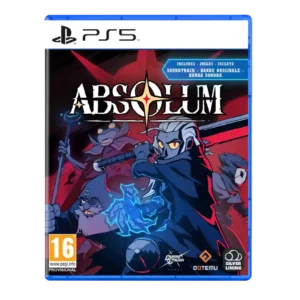
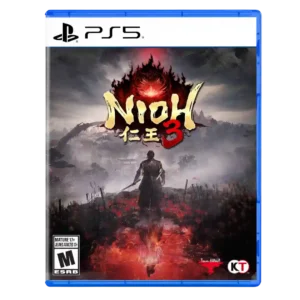
Compare Absolum vs Nioh 3

Absolum

Absolum

Overall score 4.3 / 5

Based on 30 scored reviews

vs
Nioh 3

Nioh 3

Overall score 4.0 / 5

Based on 35 scored reviews

How we score

Scorata scores summarize analyzed review evidence on a 1–5 scale; they are not laboratory measurements or a simple average of customer star ratings. Feature scores summarize the reviews covering that feature. The overall score averages feature scores within each review, then combines review averages. When both expert and customer evidence are available, those two groups receive equal weight. Products can have different review coverage, so small score gaps do not establish a winner.

Recommendations prioritize important features for the category, with a score of at least 3.5, a gap of at least 0.25 points and at least two supporting reviews per product. Features with widely varying scores or broad connectivity contexts are excluded from recommendations. These safeguards do not establish statistical significance.

Quick verdict

What each product is best for

The review evidence points to a tradeoff: performance optimization and graphics quality versus endgame content and progression system. Choose according to which strengths matter more to you; the overall score alone does not settle that choice.

Choose Absolum for performance optimization and graphics quality.

Choose Nioh 3 for endgame content and progression system.

Why these recommendations?

Absolum

Where It Has the Edge

  • performance optimization is 4.8 vs 3.3. Performance optimization was positive overall, especially on Steam Deck and Switch 2, with some Switch caveats.
  • graphics quality is 5.0 vs 3.7. Graphics quality was praised for hand-drawn detail, strong locations, and appealing fantasy presentation.
  • world-building is 4.7 vs 3.4. World-building was widely praised for its magical setting, history, culture, and lore hooks even when the main plot...

Nioh 3

Where It Has the Edge

  • endgame content is 4.9 vs 2.3. Endgame content was strongly praised through NG+, deep loot payoff, and multiplayer/endgame longevity.
  • progression system is 4.7 vs 2.6. Progression was praised for free respecs, build freedom, rewarding upgrades, and flexible experimentation across styles and weapons.
  • difficulty balance is 3.9 vs 2.8. Difficulty was generally seen as challenging but more approachable and flexible, though one review strongly criticized the lack...
Absolum 4.3 overall score
Nioh 3 4.0 overall score

Compare features

Scores are out of 5. Missing scores mean missing review evidence, not a missing feature.

Scored on both products

Other features

Endgame content
Absolum
2.3

Endgame content was a recurring concern, with reviewers describing it as thin, anticlimactic, or lacking meaningful progression.

Nioh 3
4.9

Endgame content was strongly praised through NG+, deep loot payoff, and multiplayer/endgame longevity.

Character roster
Absolum
4.5

The character roster was praised for distinct heroes, but some reviewers wished there were more than four playable characters.

Nioh 3
2.0

Character roster was criticized in one review as thin compared with previous entries.

Online stability
Absolum
5.0

Online stability had limited evidence, but one co-op review reported no crashes or bugs during Steam play.

Nioh 3
2.8

Online stability was mixed-negative, with co-op praised but disconnections and network instability noted.

Progression system
Absolum
2.6

Progression was the most divisive system: some liked the steady growth, while others felt it over-relied on grinding and numbers.

Nioh 3
4.7

Progression was praised for free respecs, build freedom, rewarding upgrades, and flexible experimentation across styles and weapons.

AI behavior
Absolum
4.5

AI behavior received limited but positive support for enemy responses that punish careless play.

Nioh 3
2.5

AI behavior was criticized in one review for enemies failing to react believably to nearby actions.

Immersion
Absolum
5.0

Immersion was praised when reviewers felt pulled into the magical world and its escapist atmosphere.

Nioh 3
3.0

Immersion was mixed: one review said empty restored areas harmed it, while another said technical hiccups did not break it.

Accessibility options
Absolum
4.8

Accessibility was a strong point thanks to assist settings and damage modifiers, with some online limitations noted.

Nioh 3
3.0

Accessibility evidence was mixed: one review criticized the lack of lower difficulty options, while another noted subtitle and caption-related options.

Frame rate stability
Absolum
4.9

Frame rate stability was usually praised, especially 60 FPS reports, though one Switch review noted occasional drops.

Nioh 3
3.3

Frame rate stability varied sharply by reviewer and platform, from stable or flawless to serious regional problems and forced FPS caps.

Graphics quality
Absolum
5.0

Graphics quality was praised for hand-drawn detail, strong locations, and appealing fantasy presentation.

Nioh 3
3.7

Graphics were mixed: some called the game good-looking or visually impressive, while others found graphics dated or uneven.

Class balance
Absolum
3.0

Class balance had limited mixed evidence, with at least one broken build described as trivializing the game.

Nioh 3
4.2

Class balance was mostly positive, with Samurai and Ninja both seen as viable despite some flexibility concerns.

Difficulty balance
Absolum
2.8

Difficulty balance was mixed, ranging from adjustable and fair to overly grind-dependent or punishing in co-op.

Nioh 3
3.9

Difficulty was generally seen as challenging but more approachable and flexible, though one review strongly criticized the lack of lower difficulty options.

Innovation
Absolum
5.0

Innovation was praised where reviewers felt Absolum advanced or changed expectations for the beat-em-up genre.

Nioh 3
4.2

Innovation received positive evidence for blending outside influences into a cohesive whole.

Art direction
Absolum
4.9

Art direction was one of the strongest consensus positives, repeatedly described as gorgeous, striking, or beautifully stylized.

Nioh 3
4.2

Art direction was mostly positive, especially for aesthetic and yokai style, despite one review saying it lacked FromSoftware-like beauty.

Movement feel
Absolum
3.8

Movement feel was split: some found it exceptionally fluid, while others struggled with 2.5D positioning and precision.

Nioh 3
4.5

Movement earned praise for mobility and flow, especially through Ninja style and the broader feel of moment-to-moment action.

Bug frequency
Absolum
3.5

Bug frequency was limited but mixed, with one pre-launch freeze fixed and another reviewer reporting several bugs.

Nioh 3
2.8

Bug frequency was a concern in several reviews, including disappearing health bars, glitches, and enemies behaving incorrectly.

Content variety
Absolum
4.3

Content variety was praised for new encounters, paths, and discoveries, though some reviewers still wanted more areas or variation.

Nioh 3
3.6

Content variety was mixed: several reviews praised packed activities and systems, while others felt repetition or density set in.

Gameplay mechanics
Absolum
4.8

Reviewers praised the mechanical depth and expressive systems, especially once combos, rituals, and enemy responses opened up.

Nioh 3
4.2

Reviewers largely praised the Samurai/Ninja systems and style switching for adding flexibility and depth, though a few found specific mechanics underpowered or limiting.

Enemy variety
Absolum
4.4

Enemy variety was usually positive, with several reviewers praising distinct foes, while one found variety lacking.

Nioh 3
3.9

Enemy variety was divisive, ranging from praise for a huge monster lineup to criticism of recycled or repetitive foes.

Environmental detail
Absolum
5.0

Environmental detail was praised for highly detailed locations and memorable, secret-filled areas.

Nioh 3
4.5

Environmental detail was praised where reviewers found the large landscapes impressive.

Learning curve
Absolum
3.8

The learning curve can be frustrating early, but reviewers said mastery and focused builds make the game more rewarding.

Nioh 3
3.4

The learning curve was widely described as approachable but still steep, dense, or overwhelming depending on player familiarity.

Core gameplay loop
Absolum
4.5

The core loop was often described as addictive and replay-friendly, though a few reviewers found the loop slowed by structure.

Nioh 3
4.9

The core loop was described as addictive and hard to put down, with repeated praise for combat-driven progression and long-term engagement.

Exploration quality
Absolum
4.9

Exploration was a major positive, supported by alternate routes, secrets, handcrafted spaces, and reasons to revisit paths.

Nioh 3
4.5

Exploration was consistently praised as rewarding, meaningful, and strongly tied to progression, though a few reviewers noted checklist fatigue.

Polish
Absolum
4.8

Polish was widely positive, with reviewers calling the game polished, crafted, and high-quality despite design caveats.

Nioh 3
4.5

Polish was praised by reviews that called Nioh 3 polished, refined, and fleshed out.

Animation quality
Absolum
4.8

Animation quality drew strong praise for smooth, expressive motion and lively character/enemy animation.

Nioh 3
4.5

Animation quality received positive evidence from one review that noted improved animations supporting better combat feel.

Co-op experience
Absolum
4.4

Co-op was usually praised as fun and easy to access, though reviewers wanted more than two players and noted balance limits.

Nioh 3
4.2

Co-op was generally praised as smooth, strong, and helpful, with only some stability caveats.

Narrative quality
Absolum
2.9

Narrative quality split reviewers: some enjoyed the world and evolving story, while others found the plot bland or slow.

Nioh 3
2.8

Narrative quality was the clearest creative weakness, often described as hard to follow, dry, rough, or merely functional, with a few positive exceptions.

Combat system
Absolum
4.9

Combat was the clearest strength, with reviewers repeatedly praising its feel, depth, combo freedom, and beat-em-up fundamentals.

Nioh 3
4.9

Combat was the most strongly praised attribute, repeatedly called deep, smooth, flexible, and among the best in the soulslike/action RPG space.

Fun factor
Absolum
4.8

Fun factor was very high overall, with many reviewers calling the game addictive, joyful, or a favorite.

Nioh 3
4.8

Fun factor was very high across reviews, with repeated language around fun, addictive play, and strong enjoyment.

Pacing
Absolum
5.0

Pacing was praised by some for compact run lengths and momentum once the systems clicked.

Nioh 3
5.0

Pacing received excellent marks where reviewers described the setting and exploration rhythm as unrelentingly addictive.

Visual effects quality
Absolum
5.0

Visual effects were praised for making spells, explosions, and combat impacts engaging.

Nioh 3
5.0

Visual effects quality was strongly praised in one review for the Crucible’s striking visual design.

Controls and connectivity

Menu usability
Absolum
5.0

Menu usability received positive support for sleek, easy navigation.

Nioh 3
2.9

Menu usability was a repeated drawback, with reviewers citing convoluted systems, cluttered menus, and too much menu busy work despite mitigation tools.

Voice acting
Absolum
3.8

Voice acting was mixed, with several reviewers praising performances while others found some delivery weak or uneven.

Nioh 3
2.8

Voice acting was mixed, with Japanese voiceover praised but English voice acting criticized as poor or distracting.

Controls responsiveness
Absolum
4.7

Controls were generally praised as responsive and fluid, especially with a controller, with only a few platform or precision caveats.

Nioh 3
4.5

Style switching was described as smooth and responsive, with reviewers noting that swapping between Samurai and Ninja quickly became satisfying in battle.

Comfort and build

Quest design
Absolum
2.0

Quest design was divisive, with some side-quest gating and RNG requirements described as tedious.

Nioh 3
4.0

Side quests were viewed favorably in the cited review because Myths were spaced out rather than overwhelming the map.

World-building
Absolum
4.7

World-building was widely praised for its magical setting, history, culture, and lore hooks even when the main plot lagged.

Nioh 3
3.4

World-building was mixed, with time-period variety praised but identity, lore depth, and restored-world immersion criticized in several reviews.

Map and navigation design
Absolum
5.0

Map and navigation design was praised for making routes and playthroughs feel meaningfully different.

Nioh 3
4.0

Map and navigation design was mostly positive, especially collectible reveal systems, though one review disliked checklist-style map completion.

Boss design
Absolum
3.3

Boss design ranged from memorable and mechanically strong to harshly criticized for an instant-kill final-boss gimmick.

Nioh 3
4.3

Boss design was broadly praised for memorable, fair, and demanding encounters, though a few reviewers found some bosses generic or less memorable.

Mission design
Absolum
5.0

Mission structure worked best when story events and run transitions surfaced naturally during exploration.

Nioh 3
4.3

Mission and Crucible design were viewed positively, with reviewers noting more open paths, pressure-test encounters, and dungeon-like challenge.

Level design
Absolum
4.0

Level design earned praise for criss-crossing paths and route variety rather than a purely linear brawler flow.

Nioh 3
4.6

Level design was broadly praised for open-field layouts, strong world structure, and mission-like areas integrated into larger spaces.

Sound design
Absolum
5.0

Sound design was praised for punchy hits, crunchy feedback, and strong audiovisual pairing.

Nioh 3
4.8

Sound design was strongly praised, especially combat effects, ambient audio, and overall audio presentation.

Performance

Performance optimization
Absolum
4.8

Performance optimization was positive overall, especially on Steam Deck and Switch 2, with some Switch caveats.

Nioh 3
3.3

Performance optimization was mixed, with some smooth experiences but repeated PC issues, frame dips, and calls for optimization.

Soundtrack quality
Absolum
4.9

The soundtrack was a standout strength, repeatedly described as excellent, phenomenal, varied, or among the year’s best.

Nioh 3
3.8

Soundtrack quality ranged from forgettable to gorgeous and well-placed, making the overall evidence mixed-positive.

Ownership and support

Replay value
Absolum
4.0

Replay value was highly divisive: many found it addictive and varied, while others felt repetition and forced replay hurt it.

Nioh 3
4.9

Replay value was rated very highly, with reviewers pointing to postgame hostility resets, NG+, long playtimes, and ongoing engagement.

Value for money
Absolum
5.0

Value for money was positive in the limited evidence available, with reviewers calling it inexpensive or good value.

Nioh 3
4.8

Value for money was rated highly due to 100-hour completion, content richness, and strong day-one value claims.

Evidence available for one product

Other features

Atmosphere
AbsolumNo score yet
Nioh 3
4.5

Atmosphere was praised for distinctive hubs, strong Sengoku flavor, and memorable area identity.

Camera behavior
AbsolumNo score yet
Nioh 3
2.5

Camera behavior received a negative technical note because stuttery camera movement was part of a broader PC issue list.

Checkpoint system
AbsolumNo score yet
Nioh 3
4.5

Checkpoints were praised as well placed and supported by abundant shortcuts.

Companion AI
AbsolumNo score yet
Nioh 3
2.5

Companion AI received a negative note where summonable allies were said to be ignored by bosses.

Crash stability
AbsolumNo score yet
Nioh 3
2.7

Crash stability was mixed-negative, with multiple reviewers reporting crashes or fatal errors even when saves survived.

Economy and resource balance
AbsolumNo score yet
Nioh 3
2.5

Resource balance drew criticism around elixir management, especially early on when healing items felt unnecessarily stressful.

Emotional impact
AbsolumNo score yet
Nioh 3
4.0

Emotional impact received limited but positive evidence from one review citing some emotional weight in the leadership theme.

Faithfulness to franchise
AbsolumNo score yet
Nioh 3
4.4

Faithfulness to franchise was praised where reviewers felt the game preserved Nioh’s identity while evolving its formula.

Grind level
Absolum
2.4

Grind level was one of the most common complaints, though a few reviewers felt it avoided becoming a total grindfest.

Nioh 3No score yet
Handheld play suitability
Absolum
4.8

Handheld suitability was positive, especially for Steam Deck and Switch, despite small-text and co-op screen caveats.

Nioh 3No score yet
Haptic feedback integration
Absolum
4.5

Haptic feedback support received limited praise for selective controller jolts reinforcing hits.

Nioh 3No score yet
Load times
AbsolumNo score yet
Nioh 3
5.0

Load times were praised as very quick in both supporting reviews.

Loot system
AbsolumNo score yet
Nioh 3
2.7

Loot was one of the most repeated pain points, with reviewers describing abundance, inventory pressure, and menu-heavy cleanup despite some useful tools.

Onboarding experience
AbsolumNo score yet
Nioh 3
4.1

Onboarding was usually praised for pacing new systems well and helping players get up to speed despite mechanical density.

Originality
Absolum
4.5

Originality received positive support for its fresh beat-em-up and roguelite hybrid approach.

Nioh 3No score yet
Platforming precision
AbsolumNo score yet
Nioh 3
2.5

Platforming was criticized in one review for inconsistency and for making terrain feel more dangerous than intended.

Skill tree depth
AbsolumNo score yet
Nioh 3
4.2

Skill trees were praised for depth and hidden unlocks, though some reviewers felt the system could be overwhelming at first.

Stealth mechanics
AbsolumNo score yet
Nioh 3
2.5

Stealth received a mixed note because one reviewer found stealth attacks could alert enemies too easily.

Tutorial quality
AbsolumNo score yet
Nioh 3
1.8

Tutorial quality was criticized for poorly introduced systems and badly timed mechanics during difficult early moments.

Upgrade system
Absolum
3.8

Upgrade systems offered build variety and experimentation, but reviewers split over random, temporary, or underwhelming upgrades.

Nioh 3No score yet
Weapon balance
AbsolumNo score yet
Nioh 3
4.3

Weapon balance/depth was positive overall, though style-locked weapons were also described as controversial.

World interactivity
Absolum
5.0

World interactivity stood out when player actions produced new dialogue, events, enemies, and persistent changes.

Nioh 3No score yet
Writing quality
AbsolumNo score yet
Nioh 3
3.9

Writing quality was mixed-positive, with praise for spectacle and some story impact despite broader narrative caveats.

Controls and connectivity

Character customization
AbsolumNo score yet
Nioh 3
4.4

Character customization was mostly praised as deep and flexible, though one review found it weaker than Nioh 2.

Protagonist appeal
Absolum
4.5

The playable leads were generally appealing, with reviewers highlighting fun fantasy archetypes and standout characters.

Nioh 3No score yet

Comfort and build

Multiplayer design
AbsolumNo score yet
Nioh 3
4.0

Multiplayer design received limited positive evidence for remaining a strong suit.

Open-world design
AbsolumNo score yet
Nioh 3
4.4

The open-field/open-world shift was mostly praised as a strong evolution, with a minority finding it unnecessary or gimmicky.

User interface design
Absolum
3.5

User interface design was mostly fine but received a handheld-specific caveat around small text and lack of font scaling.

Nioh 3No score yet

Other Top Video Games to Consider

#1 Well Dweller
4.7

Best for fluid traversal, rewarding exploration, striking art, and forgiving quality-of-life features. Skip it if you want deep combat, radical genre innovation, or consistently demanding bosses.

Pros: difficulty balance, boss design

Cons: innovation, sandbox freedom

#2 Hades II

4.5

Best for superb combat, inventive builds, and richly voiced characters. Skip it if repeated runs, resource gathering, or visually busy battles outweigh the appeal of steady progress.

Pros: overall quality, combat system

Cons: pacing, grind level

#3 Valheim

4.5

Good if you want a beautiful, demanding survival sandbox built around exploration, building, progression, and memorable co-op. Skip it if long resource runs, harsh death recovery, and deliberate pacing sound...

Pros: town-building system, exploration quality

Cons: grind level, fast travel convenience

#4 Grand Theft Auto VI

4.5

Leonida is a breathtakingly alive crime sandbox with memorable protagonists, spectacular heists, and extraordinary detail. The tradeoff is a 30 fps ceiling, occasional control awkwardness, and some progression friction.

Pros: immersion, graphics quality

Cons: grind level, controls responsiveness