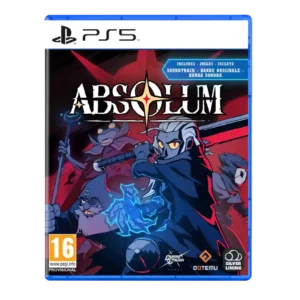
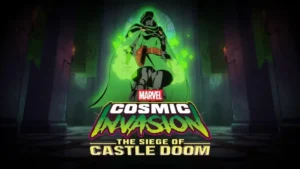
Absolum
Where It Has the Edge
No clear scored advantage over the other product.

Scorata scores summarize analyzed review evidence on a 1–5 scale; they are not laboratory measurements or a simple average of customer star ratings. Feature scores summarize the reviews covering that feature. The overall score averages feature scores within each review, then combines review averages. When both expert and customer evidence are available, those two groups receive equal weight. Products can have different review coverage, so small score gaps do not establish a winner.
Recommendations prioritize important features for the category, with a score of at least 3.5, a gap of at least 0.25 points and at least two supporting reviews per product. Features with widely varying scores or broad connectivity contexts are excluded from recommendations. These safeguards do not establish statistical significance.
Quick verdict
The available evidence supports the recommendation below, but does not establish an overall winner. Check the remaining features against your priorities.
There is not enough comparable review evidence to recommend Absolum over the other product.
Choose Marvel Cosmic Invasion: The Siege of Castle Doom for voice acting and character roster.
No clear scored advantage over the other product.
Scores are out of 5. Missing scores mean missing review evidence, not a missing feature.
Online stability had limited evidence, but one co-op review reported no crashes or bugs during Steam play.
One Xbox playthrough reported frequent disconnects that could erase lengthy runs, a serious problem for online sessions.
Frame rate stability was usually praised, especially 60 FPS reports, though one Switch review noted occasional drops.
Heavy combat can cause noticeable slowdown on Xbox Series X, despite generally stable play elsewhere.
Polish was widely positive, with reviewers calling the game polished, crafted, and high-quality despite design caveats.
Several technical and progression oversights hold back an otherwise enjoyable addition.
Accessibility was a strong point thanks to assist settings and damage modifiers, with some online limitations noted.
Controller remapping and effect toggles are available, but missing colorblind and text-scaling options limit accessibility.
Originality received positive support for its fresh beat-em-up and roguelite hybrid approach.
The mode borrows standard roguelike choices but does not fully deliver on its distinctive premise for every player.
Enemy variety was usually positive, with several reviewers praising distinct foes, while one found variety lacking.
New Doombots appear alongside enemies from the campaign, yet repeated or reskinned foes are a frequent disappointment. The same enemy combinations become familiar over multiple attempts.
The learning curve can be frustrating early, but reviewers said mastery and focused builds make the game more rewarding.
Initial runs can be hard to understand, particularly the door icons and the reasons the Siege Gauge becomes overwhelming.
Environmental detail was praised for highly detailed locations and memorable, secret-filled areas.
Spiked balls, electrified switches, and other castle traps make rooms interactive, even if the architectural scenery rarely changes.
Endgame content was a recurring concern, with reviewers describing it as thin, anticlimactic, or lacking meaningful progression.
Castle Doom gives the campaign a new post-game challenge, but players disagree about whether it has enough meaningful unlocks to remain compelling.
Narrative quality split reviewers: some enjoyed the world and evolving story, while others found the plot bland or slow.
Narrative quality is a recurring weakness that makes continued runs less enjoyable.
Bug frequency was limited but mixed, with one pre-launch freeze fixed and another reviewer reporting several bugs.
Some runs reportedly froze, stalled progress, or lost access to enemies, although another playthrough found no major bugs.
Content variety was praised for new encounters, paths, and discoveries, though some reviewers still wanted more areas or variation.
Random doors, hazards, and events change the encounters, but many rooms recycle enemies and castle scenery. Extra possibilities do not always translate into meaningfully different runs.
Innovation was praised where reviewers felt Absolum advanced or changed expectations for the beat-em-up genre.
Combining arcade brawling with a countdown and branching roguelike structure feels fresh to some players, though others see little new beyond the familiar formula.
Upgrade systems offered build variety and experimentation, but reviewers split over random, temporary, or underwhelming upgrades.
Offense, defense, and tactical perks help tailor a run, with occasional useful equipment. Many upgrades are plain stat increases, and several players say they barely affect the action.
Handheld suitability was positive, especially for Steam Deck and Switch, despite small-text and co-op screen caveats.
On ROG Xbox Ally X, the hectic fights were reported to run relatively steadily, with slightly less slowdown than on Xbox Series X.
Fun factor was very high overall, with many reviewers calling the game addictive, joyful, or a favorite.
Big attacks, superhero combos, and a frantic gauntlet make the expansion lively for many players. Others have fun with the fighters but tire of the mode's repetitive structure or harsh failures.
Movement feel was split: some found it exceptionally fluid, while others struggled with 2.5D positioning and precision.
Sue's mobility and air tricks are useful, while Doom's deliberately heavy movement suits his power but can make platform gaps awkward.
Progression was the most divisive system: some liked the steady growth, while others felt it over-relied on grinding and numbers.
Reed's Lab adds unlockable gear, events, and modifiers between runs. Some appreciate the ongoing rewards, while others find permanent growth too slight or the unlocks too focused on making runs harder.
Grind level was one of the most common complaints, though a few reviewers felt it avoided becoming a total grindfest.
Repeated runs and rising unlock costs can feel grindy when the rewards are mainly minor modifiers rather than transformative upgrades.
The character roster was praised for distinct heroes, but some reviewers wished there were more than four playable characters.
Doctor Doom and Invisible Woman are the expansion's clearest crowd-pleasers. Their contrasting heavy-hitter and technical-control styles make familiar stages worth revisiting.
The core loop was often described as addictive and replay-friendly, though a few reviewers found the loop slowed by structure.
The tag-team, combo-heavy brawling remains enjoyable and responsive in Castle Doom. The dispute is whether repeated rooms introduce enough new decisions to sustain that strong foundation.
Co-op was usually praised as fun and easy to access, though reviewers wanted more than two players and noted balance limits.
Co-op can turn character synergies and route selection into entertaining teamwork. The escalating gauge, crowded screen, and occasional disconnections can make group attempts difficult.
Difficulty balance was mixed, ranging from adjustable and fair to overly grind-dependent or punishing in co-op.
The game tests dodging, team swapping, and route planning more than the base campaign. Some call the challenge fair and satisfying; others find early attempts excessively punishing.
Animation quality drew strong praise for smooth, expressive motion and lively character/enemy animation.
Animation quality is an appealing part of the expansion, especially for players who enjoy the arcade-action foundation.
Art direction was one of the strongest consensus positives, repeatedly described as gorgeous, striking, or beautifully stylized.
Comic-book character sprites and retro arcade aesthetics capture the Marvel brawler style, with new attacks giving Doom and Sue recognizable personality.
Combat was the clearest strength, with reviewers repeatedly praising its feel, depth, combo freedom, and beat-em-up fundamentals.
The original's juggling, switching, and special moves remain a major strength, with Sue's barriers adding clever combo opportunities.
Graphics quality was praised for hand-drawn detail, strong locations, and appealing fantasy presentation.
Expressive pixel art and recognizable Marvel sprites remain standout visual strengths, even if the environments repeat.
Menu usability received positive support for sleek, easy navigation.
Using some progression screens requires awkward menu navigation, and descriptions of unlocked modifiers are not always helpful.
Voice acting was mixed, with several reviewers praising performances while others found some delivery weak or uneven.
Doom's confident taunts and the familiar battle lines add personality and arcade enthusiasm, especially during crowded encounters.
Level design earned praise for criss-crossing paths and route variety rather than a purely linear brawler flow.
Castle corridors, snowy battlements, and elevator sections contain interactive hazards, but their visuals and layouts can become samey over repeated runs.
Boss design ranged from memorable and mechanically strong to harshly criticized for an instant-kill final-boss gimmick.
The Doom showdown divides opinion: some enjoy a demanding, fair finale, while others find it anticlimactic or wish the expansion offered more new bosses.
Value for money was positive in the limited evidence available, with reviewers calling it inexpensive or good value.
The inexpensive expansion is viewed as worthwhile when its extra fighters and repeatable mode click, but less attractive when the limited variety becomes obvious.
Replay value was highly divisive: many found it addictive and varied, while others felt repetition and forced replay hurt it.
Branching doors, randomized encounters, and modifiers give players reasons to return. Opinions split sharply on whether modest unlocks and repetitive backdrops sustain that interest past the first clear.
Performance optimization was positive overall, especially on Steam Deck and Switch 2, with some Switch caveats.
One PC playthrough reported a smooth, trouble-free run through the new mode.
The soundtrack was a standout strength, repeatedly described as excellent, phenomenal, varied, or among the year’s best.
Energetic new music and the retro-inspired score help keep the action lively and fit the game's comic-book atmosphere.
The lack of additional achievements and endgame milestones can leave completion-focused players without much to pursue.
AI behavior received limited but positive support for enemy responses that punish careless play.
The new gauntlet adds branching routes, repeat attempts, and a rising threat meter to the beat-'em-up combat. Its fresh structure wins fans, but several find the actual runs shallow or repetitive.
Doom's magical traps and powerful strikes feel imposing, while Sue's bubbles, shields, and invisible-platform movement create satisfying new combos. A few supers are criticized for feeling too similar to existing attacks.
Character levels and passive abilities are restricted in Castle Doom, reducing the sense of ongoing hero progression.
Doom's heavy attacks and Sue's technical, airborne control offer distinct approaches, even when certain area attacks feel recycled.
Character switching is an appealing part of the expansion, especially for players who enjoy the arcade-action foundation.
Class balance had limited mixed evidence, with at least one broken build described as trivializing the game.
Co-op communication is an appealing part of the expansion, especially for players who enjoy the arcade-action foundation.
Sue's force fields can hold enemies for teammates while heavier fighters bring damage, making coordinated pairs rewarding.
Some attacks and depth positioning are hard to judge, although new enemy markers help players track flying threats.
The expansion adds a full mode but lacks some endgame ambitions and rewards that might have made it feel more substantial.
On one screen, added enemies, shared route decisions, and varied heroes make the gauntlet particularly lively with friends.
Experiences are inconsistent: one playthrough ran without issue, but others suffered freezes, menu exits, and repeated disconnections.
Healing, battery, event, and equipment doors offer meaningful tradeoffs when planning a route. Their icons can be confusing at first, and a few players find the best choice too obvious.
Exploration was a major positive, supported by alternate routes, secrets, handcrafted spaces, and reasons to revisit paths.
Faithfulness to franchise is an appealing part of the expansion, especially for players who enjoy the arcade-action foundation.
Unlocking everything can require significant playtime, adding substance for players who enjoy the repeated challenges.
Reviewers praised the mechanical depth and expressive systems, especially once combos, rituals, and enemy responses opened up.
Haptic feedback support received limited praise for selective controller jolts reinforcing hits.
Health recovery is restricted enough to make co-op and longer runs stressful, and scarce pickups magnify mistakes.
Brawler-plane alignment can make some enemy hits look undeserved or difficult to anticipate.
Door symbols and equipment descriptions can require trial and error, making early choices less informed than they should be.
Immersion was praised when reviewers felt pulled into the magical world and its escapist atmosphere.
Special events, boss echoes, and randomized enemy combinations offer changing challenges, though the same rooms and enemies can become overly familiar.
Newcomers can struggle with unclear door rewards, poorly explained modifiers, and a steep early difficulty curve.
Pacing was praised by some for compact run lengths and momentum once the systems clicked.
The gauge raises the stakes by strengthening enemies as time passes or damage mounts. It is exciting for skilled players but can snowball into harsh, opaque losses for others.
Solo attempts expose the unforgiving Siege Gauge and limited safety net. Playing without teammates can feel especially demanding.
Choosing doors, managing health, and pairing heroes adds thought to the arcade fighting. Not everyone finds these decisions meaningful once an efficient battery-focused route becomes obvious.
Castle Doom's tutorials and door explanations leave several players figuring out key mechanics for themselves, although a basic how-to guide is available.
Visual effects were praised for making spells, explosions, and combat impacts engaging.
Readability can suffer when players, enemies, and effects crowd the screen. Helpful enemy markers and sharp pixel sprites partly offset that problem.
Weapons and character specials vary in usefulness: a strong life-steal item stands out, while some new supers feel derivative.
World interactivity stood out when player actions produced new dialogue, events, enemies, and persistent changes.
Tailoring perks to a hero pair gives cooperative tactics some extra depth, especially with Sue's support abilities. Critics say the small pool of statistical upgrades rarely produces truly different builds.
Map and navigation design was praised for making routes and playthroughs feel meaningfully different.
Mission structure worked best when story events and run transitions surfaced naturally during exploration.
Quest design was divisive, with some side-quest gating and RNG requirements described as tedious.
Random encounter design is a recurring weakness that makes continued runs less enjoyable.
Sound design was praised for punchy hits, crunchy feedback, and strong audiovisual pairing.
User interface design was mostly fine but received a handheld-specific caveat around small text and lack of font scaling.
World-building was widely praised for its magical setting, history, culture, and lore hooks even when the main plot lagged.
Controls were generally praised as responsive and fluid, especially with a controller, with only a few platform or precision caveats.
Toggling events, equipment, and modifiers lets players tune the rules and risk for the next attempt.
The playable leads were generally appealing, with reviewers highlighting fun fantasy archetypes and standout characters.
The two fighters often justify the add-on, and the Castle Doom mode can offer a sizeable return for returning fans. Value is less convincing if repetitive rooms and weak progression discourage further attempts.

Best for fluid traversal, rewarding exploration, striking art, and forgiving quality-of-life features. Skip it if you want deep combat, radical genre innovation, or consistently demanding bosses.
Pros: difficulty balance, boss design
Cons: innovation, sandbox freedom

Best for superb combat, inventive builds, and richly voiced characters. Skip it if repeated runs, resource gathering, or visually busy battles outweigh the appeal of steady progress.
Pros: overall quality, combat system
Cons: pacing, grind level

Good if you want a beautiful, demanding survival sandbox built around exploration, building, progression, and memorable co-op. Skip it if long resource runs, harsh death recovery, and deliberate pacing sound...
Pros: town-building system, exploration quality
Cons: grind level, fast travel convenience

Leonida is a breathtakingly alive crime sandbox with memorable protagonists, spectacular heists, and extraordinary detail. The tradeoff is a 30 fps ceiling, occasional control awkwardness, and some progression friction.
Pros: immersion, graphics quality
Cons: grind level, controls responsiveness