Compare Trails in the Sky 1st Chapter vs Trails in the Sky 2nd Chapter

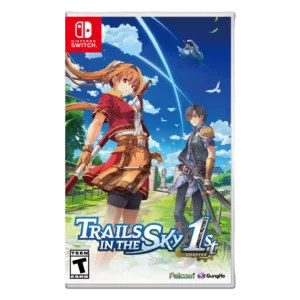
Trails in the Sky 1st Chapter

Trails in the Sky 1st Chapter

Overall score 4.4 / 5

Based on 33 scored reviews

vs
Trails in the Sky 2nd Chapter

Trails in the Sky 2nd Chapter

Overall score 4.4 / 5

Based on 39 scored reviews

How we score

Scorata scores summarize analyzed review evidence on a 1–5 scale; they are not laboratory measurements or a simple average of customer star ratings. Feature scores summarize the reviews covering that feature. The overall score averages feature scores within each review, then combines review averages. When both expert and customer evidence are available, those two groups receive equal weight. Products can have different review coverage, so small score gaps do not establish a winner.

Recommendations prioritize important features for the category, with a score of at least 3.5, a gap of at least 0.25 points and at least two supporting reviews per product. Features with widely varying scores or broad connectivity contexts are excluded from recommendations. These safeguards do not establish statistical significance.

Quick verdict

What each product is best for

The review evidence points to a tradeoff: onboarding experience and controls responsiveness versus writing quality and emotional impact. Choose according to which strengths matter more to you; the overall score alone does not settle that choice.

Choose Trails in the Sky 1st Chapter for onboarding experience and controls responsiveness.

Choose Trails in the Sky 2nd Chapter for writing quality and emotional impact.

Why these recommendations?

Trails in the Sky 1st Chapter

Where It Has the Edge

  • onboarding experience is 4.8 vs 1.8. Reviewers consistently considered this remake an approachable starting point for newcomers to the Trails series.
  • controls responsiveness is 4.7 vs 2.0. When mentioned, controls were described as smooth, responsive, and easy to execute in both combat styles.
  • core gameplay loop is 4.7 vs 2.3. The core loop was praised for blending action entry points, turn-based follow-through, and rewarding pacing that kept reviewers...

Trails in the Sky 2nd Chapter

Where It Has the Edge

  • writing quality is 4.8 vs 3.6. The writing earns strong praise for character arcs, emotional payoff, and the way long-running story threads interlock. Improved...
  • emotional impact is 4.9 vs 4.0. The sequel lands unusually hard emotionally, with several reviewers describing tears, catharsis, heartbreak, and hope. Estelle’s personal journey...
  • polish is 4.8 vs 4.1. The remake is repeatedly described as polished, with smoother combat, refined presentation, and fewer rough edges than expected...
Trails in the Sky 1st Chapter 4.4 overall score
Trails in the Sky 2nd Chapter 4.4 overall score

Compare features

Scores are out of 5. Missing scores mean missing review evidence, not a missing feature.

Scored on both products

Other features

Onboarding experience
Trails in the Sky 1st Chapter
4.8

Reviewers consistently considered this remake an approachable starting point for newcomers to the Trails series.

Trails in the Sky 2nd Chapter
1.8

This is a poor starting point for completely new Trails players. The recap can refresh returning players, but multiple reviewers say it cannot replace the emotional and narrative foundation of 1st Chapter.

Core gameplay loop
Trails in the Sky 1st Chapter
4.7

The core loop was praised for blending action entry points, turn-based follow-through, and rewarding pacing that kept reviewers engaged.

Trails in the Sky 2nd Chapter
2.3

Revisiting Liberl and repeating the familiar town-to-town Bracer routine can feel too close to 1st Chapter, especially early on. The stronger story and returning cast help, but the structural repetition remains noticeable.

Facial animations
Trails in the Sky 1st Chapter
2.9

Facial animations and lip sync were more mixed, with explicit criticism of off lip syncing and awkward presentation.

Trails in the Sky 2nd Chapter
5.0

Facial expressions are praised for giving emotional scenes substantially more impact than the older presentation could deliver.

Crash stability
Trails in the Sky 1st Chapter
2.8

Crash stability was flagged by one reviewer who had to Alt-F4 after a battle lockup.

Trails in the Sky 2nd Chapter
4.3

Stability is generally excellent across the tested platforms. Most playthroughs report no crashes, with only isolated single-crash experiences mentioned on PS5 and in one video review.

Writing quality
Trails in the Sky 1st Chapter
3.6

Writing quality was mixed: many praised the worldbuilding and story, but several criticized localization, grammar, awkward phrasing, or lost personality.

Trails in the Sky 2nd Chapter
4.8

The writing earns strong praise for character arcs, emotional payoff, and the way long-running story threads interlock. Improved localization also helps the script land more naturally than in the prior remake.

Pacing
Trails in the Sky 1st Chapter
4.0

Pacing was the clearest tradeoff: many liked the slow-burn structure, while several warned about long dialogue or cutscene-heavy stretches.

Trails in the Sky 2nd Chapter
2.9

Pacing is the most divisive major trait. Some reviewers love the stronger urgency and momentum, while others criticize dull opening chapters, repeated backtracking, long dialogue stretches, or a late-game slowdown.

Bug frequency
Trails in the Sky 1st Chapter
2.8

Bug frequency received one notable negative report of a fight lockup.

Trails in the Sky 2nd Chapter
3.8

Technical bugs appear uncommon overall. One Switch 2 playthrough hit a late cutscene glitch, while a PC reviewer reported no bugs at all across roughly 70 hours.

Immersion
Trails in the Sky 1st Chapter
4.6

Immersion was praised for making the world feel more alive through visual and quality-of-life improvements.

Trails in the Sky 2nd Chapter
3.7

The reactive world and smooth presentation help immersion, but inconsistent voice coverage can break it when one character speaks aloud while another abruptly returns to text.

Visual effects quality
Trails in the Sky 1st Chapter
4.7

Visual effects were praised for making Arts, Crafts, and combat animation look spectacular.

Trails in the Sky 2nd Chapter
3.8

Large creatures, airships, Crafts, and major set pieces can look spectacular, though one reviewer still notices some unpolished effects around the edges.

Emotional impact
Trails in the Sky 1st Chapter
4.0

Emotional impact was praised in standout scenes, though one reviewer felt a key late scene lost impact versus the original.

Trails in the Sky 2nd Chapter
4.9

The sequel lands unusually hard emotionally, with several reviewers describing tears, catharsis, heartbreak, and hope. Estelle’s personal journey and the payoff to her relationship with Joshua drive much of that response.

Fast travel convenience
Trails in the Sky 1st Chapter
4.6

Fast travel convenience was repeatedly praised for cutting down backtracking and making quest cleanup faster.

Trails in the Sky 2nd Chapter
3.7

Fast travel is usually welcomed for cutting down the original’s heavy backtracking, but its usefulness is not universal. One late-story stretch temporarily removes travel points, and several reviewers still find repeated traversal tedious.

Dialogue quality
Trails in the Sky 1st Chapter
3.7

Dialogue quality had limited but notable criticism around awkward sentence structures.

Trails in the Sky 2nd Chapter
4.5

Character banter and conversations are a major strength, especially when the established cast is allowed to reconnect and deepen relationships. The tone can occasionally swing sharply, but the strongest exchanges are memorable.

Polish
Trails in the Sky 1st Chapter
4.1

Polish was mostly positive, but some reviewers noted localization, publishing, or rough-edge concerns.

Trails in the Sky 2nd Chapter
4.8

The remake is repeatedly described as polished, with smoother combat, refined presentation, and fewer rough edges than expected from such a large RPG.

Learning curve
Trails in the Sky 1st Chapter
3.8

Learning curve impressions varied: one reviewer called the systems approachable, while another found the combat complexity and tutorials potentially off-putting.

Trails in the Sky 2nd Chapter
3.2

The underlying systems become manageable once learned, but the sequel assumes familiarity and introduces mechanics at a brisk pace. Newcomers can feel overwhelmed, while returning players tend to find the systems straightforward.

Difficulty balance
Trails in the Sky 1st Chapter
4.3

Difficulty balance was mostly praised as strategic and rewarding, with some warnings about spikes or more demanding modes.

Trails in the Sky 2nd Chapter
4.5

The wide difficulty selection is well received, and tougher settings reward careful builds, buffs, positioning, and resource use. A few boss mechanics can feel harsh, but most reviewers find the challenge flexible and fair.

Exploration quality
Trails in the Sky 1st Chapter
4.7

Exploration was praised for scale and connected spaces that made the remade Liberl feel more convincing.

Trails in the Sky 2nd Chapter
4.5

Exploration is consistently rewarding thanks to treasure, side quests, fishing spots, NPCs, and optional encounters. Reviewers like that wandering off the main route usually produces something worthwhile.

Handheld play suitability
Trails in the Sky 1st Chapter
4.7

Handheld play suitability was praised across Switch/TV, Steam Deck, and short-burst play impressions.

Trails in the Sky 2nd Chapter
4.5

Portable play is a strong fit for such a long RPG. Switch 2 and Steam Deck impressions praise the convenience, though Steam Deck users may need settings compromises for the best balance of clarity, frame rate, and battery life.

Lore depth
Trails in the Sky 1st Chapter
4.7

Lore depth was praised for its connected saga, worldbuilding, and long-term setup.

Trails in the Sky 2nd Chapter
4.8

The sequel greatly expands the interconnected Trails mythology, political context, and long-running story threads. Returning fans appreciate the foreshadowing, while newcomers get a much broader sense of the world’s scale.

Narrative quality
Trails in the Sky 1st Chapter
4.6

Narrative quality was heavily praised for its engaging mystery, character-driven structure, and satisfying setup despite being a first chapter.

Trails in the Sky 2nd Chapter
4.8

The story is the game’s clearest consensus strength, delivering major payoffs to 1st Chapter while expanding Ouroboros, Liberl, and Estelle’s personal journey. Even reviewers with pacing complaints tend to praise the eventual emotional and dramatic payoff.

Progression system
Trails in the Sky 1st Chapter
4.7

The Orbment/progression systems were praised for flexible character building and rewarding experimentation.

Trails in the Sky 2nd Chapter
4.5

Progression remains satisfying because levels, Orbments, Quartz, equipment, and Bracer rewards feed into one another. Reviewers enjoy how new options steadily broaden build possibilities.

Character development
Trails in the Sky 1st Chapter
4.8

Character development was praised for Estelle and Joshua’s growth, their bond, and the way the remake carries emotional arcs.

Trails in the Sky 2nd Chapter
4.6

Estelle’s growth from grief and dependence toward confidence and maturity is one of the game’s most celebrated achievements. Supporting characters also receive meaningful arcs and personal conflicts.

Frame rate stability
Trails in the Sky 1st Chapter
4.8

Frame rate stability received direct praise for smooth performance and short loads.

Trails in the Sky 2nd Chapter
4.9

Frame-rate performance is exceptionally consistent in most reports across Switch 2, PS5, PC, and Steam Deck configurations. Reviewers repeatedly describe steady or near-locked performance.

Graphics quality
Trails in the Sky 1st Chapter
4.7

Graphics quality was widely praised, with a few caveats around stiffness or imperfect 3D presentation.

Trails in the Sky 2nd Chapter
4.8

The 3D remake is widely praised for colorful environments, strong character models, and a cleaner modern presentation. Even reviewers nostalgic for the older art generally consider the new visuals attractive.

Combat system
Trails in the Sky 1st Chapter
4.6

Combat drew the strongest agreement: reviewers liked the hybrid real-time and command-battle system, though a few found the action side simple.

Trails in the Sky 2nd Chapter
4.5

The hybrid combat system draws broad praise for blending fast field attacks with deeper turn-based strategy. Some reviewers find it simpler than newer Trails entries or occasionally too easy, but the overall response is strongly positive.

Upgrade system
Trails in the Sky 1st Chapter
4.4

Upgrade systems were viewed positively for making gear and Orbment improvements easier and more convenient.

Trails in the Sky 2nd Chapter
4.5

Expanded Orbment slots and stronger Quartz give the sequel more room for build experimentation, making upgrades feel meaningful without abandoning the original system’s structure.

Remake/remaster quality
Trails in the Sky 1st Chapter
4.8

Remake/remaster quality drew overwhelming praise for being faithful, modernized, and a strong entry point, though one reviewer cautioned it does not replace the original.

Trails in the Sky 2nd Chapter
4.9

The remake is overwhelmingly seen as a successful modernization that preserves the original’s heart while improving visuals, combat, voice work, and convenience. Several reviewers call it the definitive way to experience SC.

Side character depth
Trails in the Sky 1st Chapter
4.5

Side character depth was mostly positive, especially for party members, though some reviewers felt certain supporting arcs remained thin.

Trails in the Sky 2nd Chapter
4.6

The supporting cast is a major asset, with returning companions receiving more personal stakes, stronger relationships, and memorable scenes. A few characters get less focus, but the ensemble is broadly praised.

Animation quality
Trails in the Sky 1st Chapter
4.6

Animation quality was praised for expressive character animation, cutscene choreography, and flashy combat animations.

Trails in the Sky 2nd Chapter
4.6

The remake’s character and combat animation earns strong praise for smoother movement, livelier cutscenes, and more cinematic attacks. A few comments frame the gains as refinement rather than a radical leap.

Fun factor
Trails in the Sky 1st Chapter
4.7

Fun factor was very positive, with reviewers calling it a blast, a 10/10, and instantly lovable.

Trails in the Sky 2nd Chapter
4.6

Despite its length and occasional slow stretches, the game is repeatedly described as a joy to play. The combination of combat, characters, side activities, and emotional payoff keeps enthusiasm high.

Art direction
Trails in the Sky 1st Chapter
4.9

Art direction was praised for vibrant, expressive presentation and faithful anime-style modernization.

Trails in the Sky 2nd Chapter
4.8

The bright anime-inspired 3D style is viewed as a polished, appealing modernization of Liberl, with bold color and a clear visual identity.

Environmental detail
Trails in the Sky 1st Chapter
4.6

Environmental detail was praised for expanded roads, visible distant locations, and faithful recreation of remembered spaces.

Trails in the Sky 2nd Chapter
4.7

Liberl benefits from richer color, detail, and expressive 3D spaces. New areas are singled out as visually delightful, while towns and environments feel more alive than in the older presentation.

Tutorial quality
Trails in the Sky 1st Chapter
2.8

Tutorial quality drew a clear complaint around poorly explained cooking, and another reviewer warned that combat systems lack intuitive onboarding.

Trails in the Sky 2nd Chapter
2.8

Tutorial support is mixed because the sequel often behaves as though players already know 1st Chapter. Returning players may appreciate the quick reminders, but newcomers can find the early systems dump too rapid.

Controls and connectivity

Controls responsiveness
Trails in the Sky 1st Chapter
4.7

When mentioned, controls were described as smooth, responsive, and easy to execute in both combat styles.

Trails in the Sky 2nd Chapter
2.0

The main combat feels responsive, but the remapped high-speed toggle and crowded Quick Battle inputs frustrate some longtime players and make the control scheme feel less elegant.

Menu usability
Trails in the Sky 1st Chapter
3.6

Menu usability was mixed, with praise for tracking but complaints about Arts/menu friction and inaccurate or issue-prone menus.

Trails in the Sky 2nd Chapter
4.5

Orbment and combat menus do a better job than the original of explaining how systems connect, helping players understand elemental values and party setup.

Protagonist appeal
Trails in the Sky 1st Chapter
4.9

Protagonist appeal was very strong, with reviewers repeatedly praising Estelle and Joshua as charming, complementary, and easy to follow.

Trails in the Sky 2nd Chapter
4.6

Estelle is a standout protagonist, praised for warmth, optimism, vulnerability, and believable growth. Several reviewers place her among their favorite or strongest RPG heroines.

Voice acting
Trails in the Sky 1st Chapter
4.4

Voice acting was mostly praised for strong performances, though a few reviewers disliked specific English delivery or partial/awkward implementation.

Trails in the Sky 2nd Chapter
4.5

Performances are widely praised for strengthening both comedy and the game’s biggest emotional scenes. The main recurring complaint is selective voicing, where some lines or characters abruptly remain text-only.

Comfort and build

User interface design
Trails in the Sky 1st Chapter
4.5

User interface design was praised for easy navigation and a modern UI, though evidence was limited.

Trails in the Sky 2nd Chapter
3.5

The interface is functional and readable, but one reviewer finds it somewhat plain compared with the otherwise upgraded presentation.

Level design
Trails in the Sky 1st Chapter
3.2

Level design received limited criticism, mainly that some repeated tower-style spaces could feel tedious.

Trails in the Sky 2nd Chapter
2.5

Dungeon and route layouts are one of the clearer weak spots. Several reviewers find some dungeons too long, repeated areas too familiar, or layouts increasingly repetitive.

Map and navigation design
Trails in the Sky 1st Chapter
4.3

Map and navigation design was mostly praised for reducing friction, though one reviewer disliked markers spoiling riddle-style quests.

Trails in the Sky 2nd Chapter
3.7

Maps generally make overworld and dungeon navigation straightforward, but not every navigation aid lands cleanly. Some reviewers praise convenient guidance while another finds certain indicators vague and clunky.

World-building
Trails in the Sky 1st Chapter
4.7

World-building was one of the strongest attributes, with repeated praise for living NPCs, regional culture, and detailed continuity.

Trails in the Sky 2nd Chapter
4.9

Liberl’s politics, towns, recurring NPCs, and connections to the wider Trails saga are major strengths. The sequel builds on the first game rather than resetting the world, making prior events feel consequential.

Quest design
Trails in the Sky 1st Chapter
4.5

Quest design was generally praised for attaching story, character moments, and worldbuilding to side activities instead of leaving them as empty errands.

Trails in the Sky 2nd Chapter
4.6

Side quests work best when they deepen Liberl’s residents and ongoing stories, making ordinary Bracer jobs feel personal. Some routine objectives remain, but the stronger quests add meaningful world-building and rewards.

Performance

Performance optimization
Trails in the Sky 1st Chapter
4.9

Performance optimization was praised on PS5 Pro, PC, and PS5, with one reviewer reporting no performance issues or bugs.

Trails in the Sky 2nd Chapter
4.6

Performance is strong across PC, PS5, Switch 2, and Steam Deck impressions, with smooth play and few technical interruptions. Steam Deck benefits from tuned settings, but the underlying port is still viewed positively.

Soundtrack quality
Trails in the Sky 1st Chapter
4.6

Soundtrack quality was strongly praised, although a few reviewers wanted more variety or bolder new arrangements.

Trails in the Sky 2nd Chapter
4.7

The score is one of the presentation highlights, with new arrangements frequently praised for strengthening emotional and dramatic scenes. A few reviewers prefer selected original versions or dislike some rock-oriented arrangements.

Ownership and support

Platform-specific feature support
Trails in the Sky 1st Chapter
4.8

Platform-specific feature support received praise for the PC port’s Steam integration.

Trails in the Sky 2nd Chapter
4.8

Platform-specific options are solid where discussed, including portable modes and PC features such as ultrawide, HDR, upscaling, and soundtrack or voice switching.

Evidence available for one product

Other features

Accessibility options
Trails in the Sky 1st Chapter
3.9

Accessibility impressions were mixed: reviewers appreciated adjustability and difficulty options, but one specifically noted the lack of colorblind mode.

Trails in the Sky 2nd ChapterNo score yet
Atmosphere
Trails in the Sky 1st Chapter
4.7

Atmosphere was praised for its slow, cozy, easy-breezy sense of place.

Trails in the Sky 2nd ChapterNo score yet
Battle mode quality
Trails in the Sky 1st ChapterNo score yet
Trails in the Sky 2nd Chapter
4.8

The action-to-turn-based structure is one of the most consistently praised parts of the game. Quick Battles keep routine encounters moving, while Command Battles preserve the positioning and timeline tactics reviewers value.

Camera behavior
Trails in the Sky 1st Chapter
2.6

Camera behavior drew a clear complaint in tight combat spaces.

Trails in the Sky 2nd ChapterNo score yet
Character roster
Trails in the Sky 1st Chapter
4.5

The character roster was praised for its memorable supporting cast, though one review noted some arcs and backstories are not fully developed yet.

Trails in the Sky 2nd ChapterNo score yet
Content completeness
Trails in the Sky 1st ChapterNo score yet
Trails in the Sky 2nd Chapter
5.0

The main story is described as a complete experience on its own, with side activities adding texture rather than being required to understand the core narrative.

Content variety
Trails in the Sky 1st Chapter
3.4

Content variety was mixed, with praise for activities and environments but complaints that new remake content is minor or fluffy.

Trails in the Sky 2nd ChapterNo score yet
Enemy variety
Trails in the Sky 1st ChapterNo score yet
Trails in the Sky 2nd Chapter
4.5

Enemy variety is viewed positively, with bosses standing out most for memorable attacks and presentation. Regular encounters provide enough variation to support the expanded combat systems.

Faithfulness to franchise
Trails in the Sky 1st ChapterNo score yet
Trails in the Sky 2nd Chapter
4.5

The remake is seen as respectful of the original’s spirit and broader Trails identity, modernizing presentation and systems without discarding the series’ deliberate storytelling style.

Fishing mechanics
Trails in the Sky 1st ChapterNo score yet
Trails in the Sky 2nd Chapter
4.5

The redesigned fishing is a clear improvement for reviewers who disliked the older timing-based system. Better controls, useful rewards, and visible catch information make it an enjoyable side activity.

Game length
Trails in the Sky 1st ChapterNo score yet
Trails in the Sky 2nd Chapter
2.0

The game is very long, and one reviewer warns that its heavy dialogue and pacing issues can test patience. Others embrace the scale, but this is a substantial time commitment.

Gameplay mechanics
Trails in the Sky 1st Chapter
4.7

Reviewers praised the gameplay changes as a broad improvement, especially how the remake’s enhancements improve overall flow.

Trails in the Sky 2nd ChapterNo score yet
Grind level
Trails in the Sky 1st Chapter
4.7

Grind level was praised in one review for reducing grinding almost entirely.

Trails in the Sky 2nd ChapterNo score yet
HUD clarity
Trails in the Sky 1st ChapterNo score yet
Trails in the Sky 2nd Chapter
4.7

The battle timeline and attack information are repeatedly praised for making turn order and tactical choices easy to read at a glance.

Load times
Trails in the Sky 1st Chapter
4.6

Load times received limited positive evidence around seamless battles and lack of loading transitions.

Trails in the Sky 2nd ChapterNo score yet
Mission variety
Trails in the Sky 1st Chapter
4.3

Mission variety received positive but limited evidence, mainly around enough quest and objective variety to avoid slogging.

Trails in the Sky 2nd ChapterNo score yet
World interactivity
Trails in the Sky 1st ChapterNo score yet
Trails in the Sky 2nd Chapter
4.7

Liberl feels reactive because NPC conversations and small resident storylines change after major events. That continuity makes revisiting familiar towns feel more meaningful.

Comfort and build

Boss design
Trails in the Sky 1st ChapterNo score yet
Trails in the Sky 2nd Chapter
4.1

Bosses are generally memorable, visually spectacular, and satisfyingly demanding, but reactions to Rage Boost, Endure, and similar difficulty spikes are less positive because they can feel abrupt or underconsidered.

Controls and connectivity

Character customization
Trails in the Sky 1st ChapterNo score yet
Trails in the Sky 2nd Chapter
4.5

Quartz and Orbment setups give the party meaningful build flexibility without erasing individual roles. Reviewers especially like experimenting with Estelle and tailoring characters around magic, physical damage, and support.

Ownership and support

Localization support
Trails in the Sky 1st ChapterNo score yet
Trails in the Sky 2nd Chapter
4.5

The new localization and voice direction are widely viewed as an improvement, with corrected terminology and pronunciations bringing the remake closer to established series conventions.

Replay value
Trails in the Sky 1st ChapterNo score yet
Trails in the Sky 2nd Chapter
4.5

Character-choice dialogue, New Game Plus enemy-level options, and fresh perspective for series veterans give the long campaign meaningful reasons for another playthrough.

Value for money
Trails in the Sky 1st Chapter
4.1

Value for money was positive overall, with praise for $60 value and trying both versions, while one reviewer noted the original is cheaper.

Trails in the Sky 2nd ChapterNo score yet

Other Top Video Games to Consider

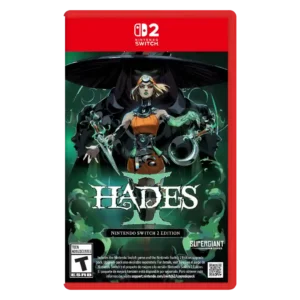
#1 Hades II
4.6

Good if you want fast, tactical roguelite combat with huge progression depth, striking art, and standout music. Skip it if repetition, resource micromanagement, or a less emotionally satisfying sequel story...

Pros: skill tree depth, dialogue quality

Cons: emotional impact, economy and resource balance

#2 Valheim
4.5

Good if you want a beautiful, demanding survival sandbox built around exploration, building, progression, and memorable co-op. Skip it if long resource runs, harsh death recovery, and deliberate pacing sound...

Pros: core gameplay loop, movement feel

Cons: economy and resource balance, map and navigation design

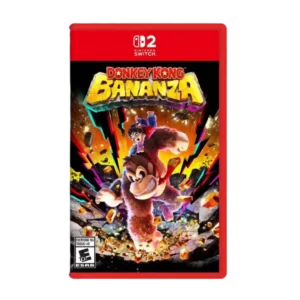
#3 Donkey Kong Bananza
4.5

Best for joyful destruction, dense exploration, and a charming DK-Pauline adventure. Skip it if camera quirks, frame-rate dips, easy bosses, or premium Switch 2 pricing are dealbreakers.

Pros: gameplay mechanics, world interactivity

Cons: economy and resource balance, enemy variety

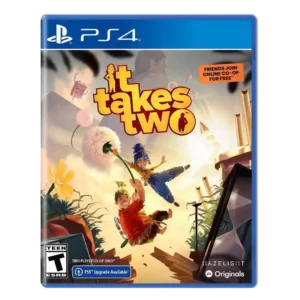
#4 It Takes Two
4.5

Best for joyful, inventive co-op with a partner, especially on couch. Skip it if divorce themes, uneven story tone, or Switch visual compromises would distract you.

Pros: core gameplay loop, movement feel

Cons: character development, dialogue quality