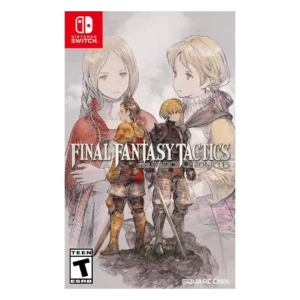
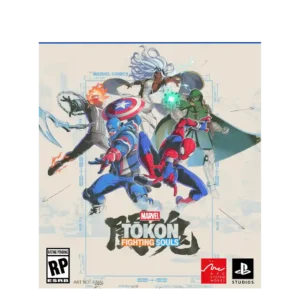
Final Fantasy Tactics: The Ivalice Chronicles
Where It Has the Edge
- polish is 5.0 vs 3.5. Polish was widely praised because many small quality-of-life changes added up without undermining the original.

Scorata scores summarize analyzed review evidence on a 1–5 scale; they are not laboratory measurements or a simple average of customer star ratings. Feature scores summarize the reviews covering that feature. The overall score averages feature scores within each review, then combines review averages. When both expert and customer evidence are available, those two groups receive equal weight. Products can have different review coverage, so small score gaps do not establish a winner.
Recommendations prioritize important features for the category, with a score of at least 3.5, a gap of at least 0.25 points and at least two supporting reviews per product. Features with widely varying scores or broad connectivity contexts are excluded from recommendations. These safeguards do not establish statistical significance.
Quick verdict
The review evidence points to a tradeoff: polish versus pacing and graphics quality. Choose according to which strengths matter more to you; the overall score alone does not settle that choice.
Choose Final Fantasy Tactics: The Ivalice Chronicles for polish.
Choose Marvel Tokon: Fighting Souls for pacing and graphics quality.
Scores are out of 5. Missing scores mean missing review evidence, not a missing feature.
HUD clarity was strongly improved by turn-order displays, clearer stats, and visible tactical information.
HUD clarity is flagged in later build impressions because the stylish combo gauge lacked visual feedback.
Visual effects quality was mixed; subtle lighting and effects were liked, but summons and some textures looked washed out to one reviewer.
Visual effects are praised for readable motion, flashy Marvel attacks, aesthetic impact, and later-build spectacle.
Onboarding was much better than older versions thanks to clearer systems, retries, State of the Realm, and more newcomer-friendly presentation.
The basic tutorial is credited for explaining controls and mechanics, but the broader beta onboarding lacked practice depth.
Polish was widely praised because many small quality-of-life changes added up without undermining the original.
Polish is mixed: the game is highly promising, but beta systems, lobbies, and remaining refinement needs are repeatedly noted.
Enemy AI drew positive notes when reviewers noticed smarter or more active opponents, though the praise was modest rather than central.
CPU battles were considered challenging enough to make practice difficult when no training mode was available.
Pacing was mixed: several reviewers liked the compact storytelling, while others wanted skip options or more time with twists and characters.
Pacing earns praise when fights build tension and stage transitions flow well, but one reviewer found the speed initially too slow.
Graphics were divisive: many liked the cleaner HD presentation, while others disliked softened sprites, textures, or visual filtering.
Visual quality is a major point of agreement, with reviewers calling the game gorgeous, flawless, stunning, awesome, and comic-like.
Tutorial quality and explainers improved, though a few reviewers still wanted more help around jobs and systems.
Multiple reviewers criticize the beta for lacking a proper training mode or practice space despite useful basic tutorial material.
The central loop of tactical battles, party building, and incremental improvement was described as challenging and rewarding.
One hands-on review found the basic loop easy to acclimate to, built around openings, combos, and super-move finishers.
Difficulty balance was broadly improved through new modes, retries, and fallback options, though spikes, hard mode, and old-school grind remained.
Reviewers liked comeback potential and fight engagement, though one wanted clearer defensive options against combo locks.
Gameplay mechanics remained flexible and rewarding, with reviewers praising customization, tactical choice, and satisfying systems.
Reviewers describe the mechanics as deep and increasingly rewarding, with later build impressions saying the system became much more dynamic, though auto-combos and complexity remain tradeoffs.
Art direction was generally praised for preserving the original identity while sharpening the presentation rather than replacing it.
The art direction is repeatedly praised for its manga/comic hybrid identity, sharp comic-book look, and Japanese reinterpretation of Marvel.
Fun factor was high, including addictive battles, satisfying builds, and replay-friendly experimentation.
Fun factor is one of the strongest areas, with many reviewers saying they had a blast, wanted more, or became newly excited after hands-on time.
The tactical combat system was one of the most consistently praised elements, described as fun, strategic, and still genre-leading.
Combat is repeatedly praised for mechanical density, rhythm, speed, and improved assist/tag dynamics, with only beta-era roughness holding it back.
Performance and frame stability were praised on handheld/console/PC in most reviews, except for isolated slowdown or crash concerns.
Frame rate stability is specifically praised during chaotic matches with assists and specials on screen.
Reviewers valued the gentler edges added by difficulty and quality-of-life options, especially for newcomers and time-constrained players.
Simplified inputs and auto-combos are widely seen as beginner-friendly, while later impressions say accessibility improved further.
Class balance was mostly praised for smart rebalancing and more useful classes, with some remaining late-game volatility.
The beta roster was perceived as broadly viable, with no character feeling clearly too strong or weak to one reviewer.
Immersion benefited from the diorama look, voice acting, and presentation changes that made Ivalice feel more immediate.
One reviewer found the combined sights and sounds made fights feel alive and engaging.
Writing quality remained excellent overall, with sharper localization and literary praise offset by occasional verbosity concerns.
Character lines are praised for matching comic tone, especially Spider-Man-style banter.
Reviewers felt the remaster respected the original and Final Fantasy identity while making it easier to revisit.
Marvel faithfulness is praised through character essence, recognizable identity, and personality that feels true to the comics.
Movement feel improved through movement resets and clearer positioning tools, reducing old frustrations.
Movement and tagging feel more energetic in later impressions, with reviewers praising faster play, better mobility, and more satisfying swaps.
Learning curve was still real, but reviewers found the payoff worthwhile and appreciated systems that reduced confusion.
The game is described as easy to enter but hard to fully understand, with a steep depth curve beneath the accessible surface.
The grim political tone and sense of place gave the game a strong atmosphere that reviewers found urgent and distinctive.
Atmosphere is praised through comments about immaculate vibes and personality beyond flashy attacks.
Several reviewers described strong emotional impact from the story, performances, and character arcs.
Reveal reaction evidence shows unusually strong surprise and excitement around the announcement.
Menu usability improved in many places but still drew complaints for cumbersome navigation or small/hard-to-read text.
Lobby/menu usability is a repeated weakness, with reviewers disliking the arcade-cabinet system and its added friction.
Controls felt more intuitive and modern overall, though speed-up and command-view implementations drew minor complaints.
Controls range from praised snappiness and intuitive combos to complaints about clunky switching, odd DP inputs, and auto-combo interference.
Voice acting was one of the most praised additions, adding emotion and clarity, though one review criticized direction.
Voice presentation is praised because characters sound like themselves rather than generic versions.
Sound design was only lightly discussed, but cleaned-up effects and preserved audio earned modest praise.
Sound design is praised for impactful hits that add energy without overwhelming the match.
Level and map design remained a major strength because verticality and terrain created memorable tactical spaces.
Stage transitions are praised for being fast and not interrupting match flow.
User interface design was one of the clearest improvements, bringing more information forward and modernizing menus.
The UI is praised for matching the comic-book aesthetic alongside backgrounds and character models.
The soundtrack remained highly regarded, although lack of orchestration was a missed opportunity for some.
Music is consistently liked, with reviewers calling it energetic, good, and close to Arc System Works' fighting-game style.
Performance optimization was strong overall, with handheld/console play running smoothly and only isolated PC complaints.
Performance is praised in beta play for staying consistent without stutters or drops.
Replay value was high due to job experimentation, memorable fights, and alternate builds.
Hands-on reviewers repeatedly wanted more time with the game, citing anticipation, continued experimentation, and post-session excitement.
Animation receives positive notes for sketch-to-ink presentation, panel-like motion, and impressive super animations.
Bug frequency was barely discussed, but one PC-focused review reported a repeatable game-breaking crash.
Camera behavior remained a common caveat: tactical views helped, but tight spaces, angles, and command limitations still frustrated reviewers.
Character development remained strong for Ramza and select side characters, though some reviewers wanted more party interaction after recruitment.
Roster reactions are very positive, with praise for distinct characters, Marvel icon appeal, new additions, and varied playstyles.
Companion AI drew a clear complaint when a guest character acted passively or ineffectively in battle.
Competitive balance is mixed: skill matching was poor, but beta character viability seemed generally healthy aside from strong outliers.
Content variety was mixed: reviewers liked restored sound novels and side material, but repeatedly criticized missing War of the Lions jobs, quests, and multiplayer.
Crash stability was mixed because most reviewers had no issues, while one reported a serious PC crash scenario.
Dialogue is praised for making characters sound recognizable rather than generic.
Endgame content had harder optional challenges, but at least one reviewer found hidden-exit design tedious rather than broadly enjoyable.
Facial and character animations were mixed to negative, with some appreciation for added animation but complaints about stiffness or awkward mouths.
Grinding was mixed: old-school leveling remained present, but speed-up, optional encounters, and concrete goals made it easier to tolerate or enjoy.
Steam Deck and Switch 2 impressions were very positive, with portable play described as smooth and well-suited.
The reveal was received as bold and surprising, emphasizing the game's unusual 4v4 Marvel fighter concept.
Lore depth was praised through the political themes, State of the Realm, sound novels, and world-history tools.
Matchmaking is a beta weakness, with reviewers reporting trouble finding matches and uneven skill ranges.
Narrative quality was the strongest consensus point, with reviewers repeatedly calling the story powerful, sophisticated, and still relevant.
Netcode and online match feel are strongly praised, with smooth matches and little lag even in demanding beta conditions.
Originality is supported by the unusual manga-Western look and a tag system that reviewers say works differently from traditional tag fighters.
Progression remained satisfying, especially the constant job-point feedback and visible advancement toward new abilities.
Remake/remaster quality drew strong praise, though reviewers repeatedly noted that missing War of the Lions content prevents a fully definitive label.
Side character depth improved with new dialogue and performances, but several reviewers still wanted more interaction after recruitment.
Skill tree and job depth were major strengths, repeatedly praised for flexibility, experimentation, and meaningful builds.
Team composition is praised for giving players more customization and synergy choices than typical smaller tag teams.
Ramza was praised as a compelling lead whose justice, growth, and performance carried the story.
Map and navigation design improved through pre-battle map viewing, clearer world-map information, and side-quest markers.
The 4v4/tag structure is the most debated design point: some praise all-out team play, while others question tagging incentives and clunky swaps.
Quest design benefited from clearer markers and destination guidance that made older side content easier to follow.
World-building was strongly praised through Ivalice’s politics, history, class conflict, and supporting lore tools.
Save and checkpoint reliability improved through autosave, battle restart, fallback options, and reduced soft-lock risk.
Server reliability is mixed negatively in one beta review because friend/cabinet connections could randomly disconnect.
Value for money was mostly positive but not unanimous, with some noting a steep price for an old game and others saying the updates justify it.
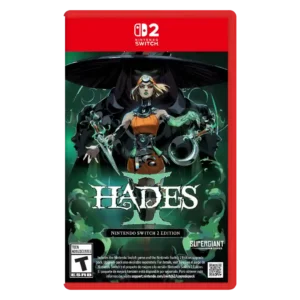
Good if you want fast, tactical roguelite combat with huge progression depth, striking art, and standout music. Skip it if repetition, resource micromanagement, or a less emotionally satisfying sequel story...
Pros: skill tree depth, dialogue quality
Cons: emotional impact, economy and resource balance
Good if you want a beautiful, demanding survival sandbox built around exploration, building, progression, and memorable co-op. Skip it if long resource runs, harsh death recovery, and deliberate pacing sound...
Pros: core gameplay loop, movement feel
Cons: economy and resource balance, map and navigation design
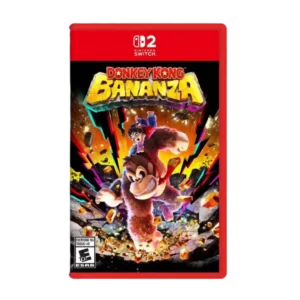
Best for joyful destruction, dense exploration, and a charming DK-Pauline adventure. Skip it if camera quirks, frame-rate dips, easy bosses, or premium Switch 2 pricing are dealbreakers.
Pros: gameplay mechanics, world interactivity
Cons: economy and resource balance, enemy variety
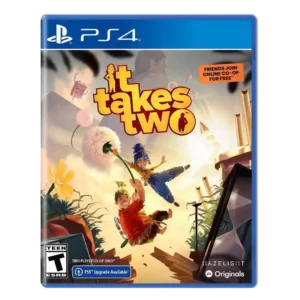
Best for joyful, inventive co-op with a partner, especially on couch. Skip it if divorce themes, uneven story tone, or Switch visual compromises would distract you.
Pros: core gameplay loop, movement feel
Cons: character development, dialogue quality