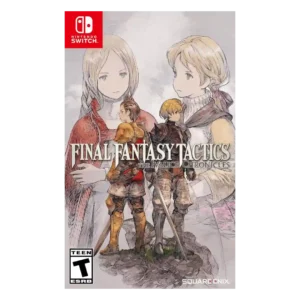
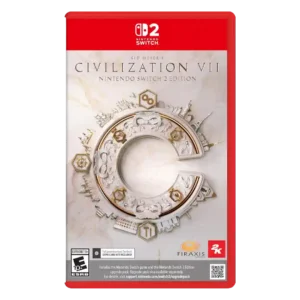
Compare Final Fantasy Tactics: The Ivalice Chronicles vs Civilization VII

Final Fantasy Tactics: The Ivalice Chronicles

Final Fantasy Tactics: The Ivalice Chronicles

Overall score 4.3 / 5

Based on 30 scored reviews

vs
Civilization VII

Civilization VII

Overall score 3.1 / 5

Based on 33 scored reviews

How we score

Scorata scores summarize analyzed review evidence on a 1–5 scale; they are not laboratory measurements or a simple average of customer star ratings. Feature scores summarize the reviews covering that feature. The overall score averages feature scores within each review, then combines review averages. When both expert and customer evidence are available, those two groups receive equal weight. Products can have different review coverage, so small score gaps do not establish a winner.

Recommendations prioritize important features for the category, with a score of at least 3.5, a gap of at least 0.25 points and at least two supporting reviews per product. Features with widely varying scores or broad connectivity contexts are excluded from recommendations. These safeguards do not establish statistical significance.

Quick verdict

What each product is best for

The review evidence points to a tradeoff: user interface design and polish versus content variety. Choose according to which strengths matter more to you; the overall score alone does not settle that choice.

Choose Final Fantasy Tactics: The Ivalice Chronicles for user interface design and polish.

Choose Civilization VII for content variety.

Why these recommendations?

Final Fantasy Tactics: The Ivalice Chronicles

Where It Has the Edge

  • user interface design is 4.5 vs 1.7. User interface design was one of the clearest improvements, bringing more information forward and modernizing menus.
  • polish is 5.0 vs 2.9. Polish was widely praised because many small quality-of-life changes added up without undermining the original.
  • learning curve is 3.7 vs 1.8. Learning curve was still real, but reviewers found the payoff worthwhile and appreciated systems that reduced confusion.

Civilization VII

Where It Has the Edge

  • content variety is 3.5 vs 3.1. Content breadth was viewed unevenly, with some praise for the package but criticism of bare-bones launch content.
Final Fantasy Tactics: The Ivalice Chronicles 4.3 overall score
Civilization VII 3.1 overall score

Compare features

Scores are out of 5. Missing scores mean missing review evidence, not a missing feature.

Scored on both products

Comfort and build

World-building
Final Fantasy Tactics: The Ivalice Chronicles
4.9

World-building was strongly praised through Ivalice’s politics, history, class conflict, and supporting lore tools.

Civilization VII
2.0

One reviewer criticized VII for weakening the series’ educational and historical identity.

User interface design
Final Fantasy Tactics: The Ivalice Chronicles
4.5

User interface design was one of the clearest improvements, bringing more information forward and modernizing menus.

Civilization VII
1.7

The user interface was the most repeated complaint, often described as inadequate, ugly, missing information, or confusing even when later improved.

Map and navigation design
Final Fantasy Tactics: The Ivalice Chronicles
4.7

Map and navigation design improved through pre-battle map viewing, clearer world-map information, and side-quest markers.

Civilization VII
2.4

Map and navigation design drew criticism for limited options and weak generation, but later updates and some reviews praised improved maps or map control.

Sound design
Final Fantasy Tactics: The Ivalice Chronicles
4.0

Sound design was only lightly discussed, but cleaned-up effects and preserved audio earned modest praise.

Civilization VII
3.7

Sound design was more mixed: some reviewers praised satisfying effects, while one found audio cues flat or missing.

Other features

HUD clarity
Final Fantasy Tactics: The Ivalice Chronicles
4.7

HUD clarity was strongly improved by turn-order displays, clearer stats, and visible tactical information.

Civilization VII
1.9

HUD and information clarity were frequent weaknesses, including missing information, hard-to-see tiles, and buried or microscopic details.

Immersion
Final Fantasy Tactics: The Ivalice Chronicles
4.5

Immersion benefited from the diorama look, voice acting, and presentation changes that made Ivalice feel more immediate.

Civilization VII
1.9

Immersion suffered for critics because age resets, civ switching, and thin leader identity broke connection, though some reviewers accepted the tradeoff.

Faithfulness to franchise
Final Fantasy Tactics: The Ivalice Chronicles
4.8

Reviewers felt the remaster respected the original and Final Fantasy identity while making it easier to revisit.

Civilization VII
2.4

Faithfulness to franchise was one of the sharpest divides: some said it still felt like Civ or a return to form, while others said it lost the series’ identity.

Crash stability
Final Fantasy Tactics: The Ivalice Chronicles
1.5

Crash stability was mixed because most reviewers had no issues, while one reported a serious PC crash scenario.

Civilization VII
3.9

Crash stability ranged from no crashes in some reviews to occasional or loading-related crashes in others.

Polish
Final Fantasy Tactics: The Ivalice Chronicles
5.0

Polish was widely praised because many small quality-of-life changes added up without undermining the original.

Civilization VII
2.9

Polish was a common concern at launch, with many calling the game rushed, unfinished, or bug-coated, while some saw a strong foundation or improving state.

Narrative quality
Final Fantasy Tactics: The Ivalice Chronicles
4.9

Narrative quality was the strongest consensus point, with reviewers repeatedly calling the story powerful, sophisticated, and still relevant.

Civilization VII
2.8

Narrative events and historical flavor split reviewers: some enjoyed the added human character, while others found events shallow, dull, or lacking impact.

Learning curve
Final Fantasy Tactics: The Ivalice Chronicles
3.7

Learning curve was still real, but reviewers found the payoff worthwhile and appreciated systems that reduced confusion.

Civilization VII
1.8

Several reviewers found the learning curve frustrating because familiar Civ knowledge did not transfer cleanly and the UI obscured key rules.

AI behavior
Final Fantasy Tactics: The Ivalice Chronicles
4.1

Enemy AI drew positive notes when reviewers noticed smarter or more active opponents, though the praise was modest rather than central.

Civilization VII
2.6

AI impressions varied sharply, from weak challenge and war-happy behavior to later praise that AI had become smarter or more competent.

Progression system
Final Fantasy Tactics: The Ivalice Chronicles
4.8

Progression remained satisfying, especially the constant job-point feedback and visible advancement toward new abilities.

Civilization VII
3.3

The age, civ-switching, legacy, and meta-progression systems were the product’s central split, praised as fresh by some and criticized as disjointed or anti-Civ by others.

Handheld play suitability
Final Fantasy Tactics: The Ivalice Chronicles
5.0

Steam Deck and Switch 2 impressions were very positive, with portable play described as smooth and well-suited.

Civilization VII
3.5

Handheld suitability varied: Steam Deck was workable and valuable for some, while Switch play suffered from limits and performance issues.

Frame rate stability
Final Fantasy Tactics: The Ivalice Chronicles
4.8

Performance and frame stability were praised on handheld/console/PC in most reviews, except for isolated slowdown or crash concerns.

Civilization VII
3.6

Frame-rate evidence was mixed, with smooth PC experiences but notable drops or Switch/console slowdowns.

Fun factor
Final Fantasy Tactics: The Ivalice Chronicles
4.8

Fun factor was high, including addictive battles, satisfying builds, and replay-friendly experimentation.

Civilization VII
3.7

Fun factor was deeply split but often positive: many reviewers still felt the classic Civ pull, while the harshest critics found it dull or frustrating.

Art direction
Final Fantasy Tactics: The Ivalice Chronicles
4.5

Art direction was generally praised for preserving the original identity while sharpening the presentation rather than replacing it.

Civilization VII
3.5

Art direction was praised by some for less cartoonish, gorgeous presentation, while a negative review preferred Civ 6’s color-coded style.

Onboarding experience
Final Fantasy Tactics: The Ivalice Chronicles
4.7

Onboarding was much better than older versions thanks to clearer systems, retries, State of the Realm, and more newcomer-friendly presentation.

Civilization VII
3.8

Onboarding was split: some reviewers called VII welcoming and well tutorialized, while others warned casual players could struggle with the changed systems.

Core gameplay loop
Final Fantasy Tactics: The Ivalice Chronicles
4.5

The central loop of tactical battles, party building, and incremental improvement was described as challenging and rewarding.

Civilization VII
3.6

The one-more-turn loop still landed for many reviewers, with strong addiction and replay pull, but critical reviews called the core loop dull or emotionally thin.

Gameplay mechanics
Final Fantasy Tactics: The Ivalice Chronicles
4.7

Gameplay mechanics remained flexible and rewarding, with reviewers praising customization, tactical choice, and satisfying systems.

Civilization VII
3.8

Reviewers often found the redesigned mechanics ambitious and sometimes strong, especially city/town changes and streamlined decisions, though several thought simplification removed texture.

Bug frequency
Final Fantasy Tactics: The Ivalice Chronicles
1.5

Bug frequency was barely discussed, but one PC-focused review reported a repeatable game-breaking crash.

Civilization VII
2.3

Bug reports were common at launch and on Switch/console, though one later review said bugs had become less noticeable.

Grind level
Final Fantasy Tactics: The Ivalice Chronicles
3.8

Grinding was mixed: old-school leveling remained present, but speed-up, optional encounters, and concrete goals made it easier to tolerate or enjoy.

Civilization VII
3.0

Grind level improved where micromanagement and builders were removed, but religion, repairs, and some late systems were criticized as chores or busywork.

Endgame content
Final Fantasy Tactics: The Ivalice Chronicles
2.8

Endgame content had harder optional challenges, but at least one reviewer found hidden-exit design tedious rather than broadly enjoyable.

Civilization VII
2.1

Modern/endgame content was often criticized as missing, lacklustre, or too early-ending compared with prior entries.

Tutorial quality
Final Fantasy Tactics: The Ivalice Chronicles
3.0

Tutorial quality and explainers improved, though a few reviewers still wanted more help around jobs and systems.

Civilization VII
2.4

Tutorials and Civilopedia support were polarizing, ranging from rich and useful for newcomers to inadequate, overexplained, or missing key information.

Combat system
Final Fantasy Tactics: The Ivalice Chronicles
4.7

The tactical combat system was one of the most consistently praised elements, described as fun, strategic, and still genre-leading.

Civilization VII
4.1

Combat was one of the most consistently praised systems thanks to commanders, easier army movement, and reduced tedium, though a few reviewers found war only adequate or overused.

Content variety
Final Fantasy Tactics: The Ivalice Chronicles
3.1

Content variety was mixed: reviewers liked restored sound novels and side material, but repeatedly criticized missing War of the Lions jobs, quests, and multiplayer.

Civilization VII
3.5

Content breadth was viewed unevenly, with some praise for the package but criticism of bare-bones launch content.

Pacing
Final Fantasy Tactics: The Ivalice Chronicles
3.3

Pacing was mixed: several reviewers liked the compact storytelling, while others wanted skip options or more time with twists and characters.

Civilization VII
3.1

Pacing was highly divisive: some liked the three-act structure and reduced late-game drag, while others disliked abrupt transitions, short ages, or weak modern/endgame momentum.

Graphics quality
Final Fantasy Tactics: The Ivalice Chronicles
3.9

Graphics were divisive: many liked the cleaner HD presentation, while others disliked softened sprites, textures, or visual filtering.

Civilization VII
3.9

Graphics were widely praised as gorgeous, detailed, and attractive, with some platform-specific or readability caveats.

Controls and connectivity

Voice acting
Final Fantasy Tactics: The Ivalice Chronicles
4.6

Voice acting was one of the most praised additions, adding emotion and clarity, though one review criticized direction.

Civilization VII
2.9

Voice work drew praise for Gwendoline Christie’s narration, but leader interactions and reduced voice lines were frequent complaints.

Menu usability
Final Fantasy Tactics: The Ivalice Chronicles
3.4

Menu usability improved in many places but still drew complaints for cumbersome navigation or small/hard-to-read text.

Civilization VII
2.2

Menus were also divisive: a few reviewers liked simplified navigation, but many found menus painful, inconsistent, or poorly laid out.

Controls responsiveness
Final Fantasy Tactics: The Ivalice Chronicles
3.7

Controls felt more intuitive and modern overall, though speed-up and command-view implementations drew minor complaints.

Civilization VII
4.5

One reviewer strongly praised the fast, responsive feel of commands and turn-to-turn actions.

Performance

Performance optimization
Final Fantasy Tactics: The Ivalice Chronicles
4.9

Performance optimization was strong overall, with handheld/console play running smoothly and only isolated PC complaints.

Civilization VII
3.3

Performance ranged from smooth on capable PCs and improved updates to major console slowdowns and late-game chugging.

Soundtrack quality
Final Fantasy Tactics: The Ivalice Chronicles
4.3

The soundtrack remained highly regarded, although lack of orchestration was a missed opportunity for some.

Civilization VII
4.3

The soundtrack was one of the clearest positives, often described as brilliant, splendid, fantastic, or culturally evocative.

Ownership and support

Value for money
Final Fantasy Tactics: The Ivalice Chronicles
4.0

Value for money was mostly positive but not unanimous, with some noting a steep price for an old game and others saying the updates justify it.

Civilization VII
2.5

Value for money was a major concern at full price and with DLC, though some reviewers said the base game could still provide hundreds of hours.

Replay value
Final Fantasy Tactics: The Ivalice Chronicles
4.6

Replay value was high due to job experimentation, memorable fights, and alternate builds.

Civilization VII
4.4

Replay value was a major positive for supporters, who cited long sessions, fresh age combinations, and wanting another run; skeptics saw less appeal.

Evidence available for one product

Other features

Accessibility options
Final Fantasy Tactics: The Ivalice Chronicles
4.5

Reviewers valued the gentler edges added by difficulty and quality-of-life options, especially for newcomers and time-constrained players.

Civilization VIINo score yet
Animation quality
Final Fantasy Tactics: The Ivalice ChroniclesNo score yet
Civilization VII
5.0

One later review praised the unit animation detail as unusually rich and lively.

Atmosphere
Final Fantasy Tactics: The Ivalice Chronicles
4.8

The grim political tone and sense of place gave the game a strong atmosphere that reviewers found urgent and distinctive.

Civilization VIINo score yet
Camera behavior
Final Fantasy Tactics: The Ivalice Chronicles
3.2

Camera behavior remained a common caveat: tactical views helped, but tight spaces, angles, and command limitations still frustrated reviewers.

Civilization VIINo score yet
Character development
Final Fantasy Tactics: The Ivalice Chronicles
3.9

Character development remained strong for Ramza and select side characters, though some reviewers wanted more party interaction after recruitment.

Civilization VIINo score yet
Character roster
Final Fantasy Tactics: The Ivalice ChroniclesNo score yet
Civilization VII
2.0

The launch leader roster drew repeated criticism for missing recognizable favorites, though some reviewers liked the broader choices.

Class balance
Final Fantasy Tactics: The Ivalice Chronicles
4.3

Class balance was mostly praised for smart rebalancing and more useful classes, with some remaining late-game volatility.

Civilization VIINo score yet
Companion AI
Final Fantasy Tactics: The Ivalice Chronicles
2.5

Companion AI drew a clear complaint when a guest character acted passively or ineffectively in battle.

Civilization VIINo score yet
Competitive balance
Final Fantasy Tactics: The Ivalice ChroniclesNo score yet
Civilization VII
2.7

Balance concerns included overpowered air units, effective influence warfare, and wonky systems, though some later balance updates were praised.

Difficulty balance
Final Fantasy Tactics: The Ivalice Chronicles
4.0

Difficulty balance was broadly improved through new modes, retries, and fallback options, though spikes, hard mode, and old-school grind remained.

Civilization VIINo score yet
Economy and resource balance
Final Fantasy Tactics: The Ivalice ChroniclesNo score yet
Civilization VII
3.9

Resource, influence, town/city, and balance systems drew praise for meaningful choices and diplomacy, but some reviewers found influence, gold, or console resource management confusing or unbalanced.

Emotional impact
Final Fantasy Tactics: The Ivalice Chronicles
5.0

Several reviewers described strong emotional impact from the story, performances, and character arcs.

Civilization VIINo score yet
Exploration quality
Final Fantasy Tactics: The Ivalice ChroniclesNo score yet
Civilization VII
4.3

Exploration received praise when maps, scouts, distant lands, and later updates made discovery feel rewarding, though some launch-era opinions were more limited.

Facial animations
Final Fantasy Tactics: The Ivalice Chronicles
2.6

Facial and character animations were mixed to negative, with some appreciation for added animation but complaints about stiffness or awkward mouths.

Civilization VIINo score yet
Innovation
Final Fantasy Tactics: The Ivalice ChroniclesNo score yet
Civilization VII
3.2

Innovation was generally acknowledged through bold structural changes, but reviewers disagreed on whether those changes improved the series.

Load times
Final Fantasy Tactics: The Ivalice ChroniclesNo score yet
Civilization VII
4.5

One reviewer praised quick load screens alongside smooth performance.

Lore depth
Final Fantasy Tactics: The Ivalice Chronicles
4.9

Lore depth was praised through the political themes, State of the Realm, sound novels, and world-history tools.

Civilization VIINo score yet
Matchmaking quality
Final Fantasy Tactics: The Ivalice ChroniclesNo score yet
Civilization VII
1.5

One Switch reviewer found matchmaking and lobby compatibility frustrating enough to call the process migraine-inducing.

Mission variety
Final Fantasy Tactics: The Ivalice ChroniclesNo score yet
Civilization VII
4.5

One reviewer strongly praised the variety created by changing civilization options across ages.

Monetization fairness
Final Fantasy Tactics: The Ivalice ChroniclesNo score yet
Civilization VII
2.0

One reviewer criticized early paid DLC and pricing as a monetization concern.

Movement feel
Final Fantasy Tactics: The Ivalice Chronicles
4.5

Movement feel improved through movement resets and clearer positioning tools, reducing old frustrations.

Civilization VIINo score yet
Remake/remaster quality
Final Fantasy Tactics: The Ivalice Chronicles
4.5

Remake/remaster quality drew strong praise, though reviewers repeatedly noted that missing War of the Lions content prevents a fully definitive label.

Civilization VIINo score yet
Sandbox freedom
Final Fantasy Tactics: The Ivalice ChroniclesNo score yet
Civilization VII
2.8

Sandbox freedom split reviewers: some loved the flexibility of leaders, towns, and paths, while many felt map options, forced ages, and guided goals narrowed play.

Side character depth
Final Fantasy Tactics: The Ivalice Chronicles
3.9

Side character depth improved with new dialogue and performances, but several reviewers still wanted more interaction after recruitment.

Civilization VIINo score yet
Skill tree depth
Final Fantasy Tactics: The Ivalice Chronicles
4.7

Skill tree and job depth were major strengths, repeatedly praised for flexibility, experimentation, and meaningful builds.

Civilization VIINo score yet
Visual effects quality
Final Fantasy Tactics: The Ivalice Chronicles
2.8

Visual effects quality was mixed; subtle lighting and effects were liked, but summons and some textures looked washed out to one reviewer.

Civilization VIINo score yet
Writing quality
Final Fantasy Tactics: The Ivalice Chronicles
4.3

Writing quality remained excellent overall, with sharper localization and literary praise offset by occasional verbosity concerns.

Civilization VIINo score yet

Ownership and support

Cross-play support
Final Fantasy Tactics: The Ivalice ChroniclesNo score yet
Civilization VII
4.0

Cross-play support was positively noted on Switch as a good start.

DLC value
Final Fantasy Tactics: The Ivalice ChroniclesNo score yet
Civilization VII
2.4

DLC value was mixed to negative at launch because of early paid content, but later update/DLC comments were more positive.

Live-service support
Final Fantasy Tactics: The Ivalice ChroniclesNo score yet
Civilization VII
3.7

Live-service support was viewed as promising when updates, feedback, and future content improved or could improve the game.

Save system reliability
Final Fantasy Tactics: The Ivalice Chronicles
4.6

Save and checkpoint reliability improved through autosave, battle restart, fallback options, and reduced soft-lock risk.

Civilization VIINo score yet

Comfort and build

Level design
Final Fantasy Tactics: The Ivalice Chronicles
4.7

Level and map design remained a major strength because verticality and terrain created memorable tactical spaces.

Civilization VIINo score yet
Mission design
Final Fantasy Tactics: The Ivalice ChroniclesNo score yet
Civilization VII
2.9

Legacy paths, quests, and victory objectives were seen as useful guidance by some, but others found certain paths rigid, repetitive, or unevenly designed.

Multiplayer design
Final Fantasy Tactics: The Ivalice ChroniclesNo score yet
Civilization VII
3.2

Multiplayer worked smoothly for one reviewer and had useful age/session ideas, but others noted launch feature limits or platform restrictions.

Quest design
Final Fantasy Tactics: The Ivalice Chronicles
4.2

Quest design benefited from clearer markers and destination guidance that made older side content easier to follow.

Civilization VIINo score yet

Controls and connectivity

Protagonist appeal
Final Fantasy Tactics: The Ivalice Chronicles
4.8

Ramza was praised as a compelling lead whose justice, growth, and performance carried the story.

Civilization VIINo score yet

Other Top Video Games to Consider

#1 Well Dweller
4.7

Best for fluid traversal, rewarding exploration, striking art, and forgiving quality-of-life features. Skip it if you want deep combat, radical genre innovation, or consistently demanding bosses.

Pros: difficulty balance, boss design

Cons: innovation, sandbox freedom

#2 Hades II
4.5

Best for superb combat, inventive builds, and richly voiced characters. Skip it if repeated runs, resource gathering, or visually busy battles outweigh the appeal of steady progress.

Pros: overall quality, combat system

Cons: pacing, grind level

#3 Valheim
4.5

Good if you want a beautiful, demanding survival sandbox built around exploration, building, progression, and memorable co-op. Skip it if long resource runs, harsh death recovery, and deliberate pacing sound...

Pros: town-building system, exploration quality

Cons: grind level, fast travel convenience

#4 Grand Theft Auto VI
4.5

Leonida is a breathtakingly alive crime sandbox with memorable protagonists, spectacular heists, and extraordinary detail. The tradeoff is a 30 fps ceiling, occasional control awkwardness, and some progression friction.

Pros: immersion, graphics quality

Cons: grind level, controls responsiveness