Average score
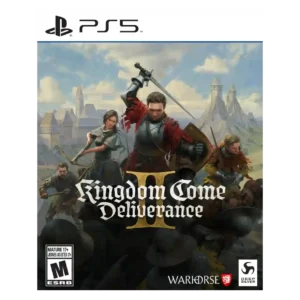
Kingdom Come: Deliverance II
4.3
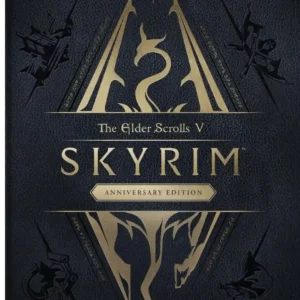
Elder Scrolls V: Skyrim
4.0
haptic feedback integration
Kingdom Come: Deliverance II
4.7
DualSense haptics and adaptive triggers were praised for reflecting stamina, sword clashes, and sharpening interactions.
Elder Scrolls V: Skyrim
1.0
Anniversary Edition on PS5 is criticized for making little meaningful use of DualSense features.
crash stability
Kingdom Come: Deliverance II
4.6
Crash stability was praised by multiple reviewers who reported no crashes, no soft locks, or no hard crashes.
Elder Scrolls V: Skyrim
1.6
Crashes, freezes, and forced save reloads appear across several versions and eras. They are less universal than minor bugs, but when they occur they can erase progress and materially hurt reliability.
animation quality
Kingdom Come: Deliverance II
4.8
Cutscene direction and mocap were praised for selling relationships and emotional scenes convincingly.
Elder Scrolls V: Skyrim
1.7
Animation is one of the clearest signs of age: stiff NPC movement, robotic scenes, dated combat motions, and awkward character behavior come up repeatedly. Later editions improve presentation around it more than the animations themselves.
AI behavior
Kingdom Come: Deliverance II
4.7
AI and NPC behavior were praised for believable reactions, routines, crime responses, and increased sophistication over the first game.
Elder Scrolls V: Skyrim
1.8
Enemy AI is a recurring weak spot: pathfinding can be exploited, companions and enemies get confused by geometry, and dragon behavior can become predictable. Some versions improve aggression, but the overall pattern remains rough.
companion AI
Kingdom Come: Deliverance II
4.4
The dog companion Mutt was praised as useful and worthwhile, especially for tracking and early side-quest benefits.
Elder Scrolls V: Skyrim
2.2
Followers are useful in fights and can add personality, but their pathfinding and positioning are frequent frustrations. They get stuck, block routes, or behave awkwardly often enough to be a recurring complaint.
menu usability
Kingdom Come: Deliverance II
2.7
Menu usability was mixed to negative, with some praise for navigation but others calling the menu system dire or frustrating.
Elder Scrolls V: Skyrim
4.8
The streamlined favorites and equipment menus are widely praised on controllers for making a complex RPG approachable. PC-oriented interface criticism exists, but the general menu design is one of the stronger usability improvements.
user interface design
Kingdom Come: Deliverance II
4.5
UI feedback was positive when reviewers discussed improved, adaptable, or visually polished interface presentation.
Elder Scrolls V: Skyrim
2.4
Interface quality is platform-dependent: controller menus are often streamlined, but PC layout and some base UI choices are criticized as clumsy or messy. Mods such as SkyUI are frequently treated as practical fixes.
camera behavior
Kingdom Come: Deliverance II
2.9
Camera behavior was a noted issue for one reviewer, especially through finicky first-person viewpoint problems.
Elder Scrolls V: Skyrim
1.0
The fixed, narrow field of view on some console versions can make camera movement uncomfortable, particularly on larger displays. Lack of an FoV control is a notable port limitation.
bug frequency
Kingdom Come: Deliverance II
3.7
Bugs were present but usually minor; reviewers ranged from calling glitches common to saying issues rarely disrupted play.
Elder Scrolls V: Skyrim
1.9
Bugs are the most consistent technical complaint, ranging from funny physics oddities to broken quests, stuck NPCs, and progress-loss situations. Many reviewers tolerate them because of the game’s scale, but later re-releases are criticized for still carrying old problems.
core gameplay loop
Kingdom Come: Deliverance II
3.2
One reviewer found the loop rewarding but volatile, with strong highs offset by repeated frustration and setbacks.
Elder Scrolls V: Skyrim
5.0
Exploring, fighting, looting, leveling, getting distracted, and discovering another objective remains highly compelling. Multiple reviews describe the loop as addictive even many years after release.
pacing
Kingdom Come: Deliverance II
3.7
Pacing opinions varied: some praised the sustained momentum, while others complained about indulgent cutscenes or late-game pacing issues.
Elder Scrolls V: Skyrim
2.0
Pacing is a recurring weakness around the long intro and main-quest structure. Repeat players especially dislike the unskippable opening, and starting the dragon storyline too quickly can overwhelm the quieter exploration rhythm.
polish
Kingdom Come: Deliverance II
4.7
Reviewers saw the sequel as much more polished than the first game, with rough edges reduced and systems better realized.
Elder Scrolls V: Skyrim
3.0
Skyrim’s enormous ambition is balanced by visible rough edges. Some releases feel polished overall, yet persistent bugs, dated systems, and missing quality-of-life refinements keep it from feeling consistently finished.
mission variety
Kingdom Come: Deliverance II
4.9
Mission variety was strongly praised, especially for quests that went beyond simple errands or bandit-clearing objectives.
Elder Scrolls V: Skyrim
3.2
Mission quality ranges from imaginative faction stories and strange side adventures to repetitive fetch tasks and cave-clearing errands. The amount of content is huge, but not every activity is equally inventive.
loot system
Kingdom Come: Deliverance II
2.9
Loot was criticized for early encumbrance pressure and the difficulty of carrying everything a player might want.
Elder Scrolls V: Skyrim
4.5
Treasure, unique gear, crafted equipment, and exploration rewards give players frequent reasons to search dungeons and wander off-route. Some individual chests disappoint, but the broader reward loop is satisfying.
mission design
Kingdom Come: Deliverance II
3.5
Main mission design was mixed: reviewers praised varied scenarios, but one criticized a required sequence for lacking an alternate path.
Elder Scrolls V: Skyrim
2.0
One DLC questline is criticized for bland locations and an unenjoyable structure, showing that added content does not always match the strongest base-game questing.
dialogue quality
Kingdom Come: Deliverance II
4.4
Dialogue was mostly praised for impact, humor, and organic choices, though one reviewer found some repeated dialogue drawn out.
Elder Scrolls V: Skyrim
2.9
Dialogue is uneven: some reviews praise natural conversational flow and a large amount of voiced material, while others find the script generic, repetitive, or uninspired. It rarely matches the strength of the world design.
side character depth
Kingdom Come: Deliverance II
4.1
The sequel was credited with giving supporting women and other groups somewhat more agency than before.
Elder Scrolls V: Skyrim
2.7
NPCs make the world busy and believable, but deeper interpersonal writing and companion development are limited. Repeated voices, shallow relationships, and generic interactions keep characters behind the environmental storytelling.
weapon balance
Kingdom Come: Deliverance II
3.4
Weapon balance was mixed: one reviewer liked weapon choice, while another found some ranged options hard to use effectively.
Elder Scrolls V: Skyrim
2.0
Combat styles are not equally effective: stealth archery is repeatedly overpowered, magic can be uneven, and melee lacks the responsiveness of stronger modern action RPGs.
learning curve
Kingdom Come: Deliverance II
2.9
The learning curve was repeatedly described as steep, slow, and friction-heavy, rewarding patience but likely turning some players away.
Elder Scrolls V: Skyrim
4.3
The streamlined classless progression is approachable, but the sheer number of possibilities can overwhelm newcomers. Starting slowly and engaging with a small area at a time can make the game much easier to absorb.
movement feel
Kingdom Come: Deliverance II
2.5
One reviewer felt early traversal was unnecessarily taxing, especially before stronger equipment and better mobility options eased the burden.
Elder Scrolls V: Skyrim
3.8
Movement and third-person play are improved over Oblivion and can feel responsive, but traversal is still basic and horses or first-person combat can feel awkward compared with newer games.
controls responsiveness
Kingdom Come: Deliverance II
4.6
Controls were described as noticeably smoother than the first game, especially in camera feel, aiming, and sword fighting responsiveness.
Elder Scrolls V: Skyrim
3.4
Controls range from fluid and precise on strong versions to frustratingly sluggish on specific ports. Switch 2 input lag and some PC/VR control issues stand out against generally solid controller play.
combat system
Kingdom Come: Deliverance II
4.1
Combat drew broad attention for its realism, skill focus, and improvements, though several reviewers still found it harsh, clunky, or frustrating early on.
Elder Scrolls V: Skyrim
3.0
Combat is the biggest design tradeoff. Magic, archery, dual-wielding, Shouts, and hybrid builds provide variety, but melee is repeatedly described as floaty, clunky, shallow, or dated.
narrative quality
Kingdom Come: Deliverance II
4.7
Narrative quality was a major strength, with reviewers praising the historical saga, main quest, character arcs, and cinematic ambition.
Elder Scrolls V: Skyrim
3.7
Story opinions are mixed. Some sources call the main campaign excellent or epic, while others see it as predictable, thin, or weaker than the faction and side-quest stories that make up much of Skyrim’s appeal.
voice acting
Kingdom Come: Deliverance II
4.6
Voice acting was broadly praised, especially the main cast, though some reviewers noted repeated or uneven minor NPC voices.
Elder Scrolls V: Skyrim
3.5
Voice acting ranges from strong and immersive to forced, repetitive, or too obviously recycled across NPCs. The size of the voiced cast is impressive, but performance consistency is uneven.
character roster
Kingdom Come: Deliverance II
4.5
The cast was praised for memorable personalities, humor, and a strong sense of history.
Elder Scrolls V: Skyrim
3.5
Skyrim has a huge population with memorable factions and some distinctive personalities, but repeated archetypes and limited companion depth keep the cast from matching the world’s richness.
family friendliness
Kingdom Come: Deliverance II
2.0
Family friendliness was limited by repeated profanity, sexual content, and depictions of women that one reviewer found objectifying.
Elder Scrolls V: Skyrim
1.0
The game is not especially family-friendly for younger children because of gore, violence, sexual themes, and alcohol references.
stealth mechanics
Kingdom Come: Deliverance II
3.1
Stealth was useful and sometimes satisfying, yet reviewers also called it finicky, weak, or frustrating in specific forced sections.
Elder Scrolls V: Skyrim
4.0
Stealth is more readable and strategic than in Oblivion, with detection feedback that supports careful play. It can also become overpowered, especially when combined with archery.
load times
Kingdom Come: Deliverance II
2.8
Load times were criticized by one reviewer as long enough to worsen stealth retries and experimentation.
Elder Scrolls V: Skyrim
3.6
Loading varies dramatically by platform and edition: older console versions are often criticized for long, frequent waits, while PC and newer Anniversary versions can load extremely quickly.
crafting system
Kingdom Come: Deliverance II
3.8
Crafting split reviewers: blacksmithing and alchemy could be charming and rewarding, but several found parts clunky, slow, or repetitive.
Elder Scrolls V: Skyrim
4.6
Smithing, enchanting, alchemy, cooking, and equipment creation make gathered resources useful and support self-directed builds. Survival Mode gives some of these systems, especially cooking, even more purpose.
performance optimization
Kingdom Come: Deliverance II
4.6
Performance was generally praised across PC and console contexts, with reviewers noting strong optimization and technical improvements.
Elder Scrolls V: Skyrim
3.9
Performance is highly version-dependent. Several ports are stable and newer editions improve optimization, but older PS3 issues, Switch 2 input/framerate choices, and occasional slowdown keep the record from being spotless.
age appropriateness
Kingdom Come: Deliverance II
2.4
One reviewer warned that excessive profanity and potentially offensive material make the game unsuitable for some audiences.
Elder Scrolls V: Skyrim
1.7
The mature violence, gore, sexual themes, and alcohol references make the game a poor fit for younger children. One review suggests some teens may handle it, but the overall suitability signal is clearly mature.
economy and resource balance
Kingdom Come: Deliverance II
2.8
The early economy was described as restrictive, especially when selling damaged or stolen goods with limited vendor money.
Elder Scrolls V: Skyrim
3.5
Inventory selling and merchant limits can be tedious in the base game, while Survival Mode makes food and ordinary supplies feel meaningfully valuable. Resource balance depends heavily on how the game is played.
save system reliability
Kingdom Come: Deliverance II
2.8
The save system was one of the most divisive topics, praised by one reviewer but criticized by many as stingy or punishing.
Elder Scrolls V: Skyrim
3.5
Frequent autosaves, quick saves, and multiple files can reduce the pain of bugs and experimentation. Reliability is still undermined when glitches force reloads or long sessions lose progress.
onboarding experience
Kingdom Come: Deliverance II
3.7
Onboarding divided reviewers: returning and new-player recaps helped, but some found the opening overloaded or blunt.
Elder Scrolls V: Skyrim
3.0
The opening is divisive: it can establish tone effectively, but its unskippable length and early information overload hurt repeat play and have caused some newcomers to bounce off the game.
value for money
Kingdom Come: Deliverance II
4.8
Value was praised because the game is both strong and very long, with some reviewers reporting enormous playtime.
Elder Scrolls V: Skyrim
4.2
The base game’s enormous content and replayability make it strong value for many players, and some bundles add DLC, Creation Club content, or free upgrades. Repeat buyers are more skeptical when an Anniversary release adds too little beyond versions they already own.
fast travel convenience
Kingdom Come: Deliverance II
3.4
Fast travel opinions were mixed: one reviewer praised dynamic events, while another found it cumbersome and interruption-prone.
Elder Scrolls V: Skyrim
4.0
Fast travel is convenient, but Survival Mode’s removal of it can actually deepen discovery; carriages provide a limited compromise when long-distance travel is needed.
exploration quality
Kingdom Come: Deliverance II
4.4
Exploration was praised for beautiful spaces, meaningful discoveries, and a strong adventuring feel, though harsh systems made some travel demanding.
Elder Scrolls V: Skyrim
5.0
Exploration is Skyrim’s clearest consensus strength. Roads, caves, ruins, random encounters, hidden quests, scenery, and unexpected detours constantly reward curiosity and make simple travel feel like play.
graphics quality
Kingdom Come: Deliverance II
4.6
Graphics were broadly praised for impressive landscapes, cutscenes, lighting, and major visual improvements over the first game.
Elder Scrolls V: Skyrim
4.1
The landscapes, lighting, weather, vistas, and later-edition upgrades often look beautiful, while character models, old textures, pop-in, and some port-specific artifacts expose the game’s age. The visual verdict is strong overall but clearly version-dependent.
art direction
Kingdom Come: Deliverance II
4.5
The visual style of menus, maps, and medieval presentation received praise for matching the game’s historical tone.
Elder Scrolls V: Skyrim
5.0
The Nordic landscapes, weather, lighting, architecture, and strong visual mood have aged extremely well. Even reviewers who call the raw graphics dated still praise the art direction for making Skyrim distinctive and beautiful.
handheld play suitability
Kingdom Come: Deliverance II
4.5
Handheld suitability was supported by one reviewer who described the game as scalable enough for handheld play.
Elder Scrolls V: Skyrim
5.0
Portable Skyrim is repeatedly singled out as a major success. Switch and Switch 2 versions make the huge world easy to dip into anywhere while preserving strong image quality and generally stable play.
sandbox freedom
Kingdom Come: Deliverance II
4.6
Reviewers admired the freedom to solve problems, exploit systems, and role-play, though the sandbox sometimes clashed with scripted story demands.
Elder Scrolls V: Skyrim
5.0
Skyrim gives players extraordinary freedom to ignore the main story, change builds, join factions, wander, craft, steal, explore, or simply live in the world. That agency is central to nearly every positive assessment.
DLC value
Kingdom Come: Deliverance II
4.5
The post-launch expansions were credited with adding a large amount of extra content to the package.
Elder Scrolls V: Skyrim
4.1
The major expansions and Anniversary/Creation Club additions add substantial quests, locations, systems, and replay value. Opinions split on individual packs and on whether re-release bundles add enough to justify another purchase.
frame rate stability
Kingdom Come: Deliverance II
4.4
One reviewer reported a consistent frame rate and treated that as part of the game’s stronger technical state.
Elder Scrolls V: Skyrim
4.0
Most versions are praised for stable performance within their targets, including strong handheld results. The recurring complaint is that some newer ports remain capped at 30fps despite hardware that seems capable of more.
progression system
Kingdom Come: Deliverance II
4.6
Progression was widely praised for turning early friction into rewarding growth through skills, perks, equipment, and player learning.
Elder Scrolls V: Skyrim
4.9
Use-based skill growth, perks, and classless development are among the game’s most praised systems. They make character growth intuitive, flexible, and tightly connected to how the player actually behaves.
skill tree depth
Kingdom Come: Deliverance II
4.7
Reviewers liked the depth and usefulness of perks, weapon techniques, and skill trees, especially when they enabled meaningful playstyle specialization.
Elder Scrolls V: Skyrim
5.0
Perk trees strongly reward experimentation and specialization, with meaningful bonuses across combat, magic, stealth, crafting, and social skills. Build planning remains one of the most satisfying long-term systems.
gameplay mechanics
Kingdom Come: Deliverance II
4.7
Reviewers repeatedly framed the systems-heavy design as a major strength, praising how mechanics connect to role-playing, dialogue, world simulation, and player expression.
Elder Scrolls V: Skyrim
5.0
The classless skill system, Shouts, dual-wielding, crafting, exploration, and flexible interaction combine into a broad, rewarding RPG toolkit.
difficulty balance
Kingdom Come: Deliverance II
3.5
Difficulty was often called demanding and unforgiving; reviewers generally treated this as part of the appeal, though not always an easy one.
Elder Scrolls V: Skyrim
3.8
The less rigid level scaling and ability to encounter enemies above or below the player’s strength are generally improvements. Some fights still swing on luck, cheese tactics, or overpowered builds, and Survival Mode changes the balance substantially.
aiming precision
Kingdom Come: Deliverance II
3.7
Ranged play was viewed as improved by some reviewers, especially archery, but another found ranged combat weightless and weak.
Elder Scrolls V: Skyrim
4.0
Archery and ranged combat are often praised as accurate and satisfying, especially with gyro or VR. Mouse/input-lag issues on some ports and occasional collision problems can undermine that precision.
writing quality
Kingdom Come: Deliverance II
4.7
Writing was described as excellent, engaging, humorous, and consistently strong across main and side content.
Elder Scrolls V: Skyrim
5.0
The best faction quests, books, lore, and optional stories earn strong praise for writing, even when the main plot or routine dialogue is less consistent.
content variety
Kingdom Come: Deliverance II
4.7
Reviewers praised the breadth of activities, quests, and post-launch additions, with many describing a large and varied set of things to do.
Elder Scrolls V: Skyrim
4.9
The game is packed with guilds, dungeons, side quests, crafting, exploration, homes, books, random encounters, expansions, and role-playing diversions. Its breadth is one of the strongest points of agreement across the sources.
atmosphere
Kingdom Come: Deliverance II
4.8
Atmosphere was praised alongside world-building, especially in cities, music, and historically grounded locations.
Elder Scrolls V: Skyrim
5.0
Skyrim’s cold, rugged setting, weather, audio, and sense of place create an unusually strong atmosphere. The world often feels compelling enough that players simply stop to look around or wander without a quest goal.
environmental detail
Kingdom Come: Deliverance II
4.8
Environmental detail was praised for dense, specific objects, puddles, tools, farms, residences, and believable spaces.
Elder Scrolls V: Skyrim
5.0
Environmental detail is a defining strength, from weather and mountains to towns, dungeons, waterfalls, clutter, and small interactive objects. The world’s density repeatedly makes wandering feel worthwhile.
facial animations
Kingdom Come: Deliverance II
3.8
Facial animation feedback was mixed: one reviewer noted lifeless dialogue faces, while another praised key character animations.
Elder Scrolls V: Skyrim
4.0
Faces are improved over Oblivion and can look more expressive, but they still sit within an aging character presentation.
quest design
Kingdom Come: Deliverance II
4.6
Quest design was one of the strongest points, with reviewers praising memorable side stories, branching approaches, and strong writing, despite a few disappointing payoffs.
Elder Scrolls V: Skyrim
4.8
Questing is a major strength, especially in guild and optional storylines where chance encounters can blossom into long, surprising adventures. Mundane fetch quests exist, but the best side content is repeatedly considered stronger than the main plot.
replay value
Kingdom Come: Deliverance II
4.7
Replay value looked strong thanks to hardcore mode, major content additions, and reviewers wanting to return for more playthroughs.
Elder Scrolls V: Skyrim
4.8
Few attributes receive stronger agreement: alternate builds, faction paths, huge content depth, mods, portable versions, and self-directed role-playing keep people returning for years and even hundreds of hours.
lore depth
Kingdom Come: Deliverance II
4.8
The historical codex and contextual detail were praised for offering extensive background on people, events, and society.
Elder Scrolls V: Skyrim
4.6
Books, factions, history, Daedric stories, regional politics, and environmental storytelling provide enormous background depth. Engaging with the lore can make quests and locations substantially more meaningful.
open-world design
Kingdom Come: Deliverance II
4.8
The open world drew strong praise for its scale, density, historically grounded cities, and lived-in regions across multiple maps.
Elder Scrolls V: Skyrim
5.0
The open world is one of Skyrim’s most universally praised achievements: dense, scenic, explorable, and filled with reasons to leave the road. It still serves as a benchmark for player-driven fantasy exploration.
world-building
Kingdom Come: Deliverance II
4.9
World-building was repeatedly praised as immersive, historically grounded, and central to the game’s appeal.
Elder Scrolls V: Skyrim
5.0
Skyrim’s frozen region, cities, factions, politics, histories, architecture, and ambient details form one of its most celebrated strengths. The world often feels like a character in itself and gives exploration lasting meaning.
emotional impact
Kingdom Come: Deliverance II
4.9
Reviewers described the story as memorable and emotionally powerful, including scenes that brought strong lasting reactions.
Elder Scrolls V: Skyrim
5.0
Emergent role-playing can create surprisingly personal attachment; one player describes genuinely feeling the loss of a companion within a self-made story.
soundtrack quality
Kingdom Come: Deliverance II
4.9
The soundtrack was one of the most consistently praised elements, with several reviewers calling it orchestral, phenomenal, or legendary.
Elder Scrolls V: Skyrim
5.0
The soundtrack is one of the strongest points of agreement in the entire set. Its exploration themes, battle music, choral pieces, and Dragonborn motif repeatedly heighten atmosphere, emotion, and discovery.
world interactivity
Kingdom Come: Deliverance II
4.8
Reviewers consistently praised the reactive crime, reputation, NPC, and quest systems that made the world feel alive and responsive.
Elder Scrolls V: Skyrim
4.8
Objects, crafting stations, homes, books, theft, routines, and small physical details make Skyrim unusually interactive. The ability to affect and inhabit ordinary spaces is a major contributor to immersion.
visual effects quality
Kingdom Come: Deliverance II
4.4
Visual set pieces and in-engine scenes were praised for creating striking emotional moments.
Elder Scrolls V: Skyrim
4.3
Weather, lighting, spell effects, auroras, god rays, and remaster improvements can be striking. Some ports introduce distracting reflection, color, or pop-in artifacts, but the overall effects work is well regarded.
immersion
Kingdom Come: Deliverance II
4.8
Immersion was one of the clearest strengths, with reviewers repeatedly describing the world, systems, and presentation as absorbing.
Elder Scrolls V: Skyrim
4.8
Skyrim remains exceptionally easy to get lost in because its world, weather, sound, routines, role-playing freedom, and environmental detail work together. Bugs and repeated NPC behavior can break the spell, but the broader immersion survives.
level design
Kingdom Come: Deliverance II
4.5
One reviewer praised the way locations were recontextualized into memorable set-pieces that rewarded planning and awareness.
Elder Scrolls V: Skyrim
4.4
Skyrim improves sharply on Oblivion’s repetitive dungeons, with more individualized layouts, environmental variety, shortcuts, traps, and discoveries. Repetition still creeps in after very long play sessions.
sound design
Kingdom Come: Deliverance II
4.5
Sound design was praised for supporting immersion and helping players identify attacks or stealth-relevant cues.
Elder Scrolls V: Skyrim
4.4
Ambient wind, wildlife, combat effects, environmental sounds, and upgraded audio help sell the physical world. A Switch-specific audio-warping problem is a sharp exception to otherwise strong sound work.
fun factor
Kingdom Come: Deliverance II
4.9
Several reviewers found the game highly entertaining, addictive, and rewarding once its demanding systems clicked.
Elder Scrolls V: Skyrim
4.9
Across original, remastered, portable, and modern retrospective coverage, Skyrim is consistently described as highly enjoyable and hard to put down. Even critical reviews tend to return to how much fun the overall experience remains.
grind level
Kingdom Come: Deliverance II
3.5
The game was not seen as a pure grind, but reviewers still emphasized the effort and repetition needed to gain traction.
Elder Scrolls V: Skyrim
3.5
Skyrim usually avoids feeling like a conventional grind because exploration and skill use produce progress naturally. Some later players still find repetitive leveling or optimization chores annoying.
innovation
Kingdom Come: Deliverance II
4.5
One reviewer praised the scale of improvement as something other studios rarely achieve.
Elder Scrolls V: Skyrim
4.5
Skyrim is not viewed as a wholesale revolution, yet its streamlined progression, classless character development, open-world density, and combination of systems were important refinements that helped define modern open-world RPG expectations.
platform-specific feature support
Kingdom Come: Deliverance II
4.6
The PS5 Pro version was praised as a graphical treat, with platform-specific technical strengths noted.
Elder Scrolls V: Skyrim
4.6
Gyro aiming, motion controls, mouse support, amiibo/Zelda content, and even native GameCube controller support add worthwhile platform flavor. Implementation quality varies, but these extras are usually viewed positively.
accessibility options
Kingdom Come: Deliverance IINo score yet
Elder Scrolls V: Skyrim
2.5
Accessibility is inconsistent across versions. Streamlined RPG systems help newcomers, but console ports are repeatedly criticized for missing basics such as an FoV slider, brightness controls, and broader visual options.
boss design
Kingdom Come: Deliverance IINo score yet
Elder Scrolls V: Skyrim
3.6
Dragon and major encounters can be spectacular, tense, and memorable, especially early on. Repeated attack patterns, easy exploits, and shallow scaling make some boss fights lose impact over time.
character customization
Kingdom Come: Deliverance IINo score yet
Elder Scrolls V: Skyrim
4.7
Flexible race choices, appearance options, classless builds, and use-based skill growth let players shape very different characters. A few reviewers miss deeper old-school specialization, but build freedom is overwhelmingly praised.
character development
Kingdom Come: Deliverance II
4.7
Henry and Hans received strong praise for their evolving relationship and character arcs, with Henry’s trauma and growth adding stakes.
Elder Scrolls V: SkyrimNo score yet
checkpoint system
Kingdom Come: Deliverance II
2.0
Checkpointing was criticized for causing lost progress when autosaves appeared only at limited quest points.
Elder Scrolls V: SkyrimNo score yet
choice impact
Kingdom Come: Deliverance IINo score yet
Elder Scrolls V: Skyrim
3.4
Faction choices and individual quests can alter outcomes, but the main narrative often absorbs very different role-playing behavior without much consequence. The freedom to act is stronger than the long-term narrative reactivity.
enemy variety
Kingdom Come: Deliverance IINo score yet
Elder Scrolls V: Skyrim
4.4
Many sources enjoy the mix of dragons, undead, creatures, bandits, and fantasy enemies, with some praising the designs strongly. A later perspective argues the underlying enemy mechanics become limited and repetitive with time.
faithfulness to franchise
Kingdom Come: Deliverance II
4.7
Reviewers generally agreed the sequel stays true to the original while improving its systems, scope, and accessibility.
Elder Scrolls V: SkyrimNo score yet
fishing mechanics
Kingdom Come: Deliverance IINo score yet
Elder Scrolls V: Skyrim
3.4
Fishing receives mixed reactions. Some find it simple, relaxing, and fun with worthwhile quests, while others call it boring, overly restricted to designated spots, or too shallow to matter.
game length
Kingdom Come: Deliverance IINo score yet
Elder Scrolls V: Skyrim
5.0
Skyrim can absorb hundreds of hours through quests, exploration, character builds, expansions, and mods. Several reviewers still had major content left after dozens or even more than a hundred hours.
horror tension
Kingdom Come: Deliverance II
2.7
A horror-leaning quest was criticized for being too short for its dread to fully develop.
Elder Scrolls V: SkyrimNo score yet
HUD clarity
Kingdom Come: Deliverance II
4.4
The adaptive HUD was praised for hiding unnecessary elements and improving immersion when information was not relevant.
Elder Scrolls V: SkyrimNo score yet
live-service support
Kingdom Come: Deliverance II
4.3
Post-launch support was described positively through free updates, fixes, and eagerly awaited features.
Elder Scrolls V: SkyrimNo score yet
map and navigation design
Kingdom Come: Deliverance II
4.6
Maps were praised for medieval flair and exquisite town art, supporting the game’s historical presentation.
Elder Scrolls V: SkyrimNo score yet
mod support
Kingdom Come: Deliverance IINo score yet
Elder Scrolls V: Skyrim
4.4
Mods are central to Skyrim’s longevity, adding fixes, visuals, quests, systems, and radically different playthroughs. Platform restrictions matter: PC is strongest, consoles vary, and Switch support is notably limited.
originality
Kingdom Come: Deliverance II
4.7
Reviewers repeatedly emphasized how unusual and specific the game feels compared with modern RPGs.
Elder Scrolls V: SkyrimNo score yet
protagonist appeal
Kingdom Come: Deliverance II
2.6
One reviewer strongly disliked Hans as a long-term companion presence, creating strain on their desire to continue.
Elder Scrolls V: SkyrimNo score yet
puzzle design
Kingdom Come: Deliverance IINo score yet
Elder Scrolls V: Skyrim
3.0
Dungeon puzzles can be memorable early on, but several sources find traps and puzzle patterns overused or too simple across a very long campaign.
remake/remaster quality
Kingdom Come: Deliverance IINo score yet
Elder Scrolls V: Skyrim
3.4
Re-releases improve resolution, lighting, framerate, loading, portability, and bundled content, but opinions are mixed on how much they modernize the underlying game. Old animation, bugs, and limited new features make some editions feel low-effort or unnecessary.
survival mechanics
Kingdom Come: Deliverance IINo score yet
Elder Scrolls V: Skyrim
4.4
Survival Mode meaningfully changes Skyrim by making food, sleep, warmth, travel, and planning matter. Most sources enjoy the added immersion and challenge, though it is deliberately more demanding and not for every playstyle.
tutorial quality
Kingdom Come: Deliverance II
2.9
Tutorial quality was mixed, with one reviewer calling it decent while others criticized dense text screens and poor explanations.
Elder Scrolls V: SkyrimNo score yet
upgrade system
Kingdom Come: Deliverance II
4.6
The revised perk and upgrade system was praised for offering meaningful upside-focused choices rather than weak side-grades.
Elder Scrolls V: SkyrimNo score yet
VR implementation
Kingdom Come: Deliverance IINo score yet
Elder Scrolls V: Skyrim
2.0
VR makes Skyrim’s scale novel to inhabit, but imprecise interaction, compromised visuals, and unresolved interface/combat problems keep it from being the strongest way to play.