AI behavior
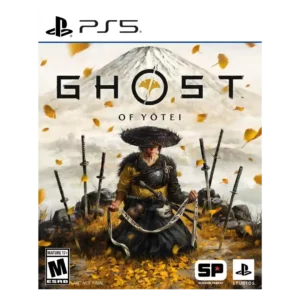
Ghost of Yōtei
4.5
Enemy perception receives positive attention where stealth is described as sound-driven, with enemies reacting to audio as well as sight.
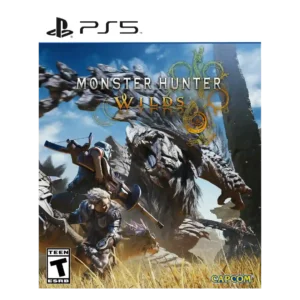
Monster Hunter Wilds
2.0
AI behavior drew criticism where mount and monster pathing broke down, especially when navigation systems got stuck or failed to react cleanly.
mission design
Ghost of Yōtei
4.3
Mission design is generally positive for diverse objectives and strong campaign structure, though some side mission design is criticized elsewhere.
Monster Hunter Wilds
2.2
Mission design was criticized for unskippable walk-and-talks, forced walking, and control loss, with only a few later mission moments landing better.
polish
Ghost of Yōtei
4.8
Polish is a recurring strength, with reviewers calling the release premium, cinematic, and impressively crafted despite a few bugs or animation rough edges.
Monster Hunter Wilds
2.7
Polish was uneven, with severe launch polish complaints contrasted by quality-of-life improvements that showed Capcom had listened to feedback.
sandbox freedom
Ghost of Yōtei
3.8
Freedom is moderate: reviewers appreciate loose target order and player-directed wandering, but note that some freedom is an illusion.
Monster Hunter Wilds
1.7
Sandbox freedom was a major issue for critical reviewers, who felt story rails, autopilot, and forced paths undermined agency.
writing quality
Ghost of Yōtei
4.3
Writing is praised for creative freshness and emotional ambition, but one dissenting review calls it conventional blockbuster material.
Monster Hunter Wilds
2.3
Writing quality was one of the weaker story-adjacent areas, with reviewers calling it trope-filled, overdramatic, or undeserving of its prominence.
quest design
Ghost of Yōtei
4.5
Quest design is a major strength in many reviews thanks to memorable tales, bounties, organic side stories, and worthwhile rewards, though Eurogamer sharply dislikes the formulaic sidequests.
Monster Hunter Wilds
2.7
Quest design was mixed to negative, with story quests and high-rank goals criticized despite on-the-fly questing being praised elsewhere.
performance optimization
Ghost of Yōtei
4.9
Performance feedback is very positive overall, with strong PS5/PS5 Pro stability, polished execution, and few performance complaints.
Monster Hunter Wilds
3.2
Performance optimization was mixed by platform: some reviewers reported smooth or flawless performance, while others saw pop-in, frame issues, and poor PC optimization.
level design
Ghost of Yōtei
2.5
The only scored level-design evidence is critical, describing certain mission spaces as single-route and overly linear.
Monster Hunter Wilds
4.2
Level design was praised for world spaces with nooks, crannies, verticality, and useful layouts.
upgrade system
Ghost of Yōtei
4.5
Upgrades are praised for being tied to exploration, weapons, armor, charms, and mastery activities rather than pure XP grinding.
Monster Hunter Wilds
2.8
The upgrade/build system was a mixed point where tighter buildcrafting created tradeoffs but made High Rank gear feel limited to one reviewer.
innovation
Ghost of Yōtei
3.2
Innovation scores trend moderate because reviewers describe Yōtei as refinement rather than reinvention, with familiar systems made better.
Monster Hunter Wilds
4.8
Innovation was praised where Wilds' new systems, weather, and traversal changes were seen as elevating the formula.
frame rate stability
Ghost of Yōtei
5.0
Frame-rate evidence is very positive, including stable pacing, smooth transitions, and rock-solid 60 FPS in PS5 Pro modes.
Monster Hunter Wilds
3.5
Frame rate stability varied by platform and mode, with smooth PS5/PC experiences balanced against stuttering, jittering, and unstable frame-rate complaints.
tutorial quality
Ghost of Yōtei
4.0
Tutorial/onboarding evidence is modestly positive, praising learn-by-doing design and seamless early teaching.
Monster Hunter Wilds
2.5
Tutorial quality was inconsistent: some tutorials were unobtrusive, but several reviewers found key mechanics buried, brief, or poorly explained.
bug frequency
Ghost of Yōtei
4.2
Most reviewers report few or no serious bugs, though some mention an odd freeze, minor technical issues, or rare late-game disruptions.
Monster Hunter Wilds
2.7
Bug frequency was a concern in a few reviews, with mentions of graphical glitches, model or camera issues, and broader buggy behavior.
accessibility options
Ghost of Yōtei
3.0
Accessibility evidence is limited and mixed: TechRadar notes helpful subtitles, visibility, control simplification, and combat assists, but says the suite is lighter than some PS5 peers and lacks colorblind options.
Monster Hunter Wilds
4.5
Reviewers praised the breadth of adjustable settings, including accessibility features, UI controls, and visual options such as color blindness settings.
originality
Ghost of Yōtei
3.0
Originality is moderate: reviewers repeatedly say Yōtei does not revolutionize the formula, but many accept that as focused refinement.
Monster Hunter Wilds
4.5
Originality was praised where new ideas and systems were said to separate and elevate Wilds beyond a simple formula repeat.
user interface design
Ghost of Yōtei
3.5
UI evidence is mixed: restrained maps and menus are praised, but one reviewer reports low-contrast text and hard-to-see map elements.
Monster Hunter Wilds
2.0
User interface design was criticized where radial menus felt unresponsive and UI friction recurred during repeated hunt cycles.
faithfulness to franchise
Ghost of Yōtei
4.7
Yōtei is viewed as a worthy successor that preserves Ghost of Tsushima’s best ideas while refining them around Atsu.
Monster Hunter Wilds
3.2
Faithfulness to franchise was sharply divided between reviewers who felt Wilds was peak Monster Hunter and others who felt it lost core identity.
movement feel
Ghost of Yōtei
5.0
Movement is praised for fluidity, especially in combat flow and traversal compared with the predecessor.
Monster Hunter Wilds
3.6
Movement feel was mixed: one reviewer still felt locked in sluggish animations, while another praised silky-smooth mount movement.
map and navigation design
Ghost of Yōtei
4.8
Navigation is strongly praised for wind guidance, readable maps, organic discovery, spyglass/map ideas, and low UI clutter.
Monster Hunter Wilds
3.4
Map and navigation design was mixed, with praise for the new map system offset by clutter, confusion, and navigation friction.
pacing
Ghost of Yōtei
3.6
Pacing is divisive: Game Informer praises it as a triumph, while several reviewers cite predictability, prolonged beats, or odd act structure.
Monster Hunter Wilds
2.3
Pacing was a common complaint, especially story drag, long-winded sections, and a campaign that felt too short or too guided.
progression system
Ghost of Yōtei
4.4
Progression is praised for tying upgrades to exploration and skill shrines, though some reviewers want more depth or nuance.
Monster Hunter Wilds
3.0
Progression was mixed: several reviews liked smoother systems, but others thought unlocks dragged or progression became too fast to matter.
dialogue quality
Ghost of Yōtei
2.8
Dialogue and delivery are mixed: some conversations carry emotion well, but several reviewers call line delivery stilted or conversations dated.
Monster Hunter Wilds
1.4
Dialogue quality was sharply criticized in one review for boring NPC talk during story-driven sections.
exploration quality
Ghost of Yōtei
4.7
Exploration is one of the strongest areas, often called rewarding, organic, and meaningful, though one dissenting review finds it over-guided.
Monster Hunter Wilds
3.4
Exploration quality was split: several reviewers enjoyed discovery and rewarding environments, while others felt autopilot and story rails reduced exploration.
fast travel convenience
Ghost of Yōtei
5.0
Fast travel is strongly praised as instantaneous or highly respectful of the player’s time.
Monster Hunter Wilds
3.7
Fast travel and mount convenience were useful and often praised, though some reviewers felt autopilot or porting reduced exploration and agency.
graphics quality
Ghost of Yōtei
4.9
Visuals receive near-universal praise, from stunning fidelity and landscapes to screenshot-worthy environments and color.
Monster Hunter Wilds
3.7
Graphics quality was mixed: several reviewers praised stunning visuals, while others criticized muddy performance mode, pop-in, or reduced image quality.
difficulty balance
Ghost of Yōtei
4.0
Difficulty is mostly praised for rewarding patience and offering customization, though critics cite easy challenge, high damage, or artificial duel constraints.
Monster Hunter Wilds
2.8
Difficulty balance was the most divisive area: newcomers found it approachable, but many veterans felt Wilds was too easy and lacked real challenge.
learning curve
Ghost of Yōtei
4.0
Learning curve evidence is positive but modest, emphasizing learn-by-doing design that mirrors Atsu’s practice and attention rather than heavy explanation.
Monster Hunter Wilds
2.9
Learning curve remained a barrier despite approachability, with several reviewers still finding the game bewildering or difficult to slip into.
camera behavior
Ghost of Yōtei
3.3
Camera feedback is mixed: one reviewer says it is improved, while others cite visibility problems or off-screen/camera-management friction.
Monster Hunter Wilds
2.3
Camera behavior was a repeated irritation when NPCs, monsters, or environments obstructed visibility during gameplay or photo/camera moments.
crash stability
Ghost of Yōtei
3.0
Crash evidence is limited to one reviewer reporting two late-game crashes, while most other technical impressions lean stable.
Monster Hunter Wilds
2.0
Crash stability was a weakness in the reviews that mentioned crashes, especially alongside broader PC and launch technical complaints.
aiming precision
Ghost of Yōtei
2.5
The only scored aiming-related evidence is negative, with one reviewer saying auto-targeting hindered them and contributed to deaths.
Monster Hunter Wilds
3.4
Aiming precision was mixed: Focus Mode could make attacks extremely accurate, but some focused attacks felt unwieldy while Great Sword users praised the added control.
voice acting
Ghost of Yōtei
4.9
Voice acting receives strong praise, especially Erika Ishii’s performance and the English/Japanese voice casts.
Monster Hunter Wilds
4.0
Voice acting was mostly positive, with praise for English/Japanese dubs and solid performances despite one reviewer finding it merely fine.
content variety
Ghost of Yōtei
4.3
Reviewers praise the amount of meaningful activities and handcrafted diversions, while a few note that repeated open-world tasks can become chores.
Monster Hunter Wilds
3.4
Content variety was mixed: creature variety and hunt content drew praise, while some reviewers felt the launch monster count was limited.
value for money
Ghost of Yōtei
4.8
Value sentiment is positive where reviewers call the game worth buying or a must-play, supported by long playtime and substantial content.
Monster Hunter Wilds
3.9
Value for money depended on expectations: one reviewer worried about bang for buck, while others found the price justified by long-term play and updates.
emotional impact
Ghost of Yōtei
4.9
Reviewers frequently describe the story as moving, affecting, and emotionally rich, including moments that brought tears or strong sympathy.
Monster Hunter Wilds
4.0
The story's dangerous moments created some emotional impact for one reviewer by making the world feel more urgent and threatening.
load times
Ghost of Yōtei
5.0
Load times are one of the clearest technical wins, with reviewers calling travel and boot-to-game transitions near-instant.
Monster Hunter Wilds
4.2
Load times were generally praised or acceptable where seamless region transitions and reduced loading were noted.
open-world design
Ghost of Yōtei
4.4
The open world is widely praised for beauty, density, organic discovery, and restraint, with dissenting notes about repetition, over-guidance, or familiar structure.
Monster Hunter Wilds
3.6
Open-world design was divisive: some praised the living, connected ecosystems, while others felt large spaces were wasted or spectacle-first.
protagonist appeal
Ghost of Yōtei
4.8
Atsu is widely praised as a compelling, complex, fiery, and memorable lead who gives the sequel a stronger identity.
Monster Hunter Wilds
4.0
Protagonist appeal improved for one reviewer because the hunter and Palico speaking made the story presentation feel less awkward.
character development
Ghost of Yōtei
4.8
Atsu’s arc is praised for emotional clarity, redemption, growth, and a more intimate character focus than the predecessor.
Monster Hunter Wilds
4.1
Nata's arc was generally seen as effective, with multiple reviewers calling out earned growth and stronger-than-usual character development.
world-building
Ghost of Yōtei
3.8
World-building is mixed-to-positive: Ezo’s culture and social context are compelling, but some reviewers wanted broader supporting context.
Monster Hunter Wilds
4.5
World-building was strongly praised for living ecosystems, cultural detail, and a breathing world that supported the Monster Hunter fantasy.
narrative quality
Ghost of Yōtei
4.4
The narrative is generally praised as emotional, well-executed, and compelling, but some reviewers criticize predictability, structure, or linear revenge beats.
Monster Hunter Wilds
3.6
Narrative quality was mixed: some called it the best or most robust series story, while others found it familiar, linear, or trope-heavy.
grind level
Ghost of Yōtei
2.8
Grind sentiment is mixed-to-negative where repeated side activities, collectibles, or checklist tasks create fatigue over time.
Monster Hunter Wilds
3.5
Grind level was mixed: crown and loot improvements reduced chores for some, while others still saw the loop as grind-heavy.
animation quality
Ghost of Yōtei
4.0
Combat animation is often praised for brutality and style, but several reviewers note repetition or less-polished NPC/casual dialogue animation.
Monster Hunter Wilds
4.5
Animation quality was consistently praised, from monster movement to combat presentation and more natural character movement.
loot system
Ghost of Yōtei
4.5
Loot evidence is positive where quests and conflicts reward Atsu with valuable loot, information, and clues that feed exploration.
Monster Hunter Wilds
4.0
Loot systems were mixed: deterministic decorations and clearer drops helped, but some reviewers felt rare farming and chase goals ended too quickly.
environmental detail
Ghost of Yōtei
5.0
Environmental detail earns strong praise for realistic items, dense foliage, weather, light, and painstakingly crafted spaces.
Monster Hunter Wilds
4.5
Environmental detail was praised across reviews for beautiful, useful, stunning, and awe-inducing spaces.
boss design
Ghost of Yōtei
4.1
Duels and boss-style encounters are usually exciting and memorable, though one reviewer criticizes duel advantages as artificial.
Monster Hunter Wilds
4.6
Boss and monster design was one of the strongest points, with reviewers repeatedly praising memorable, creative, intimidating, and excellent creatures.
atmosphere
Ghost of Yōtei
5.0
The atmosphere is consistently framed as a major strength, emphasizing contemplative tone, environmental mood, and cinematic immersion.
Monster Hunter Wilds
4.5
The atmosphere stood out in darker biomes and intimidating apex encounters, with reviewers highlighting creepy locations and weather-charged confrontations.
core gameplay loop
Ghost of Yōtei
4.8
The core loop is repeatedly described as compelling, hard to put down, and more fruitful than Tsushima for some reviewers.
Monster Hunter Wilds
4.3
The core gameplay loop earned strong praise from most reviewers, though one strongly negative review argued streamlining undermined the hunt-craft-prep loop.
crafting system
Ghost of Yōtei
4.0
Crafting/resource gathering is lightly but positively scored because materials are more generalized, making upgrades easier to engage with.
Monster Hunter Wilds
4.5
Crafting-related preparation was praised where food and hunt-prep systems became smoother without fully removing their purpose.
lore depth
Ghost of Yōtei
4.5
Lore depth receives positive but limited support through mythic tales and storytelling sequences that expand the world’s legends.
Monster Hunter Wilds
4.0
Lore depth was positively noted by a reviewer who found Monster Hunter lore fascinating despite criticizing the story delivery.
visual effects quality
Ghost of Yōtei
4.0
Visual-effects evidence is positive but limited, with reviewers appreciating enhanced particles, blood, mud, wind, and cinematic environmental effects.
Monster Hunter Wilds
4.5
Visual effects quality was praised through spectacular cutscenes and dramatic lead-ins to hunts.
soundtrack quality
Ghost of Yōtei
4.8
The soundtrack receives strong praise for atmospheric Japanese instrumentation, shamisen motifs, memorable songs, and cinematic tension.
Monster Hunter Wilds
4.3
Soundtrack quality was mostly praised, with music described as mood-enhancing, blood-pumping, and sometimes incredible.
mission variety
Ghost of Yōtei
4.0
Mission variety is lightly positive, with praise for varied missions in different places and diverse objectives.
Monster Hunter Wilds
4.4
Mission variety was praised where reviewers highlighted varied, dynamic fights and engaging battles across the campaign.
companion AI
Ghost of Yōtei
4.0
The wolf companion is generally appreciated as a useful and flavorful aid, but some reviewers expected it to be more impactful or frequent.
Monster Hunter Wilds
4.4
Companion AI was usually praised, with Support Hunters, Palicoes, and AI partners helping effectively, though often adding to the easier feel.
immersion
Ghost of Yōtei
3.8
Immersion is a major strength through world navigation, sound, and minimal HUD, though occasional technical or duel design issues can break it.
Monster Hunter Wilds
4.2
Immersion was mixed to positive: reviewers praised the living world, while one noted convenience systems could break the fiction.
endgame content
Ghost of Yōtei
3.3
Endgame evidence is mixed: there are post-story tasks and challenge reasons to return, but one review notes no new game plus and another says late content can feel samey.
Monster Hunter Wilds
2.9
Endgame content was mixed to negative: some found hundreds of hours or challenge, but many cited shallow depth, repetition, or missing threats.
enemy variety
Ghost of Yōtei
4.3
Enemy variety is positively noted through more weapon matchups, multiple factions, and a better range of enemies than before.
Monster Hunter Wilds
4.6
Enemy variety was highly praised, with reviewers emphasizing strange new creatures, diverse silhouettes, and a memorable monster cast.
controls responsiveness
Ghost of Yōtei
4.3
Parrying, quick selection, and combat inputs are praised, but one review flags the overall control system as demanding.
Monster Hunter Wilds
4.0
Control responsiveness was mostly praised for smoother, more flexible combat, though one reviewer still found the interface/control load cumbersome.
fun factor
Ghost of Yōtei
4.7
Reviewers repeatedly describe the game as enjoyable, addictive, and fun from start to finish, even when noting formulaic elements.
Monster Hunter Wilds
4.4
Fun factor was broadly positive, with even some critical reviewers acknowledging enjoyable fights, strong features, and blast-to-play moments.
character roster
Ghost of Yōtei
4.5
The supporting ensemble is viewed positively in several reviews, though some reviewers find side figures underused or shallow.
Monster Hunter Wilds
4.2
The character roster was viewed positively where reviewers described the team as likable and supported by small character arcs.
HUD clarity
Ghost of Yōtei
4.8
HUD and marker restraint are praised for keeping the view clear and helping exploration feel less like a checklist.
Monster Hunter Wilds
4.5
HUD clarity was praised where reviewers noted the ability to resize or disable individual UI elements.
onboarding experience
Ghost of Yōtei
4.0
Onboarding is initially intimidating for some, but reviewers say the discovery and indicator systems become enjoyable once learned.
Monster Hunter Wilds
4.2
Onboarding was generally praised as more approachable and newcomer-friendly, though some reviews still found the first steps confusing.
economy and resource balance
Ghost of Yōtei
4.5
Resource balance is praised where simplified material categories and less strict upgrade paths encourage more engagement.
Monster Hunter Wilds
4.3
Resource balance was praised in at least one case for quality-of-life touches like reclaiming traps and saving materials.
menu usability
Ghost of Yōtei
2.5
Menu usability has a specific criticism around a hard-to-see reticule and low-contrast text.
Monster Hunter Wilds
2.3
Menu usability was one of the weaker areas, with repeated complaints about confusing, buried, or hard-to-use menus.
sound design
Ghost of Yōtei
4.9
Sound design is consistently praised for environmental audio, combat effects, and the way it supports immersion.
Monster Hunter Wilds
4.7
Sound design was praised for combat impact, monster audio, and the overall sensory presentation of hunts.
combat system
Ghost of Yōtei
4.7
Combat is the most broadly praised system, with fluid parries, weapon-swapping, violent impact, and strong duels; criticisms focus on rigidity or fatigue in the rock-paper-scissors weapon setup.
Monster Hunter Wilds
4.5
Combat was the clearest consensus strength, praised as fluid, satisfying, richer, dynamic, and in some cases the best the series has felt.
replay value
Ghost of Yōtei
4.5
Replay value is supported by a large map, many activities, and difficulty-based return reasons, but lack of new game plus limits the endgame.
Monster Hunter Wilds
4.7
Replay value was strong among positive reviewers who wanted to keep hunting, build gear, and spend hundreds more hours.
gameplay mechanics
Ghost of Yōtei
4.3
General mechanics are praised as refined and improved, though some reviewers call them reused rather than evolutionary.
Monster Hunter Wilds
4.1
Gameplay mechanics were generally praised for Focus Mode, wounds, weapon switching, and quality-of-life changes, though some felt over-streamlined.
facial animations
Ghost of Yōtei
4.5
Facial animation is praised in cutscenes and Atsu’s expressions, with reviewers noting visible emotion and strong performance capture.
Monster Hunter Wilds
4.4
Facial animations were positively noted as more natural and helpful in grounding the more serious presentation.
side character depth
Ghost of Yōtei
3.7
Side character depth is mixed, with praise for strong companions and villains but criticism that many allies or supporting figures lack involvement.
Monster Hunter Wilds
3.6
Side character depth was split: several reviewers liked the cast, while others found Alma or supporting characters thin or irritating.
art direction
Ghost of Yōtei
4.9
Reviewers strongly praise the painterly visual identity, lighting, color, and intentional environmental effects, with only mild familiarity concerns.
Monster Hunter Wilds
4.8
Art direction received strong praise, especially for armor and overall visual identity reaching a franchise high point.
weapon balance
Ghost of Yōtei
4.1
Weapon balance is praised for distinct tools and effective counters, but mixed overall because several reviewers find weapons too situational or favorite weapons underpowered outside matchups.
Monster Hunter Wilds
4.1
Weapon balance was largely positive because weapons felt viable and not underpowered, though Insect Glaive drew a notable caveat.
age appropriateness
Ghost of Yōtei
2.0
The only explicit age-appropriateness judgment warns against younger players because of bloody violence, mature themes, language, drug use, frightening scenes, and slight nudity.
Monster Hunter WildsNo score yet
checkpoint system
Ghost of Yōtei
4.0
Checkpoint evidence is limited but positive for convenience, with one reviewer noting instant respawns and mid-fight boss checkpoints that reduce punishment.
Monster Hunter WildsNo score yet
co-op experience
Ghost of YōteiNo score yet
Monster Hunter Wilds
3.8
Co-op was enjoyable overall, but reviewers noted story restrictions, unclear early setup, and uneven friction around playing together.
cross-play support
Ghost of YōteiNo score yet
Monster Hunter Wilds
4.8
Cross-play support was praised as a major technical addition that made playing with friends across platforms work well.
family friendliness
Ghost of Yōtei
2.0
The family-friendliness score is low because the only explicit family guidance warns against younger gamers due to violence and mature content.
Monster Hunter WildsNo score yet
haptic feedback integration
Ghost of Yōtei
5.0
DualSense haptics and touchpad integrations are widely praised, especially wind, riding, rain, music, and activity feedback.
Monster Hunter WildsNo score yet
live-service support
Ghost of YōteiNo score yet
Monster Hunter Wilds
3.8
Live-service support was viewed cautiously optimistic because free updates were expected to expand a base game some found light.
matchmaking quality
Ghost of YōteiNo score yet
Monster Hunter Wilds
2.0
Matchmaking quality was criticized in one review for a confusing, finicky multiplayer setup.
microtransaction impact
Ghost of YōteiNo score yet
Monster Hunter Wilds
1.5
Microtransaction impact was criticized because paid character edit vouchers frustrated a reviewer who wanted to adjust their hunter.
monetization fairness
Ghost of YōteiNo score yet
Monster Hunter Wilds
1.5
Monetization fairness drew criticism where editing a created character required paying for extra vouchers.
multiplayer design
Ghost of YōteiNo score yet
Monster Hunter Wilds
4.2
Multiplayer design was broadly positive, especially once connected, though some reviewers noted restrictions and setup friction.
online stability
Ghost of YōteiNo score yet
Monster Hunter Wilds
3.6
Online stability was mixed, ranging from frequent disconnects to smooth online lobbies and expected multiplayer performance.
platform-specific feature support
Ghost of Yōtei
4.2
PS5-specific features are mostly praised, especially PS5 Pro modes and DualSense use, though some touchpad/motion gimmicks are considered distracting.
Monster Hunter WildsNo score yet
platforming precision
Ghost of Yōtei
3.7
Platforming and climbing are mixed: one review says climbing is improved, while others call it awkward or overly gamified.
Monster Hunter WildsNo score yet
puzzle design
Ghost of Yōtei
1.5
Puzzle design receives a low score from a reviewer who calls several puzzles overly simple and almost pointless.
Monster Hunter WildsNo score yet

skill tree depth
Ghost of Yōtei
4.5
Skill depth is praised where charms, loadouts, weapon skills, and spirit attacks allow specialized builds and granular tuning.
Monster Hunter WildsNo score yet
social features
Ghost of YōteiNo score yet
Monster Hunter Wilds
4.2
Social features were praised where Link Parties created a more intimate grouping layer than standard lobbies.
stealth mechanics
Ghost of Yōtei
3.9
Stealth is enjoyable and viable, especially with chain assassinations and tools, but several reviewers call it basic or largely unchanged.
Monster Hunter WildsNo score yet

world interactivity
Ghost of YōteiNo score yet
Monster Hunter Wilds
3.8
World interactivity was mixed: weather and monster ecology impressed some, while others felt the detail had little gameplay impact.