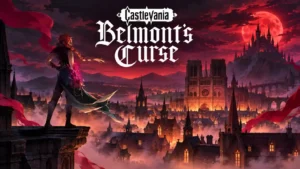
Compare Ghost of Yōtei vs Castlevania: Belmont’s Curse

Ghost of Yōtei

Ghost of Yōtei

Overall score 4.4 / 5

Based on 30 scored reviews

vs
Castlevania: Belmont’s Curse

Castlevania: Belmont’s Curse

Overall score 3.9 / 5

Based on 63 scored reviews

How we score

Scorata scores summarize analyzed review evidence on a 1–5 scale; they are not laboratory measurements or a simple average of customer star ratings. Feature scores summarize the reviews covering that feature. The overall score averages feature scores within each review, then combines review averages. When both expert and customer evidence are available, those two groups receive equal weight. Products can have different review coverage, so small score gaps do not establish a winner.

Recommendations prioritize important features for the category, with a score of at least 3.5, a gap of at least 0.25 points and at least two supporting reviews per product. Features with widely varying scores or broad connectivity contexts are excluded from recommendations. These safeguards do not establish statistical significance.

Quick verdict

What each product is best for

The review evidence points to a tradeoff: load times and performance optimization versus immersion and animation quality. Choose according to which strengths matter more to you; the overall score alone does not settle that choice.

Choose Ghost of Yōtei for load times and performance optimization.

Choose Castlevania: Belmont’s Curse for immersion and animation quality.

Why these recommendations?

Ghost of Yōtei

Where It Has the Edge

  • load times is 5.0 vs 2.1. Load times are one of the clearest technical wins, with reviewers calling travel and boot-to-game transitions near-instant.
  • performance optimization is 4.9 vs 3.2. Performance feedback is very positive overall, with strong PS5/PS5 Pro stability, polished execution, and few performance complaints.
  • frame rate stability is 5.0 vs 3.4. Frame-rate evidence is very positive, including stable pacing, smooth transitions, and rock-solid 60 FPS in PS5 Pro modes.

Castlevania: Belmont’s Curse

Where It Has the Edge

  • immersion is 4.8 vs 3.8. The blend of French history, gothic locations, and compelling exploration makes the world absorbing. Strong atmosphere helps sustain...
  • animation quality is 4.6 vs 4.0. Fluid movement and expressive combat animations are consistent highlights. The transitions between running, jumping, and grappling help sell...
  • world-building is 4.1 vs 3.8. The ruined Paris setting and its history make the world engaging. A few reactions miss the ordinary people...
Ghost of Yōtei 4.4 overall score
Castlevania: Belmont’s Curse 3.9 overall score

Compare features

Scores are out of 5. Missing scores mean missing review evidence, not a missing feature.

Scored on both products

Other features

Load times
Ghost of Yōtei
5.0

Load times are one of the clearest technical wins, with reviewers calling travel and boot-to-game transitions near-instant.

Castlevania: Belmont’s Curse
2.1

Loading is a recurring frustration, especially when mirror travel adds multiple transitions. Waiting repeatedly can make useful shortcuts feel slow.

Fast travel convenience
Ghost of Yōtei
5.0

Fast travel is strongly praised as instantaneous or highly respectful of the player’s time.

Castlevania: Belmont’s Curse
2.5

Fast travel helps with backtracking, but its locations, discovery, and extra transitions often feel cumbersome. Several players find revisiting distant areas slower than it should be.

AI behavior
Ghost of Yōtei
4.5

Enemy perception receives positive attention where stealth is described as sound-driven, with enemies reacting to audio as well as sight.

Castlevania: Belmont’s Curse
2.2

Enemies can track jumps and time attacks around dodges with frustrating precision. That behavior makes already demanding traversal and gauntlets feel less forgiving.

Economy and resource balance
Ghost of Yōtei
4.5

Resource balance is praised where simplified material categories and less strict upgrade paths encourage more engagement.

Castlevania: Belmont’s Curse
2.5

Limited healing makes long gauntlets and crowded encounters stressful. Mana-supported spell combinations are appreciated, but scarce restoratives and interrupted casts can make resource management feel punishing.

Visual effects quality
Ghost of Yōtei
4.0

Visual-effects evidence is positive but limited, with reviewers appreciating enhanced particles, blood, mud, wind, and cinematic environmental effects.

Castlevania: Belmont’s Curse
2.3

Flashes and impact effects can overwhelm the screen or feel distracting. These touches do not work equally well for players who value restrained, readable action.

Frame rate stability
Ghost of Yōtei
5.0

Frame-rate evidence is very positive, including stable pacing, smooth transitions, and rock-solid 60 FPS in PS5 Pro modes.

Castlevania: Belmont’s Curse
3.4

Some versions maintain smooth action, while others show noticeable drops or limiting frame caps. Switch 2 reports are generally more favorable than original Switch and Steam Deck accounts.

Graphics quality
Ghost of Yōtei
4.9

Visuals receive near-universal praise, from stunning fidelity and landscapes to screenshot-worthy environments and color.

Castlevania: Belmont’s Curse
3.4

The game can look striking in motion, but character models and image clarity receive mixed reactions. Nintendo versions draw repeated complaints about blur and low resolution.

Accessibility options
Ghost of Yōtei
3.0

Accessibility evidence is limited and mixed: TechRadar notes helpful subtitles, visibility, control simplification, and combat assists, but says the suite is lighter than some PS5 peers and lacks colorblind options.

Castlevania: Belmont’s Curse
4.3

Adjustable damage, healing, and boss respawns make the game easier to tailor to different skill levels. Most welcome that flexibility, though a few dislike the toggles or find they do not solve platforming frustrations.

Camera behavior
Ghost of Yōtei
3.3

Camera feedback is mixed: one reviewer says it is improved, while others cite visibility problems or off-screen/camera-management friction.

Castlevania: Belmont’s Curse
2.0

The camera can drop ahead of Rose during falls, making incoming hazards difficult to react to in time.

Character development
Ghost of Yōtei
4.8

Atsu’s arc is praised for emotional clarity, redemption, growth, and a more intimate character focus than the predecessor.

Castlevania: Belmont’s Curse
3.7

Rose’s growth and vulnerability give her arc emotional weight for many. Others see a determined heroine who changes too little or remains an underdeveloped archetype.

Checkpoint system
Ghost of Yōtei
4.0

Checkpoint evidence is limited but positive for convenience, with one reviewer noting instant respawns and mid-fight boss checkpoints that reduce punishment.

Castlevania: Belmont’s Curse
2.9

Checkpoint spacing is one of the most disputed design choices. Distant save rooms can mean tiring runbacks, while optional boss-door respawns considerably reduce frustration.

Bug frequency
Ghost of Yōtei
4.2

Most reviewers report few or no serious bugs, though some mention an odd freeze, minor technical issues, or rare late-game disruptions.

Castlevania: Belmont’s Curse
3.2

Several players encounter few bugs, but others report windowed-mode problems, a fast-travel glitch, or an HDR pop-up that prevents loading. The issues described vary substantially.

Enemy variety
Ghost of Yōtei
4.3

Enemy variety is positively noted through more weapon matchups, multiple factions, and a better range of enemies than before.

Castlevania: Belmont’s Curse
3.3

Enemy variety is disputed: familiar monsters delight some players, while others tire of recolors and repeated types. Combat combinations sometimes compensate for the smaller roster.

Progression system
Ghost of Yōtei
4.4

Progression is praised for tying upgrades to exploration and skill shrines, though some reviewers want more depth or nuance.

Castlevania: Belmont’s Curse
3.4

New abilities and equipment usually make Rose’s growth satisfying. Slow access to mobility tools and small level-up bonuses leave some players underwhelmed.

Immersion
Ghost of Yōtei
3.8

Immersion is a major strength through world navigation, sound, and minimal HUD, though occasional technical or duel design issues can break it.

Castlevania: Belmont’s Curse
4.8

The blend of French history, gothic locations, and compelling exploration makes the world absorbing. Strong atmosphere helps sustain the desire to investigate.

Dialogue quality
Ghost of Yōtei
2.8

Dialogue and delivery are mixed: some conversations carry emotion well, but several reviewers call line delivery stilted or conversations dated.

Castlevania: Belmont’s Curse
3.7

Companion banter can make the journey lively, funny, and less lonely. Frequent interruptions and overexplaining wear on players who prefer a quieter atmosphere.

Atmosphere
Ghost of Yōtei
5.0

The atmosphere is consistently framed as a major strength, emphasizing contemplative tone, environmental mood, and cinematic immersion.

Castlevania: Belmont’s Curse
4.1

A burning Paris, gothic interiors, and evocative audio create a strong sense of place. Brighter visuals and frequent chatter dilute the mood for some traditionalists.

Faithfulness to franchise
Ghost of Yōtei
4.7

Yōtei is viewed as a worthy successor that preserves Ghost of Tsushima’s best ideas while refining them around Atsu.

Castlevania: Belmont’s Curse
3.8

Franchise identity is a central disagreement. Many celebrate a thoughtful modernization, while others miss the RPG detail, atmosphere, and signature oddities of earlier Castlevanias.

Crash stability
Ghost of Yōtei
3.0

Crash evidence is limited to one reviewer reporting two late-game crashes, while most other technical impressions lean stable.

Castlevania: Belmont’s Curse
2.2

Crashes and freezes affect a handful of playthroughs. Reports include repeated Switch crashes and two freezes on PS5 Pro.

Mission variety
Ghost of Yōtei
4.0

Mission variety is lightly positive, with praise for varied missions in different places and diverse objectives.

Castlevania: Belmont’s Curse
3.3

Optional objectives can encourage fresh approaches and exploration. Repetitive or uninspired combat challenges are less successful.

Movement feel
Ghost of Yōtei
5.0

Movement is praised for fluidity, especially in combat flow and traversal compared with the predecessor.

Castlevania: Belmont’s Curse
4.3

Whip-assisted movement often feels fluid, acrobatic, and exciting, especially as new abilities arrive. Early sluggishness and awkward grapple follow-ups frustrate some players.

Grind level
Ghost of Yōtei
2.8

Grind sentiment is mixed-to-negative where repeated side activities, collectibles, or checklist tasks create fatigue over time.

Castlevania: Belmont’s Curse
3.5

Opinions split on repetition: some enjoy farming enemies for experience and testing combinations, while others find prescribed spell-upgrade tasks taxing.

Animation quality
Ghost of Yōtei
4.0

Combat animation is often praised for brutality and style, but several reviewers note repetition or less-polished NPC/casual dialogue animation.

Castlevania: Belmont’s Curse
4.6

Fluid movement and expressive combat animations are consistent highlights. The transitions between running, jumping, and grappling help sell the acrobatic action.

Pacing
Ghost of Yōtei
3.6

Pacing is divisive: Game Informer praises it as a triumph, while several reviewers cite predictability, prolonged beats, or odd act structure.

Castlevania: Belmont’s Curse
3.0

The adventure often improves once the castle opens up, but the early hours can drag. Repeated backtracking and long stretches between useful travel points are recurring interruptions.

Difficulty balance
Ghost of Yōtei
4.0

Difficulty is mostly praised for rewarding patience and offering customization, though critics cite easy challenge, high damage, or artificial duel constraints.

Castlevania: Belmont’s Curse
3.4

The challenge can be rewarding, with learnable patterns and meaningful skill tests. Difficulty spikes, crowded rooms, and overpowered late-game equipment create an uneven curve for others.

Sandbox freedom
Ghost of Yōtei
3.8

Freedom is moderate: reviewers appreciate loose target order and player-directed wandering, but note that some freedom is an illusion.

Castlevania: Belmont’s Curse
3.2

There is some freedom to choose routes and approach the ending early. Players hoping for extensive sequence breaking may find the progression rules surprisingly rigid.

Emotional impact
Ghost of Yōtei
4.9

Reviewers frequently describe the story as moving, affecting, and emotionally rich, including moments that brought tears or strong sympathy.

Castlevania: Belmont’s Curse
4.3

Family loss, personal growth, and moments of redemption give the story unexpected emotional pull. Rose’s relationships provide much of that impact.

Core gameplay loop
Ghost of Yōtei
4.8

The core loop is repeatedly described as compelling, hard to put down, and more fruitful than Tsushima for some reviewers.

Castlevania: Belmont’s Curse
4.2

Hunting bosses, gaining powers, and opening new paths creates a compelling loop for most. One disappointed demo player found the loop slow and unrewarding.

Narrative quality
Ghost of Yōtei
4.4

The narrative is generally praised as emotional, well-executed, and compelling, but some reviewers criticize predictability, structure, or linear revenge beats.

Castlevania: Belmont’s Curse
3.8

Rose’s curse and her captured companions give the adventure more story presence than many expected. Reactions split over predictability, excessive explanation, and a tone that can feel more anime than gothic.

Environmental detail
Ghost of Yōtei
5.0

Environmental detail earns strong praise for realistic items, dense foliage, weather, light, and painstakingly crafted spaces.

Castlevania: Belmont’s Curse
4.5

Layered backgrounds, gothic architecture, and detailed vistas make many locations memorable. One sharply negative demo impression found the environments bland instead.

Tutorial quality
Ghost of Yōtei
4.0

Tutorial/onboarding evidence is modestly positive, praising learn-by-doing design and seamless early teaching.

Castlevania: Belmont’s Curse
4.5

The opening teaches movement and combat through practical encounters, making the basics approachable without removing the challenge.

Upgrade system
Ghost of Yōtei
4.5

Upgrades are praised for being tied to exploration, weapons, armor, charms, and mastery activities rather than pure XP grinding.

Castlevania: Belmont’s Curse
4.0

Works of Mercy encourages experimentation by tying spell upgrades to practical challenges. Repetitive requirements and uneven weapon upgrade rewards can make advancement feel like busywork.

Writing quality
Ghost of Yōtei
4.3

Writing is praised for creative freshness and emotional ambition, but one dissenting review calls it conventional blockbuster material.

Castlevania: Belmont’s Curse
3.8

The writing is praised for personal stakes, thematic clarity, and eccentric characters. Other reactions point to weak scripts or dialogue that gives away too much.

Weapon balance
Ghost of Yōtei
4.1

Weapon balance is praised for distinct tools and effective counters, but mixed overall because several reviewers find weapons too situational or favorite weapons underpowered outside matchups.

Castlevania: Belmont’s Curse
3.6

Distinct weapon styles reward experimentation and situational choices. Strong upgrades and dominant late-game options sometimes make other weapons feel redundant.

Onboarding experience
Ghost of Yōtei
4.0

Onboarding is initially intimidating for some, but reviewers say the discovery and indicator systems become enjoyable once learned.

Castlevania: Belmont’s Curse
3.6

Learning the core moves is often handled well, but important systems are not always explained clearly. Mirror travel in particular is easy to discover late.

Exploration quality
Ghost of Yōtei
4.7

Exploration is one of the strongest areas, often called rewarding, organic, and meaningful, though one dissenting review finds it over-guided.

Castlevania: Belmont’s Curse
4.3

Hidden rooms, meaningful upgrades, and optional areas make exploration rewarding. Cryptic progression, repeated routes, and distant travel points can turn discovery into a chore.

Art direction
Ghost of Yōtei
4.9

Reviewers strongly praise the painterly visual identity, lighting, color, and intentional environmental effects, with only mild familiarity concerns.

Castlevania: Belmont’s Curse
4.5

The vivid gothic art, tarot illustrations, and painterly backgrounds are widely admired. Its brighter, more stylized look is less appealing to players who want a darker traditional aesthetic.

Combat system
Ghost of Yōtei
4.7

Combat is the most broadly praised system, with fluid parries, weapon-swapping, violent impact, and strong duels; criticisms focus on rigidity or fatigue in the rock-paper-scissors weapon setup.

Castlevania: Belmont’s Curse
4.4

Combat is the clearest strength, combining weapon-specific attacks, grappling, spells, and parries. Crowded encounters and occasional sluggishness can interrupt that flow.

Learning curve
Ghost of Yōtei
4.0

Learning curve evidence is positive but modest, emphasizing learn-by-doing design that mirrors Atsu’s practice and attention rather than heavy explanation.

Castlevania: Belmont’s Curse
3.7

Boss patterns and combat rhythms become satisfying as they click. Animation commitments and unfamiliar movement timing can take some adjustment.

Polish
Ghost of Yōtei
4.8

Polish is a recurring strength, with reviewers calling the release premium, cinematic, and impressively crafted despite a few bugs or animation rough edges.

Castlevania: Belmont’s Curse
4.5

The core action and presentation are often described as polished and carefully executed. That finish helps the revival make a strong impression.

Side character depth
Ghost of Yōtei
3.7

Side character depth is mixed, with praise for strong companions and villains but criticism that many allies or supporting figures lack involvement.

Castlevania: Belmont’s Curse
4.0

Captured bosses bring distinct personalities and rivalries to Rose’s journey. Some players wish the wider cast contributed more, while others find the constant commentary excessive.

Lore depth
Ghost of Yōtei
4.5

Lore depth receives positive but limited support through mythic tales and storytelling sequences that expand the world’s legends.

Castlevania: Belmont’s Curse
4.3

Franchise callbacks and ties to earlier events reward familiarity with Castlevania’s history. French historical references add another layer of interest.

Originality
Ghost of Yōtei
3.0

Originality is moderate: reviewers repeatedly say Yōtei does not revolutionize the formula, but many accept that as focused refinement.

Castlevania: Belmont’s Curse
2.8

Some see a distinctive identity, but many feel the game borrows too safely from established Metroidvanias. A competent revival does not always feel like a new benchmark.

Platforming precision
Ghost of Yōtei
3.7

Platforming and climbing are mixed: one review says climbing is improved, while others call it awkward or overly gamified.

Castlevania: Belmont’s Curse
3.5

Platforming can be exhilarating when jumps, grapples, and light abilities click together. Its tight timing and repeated hazard rooms also produce some of the strongest complaints.

Innovation
Ghost of Yōtei
3.2

Innovation scores trend moderate because reviewers describe Yōtei as refinement rather than reinvention, with familiar systems made better.

Castlevania: Belmont’s Curse
3.1

The whip and tarot systems bring welcome fresh ideas for some. Others find the exploration tricks and movement upgrades too conventional.

Fun factor
Ghost of Yōtei
4.7

Reviewers repeatedly describe the game as enjoyable, addictive, and fun from start to finish, even when noting formulaic elements.

Castlevania: Belmont’s Curse
4.8

The strongest reactions describe a highly enjoyable, absorbing adventure. Combat and discovery keep those players eager to return even after setbacks.

Content variety
Ghost of Yōtei
4.3

Reviewers praise the amount of meaningful activities and handcrafted diversions, while a few note that repeated open-world tasks can become chores.

Castlevania: Belmont’s Curse
4.3

Distinct weapon families, spells, and encounter combinations give the action welcome variety. The available toolkit feels more expansive to some players than to others.

Gameplay mechanics
Ghost of Yōtei
4.3

General mechanics are praised as refined and improved, though some reviewers call them reused rather than evolutionary.

Castlevania: Belmont’s Curse
4.3

The whip and tarot abilities connect traversal, combat, and progression in satisfying ways. A minority find the individual mechanics inconsistent or too familiar.

Aiming precision
Ghost of Yōtei
2.5

The only scored aiming-related evidence is negative, with one reviewer saying auto-targeting hindered them and contributed to deaths.

Castlevania: Belmont’s Curse
2.5

Precise whip aiming can be finicky, with missed anchors or unintended targets disrupting traversal and combat.

Character roster
Ghost of Yōtei
4.5

The supporting ensemble is viewed positively in several reviews, though some reviewers find side figures underused or shallow.

Castlevania: Belmont’s Curse
4.5

The wider cast earns praise for interesting, distinct personalities. Creative companions help the journey feel lively beyond Rose’s own story.

Loot system
Ghost of Yōtei
4.5

Loot evidence is positive where quests and conflicts reward Atsu with valuable loot, information, and clues that feed exploration.

Castlevania: Belmont’s Curse
4.5

Exploration rewards are valued for giving hidden chests and optional routes a tangible payoff. Weapons and useful passive equipment make discoveries feel worthwhile.

Comfort and build

Puzzle design
Ghost of Yōtei
1.5

Puzzle design receives a low score from a reviewer who calls several puzzles overly simple and almost pointless.

Castlevania: Belmont’s Curse
4.2

Environmental clues, portraits, and room-specific mechanics produce satisfying discoveries. Some puzzles cross into obscurity or become frustrating when progress depends on finding a particular trigger.

Level design
Ghost of Yōtei
2.5

The only scored level-design evidence is critical, describing certain mission spaces as single-route and overly linear.

Castlevania: Belmont’s Curse
4.0

The castle’s distinct rooms, secrets, and shortcuts earn broad praise. Opinions are less enthusiastic about the early areas and how well the larger regions connect.

Map and navigation design
Ghost of Yōtei
4.8

Navigation is strongly praised for wind guidance, readable maps, organic discovery, spyglass/map ideas, and low UI clutter.

Castlevania: Belmont’s Curse
3.6

Map markers, completion tracking, and tarot clues help organize exploration. Even so, unclear objectives and awkward connections leave some players wandering for long stretches.

Sound design
Ghost of Yōtei
4.9

Sound design is consistently praised for environmental audio, combat effects, and the way it supports immersion.

Castlevania: Belmont’s Curse
3.9

Snappy whip cracks and impactful combat sounds help the action feel satisfying. One review criticizes the overall audio quality.

User interface design
Ghost of Yōtei
3.5

UI evidence is mixed: restrained maps and menus are praised, but one reviewer reports low-contrast text and hard-to-see map elements.

Castlevania: Belmont’s Curse
4.3

Tarot-themed menus are attractive and generally easy to understand. Cropped item information on Steam Deck undermines their usability.

World-building
Ghost of Yōtei
3.8

World-building is mixed-to-positive: Ezo’s culture and social context are compelling, but some reviewers wanted broader supporting context.

Castlevania: Belmont’s Curse
4.1

The ruined Paris setting and its history make the world engaging. A few reactions miss the ordinary people and encounters that would make its spaces feel more inhabited.

Boss design
Ghost of Yōtei
4.1

Duels and boss-style encounters are usually exciting and memorable, though one reviewer criticizes duel advantages as artificial.

Castlevania: Belmont’s Curse
4.4

Boss battles frequently stand out for inventive patterns, striking designs, and demanding use of movement. A smaller group finds them uneven, forgettable, or frustratingly spongy.

Quest design
Ghost of Yōtei
4.5

Quest design is a major strength in many reviews thanks to memorable tales, bounties, organic side stories, and worthwhile rewards, though Eurogamer sharply dislikes the formulaic sidequests.

Castlevania: Belmont’s Curse
4.3

Tarot investigations give boss hunts a clear purpose, with late-game searches attracting the strongest praise. Familiar tricks make those quests less surprising for some genre veterans.

Open-world design
Ghost of Yōtei
4.4

The open world is widely praised for beauty, density, organic discovery, and restraint, with dissenting notes about repetition, over-guidance, or familiar structure.

Castlevania: Belmont’s Curse
4.5

The open-ended world leaves room for branching discoveries while keeping the main route manageable. Its initial linear stretch gives way to a more inviting search for secrets.

Ownership and support

Platform-specific feature support
Ghost of Yōtei
4.2

PS5-specific features are mostly praised, especially PS5 Pro modes and DualSense use, though some touchpad/motion gimmicks are considered distracting.

Castlevania: Belmont’s Curse
2.2

The absence of a native Switch 2 version disappoints players who want the newer hardware used more fully. Resolution and control concerns strengthen that criticism.

Replay value
Ghost of Yōtei
4.5

Replay value is supported by a large map, many activities, and difficulty-based return reasons, but lack of new game plus limits the endgame.

Castlevania: Belmont’s Curse
3.8

Multiple endings and unfinished discoveries give reasons to keep playing. The lack of New Game+ and concerns about shallow upgrades limit the appeal for some repeat players.

Value for money
Ghost of Yōtei
4.8

Value sentiment is positive where reviewers call the game worth buying or a must-play, supported by long playtime and substantial content.

Castlevania: Belmont’s Curse
4.6

The lower price earns strong approval, especially given the amount of exploration and optional content. Players repeatedly describe it as good value.

Performance

Performance optimization
Ghost of Yōtei
4.9

Performance feedback is very positive overall, with strong PS5/PS5 Pro stability, polished execution, and few performance complaints.

Castlevania: Belmont’s Curse
3.2

Performance varies by platform and build, with solid experiences alongside frame drops, menu hitches, and disappointing handheld results. A stable presentation is not consistent across all reports.

Soundtrack quality
Ghost of Yōtei
4.8

The soundtrack receives strong praise for atmospheric Japanese instrumentation, shamisen motifs, memorable songs, and cinematic tension.

Castlevania: Belmont’s Curse
3.9

The soundtrack sharply divides opinion: some love its orchestral and electronic blend, while others miss the memorable melodies of older entries. Reworked classics are a particular point of disagreement.

Controls and connectivity

Protagonist appeal
Ghost of Yōtei
4.8

Atsu is widely praised as a compelling, complex, fiery, and memorable lead who gives the sequel a stronger identity.

Castlevania: Belmont’s Curse
4.0

Rose is often praised as a confident, vulnerable, and engaging new Belmont. Her headstrong personality is less convincing to those who want more agency or complexity.

Voice acting
Ghost of Yōtei
4.9

Voice acting receives strong praise, especially Erika Ishii’s performance and the English/Japanese voice casts.

Castlevania: Belmont’s Curse
4.2

Voice performances are mostly well received and help bring the cast to life. Some find the English delivery uneven, while the Japanese dub receives a particularly favorable comparison.

Controls responsiveness
Ghost of Yōtei
4.3

Parrying, quick selection, and combat inputs are praised, but one review flags the overall control system as demanding.

Castlevania: Belmont’s Curse
3.7

Many find the controls responsive, but others report input delay, long animations, or unreliable grappling. Platform and build differences matter when judging how crisp the action feels.

Menu usability
Ghost of Yōtei
2.5

Menu usability has a specific criticism around a hard-to-see reticule and low-contrast text.

Castlevania: Belmont’s Curse
3.1

Menu reactions split between quick, clear operation and interruptions to combat flow. Frequent equipment swapping, cropped text, and occasional hitches are the main complaints.

Evidence available for one product

Controls and connectivity

Age appropriateness
Ghost of Yōtei
2.0

The only explicit age-appropriateness judgment warns against younger players because of bloody violence, mature themes, language, drug use, frightening scenes, and slight nudity.

Castlevania: Belmont’s CurseNo score yet
Character customization
Ghost of YōteiNo score yet
Castlevania: Belmont’s Curse
4.4

Weapons, spells, and three relic slots allow enjoyable combinations without excessive complexity. The freedom to adapt builds is a strength, though frequent menu use can interrupt experimentation.

Collector appeal
Ghost of YōteiNo score yet
Castlevania: Belmont’s Curse
4.5

The physical edition appeals to collectors, with enthusiasm for owning the game and praise for the steelbook presentation.

Other features

Casting choices
Ghost of YōteiNo score yet
Castlevania: Belmont’s Curse
4.5

A familiar returning voice is especially rewarding for a longtime fan. The casting continuity adds an appreciated connection to earlier games.

Collectibles
Ghost of YōteiNo score yet
Castlevania: Belmont’s Curse
4.5

Meaningful hidden rewards make optional searches worthwhile. Weapons, equipment, and upgrades help give discoveries a useful payoff.

Combat readability
Ghost of YōteiNo score yet
Castlevania: Belmont’s Curse
3.6

Some players can read attacks clearly even in hectic fights, while others lose track amid projectiles and effects. That split matters in a game built around precise defensive timing.

Companion AI
Ghost of Yōtei
4.0

The wolf companion is generally appreciated as a useful and flavorful aid, but some reviewers expected it to be more impactful or frequent.

Castlevania: Belmont’s CurseNo score yet
Crafting system
Ghost of Yōtei
4.0

Crafting/resource gathering is lightly but positively scored because materials are more generalized, making upgrades easier to engage with.

Castlevania: Belmont’s CurseNo score yet
Death mechanics
Ghost of YōteiNo score yet
Castlevania: Belmont’s Curse
3.6

Keeping progress and experience after death can make retries feel productive. Poor respawn positions and lengthy returns to danger still create frustration.

Endgame content
Ghost of Yōtei
3.3

Endgame evidence is mixed: there are post-story tasks and challenge reasons to return, but one review notes no new game plus and another says late content can feel samey.

Castlevania: Belmont’s CurseNo score yet
Facial animations
Ghost of Yōtei
4.5

Facial animation is praised in cutscenes and Atsu’s expressions, with reviewers noting visible emotion and strong performance capture.

Castlevania: Belmont’s CurseNo score yet
Family friendliness
Ghost of Yōtei
2.0

The family-friendliness score is low because the only explicit family guidance warns against younger gamers due to violence and mature content.

Castlevania: Belmont’s CurseNo score yet
Game length
Ghost of YōteiNo score yet
Castlevania: Belmont’s Curse
4.3

The main adventure and optional discoveries generally feel substantial without overstaying their welcome. One player finds it a little short despite its density.

Graphics settings
Ghost of YōteiNo score yet
Castlevania: Belmont’s Curse
2.0

PC graphics options are criticized as sparse or absent, leaving little room to recover performance beyond changing resolution.

Handheld play suitability
Ghost of YōteiNo score yet
Castlevania: Belmont’s Curse
3.8

Handheld play can be enjoyable, particularly on Switch 2’s smaller screen. Steam Deck performance and cropped menus require more compromise.

Haptic feedback integration
Ghost of Yōtei
5.0

DualSense haptics and touchpad integrations are widely praised, especially wind, riding, rain, music, and activity feedback.

Castlevania: Belmont’s CurseNo score yet
Hint system
Ghost of YōteiNo score yet
Castlevania: Belmont’s Curse
3.8

Tarot clues can make investigation satisfying without simply placing an objective marker. Their clarity varies, and some players find the hints too cryptic or too limited when stuck.

Horror tension
Ghost of YōteiNo score yet
Castlevania: Belmont’s Curse
4.5

The horrors are intimidating without overwhelming the empowering rhythm of play. That balance gives the macabre setting tension without making it oppressive.

HUD clarity
Ghost of Yōtei
4.8

HUD and marker restraint are praised for keeping the view clear and helping exploration feel less like a checklist.

Castlevania: Belmont’s CurseNo score yet
Humor
Ghost of YōteiNo score yet
Castlevania: Belmont’s Curse
4.0

Bickering companions and eccentric personalities bring welcome humor and levity. These lighter exchanges help make the dark journey feel less lonely.

Inventory management
Ghost of YōteiNo score yet
Castlevania: Belmont’s Curse
4.0

Streamlined equipment removes the routine of constantly equipping whichever armor has the highest stats. That reduced busywork is appreciated.

Overall quality
Ghost of YōteiNo score yet
Castlevania: Belmont’s Curse
4.3

The overall response is favorable, with many calling it a strong or excellent comeback. More reserved reactions see an enjoyable foundation held back by uneven difficulty, technical issues, or a weaker franchise identity.

Packaging presentation
Ghost of YōteiNo score yet
Castlevania: Belmont’s Curse
4.5

The steelbook earns direct praise for its appearance, adding appeal to the physical package.

Physical release format
Ghost of YōteiNo score yet
Castlevania: Belmont’s Curse
4.5

A full physical release is enthusiastically welcomed, especially by a player planning to keep it in a collection.

RPG system depth
Ghost of YōteiNo score yet
Castlevania: Belmont’s Curse
2.5

The leaner RPG systems divide opinion: some appreciate less equipment busywork, while others miss richer statistics, loot drops, and build depth.

Skill tree depth
Ghost of Yōtei
4.5

Skill depth is praised where charms, loadouts, weapon skills, and spirit attacks allow specialized builds and granular tuning.

Castlevania: Belmont’s CurseNo score yet
Stealth mechanics
Ghost of Yōtei
3.9

Stealth is enjoyable and viable, especially with chain assassinations and tools, but several reviewers call it basic or largely unchanged.

Castlevania: Belmont’s CurseNo score yet
Violence level
Ghost of YōteiNo score yet
Castlevania: Belmont’s Curse
4.5

The macabre presentation is praised for restraint rather than for sheer intensity. Its intimidating horrors remain stylized instead of excessively grotesque.

Comfort and build

Enemy design
Ghost of YōteiNo score yet
Castlevania: Belmont’s Curse
3.7

Refreshed classic monsters can look imposing and give combat personality. Criticism centers on generic designs, excessive health, and enemies that feel more annoying than interesting.

Mission design
Ghost of Yōtei
4.3

Mission design is generally positive for diverse objectives and strong campaign structure, though some side mission design is criticized elsewhere.

Castlevania: Belmont’s CurseNo score yet

Performance

Marketing accuracy
Ghost of YōteiNo score yet
Castlevania: Belmont’s Curse
2.3

The short demo is criticized for underselling the full game. Later movement options and stronger areas make the adventure feel different from its opening slice.


Other Top Video Games to Consider

#1 Well Dweller
4.7

Best for fluid traversal, rewarding exploration, striking art, and forgiving quality-of-life features. Skip it if you want deep combat, radical genre innovation, or consistently demanding bosses.

Pros: difficulty balance, boss design

Cons: innovation, sandbox freedom

#2 Hades II
4.6

Good if you want fast, tactical roguelite combat with huge progression depth, striking art, and standout music. Skip it if repetition, resource micromanagement, or a less emotionally satisfying sequel story...

Pros: combat system, progression system

Cons: originality

#3 Valheim
4.5

Good if you want a beautiful, demanding survival sandbox built around exploration, building, progression, and memorable co-op. Skip it if long resource runs, harsh death recovery, and deliberate pacing sound...

Pros: town-building system, exploration quality

Cons: grind level, fast travel convenience

#4 Donkey Kong Bananza
4.5

Best for joyful destruction, dense exploration, and a charming DK-Pauline adventure. Skip it if camera quirks, frame-rate dips, easy bosses, or premium Switch 2 pricing are dealbreakers.

Pros: fun factor, world interactivity

Cons: frame rate stability, boss design