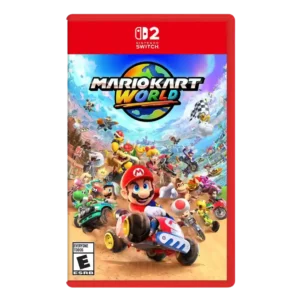
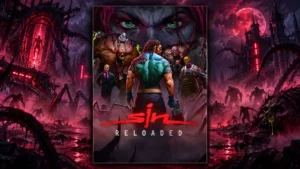
Mario Kart World
Where It Has the Edge
- art direction is 4.8 vs 4.5. Art direction was strongly praised as stellar, charming, vibrant, and one of the game’s best aspects.

Scorata scores summarize analyzed review evidence on a 1–5 scale; they are not laboratory measurements or a simple average of customer star ratings. Feature scores summarize the reviews covering that feature. The overall score averages feature scores within each review, then combines review averages. When both expert and customer evidence are available, those two groups receive equal weight. Products can have different review coverage, so small score gaps do not establish a winner.
Recommendations prioritize important features for the category, with a score of at least 3.5, a gap of at least 0.25 points and at least two supporting reviews per product. Features with widely varying scores or broad connectivity contexts are excluded from recommendations. These safeguards do not establish statistical significance.
Quick verdict
The review evidence points to a tradeoff: art direction versus user interface design and mission variety. Choose according to which strengths matter more to you; the overall score alone does not settle that choice.
Choose Mario Kart World for art direction.
Choose SiN: Reloaded for user interface design and mission variety.
Scores are out of 5. Missing scores mean missing review evidence, not a missing feature.
Sound design had limited but very positive evidence, with one review praising nuanced audio across items and environments.
Audio is one of the weaker restoration areas: old voice assets can clash with upgraded effects, and uneven mixing makes some sounds feel poorly balanced.
User interface design was mixed-to-negative, with complaints about missed music selection and underdeveloped online feature presentation.
The redesigned UI is cleaner, better scaled, and sharper at modern resolutions while still allowing players to restore the original presentation.
Map and navigation design was a repeated concern, with weak tracking, unhelpful maps, and poor collectible visibility called out across reviews.
New clues and markers improve readability, but getting lost remains a common frustration, especially in dark or visually repetitive areas and some Wages of SiN maps.
Dedicated courses earned broad praise, especially standout tracks and Rainbow Road, but route-driven structure and wide connecting roads reduced enthusiasm for some.
Level design is ambitious but uneven: strong set pieces and semi-nonlinear routes sit alongside obscure progression, bland corridors, and some expansion maps that feel overlong or underdeveloped.
Multiplayer design was split: local play and friend sessions were praised, but online grouping, public Knockout Tour with friends, and mode limitations drew criticism.
Competitive multiplayer is a welcome preservation feature with flexible local and server options, but it remains secondary to the campaign and lacks some modern conveniences such as clear cross-platform support.
World-building was praised where reviewers felt the courses and regions fit together into a coherent interconnected continent.
The exaggerated cyberpunk world complements the story well, with distinctive character designs and an appealing dystopian setting.
Narrative quality was weak by the lone opinionated mention, which noted the absence of story and wished for even a basic purpose.
The story is deliberately B-movie, cheesy, and over-the-top. Its cinematic presentation and personality can be hugely entertaining, though some find the writing rough or simplistic.
Bug frequency evidence was mildly positive: one review noted only a couple of small bugs and no major blockers.
Reloaded is far more stable than the 1998 launch, but several playthroughs still hit vehicle-physics glitches, stuck enemies, progression problems, or other noticeable bugs.
Free Roam exploration split reviewers: some enjoyed its chill sandbox feel, while many found it sparse, repetitive, or light on meaningful activity.
Exploring SiN’s varied spaces is part of the fun, especially when alternate routes, secret areas, and interactive objects reward curiosity.
Difficulty balance was criticized for lacking a sweet spot, with high settings feeling too harsh and lower settings too easy.
Rebalancing makes much of the campaign fairer while keeping its old-school bite, but sudden deaths, harsh damage spikes, and tough Normal-difficulty sections remain.
Tutorial and mission teaching were mixed: P-Switches can teach mechanics well, but the game also explains little upfront.
The dedicated tutorial offers multiple simulations and weapon exercises, giving new players a useful way to learn systems before the campaign.
The vehicle roster was mixed: reviewers liked the variety and physical feel but criticized reduced customization.
ATVs, helicopters, forklifts, boats, and other vehicles broaden the campaign, with enough mechanical difference to keep traversal varied.
Driving and drifting were among the strongest points, with reviewers praising the feel, physics, and mechanical precision.
Vehicle handling is one of the most inconsistent areas: some versions feel much smoother and more refined, while others still suffer touchy controls, physics bugs, and frustrating sequences.
The learning curve is steeper than past entries, but reviewers generally framed that depth as manageable or rewarding.
The retained old-school structure expects players to observe, experiment, and navigate without constant guidance, which can feel steep for anyone used to modern onboarding.
Mission variety was mixed, with P-Switch missions described as interesting and skill-building by some but repetitive by others.
The campaign moves through a broad mix of scenarios and environments, though not every reviewer found the location variety equally strong.
Race pacing drew repeated criticism because intermission highways and route segments often interrupt time spent on the strongest courses.
Restored and reworked sections can improve flow, but parts of the campaign still drag and reveal the uneven pacing of the original design.
Sandbox freedom was generally appreciated when reviewers treated Free Roam as self-directed play, though one wanted more player freedom from the open-world premise.
Individual levels offer an unusual amount of freedom and interactivity for a mission-based shooter, with alternate routes and optional actions rewarding experimentation.
Accessibility evidence was positive, with returning assists plus auto item throwing and Smart Steering treated as helpful options.
Granular toggles are a major strength, letting players mix classic visuals and behavior with modern quality-of-life changes instead of forcing one presentation.
Split-screen quality was mixed: reviewers praised couch chaos and smooth two-player play, but missed full Free Roam split-screen and noted compromises.
Local competitive play works well in hands-on testing and is a welcome preservation feature for a retro FPS.
Faithfulness to franchise was generally positive because World keeps Mario Kart’s legacy intact, though one review felt it was less fun than 8 Deluxe.
Reloaded is highly faithful to the original look and feel while layering in optional modern changes. That respect preserves the charm, though it also leaves some legacy rough edges intact.
The character roster was praised for weird, charming additions and costumes, though unlock systems and menus created separate frustrations.
The cast is memorable and contributes heavily to the remaster’s throwback personality.
Reviewers agreed the core Mario Kart racing remains fun and strong even when they criticized the open-world wrapper around it.
The run-and-gun loop is simple by modern standards, but its straightforward shooting is enlivened by interactive environments, branching objectives, and an easygoing arcade rhythm.
Fun factor was broadly positive, with most reviewers calling the game very fun despite concerns about structure, price, or Free Roam.
Despite dated mechanics and rough spots, the game is consistently described as fun, silly, and easy to enjoy for fans of classic shooters.
Frame rate stability had limited but excellent evidence, with one review citing a rock-solid 60fps.
Performance is generally smooth and high-frame-rate across tested hardware, though the Switch 2 version can show occasional dips.
New mechanics such as rail grinding, wall riding, and charge jumps were often praised for depth, though one review called the broader gameplay mix uneven.
The remaster improves pickups, weapons, traversal, and other legacy systems without changing the basic identity. Its interactive, branching design still gives the mechanics personality.
Innovation evidence was positive, with the game praised for palpable ambition and big swings.
Locational damage, environmental interaction, reactive objectives, and branching level outcomes still feel remarkably forward-thinking for a 1998 FPS.
Originality evidence was positive where the reviewer praised how World expands what Mario Kart can mean conceptually.
Even today, SiN’s mix of reactive levels, interactive environments, and unusual mechanics helps it stand out from more straightforward shooters.
Polish was generally strong, though one review still saw rough edges; positive mentions emphasized Nintendo-level polish.
Modern mechanics and presentation add a strong layer of polish while keeping the retro character intact.
Art direction was strongly praised as stellar, charming, vibrant, and one of the game’s best aspects.
The remaster largely preserves SiN’s colorful cyberpunk and cartoonish identity while sharpening character and environment design; a few visual changes can feel more basic than the moodier original.
Graphics quality received strong praise across reviews for vivid presentation, pleasing style, and launch-title visual appeal.
The visual restoration is a major success: textures, models, lighting, environments, and high-resolution output look crisp while largely preserving the 1998 aesthetic. A few model changes and wobble issues are exceptions.
Mode and content variety were often praised, especially Knockout Tour, though a few reviewers felt the broader package or Free Roam activities lacked depth.
Weapons, set pieces, vehicles, alternate objectives, and expansion content provide plenty of variety, even if some campaigns encourage relying on only a few favorite guns.
AI behavior drew negative evidence where computer racers and rubber-banding were described as harsh or frustrating.
Enemy behavior is uneven: cover use and reinforcements can feel more involved than expected, but stuck enemies, simplistic reactions, and buggy mutants repeatedly undermine encounters.
Visual effects stood out mostly through water and other showcase details, which reviewers praised highly.
Lighting and other effects receive strong upgrades, adding depth and atmosphere without overwhelming the original visual style.
Movement additions raise the skill ceiling and feel flexible for many reviewers, but some found rail and wall routes slower or less worthwhile than expected.
Movement can feel crisp and fast, but that same speed contributed to motion discomfort in at least one extended playthrough.
Animation quality was excellent, with reviewers singling out character expressiveness, micro-movements, and lively kart animations.
Cleaned-up gun animations remove some of the original wonkiness and make weapons feel much more polished in motion.
Atmosphere had limited but very strong evidence, with one review framing the game as broadly welcoming and vibe-driven.
Atmosphere remains a standout, from tropical ocean stages to the casino and darker industrial spaces, with lighting and music helping sell each setting.
Crash stability was excellent in the available evidence, with one review reporting no crashes.
Several complete or extended sessions reported no stability problems, a major improvement over the original game’s reputation.
Handheld play suitability was excellent in the reviewed evidence, with docked and handheld play described as smooth and visually strong.
Switch 2 delivers an impressively capable portable version, pairing strong performance with mouse-style control options and console simplicity.
Load times were praised as quick or lightning fast in the reviews that mentioned them opinionatedly.
Modern hardware all but eliminates the long waits associated with the original release, making transitions quick and painless.
Menu usability was criticized, especially bloated or annoying character and costume selection screens.
Menus are generally functional, with only minor lag noted in one playthrough.
Controls were consistently praised as precise, approachable, responsive, and mechanically satisfying.
Modernized controls are one of the remaster’s clearest wins, feeling fluid, responsive, and much closer to contemporary shooters without erasing the retro feel.
Value for money was the clearest negative consensus, with many reviewers questioning whether the $80 price is justified.
Value is the most consistent purchase caveat. The full package has plenty to enjoy, but the $29.99 price can feel steep for newcomers or owners of SiN Gold, especially given the age and length of the core campaigns.
Replay value is strong, with several reviewers expecting long-term play through online races, time trials, and repeated multiplayer sessions.
Branching routes, alternate objectives, secrets, and optional remaster settings encourage repeat runs, though not everyone finds the underlying campaigns highly replayable.
The soundtrack was one of the strongest consensus positives, repeatedly described as remarkable, killer, phenomenal, or perfect.
The varied industrial, rock, opera, and electronic score remains memorable, and remastered tracks generally sound cleaner and better integrated. Occasional playback problems are the main blemish.
Performance optimization was strongly praised, with smooth running, good fidelity, and few technical complaints.
The remaster generally runs very well, with fast loading, high frame-rate targets, and smooth play across PC and consoles; Switch 2 is especially impressive for its size.
The new achievement set is a welcome addition, especially for completionists, with its presence singled out as part of the remaster’s appeal.
Aiming is markedly tighter in Reloaded, with improved mouse input, clearer weapon behavior, and accurate crosshair feedback making shots easier to place.
Battle Mode evidence is mixed but leans weak: several reviewers called it unspectacular, anaemic, regressive, or ugly, while one praised it as a series favorite.
Alternate routes, optional objectives, and mission outcomes can alter later levels or unlock bonus content, giving player decisions unusually tangible consequences for a 1990s shooter.
Gunplay is usually punchy, fast, and satisfying, especially with locational damage and stronger weapons. The main caveat is that some basic guns and dated encounters can still feel simplistic or soft.
Competitive balance was mixed: item chaos and rubber-banding create excitement, but several reviewers felt luck and item volume sometimes overwhelm skill.
Bundling the base game, Wages of SiN, multiplayer, extensive options, and archival extras makes Reloaded feel comprehensive, though a few long-time fans wanted genuinely new campaign material.
Couch co-op quality was consistently excellent, with reviewers emphasizing local family and friend play as a major strength.
The dialogue is unapologetically cheesy and juvenile, which often works as part of the B-movie charm. Repetition and dated jokes can make the banter wear thin over time.
SiN aims for crude action-movie thrills rather than emotional depth, so its impact comes more from spectacle, humor, and attitude than genuine drama.
Enemy designs and challenges add useful variety, with different opponents helping the campaign avoid feeling visually or tactically flat.
Updated environments reward close looking, adding texture and small visual details even to otherwise plain interiors.
Family friendliness was strong, with reviewers saying children, families, and broad audiences enjoyed it.
Helicopter sections benefit from the remaster’s broader vehicle-control refinements and help diversify traversal.
Optional point-of-interest markers make important objects easier to read, giving newcomers useful direction without replacing the old-school exploration.
The armor display can be confusing, with secondary bars whose purpose is not clearly communicated.
The humor is intentionally corny, crude, and very 1990s. It lands as charmingly ridiculous for many players, but repetition and dated jokes make it strongly taste-dependent.
Once the controls and systems click, the interactive environments and responsive mechanics can pull players deeply into the experience.
Automatic health and ammo pickups remove a dated manual-looting step and make moment-to-moment play much smoother.
Reloaded adds helpful guidance, but the game still assumes more patience and self-direction than most modern shooters, making the opening experience less friendly to newcomers.
Online stability was widely positive, with reviewers reporting smooth sessions, easy entry, and few lag or disconnect issues.
Reloaded is widely seen as the best current way to experience SiN, pairing excellent restoration work with a game that is still fun and distinctive. The biggest divide is how much tolerance players have for the original’s dated design and jank.
Traversal has been made noticeably less punishing, reducing the frustrating falls associated with the original.
Progression was one of the clearest weak points, with stickers, RNG character unlocks, limited rewards, and confusing costume acquisition drawing complaints.
Nightdive’s restoration is the clearest point of agreement: it modernizes controls, visuals, performance, and quality-of-life features while preserving the original game’s identity. It is repeatedly framed as the definitive version.
JC adds useful context, banter, and objective help without turning into constant hand-holding.
Social features were praised where GameChat, hangout play, and online social spaces made the game feel like a strong social racing experience.
The single-player package remains the main attraction, delivering a fun campaign and a well-liked expansion despite the intentionally corny tone.
Stealth is improved and more forgiving in Reloaded, with alternate routes adding variety, but it can still feel trial-and-error and remains one of the weaker mechanics for some players.
The exaggerated gore and body-damage effects are part of the retro shooter appeal for players who enjoy graphic combat.
Reloaded improves many underpowered or awkward weapons and makes staples feel excellent, but a few guns remain weak or impractical compared with the strongest options.
Interactive terminals, destructible objects, cameras, vehicles, security systems, and reactive spaces remain one of SiN’s defining strengths, even if old-school obscurity can make some interactions frustrating.
The writing is knowingly dumb, pulpy, and very much of its era; for the audience that enjoys that tone, its personality is a bigger draw than sophistication.
Age appropriateness had limited positive evidence, describing the game as approachable and family-friendly.
The Vault is one of the package’s biggest attractions, packed with concept art, manuals, development documents, renders, storyboards, and other archival material.
John Blade’s exaggerated action-hero swagger, one-liners, and banter make him a particularly memorable and enjoyable retro FPS lead.
Voice work is a recurring presentation weakness: old recordings can sound muffled, hissy, or poorly mixed, and repeated lines wear out their welcome even when the performances are charming.
Boss fights are a recurring weak point, criticized as disappointing, overly tanky, and reliant on cheap attacks rather than interesting mechanics.
Modern controller support is generally smooth, but comfort varies by platform: gyro input and the small Joy-Con 2 footprint drew specific complaints.
Set pieces, optional objectives, alternate approaches, and seamless progression give missions more texture than a typical linear retro shooter.
The open-world design was the most divisive feature, praised as clever or game-changing by some and criticized as lean, half-baked, or unnecessary by others.
Light puzzles and environmental problem-solving retain an old-school appeal, but they can also feel obscure and dated.
Wages of SiN is a standout inclusion, adding a well-liked expansion that strengthens the overall package.
Platform extras are meaningful rather than cosmetic, with Xbox Play Anywhere flexibility and Switch 2 mouse controls both adding real convenience.
Save-anywhere support is a welcome fit for an unforgiving old-school shooter and makes experimentation less punishing.

Best for fluid traversal, rewarding exploration, striking art, and forgiving quality-of-life features. Skip it if you want deep combat, radical genre innovation, or consistently demanding bosses.
Pros: difficulty balance, boss design
Cons: innovation, sandbox freedom

Best for superb combat, inventive builds, and richly voiced characters. Skip it if repeated runs, resource gathering, or visually busy battles outweigh the appeal of steady progress.
Pros: overall quality, combat system
Cons: pacing, grind level

Good if you want a beautiful, demanding survival sandbox built around exploration, building, progression, and memorable co-op. Skip it if long resource runs, harsh death recovery, and deliberate pacing sound...
Pros: town-building system, exploration quality
Cons: grind level, fast travel convenience

Leonida is a breathtakingly alive crime sandbox with memorable protagonists, spectacular heists, and extraordinary detail. The tradeoff is a 30 fps ceiling, occasional control awkwardness, and some progression friction.
Pros: immersion, graphics quality
Cons: grind level, controls responsiveness