Compare Donkey Kong Bananza vs Ninja Gaiden: Ragebound

Donkey Kong Bananza

Donkey Kong Bananza

Overall score 4.4 / 5

Based on 29 scored reviews

vs
Ninja Gaiden: Ragebound

Ninja Gaiden: Ragebound

Overall score 4.4 / 5

Based on 77 scored reviews

How we score

Scorata scores summarize analyzed review evidence on a 1–5 scale; they are not laboratory measurements or a simple average of customer star ratings. Feature scores summarize the reviews covering that feature. The overall score averages feature scores within each review, then combines review averages. When both expert and customer evidence are available, those two groups receive equal weight. Products can have different review coverage, so small score gaps do not establish a winner.

Recommendations prioritize important features for the category, with a score of at least 3.5, a gap of at least 0.25 points and at least two supporting reviews per product. Features with widely varying scores or broad connectivity contexts are excluded from recommendations. These safeguards do not establish statistical significance.

Quick verdict

What each product is best for

The review evidence points to a tradeoff: originality and innovation versus puzzle design and combat system. Choose according to which strengths matter more to you; the overall score alone does not settle that choice.

Choose Donkey Kong Bananza for originality and innovation.

Choose Ninja Gaiden: Ragebound for puzzle design and combat system.

Why these recommendations?

Donkey Kong Bananza

Where It Has the Edge

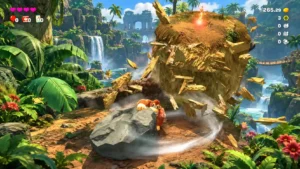
  • originality is 4.9 vs 3.8. The game confidently reinterprets DK through destructive exploration, unusual worlds, and unexpected combinations of familiar ideas.
  • innovation is 5.0 vs 4.0. The destructible world and flexible material interactions give the familiar collectathon format a fresh direction. The ambition often...
  • writing quality is 4.5 vs 3.7. Quirky dialogue, comic details, and small pieces of world-building enrich the adventure without needing a complicated plot.

Ninja Gaiden: Ragebound

Where It Has the Edge

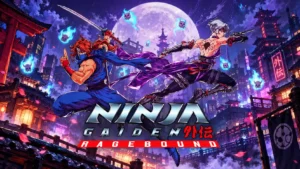
  • puzzle design is 4.8 vs 4.2. Demon-world routes mix movement with switches, teleporting, and a dwindling timer. These compact puzzles are usually praised for...
  • combat system is 4.7 vs 4.3. Quick sword strikes, ranged attacks, and color-coded Hypercharge rewards make combat feel crisp and energetic. Critics find the...
  • skill tree depth is 4.5 vs 4.2. The absence of a large skill tree is welcomed for keeping the action easy to pick up. These...
Donkey Kong Bananza 4.4 overall score
Ninja Gaiden: Ragebound 4.4 overall score

Compare features

Scores are out of 5. Missing scores mean missing review evidence, not a missing feature.

Scored on both products

Other features

Immersion
Donkey Kong Bananza
2.0

One response finds the colorful settings difficult to become immersed in, despite enjoying DK's personality and the gameplay.

Ninja Gaiden: Ragebound
4.8

Fast movement, rhythmic combat, and energetic music readily produce a flow state. Several players describe losing themselves in the action or struggling to put it down.

Haptic feedback integration
Donkey Kong Bananza
4.8

Rumble combines with crunchy sound and visible debris to make smashing different materials feel distinct and unusually satisfying.

Ninja Gaiden: Ragebound
2.0

One assessment finds the lack of vibration reduces combat impact. More tactile feedback would make hits feel stronger to that player.

Enemy variety
Donkey Kong Bananza
2.0

Enemy variety improves over time but still feels limited, especially when battle rooms repeatedly reuse the same foes.

Ninja Gaiden: Ragebound
4.2

A broad mix of enemies gives the toolkit different problems to solve and helps stages stay engaging. Their placements and new combinations matter as much as their appearance.

World interactivity
Donkey Kong Bananza
4.9

Tearing apart terrain feels unusually immediate, physical, and rewarding. The destructible world supports exploration, combat, and experimentation rather than serving only as spectacle.

Ninja Gaiden: Ragebound
3.3

Large enemies interacting with the scenery give some stages cinematic energy. Another assessment finds the backgrounds too detached from the playable space to feel alive.

Platforming precision
Donkey Kong Bananza
3.0

Opinions split between sharp optional challenges and movement that makes careful platforming feel awkward. Exploration and power often matter more than precise jumps.

Ninja Gaiden: Ragebound
4.3

Most praise the tight hitboxes and the control needed to link jumps, boosts, and attacks. Timed demon sections are more divisive, with some finding their precision exhilarating and others finding the margins frustrating.

Tutorial quality
Donkey Kong Bananza
3.0

Teaching the basic moves is effective for some players but slow and drawn out for others, particularly before the more inventive layers appear.

Ninja Gaiden: Ragebound
4.3

Teaching through layouts and contextual cues is praised for keeping explanations out of the action. The opening tutorial also earns approval for establishing the importance of timing and patience.

Sandbox freedom
Donkey Kong Bananza
4.7

Carving routes, mixing materials, and choosing unconventional solutions create an unusually generous sense of freedom. That freedom can sometimes bypass satisfying intended challenges.

Ninja Gaiden: Ragebound
3.5

One enthusiastic take calls the toolkit a creative combat sandbox. Another finds the intended Hypercharge routes too prescriptive and would prefer more freedom to solve encounters independently.

Onboarding experience
Donkey Kong Bananza
3.0

The opening is divisive: some appreciate immediate access to the core moves, while others find an extended stretch of basic smashing slow and unrepresentative.

Ninja Gaiden: Ragebound
4.1

Early levels usually introduce the movement and combat rules naturally before asking for more elaborate chains. A detailed critique finds the highest ranking requirements too hidden to understand without experimentation.

Originality
Donkey Kong Bananza
4.9

The game confidently reinterprets DK through destructive exploration, unusual worlds, and unexpected combinations of familiar ideas.

Ninja Gaiden: Ragebound
3.8

The fused characters and demon-world sections give the game a distinctive identity for some. Others see an accomplished homage that borrows well without a defining idea of its own.

Side character depth
Donkey Kong Bananza
4.6

Pauline, the rock inhabitants, and the villains give the world much of its personality. Companion charm and lively antagonists often matter more than deep characterization.

Ninja Gaiden: Ragebound
3.5

The villains leave a visual impression without offering much character depth. Their appeal is chiefly as imposing threats rather than richly developed personalities.

Emotional impact
Donkey Kong Bananza
4.8

The central friendship and climactic sequences can be surprisingly moving for a game about smashing rocks. Several reactions describe genuine tears or lasting affection.

Ninja Gaiden: Ragebound
3.8

The central partnership can give the story a warm core and a satisfying ending. One strongly negative reaction instead finds the finale's tonal shift clumsy.

Character roster
Donkey Kong Bananza
3.0

Familiar Kongs are welcome, but limited appearances by Diddy and Dixie and the absence of other favorites leave some fans wanting more.

Ninja Gaiden: Ragebound
3.9

Combining Kenji's melee skills with Kumori's ranged tools gives the playable duo a strong identity. Several players wish Kumori had more standalone stages rather than appearing chiefly through fusion or switches.

Innovation
Donkey Kong Bananza
5.0

The destructible world and flexible material interactions give the familiar collectathon format a fresh direction. The ambition often feels like a genuine showcase for new hardware.

Ninja Gaiden: Ragebound
4.0

Guillotine Boost and the dual-character rules modernize the series in ways many find thoughtful and exciting. More skeptical takes want the new mechanics to develop further or justify their complexity better.

Writing quality
Donkey Kong Bananza
4.5

Quirky dialogue, comic details, and small pieces of world-building enrich the adventure without needing a complicated plot.

Ninja Gaiden: Ragebound
3.7

Kenji and Kumori's personalities and exchanges give the writing much of its appeal. More critical takes want a less clichéd plot or additional scenes to make the relationship fully convincing.

Upgrade system
Donkey Kong Bananza
4.6

Upgrades often make a tangible difference to power, traversal, and available techniques. The strongest praise goes to improvements that make collecting feed directly into better play.

Ninja Gaiden: Ragebound
3.9

Talismans and Ragebound Arts let players tune builds, introduce handicaps, or experiment with different attacks. Opinions split over how many options are useful, whether limited equipment slots encourage variety, and how much the toolkit grows.

Exploration quality
Donkey Kong Bananza
4.9

Exploration is a defining strength: promising landmarks, buried finds, and secret routes continually pull players away from the main objective.

Ninja Gaiden: Ragebound
4.2

Hidden paths and collectibles make revisiting stages rewarding without usually disrupting the pace. A few would like the side areas to be more distinctive or less repetitive.

Game length
Donkey Kong Bananza
4.4

The adventure offers a substantial amount to explore and collect beyond a direct story run. Its size can feel overwhelming when trying to finish every optional task.

Ninja Gaiden: Ragebound
3.7

The campaign's length is divisive: many appreciate a focused run, while others finish wanting more or find individual stages padded. Hard mode and completion challenges substantially change the value of that first clear.

Progression system
Donkey Kong Bananza
4.4

Turning bananas into skill points gives collecting a useful short-term purpose. Some find that incentive weakens once the tree is largely filled.

Ninja Gaiden: Ragebound
3.8

Mastering the movement and unlocking equipment provide a satisfying sense of progress for many. Others want more new core moves or a richer selection of worthwhile abilities as the campaign unfolds.

Narrative quality
Donkey Kong Bananza
4.3

The light story gains warmth from DK and Pauline and builds toward a widely celebrated finale. A few find the setup unengaging or want the characters' arcs to go further.

Ninja Gaiden: Ragebound
3.8

The earnest ninja story supplies enough momentum and personality for a brisk action campaign. Some enjoy the central partnership and twists, while others find the plot thin, conventional, or less convincing at its conclusion.

Difficulty balance
Donkey Kong Bananza
3.6

The main route and early bosses are often easy, especially with powerful transformations. Later layers, optional rooms, and postgame gauntlets offer more resistance.

Ninja Gaiden: Ragebound
4.2

Many find the normal campaign fair and more approachable than older entries, with demanding bosses and optional mastery challenges. Others find it too easy, sharply uneven, or unnecessarily frustrating in its timed sections.

Grind level
Donkey Kong Bananza
4.5

Optional collectible maps make cleanup less tedious, letting players choose how much searching to do unaided.

Ninja Gaiden: Ragebound
5.0

The focus on execution avoids the bloated progression grind that some players dislike. Even repeated mastery runs remain enjoyable for an enthusiast who normally sees grinding as a chore.

Humor
Donkey Kong Bananza
4.5

Goofy transformations, expressive reactions, and playful dialogue give the adventure an energetic sense of humor.

Ninja Gaiden: Ragebound
4.0

The duo's light banter and an amusing jet-ski moment give the action personality. The humor adds warmth without needing to dominate the adventure.

Mission variety
Donkey Kong Bananza
5.0

The mix of optional challenges, environmental tasks, and short diversions gives players plenty of different things to tackle.

Ninja Gaiden: Ragebound
4.5

Different stage goals and short vehicle set pieces keep the mission structure fresh. The variety is especially appreciated when it adds a change of pace without overstaying its welcome.

Character development
Donkey Kong Bananza
4.5

DK and Pauline's growing friendship is a major source of charm, especially in their bedtime conversations. Some wish Pauline's confidence developed further instead of repeatedly returning to stage fright.

Ninja Gaiden: Ragebound
4.1

The uneasy alliance grows into a partnership that many find warm and engaging. Some think the relationship is rushed and needs more dialogue to earn its later moments.

Content variety
Donkey Kong Bananza
4.8

New materials, transformations, side rooms, and distinctive layers keep the adventure fresh. Most find enough variety to sustain the repeated smashing.

Ninja Gaiden: Ragebound
4.4

Chases, vertical climbs, vehicle sequences, and changing environments keep the action varied. Most welcome these brief departures from the main combat-platforming formula.

Combat system
Donkey Kong Bananza
4.3

Punching enemies and using chunks of terrain as weapons feel satisfyingly forceful. Repeated battle-room enemies and easy encounters can limit the tactical interest.

Ninja Gaiden: Ragebound
4.7

Quick sword strikes, ranged attacks, and color-coded Hypercharge rewards make combat feel crisp and energetic. Critics find the toolkit less demanding or less expansive than its early promise suggests.

Skill tree depth
Donkey Kong Bananza
4.2

The skill tree usually makes bananas worth pursuing through useful abilities and stronger forms. A few find it unsurprising, unnecessary, or padded with weak transformation upgrades.

Ninja Gaiden: Ragebound
4.5

The absence of a large skill tree is welcomed for keeping the action easy to pick up. These assessments value skill and execution over spending time managing progression menus.

Movement feel
Donkey Kong Bananza
4.5

Rolling, jumping, surfing, and climbing can flow into wonderfully expressive movement. Some encounters with corners and climbing surfaces feel less reliable.

Ninja Gaiden: Ragebound
4.9

Bouncing off enemies and projectiles, climbing walls, and chaining rolls into jumps deliver unusually fluid movement. A minority finds this freedom overpowered or less satisfying when timed teleporting interrupts the flow.

Frame rate stability
Donkey Kong Bananza
3.0

Busy destruction and certain bosses trigger noticeable frame drops. Many tolerate the brief hitches, but some scenes produce more sustained and distracting slowdown.

Ninja Gaiden: Ragebound
2.7

Original Switch play is repeatedly criticized for a 30 FPS ceiling and uneven frame pacing. Some Xbox One sessions also show slowdown, while other platforms and setups fare better.

Graphics quality
Donkey Kong Bananza
4.6

Colorful environments and appealing characters impress broadly. Softer image quality, poor shadows, pop-in, and occasional plain areas keep it from looking uniformly cutting edge.

Ninja Gaiden: Ragebound
4.9

The detailed pixel presentation receives broad praise for clarity, color, and spectacle. Its strongest moments make the stages as enjoyable to look at as they are to play.

Atmosphere
Donkey Kong Bananza
4.6

The underground journey mixes whimsy with strange, sometimes claustrophobic spaces. Music and local characters give individual layers distinct moods.

Ninja Gaiden: Ragebound
4.3

The retro cinematic mood and music create a strong sense of atmosphere. Some prefer a darker, more classically foreboding Ninja Gaiden tone than this interpretation provides.

Handheld play suitability
Donkey Kong Bananza
4.3

Handheld presentation is generally attractive and sometimes looks cleaner than docked play. Portable mode improves some rough edges but does not eliminate every frame drop.

Ninja Gaiden: Ragebound
4.5

Short stages and responsive play make the game a strong fit for portable PCs, with Steam Deck and ROG Ally praise. Switch performance limitations can weaken that appeal for players sensitive to latency.

Collectibles
Donkey Kong Bananza
4.5

Bananas, fossils, and other finds make exploration consistently rewarding for most players. A minority find the sheer volume or weakening late-game incentives tiring.

Ninja Gaiden: Ragebound
4.2

Hidden skulls, scarabs, and scrolls reward exploration and feed upgrades or extra challenges. Most enjoy returning for missed items, but some lose motivation when rewards or timed side sections disappoint.

Learning curve
Donkey Kong Bananza
4.2

The unusual layout takes brief adjustment, but the movement can be easy to start using while still leaving room for mastery.

Ninja Gaiden: Ragebound
4.4

The basic toolkit is generally easy to grasp and rewarding to master. Adding the second character's weapon-color rules creates a brief coordination hurdle for some players.

Pacing
Donkey Kong Bananza
4.0

The adventure generally builds toward stronger late levels and a memorable finale. Sluggish openings, uneven layer lengths, and distracting optional collection sometimes disrupt its momentum.

Ninja Gaiden: Ragebound
3.8

The campaign usually keeps its momentum through quick encounters, fresh set pieces, and concise transitions. Some feel longer stages or repeated challenge runs introduce padding that weakens that rhythm.

Animation quality
Donkey Kong Bananza
4.8

Expressive poses, lively reactions, and small touches such as wet fur bring DK and the surrounding cast to life.

Ninja Gaiden: Ragebound
4.9

Smooth, expressive sprite animation helps sell both the characters and the speed of combat. Frequent praise centers on readable attacks and lively enemies rather than merely nostalgic styling.

Polish
Donkey Kong Bananza
4.6

The controls and interaction systems usually fit together with impressive polish, despite occasional camera or technical roughness.

Ninja Gaiden: Ragebound
4.4

Small refinements make much of the action feel polished and reduce classic sources of frustration. A dissenting assessment still finds some details scrappy, so the finish is not uniformly flawless.

Endgame content
Donkey Kong Bananza
4.2

Postgame gauntlets and extra challenges give the mechanics another workout. Enthusiasm varies, with one assessment finding the offering thin compared with Odyssey.

Ninja Gaiden: Ragebound
4.0

Hard mode and secret operations are often praised for turning completion into a new mastery challenge. Some think the remixes lose ambition later or that the toughest extras arrive too late.

Overall quality
Donkey Kong Bananza
4.8

The broad response is exceptionally enthusiastic, with frequent must-play recommendations. Camera friction, easy bosses, and technical compromises keep that praise from being unanimous on every detail.

Ninja Gaiden: Ragebound
4.6

The overall response is strongly favorable, with several enthusiastic recommendations and game-of-the-year claims. More reserved reactions still often enjoy the action while questioning difficulty, length, progression, or platform performance.

Environmental detail
Donkey Kong Bananza
4.6

Dense scenery, expressive materials, and small environmental details reward close attention before everything gets smashed apart.

Ninja Gaiden: Ragebound
4.8

Layered scenery and richly drawn backgrounds give each location character. Fire, industrial spaces, and changing horizons make the campaign's environments memorable.

Visual effects quality
Donkey Kong Bananza
4.6

Flying debris, exaggerated impacts, and material-specific reactions make destruction visually satisfying and full of weight.

Ninja Gaiden: Ragebound
4.8

Explosions, sharp impact effects, screen shake, and animated set pieces give attacks and stages substantial punch. These details make the small-scale pixel action feel unusually cinematic.

Art direction
Donkey Kong Bananza
4.6

Bold colors and playful character designs give the underground worlds a striking identity. A few reactions find the palette overly garish.

Ninja Gaiden: Ragebound
4.7

Colorful pixel art, striking backgrounds, and readable action make the visual direction a consistent highlight. The style captures retro appeal while usually feeling refined rather than confined by imitation.

Dialogue quality
Donkey Kong Bananza
4.2

Optional conversations give Pauline warmth and help develop her bond with DK. Constant incidental chatter is charming to some and excessive to others.

Ninja Gaiden: Ragebound
4.1

The duo's banter adds humor and personality between battles. It works well for many, although several wish there were more conversations to develop their bond.

Faithfulness to franchise
Donkey Kong Bananza
4.6

Callbacks to the arcade, Country games, and earlier 3D adventures give longtime fans plenty to recognize. The game generally blends that affection with a confident new direction.

Ninja Gaiden: Ragebound
4.8

Most see a confident revival that preserves the speed and spirit of classic Ninja Gaiden while improving its usability. Traditionalists can disagree over how far its movement, combat, and tone depart from the originals.

Accessibility options
Donkey Kong Bananza
4.3

Assist Mode, guidance, and control options help less experienced players keep moving without removing the optional tougher challenges.

Ninja Gaiden: Ragebound
4.4

Assist settings make the game approachable by adjusting damage, speed, knockback, and other demanding mechanics. Their flexibility is widely appreciated, although the lack of a rapid-fire sword option can leave repeated slashing tiring.

Fun factor
Donkey Kong Bananza
5.0

Most reactions describe sustained joy, strong compulsions to keep exploring, and unusually satisfying moment-to-moment play.

Ninja Gaiden: Ragebound
4.9

Chaining boosts and cutting through enemies makes the game consistently enjoyable for many players. Enthusiastic reactions often center on how satisfying the action remains after repeated runs.

Economy and resource balance
Donkey Kong Bananza
3.6

Most resources feed useful upgrades and purchases, but the balance is uneven. Gold and chips can feel excessive early on, while late expenses and layer-specific fossil requirements create constraints.

Ninja Gaiden: Ragebound
3.7

Ki, Hypercharge, and spirit management can add satisfying tactical choices. Excess shop currency and ultimate attacks that rarely recharge leave others questioning how well the resource economy supports experimentation.

Gameplay mechanics
Donkey Kong Bananza
4.4

DK's toolkit and animal forms create many satisfying ways to move, fight, and solve problems. Some forms feel underused or powerful enough to bypass the best challenges.

Ninja Gaiden: Ragebound
4.5

Guillotine Boost, Hypercharge, and the fused characters turn enemies into both combat targets and stepping stones. Most find these systems exhilarating together, though a detailed dissent argues the bounce is so powerful that it bypasses intended challenges.

Core gameplay loop
Donkey Kong Bananza
4.6

Smashing, revealing treasure, and spending rewards form a powerful loop that many find hard to stop. Constant button mashing or indiscriminate clearing can eventually feel tiring.

Ninja Gaiden: Ragebound
4.6

Fast attacks and linked traversal create an absorbing rhythm that repeatedly draws players into another stage. The main reservation is that chasing prescribed ranking checklists can feel less integrated than the action itself.

Checkpoint system
Donkey Kong Bananza
4.5

Getaways provide valuable recovery and temporary health benefits, becoming especially helpful as the later challenges intensify.

Ninja Gaiden: Ragebound
4.5

Frequent checkpoints and quick returns make demanding sections more manageable. Most appreciate the reduced repetition after death, though a few find the spacing or healing rules uneven.

Ownership and support

Platform-specific feature support
Donkey Kong Bananza
4.3

GameShare makes the helper mode easier to share across systems, while mouse-controlled sculpting is an appealing optional extra. Audio features also contribute to the presentation.

Ninja Gaiden: Ragebound
2.0

Embedded Switch feedback strongly objects to the absence of a 60 FPS option on Switch 2. That limitation discourages purchase for a player seeking faster performance.

Replay value
Donkey Kong Bananza
4.7

Large collections, return visits with new abilities, and postgame challenges keep many players engaged for hours beyond the story. Emerald Rush adds another compelling reason to return for those who enjoy its format.

Ninja Gaiden: Ragebound
4.5

Ranks, collectibles, secret missions, and hard mode give the compact campaign substantial replay appeal. That value depends on enjoying repeated execution challenges; some find the checklists or limited new rewards less compelling.

Value for money
Donkey Kong Bananza
4.3

Many find the substantial, inventive adventure worth its price. Others still see the high upfront cost as a meaningful concern despite enjoying the game.

Ninja Gaiden: Ragebound
4.1

Several players consider the asking price excellent for the quality and replay challenges. Value is less convincing for those who stop after the short campaign or encounter Switch performance problems.

Controls and connectivity

Voice acting
Donkey Kong Bananza
4.6

Pauline's speaking and singing add warmth and personality. The performances are widely liked, even where the amount of chatter draws complaints.

Ninja Gaiden: Ragebound
2.5

One assessment misses the hammy voice acting that might have strengthened the retro presentation. The unvoiced approach leaves that particular nostalgic expectation unmet.

Protagonist appeal
Donkey Kong Bananza
4.7

The redesigned DK is expressive, funny, and powerfully physical, winning over even some initially hesitant reactions.

Ninja Gaiden: Ragebound
4.3

Kenji and Kumori make appealing leads, with Kumori's attitude and competing loyalties standing out. Their interplay brings a more human, playful touch to the adventure.

Controls responsiveness
Donkey Kong Bananza
4.5

Actions usually chain smoothly into expressive combinations. Unfamiliar button assignments, unreliable climbing transitions, or accidental transformations occasionally interrupt that flow.

Ninja Gaiden: Ragebound
4.8

Responsive inputs are among the most consistent strengths, letting precise attacks and jumps keep pace with the action. New color-dependent weapon rules briefly disrupt muscle memory for some players.

Menu usability
Donkey Kong Bananza
4.0

Collection tracking and destruction statistics make menus useful for cleanup. Finding which layer shop sells a particular outfit perk is less convenient.

Ninja Gaiden: Ragebound
3.7

Clean menus and easy access to assists or restarts help keep play moving. Complaints focus on confusing stage selection and the missing option to listen to the soundtrack from a menu.

Character customization
Donkey Kong Bananza
4.2

Outfits add appealing visual variety and practical perks. Their bonuses can feel too situational, and layer-specific shops sometimes make useful gear inconvenient to obtain.

Ninja Gaiden: Ragebound
4.0

Unlockable skins receive a positive nod for adding cosmetic variety. They offer a small extra reward beyond the main equipment choices.

Comfort and build

Map and navigation design
Donkey Kong Bananza
4.6

The live 3D map, collectible lists, and musical guidance help make complicated spaces understandable. A few find individual worlds confusing despite those tools.

Ninja Gaiden: Ragebound
3.0

The world map provides a useful stage-selection structure for some players. Others find it hard to tell which branches are complete and which missions should come next.

Boss design
Donkey Kong Bananza
3.0

Bosses often look inventive but end too quickly or repeat too often for some tastes. Others enjoy their spectacle, and the final encounters attract particularly strong praise.

Ninja Gaiden: Ragebound
4.3

Boss fights are frequent highlights, combining clear patterns, imposing designs, and satisfying mastery. A few encounters have tiring health pools, while opinions differ on the finale and how much hard mode changes later fights.

User interface design
Donkey Kong Bananza
4.7

Maps and collection displays make progress easy to understand, particularly when returning to finish a layer.

Ninja Gaiden: Ragebound
3.6

The interface earns praise for sharp presentation and convenient challenge tracking. Ranking requirements and stage-completion markers are less clear to some players.

Puzzle design
Donkey Kong Bananza
4.2

Material interactions produce inventive puzzles and rewarding alternative solutions. Overpowered forms, accidental shortcuts, and underdeveloped physics ideas can weaken the challenge.

Ninja Gaiden: Ragebound
4.8

Demon-world routes mix movement with switches, teleporting, and a dwindling timer. These compact puzzles are usually praised for rewarding a well-planned route without overwhelming the action.

World-building
Donkey Kong Bananza
4.5

Distinct underground communities and local themes make the impossible setting feel rich and playful. The layered journey provides a strong sense of place despite its deliberate absurdity.

Ninja Gaiden: Ragebound
4.0

The blend of modern technology, ancient ninja arts, and magic appeals to one assessment. That mixture gives the setting its characteristic contrast.

Level design
Donkey Kong Bananza
4.7

Dense vertical spaces combine designed routes with opportunities to carve your own path. Later layers receive particular praise, though some sections feel underdeveloped or like filler.

Ninja Gaiden: Ragebound
4.3

Thoughtful enemy placement and stages built around the movement toolkit make the campaign a major strength. Complaints focus on occasional overlong routes, repetitive stretches, and timed sections that interrupt otherwise satisfying flow.

Mission design
Donkey Kong Bananza
4.5

Challenge rooms mix combat, platforming, and puzzles, with some containing the game's best ideas. Repeated fights and derivative early tasks are less successful.

Ninja Gaiden: Ragebound
4.2

Optional stage objectives give familiar routes fresh goals and reward refined execution. Most enjoy chasing better ranks, but some see redundant checklists that add less depth than they initially appear to offer.

Controller ergonomics
Donkey Kong Bananza
3.0

Long sessions of repeated punching can leave thumbs sore, even when the player otherwise loves the experience.

Ninja Gaiden: Ragebound
2.8

Thoughtful button placement helps manage the busy action, but repeated slashing can tire hands and wrists. Bosses with large health pools make that physical strain more noticeable.

Sound design
Donkey Kong Bananza
4.7

Crunchy, material-specific effects make impacts feel distinct and powerful. Some mixes let effects obscure the music, while another response finds the music too dominant.

Ninja Gaiden: Ragebound
4.8

Clear impact sounds and satisfying slicing effects reinforce the speed and weight of combat. The audio feedback is praised for fitting the action rather than competing with it.

Performance

Performance optimization
Donkey Kong Bananza
3.7

The sheer amount of destructible terrain is impressive on portable hardware. Frame drops, image-quality compromises, and other rough edges remain the cost of that ambition.

Ninja Gaiden: Ragebound
3.3

Firsthand PC reports are positive, but portable performance is more variable. Switch optimization draws substantial criticism, while Switch 2 improves the experience without eliminating every pacing issue.

Soundtrack quality
Donkey Kong Bananza
4.5

Pauline's transformation songs and classic remixes are frequent highlights. Opinions vary more on the atmospheric background score and whether it matches the franchise's musical peaks.

Ninja Gaiden: Ragebound
4.8

Energetic music is one of the clearest strengths, pairing retro melodies with driving synths and guitars. A few find individual tracks less memorable during play, even while appreciating how effectively the score supports the action.

Evidence available for one product

Battery and charging

Battery life
Donkey Kong BananzaNo score yet
Ninja Gaiden: Ragebound
4.0

A 60 FPS cap on Steam Deck is appreciated for reducing battery drain. It offers a practical tradeoff for longer portable sessions.

Other features

Achievement list quality
Donkey Kong BananzaNo score yet
Ninja Gaiden: Ragebound
4.5

Achievements remain available with assist settings, making goals more welcoming. A separate assessment praises challenges that reward skill and style rather than busywork.

AI behavior
Donkey Kong BananzaNo score yet
Ninja Gaiden: Ragebound
2.0

Enemy behavior draws criticism for awkward blocking and evasiveness in one assessment. Another argues that powerful movement makes enemy placement and behavior too easy to bypass.

Aiming precision
Donkey Kong BananzaNo score yet
Ninja Gaiden: Ragebound
2.0

Tiny teleportation targets can make Kumori's timed sections feel unforgiving. Missing by a few pixels and restarting frustrated one panel more than the demanding boss fights did.

Bug frequency
Donkey Kong BananzaNo score yet
Ninja Gaiden: Ragebound
2.6

Reports include minor enemy glitches, missing combo tracking, and occasional invisible-platform problems. These faults are not universal, but can undermine otherwise precise challenges when they cause unfair deaths.

Camera behavior
Donkey Kong Bananza
3.4

The camera divides opinion: some find its underground views remarkably intuitive, while others struggle with close angles, sluggish tracking, or restricted challenge-room views.

Ninja Gaiden: RageboundNo score yet
Co-op experience
Donkey Kong Bananza
4.0

Co-op works best as a main player plus helper arrangement, with Pauline firing vocal projectiles. Its limited second-player role suits some pairs better than others.

Ninja Gaiden: RageboundNo score yet
Combat readability
Donkey Kong Bananza
2.5

Tiny remnants of dangerous terrain can be hard to spot during chaotic fights, leading to frustrating damage or deaths.

Ninja Gaiden: RageboundNo score yet
Community features
Donkey Kong BananzaNo score yet
Ninja Gaiden: Ragebound
2.5

One panel wants a proper leaderboard to make improved runs easier to show off. The existing challenge structure leaves that competitive community incentive unmet.

Content completeness
Donkey Kong BananzaNo score yet
Ninja Gaiden: Ragebound
5.0

The campaign and mastery extras are praised as a satisfying complete package. One enthusiastic assessment values how its combat, music, art, and challenge come together.

Couch co-op quality
Donkey Kong Bananza
3.5

Local co-op is useful for letting a child help with attacks and collecting. Adults expecting equal control may find the supporting role too limited.

Ninja Gaiden: RageboundNo score yet
Crash stability
Donkey Kong BananzaNo score yet
Ninja Gaiden: Ragebound
3.0

One assessment reports occasional crashes when starting a stage. Restarting resolves the interruption, but the instability remains a blemish.

Cutscene skippability
Donkey Kong BananzaNo score yet
Ninja Gaiden: Ragebound
4.5

Skippable transitions and boss dialogue make repeat attempts more convenient. Players can focus on refining execution rather than sitting through the same scenes again.

Facial animations
Donkey Kong Bananza
4.6

DK's wide range of expressions makes him more personable and gives cutscenes much of their comic energy.

Ninja Gaiden: RageboundNo score yet
Family friendliness
Donkey Kong Bananza
4.5

The broad appeal, approachable opening, and playful presentation make the adventure enjoyable across ages.

Ninja Gaiden: RageboundNo score yet
Fast travel convenience
Donkey Kong Bananza
3.5

Fast travel is convenient to have, although the pleasure of moving through the layers can make taking the scenic route more attractive.

Ninja Gaiden: RageboundNo score yet
Hint system
Donkey Kong Bananza
4.5

Sonar, Pauline's singing, and purchasable maps keep hidden finds and main objectives within reach. They help focus the search without requiring aimless digging.

Ninja Gaiden: RageboundNo score yet
HUD clarity
Donkey Kong BananzaNo score yet
Ninja Gaiden: Ragebound
3.0

Simple special-attack gauges are easy to understand. A report of missing combo tracking shows how a small HUD failure can disrupt builds that rely on it.

Load times
Donkey Kong BananzaNo score yet
Ninja Gaiden: Ragebound
5.0

Fast loading and quick respawns make repeated attempts convenient. Failed runs rarely require a long wait before trying again.

Loot system
Donkey Kong Bananza
4.8

Hidden chests, gold, fossils, and useful upgrades turn destructive exploration into a rewarding cycle of finding and spending loot.

Ninja Gaiden: RageboundNo score yet
Lore depth
Donkey Kong BananzaNo score yet
Ninja Gaiden: Ragebound
4.0

Franchise references and added clan context give longtime fans something to enjoy. The background material is appreciated for adding flavor without making the story cumbersome.

Monetization fairness
Donkey Kong BananzaNo score yet
Ninja Gaiden: Ragebound
4.0

DRM-free PC ownership is valued by one embedded comment. The appeal is the sense of owning the game outright.

Pause functionality
Donkey Kong BananzaNo score yet
Ninja Gaiden: Ragebound
4.0

Restarting a stage through the pause menu makes it easy to correct a failed objective. Perfectionists benefit from being able to begin another attempt without cumbersome navigation.

Physical release format
Donkey Kong Bananza
4.5

Having the complete game on the physical cartridge is a welcome advantage of the boxed release.

Ninja Gaiden: RageboundNo score yet
Shopkeeping system
Donkey Kong BananzaNo score yet
Ninja Gaiden: Ragebound
4.5

Muramasa's shop gives collectibles a useful purpose and helps players tailor their tools. Favorable assessments find the purchases engaging and practical.

Social features
Donkey Kong BananzaNo score yet
Ninja Gaiden: Ragebound
2.5

A leaderboard would give skilled players a clearer way to share and compare their results. Its absence disappoints a panel interested in showing off cleaner runs.

Vehicle roster
Donkey Kong BananzaNo score yet
Ninja Gaiden: Ragebound
4.5

Motorcycle and jet-ski stages add memorable, playful variety. Their brevity helps them feel like welcome set pieces rather than a distraction.

Violence level
Donkey Kong BananzaNo score yet
Ninja Gaiden: Ragebound
4.1

Stylized dismemberment and pixelated gore are mostly praised for making hits satisfying and fitting the pace. One critic instead wants a more brutal presentation.

Weapon balance
Donkey Kong BananzaNo score yet
Ninja Gaiden: Ragebound
3.3

Equipment balance divides opinion: some find useful combinations without trivializing the action, while others discover dominant choices or overly powerful setups. A small range of attractive Arts can also limit experimentation.

Controls and connectivity

Age appropriateness
Donkey Kong Bananza
4.0

The early adventure is accessible to children, while the final layers demand more confident use of DK's abilities.

Ninja Gaiden: RageboundNo score yet

Performance

CRT filter quality
Donkey Kong BananzaNo score yet
Ninja Gaiden: Ragebound
4.8

The optional CRT filter earns praise for convincing scanlines and screen curvature without sacrificing visibility. One enthusiast keeps it on throughout play.

Ownership and support

DLC value
Donkey Kong Bananza
4.0

Emerald Rush offers enjoyable repeatable runs and meaningful perk choices for players who want more smashing. Its value is much less convincing if you want a substantial new campaign or many new worlds.

Ninja Gaiden: RageboundNo score yet

Comfort and build

Enemy design
Donkey Kong Bananza
4.5

The strange creatures and material-based enemies add personality and connect combat to the environment's properties.

Ninja Gaiden: RageboundNo score yet
Multiplayer design
Donkey Kong Bananza
4.0

Multiplayer offers a deliberately asymmetrical way to share the adventure. It is most convincing when one player wants to assist rather than control an equal hero.

Ninja Gaiden: RageboundNo score yet
Open-world design
Donkey Kong Bananza
4.8

The open layers support freeform exploration and alternate solutions while retaining a clear main route through the adventure.

Ninja Gaiden: RageboundNo score yet
Quest design
Donkey Kong Bananza
4.5

Side quests offer a steady supply of useful goals and rewards between main-story objectives.

Ninja Gaiden: RageboundNo score yet

Other Top Video Games to Consider

#1 Well Dweller
4.7

Best for fluid traversal, rewarding exploration, striking art, and forgiving quality-of-life features. Skip it if you want deep combat, radical genre innovation, or consistently demanding bosses.

Pros: difficulty balance, boss design

Cons: innovation, sandbox freedom

#2 Hades II
4.5

Best for superb combat, inventive builds, and richly voiced characters. Skip it if repeated runs, resource gathering, or visually busy battles outweigh the appeal of steady progress.

Pros: overall quality, combat system

Cons: pacing, grind level

#3 Valheim
4.5

Good if you want a beautiful, demanding survival sandbox built around exploration, building, progression, and memorable co-op. Skip it if long resource runs, harsh death recovery, and deliberate pacing sound...

Pros: town-building system, exploration quality

Cons: grind level, fast travel convenience

#4 Grand Theft Auto VI
4.5

Leonida is a breathtakingly alive crime sandbox with memorable protagonists, spectacular heists, and extraordinary detail. The tradeoff is a 30 fps ceiling, occasional control awkwardness, and some progression friction.

Pros: immersion, graphics quality

Cons: grind level, controls responsiveness