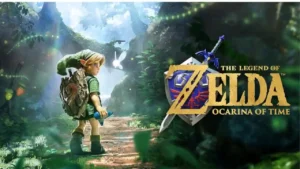
Compare Donkey Kong Bananza vs The Legend of Zelda: Ocarina of Time

Donkey Kong Bananza

Donkey Kong Bananza

Overall score 4.4 / 5

Based on 29 scored reviews

vs
The Legend of Zelda: Ocarina of Time

The Legend of Zelda: Ocarina of Time

Overall score 4.3 / 5

Based on 48 scored reviews

How we score

Scorata scores summarize analyzed review evidence on a 1–5 scale; they are not laboratory measurements or a simple average of customer star ratings. Feature scores summarize the reviews covering that feature. The overall score averages feature scores within each review, then combines review averages. When both expert and customer evidence are available, those two groups receive equal weight. Products can have different review coverage, so small score gaps do not establish a winner.

Recommendations prioritize important features for the category, with a score of at least 3.5, a gap of at least 0.25 points and at least two supporting reviews per product. Features with widely varying scores or broad connectivity contexts are excluded from recommendations. These safeguards do not establish statistical significance.

Quick verdict

What each product is best for

The review evidence points to a tradeoff: loot system and innovation versus frame rate stability and progression system. Choose according to which strengths matter more to you; the overall score alone does not settle that choice.

Choose Donkey Kong Bananza for loot system and innovation.

Choose The Legend of Zelda: Ocarina of Time for frame rate stability and progression system.

Why these recommendations?

Donkey Kong Bananza

Where It Has the Edge

  • loot system is 4.8 vs 2.0. Hidden chests, gold, fossils, and useful upgrades turn destructive exploration into a rewarding cycle of finding and spending...
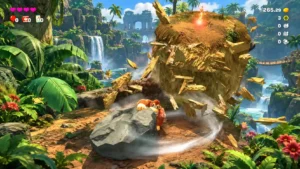
  • innovation is 5.0 vs 2.4. The destructible world and flexible material interactions give the familiar collectathon format a fresh direction. The ambition often...
  • world interactivity is 4.9 vs 4.3. Tearing apart terrain feels unusually immediate, physical, and rewarding. The destructible world supports exploration, combat, and experimentation rather...

The Legend of Zelda: Ocarina of Time

Where It Has the Edge

  • frame rate stability is 4.9 vs 3.0. Accounts of completed playthroughs consistently praise smooth 60 fps performance in both docked and handheld play. That fluidity...
  • progression system is 4.8 vs 4.4. New tools and abilities create a clear, satisfying sense of advancement. Their usefulness across later challenges makes progression...
  • soundtrack quality is 5.0 vs 4.5. New instrumental and orchestral arrangements preserve the memorable melodies while giving key scenes more grandeur. Music is among...
Donkey Kong Bananza 4.4 overall score
The Legend of Zelda: Ocarina of Time 4.3 overall score

Compare features

Scores are out of 5. Missing scores mean missing review evidence, not a missing feature.

Scored on both products

Other features

Loot system
Donkey Kong Bananza
4.8

Hidden chests, gold, fossils, and useful upgrades turn destructive exploration into a rewarding cycle of finding and spending loot.

The Legend of Zelda: Ocarina of Time
2.0

Some hidden rewards feel underwhelming, especially single rupees or supplies that are already plentiful. Boss-rush prizes also attract criticism for limited usefulness.

Immersion
Donkey Kong Bananza
2.0

One response finds the colorful settings difficult to become immersed in, despite enjoying DK's personality and the gameplay.

The Legend of Zelda: Ocarina of Time
4.7

Responsive action, detailed places, and more expressive scenes make Hyrule easier to inhabit. Camera freedom also helps players feel more directly involved.

Innovation
Donkey Kong Bananza
5.0

The destructible world and flexible material interactions give the familiar collectathon format a fresh direction. The ambition often feels like a genuine showcase for new hardware.

The Legend of Zelda: Ocarina of Time
2.4

The remake spends most of its ambition on presentation and comfort. Players hoping for a radical reinterpretation or major new discoveries may find that approach too cautious.

Enemy variety
Donkey Kong Bananza
2.0

Enemy variety improves over time but still feels limited, especially when battle rooms repeatedly reuse the same foes.

The Legend of Zelda: Ocarina of Time
4.5

A colorful roster keeps repeated combat patterns from dominating the adventure. Many enemies appear only in a few locations, helping each region feel distinct.

Sandbox freedom
Donkey Kong Bananza
4.7

Carving routes, mixing materials, and choosing unconventional solutions create an unusually generous sense of freedom. That freedom can sometimes bypass satisfying intended challenges.

The Legend of Zelda: Ocarina of Time
2.5

This is a more contained adventure with fewer tools and less freedom than the recent open-world games. Players who want unrestricted experimentation may feel constrained.

Frame rate stability
Donkey Kong Bananza
3.0

Busy destruction and certain bosses trigger noticeable frame drops. Many tolerate the brief hitches, but some scenes produce more sustained and distracting slowdown.

The Legend of Zelda: Ocarina of Time
4.9

Accounts of completed playthroughs consistently praise smooth 60 fps performance in both docked and handheld play. That fluidity is a major improvement to movement and combat.

Endgame content
Donkey Kong Bananza
4.2

Postgame gauntlets and extra challenges give the mechanics another workout. Enthusiasm varies, with one assessment finding the offering thin compared with Odyssey.

The Legend of Zelda: Ocarina of Time
2.4

The missing Master Quest is a recurring disappointment after the main adventure. Boss rematches provide a distraction, but many want a richer or harder second campaign.

Combat readability
Donkey Kong Bananza
2.5

Tiny remnants of dangerous terrain can be hard to spot during chaotic fights, leading to frustrating damage or deaths.

The Legend of Zelda: Ocarina of Time
4.2

Clearer enemy movements, lighting cues, and threat sounds help communicate what is happening in fights. These changes reduce confusion without changing the basic combat rules.

Platforming precision
Donkey Kong Bananza
3.0

Opinions split between sharp optional challenges and movement that makes careful platforming feel awkward. Exploration and power often matter more than precise jumps.

The Legend of Zelda: Ocarina of Time
4.7

A dedicated jump button gives direct control over ledges and gaps. Traversal feels more reliable and satisfying than waiting for an automatic leap.

Fast travel convenience
Donkey Kong Bananza
3.5

Fast travel is convenient to have, although the pleasure of moving through the layers can make taking the scenic route more attractive.

The Legend of Zelda: Ocarina of Time
4.3

Shortcuts and warp songs help keep revisits manageable. Preserving travel rather than adding many extra warp points is also welcomed for protecting incidental discoveries.

Camera behavior
Donkey Kong Bananza
3.4

The camera divides opinion: some find its underground views remarkably intuitive, while others struggle with close angles, sluggish tracking, or restricted challenge-room views.

The Legend of Zelda: Ocarina of Time
4.1

Free camera control makes exploration more natural and lets players appreciate rebuilt spaces. It also loses some deliberately composed views, and occasional lock-on conflicts remain.

Upgrade system
Donkey Kong Bananza
4.6

Upgrades often make a tangible difference to power, traversal, and available techniques. The strongest praise goes to improvements that make collecting feed directly into better play.

The Legend of Zelda: Ocarina of Time
4.0

Magic upgrades feel worth pursuing even when the Great Fairies charge substantial amounts. Optional activities help fund those improvements.

World interactivity
Donkey Kong Bananza
4.9

Tearing apart terrain feels unusually immediate, physical, and rewarding. The destructible world supports exploration, combat, and experimentation rather than serving only as spectacle.

The Legend of Zelda: Ocarina of Time
4.3

Reactive details and reported changes to the world after major events make Hyrule feel more responsive. They add texture without replacing the adventure's classic structure.

Family friendliness
Donkey Kong Bananza
4.5

The broad appeal, approachable opening, and playful presentation make the adventure enjoyable across ages.

The Legend of Zelda: Ocarina of Time
4.0

One broad recommendation explicitly extends across ages. That enthusiasm does not remove the need to consider frightening monsters and darker story moments for younger children.

Onboarding experience
Donkey Kong Bananza
3.0

The opening is divisive: some appreciate immediate access to the core moves, while others find an extended stretch of basic smashing slow and unrepresentative.

The Legend of Zelda: Ocarina of Time
2.5

Extra exposition and repeated exercises can make the opening feel overly managed. Those small interruptions add up before the adventure fully opens.

Tutorial quality
Donkey Kong Bananza
3.0

Teaching the basic moves is effective for some players but slow and drawn out for others, particularly before the more inventive layers appear.

The Legend of Zelda: Ocarina of Time
3.5

A redesigned sword challenge teaches the new movement rules effectively. Other players find the repeated opening practice sessions more restrictive than necessary.

Progression system
Donkey Kong Bananza
4.4

Turning bananas into skill points gives collecting a useful short-term purpose. Some find that incentive weakens once the tree is largely filled.

The Legend of Zelda: Ocarina of Time
4.8

New tools and abilities create a clear, satisfying sense of advancement. Their usefulness across later challenges makes progression feel purposeful.

Polish
Donkey Kong Bananza
4.6

The controls and interaction systems usually fit together with impressive polish, despite occasional camera or technical roughness.

The Legend of Zelda: Ocarina of Time
5.0

The many small control and design refinements work together unusually well. The resulting adventure feels carefully finished and easy to stay absorbed in.

Difficulty balance
Donkey Kong Bananza
3.6

The main route and early bosses are often easy, especially with powerful transformations. Later layers, optional rooms, and postgame gauntlets offer more resistance.

The Legend of Zelda: Ocarina of Time
3.3

The smoother controls generally make the adventure easier, but reactions differ sharply. Some welcome the reduced friction, while others think enemies and puzzles no longer keep pace with Link.

Gameplay mechanics
Donkey Kong Bananza
4.4

DK's toolkit and animal forms create many satisfying ways to move, fight, and solve problems. Some forms feel underused or powerful enough to bypass the best challenges.

The Legend of Zelda: Ocarina of Time
4.8

Time travel, musical tools, and item-driven exploration remain an inventive combination. The updates refresh how players interact with those systems without replacing them.

Facial animations
Donkey Kong Bananza
4.6

DK's wide range of expressions makes him more personable and gives cutscenes much of their comic energy.

The Legend of Zelda: Ocarina of Time
4.3

Link's expressions often communicate affection, hesitation, and surprise without dialogue. A few scenes instead leave him looking unusually still or vacant.

Content variety
Donkey Kong Bananza
4.8

New materials, transformations, side rooms, and distinctive layers keep the adventure fresh. Most find enough variety to sustain the repeated smashing.

The Legend of Zelda: Ocarina of Time
4.5

Distinct dungeons, side quests, minigames, and hidden encounters keep the journey varied. The new museum is a modest extra rather than a major expansion.

Core gameplay loop
Donkey Kong Bananza
4.6

Smashing, revealing treasure, and spending rewards form a powerful loop that many find hard to stop. Constant button mashing or indiscriminate clearing can eventually feel tiring.

The Legend of Zelda: Ocarina of Time
4.9

Exploring, finding a dungeon item, solving its challenges, and opening new routes remains deeply satisfying. The remake reinforces how well that traditional structure still works.

Learning curve
Donkey Kong Bananza
4.2

The unusual layout takes brief adjustment, but the movement can be easy to start using while still leaving room for mastery.

The Legend of Zelda: Ocarina of Time
4.5

The control conventions feel familiar even to someone who missed the original. Experience with later adventure games makes the remake surprisingly easy to settle into.

Pacing
Donkey Kong Bananza
4.0

The adventure generally builds toward stronger late levels and a memorable finale. Sluggish openings, uneven layer lengths, and distracting optional collection sometimes disrupt its momentum.

The Legend of Zelda: Ocarina of Time
4.4

A compact route and faster equipment handling usually keep the adventure moving briskly. Longer early cinematics and switches between voiced and unvoiced scenes occasionally interrupt that rhythm.

Dialogue quality
Donkey Kong Bananza
4.2

Optional conversations give Pauline warmth and help develop her bond with DK. Constant incidental chatter is charming to some and excessive to others.

The Legend of Zelda: Ocarina of Time
4.5

Expanded conversations add humor, local gossip, and useful direction. Faster text and a conversation history make it easier to enjoy the extra detail.

Environmental detail
Donkey Kong Bananza
4.6

Dense scenery, expressive materials, and small environmental details reward close attention before everything gets smashed apart.

The Legend of Zelda: Ocarina of Time
4.9

Woven clothing, weathered stone, vegetation, and furnished interiors make familiar locations feel newly tangible. Small details frequently reward stopping to look around.

Narrative quality
Donkey Kong Bananza
4.3

The light story gains warmth from DK and Pauline and builds toward a widely celebrated finale. A few find the setup unengaging or want the characters' arcs to go further.

The Legend of Zelda: Ocarina of Time
4.6

The classic time-travel tale gains drama and clearer emotional beats through expanded scenes. A predictable plot and a less convincing Sheik revelation remain reservations for some.

Art direction
Donkey Kong Bananza
4.6

Bold colors and playful character designs give the underground worlds a striking identity. A few reactions find the palette overly garish.

The Legend of Zelda: Ocarina of Time
4.3

A puppet-like cast and richly textured scenery give Hyrule a distinctive storybook identity. Most warm to the style in motion, though some find faces uncanny or inconsistent with the environments.

Handheld play suitability
Donkey Kong Bananza
4.3

Handheld presentation is generally attractive and sometimes looks cleaner than docked play. Portable mode improves some rough edges but does not eliminate every frame drop.

The Legend of Zelda: Ocarina of Time
4.0

Handheld mode retains smooth performance and an attractive overall presentation. Visible shimmer and softer detail are more noticeable in some accounts.

Writing quality
Donkey Kong Bananza
4.5

Quirky dialogue, comic details, and small pieces of world-building enrich the adventure without needing a complicated plot.

The Legend of Zelda: Ocarina of Time
4.8

Expanded dialogue gives familiar scenes more gravitas and characters more personality. For some players, the strengthened story becomes the remake's greatest attraction.

Emotional impact
Donkey Kong Bananza
4.8

The central friendship and climactic sequences can be surprisingly moving for a game about smashing rocks. Several reactions describe genuine tears or lasting affection.

The Legend of Zelda: Ocarina of Time
5.0

Time travel, childhood memories, and expanded story scenes give the remake unusual emotional force. Familiar music and places often feel newly affecting rather than merely nostalgic.

Graphics quality
Donkey Kong Bananza
4.6

Colorful environments and appealing characters impress broadly. Softer image quality, poor shadows, pop-in, and occasional plain areas keep it from looking uniformly cutting edge.

The Legend of Zelda: Ocarina of Time
4.8

Rebuilt towns, forests, and temples draw unusually strong visual praise. Occasional softness, shimmer, and distant pop-in keep the presentation from looking equally polished everywhere.

Hint system
Donkey Kong Bananza
4.5

Sonar, Pauline's singing, and purchasable maps keep hidden finds and main objectives within reach. They help focus the search without requiring aimless digging.

The Legend of Zelda: Ocarina of Time
4.3

Quieter companions and the Threads of Time tapestry reduce interruptions while helping players remember their next goal. More obvious targets and puzzle cues can feel too explicit to veterans.

Humor
Donkey Kong Bananza
4.5

Goofy transformations, expressive reactions, and playful dialogue give the adventure an energetic sense of humor.

The Legend of Zelda: Ocarina of Time
4.6

Strange inhabitants, slapstick, and absurd little encounters provide frequent comic relief. The whimsy helps balance the adventure's darker moments.

Animation quality
Donkey Kong Bananza
4.8

Expressive poses, lively reactions, and small touches such as wet fur bring DK and the surrounding cast to life.

The Legend of Zelda: Ocarina of Time
4.6

Finger movements, breathing, gestures, and fluid enemy motion add personality to the rebuilt models. These small touches help familiar actions feel more carefully observed.

Movement feel
Donkey Kong Bananza
4.5

Rolling, jumping, surfing, and climbing can flow into wonderfully expressive movement. Some encounters with corners and climbing surfaces feel less reliable.

The Legend of Zelda: Ocarina of Time
4.7

Manual jumping and a proper dash make simply crossing Hyrule more enjoyable. The extra control often removes awkwardness that once made small tasks feel slow.

Faithfulness to franchise
Donkey Kong Bananza
4.6

Callbacks to the arcade, Country games, and earlier 3D adventures give longtime fans plenty to recognize. The game generally blends that affection with a confident new direction.

The Legend of Zelda: Ocarina of Time
4.7

Modernization generally preserves the original's rhythm, oddness, and emotional identity. The close adherence delights preservation-minded fans, even when it limits reinvention.

Game length
Donkey Kong Bananza
4.4

The adventure offers a substantial amount to explore and collect beyond a direct story run. Its size can feel overwhelming when trying to finish every optional task.

The Legend of Zelda: Ocarina of Time
4.5

The main adventure feels digestible rather than endless, while still substantial enough to be satisfying. Optional exploration can extend the commitment considerably.

Exploration quality
Donkey Kong Bananza
4.9

Exploration is a defining strength: promising landmarks, buried finds, and secret routes continually pull players away from the main objective.

The Legend of Zelda: Ocarina of Time
4.8

A dense world full of secrets rewards curiosity and returning with new tools. Discoveries often feel worthwhile even when they offer little practical treasure.

Atmosphere
Donkey Kong Bananza
4.6

The underground journey mixes whimsy with strange, sometimes claustrophobic spaces. Music and local characters give individual layers distinct moods.

The Legend of Zelda: Ocarina of Time
4.6

Foggy temples, melancholic story beats, and playful towns give the adventure a broad emotional range. Some miss the original's rougher eeriness even as others find the remake darker.

Overall quality
Donkey Kong Bananza
4.8

The broad response is exceptionally enthusiastic, with frequent must-play recommendations. Camera friction, easy bosses, and technical compromises keep that praise from being unanimous on every detail.

The Legend of Zelda: Ocarina of Time
4.7

The prevailing verdict is that this remains an exceptional adventure with a lavish modern presentation. Conservative scope and a handful of usability restrictions account for most reservations.

Fun factor
Donkey Kong Bananza
5.0

Most reactions describe sustained joy, strong compulsions to keep exploring, and unusually satisfying moment-to-moment play.

The Legend of Zelda: Ocarina of Time
4.9

The mix of discovery, puzzles, and playful interactions repeatedly keeps players engaged. Several accounts describe wanting to return as soon as a session ends.

Collectibles
Donkey Kong Bananza
4.5

Bananas, fossils, and other finds make exploration consistently rewarding for most players. A minority find the sheer volume or weakening late-game incentives tiring.

The Legend of Zelda: Ocarina of Time
4.5

Moved heart pieces and Skulltulas make familiar hunts feel fresh. New tracking aids help players locate the remaining discoveries.

Character development
Donkey Kong Bananza
4.5

DK and Pauline's growing friendship is a major source of charm, especially in their bedtime conversations. Some wish Pauline's confidence developed further instead of repeatedly returning to stage fright.

The Legend of Zelda: Ocarina of Time
4.5

Added scenes and rewritten dialogue make characters feel more developed. Familiar relationships benefit from context that was only lightly sketched before.

Economy and resource balance
Donkey Kong Bananza
3.6

Most resources feed useful upgrades and purchases, but the balance is uneven. Gold and chips can feel excessive early on, while late expenses and layer-specific fossil requirements create constraints.

The Legend of Zelda: Ocarina of Time
3.6

A larger wallet and summonable merchant can reduce inconvenient supply trips. Opinions differ on scarcity: some welcome resource pressure, while others find supplies so abundant that the new seeds feel unnecessary.

Visual effects quality
Donkey Kong Bananza
4.6

Flying debris, exaggerated impacts, and material-specific reactions make destruction visually satisfying and full of weight.

The Legend of Zelda: Ocarina of Time
4.6

Lighting, water, fog, destruction, and attack particles make the rebuilt world striking in motion. Combat effects give even simple hits a stronger sense of impact.

Side character depth
Donkey Kong Bananza
4.6

Pauline, the rock inhabitants, and the villains give the world much of its personality. Companion charm and lively antagonists often matter more than deep characterization.

The Legend of Zelda: Ocarina of Time
4.7

Hyrule's oddball inhabitants remain memorable, and Navi becomes a warmer, more believable companion. Added dialogue and voiced scenes give several familiar faces more personality.

Combat system
Donkey Kong Bananza
4.3

Punching enemies and using chunks of terrain as weapons feel satisfyingly forceful. Repeated battle-room enemies and easy encounters can limit the tactical interest.

The Legend of Zelda: Ocarina of Time
4.3

Swordplay gains satisfying speed and audiovisual impact while retaining simple lock-on fundamentals. Waiting for openings, awkward target changes, and low challenge still bother some players.

Checkpoint system
Donkey Kong Bananza
4.5

Getaways provide valuable recovery and temporary health benefits, becoming especially helpful as the later challenges intensify.

The Legend of Zelda: Ocarina of Time
4.5

Well-placed autosaves are a welcome convenience. They reduce the practical friction of resuming the adventure.

Controls and connectivity

Character customization
Donkey Kong Bananza
4.2

Outfits add appealing visual variety and practical perks. Their bonuses can feel too situational, and layer-specific shops sometimes make useful gear inconvenient to obtain.

The Legend of Zelda: Ocarina of Time
2.5

Losing the option to choose Link's name is a small disappointment for some returning fans. The hero has a fixed identity in this presentation.

Menu usability
Donkey Kong Bananza
4.0

Collection tracking and destruction statistics make menus useful for cleanup. Finding which layer shop sells a particular outfit perk is less convenient.

The Legend of Zelda: Ocarina of Time
3.3

The item bar is fast and manageable for many players, especially compared with repeated pause-menu visits. Others want more assignable slots, better bottle grouping, or a customizable wheel.

Voice acting
Donkey Kong Bananza
4.6

Pauline's speaking and singing add warmth and personality. The performances are widely liked, even where the amount of chatter draws complaints.

The Legend of Zelda: Ocarina of Time
4.2

The cast usually adds warmth, personality, and menace to familiar characters. English accents and a few initially jarring voices divide opinion; the Spanish dub also has some uneven performances.

Protagonist appeal
Donkey Kong Bananza
4.7

The redesigned DK is expressive, funny, and powerfully physical, winning over even some initially hesitant reactions.

The Legend of Zelda: Ocarina of Time
5.0

Young Link's bravery is an especially appealing part of the story. His determination is praised as an empowering example of a child taking action.

Controls responsiveness
Donkey Kong Bananza
4.5

Actions usually chain smoothly into expressive combinations. Unfamiliar button assignments, unreliable climbing transitions, or accidental transformations occasionally interrupt that flow.

The Legend of Zelda: Ocarina of Time
4.7

Modern inputs make Link feel precise, fast, and immediately familiar to players of recent Zelda games. The handling is a frequent reason to prefer this version.

Age appropriateness
Donkey Kong Bananza
4.0

The early adventure is accessible to children, while the final layers demand more confident use of DK's abilities.

The Legend of Zelda: Ocarina of Time
4.0

One reviewer broadly recommends the adventure across ages. Its frightening monsters and darker themes still warrant a separate age decision for younger players.

Comfort and build

Boss design
Donkey Kong Bananza
3.0

Bosses often look inventive but end too quickly or repeat too often for some tastes. Others enjoy their spectacle, and the final encounters attract particularly strong praise.

The Legend of Zelda: Ocarina of Time
4.1

Giant, item-driven encounters still deliver spectacle and memorable puzzle solutions. Added moves impress some reviewers, while others find the fights too forgiving or structurally simple.

Map and navigation design
Donkey Kong Bananza
4.6

The live 3D map, collectible lists, and musical guidance help make complicated spaces understandable. A few find individual worlds confusing despite those tools.

The Legend of Zelda: Ocarina of Time
4.2

Regional collectible counts, clear points of interest, and improved sightlines make navigation easier. The detailed minimap can reveal so much that some prefer exploring without it.

Open-world design
Donkey Kong Bananza
4.8

The open layers support freeform exploration and alternate solutions while retaining a clear main route through the adventure.

The Legend of Zelda: Ocarina of Time
4.4

Compact, interconnected regions deliver a strong sense of place without a huge travel commitment. Hyrule Field feels purposeful and inviting to some, but small or empty to others.

Quest design
Donkey Kong Bananza
4.5

Side quests offer a steady supply of useful goals and rewards between main-story objectives.

The Legend of Zelda: Ocarina of Time
4.3

Character-led side quests provide memorable diversions and reasons to revisit Hyrule. The mask chain is especially well liked, while the Biggoron trade sequence can still feel convoluted.

Enemy design
Donkey Kong Bananza
4.5

The strange creatures and material-based enemies add personality and connect combat to the environment's properties.

The Legend of Zelda: Ocarina of Time
4.7

Distinctive monsters combine memorable looks with readable attack patterns. Several redesigns make the darker encounters especially striking.

World-building
Donkey Kong Bananza
4.5

Distinct underground communities and local themes make the impossible setting feel rich and playful. The layered journey provides a strong sense of place despite its deliberate absurdity.

The Legend of Zelda: Ocarina of Time
4.7

More active townsfolk, expanded conversations, and convincing architecture give Hyrule a fuller sense of daily life. The world often feels larger and richer without substantially expanding its borders.

Puzzle design
Donkey Kong Bananza
4.2

Material interactions produce inventive puzzles and rewarding alternative solutions. Overpowered forms, accidental shortcuts, and underdeveloped physics ideas can weaken the challenge.

The Legend of Zelda: Ocarina of Time
4.4

The dungeons still deliver clever spatial reasoning and satisfying moments of realization. Streamlining is welcomed by many, but obvious targets and fewer keys can blunt discovery for experienced players.

Level design
Donkey Kong Bananza
4.7

Dense vertical spaces combine designed routes with opportunities to carve your own path. Later layers receive particular praise, though some sections feel underdeveloped or like filler.

The Legend of Zelda: Ocarina of Time
4.6

Themed dungeons remain the adventure's central achievement, with rooms that connect into larger puzzle boxes. Small redesigns often remove friction, although some veterans prefer the original layouts' demands.

User interface design
Donkey Kong Bananza
4.7

Maps and collection displays make progress easy to understand, particularly when returning to finish a layer.

The Legend of Zelda: Ocarina of Time
4.6

The growing quest tapestry combines useful progress tracking with an especially attractive presentation. Optional interface reduction also suits players who want a cleaner view of Hyrule.

Sound design
Donkey Kong Bananza
4.7

Crunchy, material-specific effects make impacts feel distinct and powerful. Some mixes let effects obscure the music, while another response finds the music too dominant.

The Legend of Zelda: Ocarina of Time
4.6

Clanging shields and forceful attack sounds give familiar actions greater impact. Spatial cues and smooth musical transitions also help make Hyrule feel more present.

Ownership and support

Replay value
Donkey Kong Bananza
4.7

Large collections, return visits with new abilities, and postgame challenges keep many players engaged for hours beyond the story. Emerald Rush adds another compelling reason to return for those who enjoy its format.

The Legend of Zelda: Ocarina of Time
3.7

The compact, secret-filled adventure often inspires an immediate second playthrough. One manual save per profile and the missing Master Quest complicate that enthusiasm for some players.

Platform-specific feature support
Donkey Kong Bananza
4.3

GameShare makes the helper mode easier to share across systems, while mouse-controlled sculpting is an appealing optional extra. Audio features also contribute to the presentation.

The Legend of Zelda: Ocarina of Time
4.3

Humming, whistling, or playing an instrument to trigger ocarina songs is charming and sometimes useful. Accuracy is generally welcomed, although several players still prefer the buttons.

Performance

Soundtrack quality
Donkey Kong Bananza
4.5

Pauline's transformation songs and classic remixes are frequent highlights. Opinions vary more on the atmospheric background score and whether it matches the franchise's musical peaks.

The Legend of Zelda: Ocarina of Time
5.0

New instrumental and orchestral arrangements preserve the memorable melodies while giving key scenes more grandeur. Music is among the most consistently celebrated parts of the remake.

Performance optimization
Donkey Kong Bananza
3.7

The sheer amount of destructible terrain is impressive on portable hardware. Frame drops, image-quality compromises, and other rough edges remain the cost of that ambition.

The Legend of Zelda: Ocarina of Time
3.8

Performance is generally praised, but image reconstruction has visible costs. Shimmer, soft distant detail, and grass pop-in are the main technical complaints.

Evidence available for one product

Other features

Ease of use
Donkey Kong BananzaNo score yet
The Legend of Zelda: Ocarina of Time
4.9

Quick equipment access and more intuitive controls remove repeated interruptions. The remake is much easier to handle without losing the underlying adventure.

Accessibility options
Donkey Kong Bananza
4.3

Assist Mode, guidance, and control options help less experienced players keep moving without removing the optional tougher challenges.

The Legend of Zelda: Ocarina of TimeNo score yet
AI behavior
Donkey Kong BananzaNo score yet
The Legend of Zelda: Ocarina of Time
4.5

Reactive enemies encourage dodging, countering, and managing more than one threat. More aggressive groups can add welcome tension to otherwise familiar encounters.

Aiming precision
Donkey Kong BananzaNo score yet
The Legend of Zelda: Ocarina of Time
4.7

Third-person aiming and optional gyro input make the bow and slingshot notably easier to use. Even some players who usually disable motion controls enjoy this implementation.

Boss Rush mode quality
Donkey Kong BananzaNo score yet
The Legend of Zelda: Ocarina of Time
3.9

Timed rematches offer an enjoyable reason to practice familiar bosses. Thin rewards and limited modifiers keep the mode from feeling like substantial new content.

Bug frequency
Donkey Kong BananzaNo score yet
The Legend of Zelda: Ocarina of Time
5.0

The source that directly assesses glitches reports a clean playthrough. There is no recurring bug complaint in the scored material.

Casting choices
Donkey Kong BananzaNo score yet
The Legend of Zelda: Ocarina of Time
4.3

Retaining a familiar Ganondorf performer is strongly welcomed in the prerelease discussion. Blind auditions focused on voice fit also receive approval.

Character roster
Donkey Kong Bananza
3.0

Familiar Kongs are welcome, but limited appearances by Diddy and Dixie and the absence of other favorites leave some fans wanting more.

The Legend of Zelda: Ocarina of TimeNo score yet
Co-op experience
Donkey Kong Bananza
4.0

Co-op works best as a main player plus helper arrangement, with Pauline firing vocal projectiles. Its limited second-player role suits some pairs better than others.

The Legend of Zelda: Ocarina of TimeNo score yet
Content completeness
Donkey Kong BananzaNo score yet
The Legend of Zelda: Ocarina of Time
3.1

The base adventure is dense and satisfying, but the extra package is less comprehensive than some hoped. Missing Master Quest and few substantial new areas are the recurring caveats.

Couch co-op quality
Donkey Kong Bananza
3.5

Local co-op is useful for letting a child help with attacks and collecting. Adults expecting equal control may find the supporting role too limited.

The Legend of Zelda: Ocarina of TimeNo score yet
Crash stability
Donkey Kong BananzaNo score yet
The Legend of Zelda: Ocarina of Time
5.0

The completed playthrough that explicitly discusses crashes reports none. Its smooth technical behavior supports the broader impression of polish.

Cutscene skippability
Donkey Kong BananzaNo score yet
The Legend of Zelda: Ocarina of Time
4.5

Skipping repeated ocarina song playback is a useful convenience. It keeps familiar musical actions from becoming a repetitive interruption.

Cutscene visual quality
Donkey Kong BananzaNo score yet
The Legend of Zelda: Ocarina of Time
4.8

New framing and expanded cinematics bring weight and spectacle to familiar turning points. The opening presentation works less well for some, but later scenes are widely admired.

Enemy gallery
Donkey Kong BananzaNo score yet
The Legend of Zelda: Ocarina of Time
4.0

Collecting statues offers an appealing chance to inspect the redesigned monsters in detail. It is usually treated as a pleasant showcase, with limited depth beyond its associated rematches.

Fishing mechanics
Donkey Kong BananzaNo score yet
The Legend of Zelda: Ocarina of Time
4.5

Fishing remains an enjoyable optional diversion. It sits comfortably alongside the other minigames as a change of pace from dungeon exploration.

Grind level
Donkey Kong Bananza
4.5

Optional collectible maps make cleanup less tedious, letting players choose how much searching to do unaided.

The Legend of Zelda: Ocarina of TimeNo score yet
Haptic feedback integration
Donkey Kong Bananza
4.8

Rumble combines with crunchy sound and visible debris to make smashing different materials feel distinct and unusually satisfying.

The Legend of Zelda: Ocarina of TimeNo score yet
Horror tension
Donkey Kong BananzaNo score yet
The Legend of Zelda: Ocarina of Time
4.5

ReDead, Dead Hand, and other unsettling encounters retain or heighten their frightening effect. Jump scares and disturbing monster designs remain a memorable part of the adventure.

Inventory management
Donkey Kong BananzaNo score yet
The Legend of Zelda: Ocarina of Time
4.5

Quick selection and boot toggles remove much of the old stop-and-start equipment work. The single active item slot and long horizontal selector still frustrate some players.

Load times
Donkey Kong BananzaNo score yet
The Legend of Zelda: Ocarina of Time
4.1

Many interiors and connected spaces now flow seamlessly. Remaining regional fades fit the theatrical framing for some players, while others wish the whole world were continuous.

Lore depth
Donkey Kong BananzaNo score yet
The Legend of Zelda: Ocarina of Time
4.0

A suggestive, mythic approach leaves room for imagination and theory-building. That restraint is preferred to frequent explanatory lore dumps.

Minigame quality
Donkey Kong BananzaNo score yet
The Legend of Zelda: Ocarina of Time
4.0

Archery, bowling, and other diversions provide enjoyable changes of pace and useful rewards. Better aiming makes them more accessible, though sometimes too easy to master immediately.

Mission variety
Donkey Kong Bananza
5.0

The mix of optional challenges, environmental tasks, and short diversions gives players plenty of different things to tackle.

The Legend of Zelda: Ocarina of TimeNo score yet
Monetization fairness
Donkey Kong BananzaNo score yet
The Legend of Zelda: Ocarina of Time
4.5

Amiibo rewards are welcomed because they provide extras without being essential. The bonuses do not feel necessary to enjoy the adventure.

Narrative tone consistency
Donkey Kong BananzaNo score yet
The Legend of Zelda: Ocarina of Time
4.5

Silly interludes provide welcome breathing room within a serious heroic journey. The contrast helps the darker moments land without making the whole adventure oppressive.

Originality
Donkey Kong Bananza
4.9

The game confidently reinterprets DK through destructive exploration, unusual worlds, and unexpected combinations of familiar ideas.

The Legend of Zelda: Ocarina of TimeNo score yet
Physical release format
Donkey Kong Bananza
4.5

Having the complete game on the physical cartridge is a welcome advantage of the boxed release.

The Legend of Zelda: Ocarina of TimeNo score yet
Physics quality
Donkey Kong BananzaNo score yet
The Legend of Zelda: Ocarina of Time
3.5

Physical detail contributes to the visual spectacle, but consistency is imperfect. One account specifically misses weapons colliding with walls rather than passing through them.

Remake/remaster quality
Donkey Kong BananzaNo score yet
The Legend of Zelda: Ocarina of Time
4.6

A lavish rebuild brings the familiar adventure into the present through new presentation and more fluid play. Most call it an outstanding return, while some wish it had taken larger creative risks.

Skill tree depth
Donkey Kong Bananza
4.2

The skill tree usually makes bananas worth pursuing through useful abilities and stronger forms. A few find it unsurprising, unnecessary, or padded with weak transformation upgrades.

The Legend of Zelda: Ocarina of TimeNo score yet
Stealth mechanics
Donkey Kong BananzaNo score yet
The Legend of Zelda: Ocarina of Time
3.2

The castle infiltration benefits from a redesigned approach and modern controls. Other stealth sections can still feel simplistic or tedious, though they occupy little of the adventure.

Storage footprint
Donkey Kong BananzaNo score yet
The Legend of Zelda: Ocarina of Time
4.0

The estimated download size is considered reasonable in the buying guide. It does not emerge as a recurring drawback.

Swimming mechanics
Donkey Kong BananzaNo score yet
The Legend of Zelda: Ocarina of Time
4.5

Swimming is described as smoother and more natural than before. The improvement reduces the awkwardness of moving through water.

Weapon balance
Donkey Kong BananzaNo score yet
The Legend of Zelda: Ocarina of Time
4.5

Better aiming makes ranged tools feel more viable alongside the sword. The slingshot in particular gets more practical use than before.

Weapon variety
Donkey Kong BananzaNo score yet
The Legend of Zelda: Ocarina of Time
4.5

A broad assortment of gadgets and weapons gives exploration practical rewards. Newly found tools keep opening useful possibilities elsewhere.

Comfort and build

Controller ergonomics
Donkey Kong Bananza
3.0

Long sessions of repeated punching can leave thumbs sore, even when the player otherwise loves the experience.

The Legend of Zelda: Ocarina of TimeNo score yet
Mission design
Donkey Kong Bananza
4.5

Challenge rooms mix combat, platforming, and puzzles, with some containing the game's best ideas. Repeated fights and derivative early tasks are less successful.

The Legend of Zelda: Ocarina of TimeNo score yet
Multiplayer design
Donkey Kong Bananza
4.0

Multiplayer offers a deliberately asymmetrical way to share the adventure. It is most convincing when one player wants to assist rather than control an equal hero.

The Legend of Zelda: Ocarina of TimeNo score yet

Ownership and support

DLC value
Donkey Kong Bananza
4.0

Emerald Rush offers enjoyable repeatable runs and meaningful perk choices for players who want more smashing. Its value is much less convincing if you want a substantial new campaign or many new worlds.

The Legend of Zelda: Ocarina of TimeNo score yet
Save system reliability
Donkey Kong BananzaNo score yet
The Legend of Zelda: Ocarina of Time
2.0

The main complaint is the single manual save slot per profile, rather than lost or corrupted saves. Keeping a completed file while starting again requires an inconvenient workaround.

Value for money
Donkey Kong Bananza
4.3

Many find the substantial, inventive adventure worth its price. Others still see the high upfront cost as a meaningful concern despite enjoying the game.

The Legend of Zelda: Ocarina of TimeNo score yet

Performance

Marketing accuracy
Donkey Kong BananzaNo score yet
The Legend of Zelda: Ocarina of Time
4.5

The prerelease footage is judged to reveal enough without showing too much. Important late-game discoveries still feel protected.

Other Top Video Games to Consider

#1 Well Dweller
4.7

Best for fluid traversal, rewarding exploration, striking art, and forgiving quality-of-life features. Skip it if you want deep combat, radical genre innovation, or consistently demanding bosses.

Pros: difficulty balance, boss design

Cons: innovation, sandbox freedom

#2 Hades II
4.5

Best for superb combat, inventive builds, and richly voiced characters. Skip it if repeated runs, resource gathering, or visually busy battles outweigh the appeal of steady progress.

Pros: overall quality, combat system

Cons: pacing, grind level

#3 Valheim
4.5

Good if you want a beautiful, demanding survival sandbox built around exploration, building, progression, and memorable co-op. Skip it if long resource runs, harsh death recovery, and deliberate pacing sound...

Pros: town-building system, exploration quality

Cons: grind level, fast travel convenience

#4 Clair Obscur: Expedition 33
4.5

Choose Clair Obscur if you want a story-rich RPG with thrilling timed combat, gorgeous art, and standout music. Skip it if poor maps, tight parry timing, or occasional bugs and...

Pros: narrative quality, combat system

Cons: map and navigation design, menu usability