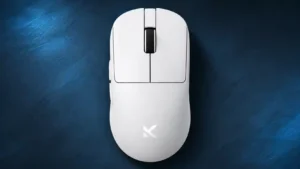
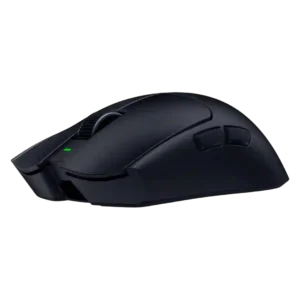
Scorata scores summarize analyzed review evidence on a 1–5 scale; they are not laboratory measurements or a simple average of customer star ratings. Feature scores summarize the reviews covering that feature. The overall score averages feature scores within each review, then combines review averages. When both expert and customer evidence are available, those two groups receive equal weight. Products can have different review coverage, so small score gaps do not establish a winner.
Recommendations prioritize important features for the category, with a score of at least 3.5, a gap of at least 0.25 points and at least two supporting reviews per product. Features with widely varying scores or broad connectivity contexts are excluded from recommendations. These safeguards do not establish statistical significance.
Quick verdict
What each product is best for
The review evidence points to a tradeoff: battery life and balance and weight distribution versus fingertip grip comfort and software usability. Choose according to which strengths matter more to you; the overall score alone does not settle that choice.
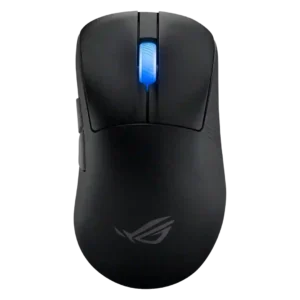
Choose ASUS ROG Keris II Ace for battery life and balance and weight distribution.
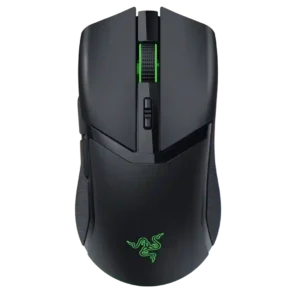
Choose Razer Cobra Pro for fingertip grip comfort and software usability.
Why these recommendations?
ASUS ROG Keris II Ace
Where It Has the Edge
battery life is 4.2 vs 3.9. Battery life was generally praised as good to excellent, with caveats that high polling rates and active use...
balance and weight distribution is 4.7 vs 2.5. Weight distribution was usually praised as well balanced, though one reviewer found the mouse slightly forward-balanced.
weight is 4.9 vs 3.3. Weight was consistently praised as very light, impressive, and control-friendly.
Razer Cobra Pro
Where It Has the Edge
fingertip grip comfort is 4.5 vs 3.3. Fingertip grip comfort was also strong, with the compact body and grip shape praised by multiple reviewers.
software usability is 3.9 vs 2.9. Software usability was mixed: Synapse offered deep control and customization, but several reviewers found it bloaty, unpleasant, or...
premium feel is 4.5 vs 3.5. Premium feel was praised in the grip, futuristic design, solid construction, and overall quality impression.
ASUS ROG Keris II Ace4.2 overall score
Razer Cobra Pro4.0 overall score
Compare features
Scores are out of 5. Missing scores mean missing review evidence, not a missing feature.
Scored on both products
Battery and charging
Battery life
ASUS ROG Keris II Ace
4.2
Battery life was generally praised as good to excellent, with caveats that high polling rates and active use drain it faster.
Razer Cobra Pro
3.9
Battery life was mixed overall: reviewers liked endurance with restrained lighting or Bluetooth, but RGB and HyperPolling could cut runtime sharply.
Charging convenience
ASUS ROG Keris II Ace
3.8
Charging and dongle convenience were mixed: USB-C and cable placement helped, but the booster/dongle setup could feel chunky.
Razer Cobra Pro
4.0
Charging convenience was useful but accessory-dependent, with praise for cable play-and-charge and dock charging offset by complaints that charging accessories cost extra.
Other features
Balance and weight distribution
ASUS ROG Keris II Ace
4.7
Weight distribution was usually praised as well balanced, though one reviewer found the mouse slightly forward-balanced.
Razer Cobra Pro
2.5
Balance and weight distribution were a recurring concern among critical reviewers, especially reports of rear heaviness, although one review noted the underside cover could slightly alter balance.
MMO gaming suitability
ASUS ROG Keris II Ace
4.0
MMO suitability had limited but positive evidence from FFXIV/raid use and button mapping comments.
Razer Cobra Pro
2.2
MMO gaming suitability was weak because reviewers said the Cobra Pro lacks enough inputs for MMO-style play.
Weight
ASUS ROG Keris II Ace
4.9
Weight was consistently praised as very light, impressive, and control-friendly.
Razer Cobra Pro
3.3
Weight drew the most divided responses: some liked the 77g middle ground, while many FPS-focused reviewers called it heavy, sluggish, or disproportionate for its size.
FPS gaming suitability
ASUS ROG Keris II Ace
4.8
FPS suitability was one of the strongest areas, with repeated praise for competitive aiming, speed, and esports performance.
Razer Cobra Pro
3.8
FPS gaming suitability was mixed: reviewers praised tracking and responsiveness, but ultralight-focused players often preferred lighter mice.
Cable flexibility
ASUS ROG Keris II Ace
4.5
The cable was usually praised as flexible, free-flowing, and low-friction, with one reviewer calling it a bit stiff.
Razer Cobra Pro
3.5
Cable flexibility was mixed, with some reviewers praising a strong, light cable and others finding it stiff or prone to pull.
Premium feel
ASUS ROG Keris II Ace
3.5
Premium feel was mixed: some found the mouse premium, while others felt the coating or hollow shell hurt the premium impression.
Razer Cobra Pro
4.5
Premium feel was praised in the grip, futuristic design, solid construction, and overall quality impression.
Cross-platform compatibility
ASUS ROG Keris II Ace
4.8
Cross-platform use was praised through Bluetooth multi-device pairing and easy movement between PCs, laptops, tablets, and handhelds.
Razer Cobra Pro
4.0
Cross-platform compatibility was supported by travel use with laptops and tablets, though evidence beyond that was limited.
Profile switching
ASUS ROG Keris II Ace
3.3
Profile switching was mixed, with praise for onboard switching but criticism of the underside DPI/profile button placement.
Razer Cobra Pro
3.8
Profile switching was polarizing: some liked stored profiles and software-free switching, while others found the underside button odd or awkward.
Lift-off distance
ASUS ROG Keris II Ace
3.8
Lift-off distance was mixed: one reviewer liked the low setting, while another found low too low and high too high.
Razer Cobra Pro
4.3
Lift-off distance and tracking-distance options were praised where tested, especially Synapse’s granular adjustment and asymmetric cut-off support.
Wireless latency
ASUS ROG Keris II Ace
4.1
Wireless latency was praised in 2.4GHz mode but Bluetooth was criticized as too latent for competitive gaming.
Razer Cobra Pro
4.6
Wireless latency was widely praised as low or imperceptible over HyperSpeed, while Bluetooth was treated as slower and less suitable for serious gaming.
Polling rate
ASUS ROG Keris II Ace
4.4
Polling rate support was widely praised, especially 4K wireless and included booster access, with some debate over 8K usefulness.
Razer Cobra Pro
3.9
Polling support was useful and sometimes praised for reducing lag, but reviewers noted higher rates require extra accessories and that the stock 1,000Hz rate trails some competitors.
Grip texture
ASUS ROG Keris II Ace
3.4
Grip texture was the most divided attribute, ranging from non-slip praise to strong complaints about slippery coating.
Razer Cobra Pro
3.8
Grip texture was divisive: many reviewers liked the rubberized sides, while others criticized wear, slipperiness, fingerprints, or the inability to remove the grips.
Handedness options
ASUS ROG Keris II Ace
2.0
Handedness scored low because reviewers repeatedly noted the right-handed ergonomic shape and lack of a left-handed option.
Razer Cobra Pro
2.4
Handedness options were weak because the symmetrical shell still places side buttons only on one side, limiting true left-handed usability.
DPI range
ASUS ROG Keris II Ace
4.0
The DPI ceiling was seen as technically impressive, but one reviewer found very high DPI practically unusable.
Razer Cobra Pro
3.6
DPI control was mixed: dedicated up/down controls were praised for fast switching, but some reviewers called 30,000 DPI overkill, wonky at extremes, or cheaply implemented on the top buttons.
Scroll wheel quality
ASUS ROG Keris II Ace
3.6
Scroll wheel quality was mixed, ranging from excellent and distinct to average, light, or prone to overscrolling.
Razer Cobra Pro
4.0
Scroll wheel feedback was mixed: some reviewers found it secure, precise, or solid, while others disliked the locked, bumpy, or ordinary feel.
Onboard memory
ASUS ROG Keris II Ace
4.8
Onboard control and memory features were praised when reviewers could change settings or avoid software.
Razer Cobra Pro
4.4
Onboard memory was praised for storing profiles and reducing dependence on software once settings were configured.
Switch feel
ASUS ROG Keris II Ace
4.1
Switch feel was mixed but often positive, with some crisp/punchy praise and some dull or mushy complaints.
Razer Cobra Pro
4.4
Switch feel was generally praised as tactile, clicky, satisfying, and premium, though a few reviewers found the feel heavier or preferred other switch implementations.
Connection stability
ASUS ROG Keris II Ace
5.0
Connection stability was strongly praised, with reviewers reporting no dropouts, hiccups, or interference.
Razer Cobra Pro
4.7
Connection stability was positively supported by reviewers who reported no connectivity or reliability issues.
Motion consistency
ASUS ROG Keris II Ace
4.5
Motion consistency was praised through comments about precise recognition, consistent tracking, and polling stability.
Razer Cobra Pro
4.8
Motion consistency was praised in one review that found movement smoother and more accurate than most mice in the reviewer’s collection.
Surface compatibility
ASUS ROG Keris II Ace
4.9
Surface compatibility was strongly praised, including glass, mouse pads, tables, and varied surfaces.
Razer Cobra Pro
4.6
Surface compatibility was strong, with reviewers praising tracking on glass and other surfaces, plus calibration for changing setups.
RGB features
ASUS ROG Keris II Ace
4.4
RGB was generally appreciated as a rare lightweight-mouse touch, though a few reviewers disliked the implementation.
Razer Cobra Pro
4.6
RGB was one of the strongest positives, repeatedly praised for vivid underglow, tasteful placement, and customization, though it affected battery life.
Click latency
ASUS ROG Keris II Ace
4.5
Click latency was praised as very low or competitive, including measured or perceived fast response.
Razer Cobra Pro
4.7
Click latency was viewed positively, with optical switches and wireless performance described as low-latency or delay-free in gaming use.
Glide smoothness
ASUS ROG Keris II Ace
4.6
Glide smoothness was consistently praised across stock PTFE feet and multiple surfaces.
Razer Cobra Pro
4.7
Glide smoothness was one of the most consistent positives, with PTFE feet described as smooth, controlled, effortless, or excellent.
Ecosystem integration
ASUS ROG Keris II Ace
4.5
Ecosystem integration was praised where reviewers used the Omni receiver or Aura Sync-style setup without delays.
Razer Cobra Pro
4.4
Ecosystem integration was a strength for Razer users, with multi-device dongles, Chroma sync, onboard profiles, and Razer accessory compatibility praised.
2.4GHz connectivity
ASUS ROG Keris II Ace
4.5
Reviewers discussed the 2.4GHz receiver mainly as part of the broader wireless setup, with praise for low-latency use when paired with the booster.
Razer Cobra Pro
4.5
2.4GHz connectivity was viewed as the preferred gaming mode thanks to fast, low-latency HyperSpeed use and dongle placement options.
Portability
ASUS ROG Keris II Ace
4.5
Portability was supported by dongle storage, Bluetooth, and multi-device/travel use.
Razer Cobra Pro
4.5
Portability was a positive for the compact body, dongle storage, and laptop-bag use.
Left and right click quality
ASUS ROG Keris II Ace
4.2
Left and right click quality was mostly positive, with praise for consistency and similar actuation between sides.
Razer Cobra Pro
4.1
Main click quality was generally positive for speed and confidence, but one reviewer preferred competing click implementations.
Acceleration control
ASUS ROG Keris II Ace
4.5
The acceleration spec was only scored where a reviewer connected the 50g capability to confident fast maneuvers in FPS play.
Razer Cobra Pro
4.5
Acceleration capability received one positive performance-oriented mention tying the 70G rating to a high placement on the performance leaderboard.
Controls and connectivity
Software stability
ASUS ROG Keris II Ace
4.0
Software stability had limited evidence, with Armoury Crate Gear praised for not affecting system performance.
Razer Cobra Pro
2.2
Software stability had limited negative support from one reviewer who said Synapse had been less stable than in the past.
Software usability
ASUS ROG Keris II Ace
2.9
Software usability was the clearest weakness, with repeated complaints about Armoury Crate being bloated, slow, or needing improvement.
Razer Cobra Pro
3.9
Software usability was mixed: Synapse offered deep control and customization, but several reviewers found it bloaty, unpleasant, or only necessary for advanced setup.
Side button quality
ASUS ROG Keris II Ace
3.8
Side button quality was mixed: several reviewers praised crisp placement, while others found them small, high, or stiff.
Razer Cobra Pro
4.4
Side buttons were usually praised for access, low travel, and tactility, with a few reviewers finding them softer or simply adequate.
Button customization
ASUS ROG Keris II Ace
4.0
Customization was considered adequate to strong where reviewers described remapping, DPI, and profile tools as straightforward or sufficient.
Razer Cobra Pro
4.6
Button customization was a clear strength, with Synapse remapping, profiles, and extra functions repeatedly praised as useful.
Bluetooth support
ASUS ROG Keris II Ace
4.5
Bluetooth was viewed as a useful convenience for work, travel, and multi-device use, not as the preferred competitive mode.
Razer Cobra Pro
4.0
Bluetooth support was valued for travel, laptops, and productivity, but multiple reviewers warned it adds latency for serious gaming.
Button responsiveness
ASUS ROG Keris II Ace
4.8
Button responsiveness was praised for snappy, reliable, and fast actuation in several reviews.
Razer Cobra Pro
4.4
Button responsiveness was mostly strong, with fast, precise, solid clicks, though a few reviewers found some top controls harder to reach or less convenient.
Programmable buttons
ASUS ROG Keris II Ace
4.0
Programmable buttons were considered competitive and sufficient for this class, though not extensive like MMO mice.
Razer Cobra Pro
4.0
Programmable-button opinions were mixed: reviewers liked the extra utility, but some said the 10-control claim was inflated by underside or scroll functions.
Comfort and build
Durability over time
ASUS ROG Keris II Ace
4.0
Long-term durability was not directly tested, but switch durability and repairability evidence supported limited durability scoring.
Razer Cobra Pro
2.5
Durability over time had limited negative evidence, focused on rubber side grips wearing down.
Fingertip grip comfort
ASUS ROG Keris II Ace
3.3
Fingertip grip comfort was mixed; some found it possible, while others found the ergonomic shell awkward for fingertip use.
Razer Cobra Pro
4.5
Fingertip grip comfort was also strong, with the compact body and grip shape praised by multiple reviewers.
Long-session comfort
ASUS ROG Keris II Ace
4.8
Long-session comfort was strongly positive where reviewers mentioned low strain, no hand pain, or reduced fatigue.
Razer Cobra Pro
3.8
Long-session comfort was mixed, with some reviewers reporting fatigue-free use and others finding the mouse cumbersome or uncomfortable over time.
Ergonomic design
ASUS ROG Keris II Ace
4.5
The ergonomic design was broadly praised for right-handed comfort, while left-handed users were consistently excluded.
Razer Cobra Pro
3.8
Ergonomic design was context-dependent: reviewers liked the compact streamlined design for gaming, but larger hands and productivity-first users often preferred larger ergonomic mice.
Materials quality
ASUS ROG Keris II Ace
4.5
Materials quality was scored through reviewer judgments about the nylon/PBT shell, coating, and perceived premium or slippery feel.
Razer Cobra Pro
4.0
Materials quality received limited but positive support from a reviewer who called the skates high quality.
Palm grip comfort
ASUS ROG Keris II Ace
4.2
Palm grip comfort was positive for average or compatible hands, though not universal for larger hands.
Razer Cobra Pro
3.8
Palm grip comfort depended heavily on hand size, working for small-to-medium hands but not for larger palm-grip users.
Claw grip comfort
ASUS ROG Keris II Ace
4.4
Claw-grip comfort was generally positive, especially relaxed claw, though hand size affected comfort.
Razer Cobra Pro
4.6
Claw grip comfort was consistently strong, with reviewers repeatedly identifying claw grip as one of the Cobra Pro’s best fits.
Shape comfort
ASUS ROG Keris II Ace
4.2
Shape comfort was generally praised, especially for right-handed ergonomic users, but hand size and finger length created caveats.
Razer Cobra Pro
4.3
Shape comfort was broadly positive for small and medium hands and mixed grip styles, but reviewers with larger hands or Viper Mini expectations were less convinced.
Build quality
ASUS ROG Keris II Ace
4.5
Build quality was mostly strong, with repeated praise for rigidity and lack of flex, though one reviewer reported average build with creaking.
Razer Cobra Pro
4.5
Build quality was mostly praised as sturdy, solid, and high-quality, although one critical reviewer felt the overall product lacked refinement.
Switch durability
ASUS ROG Keris II Ace
4.5
Switch durability was scored where reviewers linked optical switches to double-click prevention, hot-swapping, or durability.
Razer Cobra Pro
4.5
Switch durability was supported by reviewer confidence in long click life, though most mentions of the 90-million-click rating were factual rather than tested long-term.
Performance
Click noise
ASUS ROG Keris II Ace
4.2
Click noise impressions were mixed, from quiet and pleasant to fairly loud, depending on reviewer and switch comparison.
Razer Cobra Pro
3.8
Click noise was mixed but generally acceptable, ranging from pronounced and loud to pleasant rather than overpowering.
Wireless performance
ASUS ROG Keris II Ace
4.8
Wireless performance was repeatedly praised as low-latency, stable, and responsive.
Razer Cobra Pro
4.7
Wireless performance was strong, with reviewers reporting responsive 2.4GHz performance, seamless response, and no perceptible latency in normal wireless play.
Sensor performance
ASUS ROG Keris II Ace
4.9
Sensor performance was one of the best-reviewed areas, repeatedly described as accurate, top-tier, or flawless.
Razer Cobra Pro
4.8
The Focus Pro sensor was a major strength, repeatedly described as smooth, accurate, and top-tier, with only skeptical reviewers focusing more on the mouse’s design than sensor output.
Tracking and training
Accuracy and tracking precision
ASUS ROG Keris II Ace
4.5
Reviewers consistently praised tracking accuracy and precision, with only one reviewer warning that extreme DPI values became irregular.
Razer Cobra Pro
4.7
Reviewers largely praised tracking as accurate and precise across fast gaming, fine movements, and multiple surfaces, with one caveat that very high DPI could become jittery.
Ownership and support
Value for money
ASUS ROG Keris II Ace
3.6
Value was mixed: reviewers praised the feature set but often called the price expensive or hard to justify.
Razer Cobra Pro
3.6
Value for money was sharply divided: some reviewers saw a premium package worth the price, while others criticized the high base price and extra accessory costs.
Evidence available for one product
Other features
AI Prompt Master
ASUS ROG Keris II AceNo score yet
Razer Cobra Pro
4.2
One review positively mentioned AI functions as performance-enhancing, but this attribute had limited support compared with core mouse features.
Dock compatibility
ASUS ROG Keris II AceNo score yet
Razer Cobra Pro
3.7
Dock compatibility was useful for charging and HyperPolling when available, but reviewers noted limited dock compatibility and added cost.
MOBA gaming suitability
ASUS ROG Keris II AceNo score yet
Razer Cobra Pro
2.2
MOBA gaming suitability was similarly weak because reviewers wanted more extra keys for MOBA use.
Ownership and support
Macro support
ASUS ROG Keris II AceNo score yet
Razer Cobra Pro
3.8
Macro support was split: some reviewers praised easy macros and presets, while another noted the software did not offer fully programmable macros in their assessment.
Comfort and build
Skate durability
ASUS ROG Keris II Ace
4.0
Skate durability had limited evidence, but one reviewer said the skates held up well on glass.
Choose the ROG Harpe II Ace for ultralight FPS play, precise tracking, smooth glide, and web-based tuning. Skip it if you need palm-grip support, MMO buttons, onboard profiles, or long...
Excellent tracking, comfortable right-handed ergonomics and a versatile scroll wheel make the Basilisk V3 a strong gaming and productivity mouse. Its substantial weight, fixed cable and sometimes over-sensitive automatic scrolling...
The L7 Pro delivers remarkably light handling, precise aiming and a grippy shell at a budget price. Stock skates are less impressive, and conflicting click-latency measurements warrant caution for latency-sensitive...
Best for ultra-light, competition-focused speed, precise tracking, stable wireless, and long battery life. Skip it if you need quieter clicks, left-handed support, Bluetooth, more buttons, or better value for casual...