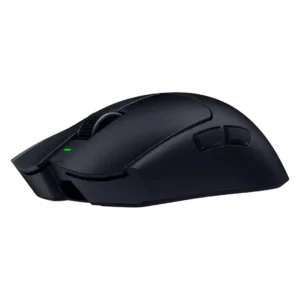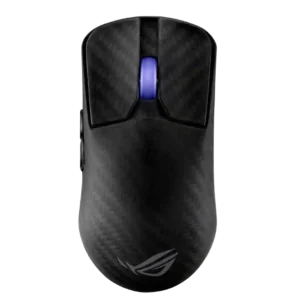
Average score
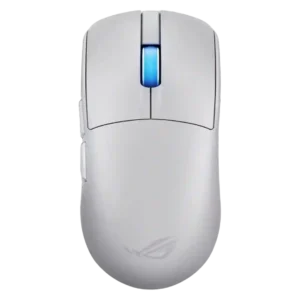
ROG Harpe Ace Extreme
4.0
value for money
ROG Harpe Ace Extreme
2.3
Value for money was the most consistent weakness because reviewers repeatedly questioned the extreme $250 price.
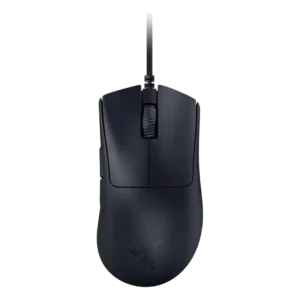
Razer DeathAdder V3
4.8
Value for money was strong overall, especially at lower prices, though one reviewer thought the feature set made the price a little high.
software stability
ROG Harpe Ace Extreme
2.3
Software stability was a repeated weakness, including pop-ups, broken download flow, setup issues, and older software not working.
Razer DeathAdder V3
4.5
Software stability evidence was limited but positive, with one reviewer reporting no issues with settings being forgotten.
portability
ROG Harpe Ace Extreme
4.4
Portability was praised because of the included carrying case and travel-focused accessory setup.
Razer DeathAdder V3
2.2
Portability was a weakness because reviewers cited the large body, fixed cable, and wired setup as inconvenient for travel.
charging convenience
ROG Harpe Ace Extreme
3.0
Charging convenience was only lightly discussed, with USB-C charging working but the included cable feeling somewhat stiff to one reviewer.
Razer DeathAdder V3
5.0
Charging convenience was praised because the wired design avoids charging and battery maintenance entirely.
click noise
ROG Harpe Ace Extreme
3.0
Click noise was a caveat: reviewers found the switches crisp or pleasant but often not quiet, and sometimes quite loud.
Razer DeathAdder V3
5.0
Click noise evidence was limited but positive, with one reviewer saying the clicks were quieter than a comparable Razer mouse.
palm grip comfort
ROG Harpe Ace Extreme
3.1
Palm grip comfort was polarizing: large-hand users could find support, while several reviewers found the shape too short, high, or irritating.
Razer DeathAdder V3
4.8
Palm grip comfort was strongly praised, with reviewers repeatedly identifying palm grip and medium-to-large hands as the best fit.
ergonomic design
ROG Harpe Ace Extreme
3.5
Ergonomics split by hand size and preference: some praised prolonged comfort, while others found the elongated hump restrictive.
Razer DeathAdder V3
4.9
Ergonomic design was a standout strength, repeatedly described as comfortable, hand-friendly, and effective for longer gaming sessions.
materials quality
ROG Harpe Ace Extreme
4.4
Materials quality was generally a highlight because of the carbon fiber shell, though some disliked the plastic side contrast.
Razer DeathAdder V3
3.0
Materials quality was mixed, with criticism of cable fit or cheap-looking underside balanced against otherwise solid construction.
long-session comfort
ROG Harpe Ace Extreme
3.5
Long-session comfort depended on use: the shape could support longer play, but the stiff scroll wheel or hump bothered some reviewers.
Razer DeathAdder V3
4.8
Long-session comfort was praised, especially for large-hand users who benefit from the low weight and ergonomic shape.
profile switching
ROG Harpe Ace Extreme
4.5
Profile switching was useful because profiles and key settings could be handled on-mouse or saved without keeping software open.
Razer DeathAdder V3
3.3
Profile switching was mixed, with convenient profile toggling offset by complaints about the underside DPI/profile button placement.
onboard memory
ROG Harpe Ace Extreme
4.5
Onboard memory was appreciated because settings could be saved and the software avoided after setup.
Razer DeathAdder V3
3.3
Onboard memory was mixed because profiles exist, but one reviewer criticized internal memory limitations for button assignments.
DPI range
ROG Harpe Ace Extreme
4.0
DPI/CPI range was technically extreme and often praised, though some reviewers viewed the 42,000 DPI figure as excessive marketing.
Razer DeathAdder V3
5.0
DPI range evidence was positive, with reviewers treating the 30K ceiling and wider adjustment range as a precision benefit.
handedness options
ROG Harpe Ace Extreme
3.0
Handedness was mixed because the shell is symmetrical, but side-button placement limits true left-handed usability.
Razer DeathAdder V3
2.0
Handedness options were a limitation because reviewers repeatedly emphasized the right-handed-only shape.
switch durability
ROG Harpe Ace Extreme
4.0
Switch durability was supported by the reviewer’s description of durable 100-million-actuation optical switches.
Razer DeathAdder V3
5.0
Switch durability evidence was limited but positive, with the high click-life rating treated as a strong durability point.
side button quality
ROG Harpe Ace Extreme
3.8
Side button quality was highly split, with praise for tactility and implementation but criticism of size, force, and forward placement.
Razer DeathAdder V3
4.7
Side button quality was mostly praised for placement, tactile feel, and low accidental-press risk, though one reviewer struggled with reach.
fingertip grip comfort
ROG Harpe Ace Extreme
3.4
Fingertip comfort depended heavily on hand size, with some reviewers finding it workable and others saying the mouse was too large.
Razer DeathAdder V3
2.6
Fingertip grip comfort was mixed-to-negative because the large hump and body often limited fingertip control for smaller hands.
programmable buttons
ROG Harpe Ace Extreme
2.8
Programmable buttons were functional but limited, with reviewers repeatedly noting the basic five-button layout.
Razer DeathAdder V3
3.5
Programmable-button feedback was mixed because the buttons are useful and remappable, but reviewers also saw the mouse as basic with few extra inputs.
balance and weight distribution
ROG Harpe Ace Extreme
4.7
Balance feedback was consistently positive where mentioned, with reviewers saying the light shell stayed well distributed in hand.
Razer DeathAdder V3
4.0
Balance was slightly front-heavy in two reviews, but reviewers generally described the imbalance as minor and not disruptive.
lift-off distance
ROG Harpe Ace Extreme
3.8
Lift-off distance support was considered useful, but limited setting depth kept it from being universally praised.
Razer DeathAdder V3
4.4
Lift-off distance was viewed as a useful tuning feature, though some reviewers framed it as niche or only useful for advanced users.
switch feel
ROG Harpe Ace Extreme
3.9
Switch feel was mostly positive but not unanimous, with praise for tactile optical clicks alongside complaints about squish or slow rebound.
Razer DeathAdder V3
4.6
Switch feel was generally positive thanks to crisp or satisfying optical clicks, though a few reviewers found them hollow, mushy, or less pleasant than mechanical switches.
grip texture
ROG Harpe Ace Extreme
3.8
Grip texture was mixed: carbon fiber and grooves helped, but some reviewers still found the plastic sides slippery.
Razer DeathAdder V3
4.3
Grip texture was mostly praised as smooth, grippy, or improved, though a few reviewers found it slippery or requiring extra force.
click latency
ROG Harpe Ace Extreme
4.5
Click latency was praised as very low, although high polling gains were often framed as marginal in real-world play.
Razer DeathAdder V3
5.0
Click latency was strongly praised, with reviewers describing the wired optical-switch setup as very fast and responsive.
durability over time
ROG Harpe Ace Extreme
4.5
Durability over time was supported mainly by the carbon-fiber shell and secure grip, but long-term skate durability remained more uncertain.
Razer DeathAdder V3
5.0
Durability over time evidence was positive but limited, with reviewers expecting stable construction to last through years of gaming.
motion consistency
ROG Harpe Ace Extreme
4.5
Motion consistency was praised through consistent tracking, Motion Sync, and stable sensor behavior.
Razer DeathAdder V3
5.0
Motion consistency evidence was limited but very positive, with one reviewer reporting no stutters, missed movements, or unexpected shifts.
FPS gaming suitability
ROG Harpe Ace Extreme
4.6
FPS suitability was strong, with reviewers linking its low weight, fast sensor, and responsive inputs to competitive shooter use.
Razer DeathAdder V3
5.0
FPS gaming suitability was one of the strongest areas, with repeated praise for speed, weight, clicks, tracking, and esports focus.
weight
ROG Harpe Ace Extreme
4.6
Weight was a major strength, with reviewers praising the roughly 47g body as extremely light for its size and construction.
Razer DeathAdder V3
5.0
Weight was one of the clearest strengths, with reviewers repeatedly praising the sub-60g build as light, fast, and fatigue-reducing.
build quality
ROG Harpe Ace Extreme
4.6
Build quality was one of the strongest areas, with most reviewers praising the solid carbon-fiber structure and lack of flex, aside from isolated defects.
Razer DeathAdder V3
5.0
Build quality was strongly praised, with reviewers repeatedly reporting no creaking, flex, rattling, or quality-control issues.
shape comfort
ROG Harpe Ace Extreme
3.6
Shape comfort was one of the most preference-dependent areas, praised as safe and comfortable by some but too long or awkward by others.
Razer DeathAdder V3
4.0
Shape comfort was strong for the right user but divisive, praised for large or palm-oriented hands and criticized by some smaller-hand or fingertip users.
cable flexibility
ROG Harpe Ace Extreme
3.6
Cable impressions were mixed: some found it flexible and lightweight, while others thought it was stiff or simply not very good.
Razer DeathAdder V3
4.0
Cable flexibility was highly divisive, ranging from light and unobtrusive to stiff, heavy, or merely passable.
button responsiveness
ROG Harpe Ace Extreme
4.7
Button responsiveness was usually praised as crisp, fast, and immediate, though one reviewer found the switches less spammable.
Razer DeathAdder V3
5.0
Button responsiveness was praised across reviews, especially for fast feedback and tight repeated clicking during games.
surface compatibility
ROG Harpe Ace Extreme
4.7
Surface compatibility was strong, with reliable tracking and calibration across several desk, pad, and material types.
Razer DeathAdder V3
5.0
Surface compatibility evidence was limited but positive, with one reviewer praising gliding on different surfaces.
premium feel
ROG Harpe Ace Extreme
4.5
Premium feel was strong overall, driven by the carbon fiber finish, packaging, accessories, and showpiece presentation.
Razer DeathAdder V3
4.8
Premium feel was praised in limited evidence, particularly for the logo finish and improved coating feel.
sensor performance
ROG Harpe Ace Extreme
4.7
Sensor performance was consistently strong, with reviewers calling it top-tier, flawless, responsive, and worry-free.
Razer DeathAdder V3
5.0
Sensor performance was a major strength, with reviewers repeatedly calling the Focus Pro 30K implementation accurate, responsive, stable, or flawless.
scroll wheel quality
ROG Harpe Ace Extreme
3.9
Scroll wheel quality varied widely, from precise and well-defined to stiff, small, fatiguing, or underwhelming.
Razer DeathAdder V3
3.6
Scroll wheel quality was one of the more mixed areas, ranging from smooth and reliable to soft, indistinct, loose, or insufficiently clicky.
RGB features
ROG Harpe Ace Extreme
3.1
RGB was mixed: reviewers liked that lighting remained on an ultralight mouse, but the single scroll-wheel zone was limited or distracting.
Razer DeathAdder V3
3.0
RGB feedback was context-dependent: some reviewers missed RGB, while esports-focused reviewers liked or accepted the no-RGB design.
glide smoothness
ROG Harpe Ace Extreme
4.5
Glide was widely praised on PTFE and glass feet, though the very smooth glass feet sometimes required adjustment.
Razer DeathAdder V3
4.4
Glide smoothness was generally strong thanks to PTFE feet and smooth movement, though a few reviewers disliked or replaced the stock skates.
button customization
ROG Harpe Ace Extreme
4.0
Button remapping and assignment were available and generally treated as straightforward, especially through the lighter Armoury Crate Gear software.
Razer DeathAdder V3
4.1
Button customization was positive overall through Synapse remapping and Hypershift, but reviewers still considered overall customization limited.
polling rate
ROG Harpe Ace Extreme
4.0
Polling rate was a headline strength, but reviewers often questioned the practical value of 8K versus its battery cost.
Razer DeathAdder V3
4.1
Polling-rate feedback was positive overall, but mixed in practice: reviewers liked 8,000Hz support while some saw little benefit or stuttering.
claw grip comfort
ROG Harpe Ace Extreme
3.9
Claw grip comfort was generally good for medium to large hands, but smaller-handed reviewers found some button and hump geometry awkward.
Razer DeathAdder V3
4.0
Claw grip comfort was mixed-to-positive, working well for some larger-hand users but less naturally for others.
software usability
ROG Harpe Ace Extreme
3.4
Software usability improved with Armoury Crate Gear, but reviewers still found it overkill, basic, or troublesome depending on setup.
Razer DeathAdder V3
3.5
Software usability was mixed: Synapse was useful and intuitive for settings, but one reviewer called it bloated and frustrating.
left and right click quality
ROG Harpe Ace Extreme
4.1
Main click quality ranged from exceptional praise to isolated complaints about pre-travel, post-travel, or a defective left click.
Razer DeathAdder V3
4.1
Main click quality was mixed: several reviewers liked the left and right clicks, while one found them floaty with too much movement.
Accuracy and tracking precision
ROG Harpe Ace Extreme
5.0
Tracking precision drew strong praise across tests, with reviewers repeatedly describing accurate, responsive, and reliable movement across games and surfaces.
Razer DeathAdder V3
5.0
Reviewers consistently praised tracking accuracy and in-game precision, with no meaningful complaints about aim or cursor accuracy.
2.4GHz connectivity
ROG Harpe Ace Extreme
3.8
Reviewers liked that 2.4 GHz mode unlocked the mouse’s strongest gaming performance, though one reviewer reported a connection issue.
Razer DeathAdder V3No score yet
acceleration control
ROG Harpe Ace ExtremeNo score yet
Razer DeathAdder V3
5.0
Acceleration-related performance was praised in the broader performance package, with reviewers reporting no concerns and strong online-game responsiveness.
battery life
ROG Harpe Ace Extreme
3.4
Battery life was mixed: acceptable to strong at lower polling rates, but clearly reduced at 8K and behind some flagship competitors.
Razer DeathAdder V3No score yet
Bluetooth support
ROG Harpe Ace Extreme
4.3
Bluetooth was treated as a useful convenience and notable inclusion on such a lightweight esports-focused mouse.
Razer DeathAdder V3No score yet
connection stability
ROG Harpe Ace Extreme
4.4
Connection stability was mostly strong, but a few reviewers reported receiver dropouts or 8K-related interruptions.
Razer DeathAdder V3No score yet
ecosystem integration
ROG Harpe Ace Extreme
4.0
Ecosystem integration was seen as a useful bonus for users already invested in Asus gear, especially shared receiver support.
Razer DeathAdder V3No score yet
firmware reliability
ROG Harpe Ace Extreme
2.5
Firmware reliability had limited but important criticism, with one reviewer reporting random shutoffs at 8K despite firmware updates.
Razer DeathAdder V3No score yet
macro support
ROG Harpe Ace ExtremeNo score yet
Razer DeathAdder V3
3.5
Macro support was adequate but limited: Hypershift helped, while the small number of extra macro inputs held it back.
skate durability
ROG Harpe Ace Extreme
3.1
Skate durability and skate impressions were mixed: PTFE and glass skates felt good, while glass longevity and control raised caveats.
Razer DeathAdder V3No score yet
tilt gesture controls
ROG Harpe Ace ExtremeNo score yet
Razer DeathAdder V3
2.0
Tilt gesture control support was a weakness because one reviewer specifically wished the scroll wheel had tilt functionality.
wireless latency
ROG Harpe Ace Extreme
4.5
Wireless latency was generally praised as very low or responsive, though reviewers questioned how much 8K improves real gameplay.
Razer DeathAdder V3No score yet
wireless performance
ROG Harpe Ace Extreme
4.4
Wireless performance was mostly excellent, with strong SpeedNova praise and stable performance, offset by a few connection complaints.
Razer DeathAdder V3No score yet