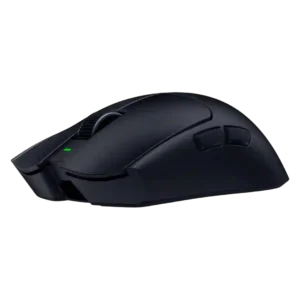
Scorata scores summarize analyzed review evidence on a 1–5 scale; they are not laboratory measurements or a simple average of customer star ratings. Feature scores summarize the reviews covering that feature. The overall score averages feature scores within each review, then combines review averages. When both expert and customer evidence are available, those two groups receive equal weight. Products can have different review coverage, so small score gaps do not establish a winner.
Recommendations prioritize important features for the category, with a score of at least 3.5, a gap of at least 0.25 points and at least two supporting reviews per product. Features with widely varying scores or broad connectivity contexts are excluded from recommendations. These safeguards do not establish statistical significance.
Quick verdict
What each product is best for
The review evidence points to a tradeoff: profile switching and click noise versus palm grip comfort and DPI range. Choose according to which strengths matter more to you; the overall score alone does not settle that choice.
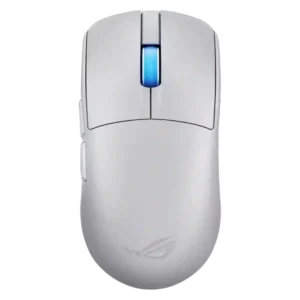
Choose ASUS ROG Harpe II Ace for profile switching and click noise.
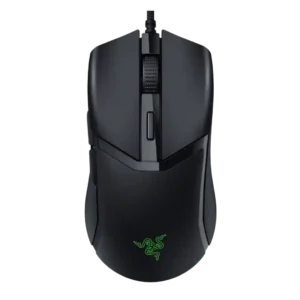
Choose Razer Cobra for palm grip comfort and DPI range.
Why these recommendations?
ASUS ROG Harpe II Ace
Where It Has the Edge
profile switching is 4.3 vs 2.5. Profile and mode switching drew positive reactions for Zone Mode convenience, but underside DPI/profile controls created a usability...
click noise is 3.9 vs 2.3. Click noise was acceptable to positive: one reviewer found clicks louder than the predecessor, while another found the...
side button quality is 4.6 vs 3.1. Side buttons were broadly praised for placement, crispness, accessibility, and reduced accidental presses.
Razer Cobra
Where It Has the Edge
palm grip comfort is 4.8 vs 3.6. Palm grip comfort was positive in the reviews that tested it, especially for medium or smaller hands.
DPI range is 4.3 vs 3.9. DPI and sensitivity were considered sufficient for most users, with reviewers finding the 8500 DPI range smooth or...
value for money is 4.6 vs 4.3. Value was a consistent strength, with reviewers calling the Cobra affordable, impressive for the price, or a strong...
ASUS ROG Harpe II Ace4.6 overall score
Razer Cobra4.2 overall score
Compare features
Scores are out of 5. Missing scores mean missing review evidence, not a missing feature.
Scored on both products
Other features
Profile switching
ASUS ROG Harpe II Ace
4.3
Profile and mode switching drew positive reactions for Zone Mode convenience, but underside DPI/profile controls created a usability caveat.
Razer Cobra
2.5
Profile switching was a drawback because reviewers noted the single-profile limit or friction when changing scenarios.
Cross-platform compatibility
ASUS ROG Harpe II Ace
4.7
Cross-platform compatibility was positive because web-based settings and easy PC/Mac switching made the mouse flexible across devices.
Razer Cobra
3.0
Cross-platform compatibility was mixed because the mouse works on Windows and Mac, but the software support was described as Windows-only.
Switch feel
ASUS ROG Harpe II Ace
4.6
Switch feel was generally crisp and clean, though one reviewer found the switches merely okay rather than best-in-class.
Razer Cobra
3.8
Switch feel was mixed-positive: many liked the satisfying optical clicks, while some found them hollow or unusual at first.
Surface compatibility
ASUS ROG Harpe II Ace
4.7
Surface compatibility was positive, including praise for tracking on varied surfaces and tempered glass, with one reviewer still recommending cloth pads.
Razer Cobra
4.0
Surface compatibility was positive, with reviewers finding it usable on desk mats, wood, mouse pads, and other materials, despite more drag on rough wood.
Grip texture
ASUS ROG Harpe II Ace
4.4
Grip texture was mostly positive for grippy coatings and matte finishes, but some reviewers disliked slipperiness or fingerprints.
Razer Cobra
3.8
Grip texture was mixed: several reviewers liked the grippy texture, while others wished for more rubber or found the coating low-grip.
Premium feel
ASUS ROG Harpe II Ace
4.7
Premium feel was consistently strong, with reviewers describing high-quality impressions, sturdy construction, and a solid premium feel.
Razer Cobra
4.1
Premium feel was mostly positive for the price, though one first-impression review felt the clicks made the mouse seem mediocre.
FPS gaming suitability
ASUS ROG Harpe II Ace
4.8
FPS suitability was extremely strong, with repeated shooter-focused praise around instant reactions, precision, and competitive advantage.
Razer Cobra
4.3
FPS suitability was positive for small to medium hands and lightweight preferences, though one reviewer suggested top-tier FPS players may want a better sensor.
Left and right click quality
ASUS ROG Harpe II Ace
4.3
Left and right click quality was mostly strong, but one early unit had main-trigger rattle, creating a mild build-related caveat.
Razer Cobra
3.8
Left and right click quality was mixed, ranging from firm and clean to hollow or weaker than expected.
Scroll wheel quality
ASUS ROG Harpe II Ace
4.5
Scroll wheel feedback was positive overall for precision, tactile notches, smoothness, and tension, with some productivity limitations noted.
Razer Cobra
4.0
Scroll wheel quality was mixed: several reviewers liked the tactile or firm feel, but others found it mushy, low, or weak.
Polling rate
ASUS ROG Harpe II Ace
4.4
8K polling was praised as a serious competitive feature, though several reviewers said gains can be subtle and battery cost rises at high rates.
Razer Cobra
4.0
Polling rate was viewed as suitable for most gamers rather than elite or unusually high-end.
Cable flexibility
ASUS ROG Harpe II Ace
4.8
Cable flexibility had limited but positive evidence, with one reviewer calling the included cable thin and flexible.
Razer Cobra
4.4
The SpeedFlex-style cable was repeatedly praised as flexible, light, and low-drag, making the wired design less intrusive.
Onboard memory
ASUS ROG Harpe II Ace
2.0
Onboard memory was the clearest functional drawback: one reviewer explicitly called its absence a downside for multi-PC use.
Razer Cobra
2.3
Onboard memory was a clear limitation, with reviews noting only one profile or no saved settings across computers.
DPI range
ASUS ROG Harpe II Ace
3.9
The 42,000 DPI ceiling was seen as impressive but partly overkill, with reviewers noting most players will never use such a high range.
Razer Cobra
4.3
DPI and sensitivity were considered sufficient for most users, with reviewers finding the 8500 DPI range smooth or workable in practice.
Balance and weight distribution
ASUS ROG Harpe II Ace
4.7
Balance and weight distribution received strong praise from reviewers who found the mouse well balanced and natural in hand.
Razer Cobra
4.5
One review praised the centered weight balance for keeping the mouse stable.
Glide smoothness
ASUS ROG Harpe II Ace
4.7
Glide smoothness was one of the clearest strengths, with reviewers praising smooth, low-friction movement across pads and stock feet.
Razer Cobra
4.8
Glide smoothness was strongly praised across reviews, with repeated comments about low drag, smooth feet, and easy movement.
Motion consistency
ASUS ROG Harpe II Ace
4.9
Motion consistency was rated strongly, with reviewers reporting stable cursors, reliable tracking, and no jitter under fast movement.
Razer Cobra
5.0
Motion consistency was excellent in the tested evidence, with reviewers reporting no lag, jitters, skip, or sensor dropout.
RGB features
ASUS ROG Harpe II Ace
4.4
RGB was treated as a small but useful extra, mainly around the illuminated scroll wheel and controllable logo lighting.
Razer Cobra
4.3
RGB features were generally praised for subtle, attractive lighting and customization, with one reviewer personally less enthusiastic.
Click latency
ASUS ROG Harpe II Ace
4.8
Click latency evidence was limited but positive, with optical switches described as avoiding debounce delay.
Razer Cobra
4.8
Click latency evidence was positive, with reviewers emphasizing optical-switch responsiveness, zero debounce, and reduced delay.
Acceleration control
ASUS ROG Harpe II Ace
5.0
Acceleration control was specifically praised in testing where the reviewer found no jitter, skipping, or unwanted acceleration.
Razer Cobra
5.0
High-speed movement and acceleration did not cause sensor skip in the reviewer evidence.
Weight
ASUS ROG Harpe II Ace
4.7
The ultralight weight was one of the strongest points across reviews, repeatedly described as excellent, headline-worthy, and easy to move.
Razer Cobra
4.7
Weight was consistently praised as light, comfortable, and well suited to fast movement without feeling cheap.
Performance
Click noise
ASUS ROG Harpe II Ace
3.9
Click noise was acceptable to positive: one reviewer found clicks louder than the predecessor, while another found the optical sound mild.
Razer Cobra
2.3
Click noise was a repeated drawback, with reviewers noting the clicks are loud enough to bother people in quiet spaces.
Sensor performance
ASUS ROG Harpe II Ace
4.7
Sensor feedback was highly positive overall, with reviewers reporting precise or flawless tracking and only mild caveats that extreme DPI is mostly beyond normal use.
Razer Cobra
4.9
Sensor performance was strongly positive overall, with reviewers praising responsiveness, stability, calibration, and real-world tracking.
Controls and connectivity
Side button quality
ASUS ROG Harpe II Ace
4.6
Side buttons were broadly praised for placement, crispness, accessibility, and reduced accidental presses.
Razer Cobra
3.1
Side button quality was mixed, with praise for placement and speed but criticism of free play, hollowness, or loudness in some reviews.
Programmable buttons
ASUS ROG Harpe II Ace
4.7
Programmable button evidence was positive but limited, centered on freely assignable buttons and full-feature button remapping.
Razer Cobra
4.3
Programmable buttons were praised as customizable through Synapse and useful for standard gaming mouse controls.
Software usability
ASUS ROG Harpe II Ace
4.7
Software usability was a major win, with Gear Link described as clear, responsive, resource-saving, handy, full-featured, and better than Armoury Crate.
Razer Cobra
4.3
Software usability was generally positive for customization, RGB, DPI, calibration, and profiles, though Mac software support was limited.
Button customization
ASUS ROG Harpe II Ace
4.7
Button customization was rated well because Gear Link exposes broad assignment controls and reviewers found the interface comprehensive.
Razer Cobra
4.4
Button remapping and customization were praised through Synapse, though one first-impression review was less enthusiastic overall.
Button responsiveness
ASUS ROG Harpe II Ace
4.7
Button responsiveness was widely positive, with reviewers calling the clicks immediate, quick, consistent, and dependable in play.
Razer Cobra
4.6
Button responsiveness was generally strong, especially where reviewers praised optical switches, low debounce, and effortless clicking.
Comfort and build
Palm grip comfort
ASUS ROG Harpe II Ace
3.6
Palm-grip comfort was mixed: one reviewer fit it well, while others preferred fuller right-handed shapes for long palm-heavy use.
Razer Cobra
4.8
Palm grip comfort was positive in the reviews that tested it, especially for medium or smaller hands.
Long-session comfort
ASUS ROG Harpe II Ace
4.5
Long-session comfort was positive for low fatigue and wrist relief, though palm-grip marathon comfort favored larger ergonomic alternatives.
Razer Cobra
5.0
Long-session comfort was praised in the review that noted extended play without hand strain.
Durability over time
ASUS ROG Harpe II Ace
4.6
Durability over time evidence was positive but short-term, with click feel and button consistency holding up after intensive use.
Razer Cobra
4.5
Durability impressions were positive, though mostly based on build, switch lifespan claims, and reviewer confidence rather than long-term abuse testing.
Claw grip comfort
ASUS ROG Harpe II Ace
4.6
Claw grip comfort was a major strength, with multiple reviewers calling the shape suitable, easy, or ideal for claw users.
Razer Cobra
4.5
Claw grip comfort was positive in the reviews that tested it, especially for small to medium hands.
Shape comfort
ASUS ROG Harpe II Ace
4.6
Shape comfort was broadly positive for neutral, refined handling, though one reviewer found the mouse a little too big.
Razer Cobra
4.5
Shape comfort was broadly positive for small to medium hands, although large-handed users may find the mouse too small.
Build quality
ASUS ROG Harpe II Ace
4.7
Build quality was strongly praised, with repeated comments about rigidity, no flex, no creaks, and premium shell integrity.
Razer Cobra
4.7
Build quality was one of the strongest themes, with most reviewers calling the Cobra solid, durable, sturdy, or well made.
Switch durability
ASUS ROG Harpe II Ace
4.6
Switch durability evidence came from short-to-medium use outcomes: reviewers said the click feel stayed consistent after intensive sessions.
Razer Cobra
4.5
Switch durability evidence was positive, centered on the optical switch lifespan and double-click resistance discussed by reviewers.
Fingertip grip comfort
ASUS ROG Harpe II Ace
4.5
Fingertip grip comfort was also strong, with praise for low-hump control and micro-adjustments, though size may affect smaller-hand users.
Razer Cobra
4.5
Fingertip grip comfort was positive in the one review that tested it directly.
Materials quality
ASUS ROG Harpe II Ace
4.5
Materials quality was praised for the bio-based nylon's feel, rigidity, and grippy surface, with minor smudge and slipperiness caveats.
Razer Cobra
4.5
Materials were praised where reviewed, especially the robust and sturdy plastic feel.
Ergonomic design
ASUS ROG Harpe II Ace
4.6
Ergonomic design was praised for comfort and not fighting the user's grip, but reviewers stressed that shape fit remains personal.
Razer Cobra
4.6
Ergonomics were broadly praised, with reviewers describing the mouse as comfortable, well shaped, and easy for fingertips or hands to settle into.
Ownership and support
Value for money
ASUS ROG Harpe II Ace
4.3
Value was mixed-to-positive: reviewers called it competitive or easy to recommend, but several noted the high premium-mouse price.
Razer Cobra
4.6
Value was a consistent strength, with reviewers calling the Cobra affordable, impressive for the price, or a strong budget buy.
Tracking and training
Accuracy and tracking precision
ASUS ROG Harpe II Ace
4.8
Reviewers consistently described accurate, stable aiming and precise corrections, with especially strong praise in shooter and aim-control contexts.
Razer Cobra
5.0
Reviewers consistently reported accurate tracking, with no missed beats, no skipping, and strong precision even in games or daily use.
Evidence available for one product
Battery and charging
Battery life
ASUS ROG Harpe II Ace
4.3
Battery life was good at standard polling but mixed at 8K, where reviewers reported notably shorter runtimes.
Razer CobraNo score yet
Charging convenience
ASUS ROG Harpe II Ace
4.8
Charging convenience was positive because reviewers could keep playing while charging or recover hours of play from short top-ups.
Razer CobraNo score yet
Other features
2.4GHz connectivity
ASUS ROG Harpe II Ace
4.7
2.4GHz connectivity received strong marks for gaming preference, lag-free behavior, and wireless 8K support without extra add-ons.
Razer CobraNo score yet
Connection stability
ASUS ROG Harpe II Ace
4.8
Connection stability was a strength across Bluetooth, dongle, and wireless sessions, with no dropouts, desyncs, or odd behavior reported.
Razer CobraNo score yet
Ecosystem integration
ASUS ROG Harpe II AceNo score yet
Razer Cobra
4.5
Synapse integration was described as seamless in one review, supporting the broader Razer accessory/software ecosystem.
Handedness options
ASUS ROG Harpe II Ace
3.4
Handedness evidence was mixed: one left-handed reviewer liked it, while others noted the side-button layout favors right-handed users.
Razer CobraNo score yet
MMO gaming suitability
ASUS ROG Harpe II Ace
2.5
MMO suitability was weak because one reviewer found the five-button layout limited for MMO gamers.
Razer CobraNo score yet
Portability
ASUS ROG Harpe II Ace
4.2
Portability was good thanks to low weight and travel-friendly size, though one reviewer wanted a carrying bag.
Razer CobraNo score yet
Wireless latency
ASUS ROG Harpe II Ace
4.9
Wireless latency was rated very highly, with reviewers reporting no noticeable delay, little to no input lag, and instant 2.4GHz response.
Razer CobraNo score yet
Controls and connectivity
Bluetooth support
ASUS ROG Harpe II Ace
4.6
Bluetooth support was praised for stable productivity use and broader multi-device convenience, though competitive use favored 2.4GHz.
Razer CobraNo score yet
Software stability
ASUS ROG Harpe II Ace
3.0
Software stability had a concern: moving settings to a web server raised worries about future access if the service goes down.
Razer CobraNo score yet
Performance
Wireless performance
ASUS ROG Harpe II Ace
4.9
Wireless performance was consistently excellent, with reviewers reporting standout wireless, low interference, lag-free use, and strong real-play results.
Excellent tracking, comfortable right-handed ergonomics and a versatile scroll wheel make the Basilisk V3 a strong gaming and productivity mouse. Its substantial weight, fixed cable and sometimes over-sensitive automatic scrolling...
The L7 Pro delivers remarkably light handling, precise aiming and a grippy shell at a budget price. Stock skates are less impressive, and conflicting click-latency measurements warrant caution for latency-sensitive...
Best for ultra-light, competition-focused speed, precise tracking, stable wireless, and long battery life. Skip it if you need quieter clicks, left-handed support, Bluetooth, more buttons, or better value for casual...
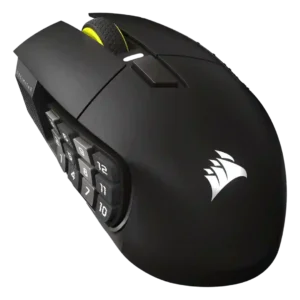
Choose it if you want a premium MMO/productivity mouse with 12 adjustable side buttons, strong battery life, and Stream Deck integration. Skip it if you need an ultralight FPS mouse,...