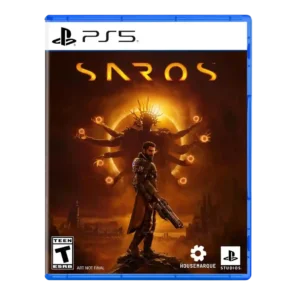
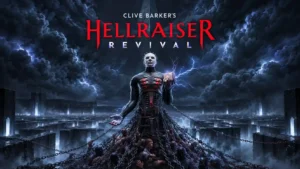
Compare Saros vs Clive Barker’s Hellraiser: Revival

Saros

Saros

Overall score 4.3 / 5

Based on 24 scored reviews

vs
Clive Barker’s Hellraiser: Revival

Clive Barker’s Hellraiser: Revival

Overall score 3.7 / 5

Based on 62 scored reviews

How we score

Scorata scores summarize analyzed review evidence on a 1–5 scale; they are not laboratory measurements or a simple average of customer star ratings. Feature scores summarize the reviews covering that feature. The overall score averages feature scores within each review, then combines review averages. When both expert and customer evidence are available, those two groups receive equal weight. Products can have different review coverage, so small score gaps do not establish a winner.

Recommendations prioritize important features for the category, with a score of at least 3.5, a gap of at least 0.25 points and at least two supporting reviews per product. Features with widely varying scores or broad connectivity contexts are excluded from recommendations. These safeguards do not establish statistical significance.

Quick verdict

What each product is best for

The review evidence points to a tradeoff: haptic feedback integration and movement feel versus character roster. Choose according to which strengths matter more to you; the overall score alone does not settle that choice.

Choose Saros for haptic feedback integration and movement feel.

Choose Clive Barker’s Hellraiser: Revival for character roster.

Why these recommendations?

Saros

Where It Has the Edge

  • haptic feedback integration is 4.7 vs 2.3. DualSense haptics and adaptive triggers were a standout, repeatedly praised as tactile, innovative, and deeply integrated.
  • movement feel is 4.7 vs 2.3. Movement feel was praised as smooth, nimble, precise, and joyful across several reviews.
  • save system reliability is 4.5 vs 2.1. Save/run continuation quality was praised via suspend, leave-and-return, and day-one roguelite quality-of-life comments.

Clive Barker’s Hellraiser: Revival

Where It Has the Edge

  • character roster is 4.5 vs 3.6. Returning Cenobites are welcomed, and regular interactions with the familiar cast are appreciated. Their presence strengthens the franchise...
Saros 4.3 overall score
Clive Barker’s Hellraiser: Revival 3.7 overall score

Compare features

Scores are out of 5. Missing scores mean missing review evidence, not a missing feature.

Scored on both products

Other features

Load times
Saros
4.8

Load times had limited but strong evidence, with Digital Foundry praising nearly instant transitions.

Clive Barker’s Hellraiser: Revival
2.0

Long loading and repeated run-backs can make failed encounters frustrating. One account specifically objects to waits exceeding thirty seconds.

Platforming precision
Saros
4.5

Platforming precision had limited but positive evidence around precise jumping, dodging, and reduced geometry snagging.

Clive Barker’s Hellraiser: Revival
2.0

One account criticizes clunky platforming. Precision during traversal is a weakness rather than a highlight.

Haptic feedback integration
Saros
4.7

DualSense haptics and adaptive triggers were a standout, repeatedly praised as tactile, innovative, and deeply integrated.

Clive Barker’s Hellraiser: Revival
2.3

DualSense feedback is inconsistent, and some attacks produce little or no rumble. Players wanting strong tactile impact may find it underwhelming.

Movement feel
Saros
4.7

Movement feel was praised as smooth, nimble, precise, and joyful across several reviews.

Clive Barker’s Hellraiser: Revival
2.3

Dodging and first-person movement can feel functional once their rhythm clicks. The inability to vault, awkward evasion, and stiff movement under pressure create recurring friction.

HUD clarity
Saros
4.4

HUD/readability comments were positive but limited, emphasizing that the intense spectacle remained coherent and not visually confusing.

Clive Barker’s Hellraiser: Revival
2.0

The flashing health display can be difficult to read in a fight. A clearer indication of remaining health would make urgent decisions easier.

Camera behavior
Saros
4.3

Camera controls were specifically praised as quick enough for combat without becoming disorienting.

Clive Barker’s Hellraiser: Revival
2.0

Restricted peripheral vision can make close-range threats harder to track. One player finds the first-person camera limiting in combat.

Checkpoint system
Saros
4.6

Saros’ checkpoint-like structure and biome restart options were praised for reducing repetition and respecting time.

Clive Barker’s Hellraiser: Revival
2.3

Some players find checkpoints fair and forgiving, while others report losing substantial time after a failed encounter. Greater generosity would help the more demanding sections.

Tutorial quality
Saros
4.3

Tutorial quality had limited but positive evidence, with reviewers noting trial-and-error teaching and encounter design that prepares players for bosses.

Clive Barker’s Hellraiser: Revival
2.0

Early tutorial prompts can disappear too quickly to absorb. Missing those explanations makes initial crafting and puzzle interactions more confusing.

Polish
Saros
4.7

Polish was praised frequently, with reviewers calling Saros smooth, refined, and consistently excellent.

Clive Barker’s Hellraiser: Revival
2.5

The presentation can feel impressively finished, yet multiple accounts describe rough interactions and technical problems. The result is a game whose polish varies considerably across systems and scenes.

Innovation
Saros
4.7

Innovation centered on the shield, bullet-as-resource design, haptic implementation, and a more flexible challenge structure.

Clive Barker’s Hellraiser: Revival
2.7

The puzzle box supplies a fresh angle on familiar survival-horror mechanics. The surrounding shooting, inventory, and encounter design largely follow established conventions, leaving innovation uneven.

Accessibility options
Saros
4.6

Reviewers praised Saros for broad accessibility and difficulty-tuning options, including modifiers, visual recoloring, remapping, and ways to soften or intensify challenge.

Clive Barker’s Hellraiser: Revival
2.8

Accessibility settings receive some appreciation, but subtitle mismatches or missing lines can hinder comprehension. Available options do not eliminate every presentation or readability problem.

Difficulty balance
Saros
4.1

Difficulty balance split reviewers: many called it tough but fair and customizable, while some felt ganks, repetition, or modifiers could undermine balance.

Clive Barker’s Hellraiser: Revival
2.5

Difficulty varies sharply with settings, resource luck, and how heavily the puzzle box is used. Some appreciate the survival challenge, while others encounter unfair spikes or find the tools make normal encounters too easy.

Onboarding experience
Saros
3.5

Onboarding was mixed: some reviewers said mechanics ramped up well, while one felt the many systems were poorly communicated.

Clive Barker’s Hellraiser: Revival
2.0

Fast-disappearing introductory prompts can leave players uncertain about mechanics they should already understand. The opening could explain crafting and puzzles more clearly.

Side character depth
Saros
2.5

Side character depth was a common weakness, with reviewers describing the supporting cast as shallow, disposable, or stock.

Clive Barker’s Hellraiser: Revival
4.0

Zora and the eccentric cult members often leave stronger impressions than the protagonist. Some supporting antagonists feel underdeveloped despite their striking presentation.

Aiming precision
Saros
4.0

Aiming was generally considered forgiving and readable thanks to auto-aim and tracking, though some no-auto-aim weapons were harder to master.

Clive Barker’s Hellraiser: Revival
2.6

Aiming is serviceable for some players, especially with a mouse. Aggressive aim assist, awkward headshot targeting, and uneven firearm precision frustrate others.

Combat system
Saros
4.7

Combat was the strongest consensus point, described as thrilling, precise, tactile, and among Housemarque’s best work.

Clive Barker’s Hellraiser: Revival
3.3

Melee weapons, firearms, and the puzzle box can combine into satisfying, gruesome encounters. Reactions range from enthusiastic praise to complaints about stiff swings, weak feedback, repetitive fights, and excessive reliance on powers.

Progression system
Saros
4.3

Progression was usually praised for meaningful permanent upgrades, though one reviewer felt it overemphasized numbers over skill.

Clive Barker’s Hellraiser: Revival
3.3

New abilities and equipment arrive alongside the story, keeping progression focused on practical tools. Some powers appear too late or receive too few opportunities to develop fully.

Endgame content
Saros
2.8

Endgame content was a limited concern, with one reviewer specifically wishing for a dedicated post-game activity.

Clive Barker’s Hellraiser: Revival
1.8

Completing the story offers little extra reward, with New Game Plus notably absent. Players seeking substantial post-campaign activities may be disappointed.

Enemy variety
Saros
4.6

Enemy variety was praised for diverse, escalating, and biome-changing threats that keep combat fresh.

Clive Barker’s Hellraiser: Revival
3.6

Cultists and increasingly grotesque enemies offer visual variation and changing threats. Similar attack patterns and a limited practical range of foes make encounters feel repetitive to some players.

Frame rate stability
Saros
4.6

Frame rate was generally strong, with most reviewers reporting near-locked or rock-solid 60fps and only occasional dips.

Clive Barker’s Hellraiser: Revival
3.6

Some players report stable high frame rates, while others encounter occasional drops or a restrictive platform target. The experience varies across PC, PlayStation, and Switch configurations.

Originality
Saros
3.8

Originality was mixed, with praise for bold changes and criticism that Saros repeats Returnal-like beats with minimal variation.

Clive Barker’s Hellraiser: Revival
2.9

Hellraiser’s imagery and puzzle-box powers give the game an identity of its own. Its survival-horror structure remains heavily familiar, which some welcome and others find derivative.

Grind level
Saros
2.9

Grind and repetition drew mixed-to-negative comments, especially around repeated boss attempts and artifact droughts.

Clive Barker’s Hellraiser: Revival
2.0

One account describes an extended stretch as a grind because inventory trouble prevented collecting a useful upgrade. The complaint concerns avoidable friction rather than rewarding repetition.

Character roster
Saros
3.6

The cast received mixed reactions, with some reviews praising performances while others wanted more depth beyond Arjun.

Clive Barker’s Hellraiser: Revival
4.5

Returning Cenobites are welcomed, and regular interactions with the familiar cast are appreciated. Their presence strengthens the franchise connection beyond Pinhead alone.

Character development
Saros
4.8

Arjun’s arc drew praise where reviewers felt his development became darker, more complex, and captivating.

Clive Barker’s Hellraiser: Revival
3.9

Aiden’s addiction and relationship history give some players a meaningful character arc. Others find the development thin or less convincing than the ideas behind it.

World interactivity
Saros
4.2

World interactivity had limited evidence, mostly around movement-reactive effects and environmental destruction.

Clive Barker’s Hellraiser: Revival
3.4

Telekinesis turns traps, spikes, and saw blades into entertaining combat tools. Some players wish objects and environmental interactions allowed more freedom or experimentation.

Weapon balance
Saros
4.1

Weapon balance was mostly positive for variety and viability, though some weapons or no-autohit variants frustrated reviewers.

Clive Barker’s Hellraiser: Revival
3.3

The arsenal and environmental projectiles offer several ways to dismember enemies. Gun strength, melee durability, and dominant puzzle-box abilities can make some options feel much more useful than others.

Learning curve
Saros
3.8

The learning curve was approachable for some but still initially demanding, with trial-and-error teaching and a tough early adjustment.

Clive Barker’s Hellraiser: Revival
3.0

Evasion takes time to learn, and the combat becomes more serviceable once its rhythm is familiar. Initial adjustment can make early encounters feel awkward.

Horror tension
Saros
4.7

Horror tension was supported through praise for dread, anxiety, cosmic horror, and the unsettling eclipse-driven world.

Clive Barker’s Hellraiser: Revival
3.9

Chatterer pursuits, sensory tricks, and the Labyrinth’s transformations can produce real dread. Repeating the same chase patterns or giving Aiden overwhelming powers can gradually weaken that tension.

Emotional impact
Saros
3.0

Emotional impact was mixed, with some reviewers admiring ideas but others saying the narrative and characters did not fully move them.

Clive Barker’s Hellraiser: Revival
3.8

The themes and ending can leave players thinking about Aiden’s choices after the credits. Emotional engagement is much weaker for those who never connect with the central relationship.

Skill tree depth
Saros
3.8

Skill-tree depth was mixed, from exhaustive and satisfying to more of a limited trunk than a deep build system.

Clive Barker’s Hellraiser: Revival
4.5

One player particularly welcomes the absence of a skill tree or perk system. Keeping new combat tools tied to the story avoids an extra layer of complexity.

Fun factor
Saros
4.9

Fun factor was very high, with reviewers repeatedly describing the act of playing, replaying, and mastering Saros as joyful or addictive.

Clive Barker’s Hellraiser: Revival
4.2

Creative kills and outrageous horror make the campaign highly entertaining for many players. Repetition and uneven combat temper that enjoyment for others.

Upgrade system
Saros
4.6

The upgrade system was praised for making attempts feel worthwhile and improving approachability.

Clive Barker’s Hellraiser: Revival
4.0

Weapon and inventory upgrades provide useful improvements and can ease survival pressure. Some increases in firepower feel less pronounced than expected.

Immersion
Saros
4.7

Immersion was praised through tactile feedback, 3D audio, and audiovisual design that pulled reviewers into Carcosa.

Clive Barker’s Hellraiser: Revival
4.1

First-person interactions, oppressive environments, and strong audiovisual presentation draw players into the world. Awkward mechanics or technical interruptions can break that involvement.

Loot system
Saros
3.1

Loot drew mixed feedback: some liked risky artifacts and weapon discovery, while others disliked artifact droughts or limited replacement control.

Clive Barker’s Hellraiser: Revival
2.5

One account finds survival too dependent on whether useful weapons happen to appear while looting. That reliance makes difficulty feel less consistently earned.

Pacing
Saros
3.6

Pacing drew mixed responses, from tighter run pacing to complaints that story, repetition, or traversal could drag.

Clive Barker’s Hellraiser: Revival
3.1

Alternating combat, exploration, and surreal Labyrinth passages gives the campaign momentum for many players. Others find repeated chases, long exposition, and late-game encounters drag the pace down.

Lore depth
Saros
4.4

Lore depth was praised where reviewers enjoyed logs, mysteries, and hidden material that encouraged deeper digging.

Clive Barker’s Hellraiser: Revival
3.9

Notes, audio logs, and encounters with the Cenobites add appealing background and new perspectives on the mythology. Some players want deeper exploration of those ideas.

Exploration quality
Saros
4.6

Exploration was praised for hidden paths, secrets, and optional areas that reward revisiting biomes.

Clive Barker’s Hellraiser: Revival
4.3

Searching interconnected rooms for supplies, notes, and secrets makes exploration rewarding. The strongest areas encourage attention to the environment while maintaining an uneasy sense of danger.

Dialogue quality
Saros
2.7

Dialogue quality was mixed to weak, with several reviewers noting stilted conversations, unnatural backlog delivery, or long quiet stretches.

Clive Barker’s Hellraiser: Revival
3.0

Dialogue can carry the characters’ menace and eccentric humor effectively. Cheesy exchanges, excessive profanity, and blunt delivery occasionally weaken it.

Narrative quality
Saros
3.9

Narrative quality was the most mixed major attribute, ranging from gripping and coherent to underdeveloped, opaque, or overambitious.

Clive Barker’s Hellraiser: Revival
4.1

Aiden’s rescue mission explores addiction, consent, and destructive desire, giving some players more to consider than a simple trip through hell. Others find the exposition heavy, the twists predictable, and the ending rushed.

Graphics quality
Saros
4.7

Graphics quality was praised across reviews for visual flair, PS5 showcase value, and striking Unreal Engine 5 presentation.

Clive Barker’s Hellraiser: Revival
4.4

Detailed environments, dramatic lighting, and gruesome visuals often impress, especially in the Labyrinth. Character models and the consistency between gameplay and cinematics attract more qualified reactions.

Writing quality
Saros
3.7

Writing quality was mixed, with praise for logs and media-literate storytelling but criticism of hollow or unclear themes.

Clive Barker’s Hellraiser: Revival
3.5

The script earns praise for treating pleasure, pain, and toxic relationships as central themes. Heavy exposition, blunt profanity, and uneven resolutions keep it from working equally well for everyone.

Economy and resource balance
Saros
3.1

Resource balance drew limited but mixed evidence, with one review noting balance concerns and another criticizing excess currency gains.

Clive Barker’s Hellraiser: Revival
2.9

Scarce ammunition and healing supplies can create meaningful decisions about what to carry, craft, or spend. Some players instead find scarcity punishing or inconsistent, while others accumulate enough supplies to blunt the tension.

Faithfulness to franchise
Saros
4.6

Reviewers generally felt Saros honors Housemarque and Returnal’s lineage while refining or expanding the studio’s formula.

Clive Barker’s Hellraiser: Revival
4.7

The game embraces the franchise’s sadomasochism, grotesque imagery, and philosophy of pleasure and pain rather than softening them. Many consider it an unusually faithful adaptation, even when they dislike its combat or story choices.

Content variety
Saros
4.5

Several reviews found the game rich in sections, weapons, collectibles, and sights, though the content variety was usually discussed through exploration and spectacle.

Clive Barker’s Hellraiser: Revival
4.4

Distinct environments, changing activities, and several combat tools keep the campaign varied for many players. Its best stretches offer more than a succession of similar corridors.

Facial animations
Saros
2.9

Facial animations were a repeated weakness, especially outside cutscenes where faces could not match the vocal performances.

Clive Barker’s Hellraiser: Revival
3.0

Facial performances can sell the cast’s emotion and menace. Lip-sync problems and inconsistent facial detail occasionally undermine close-up scenes.

Core gameplay loop
Saros
4.5

The core loop was usually seen as compelling and satisfying, though Polygon felt progression systems weakened the roguelike loop.

Clive Barker’s Hellraiser: Revival
4.3

Exploring, conserving supplies, and using the puzzle box give the survival loop a satisfying rhythm. Banishment adds another tactical option to standard fighting and scavenging.

Visual effects quality
Saros
4.9

Visual effects were a major highlight, especially the particle-heavy combat fireworks and colorful VFX.

Clive Barker’s Hellraiser: Revival
4.8

Surreal transitions, grotesque effects, and the flow between cinematics and gameplay are frequently admired. These visual tricks help the Labyrinth feel physically impossible.

Art direction
Saros
4.8

Art direction was a clear strength, with reviewers highlighting Carcosa’s strong, alien visual identity and memorable environmental design.

Clive Barker’s Hellraiser: Revival
4.7

Surreal flesh, metal, religious imagery, and impossible architecture give the game striking visual character. The strongest praise concerns imaginative environments rather than novelty in the underlying mechanics.

Environmental detail
Saros
4.7

Environmental detail was a frequent highlight, with reviewers praising Carcosa’s biomes, architecture, and alien spaces.

Clive Barker’s Hellraiser: Revival
4.6

Paintings, sculptures, machinery, and grotesque background objects make the environments feel carefully constructed. Small details help turn ordinary rooms and hellish spaces into a convincing extension of the franchise.

Gameplay mechanics
Saros
4.5

Gameplay mechanics, especially the shield, parry, eclipse, and modifier systems, were praised, though one review felt the systems could overprotect players.

Clive Barker’s Hellraiser: Revival
4.4

The Genesis Configuration gives combat and puzzles a distinctive hook through telekinesis, fire, and banishment. Its most enthusiastic admirers enjoy creative kills, while critics find its potential limited or its powers too dominant.

Atmosphere
Saros
4.7

Reviewers repeatedly praised the unnerving, dread-soaked atmosphere, even when they disagreed about the story itself.

Clive Barker’s Hellraiser: Revival
4.7

The Labyrinth sustains a dense, oppressive mood through disturbing imagery, threatening spaces, and a sense that safety never lasts. Atmosphere is one of the game’s most consistently praised qualities.

Animation quality
Saros
2.8

Animation comments were mostly negative, focused on stiff dialogue animation and odd or weak face animation outside stronger cinematic moments.

Clive Barker’s Hellraiser: Revival
2.8

Expressive performances and gruesome action animations can look convincing. Stiff enemy movement, repeated finishers, and occasional animation failures reduce consistency.

Handheld play suitability
Saros
4.5

Handheld or remote play suitability had limited evidence, but one reviewer said it looked and played beautifully on PlayStation Portal.

Clive Barker’s Hellraiser: Revival
4.5

The Switch 2 handheld experience benefits from VRR according to its platform assessment. It is preferred over docked play by a player sensitive to the game’s low frame-rate presentation.

Ownership and support

Save system reliability
Saros
4.5

Save/run continuation quality was praised via suspend, leave-and-return, and day-one roguelite quality-of-life comments.

Clive Barker’s Hellraiser: Revival
2.1

Autosave behavior can compound bugs or leave players losing minutes of progress. These accounts describe frustration with preserving progress rather than dependable recovery.

Replay value
Saros
4.7

Replay value was strong, with reviewers saying they wanted to dive back in or keep running even after credits.

Clive Barker’s Hellraiser: Revival
2.5

Trying different weapons or revisiting the campaign can appeal to some players. Limited unlocks and the absence of New Game Plus leave others with little incentive to return.

Value for money
Saros
5.0

Value for money had limited but explicit support from one reviewer who said they would pay full price.

Clive Barker’s Hellraiser: Revival
4.3

The approximately $40 price is frequently considered attractive for the campaign and presentation. Strong value still depends on accepting the mechanical and technical rough edges.

Platform-specific feature support
Saros
4.7

Platform-specific support was praised through PS5 showcase features, Pro upscaling, DualSense use, and 3D audio.

Clive Barker’s Hellraiser: Revival
4.3

Xbox Play Anywhere’s included PC access is seen as a useful benefit. Switch 2 mouse controls also draw appreciation for a first-person game.

Controls and connectivity

Controls responsiveness
Saros
4.6

Controls were heavily praised for responsiveness, tactile feel, and precise movement/shooting, with only rare complaints about input conflicts.

Clive Barker’s Hellraiser: Revival
2.3

Controls can feel responsive enough for ordinary combat, but awkward quick-turn inputs and occasional delay draw complaints. Tight encounters expose those problems most clearly.

Protagonist appeal
Saros
4.0

Protagonist appeal was mixed: several reviewers found Arjun compelling or well-acted, while one found him unpleasant by design.

Clive Barker’s Hellraiser: Revival
2.7

Aiden’s vulnerability and gradual assertion of agency engage some players. Others find him bland, unlikable, or too shallow to carry the rescue story.

Menu usability
Saros
2.8

Menu usability had limited negative evidence, focused on hidden information and unclear equipment-screen navigation.

Clive Barker’s Hellraiser: Revival
2.0

Inventory menus can require too much pausing and digging during item management. Missing conveniences make routine actions more frustrating than they need to be.

Voice acting
Saros
4.7

Voice acting was widely praised, especially Rahul Kohli’s performance, with the broader cast also receiving positive notes.

Clive Barker’s Hellraiser: Revival
4.7

Doug Bradley’s commanding, unsettling delivery is a standout, bringing Pinhead’s familiar menace to the game. The broader cast generally supports him well, although a few performances land less convincingly.

Comfort and build

Mission design
Saros
4.6

Optional challenge-space design was praised as brutal but rewarding.

Clive Barker’s Hellraiser: Revival
2.5

Inventive set pieces and the mix of combat, puzzles, and traversal can sustain momentum. Repeated wave encounters and chase sequences become tiring when they outlast their initial impact.

Boss design
Saros
4.4

Bosses were widely admired for spectacle, challenge, and memorability, though a few reviewers found some fights long or uneven.

Clive Barker’s Hellraiser: Revival
2.8

Boss encounters divide opinion between inventive, memorable spectacles and flat or repetitive fights. Bullet-sponge health, weak mechanics, and occasional difficulty spikes are frequent complaints.

Map and navigation design
Saros
2.4

Navigation drew criticism from one reviewer who found objective direction poor despite liking the map.

Clive Barker’s Hellraiser: Revival
4.0

The map’s marking of discovered items helps navigation and return visits. It makes scavenging less dependent on remembering every room.

User interface design
Saros
3.3

User interface design had limited mixed evidence, with one reviewer finding it good enough but imperfect.

Clive Barker’s Hellraiser: Revival
2.0

Health presentation is less clear than one player would like. A more readable bar would communicate danger better during combat.

Sound design
Saros
4.7

Sound design and 3D audio were praised for intensity, dread, positional clarity, and haunting effects.

Clive Barker’s Hellraiser: Revival
4.0

Wet impacts, clattering teeth, unsettling ambience, and spatial cues give the horror a strong sonic identity. A few players report missing audio or effects that sound weaker than the action demands.

Level design
Saros
4.7

Level design was strongly praised for handcrafted chunks, biome structure, combat spaces, and a balance between freshness and mastery.

Clive Barker’s Hellraiser: Revival
4.3

Interconnected areas and impossible Labyrinth architecture are major strengths, blending exploration with surreal transformations. Linear stretches, repetitive chase routes, and awkward encounter spaces draw criticism.

World-building
Saros
4.6

World-building was praised through Carcosa’s mysteries, logs, lore, and thematic environmental storytelling.

Clive Barker’s Hellraiser: Revival
4.3

Environmental details and background material make the setting feel coherent and inhabited. The game expands the franchise’s world while connecting its strange spaces to Aiden’s personal journey.

Performance

Performance optimization
Saros
4.6

Performance optimization was praised overall, especially on PS5/PS5 Pro, with only minor dips or loading-related hitches noted.

Clive Barker’s Hellraiser: Revival
3.4

Some configurations run smoothly, while others show pop-in, flickering, frame drops, or loading-related issues. Performance depends heavily on platform and individual playthrough.

Soundtrack quality
Saros
4.6

The soundtrack was praised for oppressive, unnerving, and complex music that supports Carcosa’s tone.

Clive Barker’s Hellraiser: Revival
4.2

The score helps sustain dread, with some musical moments earning especially enthusiastic reactions. A few encounters would benefit from more forceful or better-matched accompaniment.

Evidence available for one product

Other features

Achievement list quality
SarosNo score yet
Clive Barker’s Hellraiser: Revival
3.3

Opinions range from a routine achievement list tied mostly to story progression to appreciation for discoveries and Easter eggs. Completion goals offer some appeal without universal enthusiasm.

AI behavior
SarosNo score yet
Clive Barker’s Hellraiser: Revival
2.3

Enemy perception and responses are a weak point: opponents can seem oblivious one moment and unusually perceptive the next. Predictable attacks and questionable pursuit behavior further reduce the threat.

Bug frequency
SarosNo score yet
Clive Barker’s Hellraiser: Revival
2.5

Technical experiences vary from essentially clean playthroughs to intrusive glitches involving audio, interactions, animations, and textures. Problems can interrupt encounters and weaken otherwise effective horror scenes.

Casting choices
SarosNo score yet
Clive Barker’s Hellraiser: Revival
4.5

Bringing back the familiar Pinhead performer lends immediate authenticity. The casting helps connect the game to the franchise’s established identity.

Choice impact
SarosNo score yet
Clive Barker’s Hellraiser: Revival
4.0

Rejecting the offer makes the ending feel more hopeful in one account. The choice matters emotionally, although that assessment does not establish a broad branching campaign.

Collectibles
SarosNo score yet
Clive Barker’s Hellraiser: Revival
4.3

Lore notes and audio logs are enjoyable finds rather than mere completion targets. They add character background and make individual locations feel more meaningful.

Combat readability
SarosNo score yet
Clive Barker’s Hellraiser: Revival
2.0

Weak stagger reactions and limited hit feedback can make it hard to tell how effectively attacks are working. That uncertainty reduces confidence during close combat.

Crafting system
SarosNo score yet
Clive Barker’s Hellraiser: Revival
3.0

Crafting healing items and repairs can feel useful and focused rather than overloaded with materials. Resource shortages or simplistic implementation make it less satisfying for some players.

Crash stability
SarosNo score yet
Clive Barker’s Hellraiser: Revival
2.6

Several players report crashes, sometimes with lost progress, while others complete the game without any. Crash reliability is inconsistent across the supplied playthroughs.

Death mechanics
SarosNo score yet
Clive Barker’s Hellraiser: Revival
4.0

Quick respawns in the Labyrinth make deaths less punishing than they are in the real world. This helps players retry its more unusual passages without a lengthy recovery.

Family friendliness
SarosNo score yet
Clive Barker’s Hellraiser: Revival
1.3

The sexual content and graphic horror make playing around children inappropriate. It is better reserved for an adult setting.

Fast travel convenience
Saros
4.7

Fast travel and biome teleporting were widely praised as major quality-of-life improvements that reduce tedium.

Clive Barker’s Hellraiser: RevivalNo score yet
Game length
SarosNo score yet
Clive Barker’s Hellraiser: Revival
4.0

The roughly eight-to-thirteen-hour campaign often earns praise for being compact and manageable. Repeated sequences still make that runtime feel padded to some players.

Humor
SarosNo score yet
Clive Barker’s Hellraiser: Revival
4.1

Zora’s sarcasm and quick one-liners provide welcome personality amid the horror. Her humor also reinforces her unusual, unsettling presence.

Inventory management
SarosNo score yet
Clive Barker’s Hellraiser: Revival
2.7

The grid inventory makes equipment choices tangible, and automatic sorting helps. Limited space, cumbersome item handling, and upgrade collection problems can turn management into needless friction.

Mission variety
SarosNo score yet
Clive Barker’s Hellraiser: Revival
4.4

The campaign changes locations, activities, and encounter styles enough to keep many players engaged. Distinct areas and varied set pieces help offset its familiar overall structure.

Overall quality
SarosNo score yet
Clive Barker’s Hellraiser: Revival
3.7

The game’s faithful horror world and memorable presentation win enthusiastic recommendations from many sources. Less satisfied players see a compelling license held back by uneven combat, repetition, and technical problems.

Packaging quality and presentation
SarosNo score yet
Clive Barker’s Hellraiser: Revival
4.5

The Day One Edition’s visual presentation and typography impress one buyer. Its distinctive styling is part of the attraction of owning a physical copy.

Physical preorder fulfillment
SarosNo score yet
Clive Barker’s Hellraiser: Revival
1.0

Delayed physical orders and poor communication cause substantial disappointment among buyers expecting launch-day delivery. Collector’s edition components and standard-copy shipping both attract complaints.

Physical release format
SarosNo score yet
Clive Barker’s Hellraiser: Revival
2.0

One buyer is disappointed by reports that the physical disc contains little game data. Their desire for a complete physical copy makes a download-dependent format less appealing.

Romance quality
SarosNo score yet
Clive Barker’s Hellraiser: Revival
3.8

The central relationship explores dependency, abuse, and the difference between love and possession. Its emotional complexity interests some players, while others find the couple difficult to care about or the resolution unsatisfying.

Sandbox freedom
SarosNo score yet
Clive Barker’s Hellraiser: Revival
1.5

One player dislikes being confined to the central storyline. There is little scope for deviating into a freely directed adventure.

Sexual content treatment
SarosNo score yet
Clive Barker’s Hellraiser: Revival
3.8

Some find the sexual imagery refreshing and integral to Hellraiser’s themes. Others consider its repeated use gratuitous, shallow, or uncomfortable rather than meaningfully provocative.

Shopkeeping system
SarosNo score yet
Clive Barker’s Hellraiser: Revival
2.7

Zora’s shop gives supplies and upgrades a useful place in the survival loop. Stock restrictions and failures to restock before important fights can be especially frustrating.

Solo play quality
SarosNo score yet
Clive Barker’s Hellraiser: Revival
4.6

A focused single-player campaign is widely viewed as a good fit for Hellraiser. It allows the world, story, and horror to develop through a personal journey.

Stealth mechanics
SarosNo score yet
Clive Barker’s Hellraiser: Revival
2.8

Optional sneaking can save resources and make clearing an area quietly satisfying. Forced stealth and unreliable detection are much less popular, especially when enemies spot Aiden through cover.

Survival mechanics
SarosNo score yet
Clive Barker’s Hellraiser: Revival
3.1

Ammunition conservation, fragile melee weapons, healing, and inventory choices can create satisfying survival pressure. Durability and resource scarcity sometimes feel punitive rather than tense.

Violence level
SarosNo score yet
Clive Barker’s Hellraiser: Revival
4.0

Many appreciate the gore as an uncompromising match for Hellraiser’s identity and a satisfying part of combat. Others find the excess unpleasant or exhausting, making its effectiveness strongly dependent on tolerance.

VR implementation
SarosNo score yet
Clive Barker’s Hellraiser: Revival
5.0

A PC account strongly recommends playing through the UEVR mod, especially when exploring the Labyrinth. The praise concerns a modded VR experience rather than a native VR mode.

Controls and connectivity

Age appropriateness
SarosNo score yet
Clive Barker’s Hellraiser: Revival
1.3

Warnings about children watching underline that this is an adult horror experience. The objection concerns its appropriateness for younger audiences, not whether the horror succeeds for adults.

Character customization
SarosNo score yet
Clive Barker’s Hellraiser: Revival
2.0

Customization feels limited to one player. It does not provide the broad range of personal options they wanted.

Collector appeal
SarosNo score yet
Clive Barker’s Hellraiser: Revival
5.0

The collector’s edition is enthusiastically praised for its appeal as a physical collectible. Shipping disappointment is a separate concern for buyers hoping to receive it at launch.

Performance

CRT filter quality
SarosNo score yet
Clive Barker’s Hellraiser: Revival
4.0

The optional 1980s movie filter is appreciated as a fitting stylistic touch. It offers another way to frame the franchise’s period horror aesthetic.

Marketing accuracy
SarosNo score yet
Clive Barker’s Hellraiser: Revival
1.5

Launch-arrival promises are criticized when physical orders remain unshipped. Limited communication and late updates increase frustration about expectations being missed.

Ownership and support

DLC value
SarosNo score yet
Clive Barker’s Hellraiser: Revival
4.5

One account considers the extra storytelling worthwhile for players who want more narrative context. That appeal centers on expanding the story rather than adding essential combat systems.

Localization support
SarosNo score yet
Clive Barker’s Hellraiser: Revival
2.5

The lack of Spanish voice dubbing disappoints one Spanish-language player. Language support falls short of their preferred way to experience the story.

Mod support
SarosNo score yet
Clive Barker’s Hellraiser: Revival
4.5

The UEVR mod works out of the box for one PC player and enables a highly recommended VR playthrough. This is praise for a specific mod outcome, without establishing broader modding support.

Comfort and build

Open-world design
SarosNo score yet
Clive Barker’s Hellraiser: Revival
1.5

A player who prefers open worlds finds the fixed central storyline too restrictive. The campaign’s linear structure does not suit that desire for free exploration.

Puzzle design
SarosNo score yet
Clive Barker’s Hellraiser: Revival
3.7

The puzzle box and shifting architecture provide enjoyable breaks from combat, with several satisfying transformations. Most puzzles are approachable, although some players find them too simple or less inventive than the setting promises.

Other Top Video Games to Consider

#1 Well Dweller
4.7

Best for fluid traversal, rewarding exploration, striking art, and forgiving quality-of-life features. Skip it if you want deep combat, radical genre innovation, or consistently demanding bosses.

Pros: difficulty balance, boss design

Cons: innovation, sandbox freedom

#2 Hades II

4.5

Best for superb combat, inventive builds, and richly voiced characters. Skip it if repeated runs, resource gathering, or visually busy battles outweigh the appeal of steady progress.

Pros: overall quality, combat system

Cons: pacing, grind level

#3 Valheim

4.5

Good if you want a beautiful, demanding survival sandbox built around exploration, building, progression, and memorable co-op. Skip it if long resource runs, harsh death recovery, and deliberate pacing sound...

Pros: town-building system, exploration quality

Cons: grind level, fast travel convenience

#4 Grand Theft Auto VI

4.5

Leonida is a breathtakingly alive crime sandbox with memorable protagonists, spectacular heists, and extraordinary detail. The tradeoff is a 30 fps ceiling, occasional control awkwardness, and some progression friction.

Pros: immersion, graphics quality

Cons: grind level, controls responsiveness