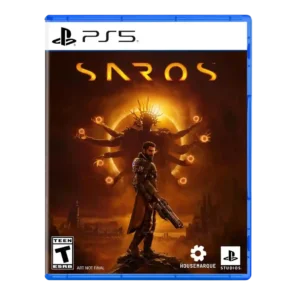
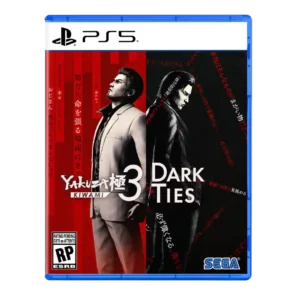
Compare Saros vs Yakuza Kiwami 3 & Dark Ties

Saros

Saros

Overall score 4.3 / 5

Based on 24 scored reviews

vs
Yakuza Kiwami 3 & Dark Ties

Yakuza Kiwami 3 & Dark Ties

Overall score 3.6 / 5

Based on 58 scored reviews

How we score

Scorata scores summarize analyzed review evidence on a 1–5 scale; they are not laboratory measurements or a simple average of customer star ratings. Feature scores summarize the reviews covering that feature. The overall score averages feature scores within each review, then combines review averages. When both expert and customer evidence are available, those two groups receive equal weight. Products can have different review coverage, so small score gaps do not establish a winner.

Recommendations prioritize important features for the category, with a score of at least 3.5, a gap of at least 0.25 points and at least two supporting reviews per product. Features with widely varying scores or broad connectivity contexts are excluded from recommendations. These safeguards do not establish statistical significance.

Quick verdict

What each product is best for

The review evidence points to a tradeoff: immersion and atmosphere versus character roster and writing quality. Choose according to which strengths matter more to you; the overall score alone does not settle that choice.

Choose Saros for immersion and atmosphere.

Choose Yakuza Kiwami 3 & Dark Ties for character roster and writing quality.

Why these recommendations?

Saros

Where It Has the Edge

  • immersion is 4.7 vs 3.0. Immersion was praised through tactile feedback, 3D audio, and audiovisual design that pulled reviewers into Carcosa.
  • atmosphere is 4.7 vs 3.3. Reviewers repeatedly praised the unnerving, dread-soaked atmosphere, even when they disagreed about the story itself.
  • character development is 4.8 vs 3.4. Arjun’s arc drew praise where reviewers felt his development became darker, more complex, and captivating.

Yakuza Kiwami 3 & Dark Ties

Where It Has the Edge

  • character roster is 4.2 vs 3.6. The ensemble remains a major strength, with Kiryu, Mine, Rikiya, Daigo, and the Okinawan cast frequently singled out...
  • writing quality is 4.2 vs 3.7. Writing is strongest in intimate character moments and parts of Dark Ties, but some new plot decisions and...
Saros 4.3 overall score
Yakuza Kiwami 3 & Dark Ties 3.6 overall score

Compare features

Scores are out of 5. Missing scores mean missing review evidence, not a missing feature.

Scored on both products

Other features

Immersion
Saros
4.7

Immersion was praised through tactile feedback, 3D audio, and audiovisual design that pulled reviewers into Carcosa.

Yakuza Kiwami 3 & Dark Ties
3.0

Some new systems deepen the sense of living in Okinawa, while others feel tonally out of place and reduce the immersion of the original story.

Load times
Saros
4.8

Load times had limited but strong evidence, with Digital Foundry praising nearly instant transitions.

Yakuza Kiwami 3 & Dark Ties
3.2

Loading is fast on current consoles and often nearly invisible during ordinary encounters, though Switch 2 can show more noticeable waits between larger scenes.

Atmosphere
Saros
4.7

Reviewers repeatedly praised the unnerving, dread-soaked atmosphere, even when they disagreed about the story itself.

Yakuza Kiwami 3 & Dark Ties
3.3

Okinawa’s sunny change of scenery gives the game a distinctive mood, but some remake additions and visual choices weaken the atmosphere for purists.

Character development
Saros
4.8

Arjun’s arc drew praise where reviewers felt his development became darker, more complex, and captivating.

Yakuza Kiwami 3 & Dark Ties
3.4

Dark Ties adds meaningful context to Mine and several relationships, but some reviewers felt the extra backstory still leaves his characterization underdeveloped.

Faithfulness to franchise
Saros
4.6

Reviewers generally felt Saros honors Housemarque and Returnal’s lineage while refining or expanding the studio’s formula.

Yakuza Kiwami 3 & Dark Ties
3.3

The remake keeps much of Yakuza 3 intact but makes contentious changes to canon, character presentation, and removed content that divide longtime fans.

Fast travel convenience
Saros
4.7

Fast travel and biome teleporting were widely praised as major quality-of-life improvements that reduce tedium.

Yakuza Kiwami 3 & Dark Ties
3.4

Cars, taxis, and especially the Street Surfer make moving through the compact cities quicker and reduce downtime between activities.

Exploration quality
Saros
4.6

Exploration was praised for hidden paths, secrets, and optional areas that reward revisiting biomes.

Yakuza Kiwami 3 & Dark Ties
3.3

Exploration benefits from dense optional activities and rewarding discoveries, although a few versions or previews feel more constrained than the best series entries.

Tutorial quality
Saros
4.3

Tutorial quality had limited but positive evidence, with reviewers noting trial-and-error teaching and encounter design that prepares players for bosses.

Yakuza Kiwami 3 & Dark Ties
3.0

The opening teaches a lot of systems, but at least one reviewer found the early tutorialization excessive and disruptive to the game’s initial pace.

Difficulty balance
Saros
4.1

Difficulty balance split reviewers: many called it tough but fair and customizable, while some felt ganks, repetition, or modifiers could undermine balance.

Yakuza Kiwami 3 & Dark Ties
2.8

Difficulty is inconsistent: the new tools make combat more accessible, but powerful Ryukyu options and abundant upgrades can reduce challenge more than some reviewers wanted.

Polish
Saros
4.7

Polish was praised frequently, with reviewers calling Saros smooth, refined, and consistently excellent.

Yakuza Kiwami 3 & Dark Ties
3.6

The Dragon Engine brings welcome refinement to combat and presentation, but rough animation, lighting, and content decisions keep the remake from feeling uniformly polished.

Innovation
Saros
4.7

Innovation centered on the shield, bullet-as-resource design, haptic implementation, and a more flexible challenge structure.

Yakuza Kiwami 3 & Dark Ties
3.6

Playing from Mine’s villainous perspective and expanding large-scale combat feel fresh, but much of the package still repurposes familiar Yakuza systems.

Core gameplay loop
Saros
4.5

The core loop was usually seen as compelling and satisfying, though Polygon felt progression systems weakened the roguelike loop.

Yakuza Kiwami 3 & Dark Ties
3.4

The familiar Yakuza brawler-and-side-content formula still works for many players, but franchise fatigue and repeated systems make the loop feel stale to others.

Environmental detail
Saros
4.7

Environmental detail was a frequent highlight, with reviewers praising Carcosa’s biomes, architecture, and alien spaces.

Yakuza Kiwami 3 & Dark Ties
3.6

Okinawa and Kamurocho are often praised for lively streets, richer detail, and attractive coastal scenery, even when texture quality is inconsistent up close.

Progression system
Saros
4.3

Progression was usually praised for meaningful permanent upgrades, though one reviewer felt it overemphasized numbers over skill.

Yakuza Kiwami 3 & Dark Ties
3.3

Progression can be satisfying and generous, especially in side modes, though abundant Training Points and forced rank requirements sometimes make growth feel poorly balanced.

Art direction
Saros
4.8

Art direction was a clear strength, with reviewers highlighting Carcosa’s strong, alien visual identity and memorable environmental design.

Yakuza Kiwami 3 & Dark Ties
3.8

The brighter, more colorful presentation suits Okinawa for some players, while others feel the palette and lighting dilute the original’s grittier identity.

Dialogue quality
Saros
2.7

Dialogue quality was mixed to weak, with several reviewers noting stilted conversations, unnatural backlog delivery, or long quiet stretches.

Yakuza Kiwami 3 & Dark Ties
3.8

Dialogue can deliver strong character moments and humor, yet long exposition-heavy conversations occasionally test patience.

Content variety
Saros
4.5

Several reviews found the game rich in sections, weapons, collectibles, and sights, though the content variety was usually discussed through exploration and spectacle.

Yakuza Kiwami 3 & Dark Ties
3.5

There is a huge spread of minigames, management modes, substories, and diversions, though the abundance can feel recycled or overwhelming rather than consistently fresh.

Graphics quality
Saros
4.7

Graphics quality was praised across reviews for visual flair, PS5 showcase value, and striking Unreal Engine 5 presentation.

Yakuza Kiwami 3 & Dark Ties
3.7

The visual overhaul is divisive: environments can look vibrant and attractive, but dated textures, harsh lighting, and uneven character rendering keep it from feeling fully current.

Visual effects quality
Saros
4.9

Visual effects were a major highlight, especially the particle-heavy combat fireworks and colorful VFX.

Yakuza Kiwami 3 & Dark Ties
4.0

Modern particle effects and flashy combat flourishes give fights more spectacle, even when the broader visual overhaul remains inconsistent.

Side character depth
Saros
2.5

Side character depth was a common weakness, with reviewers describing the supporting cast as shallow, disposable, or stock.

Yakuza Kiwami 3 & Dark Ties
3.3

Supporting characters often supply the game’s heart, especially the orphans and Okinawan allies, although reactions to Kanda and the redesigned Rikiya are much more divided.

Frame rate stability
Saros
4.6

Frame rate was generally strong, with most reviewers reporting near-locked or rock-solid 60fps and only occasional dips.

Yakuza Kiwami 3 & Dark Ties
3.8

Frame-rate performance is usually smooth on PS5 and Xbox Series X, while Switch 2 generally holds its target with occasional drops in heavier scenes.

Fun factor
Saros
4.9

Fun factor was very high, with reviewers repeatedly describing the act of playing, replaying, and mastering Saros as joyful or addictive.

Yakuza Kiwami 3 & Dark Ties
4.1

Despite the controversy around the remake, most reviewers still find the package genuinely fun, especially its brawling, orphanage activities, and standout side modes.

Lore depth
Saros
4.4

Lore depth was praised where reviewers enjoyed logs, mysteries, and hidden material that encouraged deeper digging.

Yakuza Kiwami 3 & Dark Ties
3.6

Dark Ties fills in parts of Mine’s background and Tojo Clan context, but it does not answer every lingering question or fully transform his role in the main story.

Skill tree depth
Saros
3.8

Skill-tree depth was mixed, from exhaustive and satisfying to more of a limited trunk than a deep build system.

Yakuza Kiwami 3 & Dark Ties
3.0

Skill progression is easy to understand but can feel shallow or too quickly completed, especially in the shorter Dark Ties campaign.

Gameplay mechanics
Saros
4.5

Gameplay mechanics, especially the shield, parry, eclipse, and modifier systems, were praised, though one review felt the systems could overprotect players.

Yakuza Kiwami 3 & Dark Ties
3.7

Modernized mechanics improve the feel of both combat and side activities, though Dark Ties and some recycled systems can still seem mechanically limited.

Economy and resource balance
Saros
3.1

Resource balance drew limited but mixed evidence, with one review noting balance concerns and another criticizing excess currency gains.

Yakuza Kiwami 3 & Dark Ties
3.8

Money is generally easy to earn and upgrades stay affordable, which keeps progression moving but can also reduce resource pressure.

Grind level
Saros
2.9

Grind and repetition drew mixed-to-negative comments, especially around repeated boss attempts and artifact droughts.

Yakuza Kiwami 3 & Dark Ties
2.3

Grinding is one of the most repeated drawbacks, especially when mandatory side-mode ranks, fetch tasks, or repeated battles interrupt story progress.

Upgrade system
Saros
4.6

The upgrade system was praised for making attempts feel worthwhile and improving approachability.

Yakuza Kiwami 3 & Dark Ties
4.0

The revised upgrade structure is more streamlined and convenient than before, although simplification reduces some of the depth found in other entries.

Combat system
Saros
4.7

Combat was the strongest consensus point, described as thrilling, precise, tactile, and among Housemarque’s best work.

Yakuza Kiwami 3 & Dark Ties
4.1

Combat is the clearest upgrade: faster encounters, two versatile Kiryu styles, and Mine’s aggressive moveset make fighting far smoother and more satisfying than Yakuza 3.

Handheld play suitability
Saros
4.5

Handheld or remote play suitability had limited evidence, but one reviewer said it looked and played beautifully on PlayStation Portal.

Yakuza Kiwami 3 & Dark Ties
3.9

Switch 2 is widely considered a strong portable way to play, with stable performance and only modest visual softness or longer loads compared with more powerful systems.

Character roster
Saros
3.6

The cast received mixed reactions, with some reviews praising performances while others wanted more depth beyond Arjun.

Yakuza Kiwami 3 & Dark Ties
4.2

The ensemble remains a major strength, with Kiryu, Mine, Rikiya, Daigo, and the Okinawan cast frequently singled out as memorable or engaging.

Pacing
Saros
3.6

Pacing drew mixed responses, from tighter run pacing to complaints that story, repetition, or traversal could drag.

Yakuza Kiwami 3 & Dark Ties
3.0

Pacing is one of the package’s most contested traits: optional orphanage content helps, yet mandatory Baddies and Dark Ties tasks can stall urgent story beats.

Facial animations
Saros
2.9

Facial animations were a repeated weakness, especially outside cutscenes where faces could not match the vocal performances.

Yakuza Kiwami 3 & Dark Ties
3.4

Facial work is mixed: some scenes show improved capture, while other expressions look stiff, subdued, or less expressive than the original.

Onboarding experience
Saros
3.5

Onboarding was mixed: some reviewers said mechanics ramped up well, while one felt the many systems were poorly communicated.

Yakuza Kiwami 3 & Dark Ties
4.0

Recaps and a faster route into exploration help newcomers, although several reviewers still think this is a difficult entry point because of its accumulated series history.

Writing quality
Saros
3.7

Writing quality was mixed, with praise for logs and media-literate storytelling but criticism of hollow or unclear themes.

Yakuza Kiwami 3 & Dark Ties
4.2

Writing is strongest in intimate character moments and parts of Dark Ties, but some new plot decisions and exposition-heavy scenes weaken an otherwise engaging script.

World interactivity
Saros
4.2

World interactivity had limited evidence, mostly around movement-reactive effects and environmental destruction.

Yakuza Kiwami 3 & Dark Ties
3.8

The streets feel more interactive through shops, NPC activity, social connections, and small discoveries, making exploration feel busier and more rewarding.

Emotional impact
Saros
3.0

Emotional impact was mixed, with some reviewers admiring ideas but others saying the narrative and characters did not fully move them.

Yakuza Kiwami 3 & Dark Ties
3.4

Kiryu’s life with the orphans provides many of the package’s warmest moments, while controversial story changes blunt some of the original ending’s emotional force.

Learning curve
Saros
3.8

The learning curve was approachable for some but still initially demanding, with trial-and-error teaching and a tough early adjustment.

Yakuza Kiwami 3 & Dark Ties
4.1

The new fighting tools are generally intuitive and easy to grasp once their button combinations click, keeping the expanded combat approachable.

Movement feel
Saros
4.7

Movement feel was praised as smooth, nimble, precise, and joyful across several reviews.

Yakuza Kiwami 3 & Dark Ties
4.5

Kiryu’s movement is described as noticeably more fluid than in the older version, helping the faster combat feel more modern.

Originality
Saros
3.8

Originality was mixed, with praise for bold changes and criticism that Saros repeats Returnal-like beats with minimal variation.

Yakuza Kiwami 3 & Dark Ties
3.6

Fresh combat ideas and Mine’s perspective add novelty, but repeated minigames and familiar structural beats leave some reviewers feeling the series formula is wearing thin.

Accessibility options
Saros
4.6

Reviewers praised Saros for broad accessibility and difficulty-tuning options, including modifiers, visual recoloring, remapping, and ways to soften or intensify challenge.

Yakuza Kiwami 3 & Dark Ties
4.5

The accessibility suite is described as comprehensive, with remappable controls, QTE assistance, text sizing, camera options, and color-vision support.

Animation quality
Saros
2.8

Animation comments were mostly negative, focused on stiff dialogue animation and odd or weak face animation outside stronger cinematic moments.

Yakuza Kiwami 3 & Dark Ties
2.9

Animation quality is uneven: combat and many cutscenes look smooth, but stiff or reused-looking character motions remain noticeable in places.

Narrative quality
Saros
3.9

Narrative quality was the most mixed major attribute, ranging from gripping and coherent to underdeveloped, opaque, or overambitious.

Yakuza Kiwami 3 & Dark Ties
3.8

The core Yakuza 3 drama remains compelling for many reviewers, but altered late-game events, Dark Ties choices, and uneven additions make the overall narrative divisive.

Ownership and support

Save system reliability
Saros
4.5

Save/run continuation quality was praised via suspend, leave-and-return, and day-one roguelite quality-of-life comments.

Yakuza Kiwami 3 & Dark Ties
3.0

Autosaves were credited with preventing most lost progress during a crash-prone playthrough, making the save system a useful safety net.

Replay value
Saros
4.7

Replay value was strong, with reviewers saying they wanted to dive back in or keep running even after credits.

Yakuza Kiwami 3 & Dark Ties
3.5

Completionists have plenty to return to, especially Survival Hell, orphanage progression, gang modes, collectibles, and optional challenges that can extend playtime well beyond the story.

Value for money
Saros
5.0

Value for money had limited but explicit support from one reviewer who said they would pay full price.

Yakuza Kiwami 3 & Dark Ties
4.1

Most value-focused comments see substantial content for the price, especially with Dark Ties included, though a few reviewers question whether the remake or its shorter campaign justifies full-price expectations.

Comfort and build

Level design
Saros
4.7

Level design was strongly praised for handcrafted chunks, biome structure, combat spaces, and a balance between freshness and mastery.

Yakuza Kiwami 3 & Dark Ties
3.2

Arena and dungeon layouts vary in quality: Survival Hell can be compelling, while repeated warehouses and recycled battle spaces make other modes feel monotonous.

Mission design
Saros
4.6

Optional challenge-space design was praised as brutal but rewarding.

Yakuza Kiwami 3 & Dark Ties
3.4

Individual tasks range from charming household activities and varied Damage Control jobs to menial fetch work that feels like filler.

World-building
Saros
4.6

World-building was praised through Carcosa’s mysteries, logs, lore, and thematic environmental storytelling.

Yakuza Kiwami 3 & Dark Ties
3.8

Okinawa is repeatedly welcomed as a refreshing setting that contrasts with Kamurocho, though some lighting and remake choices reduce the distinction between the two.

Sound design
Saros
4.7

Sound design and 3D audio were praised for intensity, dread, positional clarity, and haunting effects.

Yakuza Kiwami 3 & Dark Ties
4.0

Sound design complements the action and city atmosphere well, with the strongest praise coming from current-console presentation.

Boss design
Saros
4.4

Bosses were widely admired for spectacle, challenge, and memorability, though a few reviewers found some fights long or uneven.

Yakuza Kiwami 3 & Dark Ties
4.0

Boss encounters benefit from the faster combat and dramatic QTE flourishes, with several reviewers finding the big fights more rewarding than before.

Map and navigation design
Saros
2.4

Navigation drew criticism from one reviewer who found objective direction poor despite liking the map.

Yakuza Kiwami 3 & Dark Ties
2.8

Navigation is functional but not universally praised; compact maps and quick travel help, while trimmed areas and some layout changes disappoint returning players.

User interface design
Saros
3.3

User interface design had limited mixed evidence, with one reviewer finding it good enough but imperfect.

Yakuza Kiwami 3 & Dark Ties
3.0

The interface is praised for fitting Mine’s calculating personality and presenting his systems in a thematically coherent way.

Controls and connectivity

Voice acting
Saros
4.7

Voice acting was widely praised, especially Rahul Kohli’s performance, with the broader cast also receiving positive notes.

Yakuza Kiwami 3 & Dark Ties
3.7

Voice acting is highly uneven by language and character: several performances are praised, while Kiryu’s English delivery and certain recast roles draw substantial criticism.

Controls responsiveness
Saros
4.6

Controls were heavily praised for responsiveness, tactile feel, and precise movement/shooting, with only rare complaints about input conflicts.

Yakuza Kiwami 3 & Dark Ties
4.7

Inputs and style transitions are repeatedly praised as fluid and responsive, especially when chaining Ryukyu weapons, counters, and crowd-control attacks.

Protagonist appeal
Saros
4.0

Protagonist appeal was mixed: several reviewers found Arjun compelling or well-acted, while one found him unpleasant by design.

Yakuza Kiwami 3 & Dark Ties
4.0

Kiryu’s fatherly side and Mine’s colder perspective both land well for many reviewers, giving the package two distinct protagonists with strong appeal.

Performance

Performance optimization
Saros
4.6

Performance optimization was praised overall, especially on PS5/PS5 Pro, with only minor dips or loading-related hitches noted.

Yakuza Kiwami 3 & Dark Ties
3.9

Performance is a strength on current hardware, with smooth console play and strong Switch 2 results, though isolated technical problems prevent a spotless record.

Soundtrack quality
Saros
4.6

The soundtrack was praised for oppressive, unnerving, and complex music that supports Carcosa’s tone.

Yakuza Kiwami 3 & Dark Ties
4.0

The soundtrack remains a consistent strength, mixing energetic battle music, jazzier pieces, remixes, and nostalgic Sega tracks.

Evidence available for one product

Other features

AI behavior
SarosNo score yet
Yakuza Kiwami 3 & Dark Ties
3.8

The remake substantially reduces Yakuza 3’s notorious block-heavy enemy behavior, though a few reviewers still found defensive enemies irritating.

Aiming precision
Saros
4.0

Aiming was generally considered forgiving and readable thanks to auto-aim and tracking, though some no-auto-aim weapons were harder to master.

Yakuza Kiwami 3 & Dark TiesNo score yet
Battle mode quality
SarosNo score yet
Yakuza Kiwami 3 & Dark Ties
2.9

The large side modes are sharply divisive: Baddies battles and Survival Hell can be addictive, yet repetition and mandatory progression often wear out their welcome.

Bug frequency
SarosNo score yet
Yakuza Kiwami 3 & Dark Ties
3.5

Technical bugs appear limited overall, with several smooth playthroughs, though isolated glitches and NPC oddities were still reported.

Camera behavior
Saros
4.3

Camera controls were specifically praised as quick enough for combat without becoming disorienting.

Yakuza Kiwami 3 & Dark TiesNo score yet
Casting choices
SarosNo score yet
Yakuza Kiwami 3 & Dark Ties
1.4

Recasting is the most consistently criticized non-gameplay decision, with objections focused on the Hamazaki choice and mixed reactions to how redesigned characters fit their original roles.

Checkpoint system
Saros
4.6

Saros’ checkpoint-like structure and biome restart options were praised for reducing repetition and respecting time.

Yakuza Kiwami 3 & Dark TiesNo score yet
Crash stability
SarosNo score yet
Yakuza Kiwami 3 & Dark Ties
2.8

Stability is platform-dependent: some playthroughs were crash-free, while one PC account reported repeated crashes later in the game.

Dark Ties campaign length
SarosNo score yet
Yakuza Kiwami 3 & Dark Ties
2.8

Dark Ties is intentionally compact, which some reviewers appreciate, but others find its few-hour runtime too slight or artificially padded by required side activities.

Driving mechanics
SarosNo score yet
Yakuza Kiwami 3 & Dark Ties
2.5

Motorcycle-related play adds variety, but the actual riding mechanics were described as somewhat stiff.

Endgame content
Saros
2.8

Endgame content was a limited concern, with one reviewer specifically wishing for a dedicated post-game activity.

Yakuza Kiwami 3 & Dark TiesNo score yet
Enemy variety
Saros
4.6

Enemy variety was praised for diverse, escalating, and biome-changing threats that keep combat fresh.

Yakuza Kiwami 3 & Dark TiesNo score yet
Haptic feedback integration
Saros
4.7

DualSense haptics and adaptive triggers were a standout, repeatedly praised as tactile, innovative, and deeply integrated.

Yakuza Kiwami 3 & Dark TiesNo score yet
Horror tension
Saros
4.7

Horror tension was supported through praise for dread, anxiety, cosmic horror, and the unsettling eclipse-driven world.

Yakuza Kiwami 3 & Dark TiesNo score yet
HUD clarity
Saros
4.4

HUD/readability comments were positive but limited, emphasizing that the intense spectacle remained coherent and not visually confusing.

Yakuza Kiwami 3 & Dark TiesNo score yet
Loot system
Saros
3.1

Loot drew mixed feedback: some liked risky artifacts and weapon discovery, while others disliked artifact droughts or limited replacement control.

Yakuza Kiwami 3 & Dark TiesNo score yet
Mission variety
SarosNo score yet
Yakuza Kiwami 3 & Dark Ties
3.0

Mission variety is inconsistent: the best side chains mix combat, humor, and investigation, while some modes recycle the same encounters too often.

Platforming precision
Saros
4.5

Platforming precision had limited but positive evidence around precise jumping, dodging, and reduced geometry snagging.

Yakuza Kiwami 3 & Dark TiesNo score yet
Remake/remaster quality
SarosNo score yet
Yakuza Kiwami 3 & Dark Ties
3.8

As a remake, the package meaningfully modernizes combat and expands side content, but its cut material, recasting, visuals, and canon changes keep it from being a universally accepted definitive edition.

Weapon balance
Saros
4.1

Weapon balance was mostly positive for variety and viability, though some weapons or no-autohit variants frustrated reviewers.

Yakuza Kiwami 3 & Dark TiesNo score yet

Controls and connectivity

Character customization
SarosNo score yet
Yakuza Kiwami 3 & Dark Ties
3.0

Customization is a playful extra, especially Kiryu’s phone, gang presentation, and wardrobe unlocks, though Dark Ties offers noticeably less flexibility.

Menu usability
Saros
2.8

Menu usability had limited negative evidence, focused on hidden information and unclear equipment-screen navigation.

Yakuza Kiwami 3 & Dark TiesNo score yet

Comfort and build

Open-world design
SarosNo score yet
Yakuza Kiwami 3 & Dark Ties
3.5

The compact open-world areas feel dense and rewarding rather than huge, with optional restaurants, minigames, substories, collectibles, and fights packed into each district.

QTE design
SarosNo score yet
Yakuza Kiwami 3 & Dark Ties
4.0

QTEs add cinematic punctuation to stronger boss encounters, but simpler uses can feel shallow rather than mechanically meaningful.

Quest design
SarosNo score yet
Yakuza Kiwami 3 & Dark Ties
3.5

Substories remain a major source of humor and character, but the reduced count and uneven replacement quests make their overall quality more inconsistent than expected.

Ownership and support

Platform-specific feature support
Saros
4.7

Platform-specific support was praised through PS5 showcase features, Pro upscaling, DualSense use, and 3D audio.

Yakuza Kiwami 3 & Dark TiesNo score yet

Other Top Video Games to Consider

#1 Well Dweller
4.7

Best for fluid traversal, rewarding exploration, striking art, and forgiving quality-of-life features. Skip it if you want deep combat, radical genre innovation, or consistently demanding bosses.

Pros: difficulty balance, boss design

Cons: innovation, sandbox freedom

#2 Hades II

4.5

Best for superb combat, inventive builds, and richly voiced characters. Skip it if repeated runs, resource gathering, or visually busy battles outweigh the appeal of steady progress.

Pros: overall quality, combat system

Cons: pacing, grind level

#3 Valheim

4.5

Good if you want a beautiful, demanding survival sandbox built around exploration, building, progression, and memorable co-op. Skip it if long resource runs, harsh death recovery, and deliberate pacing sound...

Pros: town-building system, exploration quality

Cons: grind level, fast travel convenience

#4 Grand Theft Auto VI

4.5

Leonida is a breathtakingly alive crime sandbox with memorable protagonists, spectacular heists, and extraordinary detail. The tradeoff is a 30 fps ceiling, occasional control awkwardness, and some progression friction.

Pros: immersion, graphics quality

Cons: grind level, controls responsiveness