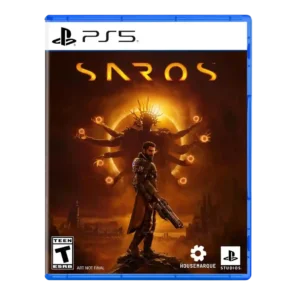
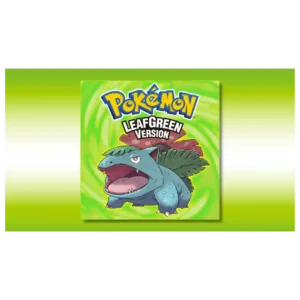
Compare Saros vs Pokemon LeafGreen and FireRed Versions

Saros

Saros

Overall score 4.3 / 5

Based on 24 scored reviews

vs
Pokemon LeafGreen and FireRed Versions

Pokemon LeafGreen and FireRed Versions

Overall score 3.9 / 5

Based on 41 scored reviews

How we score

Scorata scores summarize analyzed review evidence on a 1–5 scale; they are not laboratory measurements or a simple average of customer star ratings. Feature scores summarize the reviews covering that feature. The overall score averages feature scores within each review, then combines review averages. When both expert and customer evidence are available, those two groups receive equal weight. Products can have different review coverage, so small score gaps do not establish a winner.

Recommendations prioritize important features for the category, with a score of at least 3.5, a gap of at least 0.25 points and at least two supporting reviews per product. Features with widely varying scores or broad connectivity contexts are excluded from recommendations. These safeguards do not establish statistical significance.

Quick verdict

What each product is best for

The review evidence points to a tradeoff: platform-specific feature support and originality versus emotional impact and economy and resource balance. Choose according to which strengths matter more to you; the overall score alone does not settle that choice.

Choose Saros for platform-specific feature support and originality.

Choose Pokemon LeafGreen and FireRed Versions for emotional impact and economy and resource balance.

Why these recommendations?

Saros

Where It Has the Edge

  • platform-specific feature support is 4.7 vs 2.0. Platform-specific support was praised through PS5 showcase features, Pro upscaling, DualSense use, and 3D audio.
  • originality is 3.8 vs 1.5. Originality was mixed, with praise for bold changes and criticism that Saros repeats Returnal-like beats with minimal variation.
  • enemy variety is 4.6 vs 2.5. Enemy variety was praised for diverse, escalating, and biome-changing threats that keep combat fresh.

Pokemon LeafGreen and FireRed Versions

Where It Has the Edge

  • emotional impact is 4.6 vs 3.0. For longtime fans, returning to Kanto can be intensely nostalgic and comforting; familiar music, sprites, and team-building repeatedly...
  • economy and resource balance is 4.3 vs 3.1. Limited TMs and version-specific Game Corner costs make resource choices matter more than in newer entries, rewarding careful...
  • tutorial quality is 4.8 vs 4.3. Guidance is lightweight and optional, offering help without forcing lengthy tutorials, which suits both newcomers and returning players.
Saros 4.3 overall score
Pokemon LeafGreen and FireRed Versions 3.9 overall score

Compare features

Scores are out of 5. Missing scores mean missing review evidence, not a missing feature.

Scored on both products

Other features

Innovation
Saros
4.7

Innovation centered on the shield, bullet-as-resource design, haptic implementation, and a more flexible challenge structure.

Pokemon LeafGreen and FireRed Versions
1.9

The original 2004 remake added worthwhile mechanics and wireless features, but the 2026 rerelease is widely viewed as conservative, with very little new beyond targeted fixes and event access.

Character development
Saros
4.8

Arjun’s arc drew praise where reviewers felt his development became darker, more complex, and captivating.

Pokemon LeafGreen and FireRed Versions
2.0

Character growth is intentionally light; the adventure focuses far more on building a Pokémon team than on deep personal arcs or emotional storytelling.

Side character depth
Saros
2.5

Side character depth was a common weakness, with reviewers describing the supporting cast as shallow, disposable, or stock.

Pokemon LeafGreen and FireRed Versions
5.0

The rival stands out as a simple but effective recurring foil whose arrogant personality and constant lead over the player make each rematch satisfying.

Originality
Saros
3.8

Originality was mixed, with praise for bold changes and criticism that Saros repeats Returnal-like beats with minimal variation.

Pokemon LeafGreen and FireRed Versions
1.5

The Kanto formula is foundational rather than novel today; the remake preserves what works, but repeated story beats and limited new ideas can make it feel familiar to longtime players.

Enemy variety
Saros
4.6

Enemy variety was praised for diverse, escalating, and biome-changing threats that keep combat fresh.

Pokemon LeafGreen and FireRed Versions
2.5

Kanto’s restricted early roster keeps battles recognizable but can make opposing teams feel repetitive, especially before later-generation Pokémon open up in the postgame.

Endgame content
Saros
2.8

Endgame content was a limited concern, with one reviewer specifically wishing for a dedicated post-game activity.

Pokemon LeafGreen and FireRed Versions
4.7

The Sevii Islands, stronger opponents, legendary encounters, and continued collecting give the game a substantial postgame that many consider one of the remake’s defining strengths.

Dialogue quality
Saros
2.7

Dialogue quality was mixed to weak, with several reviewers noting stilted conversations, unnatural backlog delivery, or long quiet stretches.

Pokemon LeafGreen and FireRed Versions
4.5

NPC dialogue is simple but charming and memorable, giving towns and routes personality without slowing the adventure with long conversations.

Movement feel
Saros
4.7

Movement feel was praised as smooth, nimble, precise, and joyful across several reviews.

Pokemon LeafGreen and FireRed Versions
2.9

Running Shoes are a major improvement over the originals, yet the slow opening pace and four-direction movement still make traversal feel dated to some players.

Emotional impact
Saros
3.0

Emotional impact was mixed, with some reviewers admiring ideas but others saying the narrative and characters did not fully move them.

Pokemon LeafGreen and FireRed Versions
4.6

For longtime fans, returning to Kanto can be intensely nostalgic and comforting; familiar music, sprites, and team-building repeatedly trigger strong childhood memories.

Economy and resource balance
Saros
3.1

Resource balance drew limited but mixed evidence, with one review noting balance concerns and another criticizing excess currency gains.

Pokemon LeafGreen and FireRed Versions
4.3

Limited TMs and version-specific Game Corner costs make resource choices matter more than in newer entries, rewarding careful planning but sometimes creating avoidable friction.

Onboarding experience
Saros
3.5

Onboarding was mixed: some reviewers said mechanics ramped up well, while one felt the many systems were poorly communicated.

Pokemon LeafGreen and FireRed Versions
4.6

The clear catch-battle-trade structure makes the games a strong introduction to classic Pokémon, helped by simple controls and optional guidance rather than heavy hand-holding.

Polish
Saros
4.7

Polish was praised frequently, with reviewers calling Saros smooth, refined, and consistently excellent.

Pokemon LeafGreen and FireRed Versions
3.6

The underlying remake is often praised as cohesive and refined, while the modern package is criticized for feeling minimally dressed up despite fixing several old bugs.

Visual effects quality
Saros
4.9

Visual effects were a major highlight, especially the particle-heavy combat fireworks and colorful VFX.

Pokemon LeafGreen and FireRed Versions
3.8

Battle effects are modest by modern standards but add color and personality to the sprite-based combat, with several assessments praising the upgraded move presentation.

Graphics quality
Saros
4.7

Graphics quality was praised across reviews for visual flair, PS5 showcase value, and striking Unreal Engine 5 presentation.

Pokemon LeafGreen and FireRed Versions
4.0

The pixel visuals remain crisp, colorful, and charming, yet opinions split between admiration for the timeless sprite work and frustration with barebones scaling, black borders, and limited modern enhancement.

Tutorial quality
Saros
4.3

Tutorial quality had limited but positive evidence, with reviewers noting trial-and-error teaching and encounter design that prepares players for bosses.

Pokemon LeafGreen and FireRed Versions
4.8

Guidance is lightweight and optional, offering help without forcing lengthy tutorials, which suits both newcomers and returning players.

Writing quality
Saros
3.7

Writing quality was mixed, with praise for logs and media-literate storytelling but criticism of hollow or unclear themes.

Pokemon LeafGreen and FireRed Versions
3.1

The writing is plain and functional rather than deep, though memorable NPC lines and the clean story structure help the world stay charming and easy to follow.

World interactivity
Saros
4.2

World interactivity had limited evidence, mostly around movement-reactive effects and environmental destruction.

Pokemon LeafGreen and FireRed Versions
4.8

Cut, Surf, Flash, and other field abilities tie exploration to team growth, creating satisfying moments when new tools open previously blocked paths.

Progression system
Saros
4.3

Progression was usually praised for meaningful permanent upgrades, though one reviewer felt it overemphasized numbers over skill.

Pokemon LeafGreen and FireRed Versions
3.8

Badge progression and team growth remain satisfying, but leveling is slower and more manual than in newer entries, with HMs and delayed conveniences adding friction.

Narrative quality
Saros
3.9

Narrative quality was the most mixed major attribute, ranging from gripping and coherent to underdeveloped, opaque, or overambitious.

Pokemon LeafGreen and FireRed Versions
3.3

The story is deliberately simple and easy to follow, which suits the adventure’s pace, but it offers little depth or surprise for players seeking richer RPG storytelling.

Pacing
Saros
3.6

Pacing drew mixed responses, from tighter run pacing to complaints that story, repetition, or traversal could drag.

Pokemon LeafGreen and FireRed Versions
4.0

The campaign is compact and purposeful compared with many modern RPGs, though grinding, random encounters, and slow early movement can interrupt that otherwise strong rhythm.

Gameplay mechanics
Saros
4.5

Gameplay mechanics, especially the shield, parry, eclipse, and modifier systems, were praised, though one review felt the systems could overprotect players.

Pokemon LeafGreen and FireRed Versions
4.0

The mechanical foundation is deep and rewarding, but HMs, single-use TMs, older move rules, random encounters, and limited convenience features can feel dated.

Difficulty balance
Saros
4.1

Difficulty balance split reviewers: many called it tough but fair and customizable, while some felt ganks, repetition, or modifiers could undermine balance.

Pokemon LeafGreen and FireRed Versions
3.6

Challenge is highly perspective-dependent: veterans may find the campaign easy, while players used to modern Pokémon often find the older leveling curve and late battles demanding but engaging.

Lore depth
Saros
4.4

Lore depth was praised where reviewers enjoyed logs, mysteries, and hidden material that encouraged deeper digging.

Pokemon LeafGreen and FireRed Versions
4.0

The Sevii Islands give the otherwise simple Kanto story extra context, connecting later Pokémon, Team Rocket developments, and broader series history.

Faithfulness to franchise
Saros
4.6

Reviewers generally felt Saros honors Housemarque and Returnal’s lineage while refining or expanding the studio’s formula.

Pokemon LeafGreen and FireRed Versions
4.9

These games preserve the classic Pokémon formula exceptionally well, keeping the original Kanto structure while layering in key Generation 3 mechanics and postgame content.

Learning curve
Saros
3.8

The learning curve was approachable for some but still initially demanding, with trial-and-error teaching and a tough early adjustment.

Pokemon LeafGreen and FireRed Versions
4.2

The basic rules are easy to pick up, but older systems hide important quirks around typings, stats, HMs, TMs, and progression that can surprise newcomers.

Core gameplay loop
Saros
4.5

The core loop was usually seen as compelling and satisfying, though Polygon felt progression systems weakened the roguelike loop.

Pokemon LeafGreen and FireRed Versions
4.8

Exploring, catching, training, and battling remains remarkably addictive. The loop is repeatedly described as the reason these games still work decades later.

Content variety
Saros
4.5

Several reviews found the game rich in sections, weapons, collectibles, and sights, though the content variety was usually discussed through exploration and spectacle.

Pokemon LeafGreen and FireRed Versions
4.2

Beyond gyms and catching, the Sevii Islands, trainer rematches, legendary hunts, trading, and postgame challenges add meaningful variety, though the Switch port itself adds very little new.

Character roster
Saros
3.6

The cast received mixed reactions, with some reviews praising performances while others wanted more depth beyond Arjun.

Pokemon LeafGreen and FireRed Versions
3.9

The 151-Kanto focus gives the game an iconic, tightly curated roster, but version exclusives and postgame restrictions can make the available pool feel narrow or incomplete.

Handheld play suitability
Saros
4.5

Handheld or remote play suitability had limited evidence, but one reviewer said it looked and played beautifully on PlayStation Portal.

Pokemon LeafGreen and FireRed Versions
4.8

Short routes, frequent saving, compact battles, and a portable-first structure make FireRed and LeafGreen especially comfortable in handheld play.

HUD clarity
Saros
4.4

HUD/readability comments were positive but limited, emphasizing that the intense spectacle remained coherent and not visually confusing.

Pokemon LeafGreen and FireRed Versions
4.2

Information screens are generally readable and helpful, though older layouts can feel cluttered compared with modern interfaces.

Art direction
Saros
4.8

Art direction was a clear strength, with reviewers highlighting Carcosa’s strong, alien visual identity and memorable environmental design.

Pokemon LeafGreen and FireRed Versions
4.6

Bright colors and expressive pixel sprites have aged especially well, giving Kanto a warm, recognizable look even when the technical presentation feels old.

Horror tension
Saros
4.7

Horror tension was supported through praise for dread, anxiety, cosmic horror, and the unsettling eclipse-driven world.

Pokemon LeafGreen and FireRed Versions
4.5

Lavender Town’s eerie mood still lands strongly, with unsettling music and atmosphere giving that stretch of Kanto a memorable edge.

Load times
Saros
4.8

Load times had limited but strong evidence, with Digital Foundry praising nearly instant transitions.

Pokemon LeafGreen and FireRed Versions
5.0

Saving is extremely fast on the Switch release, with one assessment calling it the fastest version experienced for that operation.

Upgrade system
Saros
4.6

The upgrade system was praised for making attempts feel worthwhile and improving approachability.

Pokemon LeafGreen and FireRed Versions
4.5

Raising a personally caught team still feels rewarding, especially when training pays off in visible level growth and evolution.

Accessibility options
Saros
4.6

Reviewers praised Saros for broad accessibility and difficulty-tuning options, including modifiers, visual recoloring, remapping, and ways to soften or intensify challenge.

Pokemon LeafGreen and FireRed Versions
4.5

There are few built-in accessibility tools, but the turn-based pace is broadly approachable, and one-handed Joy-Con play is a welcome modern accommodation.

Grind level
Saros
2.9

Grind and repetition drew mixed-to-negative comments, especially around repeated boss attempts and artifact droughts.

Pokemon LeafGreen and FireRed Versions
2.8

Old-school experience distribution makes training considerably slower than in newer Pokémon games. Some enjoy the deliberate team-building; others find repeated battles tedious.

Animation quality
Saros
2.8

Animation comments were mostly negative, focused on stiff dialogue animation and odd or weak face animation outside stronger cinematic moments.

Pokemon LeafGreen and FireRed Versions
2.7

Sprite animation retains classic charm but is often described as sparse or slow by modern standards; the 2004 remake still improved battle presentation over the originals.

Fun factor
Saros
4.9

Fun factor was very high, with reviewers repeatedly describing the act of playing, replaying, and mastering Saros as joyful or addictive.

Pokemon LeafGreen and FireRed Versions
4.8

Even critics of the rerelease’s pricing and presentation repeatedly describe the underlying game as genuinely fun, addictive, and easy to lose hours in.

Exploration quality
Saros
4.6

Exploration was praised for hidden paths, secrets, and optional areas that reward revisiting biomes.

Pokemon LeafGreen and FireRed Versions
4.5

Kanto rewards curiosity with branching routes, hidden items, optional detours, and progression gates that encourage players to figure out where to go rather than follow constant directions.

Atmosphere
Saros
4.7

Reviewers repeatedly praised the unnerving, dread-soaked atmosphere, even when they disagreed about the story itself.

Pokemon LeafGreen and FireRed Versions
4.7

Kanto still carries a strong sense of adventure and nostalgia, with distinctive towns, routes, music, and familiar encounters giving the journey lasting personality.

Environmental detail
Saros
4.7

Environmental detail was a frequent highlight, with reviewers praising Carcosa’s biomes, architecture, and alien spaces.

Pokemon LeafGreen and FireRed Versions
4.8

The GBA-era world is colorful and readable, with distinct caves, towns, forests, water routes, and small visual touches that give each area its own identity.

Combat system
Saros
4.7

Combat was the strongest consensus point, described as thrilling, precise, tactile, and among Housemarque’s best work.

Pokemon LeafGreen and FireRed Versions
4.7

Turn-based battles remain the game’s biggest strength: simple to operate, but deep enough that typing, abilities, movesets, stats, and team construction reward planning.

Ownership and support

Platform-specific feature support
Saros
4.7

Platform-specific support was praised through PS5 showcase features, Pro upscaling, DualSense use, and 3D audio.

Pokemon LeafGreen and FireRed Versions
2.0

The Switch versions gain portability, local wireless, event access, and some modern compatibility, but omit online trading, save states, rewind, filters, widescreen, and other expected conveniences.

Value for money
Saros
5.0

Value for money had limited but explicit support from one reviewer who said they would pay full price.

Pokemon LeafGreen and FireRed Versions
3.2

Value is the most contentious part of the modern release: the amount of game is substantial, but many object to paying separately for a barebones port with missing online and emulator-style features.

Replay value
Saros
4.7

Replay value was strong, with reviewers saying they wanted to dive back in or keep running even after credits.

Pokemon LeafGreen and FireRed Versions
4.7

Different starters, team combinations, route orders, challenge runs, collecting goals, and postgame content make repeated playthroughs unusually durable.

Controls and connectivity

Protagonist appeal
Saros
4.0

Protagonist appeal was mixed: several reviewers found Arjun compelling or well-acted, while one found him unpleasant by design.

Pokemon LeafGreen and FireRed Versions
2.0

The silent child protagonist is functional rather than charismatic, and at least one assessment finds that old-fashioned blank-slate lead irritating.

Controls responsiveness
Saros
4.6

Controls were heavily praised for responsiveness, tactile feel, and precise movement/shooting, with only rare complaints about input conflicts.

Pokemon LeafGreen and FireRed Versions
3.6

Basic inputs are easy to understand, but a few modern-port impressions note slight startup or menu latency that can make movement feel less immediate.

Menu usability
Saros
2.8

Menu usability had limited negative evidence, focused on hidden information and unclear equipment-screen navigation.

Pokemon LeafGreen and FireRed Versions
3.6

Core menus are straightforward, but inventory organization and some older status screens lack the convenience and cleanliness of later games.

Comfort and build

Sound design
Saros
4.7

Sound design and 3D audio were praised for intensity, dread, positional clarity, and haunting effects.

Pokemon LeafGreen and FireRed Versions
2.8

Pokémon cries and effects are divisive: some find the classic bleeps satisfying, while others call them tinny, archaic, or unpleasant compared with the music.

Map and navigation design
Saros
2.4

Navigation drew criticism from one reviewer who found objective direction poor despite liking the map.

Pokemon LeafGreen and FireRed Versions
3.8

Kanto encourages self-directed navigation and satisfying backtracking, although older dungeons such as Rock Tunnel can be frustrating without the right utility move.

Boss design
Saros
4.4

Bosses were widely admired for spectacle, challenge, and memorability, though a few reviewers found some fights long or uneven.

Pokemon LeafGreen and FireRed Versions
5.0

The gym leaders remain memorable, well-defined milestones, with one long-term assessment calling the entire lineup consistently solid.

World-building
Saros
4.6

World-building was praised through Carcosa’s mysteries, logs, lore, and thematic environmental storytelling.

Pokemon LeafGreen and FireRed Versions
4.5

Kanto feels coherent and memorable despite sparse text, using connected routes, distinctive towns, gyms, caves, villains, and Pokémon habitats to create a convincing adventure.

Level design
Saros
4.7

Level design was strongly praised for handcrafted chunks, biome structure, combat spaces, and a balance between freshness and mastery.

Pokemon LeafGreen and FireRed Versions
4.7

Kanto’s compact, interconnected routes and smart roadblocks remain a major strength, letting players discover paths and sequence parts of the journey without becoming directionless.

User interface design
Saros
3.3

User interface design had limited mixed evidence, with one reviewer finding it good enough but imperfect.

Pokemon LeafGreen and FireRed Versions
3.3

The interface is generally simple and readable, especially in the remake’s cleaner information screens, though some older menus and wireless flows feel clunky.

Performance

Soundtrack quality
Saros
4.6

The soundtrack was praised for oppressive, unnerving, and complex music that supports Carcosa’s tone.

Pokemon LeafGreen and FireRed Versions
4.4

The soundtrack is one of the most consistently celebrated elements, with memorable route, town, gym, rival, and champion themes carrying much of the game’s atmosphere.

Performance optimization
Saros
4.6

Performance optimization was praised overall, especially on PS5/PS5 Pro, with only minor dips or loading-related hitches noted.

Pokemon LeafGreen and FireRed Versions
4.7

The modern versions generally run cleanly with sharp presentation and very fast saving, though their technical upgrades are modest rather than transformative.

Evidence available for one product

Controls and connectivity

Age appropriateness
SarosNo score yet
Pokemon LeafGreen and FireRed Versions
4.7

The simple controls, kid-friendly structure, and easy-to-grasp goals make this an inviting entry point for younger players as well as adults returning to Kanto.

Voice acting
Saros
4.7

Voice acting was widely praised, especially Rahul Kohli’s performance, with the broader cast also receiving positive notes.

Pokemon LeafGreen and FireRed VersionsNo score yet

Other features

AI behavior
SarosNo score yet
Pokemon LeafGreen and FireRed Versions
3.5

Opponent AI is only modestly smarter than earlier entries, occasionally using items or switching, and rarely creates a serious tactical wall.

Aiming precision
Saros
4.0

Aiming was generally considered forgiving and readable thanks to auto-aim and tracking, though some no-auto-aim weapons were harder to master.

Pokemon LeafGreen and FireRed VersionsNo score yet
Battle mode quality
SarosNo score yet
Pokemon LeafGreen and FireRed Versions
4.5

Double battles add a welcome extra tactical layer, even though they appear far less often than the standard one-on-one format.

Bug frequency
SarosNo score yet
Pokemon LeafGreen and FireRed Versions
5.0

The Switch release fixes several notorious legacy bugs, including problems that could permanently lose roaming legendary Pokémon, making this version safer than the original cartridges.

Camera behavior
Saros
4.3

Camera controls were specifically praised as quick enough for combat without becoming disorienting.

Pokemon LeafGreen and FireRed VersionsNo score yet
Checkpoint system
Saros
4.6

Saros’ checkpoint-like structure and biome restart options were praised for reducing repetition and respecting time.

Pokemon LeafGreen and FireRed VersionsNo score yet
Choice impact
SarosNo score yet
Pokemon LeafGreen and FireRed Versions
4.8

Team composition, route order, version choice, and optional detours can meaningfully change how a playthrough unfolds, helping repeated runs feel distinct.

Community features
SarosNo score yet
Pokemon LeafGreen and FireRed Versions
3.9

Trading rooms, wireless chat, and newer communication layers preserve some of Pokémon’s social spirit, though the modern release does not fully modernize those features.

Competitive balance
SarosNo score yet
Pokemon LeafGreen and FireRed Versions
2.9

The Generation 3 mechanics improve balance over the originals, but the pre-physical/special split and limited type roster still leave certain Pokémon and matchups awkwardly advantaged.

Facial animations
Saros
2.9

Facial animations were a repeated weakness, especially outside cutscenes where faces could not match the vocal performances.

Pokemon LeafGreen and FireRed VersionsNo score yet
Family friendliness
SarosNo score yet
Pokemon LeafGreen and FireRed Versions
4.8

The friendly presentation, simple button demands, and kid-oriented structure make the adventure easy to share with younger players, without removing strategic depth for adults.

Fast travel convenience
Saros
4.7

Fast travel and biome teleporting were widely praised as major quality-of-life improvements that reduce tedium.

Pokemon LeafGreen and FireRed VersionsNo score yet
Frame rate stability
Saros
4.6

Frame rate was generally strong, with most reviewers reporting near-locked or rock-solid 60fps and only occasional dips.

Pokemon LeafGreen and FireRed VersionsNo score yet
Haptic feedback integration
Saros
4.7

DualSense haptics and adaptive triggers were a standout, repeatedly praised as tactile, innovative, and deeply integrated.

Pokemon LeafGreen and FireRed VersionsNo score yet
Immersion
Saros
4.7

Immersion was praised through tactile feedback, 3D audio, and audiovisual design that pulled reviewers into Carcosa.

Pokemon LeafGreen and FireRed VersionsNo score yet
Loot system
Saros
3.1

Loot drew mixed feedback: some liked risky artifacts and weapon discovery, while others disliked artifact droughts or limited replacement control.

Pokemon LeafGreen and FireRed VersionsNo score yet
Matchmaking quality
SarosNo score yet
Pokemon LeafGreen and FireRed Versions
2.0

The original wireless connection flow can be cumbersome and laggy, making it awkward to tell when another nearby player is actually available to trade or battle.

Monetization fairness
SarosNo score yet
Pokemon LeafGreen and FireRed Versions
1.5

Selling the versions separately draws sharp criticism, with the harshest takes calling the rerelease overpriced and needlessly extractive.

Platforming precision
Saros
4.5

Platforming precision had limited but positive evidence around precise jumping, dodging, and reduced geometry snagging.

Pokemon LeafGreen and FireRed VersionsNo score yet
Remake/remaster quality
SarosNo score yet
Pokemon LeafGreen and FireRed Versions
3.3

The 2004 remake is widely admired for modernizing the originals without losing their identity, but the 2026 port is repeatedly criticized for adding too little for a paid anniversary release.

Sandbox freedom
SarosNo score yet
Pokemon LeafGreen and FireRed Versions
4.8

Kanto is not an open world, but its middle and later sections give players meaningful freedom to choose routes, tackle objectives in different orders, and explore without constant direction.

Skill tree depth
Saros
3.8

Skill-tree depth was mixed, from exhaustive and satisfying to more of a limited trunk than a deep build system.

Pokemon LeafGreen and FireRed VersionsNo score yet
Social features
SarosNo score yet
Pokemon LeafGreen and FireRed Versions
2.7

Pokémon’s trading culture remains integral to the experience, but local-only communication on Switch sharply limits that social loop for players without nearby friends.

Weapon balance
Saros
4.1

Weapon balance was mostly positive for variety and viability, though some weapons or no-autohit variants frustrated reviewers.

Pokemon LeafGreen and FireRed VersionsNo score yet

Comfort and build

Mission design
Saros
4.6

Optional challenge-space design was praised as brutal but rewarding.

Pokemon LeafGreen and FireRed VersionsNo score yet
Multiplayer design
SarosNo score yet
Pokemon LeafGreen and FireRed Versions
2.7

Trading and battling remain central to the design, but the Switch release’s local-only communication is the most repeated multiplayer complaint and can block trade evolutions or Pokédex completion.

Quest design
SarosNo score yet
Pokemon LeafGreen and FireRed Versions
4.5

Kanto’s item-gated route chains and the Sevii Islands give exploration a pleasing cause-and-effect structure, with detours that reward paying attention.

Ownership and support

Save system reliability
Saros
4.5

Save/run continuation quality was praised via suspend, leave-and-return, and day-one roguelite quality-of-life comments.

Pokemon LeafGreen and FireRed VersionsNo score yet

Other Top Video Games to Consider

#1 Well Dweller
4.7

Best for fluid traversal, rewarding exploration, striking art, and forgiving quality-of-life features. Skip it if you want deep combat, radical genre innovation, or consistently demanding bosses.

Pros: difficulty balance, boss design

Cons: innovation, sandbox freedom

#2 Hades II
4.5

Best for superb combat, inventive builds, and richly voiced characters. Skip it if repeated runs, resource gathering, or visually busy battles outweigh the appeal of steady progress.

Pros: overall quality, combat system

Cons: pacing, grind level

#3 Valheim
4.5

Good if you want a beautiful, demanding survival sandbox built around exploration, building, progression, and memorable co-op. Skip it if long resource runs, harsh death recovery, and deliberate pacing sound...

Pros: town-building system, exploration quality

Cons: grind level, fast travel convenience

#4 Grand Theft Auto VI
4.5

Leonida is a breathtakingly alive crime sandbox with memorable protagonists, spectacular heists, and extraordinary detail. The tradeoff is a 30 fps ceiling, occasional control awkwardness, and some progression friction.

Pros: immersion, graphics quality

Cons: grind level, controls responsiveness