Compare Saros vs Hillthorn

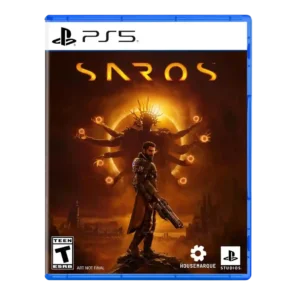
Saros

Saros

Overall score 4.3 / 5

Based on 24 scored reviews

vs
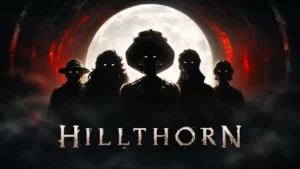
Hillthorn

Hillthorn

Overall score 4.3 / 5

Based on 18 scored reviews

How we score

Scorata scores summarize analyzed review evidence on a 1–5 scale; they are not laboratory measurements or a simple average of customer star ratings. Feature scores summarize the reviews covering that feature. The overall score averages feature scores within each review, then combines review averages. When both expert and customer evidence are available, those two groups receive equal weight. Products can have different review coverage, so small score gaps do not establish a winner.

Recommendations prioritize important features for the category, with a score of at least 3.5, a gap of at least 0.25 points and at least two supporting reviews per product. Features with widely varying scores or broad connectivity contexts are excluded from recommendations. These safeguards do not establish statistical significance.

Quick verdict

What each product is best for

The review evidence points to a tradeoff: character development and pacing versus originality and narrative quality. Choose according to which strengths matter more to you; the overall score alone does not settle that choice.

Choose Saros for character development and pacing.

Choose Hillthorn for originality and narrative quality.

Why these recommendations?

Saros

Where It Has the Edge

  • character development is 4.8 vs 2.3. Arjun’s arc drew praise where reviewers felt his development became darker, more complex, and captivating.
  • pacing is 3.6 vs 2.2. Pacing drew mixed responses, from tighter run pacing to complaints that story, repetition, or traversal could drag.
  • difficulty balance is 4.1 vs 3.5. Difficulty balance split reviewers: many called it tough but fair and customizable, while some felt ganks, repetition, or...

Hillthorn

Where It Has the Edge

  • originality is 4.8 vs 3.8. The detective premise is familiar, but expressing nearly everything through a card-table vocabulary gives it a distinctive identity....
  • narrative quality is 4.5 vs 3.9. The disappearing-person mystery builds curiosity through clues and implications rather than traditional exchanges. Admirers find the restraint evocative;...
  • soundtrack quality is 5.0 vs 4.6. The music moves from relaxed, almost lounge-like tunes to ominous and affecting passages. Its shifts match the investigation...
Saros 4.3 overall score
Hillthorn 4.3 overall score

Compare features

Scores are out of 5. Missing scores mean missing review evidence, not a missing feature.

Scored on both products

Other features

Character development
Saros
4.8

Arjun’s arc drew praise where reviewers felt his development became darker, more complex, and captivating.

Hillthorn
2.3

The townspeople are visually intriguing and often menacing, but their card-sized descriptions leave limited space for personal development. Several players wish the cast had more conversational depth.

Animation quality
Saros
2.8

Animation comments were mostly negative, focused on stiff dialogue animation and odd or weak face animation outside stronger cinematic moments.

Hillthorn
4.5

Small animated touches, such as characters represented by moving cards, bring a little movement and life to the restrained presentation.

Pacing
Saros
3.6

Pacing drew mixed responses, from tighter run pacing to complaints that story, repetition, or traversal could drag.

Hillthorn
2.2

The mystery is most compelling when clues keep opening new possibilities. Multiple reviewers find its momentum weakened by rebuilding inventories and repeating familiar routes.

Immersion
Saros
4.7

Immersion was praised through tactile feedback, 3D audio, and audiovisual design that pulled reviewers into Carcosa.

Hillthorn
3.4

Strong mental imagery and suspense draw some players deeply into the town, despite the limited on-screen world. Others find staring down at cards and missing conversational detail makes the setting less tangible.

Grind level
Saros
2.9

Grind and repetition drew mixed-to-negative comments, especially around repeated boss attempts and artifact droughts.

Hillthorn
1.8

The repeated collection of keys, items, and route steps is the clearest recurring complaint. Although shortcuts reduce some of the load, a number of players feel the clock turns discovery into errands.

Originality
Saros
3.8

Originality was mixed, with praise for bold changes and criticism that Saros repeats Returnal-like beats with minimal variation.

Hillthorn
4.8

The detective premise is familiar, but expressing nearly everything through a card-table vocabulary gives it a distinctive identity. Even players skeptical of card games find the experiment refreshing.

Progression system
Saros
4.3

Progression was usually praised for meaningful permanent upgrades, though one reviewer felt it overemphasized numbers over skill.

Hillthorn
3.5

The real upgrade is what the detective learns: discoveries persist even as the physical inventory resets. Some find that clever and rewarding; others think retained knowledge skips too little work.

Narrative quality
Saros
3.9

Narrative quality was the most mixed major attribute, ranging from gripping and coherent to underdeveloped, opaque, or overambitious.

Hillthorn
4.5

The disappearing-person mystery builds curiosity through clues and implications rather than traditional exchanges. Admirers find the restraint evocative; others miss the texture of fully developed scenes and conversations.

Difficulty balance
Saros
4.1

Difficulty balance split reviewers: many called it tough but fair and customizable, while some felt ganks, repetition, or modifiers could undermine balance.

Hillthorn
3.5

Most puzzles ask for attention and sensible connections, not extreme leaps of logic. A few poorly signposted timing requirements and enforced repeats create spikes in frustration.

Core gameplay loop
Saros
4.5

The core loop was usually seen as compelling and satisfying, though Polygon felt progression systems weakened the roguelike loop.

Hillthorn
5.0

Finding a new clue usually opens another question, creating a strong urge to keep playing. The desire to understand the mountain makes long investigative sessions fly by.

Exploration quality
Saros
4.6

Exploration was praised for hidden paths, secrets, and optional areas that reward revisiting biomes.

Hillthorn
4.0

Alternate leads often let players move on instead of getting stuck, rewarding curiosity and self-directed investigation. Retracing familiar routes after midnight is the recurring drag.

Handheld play suitability
Saros
4.5

Handheld or remote play suitability had limited evidence, but one reviewer said it looked and played beautifully on PlayStation Portal.

Hillthorn
5.0

The digital-board-game layout fits naturally into a handheld screen, and the presentation remains clear and responsive.

Onboarding experience
Saros
3.5

Onboarding was mixed: some reviewers said mechanics ramped up well, while one felt the many systems were poorly communicated.

Hillthorn
4.0

The card interactions are introduced through the same process used to investigate the world, making the learning feel natural. The first few minutes still leave room for confusion or a missed clue.

Dialogue quality
Saros
2.7

Dialogue quality was mixed to weak, with several reviewers noting stilted conversations, unnatural backlog delivery, or long quiet stretches.

Hillthorn
2.3

Traditional conversations are largely absent, leaving relationships to be inferred from pictures and brief labels. That helps the mystery feel unusual but can disappoint players wanting extensive character exchanges.

Frame rate stability
Saros
4.6

Frame rate was generally strong, with most reviewers reporting near-locked or rock-solid 60fps and only occasional dips.

Hillthorn
5.0

Gameplay remained smooth in the reported PC playthrough, without noticeable stutters or frame drops.

Graphics quality
Saros
4.7

Graphics quality was praised across reviews for visual flair, PS5 showcase value, and striking Unreal Engine 5 presentation.

Hillthorn
5.0

The stylized noir imagery and expressive card portraits give the game an immediately memorable look. The restrained illustrations help carry its dark themes.

Learning curve
Saros
3.8

The learning curve was approachable for some but still initially demanding, with trial-and-error teaching and a tough early adjustment.

Hillthorn
4.1

The unusual card language can look strange or complicated at first, but it quickly becomes understandable for many players. Initial confusion and a few overlooked clues are still possible.

World interactivity
Saros
4.2

World interactivity had limited evidence, mostly around movement-reactive effects and environmental destruction.

Hillthorn
4.5

The same cards used to inspect clues also let players explore, question people, and act on deductions. That coherence helps the stripped-back world feel interactive.

Fun factor
Saros
4.9

Fun factor was very high, with reviewers repeatedly describing the act of playing, replaying, and mastering Saros as joyful or addictive.

Hillthorn
4.6

The urge to chase another lead keeps many players immersed for hours and prompts enthusiastic demo reactions. Repeated collection and tighter time pressure are the main interruptions to that enjoyment.

Innovation
Saros
4.7

Innovation centered on the shield, bullet-as-resource design, haptic implementation, and a more flexible challenge structure.

Hillthorn
5.0

The unusual card-table detective interface and almost wordless narration feel like a genuine change from familiar adventure formulas. It is an especially memorable design concept, even when it introduces tradeoffs.

Gameplay mechanics
Saros
4.5

Gameplay mechanics, especially the shield, parry, eclipse, and modifier systems, were praised, though one review felt the systems could overprotect players.

Hillthorn
4.7

The small vocabulary of card actions keeps investigation manageable and makes discoveries satisfying. Its simplicity can sometimes encourage trying every combination rather than reasoning deeply.

Environmental detail
Saros
4.7

Environmental detail was a frequent highlight, with reviewers praising Carcosa’s biomes, architecture, and alien spaces.

Hillthorn
4.5

Subtle shadow changes and location-specific backgrounds suggest much more of the mountain than the card table directly shows. Their restrained visual cues make the surroundings feel ominous.

Load times
Saros
4.8

Load times had limited but strong evidence, with Digital Foundry praising nearly instant transitions.

Hillthorn
5.0

Loading interruptions were minimal in the reported Switch 2 playthrough, supporting the adventure’s calm but consistent flow.

Horror tension
Saros
4.7

Horror tension was supported through praise for dread, anxiety, cosmic horror, and the unsettling eclipse-driven world.

Hillthorn
4.8

The game generates real panic and unease using surprisingly little movement, text, or scenery. Its occult village and eerie audiovisual cues provide strong slow-burn dread.

Accessibility options
Saros
4.6

Reviewers praised Saros for broad accessibility and difficulty-tuning options, including modifiers, visual recoloring, remapping, and ways to soften or intensify challenge.

Hillthorn
4.5

Adjustable card sizing and visual settings help make the small tabletop text and clues more comfortable to read.

Art direction
Saros
4.8

Art direction was a clear strength, with reviewers highlighting Carcosa’s strong, alien visual identity and memorable environmental design.

Hillthorn
4.7

Moody portraits, stark symbols, shifting shadows, and hand-drawn card art give a sparse tabletop striking personality. The noir and folk-horror influences make even simple layouts uneasy.

Side character depth
Saros
2.5

Side character depth was a common weakness, with reviewers describing the supporting cast as shallow, disposable, or stock.

Hillthorn
2.5

Cult members are compelling at first glance, yet their lives and motives receive little detailed exploration. More conversation would have helped their personalities breathe.

Atmosphere
Saros
4.7

Reviewers repeatedly praised the unnerving, dread-soaked atmosphere, even when they disagreed about the story itself.

Hillthorn
4.7

A secluded cult community, oppressive imagery, shadows, and unsettling sound create an unusually potent sense of dread. Even with most of the world represented by cards, the mountain feels threatening.

Comfort and build

World-building
Saros
4.6

World-building was praised through Carcosa’s mysteries, logs, lore, and thematic environmental storytelling.

Hillthorn
2.5

The mountain village hints at compelling occult history, but seeing mainly tabletops and changing light makes some of its locations feel under-realized.

Map and navigation design
Saros
2.4

Navigation drew criticism from one reviewer who found objective direction poor despite liking the map.

Hillthorn
3.5

Learnable routes and green travel shortcuts reduce some early confusion. However, repeating sequences of directional cards when crossing the forest can become an unnecessary chore.

User interface design
Saros
3.3

User interface design had limited mixed evidence, with one reviewer finding it good enough but imperfect.

Hillthorn
4.1

Color coding, clear action symbols, and sorting make the tabletop readable and intuitive for most players. Occasional overlapping cards and hard-to-see clues interrupt an otherwise elegant interface.

Sound design
Saros
4.7

Sound design and 3D audio were praised for intensity, dread, positional clarity, and haunting effects.

Hillthorn
4.8

Creeping background noises and environmental audio turn card interactions into threatening encounters. Changes in scene and danger are communicated effectively through sound.

Controls and connectivity

Menu usability
Saros
2.8

Menu usability had limited negative evidence, focused on hidden information and unclear equipment-screen navigation.

Hillthorn
4.5

Even the menus use card investigations, so the control language stays consistent from setup into the mystery. That integration makes the unusual interface easier to learn.

Controls responsiveness
Saros
4.6

Controls were heavily praised for responsiveness, tactile feel, and precise movement/shooting, with only rare complaints about input conflicts.

Hillthorn
4.5

Direct touch input makes card selection, dragging, and dropping feel snappy on Switch hardware.

Ownership and support

Value for money
Saros
5.0

Value for money had limited but explicit support from one reviewer who said they would pay full price.

Hillthorn
4.0

The unusual investigation system and unsettling art are considered worthwhile at the modest launch price, especially for curious mystery fans.

Platform-specific feature support
Saros
4.7

Platform-specific support was praised through PS5 showcase features, Pro upscaling, DualSense use, and 3D audio.

Hillthorn
4.5

The Switch version makes good use of touchscreen input, providing a more immediate way to manipulate the many cards.

Replay value
Saros
4.7

Replay value was strong, with reviewers saying they wanted to dive back in or keep running even after credits.

Hillthorn
4.8

Different routes and endings make the mountain worth investigating more than once. The desire to see alternative outcomes is tempered by needing to repeat old errands after resets.

Performance

Soundtrack quality
Saros
4.6

The soundtrack was praised for oppressive, unnerving, and complex music that supports Carcosa’s tone.

Hillthorn
5.0

The music moves from relaxed, almost lounge-like tunes to ominous and affecting passages. Its shifts match the investigation and heighten emotional stakes.

Performance optimization
Saros
4.6

Performance optimization was praised overall, especially on PS5/PS5 Pro, with only minor dips or loading-related hitches noted.

Hillthorn
5.0

The tested PC playthrough ran smoothly, with no reported frame drops or stuttering.

Evidence available for one product

Other features

Aiming precision
Saros
4.0

Aiming was generally considered forgiving and readable thanks to auto-aim and tracking, though some no-auto-aim weapons were harder to master.

HillthornNo score yet
Automation
SarosNo score yet
Hillthorn
4.5

Repeated interactions eventually receive routine cards that carry out familiar actions automatically. This noticeably reduces the tedium of replaying certain steps.

Camera behavior
Saros
4.3

Camera controls were specifically praised as quick enough for combat without becoming disorienting.

HillthornNo score yet
Card-based investigation system
SarosNo score yet
Hillthorn
4.8

Clues, characters, places, and actions are handled as cards, turning investigative reasoning into something tactile and easy to parse. Some players find the limited combinations a little too simple, but almost everyone admires the approach.

Character roster
Saros
3.6

The cast received mixed reactions, with some reviews praising performances while others wanted more depth beyond Arjun.

HillthornNo score yet
Checkpoint system
Saros
4.6

Saros’ checkpoint-like structure and biome restart options were praised for reducing repetition and respecting time.

HillthornNo score yet
Choice impact
SarosNo score yet
Hillthorn
4.7

Players can pursue separate leads, force entry, mishandle encounters, and earn very different conclusions. Consequences give the investigation meaningful agency rather than a single fixed solution.

Combat system
Saros
4.7

Combat was the strongest consensus point, described as thrilling, precise, tactile, and among Housemarque’s best work.

HillthornNo score yet
Content variety
Saros
4.5

Several reviews found the game rich in sections, weapons, collectibles, and sights, though the content variety was usually discussed through exploration and spectacle.

HillthornNo score yet
Demo quality
SarosNo score yet
Hillthorn
3.9

The sample wins excitement for its inventive cards and unsettling setup. A repeated caveat is that the demo ends just as players begin to settle into its mystery.

Economy and resource balance
Saros
3.1

Resource balance drew limited but mixed evidence, with one review noting balance concerns and another criticizing excess currency gains.

HillthornNo score yet
Emotional impact
Saros
3.0

Emotional impact was mixed, with some reviewers admiring ideas but others saying the narrative and characters did not fully move them.

HillthornNo score yet
Endgame content
Saros
2.8

Endgame content was a limited concern, with one reviewer specifically wishing for a dedicated post-game activity.

HillthornNo score yet
Enemy variety
Saros
4.6

Enemy variety was praised for diverse, escalating, and biome-changing threats that keep combat fresh.

HillthornNo score yet
Facial animations
Saros
2.9

Facial animations were a repeated weakness, especially outside cutscenes where faces could not match the vocal performances.

HillthornNo score yet
Faithfulness to franchise
Saros
4.6

Reviewers generally felt Saros honors Housemarque and Returnal’s lineage while refining or expanding the studio’s formula.

HillthornNo score yet
Fast travel convenience
Saros
4.7

Fast travel and biome teleporting were widely praised as major quality-of-life improvements that reduce tedium.

HillthornNo score yet
Game length
SarosNo score yet
Hillthorn
3.3

An ending can arrive in just a few hours, while exploring different paths extends the experience. Some players finish satisfied; others wish there were more stories to tell with these mechanics.

Haptic feedback integration
Saros
4.7

DualSense haptics and adaptive triggers were a standout, repeatedly praised as tactile, innovative, and deeply integrated.

HillthornNo score yet
Hint system
SarosNo score yet
Hillthorn
2.0

One crucial time-dependent clue is poorly signposted after it appears to have already served its purpose. That opacity can lead to wasteful repeat attempts.

HUD clarity
Saros
4.4

HUD/readability comments were positive but limited, emphasizing that the intense spectacle remained coherent and not visually confusing.

HillthornNo score yet
Inventory management
SarosNo score yet
Hillthorn
3.0

The board must be kept organized to prevent important cards from disappearing among the clutter. The added housekeeping can make progression less seamless.

Knowledge retention and shortcuts
SarosNo score yet
Hillthorn
4.4

Passwords, learned routes, and routine cards can carry useful progress into a new day and prevent total restarts. These conveniences help considerably, although they do not eliminate item-retrieval chores.

Loot system
Saros
3.1

Loot drew mixed feedback: some liked risky artifacts and weapon discovery, while others disliked artifact droughts or limited replacement control.

HillthornNo score yet
Lore depth
Saros
4.4

Lore depth was praised where reviewers enjoyed logs, mysteries, and hidden material that encouraged deeper digging.

HillthornNo score yet
Movement feel
Saros
4.7

Movement feel was praised as smooth, nimble, precise, and joyful across several reviews.

HillthornNo score yet
Overall quality
SarosNo score yet
Hillthorn
3.5

The inventive card mechanics and eerie presentation make the game worth considering, despite an oppressive loop that can detract from enjoyment.

Platforming precision
Saros
4.5

Platforming precision had limited but positive evidence around precise jumping, dodging, and reduced geometry snagging.

HillthornNo score yet
Polish
Saros
4.7

Polish was praised frequently, with reviewers calling Saros smooth, refined, and consistently excellent.

HillthornNo score yet
Sandbox freedom
SarosNo score yet
Hillthorn
4.5

Several solutions and endings allow players to follow their own deductions instead of moving through a fixed chain. Freedom is limited by the small set of cards available at a given time.

Skill tree depth
Saros
3.8

Skill-tree depth was mixed, from exhaustive and satisfying to more of a limited trunk than a deep build system.

HillthornNo score yet
Strategic depth
SarosNo score yet
Hillthorn
3.7

Deciding which leads to pursue before midnight gives planning real stakes. That satisfaction is reduced when a familiar item has to be fetched repeatedly instead of moving to a new deduction.

Tutorial quality
Saros
4.3

Tutorial quality had limited but positive evidence, with reviewers noting trial-and-error teaching and encounter design that prepares players for bosses.

HillthornNo score yet
Upgrade system
Saros
4.6

The upgrade system was praised for making attempts feel worthwhile and improving approachability.

HillthornNo score yet
Visual effects quality
Saros
4.9

Visual effects were a major highlight, especially the particle-heavy combat fireworks and colorful VFX.

HillthornNo score yet
Visual readability
SarosNo score yet
Hillthorn
4.5

Color-coded cards and adjustable sizes make the clues easier to separate and identify. The interface generally succeeds despite occasional difficult-to-see visual details.

Weapon balance
Saros
4.1

Weapon balance was mostly positive for variety and viability, though some weapons or no-autohit variants frustrated reviewers.

HillthornNo score yet
Writing quality
Saros
3.7

Writing quality was mixed, with praise for logs and media-literate storytelling but criticism of hollow or unclear themes.

HillthornNo score yet

Comfort and build

Boss design
Saros
4.4

Bosses were widely admired for spectacle, challenge, and memorability, though a few reviewers found some fights long or uneven.

HillthornNo score yet
Level design
Saros
4.7

Level design was strongly praised for handcrafted chunks, biome structure, combat spaces, and a balance between freshness and mastery.

HillthornNo score yet
Mission design
Saros
4.6

Optional challenge-space design was praised as brutal but rewarding.

HillthornNo score yet
Puzzle design
SarosNo score yet
Hillthorn
4.0

Combining clues, people, objects, and action cards makes deductions approachable and frequently satisfying. Some combinations are shallow enough to solve through trial and error, and an unclear timed clue can stall the investigation.

Quest design
SarosNo score yet
Hillthorn
4.5

Goals and routes are often visible early, making the satisfying part finding a clever way to achieve them. Several outcomes emerge from the same mystery rather than a rigid sequence.

Time-loop design
SarosNo score yet
Hillthorn
3.4

Midnight restarts create urgent decisions and opportunities to act with better knowledge next time. The dividing line is repetition: returning to known locations and retrieving familiar objects can feel like busywork.

Ownership and support

Localization support
SarosNo score yet
Hillthorn
4.0

Visual interactions carry much of their meaning independently of translated dialogue, supporting play across languages. Short labels still matter when images alone are ambiguous.

Save system reliability
Saros
4.5

Save/run continuation quality was praised via suspend, leave-and-return, and day-one roguelite quality-of-life comments.

HillthornNo score yet

Controls and connectivity

Protagonist appeal
Saros
4.0

Protagonist appeal was mixed: several reviewers found Arjun compelling or well-acted, while one found him unpleasant by design.

HillthornNo score yet
Touchscreen responsiveness
SarosNo score yet
Hillthorn
4.5

Touch input lets players tap and drag cards directly, making the Switch version feel snappier than cursor-only control.

Voice acting
Saros
4.7

Voice acting was widely praised, especially Rahul Kohli’s performance, with the broader cast also receiving positive notes.

HillthornNo score yet

Other Top Video Games to Consider

#1 Well Dweller
4.7

Best for fluid traversal, rewarding exploration, striking art, and forgiving quality-of-life features. Skip it if you want deep combat, radical genre innovation, or consistently demanding bosses.

Pros: difficulty balance, boss design

Cons: innovation, sandbox freedom

#2 Hades II

4.5

Best for superb combat, inventive builds, and richly voiced characters. Skip it if repeated runs, resource gathering, or visually busy battles outweigh the appeal of steady progress.

Pros: overall quality, combat system

Cons: pacing, grind level

#3 Valheim

4.5

Good if you want a beautiful, demanding survival sandbox built around exploration, building, progression, and memorable co-op. Skip it if long resource runs, harsh death recovery, and deliberate pacing sound...

Pros: town-building system, exploration quality

Cons: grind level, fast travel convenience

#4 Grand Theft Auto VI

4.5

Leonida is a breathtakingly alive crime sandbox with memorable protagonists, spectacular heists, and extraordinary detail. The tradeoff is a 30 fps ceiling, occasional control awkwardness, and some progression friction.

Pros: immersion, graphics quality

Cons: grind level, controls responsiveness