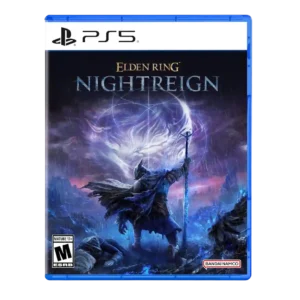
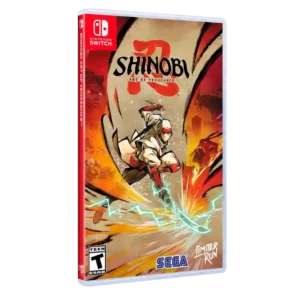
Elden Ring Nightreign
Where It Has the Edge
- visual effects quality is 5.0 vs 4.8. Visual effects and boss spectacle were singled out as a major strength.

Scorata scores summarize analyzed review evidence on a 1–5 scale; they are not laboratory measurements or a simple average of customer star ratings. Feature scores summarize the reviews covering that feature. The overall score averages feature scores within each review, then combines review averages. When both expert and customer evidence are available, those two groups receive equal weight. Products can have different review coverage, so small score gaps do not establish a winner.
Recommendations prioritize important features for the category, with a score of at least 3.5, a gap of at least 0.25 points and at least two supporting reviews per product. Features with widely varying scores or broad connectivity contexts are excluded from recommendations. These safeguards do not establish statistical significance.
Quick verdict
The review evidence points to a tradeoff: visual effects quality versus difficulty balance and progression system. Choose according to which strengths matter more to you; the overall score alone does not settle that choice.
Choose Elden Ring Nightreign for visual effects quality.
Choose Shinobi: Art of Vengeance for difficulty balance and progression system.
Scores are out of 5. Missing scores mean missing review evidence, not a missing feature.
Crash stability was a concern in one preview build due to network crashes.
Crash stability is strong in the PS5 review that reports no crashes, soft-locks, or freezes over a long playthrough.
Camera behavior was criticized for fighting the player in crowds.
Camera behavior is praised in one review for intelligently changing framing to support mood, traversal, and visual depth.
Bug frequency was described positively by one reviewer who noted minimal bugs.
Bug frequency is a concern in one review that reports a severe save-wipe issue, even though other technical impressions were cleaner.
The emotional payoff of defeating Nightlords with a team was described as exceptionally rewarding.
Emotional impact is limited in the review evidence, with one reviewer wishing for a stronger moment of emotional weight.
Tutorial quality was criticized as brief and rudimentary for a complex multiplayer roguelike.
Tutorial quality is positive where one reviewer says the early tutorials made combat options easy to understand and apply.
The learning curve was steep, with reviewers describing early runs as overwhelming and knowledge-heavy before the game clicks.
The learning curve is favorable because reviewers describe the combat as simple to engage with while still rewarding mastery.
Onboarding was considered obtuse or too demanding, especially for players without deep Elden Ring knowledge.
Onboarding is praised for easing the player into each move rather than overwhelming them with the full combat kit at once.
Difficulty balance was the most common concern, especially poor solo balance, overtuned bosses, and harsh punishment after long setup runs.
Difficulty is generally viewed as fair and satisfying, but opinions split on spikes, projectile-heavy sections, undertuned enemies, and some hard optional challenges.
Platforming was mixed: wall climbing and collision quirks helped mobility but sometimes felt bad or unreliable.
Platforming is often praised as tight, precise, and rewarding, though several reviewers flag optional challenge rooms or late-game traversal as frustrating or inconsistent.
Content variety was sharply mixed: some praised random events and route variety, while others criticized recycled assets and too little randomness.
Content variety is strong across stage themes, optional challenges, enemy encounters, bonus levels, and replay modes, though some side segments are less loved.
Progression was mixed, with useful relics and quests praised but meta-progression often criticized as thin, random, or too limited.
Progression is praised for steadily adding moves, abilities, upgrades, and customization that keep combat and traversal evolving.
Faithfulness to franchise was split between authentic Souls challenge and disappointment that the format lost Elden Ring's magic.
Reviewers broadly describe the revival as faithful to Shinobi’s legacy while modernizing it with new structure, combat depth, and visual presentation.
Exploration was divisive: some enjoyed secrets and compact adventures, while others felt time pressure stripped away wonder and experimentation.
Exploration is divisive: many enjoy secrets, replayable routes, and rewards, while others find backtracking or Metroidvania-lite detours less compelling.
Graphics were mostly praised as fine to stunning, though some reviewers felt the vistas lacked Elden Ring's full impact.
Graphics quality is a major strength, with reviewers repeatedly calling the game gorgeous, beautiful, and visually impressive.
Reviewers saw the mechanics as a bold Elden Ring remix, but several said the experience depends heavily on teammates and sometimes clashes with FromSoftware expectations.
Gameplay mechanics are praised for depth and power fantasy, though one reviewer argues an execution mechanic lacks meaningful challenge pressure.
Movement was praised for speed, parkour, and verticality, but some reviewers criticized traversal pressure and terrain-related deaths.
Movement feel is heavily praised as fast, fluid, snappy, and fun, though one Switch review notes combat can feel slower than traversal.
Frame-rate stability was a recurring issue for several reviewers, especially on PlayStation hardware.
Frame rate stability is mixed, especially on Switch, where reviewers note dips or painful frame-rate issues despite otherwise strong presentation.
The run-based loop was often praised as compelling, thrilling, and addictive, while several critics found it repetitive or overly limited after repeated runs.
The core loop is widely liked as fast, stylish 2D action with strong combat and traversal, with a few reviewers calling it great despite structural complaints.
Environmental detail ranged from praise for beauty and world-building to more functional, condensed spaces.
Environmental detail stands out in reviews that praise painterly backgrounds, large-scale set pieces, and richly detailed level backdrops.
Immersion was mixed: some felt Elden Ring's adrenaline remained, while others thought discovery and delight were stripped away.
Immersion is supported by strong presentation and visual depth, though one reviewer says the game remained enjoyable without strongly resonating.
Writing quality drew criticism from one reviewer who felt the Remembrance writing lacked FromSoftware's usual prose quality.
Writing quality is mixed-to-weak, with reviewers describing the script as fine, tropey, or not especially nuanced.
Character development was praised in the Nightfarer storylines and Remembrances.
Character development is limited overall, with one reviewer liking a supporting character but another calling broader character depth minimal.
Combat drew strong praise when it retained Elden Ring's timing and aggression, though a few reviewers felt the multiplayer format strained the system.
Combat is the most consistently praised attribute, with reviewers calling it fluid, deep, expressive, satisfying, and central to the game’s appeal.
Mission variety benefited from random events, shifting terrain, and post-launch additions, but some wanted more frequent shakeups.
Mission variety is supported by praise for fresh objectives and distinct environments across the stages.
Originality was debated, from criticism of challenge-for-challenge's-sake to praise for a weird, bold experiment.
Originality is praised where reviewers call the revival fresh for the series rather than a simple nostalgic retread.
Enemy variety was praised by one reviewer as a balanced mix of new final bosses and familiar mini-bosses.
Enemy variety is a strength, with reviewers praising the range of ninjas, soldiers, monsters, bosses, and specialized foes that shape encounters.
Fun factor was high for many reviewers, especially with friends, though the fun could swing into frustration depending on conditions.
Fun factor is high, with many reviewers calling the combat, challenge rooms, and overall ninja fantasy enjoyable or easy to recommend.
Atmosphere was supported by one reviewer who found the world mysteriously interesting and alluring.
Atmosphere is supported by presentation touches such as camera framing and mood-setting scenes that help the 2D spaces feel more dramatic.
HUD clarity was a mild issue because the minimap presented a lot of information at once.
HUD clarity receives a mixed score because flashy combat effects can make the player lose track of the action.
The pace was one of the biggest tradeoffs: many found it thrilling and fresh, while others found the constant rush stressful or exhausting.
Pacing is mixed: several reviewers like the length and steady tool rollout, while others say long stages, revisit loops, or samey rhythm weaken momentum.
Art direction was praised as carrying over Elden Ring's strong fantasy style despite reused assets.
The hand-drawn art direction receives near-universal praise for its style, cohesion, painterly look, and strong franchise fit.
Innovation was generally admired as a risky FromSoftware experiment, even where execution missed some marks.
Innovation is praised where reviewers say the game evolves Shinobi meaningfully instead of merely repeating the past.
Animation quality was praised alongside the graphics in one review.
Animation quality is a standout, especially Joe’s motion, hand-drawn character work, and the way combat and traversal read in motion.
Narrative quality was generally secondary, with some reviewers finding it barebones or disconnected and others praising character-focused Remembrances.
Narrative quality is the most mixed creative element: some call it one of the franchise’s better stories, while many describe it as simple, thin, or tonally inconsistent.
Endgame content improved with Deep of Night and hard modes, though some reviewers still wanted more difficulty and variety.
Endgame content is generally seen as useful for replay through Arcade Mode, Boss Rush, superbosses, and ranking challenges, though one reviewer sees arcade mode as padding.
Polish was praised in Fextralife coverage, especially performance and low bug frequency.
Polish is praised where reviewers highlight the game as well put together and visually refined.
Visual effects and boss spectacle were singled out as a major strength.
Visual effects are praised for stylish Ninjutsu, cinematic flourishes, audiovisual impact, and bold combat feedback.
Lore depth benefited from Elden Ring's groundwork, though it was concentrated in character side stories rather than a broad main plot.
Lore depth gets mild praise where the reviewer appreciates Shinobi’s blend of cultural mythological elements.
Menu usability improved post-launch through better relic filtering options.
Menu usability is praised through the clean, easy-to-navigate interface that removes friction around fast travel and play.
Voice acting was mixed, with praise for quality in one review but criticism of stiffer deliveries in others.
Voice acting receives mixed-to-positive reactions: some reviews praise the performances, while others call the English voices merely fine or jarring.
One PC reviewer reported generally fine input latency despite occasional minor registration issues.
Controls are usually described as smooth, tight, intuitive, and responsive, with a few caveats around moments where scripted control loss or platforming inputs feel awkward.
User interface design was considered streamlined in inventory and improved through later UI updates.
User interface design receives praise for being clean and easy to navigate.
Map and navigation design was mixed, with praise for purposeful terrain but complaints about clutter, landing control, and route clarity.
Map and navigation design is mixed: reviewers like map clarity and fast travel, but some cite confusing secret tracking or unclear pits.
Sound design was generally praised as strong and in line with Elden Ring quality.
Sound design is mixed: impact feedback and combat audio are praised, but one reviewer strongly disliked the harsh radio or speaker filter.
Mission design was praised for demanding mastery on the fly rather than slow, methodical FromSoftware play.
Mission design is praised through comments about well-crafted stages that mix platforming, combat, puzzles, and optional routes.
World-building was criticized by one reviewer as sacrificing FromSoftware's usual sense of place.
World-building is weak in the evidence that explicitly says not to expect captivating world building from the campy action story.
Level design split reviewers between praise for purposeful terrain and criticism of copy-pasted or repetitive layouts, with later updates improving map mutations.
Level design is usually praised for scale, variety, secrets, and challenge structure, but some reviewers criticize flow, pacing, or underused combat spaces.
Boss design was widely praised for spectacle and challenge, though several reviewers complained about overtuned, spongy, or unfair encounters.
Boss design earns many positive notes for memorable, exciting encounters, though a few reviewers find some bosses too easy, clunky, or mechanically weaker than regular fights.
Replay value ranged from excellent long-term addiction to fatigue from repeated content, depending on tolerance for repetition and co-op optimization.
Replay value is strong for completionists thanks to collectibles, secrets, stage revisits, Arcade Mode, Boss Rush, ranks, and unlockables, though not every reviewer loves revisiting.
Value for money was usually praised at the lower price point, though one reviewer still found the package not worth it.
Value for money is positive overall, especially for combat-focused or completionist players, though one review frames value as more moderate for players skipping side content.
Performance was mixed by platform, from smooth PC impressions to severe PS5 Pro slowdown complaints.
Performance optimization varies by platform and context, with PS5 impressions strong but Switch-oriented reviews noting optimization and frame-pacing caveats.
The soundtrack was consistently praised, especially boss themes and standout tracks.
The soundtrack is mostly praised as energetic, fitting, and memorable, though one review finds it weaker than the visuals and Genesis-era expectations.
Accessibility options are praised for adjustable difficulty, assist settings, and sliders that make the challenge more approachable without fully flattening it.
Enemy AI was criticized as confused when multiple human players overwhelm standard encounters.
The eight-character roster was widely praised as distinct and useful, with later additions expanding the lineup.
The checkpoint system is praised as a quality-of-life improvement because it reduces frustration around difficult optional challenges.
Class balance was mixed: the roster felt readable and solid, but some classes were weak or uneven in solo contexts.
Co-op experience was the clearest strength when played with friends, but reviewers repeatedly warned that it declines with randoms or solo play.
Dialogue quality is uneven: one review criticizes a dull character, and another finds paused dialogue barks jarring despite fun narrative moments.
Random map and reward outcomes sometimes made failures feel outside the player's control.
Fast travel is repeatedly praised for making revisits, secret hunting, and post-completion cleanup smoother rather than tedious.
Flying mechanics are mildly criticized in the glider’s case, with the reviewer saying it slows down otherwise snappy traversal.
Grind level was a concern when repeated runs or random relic acquisition made progress feel tedious.
Load times receive a positive note from one Switch reviewer who says they did not take too long.
Loot and relic systems encouraged fluid builds and experimentation, but randomness often frustrated reviewers when rewards failed to fit a class or plan.
Matchmaking quality was one of the weakest areas, with many reviewers reporting failed, unreliable, or frustrating random matchmaking despite one positive wait-time note.
Online stability varied widely, from lag, disconnects, and preview crashes to one stable PC session.
Reviewers liked the number of viable routes and experiments, though the format still constrained freedom compared with Elden Ring.
Side character depth is weak in the evidence focused on Ankou, whom one reviewer calls dull despite liking the broader visual design.
Social features were widely criticized because ping-only communication could not replace voice or text chat in a coordination-heavy game.
The upgrade system is praised for meaningful amulets, combat additions, and flexible build choices that alter playstyle.
Weapon balance was mixed, with boss health and class-specific relics making some weapon paths feel less flexible.
Cross-play support was consistently criticized as absent or a major oversight for a multiplayer-focused game.
DLC value was positively described in the post-launch update review as adding expected classes, bosses, and map content.
Live-service support was viewed as promising, with reviewers calling Nightreign a strong foundation and praising added content.
Mod support was not formally reviewed, but one preview likened Nightreign's experimental structure positively to a polished mod.
Save reliability is split: one review praises frequent saves, while another reports the serious problem of a save being wiped twice.
Server reliability was questioned due to peer-to-peer netcode and lack of dedicated servers.
Multiplayer design was ambitious but divisive, thriving with coordinated teams and struggling with strangers or limited communication.
Puzzle design receives a mild positive note for being logical and not slowing the action down.
Quest design received praise for Remembrance objectives that gave runs extra goals and meaningful character rewards.
Protagonist appeal is positive where Joe Musashi is described as a compelling, badass ninja fantasy rather than a talkative character.

Best for fluid traversal, rewarding exploration, striking art, and forgiving quality-of-life features. Skip it if you want deep combat, radical genre innovation, or consistently demanding bosses.
Pros: difficulty balance, boss design
Cons: innovation, sandbox freedom

Best for superb combat, inventive builds, and richly voiced characters. Skip it if repeated runs, resource gathering, or visually busy battles outweigh the appeal of steady progress.
Pros: overall quality, combat system
Cons: pacing, grind level

Good if you want a beautiful, demanding survival sandbox built around exploration, building, progression, and memorable co-op. Skip it if long resource runs, harsh death recovery, and deliberate pacing sound...
Pros: town-building system, exploration quality
Cons: grind level, fast travel convenience

Leonida is a breathtakingly alive crime sandbox with memorable protagonists, spectacular heists, and extraordinary detail. The tradeoff is a 30 fps ceiling, occasional control awkwardness, and some progression friction.
Pros: immersion, graphics quality
Cons: grind level, controls responsiveness