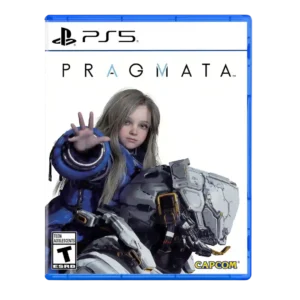
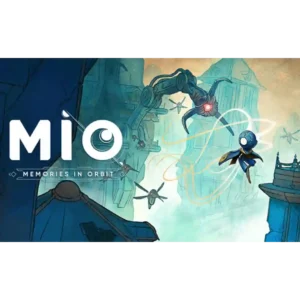
Average score
MIO: Memories In Orbit
4.0
controls responsiveness
Pragmata
4.8
Controls are broadly praised as responsive and intuitive, with several reviewers saying the demanding dual-input combat becomes smooth once learned.
MIO: Memories In Orbit
3.0
Basic control can feel excellent and immediate, but confidence drops when specific traversal inputs or grapple behavior become unreliable. The contrast is most noticeable in demanding precision sections.
emotional impact
Pragmata
4.8
Emotional impact is one of the clearest strengths, with many reviewers saying the Hugh-Diana relationship moved them or made them care.
MIO: Memories In Orbit
3.0
The story can create real attachment to Mio, The Vessel, and its inhabitants, but the emotional payoff is not equally strong for everyone. Some moments land warmly while others feel underdeveloped.
character development
Pragmata
4.4
Character development centers on Hugh and Diana’s growing bond, which reviewers overwhelmingly found organic, heartfelt, and memorable.
MIO: Memories In Orbit
2.8
Character writing is divisive: some relationships and supporting robots inspire genuine attachment, while another account found the cast underdeveloped and emotionally thin by the end.
handheld play suitability
Pragmata
3.5
Handheld play suitability is mixed: Switch 2 and Steam Deck are playable/impressive, but compromises and frame-time fluctuations limit enthusiasm.
MIO: Memories In Orbit
5.0
The game translates very well to handheld play when performance is configured properly. Steam Deck and Switch 2 accounts both highlight smooth portable play without sacrificing the game’s visual appeal.
HUD clarity
Pragmata
2.5
HUD clarity is a concern in one review, where collectible scanning created visual noise and clutter.
MIO: Memories In Orbit
4.0
The HUD can be traded away for modifier capacity, turning basic status information into a build choice. That tradeoff can be engaging for players who like squeezing value from limited slots.
lore depth
Pragmata
3.5
Lore depth is useful but uneven, with datapads and holograms adding detail while sometimes carrying story information that should have been central.
MIO: Memories In Orbit
2.0
Lore delivery can feel too dependent on scattered tomes and exploration, and not every collected detail creates the dramatic urgency the setting promises. Players who want direct exposition may find the payoff thin.
protagonist appeal
Pragmata
3.0
Hugh’s protagonist appeal is mixed: some found him endearing or refreshing, while others saw him as generic or vanilla.
MIO: Memories In Orbit
4.5
Mio is a highly appealing silent lead, with expressive animation and small interactions giving the robot warmth, personality, and persistence without relying on dialogue.
combat system
Pragmata
4.6
Combat is the strongest consensus point, with reviewers praising the simultaneous hacking and shooting as satisfying, distinctive, and deeply engaging despite occasional clunkiness.
MIO: Memories In Orbit
3.4
Combat feels responsive and works well with Mio’s movement tools, but its simple three-hit foundation divides opinion. Some find the fights satisfying and fluid; others say the limited offensive variety makes later encounters repetitive or overlong.
difficulty balance
Pragmata
4.1
Difficulty is viewed as challenging but fair, with multitasking pressure and tough fights that usually feel rewarding rather than punishing.
MIO: Memories In Orbit
2.9
Challenge is the most divisive part of MIO. Many enjoy the mastery and payoff, but steep late-game platforming, punishing bosses, health-loss mechanics, and long runbacks can push difficulty from rewarding into frustrating.
checkpoint system
Pragmata
3.0
The checkpoint/Shelter loop is useful but imperfect, with respawning enemies after Shelter visits bothering at least one reviewer.
MIO: Memories In Orbit
1.8
Checkpoint placement is one of the clearest pain points. Sparse or distant respawns can turn boss and platforming failures into tedious runbacks, especially early in the game.
progression system
Pragmata
4.3
Progression is a major strength, with upgrades, currencies, hub growth, and loadout improvements providing steady goals and player choice.
MIO: Memories In Orbit
3.5
Modifiers, capacity limits, permanent upgrades, and ability unlocks create meaningful build choices and encourage exploration. The system is clever, though harsh health-loss or slot tradeoffs and slow capacity growth can make progression feel restrictive.
frame rate stability
Pragmata
4.1
Frame rate stability is mostly positive on PS5/PC, but Switch 2 receives lower marks for unlocked frame-rate fluctuations.
MIO: Memories In Orbit
4.9
Performance is generally very strong on the tested platforms, with 60fps repeatedly reported as smooth or locked. Steam Deck may need a lower graphics preset to avoid larger drops while preserving fluid play.
level design
Pragmata
4.3
Level design is widely admired for semi-linear routes, shortcuts, varied sectors, and combat arenas, though repetition appears in a few late-game comments.
MIO: Memories In Orbit
5.0
Clever level layouts combine secrets, traversal challenges, enemies, and boss spaces in ways that consistently push players to learn and adapt. The design rewards attention without abandoning the interconnected Metroidvania structure.
core gameplay loop
Pragmata
4.1
The core loop is repeatedly described as compelling and satisfying, though one preview found the repeated hack-window rhythm somewhat formulaic.
MIO: Memories In Orbit
4.8
Exploring, unlocking movement abilities, revisiting old paths, and adapting builds forms an addictive Metroidvania loop. The fundamentals are strong enough to carry the game even when individual systems create friction.
enemy variety
Pragmata
4.3
Enemy variety is mostly strong, with different robot types and threats keeping combat fresh, though a few reviewers wanted more bots or bosses.
MIO: Memories In Orbit
5.0
The enemy lineup is praised for having a genuinely impressive range of distinct types, helping regular encounters feel broader than the simple core combat system might suggest.
accessibility options
Pragmata
2.8
Accessibility evidence is mixed: grouped presets help, but reviewers specifically criticized missing colorblind support and red tile readability.
MIO: Memories In Orbit
3.4
The assists can make bosses, enemies, and repeated platforming attempts more manageable, and some players found them genuinely useful. Others felt the options stop short of solving reaction-time, dexterity, and late-game precision barriers.
learning curve
Pragmata
3.7
The learning curve is noticeable because simultaneous hacking and shooting takes time, but reviewers usually found the process well managed.
MIO: Memories In Orbit
4.3
MIO is easy to understand at a basic level but asks for increasing mastery of movement, timing, and boss patterns. That gradual rise works well for players comfortable learning through repetition.
graphics quality
Pragmata
4.5
Graphics quality is consistently praised across platforms as sharp, gorgeous, technically impressive, and powered well by Capcom’s engine.
MIO: Memories In Orbit
5.0
The visual presentation is repeatedly described as gorgeous, painterly, and unusually memorable. Background scale, color, lighting, and hand-crafted detail make sightseeing a meaningful part of the experience.
platforming precision
Pragmata
3.3
Platforming precision is mixed: upgrades and hover movement help, but some reviewers found momentum inconsistent or specific platforming moments frustrating.
MIO: Memories In Orbit
3.8
Platforming can produce some of the game’s most satisfying flow-state moments, especially once Mio’s full movement kit comes together. It can also become extremely demanding, with Hairpin inconsistency and long gauntlets magnifying failed inputs.
narrative quality
Pragmata
3.6
Narrative quality is divisive: the character bond lands strongly, but several reviewers call the broader plot predictable, safe, or uneven.
MIO: Memories In Orbit
4.1
The quiet sci-fi story earns praise for mystery, environmental storytelling, identity themes, and a sense of melancholy. It can also feel vague or underdeveloped, especially for players who want stronger character arcs and clearer resolutions.
bug frequency
Pragmata
5.0
Bug frequency evidence is positive where mentioned, with one reviewer saying they encountered no glitches during play.
MIO: Memories In Orbit
4.5
Technical hiccups appear rare in the PlayStation 5 experience described, with only an isolated out-of-bounds incident that was fixed by reloading.
content variety
Pragmata
4.5
Content variety is praised for blending combat, puzzles, platforming, exploration, biomes, simulations, and post-game activities.
MIO: Memories In Orbit
5.0
The connected biomes provide a strong sense of visual and spatial variety, with each part of The Vessel offering a distinct setting while still belonging to the same world.
replay value
Pragmata
4.4
Replay value is strong, supported by New Game Plus, post-game challenges, collectibles, simulation missions, and reviewer desire to continue after credits.
MIO: Memories In Orbit
4.0
Hidden encounters and a route toward the secret ending give completion-minded players a reason to keep exploring after the first credits roll.
performance optimization
Pragmata
4.3
Performance optimization is strong on PC and generally impressive, though Switch 2 shows compromises and frame-time concerns.
MIO: Memories In Orbit
4.6
Performance is strong on several tested systems, and targeted settings changes can deliver smooth 60fps on lower-power hardware. A few platform-specific rough spots keep optimization from being completely effortless.
upgrade system
Pragmata
4.0
Upgrade systems are useful and rewarding, though one reviewer disliked that the full weapon suite waits until New Game Plus.
MIO: Memories In Orbit
3.6
The upgrade and modifier structure supports flexible builds, but some decisions are deliberately harsh, including health or interface tradeoffs. Strong movement and utility upgrades can feel excellent even when the system limits experimentation.
atmosphere
Pragmata
4.5
Atmosphere is praised for its eerie, artificial, lunar, and emotionally reflective spaces.
MIO: Memories In Orbit
4.9
The Vessel balances melancholy, isolation, wonder, and occasional coziness exceptionally well. Visual scale and restrained music make abandoned districts feel haunting rather than empty.
fun factor
Pragmata
4.9
Fun factor is high across reviews, with many calling it joyful, entertaining, or simply fun to play.
MIO: Memories In Orbit
4.5
Despite substantial frustration in places, the game is widely described as enjoyable, addictive, or rewarding. The strongest fun comes from flowing through traversal challenges, discovering new spaces, and finally overcoming difficult obstacles.
exploration quality
Pragmata
4.2
Exploration is generally rewarding thanks to hidden paths, collectibles, secrets, and backtracking incentives, although weak maps and pathing sometimes undercut it.
MIO: Memories In Orbit
4.6
Exploration is one of MIO’s biggest strengths, with secret routes, optional areas, shortcuts, collectibles, and ability-gated returns rewarding curiosity. The Vessel often feels worth wandering even when navigation is deliberately hands-off.
puzzle design
Pragmata
4.8
Puzzle design is praised for turning hacking grids into a real-time combat puzzle that feels fresh rather than a throwaway minigame.
MIO: Memories In Orbit
4.5
Traversal obstacle courses are demanding but rewarding, using Mio’s growing abilities in layered sequences that test timing, stamina management, and execution rather than traditional logic puzzles.
value for money
Pragmata
4.2
Value for money is generally positive when reviewers cite 12-16 hours, post-game content, New Game Plus, and a $60 price point.
MIO: Memories In Orbit
4.5
At the cited budget price, the game offers a substantial Metroidvania journey with enough optional exploration and completion content to make the cost feel attractive.
originality
Pragmata
4.4
Originality is praised because Pragmata feels like a fresh new IP with a distinctive puzzle-shooter identity.
MIO: Memories In Orbit
4.1
MIO openly uses familiar Metroidvania ideas, but its visual identity, movement systems, world, and thematic presentation give it a personality of its own. It rarely reinvents the genre mechanically, yet often feels distinctive in execution.
boss design
Pragmata
4.0
Boss design is generally praised as spectacular, challenging, and mechanically expressive, but some reviews call out too few bosses or frustration.
MIO: Memories In Orbit
3.7
Bosses are often memorable for their visual identity, attack patterns, and use of movement skills, but quality is uneven. Some encounters feel clever and fair, while others are criticized as repetitive, overly tanky, too easy, or too punishing.
art direction
Pragmata
4.7
Art direction is a standout, especially the NASA-punk, AI-slop, lunar-base, and uncanny Earth-replica aesthetics.
MIO: Memories In Orbit
4.9
The watercolor, sketchbook, and graphic-novel look is the game’s most consistent standout. Distinct biomes, muted pastels, bold shapes, and tiny environmental details make The Vessel striking even when the action gets punishing.
sound design
Pragmata
4.8
Sound design is highly praised for punchy weapons, sci-fi acoustics, hacking feedback, and kinetic combat audio.
MIO: Memories In Orbit
4.5
Mechanical clicks, tendril sounds, combat effects, and environmental audio give The Vessel tactile presence. The soundscape is especially effective through headphones.
animation quality
Pragmata
4.5
Animation quality is positive where discussed, with motion capture and large boss animations helping sell character interaction and spectacle.
MIO: Memories In Orbit
4.7
Mio and the surrounding machines are consistently praised for smooth, expressive animation that gives the small robot personality and keeps movement readable. The hand-crafted motion complements the game’s painterly presentation.
world-building
Pragmata
4.5
World-building is praised for its lunafilament, moon-base setting, environmental storytelling, and AI/technology themes.
MIO: Memories In Orbit
4.7
The Vessel feels like a coherent place rather than a collection of levels, with ruined architecture, machine societies, environmental storytelling, and interconnected spaces reinforcing its history and decline.
soundtrack quality
Pragmata
4.5
Soundtrack quality is praised for electronic battle music, Shelter themes, and emotional piano moments.
MIO: Memories In Orbit
4.7
The soundtrack is another major strength, blending ethereal vocals, lo-fi textures, orchestral elements, synths, and restrained ambience. It shifts cleanly from serene exploration to energetic boss fights without overpowering the scene.
map and navigation design
Pragmata
2.8
Map and navigation design is a recurring weakness, with multiple reviewers saying the map, minimap absence, or pathing made backtracking harder.
MIO: Memories In Orbit
2.8
The minimalist map creates rewarding moments of self-directed discovery, but unclear direction, limited markers, delayed map access, and sparse fast-travel or checkpoint links can make backtracking unnecessarily frustrating.
movement feel
Pragmata
4.3
Movement feel is generally positive when discussing thrusters, dashing, and hover movement, though some platforming-specific momentum issues remain.
MIO: Memories In Orbit
4.3
Mio’s jumping, gliding, wall-crawling, dodging, and momentum-driven traversal usually feel fluid and expressive. The main exception is the Hairpin/grapple, which several accounts found inconsistent or awkward under precision pressure.
aiming precision
Pragmata
4.5
Aiming earns positive marks because weak-spot shooting carries strong feedback and rewards careful targeting.
MIO: Memories In OrbitNo score yet
companion AI
Pragmata
4.5
Diana’s companion role is highly valued because her hacking is mechanically essential and strengthens the central duo dynamic.
MIO: Memories In OrbitNo score yet
dialogue quality
Pragmata
4.8
Dialogue quality is praised most when Hugh and Diana talk in the Shelter or quiet moments, where reviewers found the relationship charming and warm.
MIO: Memories In OrbitNo score yet
economy and resource balance
Pragmata
3.0
Resource balance has mixed evidence, with currencies and consumables creating strategic tension but sometimes feeling overengineered or grindy.
MIO: Memories In OrbitNo score yet
endgame content
Pragmata
3.8
Endgame content is mixed-to-positive: many reviewers like the post-game and New Game Plus, while one found some challenges lackluster.
MIO: Memories In OrbitNo score yet
environmental detail
Pragmata
4.5
Environmental detail is a strength, with varied biomes, dense sci-fi spaces, Times Square-like areas, forests, and lunar vistas highlighted often.
MIO: Memories In OrbitNo score yet
fast travel convenience
Pragmata
3.0
Fast travel convenience is mixed because Shelter return points are useful, but one reviewer wished travel worked between hatches instead of only back to Shelter.
MIO: Memories In OrbitNo score yet
game length
PragmataNo score yet
MIO: Memories In Orbit
4.5
A roughly 20–25 hour main experience was described as a satisfying amount of time, with enough exploration and art-driven discovery to sustain interest across the run.
gameplay mechanics
Pragmata
4.7
Reviewers praised the overall gameplay systems as well integrated, varied, and satisfying, especially when shooting, hacking, movement, and exploration reinforce one another.
MIO: Memories In OrbitNo score yet
grind level
Pragmata
3.0
Grind level is a minor concern, particularly Cabin Coins and the number of currencies.
MIO: Memories In OrbitNo score yet
haptic feedback integration
Pragmata
4.5
Haptic feedback integration is praised in the DualSense version because adaptive triggers make the action feel tactile.
MIO: Memories In OrbitNo score yet
immersion
Pragmata
4.5
Immersion benefits from the two-character combat feel, strong sci-fi presentation, audio, and environmental design.
MIO: Memories In OrbitNo score yet
innovation
Pragmata
4.8
Innovation is one of the strongest attributes, especially the real-time hacking/shooting blend and Capcom’s willingness to build a new IP around it.
MIO: Memories In OrbitNo score yet
menu usability
Pragmata
4.5
Menu usability receives positive evidence from reviewers who liked quick hub/loadout feedback and minimal menu friction.
MIO: Memories In OrbitNo score yet
mission design
Pragmata
2.8
Mission design is mixed because some reviewers enjoyed the structure, while others criticized repeated lock-and-door objectives or formulaic area setups.
MIO: Memories In OrbitNo score yet
mission variety
Pragmata
3.0
Mission variety is mixed, with some reviewers praising changing mechanics while others call out lazy or repetitive late encounters.
MIO: Memories In OrbitNo score yet
onboarding experience
Pragmata
4.5
The onboarding experience is positive, easing players into shooting, movement, and hacking without dragging out the opening hours.
MIO: Memories In OrbitNo score yet
pacing
Pragmata
4.3
Pacing is mostly strong, with reviewers praising brisk forward momentum and a compact runtime, though one late section was said to drag.
MIO: Memories In OrbitNo score yet
platform-specific feature support
Pragmata
3.5
Platform-specific feature support is positive where PC and Switch-specific features are discussed, including DLSS and technical scaling.
MIO: Memories In OrbitNo score yet

polish
Pragmata
4.6
Polish is widely praised, with reviewers calling Pragmata confident, well-executed, and carefully designed.
MIO: Memories In OrbitNo score yet

side character depth
Pragmata
4.5
Diana’s side-character appeal is strong, with reviewers repeatedly describing her as charming, heartfelt, and central to the game’s appeal.
MIO: Memories In OrbitNo score yet
tutorial quality
Pragmata
4.5
Tutorial and onboarding are praised where mentioned, with early sections introducing the unusual loop without overwhelming players.
MIO: Memories In OrbitNo score yet

user interface design
Pragmata
5.0
User interface design is praised for streamlined menus and real-time information that reduces friction.
MIO: Memories In OrbitNo score yet
visual effects quality
Pragmata
4.5
Visual effects quality is praised indirectly through path tracing, reflections, combat sparks, explosions, and spectacle, though it is less commonly discussed than overall graphics.
MIO: Memories In OrbitNo score yet
voice acting
Pragmata
4.5
Voice acting is positively reviewed, especially Diana’s performance and the natural delivery that grounds the sci-fi premise.
MIO: Memories In OrbitNo score yet
weapon balance
Pragmata
4.4
Weapon balance is positive overall, with varied weapons, loadout limits, and ammo scarcity encouraging adaptation and experimentation.
MIO: Memories In OrbitNo score yet
writing quality
Pragmata
3.8
Writing quality is mixed, ranging from sincere and heartfelt to on-the-nose or underdeveloped in its broader sci-fi themes.
MIO: Memories In OrbitNo score yet