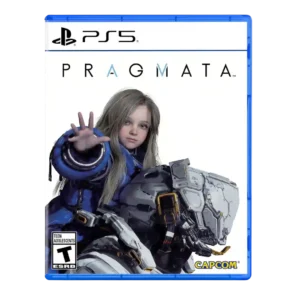
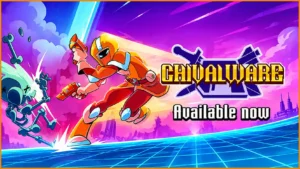
Compare Pragmata vs Chivalware

Pragmata

Pragmata

Overall score 4.3 / 5

Based on 26 scored reviews

vs
Chivalware

Chivalware

Overall score 4.1 / 5

Based on 17 scored reviews

How we score

Scorata scores summarize analyzed review evidence on a 1–5 scale; they are not laboratory measurements or a simple average of customer star ratings. Feature scores summarize the reviews covering that feature. The overall score averages feature scores within each review, then combines review averages. When both expert and customer evidence are available, those two groups receive equal weight. Products can have different review coverage, so small score gaps do not establish a winner.

Recommendations prioritize important features for the category, with a score of at least 3.5, a gap of at least 0.25 points and at least two supporting reviews per product. Features with widely varying scores or broad connectivity contexts are excluded from recommendations. These safeguards do not establish statistical significance.

Quick verdict

What each product is best for

The review evidence points to a tradeoff: learning curve and graphics quality versus core gameplay loop and narrative quality. Choose according to which strengths matter more to you; the overall score alone does not settle that choice.

Choose Pragmata for learning curve and graphics quality.

Choose Chivalware for core gameplay loop and narrative quality.

Why these recommendations?

Pragmata

Where It Has the Edge

  • learning curve is 3.7 vs 2.9. The learning curve is noticeable because simultaneous hacking and shooting takes time, but reviewers usually found the process...
  • graphics quality is 4.5 vs 3.8. Graphics quality is consistently praised across platforms as sharp, gorgeous, technically impressive, and powered well by Capcom’s engine.
  • boss design is 4.0 vs 3.3. Boss design is generally praised as spectacular, challenging, and mechanically expressive, but some reviews call out too few...

Chivalware

Where It Has the Edge

  • core gameplay loop is 4.9 vs 4.1. The match, dodge and strike rhythm repeatedly inspires another run. Once the systems click, the fast combat can...
  • narrative quality is 4.0 vs 3.6. The light story generally works as flavorful framing that quickly gives way to action. Digital glitches add intrigue...
  • upgrade system is 4.4 vs 4.0. Passive chips and stronger modifiers can substantially change how a build behaves. The expanding pool is exciting to...
Pragmata 4.3 overall score
Chivalware 4.1 overall score

Compare features

Scores are out of 5. Missing scores mean missing review evidence, not a missing feature.

Scored on both products

Other features

HUD clarity
Pragmata
2.5

HUD clarity is a concern in one review, where collectible scanning created visual noise and clutter.

Chivalware
4.5

The clean, functional interface helps the modest visual presentation remain practical and legible.

Handheld play suitability
Pragmata
3.5

Handheld play suitability is mixed: Switch 2 and Steam Deck are playable/impressive, but compromises and frame-time fluctuations limit enthusiasm.

Chivalware
4.8

Short runs and a compact battlefield make portable play a particularly strong fit. Having the screen closer can make it easier to track tiles and incoming attacks.

Accessibility options
Pragmata
2.8

Accessibility evidence is mixed: grouped presets help, but reviewers specifically criticized missing colorblind support and red tile readability.

Chivalware
4.0

Weapon colors can be changed, a welcome option in a game where color matching drives every attack.

Mission variety
Pragmata
3.0

Mission variety is mixed, with some reviewers praising changing mechanics while others call out lazy or repetitive late encounters.

Chivalware
2.0

Repeated waves of one or two enemies can make the encounter structure feel predictable despite different enemy types.

Content variety
Pragmata
4.5

Content variety is praised for blending combat, puzzles, platforming, exploration, biomes, simulations, and post-game activities.

Chivalware
3.7

Weapons, upgrades and characters offer plenty to explore, but opinions differ on encounter breadth. A smaller enemy and boss pool can make the world feel less varied than the equipment selection.

Grind level
Pragmata
3.0

Grind level is a minor concern, particularly Cabin Coins and the number of currencies.

Chivalware
2.2

Leaderboard climbing and early unlocks can become a grind. One assessment also finds bosses too durable, making individual fights feel drawn out.

Visual effects quality
Pragmata
4.5

Visual effects quality is praised indirectly through path tracing, reflections, combat sparks, explosions, and spectacle, though it is less commonly discussed than overall graphics.

Chivalware
3.7

Effects add digital personality and can help communicate attacks. They sometimes overstimulate, while a separate assessment praises their restraint for keeping difficult fights readable.

Learning curve
Pragmata
3.7

The learning curve is noticeable because simultaneous hacking and shooting takes time, but reviewers usually found the process well managed.

Chivalware
2.9

Simple individual rules become much harder when matching, dodging and weapon management overlap. Some previews find the introduction approachable, but several full-game assessments describe confusing or punishing early attempts.

Core gameplay loop
Pragmata
4.1

The core loop is repeatedly described as compelling and satisfying, though one preview found the repeated hack-window rhythm somewhat formulaic.

Chivalware
4.9

The match, dodge and strike rhythm repeatedly inspires another run. Once the systems click, the fast combat can become difficult to put down.

Movement feel
Pragmata
4.3

Movement feel is generally positive when discussing thrusters, dashing, and hover movement, though some platforming-specific momentum issues remain.

Chivalware
5.0

Movement feels sharp and natural, supporting the constant repositioning needed to survive aggressive enemies.

Graphics quality
Pragmata
4.5

Graphics quality is consistently praised across platforms as sharp, gorgeous, technically impressive, and powered well by Capcom’s engine.

Chivalware
3.8

The pixel graphics favor clarity and character over detail. Their modest appearance can help readability, even if they rarely deliver visual spectacle.

Enemy variety
Pragmata
4.3

Enemy variety is mostly strong, with different robot types and threats keeping combat fresh, though a few reviewers wanted more bots or bosses.

Chivalware
3.7

Several accounts enjoy the range of enemy attacks and behaviors across the biomes. Others find the roster too small to sustain the variety expected of a long-lived roguelite.

Difficulty balance
Pragmata
4.1

Difficulty is viewed as challenging but fair, with multitasking pressure and tough fights that usually feel rewarding rather than punishing.

Chivalware
3.5

The challenge can feel fair and rewarding once patterns become familiar, but the opening is often punishing. Boss endurance, scarce recovery and occasional bad tile luck can make the difficulty less satisfying.

Fun factor
Pragmata
4.9

Fun factor is high across reviews, with many calling it joyful, entertaining, or simply fun to play.

Chivalware
4.3

Most accounts describe highly enjoyable combat that grows more satisfying with familiarity. A dissenting view finds leaderboard compulsion stronger than the actual fun.

Endgame content
Pragmata
3.8

Endgame content is mixed-to-positive: many reviewers like the post-game and New Game Plus, while one found some challenges lackluster.

Chivalware
3.3

Extra challenge levels give mastery-focused players more to pursue. Their appeal is weaker for those who want fresh enemies and bosses rather than harder versions of familiar encounters.

Environmental detail
Pragmata
4.5

Environmental detail is a strength, with varied biomes, dense sci-fi spaces, Times Square-like areas, forests, and lunar vistas highlighted often.

Chivalware
4.0

The environments are visually distinct enough to make moving between areas feel like a change of scenery.

Lore depth
Pragmata
3.5

Lore depth is useful but uneven, with datapads and holograms adding detail while sometimes carrying story information that should have been central.

Chivalware
4.0

Small pieces of lore make the king’s history intriguing enough to look forward to the next discovery.

Tutorial quality
Pragmata
4.5

Tutorial and onboarding are praised where mentioned, with early sections introducing the unusual loop without overwhelming players.

Chivalware
4.0

The short tutorial can get players into the flow quickly. It covers the essentials while leaving more advanced interactions to be learned through play.

Art direction
Pragmata
4.7

Art direction is a standout, especially the NASA-punk, AI-slop, lunar-base, and uncanny Earth-replica aesthetics.

Chivalware
4.2

Colorful pixel art and floppy-disk fantasy give the game a memorable identity. Some find the presentation charming and expressive, while another finds its character designs derivative.

Frame rate stability
Pragmata
4.1

Frame rate stability is mostly positive on PS5/PC, but Switch 2 receives lower marks for unlocked frame-rate fluctuations.

Chivalware
4.5

The simple graphics delivered a readable experience without slowdowns in the Switch 2 assessment.

Narrative quality
Pragmata
3.6

Narrative quality is divisive: the character bond lands strongly, but several reviewers call the broader plot predictable, safe, or uneven.

Chivalware
4.0

The light story generally works as flavorful framing that quickly gives way to action. Digital glitches add intrigue without weighing down repeated runs.

Gameplay mechanics
Pragmata
4.7

Reviewers praised the overall gameplay systems as well integrated, varied, and satisfying, especially when shooting, hacking, movement, and exploration reinforce one another.

Chivalware
4.3

Real-time matching, movement and weapon management work together unusually well for most players. The extra mental workload can intimidate, and one assessment never finds the combination satisfying.

Upgrade system
Pragmata
4.0

Upgrade systems are useful and rewarding, though one reviewer disliked that the full weapon suite waits until New Game Plus.

Chivalware
4.4

Passive chips and stronger modifiers can substantially change how a build behaves. The expanding pool is exciting to explore, although it does not guarantee the lasting power gains some players expect.

Originality
Pragmata
4.4

Originality is praised because Pragmata feels like a fresh new IP with a distinctive puzzle-shooter identity.

Chivalware
4.7

The combination of tile matching, real-time grid combat and roguelite builds feels fresh. Even familiar influences develop into an identity of its own.

Progression system
Pragmata
4.3

Progression is a major strength, with upgrades, currencies, hub growth, and loadout improvements providing steady goals and player choice.

Chivalware
4.0

Leaderboard ranks and achievement unlocks give failed runs a sense of forward motion. Some find the climb slow or grindy, particularly because new options do not provide reliable permanent power gains.

Pacing
Pragmata
4.3

Pacing is mostly strong, with reviewers praising brisk forward momentum and a compact runtime, though one late section was said to drag.

Chivalware
4.6

Fast battles encourage a satisfying flow while still leaving room for tactical choices. The tempo is a frequent reason to keep playing.

Combat system
Pragmata
4.6

Combat is the strongest consensus point, with reviewers praising the simultaneous hacking and shooting as satisfying, distinctive, and deeply engaging despite occasional clunkiness.

Chivalware
4.5

Matching tiles to arm weapons while dodging creates a distinctive tactical flow that most find deeply satisfying. One dissenting assessment finds the frantic execution mechanically unrewarding.

Innovation
Pragmata
4.8

Innovation is one of the strongest attributes, especially the real-time hacking/shooting blend and Capcom’s willingness to build a new IP around it.

Chivalware
4.7

Matching tiles to power weapons adds a successful new layer to real-time grid fighting. Most accounts find that the genre blend creates meaningful tactical decisions rather than a decorative gimmick.

Economy and resource balance
Pragmata
3.0

Resource balance has mixed evidence, with currencies and consumables creating strategic tension but sometimes feeling overengineered or grindy.

Chivalware
3.0

Spending on health or upgrades can create satisfying decisions. Expensive shop items and scarce healing also make some runs feel unnecessarily punishing or uneven.

Immersion
Pragmata
4.5

Immersion benefits from the two-character combat feel, strong sci-fi presentation, audio, and environmental design.

Chivalware
4.5

The rhythm of matching, movement and attacks can become hypnotic, drawing players into an absorbing flow state.

Onboarding experience
Pragmata
4.5

The onboarding experience is positive, easing players into shooting, movement, and hacking without dragging out the opening hours.

Chivalware
4.5

A clear explanation of the basics and a breezy tutorial help preview players get into the action quickly.

Performance

Performance optimization
Pragmata
4.3

Performance optimization is strong on PC and generally impressive, though Switch 2 shows compromises and frame-time concerns.

Chivalware
3.0

One PC preview reports a little lag as a minor issue alongside an otherwise enthusiastic impression.

Soundtrack quality
Pragmata
4.5

Soundtrack quality is praised for electronic battle music, Shelter themes, and emotional piano moments.

Chivalware
4.2

The music generally supports the pace without becoming intrusive or grating. Reactions range from decent accompaniment to enthusiastic praise.

Ownership and support

Value for money
Pragmata
4.2

Value for money is generally positive when reviewers cite 12-16 hours, post-game content, New Game Plus, and a $60 price point.

Chivalware
5.0

The accessible price compares very favorably with the amount of content, build experimentation and longevity on offer.

Replay value
Pragmata
4.4

Replay value is strong, supported by New Game Plus, post-game challenges, collectibles, simulation missions, and reviewer desire to continue after credits.

Chivalware
4.6

The urge to try another build or climb another rank is a recurring strength. Limited enemy variety and repetition can restrict its lasting appeal for some players.

Comfort and build

Boss design
Pragmata
4.0

Boss design is generally praised as spectacular, challenging, and mechanically expressive, but some reviews call out too few bosses or frustration.

Chivalware
3.3

Bosses demand careful positioning and learned attack patterns, with some satisfying escalation. Complaints focus on frustrating difficulty, lengthy health bars and a relatively small boss roster.

Sound design
Pragmata
4.8

Sound design is highly praised for punchy weapons, sci-fi acoustics, hacking feedback, and kinetic combat audio.

Chivalware
4.3

Simple sound cues communicate equipment, energy and health changes clearly. Digital clicks and combat feedback also fit the retro-computer theme.

User interface design
Pragmata
5.0

User interface design is praised for streamlined menus and real-time information that reduces friction.

Chivalware
4.5

A clean, functional interface keeps the simple presentation practical during demanding battles.

Puzzle design
Pragmata
4.8

Puzzle design is praised for turning hacking grids into a real-time combat puzzle that feels fresh rather than a throwaway minigame.

Chivalware
4.4

Tile matching feels integral to combat rather than an interruption, turning positioning into a continuous puzzle. One preview wants the matching itself to evolve more as the run progresses.

Level design
Pragmata
4.3

Level design is widely admired for semi-linear routes, shortcuts, varied sectors, and combat arenas, though repetition appears in a few late-game comments.

Chivalware
4.5

Freedom to cross the entire grid opens up creative positioning. The biomes also earn praise for escalating their demands as the run advances.

Map and navigation design
Pragmata
2.8

Map and navigation design is a recurring weakness, with multiple reviewers saying the map, minimap absence, or pathing made backtracking harder.

Chivalware
3.0

Routes are mostly linear, with small branching choices offering a limited but useful say over the next encounter.

World-building
Pragmata
4.5

World-building is praised for its lunafilament, moon-base setting, environmental storytelling, and AI/technology themes.

Chivalware
4.3

The cyber-medieval kingdom gives the floppy-disk weapons and arcade-style rankings a coherent, appealing home.

Controls and connectivity

Controls responsiveness
Pragmata
4.8

Controls are broadly praised as responsive and intuitive, with several reviewers saying the demanding dual-input combat becomes smooth once learned.

Chivalware
4.8

Sharp control feel and snappy feedback help the precise movement and attack timing feel satisfying.

Evidence available for one product

Other features

Ease of use
PragmataNo score yet
Chivalware
4.5

The basic controls and matching rules are easy to pick up, even though handling them simultaneously takes practice.

Achievement list quality
PragmataNo score yet
Chivalware
4.0

Weapon kills and unusual event interactions turn achievements into another enjoyable route to new unlocks.

Aiming precision
Pragmata
4.5

Aiming earns positive marks because weak-spot shooting carries strong feedback and rewards careful targeting.

ChivalwareNo score yet
Animation quality
Pragmata
4.5

Animation quality is positive where discussed, with motion capture and large boss animations helping sell character interaction and spectacle.

ChivalwareNo score yet
Atmosphere
Pragmata
4.5

Atmosphere is praised for its eerie, artificial, lunar, and emotionally reflective spaces.

ChivalwareNo score yet
Bug frequency
Pragmata
5.0

Bug frequency evidence is positive where mentioned, with one reviewer saying they encountered no glitches during play.

ChivalwareNo score yet
Character development
Pragmata
4.4

Character development centers on Hugh and Diana’s growing bond, which reviewers overwhelmingly found organic, heartfelt, and memorable.

ChivalwareNo score yet
Character roster
PragmataNo score yet
Chivalware
4.5

The unlockable Disk Knights bring distinct mechanics and starting approaches rather than merely changing appearances. Learning a new knight is a major incentive to keep playing.

Checkpoint system
Pragmata
3.0

The checkpoint/Shelter loop is useful but imperfect, with respawning enemies after Shelter visits bothering at least one reviewer.

ChivalwareNo score yet
Combat readability
PragmataNo score yet
Chivalware
3.9

Clear grid markers and simple art often make attacks easy to anticipate. Busier fights can still become chaotic, and opinions differ on how successfully the visuals contain that overload.

Companion AI
Pragmata
4.5

Diana’s companion role is highly valued because her hacking is mechanically essential and strengthens the central duo dynamic.

ChivalwareNo score yet
Death mechanics
PragmataNo score yet
Chivalware
4.5

Short runs and unlock progress soften the sting of defeat, making a failed attempt feel useful.

Demo quality
PragmataNo score yet
Chivalware
4.6

The playable previews leave strongly positive impressions and often inspire much more play than expected. Early enthusiasm centers on the immediate pull of its combat.

Dialogue quality
Pragmata
4.8

Dialogue quality is praised most when Hugh and Diana talk in the Shelter or quiet moments, where reviewers found the relationship charming and warm.

ChivalwareNo score yet
Emotional impact
Pragmata
4.8

Emotional impact is one of the clearest strengths, with many reviewers saying the Hugh-Diana relationship moved them or made them care.

ChivalwareNo score yet
Exploration quality
Pragmata
4.2

Exploration is generally rewarding thanks to hidden paths, collectibles, secrets, and backtracking incentives, although weak maps and pathing sometimes undercut it.

ChivalwareNo score yet
Fast travel convenience
Pragmata
3.0

Fast travel convenience is mixed because Shelter return points are useful, but one reviewer wished travel worked between hatches instead of only back to Shelter.

ChivalwareNo score yet
Game length
PragmataNo score yet
Chivalware
4.0

Additional builds and challenge levels can provide worthwhile longevity. Players seeking the huge time commitment of a sprawling roguelite may find its staying power more limited.

Haptic feedback integration
Pragmata
4.5

Haptic feedback integration is praised in the DualSense version because adaptive triggers make the action feel tactile.

ChivalwareNo score yet
Humor
PragmataNo score yet
Chivalware
4.0

Knights wielding floppy disks and exaggerated medieval imagery lend the game a playful, knowingly silly personality.

Overall quality
PragmataNo score yet
Chivalware
4.3

Most accounts find an inventive, compelling roguelite whose combat rewards practice. Difficulty and visual overload limit the appeal, and one strongly dissenting assessment finds the package disjointed and short on fun.

Platforming precision
Pragmata
3.3

Platforming precision is mixed: upgrades and hover movement help, but some reviewers found momentum inconsistent or specific platforming moments frustrating.

ChivalwareNo score yet
Polish
Pragmata
4.6

Polish is widely praised, with reviewers calling Pragmata confident, well-executed, and carefully designed.

ChivalwareNo score yet
Practice mode quality
PragmataNo score yet
Chivalware
2.0

A dedicated practice area would make the unfamiliar systems easier to learn before combat becomes hectic.

Side character depth
Pragmata
4.5

Diana’s side-character appeal is strong, with reviewers repeatedly describing her as charming, heartfelt, and central to the game’s appeal.

ChivalwareNo score yet
Weapon balance
Pragmata
4.4

Weapon balance is positive overall, with varied weapons, loadout limits, and ammo scarcity encouraging adaptation and experimentation.

ChivalwareNo score yet
Weapon variety
PragmataNo score yet
Chivalware
4.6

Distinct melee, ranged and charge weapons support many different approaches. Their varied ranges, energy costs and effects make equipment choices matter.

Writing quality
Pragmata
3.8

Writing quality is mixed, ranging from sincere and heartfelt to on-the-nose or underdeveloped in its broader sci-fi themes.

ChivalwareNo score yet

Comfort and build

Build variety and synergy
PragmataNo score yet
Chivalware
4.5

Mixing disks, chips and different knights creates a rich space for experimentation, often producing powerful combinations. One dissenting account finds the synergies less exciting than those in favorite roguelites.

Control input comfort
PragmataNo score yet
Chivalware
2.5

Keyboard input felt less intuitive to one preview player, who wanted a gamepad option.

Enemy design
PragmataNo score yet
Chivalware
4.0

Distinct attack patterns, colored shields and enemy perks make positioning and weapon choice matter. Character looks receive mixed reactions, from memorable designs to criticism of familiar styling.

Mission design
Pragmata
2.8

Mission design is mixed because some reviewers enjoyed the structure, while others criticized repeated lock-and-door objectives or formulaic area setups.

ChivalwareNo score yet
Random encounter design
PragmataNo score yet
Chivalware
4.0

Unexpected events and unusual rewards break up the fighting and often make detours worthwhile. Some health sacrifices offer benefits that do not justify their risk.

Controls and connectivity

Character customization
PragmataNo score yet
Chivalware
4.5

Different knights add another layer of playstyle customization, encouraging new approaches to familiar encounters.

Menu usability
Pragmata
4.5

Menu usability receives positive evidence from reviewers who liked quick hub/loadout feedback and minimal menu friction.

ChivalwareNo score yet
Protagonist appeal
Pragmata
3.0

Hugh’s protagonist appeal is mixed: some found him endearing or refreshing, while others saw him as generic or vanilla.

ChivalwareNo score yet
Voice acting
Pragmata
4.5

Voice acting is positively reviewed, especially Diana’s performance and the natural delivery that grounds the sci-fi premise.

ChivalwareNo score yet
Weapon customization
PragmataNo score yet
Chivalware
4.5

Loadout customization becomes increasingly rewarding as the rules click and weapon combinations begin working together.

Ownership and support

Localization support
PragmataNo score yet
Chivalware
2.0

Missing Italian text makes the numerous item descriptions less convenient for Italian-speaking players, even though the English is relatively simple.

Platform-specific feature support
Pragmata
3.5

Platform-specific feature support is positive where PC and Switch-specific features are discussed, including DLSS and technical scaling.

ChivalwareNo score yet

Other Top Video Games to Consider

#1 Well Dweller
4.7

Best for fluid traversal, rewarding exploration, striking art, and forgiving quality-of-life features. Skip it if you want deep combat, radical genre innovation, or consistently demanding bosses.

Pros: difficulty balance, boss design

Cons: innovation, sandbox freedom

#2 Hades II
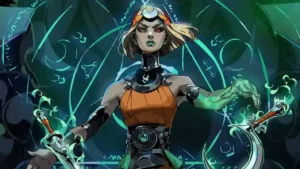
4.5

Best for superb combat, inventive builds, and richly voiced characters. Skip it if repeated runs, resource gathering, or visually busy battles outweigh the appeal of steady progress.

Pros: overall quality, combat system

Cons: pacing, grind level

#3 Valheim

4.5

Good if you want a beautiful, demanding survival sandbox built around exploration, building, progression, and memorable co-op. Skip it if long resource runs, harsh death recovery, and deliberate pacing sound...

Pros: town-building system, exploration quality

Cons: grind level, fast travel convenience

#4 Clair Obscur: Expedition 33
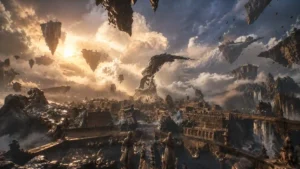
4.5

Choose Clair Obscur if you want a story-rich RPG with thrilling timed combat, gorgeous art, and standout music. Skip it if poor maps, tight parry timing, or occasional bugs and...

Pros: narrative quality, combat system

Cons: map and navigation design, menu usability