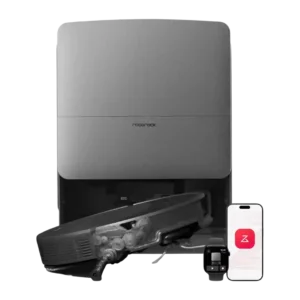
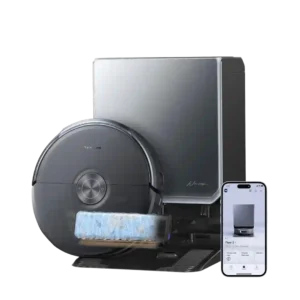
Roborock Saros 20
Where It Has the Edge
No clear scored advantage over the other product.

Scorata scores summarize analyzed review evidence on a 1–5 scale; they are not laboratory measurements or a simple average of customer star ratings. Feature scores summarize the reviews covering that feature. The overall score averages feature scores within each review, then combines review averages. When both expert and customer evidence are available, those two groups receive equal weight. Products can have different review coverage, so small score gaps do not establish a winner.
Recommendations prioritize important features for the category, with a score of at least 3.5, a gap of at least 0.25 points and at least two supporting reviews per product. Features with widely varying scores or broad connectivity contexts are excluded from recommendations. These safeguards do not establish statistical significance.
Quick verdict
The available evidence supports the recommendation below, but does not establish an overall winner. Check the remaining features against your priorities.
There is not enough comparable review evidence to recommend Roborock Saros 20 over the other product.
Choose Narwal Flow 2 for Aesthetic design and finish.
No clear scored advantage over the other product.
Scores are out of 5. Missing scores mean missing review evidence, not a missing feature.
Daily operation is simple once maps and routines are configured, especially with the capable app and automated dock. The depth of settings creates a modest learning curve for users who want full control.
Core operation is beginner-friendly, with clear setup and simple room, zone, vacuum, and mop commands. Once configured, the robot can run with very little intervention.
One household found the robot could run into bare feet hard enough to hurt, making supervision important around seated children.
Baby Care can reduce noise near cribs and avoid crawl zones, while the child lock prevents accidental button presses. The dock’s less accessible bag compartment is also harder for small children to open.
Bundles may include useful spare bags, filters and mop pads, but contents vary and cleaning solution is often missing. Several reviewers considered the included accessories underwhelming for a flagship price.
The box includes the essentials needed to start cleaning, including the initial cleaning solution, so there is no immediate accessory hunt.
Strong suction and the extending brush help pull debris from narrow floor gaps and cabinet edges. Performance is good overall, though not every groove or edge is cleared perfectly.
Grout lines and floor grooves repeatedly retain flour, coffee, mud, or colored residue after the flat surface looks clean. Uneven tile floors will still need manual attention.
The onboard bin is small and its layout can limit usable capacity, especially with pet hair. One owner found the intake clogged before the bin could fill.
The dock’s long-life dust bag and automatic emptying reduce hands-on debris handling. Its location beneath the water tanks is less convenient than a front-access compartment.
One reviewer found the robot capable on loose hair, but another pet owner reported large clumps left in its path. Hard-floor hair pickup therefore looks less dependable than the broader suction claims suggest.
Loose hair on hard floors is collected effectively during normal cleaning, including busy pet areas.
One owner reported visible scratches after ordinary operation, suggesting the finish may mark more easily than expected.
The finish stays attractive with normal use, but black surfaces may reveal dust and micro-scratches more readily. Protective trim helps with routine scuffs.
Floor finish varies sharply by water setting and layout. Some runs leave clean, even surfaces, while others produce streaks, patchy coverage or greasy residue.
The continuously refreshed hot-water mop usually leaves no sticky film and avoids dragging dirty water across the floor. Oil or unusually heavy messes can still leave a faint residue.
Low-pile carpet pickup was excellent in the available test, leaving the surface thoroughly cleaned after two passes.
Low-pile carpet cleaning is adequate rather than class-leading. Hair and embedded debris may require repeat passes, even though everyday visible dirt is usually reduced.
Its moderate heft helps it apply useful pressure during mopping without making the robot feel excessively bulky.
The 44-pound package is cumbersome to carry into position, even though the robot itself is manageable. Buyers with mobility limitations may need help during setup.
Rug results are mixed: the robot can climb plush surfaces, detach or lift its mops and clean many rugs effectively. Other owners report wet carpets, repeated edge attacks, stuck runs and debris collecting at floor transitions.
Ordinary rugs can be detected and protected from wet mopping, but default carpet settings are confusing and some rugs cause stuck or pickup problems. Rug-heavy homes need careful setup.
The chassis can raise itself onto deep rugs and improve brush contact, but deeply embedded hair and fine debris may remain. A severe customer report also described poor performance on thicker carpet.
High-pile rugs are a poor match. The robot can get stuck, overheat its wheel motors, wet long fibers, or fail to navigate the surface at all.
Its strong suction, long runtime and broad automation make it well suited to large, busy homes with pets, children or frequent debris. Successful users describe it as a true workhorse.
The machine handles demanding daily messes, muddy tracks, sticky spills, and family cleanup surprisingly well. Grout, very large food debris, and extreme wet messes can still require a conventional cleaner.
Fine dust is generally removed cleanly from hard floors, including along edges and beneath furniture. One comparison found weaker sand pickup, and isolated users saw little vacuuming effect on flooring.
Fine-dust pickup is inconsistent. Some hard-floor runs were excellent, while flour, sand, and dust in joints often needed repeat passes or left a visible film.
Medium-pile carpet cleaning is generally strong, with excellent sand, litter and surface-debris pickup in several tests. Pet hair and some fine debris can still require a second vacuum or an upright cleaner.
Medium-pile carpet results range from above-average sand pickup to disappointing navigation and extraction in tougher homes. It can clean this surface well, but performance is less consistent than on hard floors.
The removable tanks are easy to handle and can support substantial cleaning in some homes. Capacity drew mixed reactions, including one owner who needed refills and draining every two days.
The clean- and dirty-water tanks support long sessions and often need attention only about once a week. Users still have to refill and empty them, and their placement can complicate access to the dust bag.
The dock is large and needs a deliberate placement area, especially in small or high-traffic rooms. Its rectangular shape can blend in, but it remains a prominent appliance.
The dock looks polished enough to remain visible in a living space, but it is still a substantial flagship station that needs a planned parking spot.
Crumbs, cereal, litter and other larger debris are often collected well in one or two passes. Performance is inconsistent in tougher homes, where some debris was pushed around or remained after repeated cycles.
Large hard-floor debris is a weak spot when pieces approach cereal size. Cheerios were pushed, crushed, or trapped around the wheels instead of being cleanly collected.
The robot usually handles cereal, litter, crumbs and coffee grounds well, sometimes scoring perfectly. Very large clumps and debris at transitions can still be pushed aside or left behind.
Large debris can be handled effectively when the robot recognizes the pile and changes strategy. Some granules may scatter before later passes collect them.
One pet owner found the narrow intake unable to move hair into the bin, causing repeated clogs and loss of suction.
An extreme long-hair test left strands wrapped around a wheel and a loose hair ball that required manual removal. The main brush itself avoided a full jam.
A customer found the tank alerts timely and useful, reducing the chance of interrupted mopping cycles.
The app warns when cleaning supplies run out, helping prevent interrupted routines. It does not always provide a continuous detergent-level reading.
Coffee, wine, mud and ketchup tests show that repeated targeted passes can remove difficult dried stains impressively. Detection is not always reliable, and some stubborn marks or paw prints require extra cycles.
Coffee, jam, syrup, ketchup, and other dried messes often disappear after targeted repeat passes. One controlled stain test scored well below average, so results can vary by stain, settings, and firmware.
Carpet hair pickup is often impressive, especially for routine pet hair, and the brush design reduces wrap. Thick rugs, embedded hair and large clumps remain weak spots for some testers and owners.
Carpet pet-hair pickup is consistently strong, with high test scores and clean-looking rugs in shedding households. A few low-pile runs still needed extra passes.
Pet households often praise the hair pickup, anti-tangle brushes, litter cleaning and ability to avoid animals or pet waste. Serious exceptions include hair clogging, collisions with sleeping pets and a pet-waste miss that damaged carpet.
Pet modes, camera check-ins, targeted pet-zone cleaning, and strong hair handling make this a natural fit for animal households. Careful obstacle avoidance also reduces trouble around toys and pets.
Detaching or lifting the pads makes mixed-floor cleaning much safer and lets the robot vacuum carpets without dragging wet mops. A few owners reported the system failing and soaking or damaging rugs.
The mop lifts about 10 to 12mm to cross most rugs without wetting them. Long-pile fibers can still touch the damp track, so thick carpets need exclusion zones.
Automatic detergent dosing is convenient and removes guesswork, while the dock can tailor water use to the cleaning task. The single solution compartment and restrictions on third-party liquids are less flexible than some rivals.
Automatic detergent dosing makes mopping more hands-off and avoids measuring solution each run. The requirement to use Narwal’s approved cleaner limits flexibility.
It usually identifies cables, shoes, pet waste and clutter with unusual confidence, allowing many hands-off runs without rescues. Failures still occur on carpet, thin objects, socks and a few real homes, including serious pet-waste misses.
Obstacle avoidance is exceptional across cords, shoes, toys, pets, and simulated waste. Very small items and one difficult carpet environment are the main exceptions to otherwise confident hands-off operation.
The lifting chassis is a standout when it works, crossing tall thresholds, thick rugs and awkward furniture bases that stop many robots. Some owners could not clear ordinary 1.25- to 1.5-inch transitions, making performance highly home-dependent.
The lift system crosses unusually tall thresholds and adapts the robot’s height during floor transitions. It succeeded on obstacles that stop many robots, though one 1.4-inch test remained too much.
Its unusually slim body is one of the clearest strengths, consistently reaching beneath beds, sofas, cabinets and appliances that taller robots miss. Only isolated navigation trouble under cluttered furniture was reported.
The 3.7-inch body reaches beneath beds and some low furniture, helped by its towerless profile. Several cabinets and couches remain too low, so clearance should be measured before buying.
The overall reception is positive but polarized: most experts and many owners describe an exceptionally capable, autonomous cleaner. A substantial minority report serious mopping, threshold, app, docking or reliability failures that make the purchase feel risky at this price.
The Flow 2 is widely regarded as a top-tier robot vac-mop, especially for hard-floor homes that value automation. High-pile carpet, edge work, grout, and premium pricing prevent a universal recommendation.
Many reviewers could run it daily without rescues thanks to its lift system and obstacle recognition. Others experienced repeated jams under furniture, on carpet edges or around thin structures, so reliability depends heavily on the layout.
Most units rarely need rescue and handle clutter or thresholds confidently. High-pile carpet and one standard-carpet environment caused repeated stalls, wheel errors, or failed returns.
Battery life is strong enough for large areas, multiple passes and combined vacuum-mop jobs, with several tests setting excellent coverage figures. A few owners reported unexpectedly heavy drain or charging-related failures.
Runtime is excellent, supporting large homes, long sessions, and back-to-back vacuuming and mopping without routine recharging. Return-and-resume behavior covers larger layouts when needed.
Mapping is fast, detailed and generally accurate, while routes become more confident as the robot learns the space. Most reviewers praise efficient coverage, although isolated users saw odd boundaries, missed zones or navigation deterioration.
Mapping is usually fast, detailed, and efficient, with purposeful repeat passes over dirtier zones. Remapping, unusual room divisions, and a few route failures show that navigation is not flawless.
The split main brush and curved side brush are highly effective at directing hair into the bin instead of wrapping around rollers. A little long hair can collect at the ends, but maintenance is far lower than on many competing designs.
The tapered anti-tangle brush is one of the most reliable strengths, often showing little or zero wrapped hair after demanding tests. Long household hair generally feeds into the bin instead of winding around the roller.
Heated drying and airflow through the mop, bag and ducts help prevent the stale smell common to wet docks. One owner still reported an odor problem, so results depend on maintenance and unit behavior.
Self-washing and drying usually prevent mustiness, but extreme food and oil cleanups or neglected dirty-water tanks can create odors. Occasional manual rinsing remains important.
Hot-water washing, drying, auto-emptying and a removable dock tray make routine care unusually light. Owners still need to manage water tanks, bags and occasional clogs, and a few problem units required frequent intervention.
Daily upkeep is minimal because the dock empties, washes, dries, and tracks consumables. Water tanks, the dock tray, filters, and occasional trapped debris still need periodic attention.
The brush layout normally channels hair cleanly toward the bin, but clogs can still occur in the intake, onboard bin or dock path. Heavy shedding homes appear most vulnerable.
The dirty-water path may trap larger particles in areas users cannot directly reach. That raises a long-term clogging concern even though everyday operation was generally smooth.
When working normally, the dock empties the bin cleanly and keeps day-to-day dirt handling largely hands-off. Reviewers especially liked seeing the onboard bin and filter come back clean.
Auto-emptying is powerful and reliable, moving debris into a long-life dock bag with little mess. The sealed waste handling reduces how often users touch dust.
The combination of physical chassis lift, slim solid-state navigation and pressure-adjusting mops feels meaningfully more inventive than another simple suction increase. Reviewers see it as a practical refinement of robotic autonomy.
The visual-language model, valuables detection, adaptive mess strategies, and continuously refreshed track mop feel genuinely different from routine feature upgrades. The intelligence adds practical cleaning behavior rather than novelty alone.
The tested retail package arrived well protected and organized, with the robot and dock secured for setup.
The product arrives neatly organized and well protected, with the main parts secured for setup.
It adapts well across hard floors, carpets, rugs, edges and stain-focused jobs, with separate vacuum and mop workflows. This flexibility is a major reason it suits complex mixed-floor homes.
It can vacuum, mop, run both together, or sequence the jobs across mixed hard floors and carpets. That flexibility suits varied whole-home routines rather than a single surface type.
Two customers experienced severe early decline, including worsening navigation and a dock failure within a week. Long-term confidence is therefore limited despite many strong short-term tests.
After months of regular use, the robot remained in good condition, suggesting the redesigned hardware can hold up well in everyday service.
Some units feel solid and premium, but early failures involving sensors, docks and mechanical behavior create real durability concern. The mixed record is especially troubling at flagship pricing.
The robot and dock generally feel solid, well engineered, and premium, with sturdy plastics and a refined finish. Isolated arrival blemishes and concerns about inaccessible internal plumbing are the main cautions.
At roughly 3.1 inches tall, the robot reaches under low furniture that many turret-equipped models cannot access. Reviewers repeatedly cite the extra cleaned floor area as a practical daily advantage.
At roughly 95mm tall, the towerless body is low for a flagship and reaches under many beds or desks. It still misses lower cabinets and portions of some couches.
The dark, low-profile design generally looks sleek and blends into modern rooms. The matte dock is easier to keep clean than the older mirrored finish, though some consider it less premium.
The redesigned robot and dock earn broad praise for their subdued premium finish, ambient lighting, and furniture-friendly appearance. Both black and white versions are meant to blend into modern interiors.
The robot tracks rounded moldings and baseboards closely without riding up, helping the extending mop maintain contact along the edge.
The robot can follow clear edges closely, yet certain floor moldings make it twist inward and repeatedly reset. Edge tracking depends on the room’s trim geometry.
The extending mop and side brush clean close to walls, cabinets and baseboards exceptionally well. This is one of the most consistent strengths across lab tests and everyday use.
Edge and baseboard cleaning is the most repeated weakness. The extending mop can get very close, but many homes still see thin missed strips, scattered debris, or a need for occasional manual touch-ups.
Self-emptying and water pumping are brief but conspicuously loud, and one household found the sound startling. The cleaning robot itself is much quieter.
The dock is often quieter than competing auto-empty stations, but brief washing and emptying bursts can feel loud during naps or overnight runs.
The extending side brush and mop reach farther into corners than fixed designs and usually leave little behind. Results are not perfect, with occasional cereal, dust or uncleaned gaps still visible.
Corner cleaning is inconsistent and commonly weaker than the center of a room. Meticulous settings and firmware updates help, but square corners often retain debris.
Replacement bags and consumables add continuing expense, and reviewers dislike the lack of a bagless option. Included spares soften the initial burden but do not eliminate long-term costs.
Proprietary detergent is the clearest ownership-cost frustration. The cleaner is relatively expensive, can be hard to source, and using third-party formulas may threaten warranty coverage.
For many homes it meaningfully reduces manual cleaning through reliable navigation, automated dock care and set-and-forget routines. Owners who encountered sticking, clogging or tank issues found it demanding rather than hands-off.
Scheduling, adaptive routines, self-emptying, mop washing, and drying dramatically reduce manual floor care. In one busy household, the system replaced nearly a full workday of weekly vacuuming and mopping.
Many tests praise the spinning pads for strong daily cleaning, edge reach and impressive stain removal, sometimes leaving floors visibly polished. Others found streaks, patchy coverage, detached pads, greasy residue or weak results, so mopping is the most disputed major function.
Mopping is the headline strength in most homes, particularly for liquid and sticky messes. Controlled stain scores, grout, and edge tests reveal enough inconsistency to keep it from being flawless.
The robot itself is notably quiet for its power and can often run in the same room without disturbance. The brief self-emptying and water-pumping cycles are much louder.
The robot is unusually quiet during normal cleaning, often leaving pets undisturbed and allowing early-morning or late-night runs. Maximum suction can still be heard, but it rarely dominates a room.
The dock's hot-water mop washing, soaking, heated drying and removable tray earn near-universal praise. It cleans pads thoroughly and reduces odors while keeping manual dock scrubbing to a minimum.
The FlowWash system continuously removes dirty water from the mop, while the dock washes and dries it after a run. This self-cleaning loop is central to the cleaner floors and lower daily maintenance.
Most reviewers place it among the strongest current flagships, especially for carpet cleaning, navigation, app quality and threshold handling. Several still prefer cheaper predecessors or rivals for hard-floor mopping, fine debris and obstacle avoidance.
Its AI and track-mop system compete strongly with premium flagships, often at a lower sale price. Slimmer rivals retain an advantage under furniture, while specialized models can perform better on carpet.
The 36,000 Pa system usually delivers excellent pickup on carpet and hard floors, with several tests ranking it near the top of the category. A smaller group reports weak real-world vacuuming, pet-hair clogs or debris left behind.
Suction is usually flagship-strong on hard floors and respectable on carpet. Fine flour, embedded grit, and some bulky pieces expose a gap between the huge pressure rating and real pickup.
Successful mopping runs leave hard floors visibly clean, fresh and polished. Several owners specifically noticed a strong shine after routine use.
Heated mopping frequently leaves tile and hardwood visibly shiny and cleaner under bare feet.
Firmware improvements may address detection issues, and one reviewer expected the platform to evolve. However, app connectivity and navigation failures after initial success raise doubts about software reliability over time.
Firmware changes improved corner or stain behavior during testing, and the learning-based system has room to get better over time. Continued software support matters because several weaknesses appear fixable.
Independent security certifications, offline voice control and optional camera features give reviewers confidence in the privacy setup. Photos can remain disabled for users who prefer less visual data collection.
Live camera access can be PIN-protected, and cloud recognition is optional in some configurations. The lack of clear disclosure before home images are uploaded is a legitimate privacy concern.
The Roborock app is widely regarded as powerful, stable and easy to navigate, with deep room, route, suction and water controls. Its many choices can feel excessive, and a few owners could not resolve specific behavior through settings.
The app offers deep room, schedule, carpet, camera, and cleaning controls, and many find the main interface intuitive. Carpet defaults, remapping, and buried advanced settings can make it more complicated than necessary.
SmartPlan, stain recognition, schedules and smart-home integration can make cleaning responsive rather than merely time-based. Most users find the automation genuinely useful, though detection misses, connection failures and limited advanced integrations temper the praise.
Adaptive cleaning is the product’s defining strength: it recognizes obstacles and mess types, changes suction or mop behavior, and revisits dirty areas. The feature depth is impressive, though occasional misclassification and complex settings remain.
Customer-service experiences are mostly poor when serious problems appear, with unresolved calls, repeated troubleshooting and difficult return situations. One owner did receive responsive help, but support is a recurring concern.
Most units operated dependably, backed by solid warranty coverage and responsive app features. One severe carpet-navigation experience and scattered connectivity concerns keep reliability from feeling universal.
The flagship price is the most common reservation, and several reviewers say simpler homes or existing Saros 10-series owners gain too little to justify it. Buyers with difficult thresholds, mixed floors or heavy pet cleanup are more likely to see the premium as worthwhile.
The launch price feels steep, especially when cleaning limitations appear. Discounts around $1,049 to $1,099 make the feature set much easier to justify and shift it toward a compelling premium buy.
Owners who receive reliable performance often feel the autonomy and cleaning quality justify the expense. Those facing threshold, app or hardware failures quickly view it as poor value and seek refunds.
Value is strongest at discounted pricing, where the combination of advanced AI, a capable dock, and strong mopping undercuts some premium rivals. At full price, edge and carpet limitations are harder to overlook.
Most units return, empty and resume cleaning reliably, supporting genuinely hands-off use. Several customers report failed docking, incomplete emptying, clog warnings or repeated contact attempts, including an early total charging failure.
The dock normally charges, washes, fills, and empties the robot reliably. Moving the base or a severe carpet-navigation failure can confuse homing and require assistance.
Setup is usually quick and straightforward, with QR-code pairing, fast mapping and simple tank installation. A few users found onboarding or map transfer less seamless, but initial installation is rarely a major obstacle.
Setup is consistently quick and beginner-friendly, often moving from unboxing to a usable map in about 15 to 20 minutes. Pairing, filling the tanks, and initial mapping require little technical skill.
Fast charging and long routine runtime are strong when the system is healthy. Reports of excessive drain and one early docking failure that left the battery dead prevent a fully dependable verdict.
The 7,000mAh battery supports long whole-home sessions and multiple passes without frequent charging. Combined vacuum-and-mop routines use more power, but disruptive mid-job pauses are uncommon.
A customer reported the exhaust scattering lightweight debris instead of drawing it in, undermining hard-floor pickup.
App-based consumable tracking makes it easy to see when filters, brushes, and other wear parts need replacement.
Reverse-first cleaning keeps the side brush away from wet spills and lets the mop attack liquid before a forward pass. The strategy improves targeted spill cleanup.
Hot-water washing and warm-air drying help keep the mop and debris bag fresher between uses. The system adds useful hygiene, even though floor-level water temperatures are not true sterilization.
The robot shut itself down when high-pile carpet overheated the wheel motors. That protective response prevented continued strain but also exposed a serious surface-compatibility limitation.
The full-bin sensing is not consistently trustworthy. Owners reported false clog alerts or a bin that clogged before the system recognized it was full.
The child lock is a useful safeguard for homes where toddlers might press the robot’s controls and interrupt a run.
Water output is well controlled, leaving floors lightly damp rather than soaked. Cleaned surfaces dry quickly after a pass.
Liquid pickup is a standout strength. Wine, soy sauce, creamer, egg, pet drips, and other spills are often removed in one or a few targeted passes without spreading far.
The automatic LED helps the cameras and cleaning system work more effectively in dark areas and under furniture.
Heated water noticeably helps with grease, sticky spills, and dried-on residue. The tradeoff is a several-minute warm-up before some mopping runs.
The robot moves deliberately around furniture and gives fragile objects wider clearance. Its measured handling helps it clean a busy room without bulldozing everything in its path.
The redesigned ramp is easy for the robot to enter and feels more substantial and warp-resistant than the thinner plastic used before.
The robot itself is fairly low, but the large dock claims meaningful floor space. Small homes need to measure both furniture clearance and a permanent station location.
The tapered main brush resists tangles exceptionally well. The unconventional side brush is less consistent, sometimes scattering debris or missing corners compared with motorized extending designs.
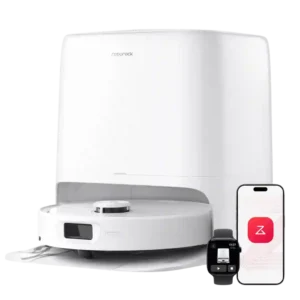
Best for excellent carpet pickup, strong suction, low-clearance reach, and highly automated daily cleaning. Skip it if sticky spills, stubborn wet messes, flawless small-object avoidance, or a compact dock matter...
Pros: Suction and Airflow, Obstacle Avoidance (Robot)
Cons: Streaking / Residue, Solution / Liquid system
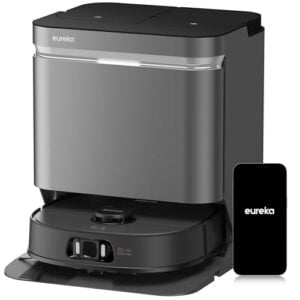
Choose the Eureka J15 Ultra for hands-free vacuuming/mopping, strong suction, edge coverage, and value. Skip it if you need the most advanced obstacle avoidance, compact dock, detergent dispensing, or quieter...
Pros: Obstacle Avoidance (Robot), Maintenance requirements
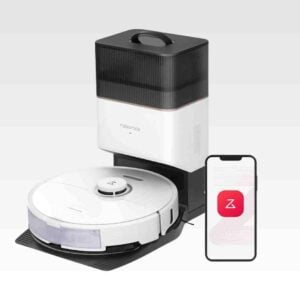
Best for excellent vacuuming, mapping, pet-hair handling, and low-touch daily upkeep. Skip it if you expect deep mop scrubbing, quiet auto-emptying, or premium value in a small or multi-story home.
Pros: Overall opinion, Map and Path Efficiency (Robot Vacuums)
Cons: Dock noise, Price and Value
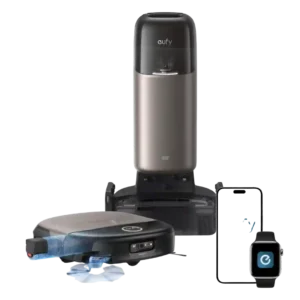
Best for excellent hard-floor mopping, sustained suction and nearly tangle-free hair handling. Skip it if precise edge cleaning, quiet maximum-power operation or flagship value matters more.
Pros: Overall opinion, Mopping performance
Cons: Support and Reliability, Price and Value