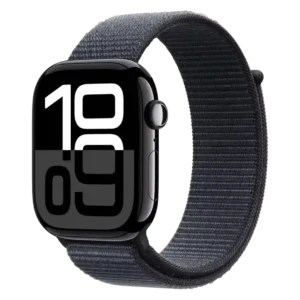
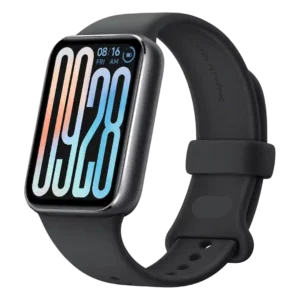
Apple Watch Series 10
Where It Has the Edge
No clear scored advantage over the other product.

Scorata scores summarize analyzed review evidence on a 1–5 scale; they are not laboratory measurements or a simple average of customer star ratings. Feature scores summarize the reviews covering that feature. The overall score averages feature scores within each review, then combines review averages. When both expert and customer evidence are available, those two groups receive equal weight. Products can have different review coverage, so small score gaps do not establish a winner.
Recommendations prioritize important features for the category, with a score of at least 3.5, a gap of at least 0.25 points and at least two supporting reviews per product. Features with widely varying scores or broad connectivity contexts are excluded from recommendations. These safeguards do not establish statistical significance.
Quick verdict
There is not enough consistent, comparable evidence for a clear recommendation. Use the feature details and supporting reviews to weigh the tradeoffs.
There is not enough comparable review evidence to recommend Apple Watch Series 10 over the other product.
There is not enough comparable review evidence to recommend Xiaomi Smart Band 9 Pro over the other product.
No clear scored advantage over the other product.
No clear scored advantage over the other product.
Scores are out of 5. Missing scores mean missing review evidence, not a missing feature.
GPS accuracy was consistently praised as quite good to spot-on, with one caveat that dual-band sports watches can still outperform it.
GPS accuracy was sharply mixed: some reviewers praised fast locks and accurate routes, while others found smoothing, jagged tracks, or poor scientific-test results.
Heart-rate evidence was strongly positive across running, cycling, and chest-strap comparisons, though one reviewer noted occasional errors and dropouts.
Heart-rate accuracy drew mixed evidence: several reviewers found it reliable or close to comparison devices, while others saw spotty workout data and poor scientific-test results.
Workout and fitness tracking accuracy was praised in cardio, structured workout, and general fitness/sleep contexts.
Sleep duration tracking was generally trusted, with reviewers finding timing or duration usable; caveats centered on limited sleep-stage confidence and weak actionability.
Sleep tracking was mostly acceptable for duration and basic trends, but reviewers disagreed sharply on depth and reliability, especially in more technical testing.
Coaching features were useful but uneven: pep talks and Training Load helped, while reviewers wanted more depth, feedback, or Garmin-level detail.
Recovery and Training Load insights were useful and easy to digest, but reviewers repeatedly wanted more numbers, guidance, or actionability.
Workout variety was broad and versatile, covering many mainstream uses, though reviewers still framed Garmin-style depth as stronger for dedicated athletes.
Reviewers generally found everyday activity tracking dependable for the price, though it was framed as basic rather than elite sports-watch grade.
Automatic workout detection was supported by positive reviewer experience, especially for running and walking, with one reviewer noting improved accuracy.
Blood oxygen tracking drew mixed evidence: one updated review said it was available, while several others criticized or noted disabled U.S. availability.
Blood oxygen tracking was generally seen as useful for broad wellness monitoring, but reviewers cautioned about clinical-grade reliability and occasional uncertainty.
One reviewer criticized the low exercise threshold, making calorie/exercise credit feel too easy rather than especially meaningful.
Calorie estimates were one of the weaker metrics, with multiple reviewers saying they ran low or were only rough daily guidance.
One review evaluated connected GPS positively, saying phone-based GPS accuracy was still useful and not something to dismiss.
Distance accuracy was split: some reviewers found close results, while others saw over- or under-reporting, especially versus dedicated sports watches.
Fitness coaching had useful workout-plan and training-effect elements, but reviewers noted these insights lag behind dedicated sports watches.
Goal tracking was supported through the Vitality score, which one reviewer found motivating for progress tracking.
Guided workouts were praised where tested, especially animated warmups, running plans, and free workout courses.
Habit tracking was supported through Vitality scoring, which one reviewer said helped build healthier habits over time.
One review characterized the broader health and fitness tracking as strong, with the Series 10 continuing to perform well as a health-focused watch.
Pace tracking was mixed, with some reviewers finding average pace usable and others saying pacing or fastest-pace data was off.
Resting heart-rate tracking was mixed, with one review finding it close to another reliable watch and another saying readings wandered while idle.
Route tracking ranged from reliable and map-worthy to jagged or corner-smoothed, depending on reviewer tests and conditions.
Effort and score tracking were mixed: reviewers generally understood the ratings, but manual splits or score context could frustrate athletes.
Sleep-stage tracking was the most disputed sleep feature: some reviews called it accurate, while others found light, REM, or stage detection unreliable.
Step counting was usually close to comparison devices, with one reviewer calling it close to perfect and another only treating it as a basic estimate.
Stress tracking was treated as useful but limited, with concerns about reliability, battery cost, and its dependence on inferred sensor data.
Swimming tracking was viewed positively overall, with reviewers praising improved swim metrics, pool support, and the device's water-ready fitness role.
Wellness insights such as Vitals, sleep apnea context, and health-conscious features were appreciated, but some reviewers wanted more practical guidance.
Workout mode variety was consistently praised, with reviewers repeatedly highlighting the large number of supported sports and activities.
Workout tracking was strong for casual use and basic accountability, but several reviews said it was not a serious replacement for dedicated sports watches.
Comfort was the strongest consensus point, with reviewers praising the thinner, lighter design for all-day wear, workouts, and sleep.
Comfort was broadly praised, with reviewers calling the band light, secure, snug, or barely noticeable on the wrist.
Materials were praised for the lighter titanium, polished finishes, premium look, and improved perceived luxury.
Band quality and compatibility were praised through excellent bands, older strap compatibility, and a well-designed band mechanism.
Band quality was mixed: reviewers liked quick-release and premium strap options, but several disliked the stock clasp or swim security.
Build quality evidence centered on durable sapphire glass as a recommended premium durability upgrade.
Build quality was a strong point, with reviewers praising premium materials, metal construction, and build that felt above the price.
Design and appearance were widely praised as premium, sleek, stylish, and more watch-like than typical budget fitness bands.
Durability evidence was mixed: some reviewers saw no blemishes or scratches, while others warned about scratch risk and newer-model improvements.
Durability was positively reviewed through scratch resistance, durable styling, and signs of withstanding active use.
Fit mattered for sensor performance; the Sport Band was praised as adjustable and effective for running accuracy.
Fit was context-dependent: one reviewer liked the smaller case for skinny wrists, while another found the base model worse on a thin wrist.
Size options were mixed: bigger displays helped usability, but reviewers worried about small wrists and the loss of very small options.
Style and design were broadly praised as sleek, refined, and jewelry-like, though a few reviewers disliked the square form.
Water features were polarizing: depth and temperature tools impressed some reviewers, while snorkeling session handling frustrated others.
Water resistance was broadly trusted in review use, including swimming, soaking, showers, and general water exposure.
Battery life was the most common concern: some reviewers got acceptable or improved results, but many called daily charging the biggest flaw.
Battery life was a major consensus strength, repeatedly described as excellent, multi-week, or much better than mainstream smartwatches.
Charging convenience was strong because short charging sessions could cover sleep tracking or daily use and fit into routines.
Charging convenience was mixed because the charger was easy or straightforward for some reviewers but flimsy or insecure for others.
Charging speed was a major strength, repeatedly verified or praised as very fast and helpful.
Charging speed was generally seen as good to fast, often around 70-80 minutes, though one reviewer called it average.
Display quality was one of the clearest strengths, with repeated praise for the bigger, readable, premium-feeling screen.
Display quality was one of the strongest areas, with reviewers praising the AMOLED screen, larger format, vibrancy, and premium feel.
Brightness was generally good, especially for glancing and always-on use, but several reviewers said the off-angle improvement was subtle.
Outdoor and angled visibility was praised for making quick glances easier during runs, rides, and everyday use.
Outdoor visibility was consistently praised, with reviewers saying the screen stayed readable outside and in bright conditions.
Screen brightness was consistently strong, with many reviewers saying outdoor or sunlight visibility was easy at high brightness.
Reliability evidence was excellent, with reviewers describing the watch as something that simply works without crashes or weirdness.
General reliability was mixed: some reviewers loved the device, while others reported bugs or recommended another watch for tracking reliability.
Data syncing worked well where reviewed, with evidence that data synced effortlessly or automatically through the Mi Fitness app.
Value was strongest for first-time buyers and older Apple Watch owners, while recent Series owners were often told not to rush.
Value for money was generally strong, with most reviewers calling the tracker affordable or a great deal, though a few questioned the Pro upgrade cost.
One reviewer reacted negatively to the stand reminder, suggesting activity reminders may be annoying for users who dislike nudges.
ECG was treated as a mature health function that continued to work seamlessly rather than a major new upgrade.
Health trend insights were useful but limited, with reviewers calling them basic, clunky, or less refined than dedicated sports platforms.
LTE evidence was mixed: standalone calling worked well, but Series 10 lacked the newer 5G coverage advantage discussed for Series 11.
Pause/resume-style ring controls were appreciated for breaks, sickness, and preserving streaks.
Safety features were valued, with reviewers noting emergency access, detection features, and solo-workout check-in usefulness.
Strava compatibility was a meaningful value point in one review because few GPS wearables under the price were said to integrate with Strava.
Text alerts were readable and timely, but limited interaction and no reply support made them less capable than full smartwatch messaging.
Timer functionality was considered useful in some reviews, but one reviewer criticized that timer and stopwatch could not run in the background.
Weight was repeatedly praised, with reviewers emphasizing the very light feel and exercise-friendly wear.
App alerts were split: some reviewers found notification buzzes reliable, while others reported bugs, poor app coverage, or weaker reply options.
The Apple ecosystem was a major strength, with seamless Strava syncing, Mac authentication, Apple-device continuity, and broad app support.
Review contexts may differ, so use caution when interpreting the score gap.
Bluetooth-related evidence was positive, covering external sensor support and effortless AirPods connection.
Review contexts may differ, so use caution when interpreting the score gap.
Bluetooth reliability received one positive evaluation, with the reviewer expecting a strong and consistent phone connection.
Physical control evidence was critical: runners wanted better button workflows for splits, starting workouts, and precision start.
Button controls were a common missing feature, with several reviewers wishing for at least one physical control.
Call alerts were useful for wrist awareness, though reviewers repeatedly noted that calls could not really be answered from the band.
Call handling was a highlight, especially voice isolation; reviewers found calls clearer and useful in noisy settings.
The companion Health/Fitness app was rich and useful, but one reviewer found the volume of data overwhelming.
The companion app was mixed: some reviewers liked its clear data and ease of use, while others found it clunky, busy, or utilitarian.
Contactless payments were strongly praised for speed and convenience, especially in daily routines and transit-like scenarios.
Customization was praised through adjustable goals, personalization options, and enough watch-face/app choices for most users.
Customization was a strength, especially for straps, widgets, watch faces, and appearance tweaks.
Mapping and navigation were promising but unfinished, with reviewers calling routes OK, half-baked, or not cleanly integrated with workouts.
Review contexts may differ, so use caution when interpreting the score gap.
Menu navigation benefited from the revised workout layout and larger screen, making navigation, typing, and selections easier.
Speaker-based music and media playback was convenient in quiet or headphone-free moments, but volume and audio quality were common limitations.
Music controls were widely liked as handy, well-optimized, and easy to use from the wrist.
The operating-system experience was mostly strong, but one reviewer felt Apple’s once-simple interface is becoming more muddled.
Pairing reliability was positive in the one review that described automatic pairing and syncing through the app.
Review contexts may differ, so use caution when interpreting the score gap.
Notifications remained useful when limited to important communication, keeping glanceable alerts on the wrist.
Smartphone notifications worked well for readability and mirroring in several reviews, but lack of replies and occasional bugs held the score down.
Reviewers repeatedly described it as a highly capable iPhone smartwatch with broad lifestyle, health, fitness, and convenience features.
Software smoothness was a strength, with reviewers describing fluid performance, fast app handling, and only rare bugs.
Third-party compatibility was limited, with one review noting only a small number of sharing options and another criticizing app limitations.
Third-party app support was valuable for sports and customization, though reviewers wanted better APIs for route syncing and deeper integration.
Review contexts may differ, so use caution when interpreting the score gap.
Touchscreen/display responsiveness had limited but positive evidence, with one reviewer describing the OLED as very responsive.
Touchscreen responsiveness was generally praised, with reviewers describing swipes, taps, navigation, and touch interactions as smooth or responsive.
The interface was often described as useful and contextual, especially Smart Stack, while one reviewer complained menus are becoming cluttered.
The interface was mostly praised as simple, smooth, intuitive, and well optimized, though one review found the app drawer trial-and-error.
Siri on the watch was praised for reliable, fast everyday tasks like timers, music, and calendar events.
Watch face options were widely praised for variety, style, customization, free downloads, and large in-app libraries.
Watch faces were mixed: reviewers liked the second-hand realism and customization, but criticized some new faces for lacking complications.

Best for long battery life, accurate GPS and useful offline maps at a strong price. Skip it if you need payments, richer apps, a built-in LED flashlight or polished smartwatch...
Pros: mapping and navigation, value for money
Cons: smartwatch features, contactless payments

Best for accurate run tracking, deep Garmin coaching and phone-free Spotify in a light package. Skip it if you need full maps, triathlon mode, Apple Music support or the strongest...
Pros: value for money, GPS accuracy
Cons: mapping and navigation, third-party app support

Good if you want premium running features, long battery life, and maps for under $200. Skip it if you need flawless heart-rate data, multiband GPS, LTE, or richer app support.
Pros: value for money, battery life
Cons: heart rate accuracy, third-party app support

Best for accurate running metrics, excellent coaching tools, a bright AMOLED display, and dependable battery life. Skip it if you need offline maps, music storage, contactless payments, multi-band GPS, or...
Pros: battery life, value for money
Cons: mapping and navigation, smartwatch features