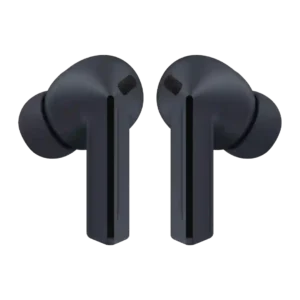
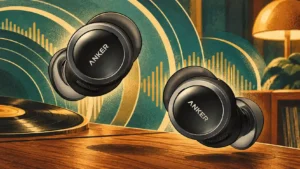
Samsung Galaxy Buds 3 FE Earbuds
Where It Has the Edge
No clear scored advantage over the other product.

Scorata scores summarize analyzed review evidence on a 1–5 scale; they are not laboratory measurements or a simple average of customer star ratings. Feature scores summarize the reviews covering that feature. The overall score averages feature scores within each review, then combines review averages. When both expert and customer evidence are available, those two groups receive equal weight. Products can have different review coverage, so small score gaps do not establish a winner.
Recommendations prioritize important features for the category, with a score of at least 3.5, a gap of at least 0.25 points and at least two supporting reviews per product. Features with widely varying scores or broad connectivity contexts are excluded from recommendations. These safeguards do not establish statistical significance.
Quick verdict
The available evidence supports the recommendation below, but does not establish an overall winner. Check the remaining features against your priorities.
There is not enough comparable review evidence to recommend Samsung Galaxy Buds 3 FE Earbuds over the other product.
Choose Soundcore Anker Liberty Buds 2 for Sound quality and Multipoint connectivity reliability.
No clear scored advantage over the other product.
Scores are out of 5. Missing scores mean missing review evidence, not a missing feature.
Sound quality is the most praised attribute overall, with most reviewers calling it excellent, balanced, outstanding, or great for the price, despite a few mixed impressions.
Sound is widely praised as clear, engaging and remarkably competitive for the price. EQ often improves it further, although preferences differ on stock bass weight and treble brightness.
Video latency evidence is positive, with one reviewer reporting no noticeable delay and calling the earbuds suitable for watching videos.
Watching videos generally produces excellent synchronization, and mobile gaming can work well too. Precise audio editing is a clear limitation because the remaining wireless delay is too large.
Bass impressions are mixed: several reviewers find it well-defined or pleasantly emphasized, while others say it is less punchy or not as controlled as rivals or the Pro model.
Bass is commonly praised for depth, punch and good control, especially after tuning. Preferences vary: some find it powerful, while others want more low-end weight or tighter mid-bass.
Microphone noise reduction is mostly praised as much improved and strong at reducing background sounds, though one reviewer says it could still be better.
Background-noise suppression is repeatedly praised for keeping construction, traffic, voices and wind out of calls. Extreme noise can still add a brief metallic or processed edge.
Most reviewers rate ANC highly, with several calling it excellent or top tier, though one subway-focused test found it only barely adequate in very loud environments.
Most testers find unusually strong cancellation for the price, including effective traffic and workplace noise reduction. Results vary substantially: one calls it average, and strong settings can create pressure for some ears.
Frequency response evidence is strong from measurement-based reviews that say the default tuning tracks the target curve closely.
The tuning is often described as balanced despite a mild V shape, keeping vocals and instruments from being buried. Some listeners hear recessed mids or sharp treble before adjusting EQ.
Soundstage width receives positive evidence, with reviewers describing openness and a pleasing amount of width.
The soundstage is more spacious than the tiny housings suggest, with a pleasing sense of room around voices and instruments.
Spatial audio is mixed: one reviewer likes the immersive 360 effect, while others dislike the lack of head tracking or find the effect diffused.
Dolby can add a theater-like or concert-hall effect, but opinions are mixed. Echo, metallic highs and more distant vocals lead several testers to prefer the standard sound profile.
True multipoint is one of the clearest repeated negatives, with reviewers calling its absence disappointing, a potential dealbreaker, or worse than alternatives.
Phone-to-laptop or tablet switching is generally quick and dependable. A few caveats remain around moving out of range and, in one account, combining multipoint with LDAC.
Codec support is Samsung-first: SSC can improve fidelity on Samsung devices, while non-Samsung users are limited to AAC or SBC.
Standard codec playback can still sound dynamic and satisfying. One tester describes having to choose between the higher-quality mode and multipoint use.
Value is a major strength, especially for Samsung phone owners, with reviewers repeatedly calling the Buds 3 FE an easy recommendation or strong deal.
The price is repeatedly judged excellent for the combination of comfort, sound, calls and noise control. Several testers find the experience close to substantially more expensive options.
Multi-platform compatibility is a weakness: the earbuds work as basic Bluetooth buds on iPhone, but advanced controls and ecosystem features are Samsung- or Android-dependent.
Video playback and phone use are favorably assessed across iOS and Android, without a major everyday experience gap between the platforms.
Hi-res playback is a tradeoff: reviewers note that higher-end 24-bit features are reserved for the Pro model, limiting the FE for serious high-resolution listening.
Higher-resolution playback on compatible Android devices is valued for cleaner sound and a higher-bitrate connection. These impressions concern wireless playback rather than a separately assessed DAC.
LDAC is a limitation because a reviewer points to alternatives that include LDAC among features the Buds 3 FE lack.
LDAC is valued for cleaner high-resolution sound on compatible devices. Its battery penalty is substantial, and one tester also describes a tradeoff with multipoint.
Sensor behavior is a weakness because reviewers complain that wear sensors do not provide full auto-pause/resume functionality.
Wearing detection is generally welcomed and can pause playback almost instantly when a bud comes out. One tester notes that a pocket can trigger the optical sensor by mistake.
Included accessories are a weakness because multiple reviewers note the missing cable and limited box contents.
Keeping a charging cable in the box is appreciated, even by a user who already owns several.
Instrument separation is split: one reviewer hears distinct musical layers, while another says the Buds 3 FE lack detail and separation versus stronger options.
Vocals, instruments and bass usually remain distinct rather than crowding each other. Personalized tuning can improve separation further.
Volume output is very strong in the available evidence, with one reviewer calling the volume insanely loud.
There is ample output for listeners who like louder playback. One user reports soreness after listening at maximum, so the high ceiling can also become uncomfortable.
Touch responsiveness is mixed, ranging from fantastic controls to complaints that double and triple taps are finicky.
Touch recognition is usually quick and accurate, including multiple-tap commands. Sensitivity adjustment can help users who trigger unintended inputs.
Android compatibility is strongest on Samsung phones and tablets, where key sound and ecosystem features unlock; non-Samsung Android works with more limits.
Android users benefit from convenient pairing, dependable video playback and access to LDAC. The higher-resolution listening option draws particular praise.
The integrated microphones are generally strong for calls and voice commands, with particular praise for background-noise handling.
The integrated microphones are a central strength, keeping speech clear in noisy places and capturing quiet voices. Some processing remains audible under the harshest conditions.
Maximum-volume clarity is positive, with reviewers hearing little distortion or clean highs and mids even at loud levels.
High-volume listening retains clear vocals and separation in the assessments that examine it. Sound is praised for remaining consistent rather than breaking up as level rises.
Preset EQ profile quality gets direct praise from one reviewer, who says the presets work well.
The Soundcore Signature profile satisfies several testers without custom EQ, and the available presets are considered well worked out. Other listeners still prefer a personalized curve.
Treble clarity is mostly positive, with clear highs and less fatigue, but one reviewer criticizes the highs as splashy and uncontrolled.
Treble is usually praised for clean detail and a lively but comfortable presentation. One tester finds the stock highs harsh and warns that extra boost can quickly become excessive.
Find My evidence is limited but positive, with one reviewer confirming the feature worked and showed location on a map.
The locator beep can help find nearby earbuds in a quiet room. Its limited loudness makes it much less useful in a crowded or noisy place.
Smudge resistance is a small design strength thanks to the matte finish, which reviewers say reduces fingerprints, shine, and scratches.
The frosted white finish is praised for hiding fingerprints well.
Stability is strong for normal use and shake tests, though one reviewer says the stem design is not ideal for high-impact running.
Low weight, a flush shape and interchangeable wings deliver a secure fit during movement. Testers report good retention while running, lifting weights, talking and changing shirts.
AI translation is treated as a useful Samsung ecosystem bonus, especially when it pipes live translations into the earbuds, but reviewers often frame it as a feature rather than the core reason to buy.
Live translation is described as working well within the companion app.
Water and sweat resistance is generally considered adequate for workouts and rain, though reviewers note IP54 is lower than the Pro model.
Rain and sweaty workouts are generally considered well within the buds’ protection. They are unsuitable for full submersion, and the case does not share the same protection in one assessment.
Transparency mode is widely praised as good, clear, natural, or great, with enough clarity for conversations and awareness.
Regular transparency often sounds clear and natural enough for conversation and awareness. Some listeners still hear an electronically relayed character, and wind can reduce clarity substantially.
Midrange clarity is consistently positive, especially for vocals, which reviewers describe as clear, present, crisp, and detailed.
Vocals are commonly clear, lively and intelligible, with guitars and piano also receiving praise. Tuning can bring voices forward when the stock presentation feels slightly recessed.
The case is compact and secure in testing, though case-related praise focuses more on size and magnet retention than premium materials.
The case is usually praised as compact, light and convenient to carry. A wobbly lid and a thicker-than-preferred profile draw isolated complaints.
Portability is positive but lightly covered, with the case described as pocketable.
The compact, lightweight case and small buds make the set convenient to carry. Slimness is a particular advantage in direct comparisons.
Charging is a compromise because USB-C works and wired charging can be quick enough, but missing wireless charging is repeatedly called out as a bummer or tradeoff.
The quick-charge feature is appreciated when heading out or needing a fast top-up, with four hours of playback claimed from ten minutes in the case.
Battery life is usually described as average to solid, with ANC runtimes around five to six hours and some praise for the quoted Galaxy Buds endurance.
Battery life is generally considered strong for such compact earbuds, with enough endurance for long listening sessions. ANC, LDAC and frequent calls shorten runtime considerably, so the longest advertised figure does not represent every use.
Ear tip options are a recurring caveat because reviewers like having sizes included but several want more choices, especially an XL option.
A generous choice of tips and wings helps different ear sizes find a comfortable, stable seal. Both very small and larger options prove useful in practice.
Weight comfort is lightly but positively supported, with reviewers calling the buds lightweight and comfortable.
The very low weight repeatedly helps the buds disappear during wear, with little tugging or pressure over longer sessions.
Comfort is a strength across reviewers, with repeated praise for the light, familiar stem fit and comfortable listening sessions.
Comfort is one of the most consistent strengths, with many testers forgetting the buds are in during long sessions. A secure seal and low-pressure ANC setting can matter for sensitive ears.
Fit is one of the strongest points: sealed tips usually create a secure seal and help the Buds 3 FE stay put, though sizing may not work for everyone.
Many testers get an excellent seal and comfortable fit, sometimes after switching tip or wing sizes. The right combination also improves stability and sound balance.
Design receives broad praise for the matte finish, understated styling, premium look, and slimmer case, although the stem shape is not universally loved.
The small stemless shape and flush profile are widely liked, while the mother-of-pearl finish draws particular enthusiasm. One reviewer dislikes the more prominent Anker branding.
Build quality receives positive but limited evidence, with one reviewer directly calling the overall build sturdy.
The charging case finish holds up well to sharing a pocket with keys. A slightly wobbly lid is the notable construction caveat.
Call microphone quality is a strength overall, with reviewers reporting clear voice pickup and reliable call performance, except in harder windy cases.
Call quality is a leading reason to buy, with strong speech pickup in loud environments and at very low speaking levels. Several testers find it competitive with or better than more expensive earbuds.
EQ customization is useful through Samsung software, with custom and preset options, but one reviewer misses personalized tuning.
HearID and the manual EQ often make a meaningful improvement to bass weight, vocal clarity and overall balance. The main complaint is limited control of the deepest bass frequencies.
Bluetooth connection is generally stable and easy on Samsung devices, though one reviewer notes the fast-pair experience is slick only when it works.
Testers generally report stable Bluetooth, useful range and fast reconnection. Several describe daily use without unexpected disconnects.
Pinch and swipe controls are generally useful and sometimes praised, but reviewers also note extra force, awkward stem angles, or a short learning curve.
Customizable taps cover the essentials and are often easy to use. Some testers prefer stem, swipe or voice controls, and one finds repeated long presses for volume adjustment frustrating.
Setup is easy on Samsung devices, with reviewers describing instant pairing, quick setup, and a painless process.
Pairing and app setup are generally quick and straightforward, with Fast Pair especially appreciated. Routine configuration is considered easy to follow.
The app and Samsung settings integration are important to getting full value, unlocking ANC controls, EQ, AI features, updates, and other advanced controls.
The companion app earns repeated praise for useful features, straightforward operation and extensive sound and control settings. Its personalized tuning is a frequent highlight.
Voice assistant integration is useful but not complete; Gemini and Bixby support exist, while built-in voice controls from the Pro model are missed.
A configured phone-assistant shortcut works in testing. The app’s separate AI assistant receives criticism for slow responses and a tendency to seek personal information.
Automatic protection against sudden loud sounds is welcomed, but adaptive transparency divides opinion. One comparison finds it noticeably less clear than the regular transparency mode.
Sound is reported to stay clean and consistent as volume increases, without the stretching or bleeding heard from some other earbuds.
Noise modes and sound options offer useful flexibility, with convenient switching during work. One tester still wants finer control over cancellation and transparency.
Footfalls and heavier breathing do not transmit strongly through the tips, which helps running feel less intrusive.
Lossless-style playback is possible only in limited Samsung conditions through SSC, so reviewers treat it as a Samsung-first benefit rather than universal hi-fi support.
Passive isolation benefits from the sealed design, with reviewers citing meaningful isolation and better noise blocking than unsealed Buds models.
Gaming mode provides a useful sense of where footsteps and gunfire occur in mobile play, though the assessment stops short of calling positioning exceptional.
Soundstage depth is generally positive when discussed, with reviewers noting pleasing depth or enough richness despite the single-driver design.
A dedicated wind setting can make outdoor listening much more comfortable, with strong praise from several testers. Others find noticeable pickup and slow recovery, especially in transparency mode.
Auracast support is a weakness because at least one reviewer was disappointed that the Buds 3 FE did not get the feature.
Separate battery readouts for each earbud and the case make charge levels easy to check in the app.
Wireless charging is a frequently welcomed convenience, especially when compatible pads are already available at home or work. It is seen as a useful inclusion at the price.
Audible touch feedback helps confirm recognized commands, and it can be disabled. One tester prefers it off once familiar with the controls.
Voices remain clear and complete in difficult conditions, but heavy processing can still be audible at extreme noise levels. Brief metallic edges and tiny hiccups are the more specific complaints.
Playback and connection behavior receive favorable assessments on both iPhone and Android, helping the buds work across common phone choices.
The IP55 dust protection is welcomed for outdoor movement and sweaty exercise. The protection applies to the buds rather than establishing an equally protected case.
The compact housings leave room for earrings and avoid catching on nearby clothing, making them easier to wear with jewelry.
Glasses generally sit comfortably alongside the low-profile buds, without competing for space. Helmet wear also receives favorable comments.
Optional volume monitoring, hearing tests and related adjustments are welcomed for added control of listening levels and balance.
Independent use of either bud works successfully and gives flexibility while the other charges. Single-ear listening is also valued for getting through a work shift.
The overall response is strongly positive, especially for comfort, calls and the performance offered at the price. Controls, wind behavior and differing ANC experiences are the main qualifications.
The unboxing is described as simple and pleasant, with familiar Anker presentation.
Sidetone during calls is useful when transparency mode lets the wearer hear their own voice clearly and reduces call fatigue.
The case is generally regarded as compact and notably slim in comparisons. One tester would still prefer less thickness.
The buds are easy to insert, twist into place and remove, helping the compact design feel straightforward in daily handling.
A slightly wobbly case lid is the specific concern about the hinge and lid assembly.
Best for detailed, natural wired sound, three connector options, and standout value around $99. Skip it if you need wireless features, stronger bass, softer treble, or a compact fit for...
Pros: Value for money, Multi-platform compatibility
Choose these for excellent, balanced sound, a comfortable redesign, deep EQ tools and uniquely replaceable batteries. Skip them if you need class-leading ANC, consistently great calls or the smoothest treble...
Pros: User-replaceable batteries, Overall satisfaction
Cons: Auracast support, Sensors
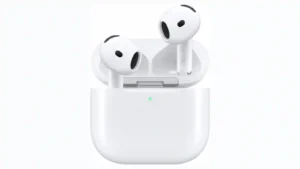
Choose the AirPods 5 for strong open-ear ANC, clearer sound, easy Apple-device switching, and excellent value. Skip them if you need all-day battery, a very secure workout fit, or full...
Pros: Overall satisfaction, Sound quality
Cons: Battery, Eartips fit
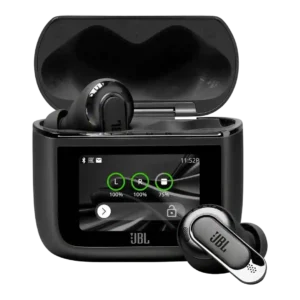
Choose the JBL Tour Pro 3 if you want feature-packed earbuds with strong sound, ANC, LDAC and a genuinely useful smart case. Skip them if you have smaller ears, want...
Pros: Sound quality, Carry case quality
Cons: Portability/foldability, Button control usability