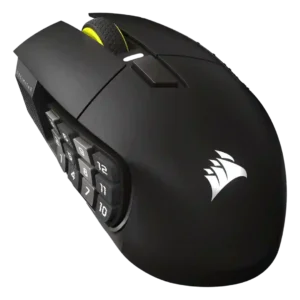
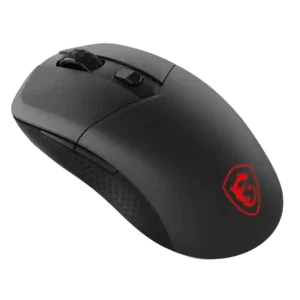
Compare Razer Basilisk V3 vs McHose L7 Pro

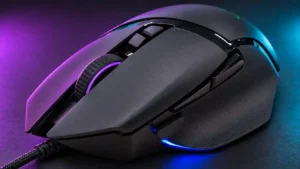
Razer Basilisk V3

Razer Basilisk V3

Overall score 4.5 / 5

Based on 34 scored reviews

vs
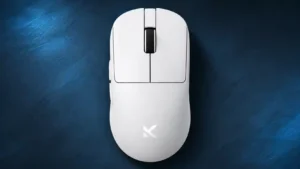
McHose L7 Pro

McHose L7 Pro

Overall score 4.5 / 5

Based on 13 scored reviews

How we score

Scorata scores summarize analyzed review evidence on a 1–5 scale; they are not laboratory measurements or a simple average of customer star ratings. Feature scores summarize the reviews covering that feature. The overall score averages feature scores within each review, then combines review averages. When both expert and customer evidence are available, those two groups receive equal weight. Products can have different review coverage, so small score gaps do not establish a winner.

Recommendations prioritize important features for the category, with a score of at least 3.5, a gap of at least 0.25 points and at least two supporting reviews per product. Features with widely varying scores or broad connectivity contexts are excluded from recommendations. These safeguards do not establish statistical significance.

Quick verdict

What each product is best for

The review evidence points to a tradeoff: hand support and feet quality versus size and claw grip comfort. Choose according to which strengths matter more to you; the overall score alone does not settle that choice.

Choose Razer Basilisk V3 for hand support and feet quality.

Choose McHose L7 Pro for size and claw grip comfort.

Why these recommendations?

Razer Basilisk V3

Where It Has the Edge

  • hand support is 4.7 vs 2.5. The thumb rest prevents drag and supports the hand, though ring and little finger support could be more...
  • feet quality is 4.9 vs 3.6. Large PTFE skates deliver very smooth movement, although one reviewer would have liked another foot on the right...
  • palm grip comfort is 4.5 vs 3.5. Palm grip is a particularly strong match for the thumb rest and broad body, though outer finger support...

McHose L7 Pro

Where It Has the Edge

  • size is 4.8 vs 3.6. The small, low-profile shell suits fingertip and claw grips while retaining useful width.
  • claw grip comfort is 4.9 vs 4.2. The rear hump and moderate side curvature make claw grip easy without locking fingers into one position.
  • value for money is 5.0 vs 4.5. The combination of ultra-low weight, capable internals and an included high-rate receiver delivers unusually strong value.
Razer Basilisk V3 4.5 overall score
McHose L7 Pro 4.5 overall score

Compare features

Scores are out of 5. Missing scores mean missing review evidence, not a missing feature.

Scored on both products

Ownership and support

Reliability
Razer Basilisk V3
3.5

Tracking and overall operation are reliable in most testing, but an embedded customer report described repeated middle-click failure.

McHose L7 Pro
5.0

No operational issues or unwanted double-clicks were reported in the relevant hands-on tests.

Hand support
Razer Basilisk V3
4.7

The thumb rest prevents drag and supports the hand, though ring and little finger support could be more generous.

McHose L7 Pro
2.5

The compact body leaves limited space for the ring and little fingers.

Customer support
Razer Basilisk V3
1.0

One customer reported being denied manufacturer assistance because the mouse came from an unauthorized seller.

McHose L7 Pro
2.5

Community complaints about customer service are a reason to be cautious about after-sales support.

Double-click reliability
Razer Basilisk V3
4.5

Optical switches are favored for their potential to avoid double-click faults, though some praise is based on design rather than long-term testing.

McHose L7 Pro
5.0

Unintended double-clicks were not encountered even at zero debounce.

Value for money
Razer Basilisk V3
4.5

Most consider the mouse excellent value for its performance and extensive controls. Price comparisons against discounted older models are less favorable.

McHose L7 Pro
5.0

The combination of ultra-low weight, capable internals and an included high-rate receiver delivers unusually strong value.

Other features

Surface compatibility
Razer Basilisk V3
5.0

The mouse glides smoothly over a range of mousepads and desk surfaces.

McHose L7 Pro
2.0

Tracking on bare glass is poor even though the sensor can detect movement there.

Wired connectivity
Razer Basilisk V3
4.0

Wired connectivity delivers a dependable, responsive experience without battery concerns, but it is a compromise for wireless fans.

McHose L7 Pro
2.2

Wired use is possible, but one tester found click latency remained high and another found the cable arrangement inconvenient.

Weight
Razer Basilisk V3
3.4

At roughly 101 grams, the mouse is substantial compared with modern ultralights. Its shape and smooth feet help offset the heft for many users.

McHose L7 Pro
5.0

The roughly 39–41 g weight is a standout, making the mouse exceptionally easy to move and aim.

Click latency
Razer Basilisk V3
5.0

Optical switches deliver notably low click latency, with quick actuation and little perceived delay.

McHose L7 Pro
3.5

Several tests report exceptionally fast clicks, while one tester measured around 10 ms even at 8K. Results vary markedly by testing setup.

Feet quality
Razer Basilisk V3
4.9

Large PTFE skates deliver very smooth movement, although one reviewer would have liked another foot on the right side.

McHose L7 Pro
3.6

Stock feet are the most divisive part: acceptable on some pads and smoother after break-in, but slow or sticky on others.

Click consistency
Razer Basilisk V3
3.2

Main clicks generally feel consistent, but one tester noticed slightly different click feel and a customer reported unreliable middle clicks.

McHose L7 Pro
4.3

Main buttons show little lateral play, but click feel can change with finger position and side buttons can differ in tension.

Motion consistency
Razer Basilisk V3
5.0

Tracking remains consistent through fast flicks and sweeping movements, without obvious stuttering or jitter.

McHose L7 Pro
4.0

Enabling esports mode helps reduce irregular polling timing.

Glide smoothness
Razer Basilisk V3
4.9

PTFE feet offer smooth, easy movement that helps compensate for the weight; one reviewer noticed slight drag along the right edge.

McHose L7 Pro
4.0

Glide varies by pad and break-in: some find the stock feet smooth, while others notice sticky or slow micro-adjustments.

Scroll wheel usefulness in games
Razer Basilisk V3
4.1

Tactile steps and tilt inputs work well for selecting weapons and abilities. Automatic free spin is less useful in some games and can cause accidental changes.

McHose L7 Pro
5.0

Light, distinct wheel steps work particularly well for in-game scrolling in Fortnite.

Profile management
Razer Basilisk V3
4.8

Profiles make it easy to keep different controls and sensitivities for games and desktop applications.

McHose L7 Pro
4.0

Downloading shared settings is a welcome option for players who want to try other configurations.

Packaging quality and presentation
Razer Basilisk V3
4.0

The packaging is simple but adequately protects the mouse during shipping.

McHose L7 Pro
4.7

The simple packaging feels secure and surprisingly premium.

DPI range
Razer Basilisk V3
3.6

The broad sensitivity range accommodates individual preferences; the extreme maximum is generally viewed as unnecessary rather than a reason to upgrade.

McHose L7 Pro
3.0

The unusually high maximum sensitivity goes beyond what some players consider useful.

Fingerprint and smudge resistance
Razer Basilisk V3
2.0

Glossy accents pick up fingerprints readily, even though the main shell has a matte finish.

McHose L7 Pro
2.5

The grippy finish can show fingerprints and become shiny or dirty with use.

Motion latency
Razer Basilisk V3
5.0

Movement feels immediate even during large sweeps and quick turns, with virtually no noticeable lag in testing.

McHose L7 Pro
4.5

Movement latency is fast, even in testing that found slower click response.

Premium feel
Razer Basilisk V3
5.0

The substantial thumb rest and textured grips contribute to a premium look and feel.

McHose L7 Pro
4.5

The coating and clicks often feel surprisingly premium, though the inexpensive shell and skates do not always match that impression.

Polling rate
Razer Basilisk V3
3.8

The standard 1,000Hz polling rate feels responsive compared with office mice, but lacks the higher rates some esports enthusiasts seek.

McHose L7 Pro
4.2

High polling rates can be remarkably consistent, although 8K is not always necessary or measurably faster in click tests.

Scroll wheel quality
Razer Basilisk V3
4.4

Tactile and free-spin modes are major strengths. Automatic switching is divisive, while a few users report wheel wobble or faults.

McHose L7 Pro
4.8

The wheel earns praise for its clear, tactile steps and satisfying action.

Balance and weight distribution
Razer Basilisk V3
4.7

The weight distribution feels balanced in hand, avoiding the front-heavy sensation some wired mice have.

McHose L7 Pro
5.0

Weight distribution feels balanced despite the remarkably light shell.

Grip texture
Razer Basilisk V3
4.7

Textured rubber side grips and subtle button texture provide secure control without a cheap feel.

McHose L7 Pro
4.5

The soft finish offers secure grip, often without added tape. Included tape is less consistently effective.

FPS gaming suitability
Razer Basilisk V3
5.0

Accurate tracking and fast clicks make it an excellent shooter mouse, with weight the principal competitive compromise.

McHose L7 Pro
4.8

Fast flicks and fine corrections make it an excellent FPS mouse, though latency-sensitive players should note conflicting test results.

Scroll wheel resistance
Razer Basilisk V3
4.4

Tactile and free-spin modes feel useful and easy to select, though some miss the continuously adjustable resistance dial from the V2.

McHose L7 Pro
4.6

Wheel resistance is generally well judged, though it can initially feel rigid to some users.

Scroll wheel precision
Razer Basilisk V3
4.8

The tactile mode provides clearly defined steps for precise item selection or controlled scrolling.

McHose L7 Pro
4.9

Distinct wheel steps provide reliable feedback and accurate scrolling.

Coating quality
Razer Basilisk V3
4.7

Textured surfaces provide comfortable traction and help keep fingers from slipping during use.

McHose L7 Pro
4.8

The soft, slightly rubberized or matte finish feels grippy and compares favorably with much pricier mice.

Responsiveness
Razer Basilisk V3
4.9

Sensor tracking and button actions feel responsive both in games and during routine use.

McHose L7 Pro
5.0

The sensor and buttons feel responsive in practice.

Left and right click quality
Razer Basilisk V3
4.8

Main clicks feel crisp and satisfying with minimal travel, although one tester noticed slightly different feel between left and right.

McHose L7 Pro
4.9

Main clicks are crisp, stable and easy to spam. Pressure farther back can feel different, and newer units use different optical switches.

Switch feel
Razer Basilisk V3
4.9

The second-generation optical switches have a crisp, tactile feel, with a pleasing balance of pressure and responsiveness.

McHose L7 Pro
4.9

Optical switches feel snappy and easy to repeat, with enough tactile feedback to maintain control.

Cable quality
Razer Basilisk V3
4.7

The braided cable is generally light, flexible and resistant to tangles, though it can retain some stiffness.

McHose L7 Pro
4.8

The braided cable feels well made for the price.

Comfort and build

Materials quality
Razer Basilisk V3
4.6

Matte plastic and grippy rubber feel durable and pleasant, although the plastic scroll wheel can feel less premium than metal alternatives.

McHose L7 Pro
2.0

The shell materials can feel inexpensive compared with the impressive internal hardware.

Size
Razer Basilisk V3
3.6

The relatively broad body is more substantial than compact mice, but some testers found it less bulky than it initially appears.

McHose L7 Pro
4.8

The small, low-profile shell suits fingertip and claw grips while retaining useful width.

Fingertip grip comfort
Razer Basilisk V3
3.8

Fingertip grip works for some users thanks to the side grips, but smaller hands and those preferring compact mice may struggle.

McHose L7 Pro
4.9

Low front buttons, a compact shell and retained grip width make this especially comfortable for fingertip users.

Palm grip comfort
Razer Basilisk V3
4.5

Palm grip is a particularly strong match for the thumb rest and broad body, though outer finger support or rear width can be limiting for some hands.

McHose L7 Pro
3.5

Palm grip can work for smaller hands, but larger hands often find the shell too short.

Claw grip comfort
Razer Basilisk V3
4.2

Many users find claw grip comfortable, but the forward trigger can be harder to reach and some prefer a different shape.

McHose L7 Pro
4.9

The rear hump and moderate side curvature make claw grip easy without locking fingers into one position.

Ergonomic design
Razer Basilisk V3
4.8

The sculpted right-handed shell, thumb rest and grippy surfaces consistently earn praise for comfort.

McHose L7 Pro
4.3

The shape encourages a natural, flexible grip rather than forcing one hand position.

Build quality
Razer Basilisk V3
4.9

The sturdy shell and solid construction inspire confidence, with occasional minor flex or wheel rattle.

McHose L7 Pro
4.4

The main shell feels surprisingly solid for its weight, with little creaking during play. Strong pressure can reveal flex, and premium competitors can feel sturdier.

Aesthetic design
Razer Basilisk V3
4.8

The angular matte-black shell and glowing underside give the mouse a distinctive appearance without overwhelming the desk.

McHose L7 Pro
4.7

The clean, simple design is attractive without unnecessary decoration.

Hand size compatibility
Razer Basilisk V3
4.2

The shape accommodates many hands, especially medium and large sizes; smaller hands often struggle with the forward thumb button.

McHose L7 Pro
4.3

Small and medium hands fit particularly well; larger hands may prefer claw or fingertip grip over palm.

Shape comfort
Razer Basilisk V3
4.7

The sculpted shape feels natural to many hands, though the generous width and right-handed contours are personal preferences.

McHose L7 Pro
4.8

The compact, relatively flat shape and rear hump accommodate claw and fingertip grips particularly well.

Long-session comfort
Razer Basilisk V3
4.9

The comfortable shell and thumb support help reduce hand fatigue over many hours of use.

McHose L7 Pro
5.0

Low mass and a comfortable grip help reduce fatigue across extended play or aim-training runs.

Grip comfort
Razer Basilisk V3
4.9

The rubber side panels and sculpted grip make the mouse comfortable to hold for extended periods.

McHose L7 Pro
5.0

Finger grooves and relatively flat sides allow a secure grip without forcing a particular finger position.

Controls and connectivity

Accidental button activation
Razer Basilisk V3
5.0

Well-judged button resistance and placement help prevent accidental presses while keeping commands easy to access.

McHose L7 Pro
4.0

Main clicks are light without being too easy to trigger accidentally, although unusually hard pressure on the top shell can activate them.

Software usability
Razer Basilisk V3
4.7

Synapse is generally easy to navigate and offers deep customization, although its many options can take time to learn.

McHose L7 Pro
3.8

The web driver is generally simple, but incomplete translations and a confusing desktop download can get in the way.

Button placement
Razer Basilisk V3
3.9

Many controls fall naturally under the fingers, but the forward thumb trigger can be awkward for smaller hands and some grip styles.

McHose L7 Pro
4.8

The thumb buttons are easy to reach and low front buttons help fine aiming.

Software quality
Razer Basilisk V3
4.8

Synapse offers detailed customization for sensitivity, macros, lighting and scrolling, and most testers find it intuitive.

McHose L7 Pro
4.2

The web driver offers the important tuning options, although translations and some settings could be better.

Button responsiveness
Razer Basilisk V3
5.0

Buttons respond quickly, making rapid actions feel immediate during games.

McHose L7 Pro
4.5

The buttons register promptly and provide noticeable feedback.

DPI customization
Razer Basilisk V3
4.8

Fine CPI steps, multiple sensitivity stages and separate X/Y adjustment give users precise control over cursor speed.

McHose L7 Pro
4.5

Sensitivity stages can be configured to suit individual preferences.

Side button quality
Razer Basilisk V3
4.2

Side buttons are often easy and satisfying to press, but some find the sensitivity trigger mushy or slightly wobbly.

McHose L7 Pro
3.9

Side buttons are generally usable with little travel, but can feel somewhat mushy or uneven in tension.

Button customization
Razer Basilisk V3
4.9

Synapse supports a wide range of button assignments and secondary commands, though not every scrolling option can be assigned directly to a button.

McHose L7 Pro
5.0

The web interface makes remapping buttons straightforward.

Performance

Scroll wheel noise
Razer Basilisk V3
3.8

Free spin can be nearly silent, but some testers find the wheel fairly loud or rattly in normal operation.

McHose L7 Pro
4.0

The scroll wheel is more tactile and potentially more audible than quieter designs, a tradeoff accepted for its encoder quality.

Sensor performance
Razer Basilisk V3
4.9

The Focus+ sensor performs exceptionally well in practice, even though its headline 26,000 DPI is more than most people need.

McHose L7 Pro
4.7

The PAW3395 tracks fast movements well, including at low DPI. The Ultra has a newer sensor, but the Pro is already capable.

Productivity performance
Razer Basilisk V3
4.8

Free-spin and accelerated scrolling plus programmable controls are especially useful for office tasks and general navigation.

McHose L7 Pro
5.0

It has proven enjoyable for ordinary desktop work as well as gaming.

Click noise
Razer Basilisk V3
4.6

Main clicks have a crisp, satisfying sound; some find them slightly more audible than earlier switches, but not excessively loud.

McHose L7 Pro
4.5

The optical click sound is acceptable and not a major source of annoyance.

Gaming performance
Razer Basilisk V3
5.0

Strong sensor performance, fast switches and versatile controls make it a capable gaming mouse across many genres.

McHose L7 Pro
4.9

The mouse delivers excellent practical gaming performance, with easy aiming and little effort needed to move it.

Tracking and training

Accuracy and tracking precision
Razer Basilisk V3
5.0

Tracking is consistently smooth and accurate, with little reported jitter or unwanted acceleration during gameplay.

McHose L7 Pro
4.9

Fast flicks and tiny aim corrections feel controlled, helped by the low buttons and responsive sensor.

Evidence available for one product

Battery and charging

Battery life
Razer Basilisk V3No score yet
McHose L7 Pro
4.0

Runtime can be surprisingly good at modest polling rates, but the small battery is a compromise compared with the Ultra.

Charging convenience
Razer Basilisk V3No score yet
McHose L7 Pro
4.4

Charging is manageable for many users, especially when the cable stays nearby on a desk.

Other features

Acceleration control
Razer Basilisk V3
5.0

Cursor motion follows hand movements accurately without unwanted acceleration.

McHose L7 ProNo score yet
Accessory compatibility
Razer Basilisk V3No score yet
McHose L7 Pro
5.0

The included 8K receiver was successfully paired with another compatible MCHOSE model.

Automatic scroll mode switching
Razer Basilisk V3
4.0

Smart-Reel makes long-page navigation easier, but experiences vary widely: some find it intuitive while others disable it because it activates too readily.

McHose L7 ProNo score yet
Built-in RGB lighting
Razer Basilisk V3
4.9

The underglow, illuminated logo and wheel make the mouse stand out, particularly in dark setups.

McHose L7 ProNo score yet
Cable flexibility
Razer Basilisk V3
4.6

The soft braided Speedflex cable usually moves freely with little drag, though a few testers report stiffness or kinks.

McHose L7 ProNo score yet
Connection stability
Razer Basilisk V3No score yet
McHose L7 Pro
5.0

Wireless use was trouble-free in everyday testing.

Console compatibility
Razer Basilisk V3
4.0

Basic input works on the tested PS5 and Xbox Series X, though console button mapping is limited.

McHose L7 ProNo score yet
Cursor control
Razer Basilisk V3
3.5

Precise tracking aids aim and cursor movement, though one embedded customer complaint reported recurring sensitivity problems.

McHose L7 ProNo score yet
Device switching
Razer Basilisk V3
4.4

Saved profiles help when changing computers, though software-dependent scrolling features and the cable can complicate moving between setups.

McHose L7 ProNo score yet
Ecosystem integration
Razer Basilisk V3
4.9

Chroma lighting can synchronize with other Razer peripherals and supported games, making it attractive for matching setups.

McHose L7 ProNo score yet
Firmware updateability
Razer Basilisk V3No score yet
McHose L7 Pro
3.0

Firmware updates are possible, although downloading a separate file makes the process less convenient.

Free-spin scrolling
Razer Basilisk V3
4.8

Free spin excels at getting through long pages, documents and spreadsheets without repeated finger movements.

McHose L7 ProNo score yet
Handedness options
Razer Basilisk V3
1.6

The asymmetric design is dedicated to right-handed users, leaving left-handed buyers without an equivalent orientation.

McHose L7 ProNo score yet
Horizontal scrolling
Razer Basilisk V3
5.0

Side-to-side wheel input is valuable for large spreadsheets and can also be mapped to shortcuts such as changing browser tabs.

McHose L7 ProNo score yet
Included accessories
Razer Basilisk V3No score yet
McHose L7 Pro
4.1

The bundled receiver, cable and grip tape are useful, but spare skates would make the kit more complete.

Included grip tape quality
Razer Basilisk V3No score yet
McHose L7 Pro
2.8

The tape can improve grip on the sides, but the top pieces may provide little traction and the material can feel slippery.

Lift-off distance
Razer Basilisk V3
5.0

Very low lift-off distance is a strength, with adjustable cutoff settings for players who frequently reposition the mouse.

McHose L7 ProNo score yet
MacOS compatibility
Razer Basilisk V3
1.8

Synapse customization is not available on macOS, reducing the appeal for Apple users.

McHose L7 ProNo score yet
MMO gaming suitability
Razer Basilisk V3
4.0

It can handle MMOs well, but dedicated MMO mice have a more specialized array of thumb controls.

McHose L7 ProNo score yet
MOBA gaming suitability
Razer Basilisk V3
4.3

Configurable controls work well in MOBA titles, though a genre-specific mouse may be preferable for more demanding layouts.

McHose L7 ProNo score yet
Model naming clarity
Razer Basilisk V3
2.5

The wired original is easy to confuse with similarly named wireless and updated sensor variants; check the exact model.

McHose L7 ProNo score yet
Mouse cable detachability
Razer Basilisk V3
2.0

The cable cannot be detached, so it is unsuitable for those who like swapping or replacing mouse cables easily.

McHose L7 ProNo score yet
Onboard memory
Razer Basilisk V3
4.6

Five stored profiles help retain settings across computers; lighting customizations may not carry over.

McHose L7 ProNo score yet
Portability
Razer Basilisk V3
2.0

A broad shell and permanently attached cable make it less convenient to carry between devices than compact wireless mice.

McHose L7 ProNo score yet
Power cable length
Razer Basilisk V3
5.0

The six-foot cable provides enough reach for most desktop arrangements.

McHose L7 ProNo score yet
Power efficiency
Razer Basilisk V3No score yet
McHose L7 Pro
4.0

A less demanding gaming mode can preserve battery without a noticeable performance penalty for some players.

Profile switching
Razer Basilisk V3
4.4

The underside switch makes changing saved profiles straightforward, although flipping the mouse over can interrupt use.

McHose L7 ProNo score yet
Receiver quality
Razer Basilisk V3No score yet
McHose L7 Pro
4.5

The bundled 8K receiver is an impressive inclusion at this price, although its cable connection can be less convenient for laptops.

Removable thumb trigger
Razer Basilisk V3
2.9

The fixed trigger is sturdy and cannot get lost, but losing the removable paddle makes fit and reach less flexible.

McHose L7 ProNo score yet
RGB features
Razer Basilisk V3
4.8

Chroma provides extensive customization and an attractive underglow that complements other compatible peripherals.

McHose L7 ProNo score yet
Scroll acceleration
Razer Basilisk V3
4.3

Accelerated scrolling makes lengthy pages easier to traverse, but can be too aggressive for detailed work or gaming.

McHose L7 ProNo score yet
Sensitivity clutch usefulness
Razer Basilisk V3
4.5

The sensitivity clutch is handy for precise shots and can be remapped, though some players prefer in-game sensitivity settings and smaller hands can struggle to reach it.

McHose L7 ProNo score yet
Sensor placement
Razer Basilisk V3No score yet
McHose L7 Pro
5.0

The centered sensor gives the mouse a natural feel when moving and aiming.

Surface calibration
Razer Basilisk V3
4.9

Automatic surface tracking and optional manual calibration help the sensor perform accurately across different setups.

McHose L7 ProNo score yet
Switch quality
Razer Basilisk V3
5.0

The optical switches are fast and tactile, with the design avoiding the mechanical debounce delay of traditional switches.

McHose L7 ProNo score yet
Weight tuning
Razer Basilisk V3
2.3

There is no adjustable weight system, which disappoints people who prefer tuning mouse weight themselves.

McHose L7 ProNo score yet
Windows compatibility
Razer Basilisk V3
4.0

Windows users get the full range of Synapse customization, though the software can feel bloated.

McHose L7 ProNo score yet
Wireless latency
Razer Basilisk V3No score yet
McHose L7 Pro
3.5

Wireless latency can rival wired mice in some tests, but one testing setup measured much slower clicks.

Controls and connectivity

Bluetooth support
Razer Basilisk V3No score yet
McHose L7 Pro
3.0

Bluetooth adds flexibility for work and school, though some performance-focused players would rather save weight.

Button count
Razer Basilisk V3
4.7

The 10+1 layout offers many more inputs than standard gaming mice without needing a full MMO keypad.

McHose L7 ProNo score yet
Button quality
Razer Basilisk V3
4.3

Most buttons feel crisp and solid with good feedback; the middle-click reliability complaint and occasional mushy thumb trigger are caveats.

McHose L7 ProNo score yet
Debounce customization
Razer Basilisk V3No score yet
McHose L7 Pro
5.0

Optical switches allow zero-debounce operation without reported accidental double-clicks in testing.

Polling rate customization
Razer Basilisk V3
4.5

Adjustable polling rate adds another layer of control for users who prefer to fine-tune performance.

McHose L7 ProNo score yet
Programmable buttons
Razer Basilisk V3
4.8

Numerous remappable buttons and HyperShift provide more control options than most conventional gaming mice.

McHose L7 ProNo score yet
Scroll wheel customization
Razer Basilisk V3
4.8

Multiple scrolling modes are easy to select and tune, making the wheel more adaptable than a conventional notched design.

McHose L7 ProNo score yet
Software and driver support
Razer Basilisk V3
2.3

Synapse unlocks extensive configuration but some features require it to remain running, and Mac users miss out on customization.

McHose L7 ProNo score yet
Software resource usage
Razer Basilisk V3
2.5

Synapse offers deep customization at the cost of software bloat and relatively high memory usage.

McHose L7 ProNo score yet
Software stability
Razer Basilisk V3
5.0

Several reviewers found Synapse stable and reliable in use, with no problems configuring settings.

McHose L7 ProNo score yet
Software update frequency
Razer Basilisk V3
2.3

Frequent Synapse updates can be intrusive despite its useful customization options.

McHose L7 ProNo score yet

Performance

Cleaning ease
Razer Basilisk V3No score yet
McHose L7 Pro
3.0

Fingerprints can accumulate, so occasional cleaning is needed to keep the finish looking fresh.

Wireless performance
Razer Basilisk V3No score yet
McHose L7 Pro
5.0

Wireless operation feels fast and performs well in gaming, even at high polling rates.

Comfort and build

Durability over time
Razer Basilisk V3
3.3

Long-term experiences differ: one multi-year test found no durability issues, but an embedded customer account described repeated middle-button failures.

McHose L7 ProNo score yet
Switch durability
Razer Basilisk V3
4.6

Optical switches are rated for many clicks and are expected to avoid mechanical contact problems; multi-year testing was also favorable.

McHose L7 ProNo score yet

Ownership and support

Macro support
Razer Basilisk V3
4.9

Macros and secondary mappings let users build extensive shortcuts for games and other tasks.

McHose L7 ProNo score yet
Plug-and-play support
Razer Basilisk V3No score yet
McHose L7 Pro
5.0

Basic operation works straight out of the box.

Setup ease
Razer Basilisk V3No score yet
McHose L7 Pro
5.0

The mouse can be put to work immediately without a difficult initial setup.

Tilt wheel support
Razer Basilisk V3
4.8

Left and right tilt inputs add two useful commands, with some reviewers preferring their tactile response over competing wheels.

McHose L7 ProNo score yet
Upgrade value
Razer Basilisk V3
3.9

The wheel and RGB are worthwhile refinements, especially for first-time buyers. Upgrading from the V2 is harder to justify unless those changes matter to you.

McHose L7 ProNo score yet
Warranty
Razer Basilisk V3
4.5

The included two-year limited warranty was viewed favorably.

McHose L7 ProNo score yet

Other Top Gaming Mice to Consider

#1 ASUS ROG Harpe II Ace
4.6

Choose the ROG Harpe II Ace for ultralight FPS play, precise tracking, smooth glide, and web-based tuning. Skip it if you need palm-grip support, MMO buttons, onboard profiles, or long...

Pros: glide smoothness, weight

Cons: handedness options

#4 Razer Viper V4 Pro
4.4

Best for ultra-light, competition-focused speed, precise tracking, stable wireless, and long battery life. Skip it if you need quieter clicks, left-handed support, Bluetooth, more buttons, or better value for casual...

Pros: value for money, weight

Cons: click noise, RGB features

#5 Corsair Scimitar Elite Wireless SE
4.4

Choose it if you want a premium MMO/productivity mouse with 12 adjustable side buttons, strong battery life, and Stream Deck integration. Skip it if you need an ultralight FPS mouse,...

Pros: button customization, MMO gaming suitability

Cons: FPS gaming suitability

#6 MSI Versa 300 Wireless 8K
4.4

Best for precise wireless tracking, smooth glide, strong battery life, and unusually good 8K value. Skip it if you need polished software, quiet snappy clicks, true left-handed controls, or gentle...

Pros: software usability, sensor performance

Cons: RGB features, scroll wheel quality