

Beautiful 9QT TriZone
Where It Has the Edge
- nonstick coating quality is 4.8 vs 4.3. The nonstick lining helps cooked-on grease wipe away and releases potato wedges cleanly. Trays are also removable for...

Scorata scores summarize analyzed review evidence on a 1–5 scale; they are not laboratory measurements or a simple average of customer star ratings. Feature scores summarize the reviews covering that feature. The overall score averages feature scores within each review, then combines review averages. When both expert and customer evidence are available, those two groups receive equal weight. Products can have different review coverage, so small score gaps do not establish a winner.
Recommendations prioritize important features for the category, with a score of at least 3.5, a gap of at least 0.25 points and at least two supporting reviews per product. Features with widely varying scores or broad connectivity contexts are excluded from recommendations. These safeguards do not establish statistical significance.
Quick verdict
The review evidence points to a tradeoff: nonstick coating quality versus ease of use and controls. Choose according to which strengths matter more to you; the overall score alone does not settle that choice.
Choose Beautiful 9QT TriZone for nonstick coating quality.
Choose Ninja Max XL AF161 for ease of use and controls.
Scores are out of 5. Missing scores mean missing review evidence, not a missing feature.
Some owners find it effortless to operate straight from the box, while others need time to decipher dual-cook programming and touch sensitivity.
The pull-out basket and uncomplicated functions make routine cooking approachable even for beginners. Getting exact times right takes a little practice.
One owner noted no unpleasant smell during initial cooking, just the aroma of food.
A temporary new-plastic smell is among the reported early-use annoyances; it is not described as an ongoing issue by most long-term accounts.
The optional shake/flip reminder is a practical aid, especially when juggling multiple dishes. It must be enabled rather than appearing automatically.
A missing halfway reminder means cooks must remember to shake or turn food themselves.
The end-of-cycle beep is useful for knowing when food is done. There is no equivalent audible notice when the fryer reaches cooking temperature.
The single beep is less repetitive than some competitors but still irritating to at least one regular user.
The unit warms up relatively quickly but lacks a dedicated preheat setting or readiness beep. A few minutes of manual warm-up can matter for proper doneness.
A short warm-up, often around two or three minutes, makes spur-of-the-moment meals easy; several cooks skip preheating for routine foods.
The outside becomes warm during operation but stayed comfortable to touch in the hands-on cooking tests described.
The housing can feel warm and hot air exits through the vents, so clearance around the fryer remains important.
This large, heavy fryer is better left on the countertop than repeatedly lifted into a cabinet. It can overwhelm limited storage.
The relatively lightweight upright body is movable, but its height and short cord can complicate placement under cabinets.
Its heating cycle can be fairly steady, but other tests found significant underheating and fluctuation. Opening the drawer can leave it below the selected temperature.
The cooking temperature stays comparatively steady, making recipes more predictable than with less consistent rivals.
Some food finishes more brown than other pieces, with portions of the batch overcooked while other areas remain underdone.
Its powerful airflow can give food an attractive golden finish, but the hottest preset occasionally burns patches while lower settings sometimes underbrown fries.
Removing the drawer automatically pauses cooking, a welcome safeguard during checks or flipping.
A manual pause button is useful for checking food, but simply removing the drawer may leave the timer running, and shutdown behavior can frustrate batch cooks.
Cooking can be speedy for everyday vegetables and wings compared with an oven, but controlled testing finds it mediocre among air fryers. Meat and fish may need extra minutes.
Quick heat-up and short cooking times make this a useful alternative to firing up a full oven. Some lower-temperature or fresh-fries tests needed extra minutes.
Fat drips beneath the crisping plate while wings cook, reducing surface grease and making cleanup more manageable.
The raised crisper plate lets fat collect below food, reducing splatter. Pouring out a batch can still spill pooled grease or dislodge the insert.
One full-width drawer makes it difficult to shake fries while keeping a separately arranged main dish undisturbed. Stirring with a spatula may be easier.
Small or loosely spaced foods can cook evenly without constant turning, but full batches often need shaking for uniform browning.
The nine-quart drawer accommodates a full basket or two smaller cooking zones, but the available single-layer surface is less impressive than the headline capacity. Several cooks find divided portions surprisingly tight.
Although labeled 5.5 quarts, the deep circular basket offers less usable single-layer space than many square competitors. It suits modest portions better than big family batches.
Cooking evenness draws conflicting reports. Some testers get evenly crisp wings and vegetables, while others find parts of the same batch overcooked and other parts underdone.
Wings, fries and vegetables frequently cook uniformly when spaced out. Crowding the deep basket or skipping a shake can leave unevenly browned pieces.
Small and well-spaced batches of fries, wings and vegetables can develop an appealing crunch. Crowded zones and slower airflow sometimes leave food softer than expected.
The 450°F Max Crisp mode produces particularly crunchy fries, wings and frozen snacks. It can also overbrown delicate food or thinner pieces if left unchecked.
Variable airflow helps distinguish high-fan frying and broiling from gentler baking and dehydrating, though the maximum fan speed is not especially fast.
Its broad fan-speed range supports both intense crisping and gentler dehydrating, though preset modes control much of that variation.
The nonstick lining helps cooked-on grease wipe away and releases potato wedges cleanly. Trays are also removable for washing.
The ceramic-coated basket usually releases stuck-on food easily. Scratches and coating wear are possible with heavy use or harsh tools.
Cooking times are not always predictable, especially without manually preheating or when the fryer runs below the chosen setting. Some recipes need another few minutes.
Package directions and default presets may run too long, especially at 450°F. Check early until familiar with the basket and food size.
The basket, divider and crisping trays are dishwasher-safe, which cuts routine cleanup effort. The oversized drawer can consume much of a dishwasher rack.
Both the basket and crisper plate can go in a dishwasher, a practical perk for frequent use. Gentle hand-washing may prolong the coating.
One enthusiastic cook finds the automatic settings easy enough to make varied recipes without much effort.
Max Crisp is a standout shortcut for frozen foods, with other labeled modes simplifying everyday settings. Its high fixed temperature is not ideal for every ingredient.
A wide temperature range supports both high-heat frying and gentler methods such as dehydrating and baking.
A 450°F ceiling is a significant advantage for frozen foods, while lower settings enable gentler cooking and dehydrating.
The instruction booklet provides useful operating steps and practical cooking guidance, including how to use the divided basket.
The recipe guide and quick-start instructions help with initial settings, although cooks may still need to adjust times and shake food for even browning.
Wings and other fried-style foods can come out crisp and flavorful with little added oil, and less grease remains on the food.
Fries and wings develop crunchy exteriors with very little added oil, offering the familiar fried texture without deep-frying.
Strong appreciation for appearance, split-zone convenience and easy cleaning balances clear complaints about size, control quirks and uneven cooking. Overall enthusiasm depends on which features matter most.
Most assessments are highly favorable, especially from regular users who prize speed and convenience. Reservations center on the older round-basket design and price versus newer models.
Tender, juicy chicken and crisp-edged potatoes are recurring highlights. Some dishes need extra time or better spacing to get their texture right.
Strong crisp exteriors usually come with moist chicken, fluffy fries and tender vegetables. Max Crisp can dry or overbrown smaller items if used too long.
The operating manual goes into helpful detail on preparation, settings and using the divider for dual cooking.
The owner’s guide earns praise for clear buttons, recipes and cooking charts. Advice about shaking and high-heat timing is not always sufficient.
Air-fry, roast, bake, broil, reheat and dehydrate settings let one appliance handle varied recipes. Independent zone settings expand its usefulness beyond single-basket cooking.
Seven modes cover air frying, roasting, broiling, reheating, baking and dehydrating. The single round basket limits larger dishes and simultaneous cooking.
The packaging was carefully secured and made a good first impression during unboxing.
Sturdy packaging keeps the initial unboxing orderly.
A short hands-on assessment calls it reliable; longer-term household testing is positive, though individual durability concerns remain.
Long-term owners frequently report consistent cooking over months or years of use, making the core appliance feel dependable.
The price is attractive compared with premium two-basket machines, especially alongside its styling and cooking options. Higher-priced alternatives may handle baskets and controls better.
At a steep discount, its crisping and versatility are compelling. At full price, newer square-basket alternatives can be better buys.
At least one first-time setup went smoothly without needing to read the instructions, and the appliance was usable straight from the box.
Getting started is largely a matter of unpacking, rinsing the parts and selecting a program; even first-time owners can begin quickly.
Touch controls are intuitive to some cooks but finicky to others, especially when programming two zones or trying to make the panel respond. This is one of the more divided aspects of ownership.
Large labeled buttons and a direct time-and-temperature interface are easy to operate. A minority found touch responsiveness or the fixed Max Crisp setting less convenient.
Each zone can be assigned its own temperature, cooking style and duration, making mixed meals more flexible once the settings are understood.
Most cooking modes allow straightforward time and temperature adjustments, but Max Crisp locks the heat at 450°F, limiting fine control.
Pastel and muted finishes, matte surfaces and gold accents make this a particularly attractive countertop appliance. Its looks are one of its most dependable strengths.
Some like the sleek gray gloss and rounded body; others find the old-fashioned shape and silver trim dated compared with newer designs.
The stylish wide body takes substantial counter room, and the heavy full-width basket is awkward to move. Frequent users may still accept the permanent footprint.
The upright, relatively narrow body saves counter width compared with many big air fryers. Its depth and height still need measuring in tighter kitchens.
Two handles are provided, but pulling the wide drawer by one can cause it to catch or skew. One tester found the drawer smooth, so experiences differ.
A grippy, easy-to-hold handle helps with shaking and checking food, and it generally stays comfortable while cooking.
The removable center divider is versatile, letting you cook a full meal in one basket or different foods on either side. The drawback is a heavy, cumbersome drawer that must be pulled out for either zone.
The drawer is easy to pull out and its flat crisper plate keeps food above drippings. The round base wastes usable area, and some find the insert insecure or its openings too large.
Extended household testing reports consistently good results, but some customer reports mention rubber pieces coming loose and the finish showing wear.
Regular users report years of dependable operation, while the ceramic lining and decorative finish can scratch, wear or flake over time.
The frame and basket feel sturdy to some owners, and secure rubber fittings are appreciated. Reports of softer fittings failing later temper the positive first impressions.
The drawer generally slides smoothly and the appliance feels sturdy, although the plastic body and trim fall short of a premium metal finish.
Some customer feedback cites chipping and denting finishes, a possible drawback despite the appliance’s polished appearance.
The ceramic cooking surface is useful, but the plastic housing and silver-coated trim feel less substantial than stainless alternatives.
The touch display looks sleek when off, but illuminated labels can be hard to see against the light White Icing finish. Darker versions offer better contrast.
Clear, visible cooking settings make it easy to check time and temperature while standing at the counter.
A lower-speed fan keeps delicate baked foods from drying out and light dehydrating items from being blown around.
Strong airflow can curl thin bacon or lift unweighted liners, making light foods harder to keep in place.
Some measurements put the cooking temperature noticeably below the selected value, and one lab reported poor recovery after the drawer was opened.
The heating system delivers strong temperatures, but some meals cook hotter than expected, especially in Max Crisp mode. Recipe temperatures may need adjustment.
Fried food is generally enjoyable, but results vary: some cooks get excellent wings and fries while laboratory tests report a substantial amount of unevenly cooked food.
Hot-air frying is the main attraction: fries, wings and breaded foods often emerge crisp and well cooked. High settings demand some monitoring.
Fan noise is manageable for many, but it sounds louder in a home kitchen than in a test kitchen. It should not be particularly disruptive for sleeping households.
The fan is noticeable and sometimes described as loud, around the mid-60-decibel range. Others find it tolerable or fairly quiet.
There is no window, and inspecting one side means removing the complete drawer and interrupting the other side.
There is no viewing window, so checking browning means pulling out the basket instead of watching food cook.
Perforated parchment or a suitable silicone liner can make cleanup easier, provided airflow stays clear and paper is weighed down.
The ceramic basket is promoted as free of conventional PTFE materials, making the surface choice easier to understand.
Readable digital controls and plainly labeled cooking modes are friendly to newcomers, including people unfamiliar with air fryers.
It cooks without the lingering fried-food smell that made traditional frying unattractive to one owner.
The feet can lose traction on smooth countertops after extended use, so a stable placement matters.
The Sync function can delay one zone so the main and side finish together, a major convenience when used correctly. Understanding the sequence takes practice for some owners.
Its 120V configuration complicates use in 220V regions without appropriate power conversion.
Fast, compact cooking can use less energy than heating a full electric oven for the same meal.
The glossy body wipes clean, but water streaks and marks stand out more than on matte finishes.
Heat can migrate across the removable divider, so cooking the two sides at very different temperatures is not perfectly isolated.
The powerful heater and fan achieve rapid browning and short cooking cycles. High heat calls for attention with delicate foods.
The included crisper plate, recipe booklet and, in some accounts, broiling rack are handy. Additional stacking accessories may cost extra.
The roughly 2.6-foot cord restricts where the fryer can sit, especially in kitchens with distant outlets.
Seven distinct programs add more flexibility than a basic air fryer, including roast, broil, bake, reheat and dehydrate.
Mostly cardboard packing makes disposal through recycling more convenient.
A visible countdown, sometimes to the second, makes cooking duration easy to follow and adjust.
The most intense mode can overbrown food if left alone, so checking earlier than the suggested time is wise.
Nonstick surfaces generally wipe clean with soap and warm water, and removable pieces can go into the dishwasher. Crevices in the crisper plates and the huge drawer are the main nuisances.
The smooth nonstick drawer and removable plate make cleanup generally quick; stubborn residue and coating care are the main caveats.
Replacement plates, baskets and optional racks can be obtained separately, helping extend usefulness and adjust capacity.
The one-year limited warranty provides baseline protection, though the term itself is not unusually generous.

A roomy basket, crispy results, quiet fan, and easy cleanup make the TurboBlaze a versatile everyday choice. Inconsistent cooking on some foods, no shake reminder, and a single basket are...
Pros: crisping ability, cooking speed
Cons: Finish resistance to smudges, Shake reminder
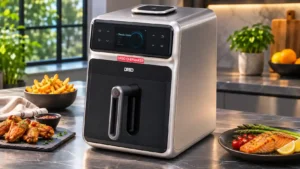
Its probe-guided, moisture-assisted programs can deliver remarkably juicy meat and fish with little guesswork. The premium cost, sometimes overenthusiastic manual heat, and single basket make it a specialist rather than...
Pros: food texture quality, app connectivity
Cons: basket capacity, temperature accuracy
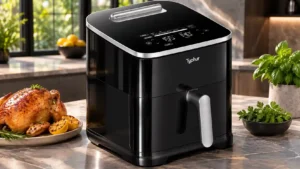
The built-in meat probe, generous basket and easy cleaning make family roasts impressively convenient. Allow plenty of counter depth, and expect a few crisping and app-control compromises.
Pros: Meat thermometer convenience, basket capacity
Cons: footprint size, Setup simplicity
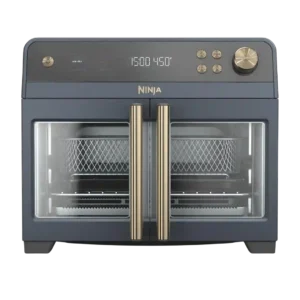
Best for fast, even air frying, family-sized capacity, and a genuinely useful mix of oven functions. Skip it if you need cool sides, effortless dishwasher cleanup, or independent two-level cooking.
Pros: ease of cleaning, ease of use
Cons: exterior heat management, dishwasher-safe parts