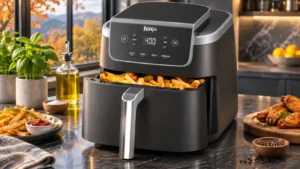
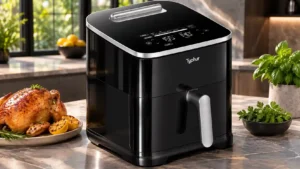
Ninja Pro AF141
Where It Has the Edge
- cooking speed is 5.0 vs 4.7. Fast heating and brisk cooking are standout strengths, regularly beating oven times and several competing air fryers. Recipes...

Scorata scores summarize analyzed review evidence on a 1–5 scale; they are not laboratory measurements or a simple average of customer star ratings. Feature scores summarize the reviews covering that feature. The overall score averages feature scores within each review, then combines review averages. When both expert and customer evidence are available, those two groups receive equal weight. Products can have different review coverage, so small score gaps do not establish a winner.
Recommendations prioritize important features for the category, with a score of at least 3.5, a gap of at least 0.25 points and at least two supporting reviews per product. Features with widely varying scores or broad connectivity contexts are excluded from recommendations. These safeguards do not establish statistical significance.
Quick verdict
The review evidence points to a tradeoff: cooking speed versus temperature range and noise level. Choose according to which strengths matter more to you; the overall score alone does not settle that choice.
Choose Ninja Pro AF141 for cooking speed.
Choose Typhur Sync for temperature range and noise level.
Scores are out of 5. Missing scores mean missing review evidence, not a missing feature.
Straightforward buttons, a removable drawer and a short list of useful modes make the AF141 accessible to new and experienced cooks alike. Short cooking times sometimes require a little adjustment.
Basic air frying is approachable and the guided probe system reduces guesswork. Smart setup and the separate probe panel make the first attempt a little more involved.
Food can continue to brown in the hot basket after the timer ends. Crisp items are best removed promptly rather than left sitting in the drawer.
The meat can finish gently during its resting period after heat shuts off, helping bring a roast or chicken to the intended final doneness.
Secure feet and a solid handle support stable use, but the need to pause manually when pulling out the basket raises a safety and convenience concern. Hot exhaust areas also demand clearance.
Pause-on-open behavior and a relatively cool exterior help with routine handling. Smart controls still require appropriate handling around hot components.
The available heat range supports everyday roasting and dehydration, but the 400°F upper limit rules out hotter 450°F finishing programs. Broiling and hard searing are weaker fits.
The broad low-to-high temperature range supports gentle dehydrating as well as high-temperature browning and searing.
Physical buttons are easier to locate and press confidently than touch controls, including when hands are greasy. The upright panel helps keep operation straightforward.
The illuminated controls work well in an open position, but a top-mounted panel is awkward under low cabinets and harder to reach or read for shorter cooks.
Some experiences suggest pulling out the cooking drawer does not stop the running program automatically. Users may need to press Pause before checking or shaking food.
Opening the basket normally pauses cooking and closing it resumes the cycle, which is convenient. The probe being knocked off its dock can unexpectedly interrupt a program.
Most of the body can stay comfortable to touch, but some spots and exhaust vents grow hot during cooking. It needs ventilation clearance and caution during longer cycles.
The sides stay relatively cool during cooking, reassuring cooks who work near the appliance. The front and vent area still need normal hot-appliance caution.
The digital timer is easy to set and makes short cooking sessions practical, although some accounts describe awkward settings or unexpected behavior when the drawer is opened.
A conventional timer can stop a cook as scheduled, while probe-controlled stopping adds a more flexible option for meat.
The core cooking programs are useful for common meals, but suggested times can overshoot small portions. Settings also lack convenient memory on some accounts, making manual tweaks necessary.
Meat presets and the whole-chicken program remove much of the timing guesswork. Some wing presets need extra time or temperature to match preferred crispness.
A relatively low height makes the fryer easier to keep beneath cabinets or put away when not in use. Allow for its depth and ventilation needs when deciding where to store it.
Its weight is manageable for occasional relocation, but the deep body, fixed cord and lack of tidy cable storage make cupboards less convenient.
Simple cardboard-heavy packaging is appreciated for easier disposal, and the small box makes delivery and handling manageable. Unboxing generally involves little fuss.
The shipping box is plain rather than premium-looking, but that is treated as a minor tradeoff for disposable packaging.
The cord is shorter than some cooks expected, potentially limiting placement to a spot near an outlet. This small inconvenience can matter on busy or shallow counters.
The fixed power cord is acceptable but could use extra length and tidier storage, especially when outlets are not immediately behind the appliance.
The five-quart drawer is spacious for the size of the appliance and works well for two or three portions. Large single-layer batches and full family meals expose the difference between nominal and usable capacity.
The deep, approximately eight-quart square basket handles generous family portions, large roasts and whole chickens. Its real advantage is fitting tall food and substantial single batches.
The polished exterior looks modern but fingerprints and grease smudges can appear quickly. Physical buttons are less prone to visible marks than large touchscreens.
The glossy piano-black finish looks polished when clean, but fingerprints and dust accumulate noticeably on its exterior and top panel.
Some units reportedly have a temporary plastic smell or produce grease-related cooking odors, while other testers detected no first-use smell. Experiences vary with the foods cooked and the individual unit.
The initial high-temperature burn-in can produce a noticeable factory smell and needs ventilation. That nuisance typically concerns the first uses rather than cooked food.
Coating descriptions and PFAS statements are not consistently clear across labels, packaging and documentation. Buyers who require a specific material disclosure may need to verify their exact unit.
The ceramic coating receives favorable descriptions, but some material details and independent PFAS documentation are not transparent enough for the strictest buyers.
Crisp exteriors with fluffy fries and juicy chicken are repeatedly praised. Lean proteins often remain moist, even where high-heat browning is not entirely consistent.
Moist chicken, pork, and other proteins can retain impressive tenderness. Fully crisping wings sometimes risks drying them out, a meaningful texture tradeoff.
There is no built-in prompt to shake or turn food, so users need to remember that step themselves. Forgetting it can worsen browning consistency.
The lack of a dependable mid-cook shake reminder is a nuisance for fries and nuggets, so users often set their own alarm.
Nonstick surfaces often release stubborn residue with little scrubbing. Coating durability is less certain, with some accounts of scratches or flaking after extended use or frequent dishwashing.
Food generally releases well from the ceramic-coated basket, including sticky marinades. It also appeals to buyers who want to avoid traditional PTFE cooking surfaces.
Basic cooking accessories include a removable crisper plate, with little extra equipment to manage. Some packages also supply useful cooking charts and a recipe book.
The included wireless probe and ceramic crisper plate make the package feel more useful than a basic fryer purchase.
Four uncomplicated modes cover most routine needs without overwhelming beginners. Bakers and shoppers wanting specialty presets may prefer a wider program selection.
There is a useful selection of air-fry and oven-style modes, with additional food presets through the app. The breadth supports more than snacks alone.
The removable basket and plate are widely described as dishwasher-safe, reducing cleanup effort. Several accounts nevertheless recommend hand washing to preserve the coating, and some report wear after repeated machine washing.
The ceramic basket, crisper plate and probe can be placed in the dishwasher, making cleanup after large meals much less demanding.
Air Fry, Roast, Reheat and Dehydrate cover a useful range of everyday cooking. Dedicated baking, broiling and high-heat finishing modes are absent, despite some successful improvised bakes.
Roasting, baking, reheating and dehydrating add practical range beyond ordinary air frying. Its one-zone, top-heater format cannot replace every toaster oven or griddle task.
The fryer heats quickly and often works without a long warmup, saving time compared with an oven. There is no dedicated automated preheat cycle, and recommended manual preheating may require adjusting the timer.
Fast preheating is a noticeable strength, including one test where it was quickest in a comparison group. Some cooks dislike having to run a separate preheat step before probe cooking.
Fries and breaded foods can brown beautifully, especially after a shake, but some batches contain underdone edges or overly dark pieces. Evenness falls behind the strongest alternatives.
Fries and many sides develop appealing color, though slight hotspots and over-browning can appear near the top of tall chickens.
Fried-style results often need only a light spray of oil or none at all. The appeal is crisp food without the large amount of fat associated with deep frying.
Chicken can roast with little or no added oil and still brown well, while lightly oiled vegetables gain attractive crisp edges.
Quick, small-batch cooking can use considerably less energy than heating a full-size oven. The appliance is most efficient when making a modest meal rather than operating in multiple crowded batches.
Stopping a cook when the meat reaches its target temperature may save a small amount of electricity compared with padding a timed cook, though the benefit is modest.
Most assessments favor the AF141 as a compact, practical fryer with excellent everyday speed. Satisfaction is more qualified for crowded meals, noise-sensitive kitchens and buyers focused on coating longevity.
The combination of dependable everyday frying, roominess and precise doneness control inspires strong satisfaction. Price, bulk and a few technology quirks are the principal compromises.
Fast heating and brisk cooking are standout strengths, regularly beating oven times and several competing air fryers. Recipes sometimes finish so quickly that checking before the suggested time is wise.
Frozen snacks and even thicker proteins cook promptly, and preheating is fast. Some single-heater tasks finish slower than on the dual-heating Dome 2.
Cooking charts, a quick-start guide and simple suggested times help users begin without much trial and error. The included recipes are useful, though many cooks can get started without consulting the manual.
The recipe app, cooking guidance and instructions make it easier to plan unfamiliar meals, choose temperatures and follow probe prompts.
Many foods cook evenly enough to be satisfyingly crisp and tender, helped by steady heating. Batches can brown faster at the edges, so shaking and leaving space between pieces improve consistency.
Fries, nuggets, tofu and vegetables commonly finish evenly, even in generous batches. Deep piles and sensitive cuts can still cook unevenly without intervention.
A broad selection of low and high fan behavior helps with crisp frying and more delicate drying or baking. Still, larger rivals offer more flexibility in some cooking modes.
Different fan speeds help support gentle baking or dehydrating and high-heat frying, although the maximum fan is a little slower than ideal.
Frozen fries, nuggets, wings and vegetables frequently emerge crunchy with tender interiors. Overloading the basket or using package times unchanged can undermine that crisp finish.
Frozen sides, fries, tortillas and many potato dishes come out crunchy. Raw wings may remain juicy before their entire surface is fully crisp.
Day-to-day operation is generally described as dependable and consistent. There is much less agreement about how well every coated component will hold up over several years.
The heating system can swing noticeably above or below its set point during longer cooks, making temperature-sensitive recipes less dependable.
Replacement baskets and trays can extend the appliance's useful life if a coated part becomes damaged. Availability is a plus, although genuine parts may be expensive.
The relatively new brand and uncertain replacement-basket availability introduce a long-term ownership caveat, even though the appliance works without the app.
Unboxing and setup are notably simple: remove packaging, insert the crisper tray and wash the cooking pieces. No real assembly or involved installation is required.
Initial controls and Wi-Fi pairing are generally manageable, even when moving between locations. Probe charging and the first-use burn-in add steps that basic fryers do not require.
A one-year warranty is considered fairly standard but offers less coverage than some competing appliances. It provides basic protection rather than particularly generous long-term reassurance.
An approximately 18-month warranty receives positive attention, particularly when compared with a typical one-year term. Buyers should check the current registration conditions.
Value depends strongly on the price paid: sales can make the compact, quick fryer attractive, while full retail pricing brings larger or more versatile competitors into consideration.
Its cost is justified best by frequent meat cooking, the included probe and large family capacity. For occasional fries, a cheaper basket fryer and separate thermometer may be better value.
Customer service is described as dependable in a general ownership assessment, though there is little direct AF141 service experience to establish how individual claims are handled.
A U.S.-based support operation adds some reassurance, although long-term replacement-parts support is less certain.
The AF141 concentrates on on-device buttons instead of phone connectivity. Shoppers wanting remote control or app-driven cooking may find the simplicity limiting.
Phone monitoring, recipe settings and doneness notifications make the app genuinely useful. Starting a cook still requires pressing the button on the appliance, which limits remote control.
The deliberately basic interface omits app control and advanced automated features. This is pleasant for people who want fewer gadgets to configure, but limiting for smart-kitchen enthusiasts.
Probe-driven automatic stopping and remote updates offer more practical benefit than novelty recipes alone, but voice-assistant control and true remote starting are absent.
Time and temperature can be adjusted rather than relying on fixed programs, making experimentation simple. Limits in some timer increments and the short set of cooking modes reduce flexibility for specialized recipes.
Manual time and temperature adjustments plus selectable meat doneness give cooks welcome control when presets are not quite right.
Its low, tidy body and clean styling fit comfortably into many kitchens. A glossy finish looks attractive but can make fingerprints conspicuous.
Its glossy black design and modern touch interface look smart on the counter. That polished finish also attracts fingerprints and dust.
Simple physical controls make the four programs easy to navigate, and time and temperature adjustments are readily available. The lack of saved settings or automatic prompts adds a little manual work.
The large illuminated touch buttons are generally intuitive and responsive. The additional probe-mode controls take a little learning, and one cook found overly firm presses unreliable.
The fan is audible and the completion beeps can be startling, making noise a recurring complaint. Other cooks find the operating sound manageable and appreciate alerts audible from another room.
The fan is repeatedly described as surprisingly quiet, making conversation and television easier while cooking. One comparison measured it appreciably quieter than a rival model.
Temperature recovery and consistency are frequently praised, supporting predictable cooking times. Some tests also describe overheating or overshoot, so delicate ingredients deserve monitoring.
Chamber temperature fluctuates substantially after reheating, which can make delicate proteins dry out despite the accurate meat probe.
The closed basket has no viewing window, requiring cooks to open the drawer to check progress. That is a disadvantage for foods that brown quickly or need careful timing.
There is no basket viewing window, so checking browned food requires pulling the drawer out; cooks who like watching progress may miss one.
The bright, prominent time readout is easy to check while cooking, particularly in open kitchens. Its uncomplicated panel supports quick adjustments without elaborate menus.
Large, bright digits are easy to read from above, with a useful battery and food-temperature display. The top orientation can be awkward under cabinets.
Crisp, well-cooked batches are the AF141's calling card, with strong results for common fried foods. A minority of batches cook less uniformly than those from some larger or higher-end rivals.
Frozen fries, nuggets, spring rolls and breaded foods generally crisp nicely and cook quickly. Raw proteins can be more uneven, so the results are not universally outstanding.
Most food residue rinses or wipes away quickly from the nonstick surfaces. Grease trapped in basket corners and hand-washing to protect the finish are the main cleanup frustrations.
Nonstick ceramic surfaces usually wipe or wash clean with little effort, and removable parts can go in the dishwasher. Some cooks find the crisper plate's grooves harder to scrub.
The short, compact body suits crowded countertops and lower cabinets unusually well for its basket size. It still occupies meaningful depth and needs extra clearance for the drawer and exhaust.
The body is relatively narrow but deep, taking a significant front-to-back portion of a counter. It is less suitable for shallow worktops despite its generous basket.
Many owners report a solid appliance that holds up to regular use, but coating wear, chipped finishes and concerns about the drawer create uncertainty about long-term life.
The coating stayed smooth and nonstick through short-term cleaning tests, with no early flaking reported in those trials. Multi-year durability remains unproven.
The pull-out handle feels secure and easy to tip for serving, even with a fairly full drawer. A heavy load can nevertheless be difficult for users with limited wrist strength.
The basket can be moved and slid out smoothly, making a fairly large appliance manageable during normal cooking.
The AF141 generally feels solid and neatly finished, with reassuring controls and handle construction. Some accounts describe the drawer as flimsier than premium Ninja appliances.
The body and drawer feel sturdy and premium, with solid finishes and a secure sliding mechanism. Long-term repairability remains less certain than the first impressions.
The relatively broad, square basket provides useful floor area for crisping and the removable tray accommodates saucy foods. It is still one compartment rather than a flexible multi-zone setup.
The square basket provides useful surface area and a smooth pull-out drawer, while its deep walls hold larger cuts. Fries stacked in layers still benefit from shaking.
Metal construction and coated cooking surfaces bring both advantages and questions. The ceramic tray attracts praise, but differing descriptions of basket coatings and manufacturing dates complicate materials decisions.
The ceramic-coated cooking surfaces and solid exterior feel premium in daily use. Exact underlying basket materials are not fully documented to every buyer’s satisfaction.
The basket accommodates liners, and its magnetic construction can help hold suitably sized parchment down, simplifying cleanup.
The appliance's alerts are unobtrusive, and an app setting lets you disable the sound if you prefer a quieter kitchen.
The fryer may not remember the previous time and temperature settings once restarted. Repeated recipes can therefore require entering the same settings again.
Comparative bacon cooking produced no obvious smoke, a practical advantage for a powerful countertop fryer.
Certain single-layer cuts can cook nicely without flipping, but piled-up fries and nuggets need shaking for an evenly crisp result.
Rubber feet and a firm drawer mechanism help the appliance stay steady when opening and closing the basket. That is a useful detail on slippery countertops.
The appliance's 1,750-watt draw is worth checking against other loads on the same kitchen circuit before running it.
The tray helps separate food from drippings, but fatty dishes may leave grease concentrated in hard-to-reach corners. Cleaning between batches can help avoid residue and smoke.
The high-output heater suits the generous basket and supports prompt crisping; it is a selling point despite the machine's single-heater layout.
The printed guides clearly explain the probe's safety mark, pairing and preset functions, even if some advanced modes need a second reading.
The magnetic five-sensor wireless probe is the main attraction: it helps stop cooking at the chosen internal temperature without repeated manual checks. Small cuts, charging and insertion depth require care.
The probe needs correct depth, charging and clean electrical contacts. Its faint insertion mark and awkward fit in small cuts can slow down otherwise convenient cooking.
Flattenable, recyclable cardboard packaging is a welcome detail that reduces disposal hassle. It stands out positively against more plastic-heavy packaging.
The probe can stop heating automatically at a chosen internal temperature and send an alert, freeing cooks from repeated temperature checks.
The integrated sensor gives repeatable doneness readings, with particularly strong praise when meat is cooked to the chosen internal temperature. This should not be confused with the separate chamber-temperature fluctuations.
Unlike the Dome 2, the Sync has no self-cleaning cycle; cleaning its basket is straightforward, but the built-in heating area lacks that convenience.
The companion app is useful, but the lack of Alexa or Google Assistant integration disappoints cooks who rely on voice control.

A roomy basket, crispy results, quiet fan, and easy cleanup make the TurboBlaze a versatile everyday choice. Inconsistent cooking on some foods, no shake reminder, and a single basket are...
Pros: crisping ability, cooking speed
Cons: Finish resistance to smudges, Shake reminder
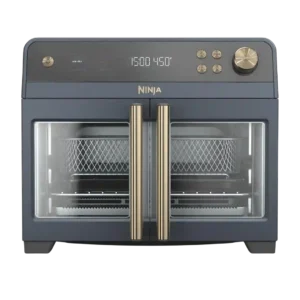
Best for fast, even air frying, family-sized capacity, and a genuinely useful mix of oven functions. Skip it if you need cool sides, effortless dishwasher cleanup, or independent two-level cooking.
Pros: ease of cleaning, ease of use
Cons: exterior heat management, dishwasher-safe parts

The wide basket delivers crisp wings, tender meats, and excellent pizza with remarkably little noise. Its steep price, bulky footprint, and shallow cooking chamber limit its appeal.
Pros: basket capacity, overall satisfaction
Cons: footprint size, value for money
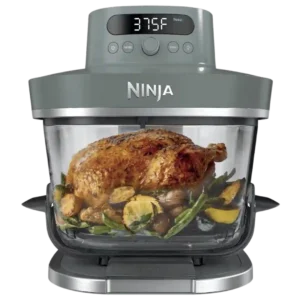
Choose it if you want fast, crisp results, glass cooking vessels, strong visibility, and easy cleanup. Skip it if price, usable surface area, bowl-loading fuss, or reported sensor/reliability failures outweigh...
Pros: overall satisfaction, ease of cleaning
Cons: included accessories, reliability