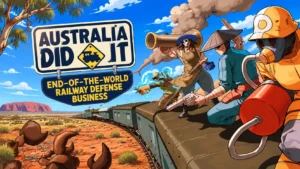
Australia Did It: End-of-the-World Railway Defense Business
Where It Has the Edge
No clear scored advantage over the other product.

Scorata scores summarize analyzed review evidence on a 1–5 scale; they are not laboratory measurements or a simple average of customer star ratings. Feature scores summarize the reviews covering that feature. The overall score averages feature scores within each review, then combines review averages. When both expert and customer evidence are available, those two groups receive equal weight. Products can have different review coverage, so small score gaps do not establish a winner.
Recommendations prioritize important features for the category, with a score of at least 3.5, a gap of at least 0.25 points and at least two supporting reviews per product. Features with widely varying scores or broad connectivity contexts are excluded from recommendations. These safeguards do not establish statistical significance.
Quick verdict
The available evidence supports the recommendation below, but does not establish an overall winner. Check the remaining features against your priorities.
There is not enough comparable review evidence to recommend Australia Did It: End-of-the-World Railway Defense Business over the other product.
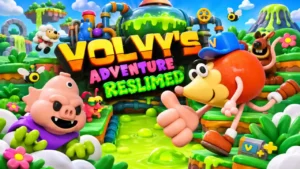
Choose Volvy’s Adventure: Reslimed for graphics quality and learning curve.
No clear scored advantage over the other product.
Scores are out of 5. Missing scores mean missing review evidence, not a missing feature.
The three basic damage categories make the early counter system reasonably straightforward despite the complex fusion paths that follow.
The small set of controls is easy to learn and supports a surprisingly versatile range of actions.
The harshest visual criticism targets muddy pixel graphics and unattractive transition sequences, despite praise for the broader artistic direction elsewhere.
Crisp, colorful pixel graphics look great, though the sheer amount of activity can become distracting.
Important rules are not always communicated during normal play, and the optional separate tutorial can leave newcomers confused.
The game trusts players to discover the simple controls naturally rather than interrupting play with lengthy instructions.
The basic controls are introduced, but the separate tutorial leaves important interactions unclear; control-specific hiccups can make the learning process more frustrating.
The absence of an intrusive tutorial works well with the simple control scheme.
Discovering powerful merges and surviving tight station battles can be exhilarating. A minority find the uneven travel sections and technical frustrations more memorable than the fun.
The punch chains and fast, bouncy movement make this a genuinely entertaining platformer.
Runs require a real time commitment; the game is not always convenient for someone seeking a quick roguelike attempt.
A normal run takes roughly two hours. Some appreciate the compact format at the low price, while others wish there were more stages.
Several accounts describe frequent technical problems, including softlocks, faulty move reversal, and an unresponsive delivery trigger.
Launch issues include physics and controller glitches, stuck levels and failed boss events that can force restarts.
Fusion, tactical defense, and autobattling often make an engrossing combination, though critics who struggle with unstable inputs or disjointed modes find the mechanics much less satisfying.
A giant hand combines punching, hovering, rail grinding and digging into an inventive, satisfying movement toolkit.
Tense decisions and quick tactical turns can keep the action lively; repetition and passive travel phases cause some runs to drag.
Brisk movement, substantial stages and bonus sequences keep the adventure moving at an engaging pace.
Some enjoy the demanding survival puzzle, but others criticize random power spikes, sudden failures, and uneven damage between the two combat modes.
Main-stage clearing is approachable, with more demanding optional secrets and races. Some players find the maximum ranks far too easy.
Deadpan corporate logistics amid an ecological apocalypse lends the setting a playful contrast that keeps its bleakness from becoming oppressive.
The fictional mascot history and committed parody give the game a playful identity, although the marketing humor is not for everyone.
There is little permanent power growth between runs, so mastery relies largely on learning combinations and improving decisions rather than purchasing lasting upgrades.
Collectibles and stage performance make unlocks meaningful, but mandatory secret hunting can interrupt progression.
The underlying tactical systems win praise, but bugs, awkward interfaces, and rough presentation leave some accounts questioning overall refinement.
The central movement mechanic feels carefully crafted, but occasional technical hiccups and uneven late levels reduce the sense of polish.
The alternating station defense, unit fusion, and train travel can be compelling and surprisingly cohesive. Less satisfied players feel the weaker travel segments and occasional rough edges disrupt the rhythm.
Chaining attacks through blocks and enemies keeps the action flowing and turns ordinary traversal into a satisfying rhythm.
Real-time train journeys divide opinion: some enjoy seeing their builds fire automatically, while others find the rides passive, unclear, or much weaker than the station encounters.
Bonus activities include a charming punching-bag game, but racing can be frustrating due to difficulty, taunting music and rubber-banding.
Basic recruiting and positioning can click quickly, but understanding merge outcomes, unit interactions, and the tougher battles takes patience. Several critics find the early explanations inadequate.
The controls are approachable, but learning to chain attacks and read the busy screen takes some practice.
Numerous merge paths and varied threats broaden the experience, but some players find repeated station cycles monotonous after extended play.
Four worlds offer distinct scenery and mechanics, including rails, water spouts and chase sequences.
Early demo impressions praise the surprisingly substantial strategy, enjoyable challenge, and inventive unit fusion.
The free one-level Game Boy Color demo offers a worthwhile taste of the central punch mechanic.
Performance is smooth on one reviewed PC, but crowded scenes and train journeys can push frame rates down on the Steam Deck.
The game is reported to maintain 60 frames per second on modest hardware.
Many appreciate the vibrant pixel-art monsters, machinery, and ruined landscape, while a dissenting view calls the visuals ugly and muddled.
Colorful, exaggerated pixel art captures the appeal of classic cartoon mascot platformers.
Staying longer at stations can produce more currency and upgrade opportunities, but each extra turn increases the danger of losing the train or its crew.
Onions give newcomers a generous health buffer, but their abundance and limited uses make collecting them less meaningful.
The dried-out Atlantic setting and genre-blending combat give this strategy game a distinctive identity, although one critic found the execution much less impressive than the ambition.
The game borrows openly from classic platformers while giving its movement a distinctive identity.
Compact turn-based defenses turn the station into a lively tactical puzzle, with rotating positions and hard choices. A few highly critical assessments fault unreliable controls and opaque rules.
Attacks double as traversal, so smashing through enemies and blocks is integral to the satisfying movement.
A hybrid of tactical defense, unit fusion, and automatic horde combat feels inventive to many players. Others think its bold genre mix needs more refinement to work consistently.
Familiar platforming ideas feel fresh when combined through a single versatile punch mechanic.
One view finds the available playtime reasonable for the price, while a far more negative opinion sees little reason to buy it.
At around five dollars before discounts, the short but entertaining adventure offers excellent value.
The wealth of fusion discoveries gives curious strategists reasons to start again, although others lose interest once combinations become familiar or failures yield little progress.
Collectibles, achievements and timed or no-kill runs encourage replaying, though easy perfect ranks reduce the incentive to master stages.
Reports diverge sharply: one PC setup runs smoothly at Ultra settings, while Steam Deck play can struggle during busy horde sequences.
Smooth movement and minimal slowdown help the fast gameplay feel responsive, even on modest hardware.
An inconsistent move-reversal system and occasional input failures can turn small mistakes into major losses; one account finds undo helpful instead.
The controls are generally enjoyable, but late-stage controller glitches can interfere with movement.
The conveyor-belt layout gives the compact battlefields a clever movement twist, making it easier to shift defenders between threatened approaches.
Distinct world gimmicks and clever routes make most stages rewarding. Cramped late levels and occasional unfair enemy placement weaken the experience.
Each station acts like a small positional puzzle where enemy threats, unit roles, and the rotating belt reward careful thinking rather than brute force.
Finding the next block or enemy to punch turns fast traversal into a light routing puzzle.
The absence of a 4:3 display option disappoints players wanting a more authentic retro presentation.
Japanese language support is a welcome addition.
Although controls can be remapped, missing colorblind settings and interface scaling restrict access for some players.
Sparse unit animations and rudimentary action effects fail to give one critic the physical impact expected from the combat.
Hidden cartridges encourage exploration and repeat attempts. Abundant onions are less exciting because they have limited uses.
Telegraphed threats make station defense understandable, but the crowded travel battles can obscure projectiles, incoming hits, and what a build is doing wrong.
A serious softlock forced one player to restart a run near the end, making long attempts feel less secure.
Instant continues soften the cost of mistakes, although some players question whether the lives system adds anything.
Distinct enemies and attack patterns keep most station encounters lively, though some random combinations can spike difficulty without much warning.
Hidden paths reward route planning and exploration, although collecting secrets sometimes means slowing down the otherwise fast action.
The game is playable on Steam Deck OLED and supports controller input, but small text and demanding action can detract from handheld comfort.
Helpful compendium notes and readable tactical cues are offset by complaints about missing statistics, small text, difficult damage feedback, and inadequate explanations.
Limited train capacity makes preserving and extracting mercenaries a meaningful tradeoff: the strongest station roster may not all fit aboard.
The world’s mysteries emerge in small pieces rather than dominating the story, but they add enough intrigue to make the next discovery enticing.
Momentum is the standout: chaining punches lets Volvy rocket through stages in multiple directions.
A clever central mechanic and strong retro presentation make the small game worthwhile despite a few design and technical issues.
Occasional late-stage physics hiccups disrupt otherwise enjoyable momentum.
Five-thumbs-up ranks are often earned with little effort, reducing their value as a reward for mastery.
Station battles demand thoughtful positioning, resource management, and adaptation to threats arriving from several directions. Strong synergies are useful only when the squad can be deployed and evacuated effectively.
Combining equal-level mercenaries into unexpected specialists is the standout hook, with creative abilities and consequential tradeoffs encouraging experimentation across runs.
The basic mercenaries branch into a wide and imaginative roster of damage dealers, healers, drones, and hazardous specialists whose unusual abilities change tactical choices.
Unlocking stronger specialists and temporary effects makes upgrades exciting, but merges can sacrifice earlier card bonuses or produce an unexpectedly poor fit.
Colorful 2.5D characters and environments add spectacle to the otherwise bleak post-apocalyptic setting.
Exploding onions, enemies and debris can make the screen overwhelming during fast action.
Brief, pattern-based boss encounters are memorable, but launch bugs can interrupt triggers or end fights prematurely.
A large web of unit fusions, damage types, and support effects makes discovering potent squad combinations especially rewarding. Choosing the wrong merger can still ruin a carefully planned defense.
Enemies approach from different directions, use different ranges and routes, and force the player to revise established formations.
Route selection adds meaningful preparation and station modifiers, though the added risks do not always seem matched by worthwhile rewards.
Gunfire and impacts are described as weak and weightless, denying attacks the punch they ought to have.
Critics report lost cursors, sparse feedback, and interactions that fail to convey enough information, undermining otherwise careful tactical play.
A dried Atlantic seabed populated by mutants, machinery, and mercenary cargo runs gives the game a memorable, darkly comic backdrop that invites curiosity.
Players looking for a CRT-style presentation will miss the absent CRT filters.
The fictional remaster and launch-date stunt attract attention, but some players nearly overlook the game because of the jokes.
Memorable retro-style background music is a highlight, apart from deliberately irritating off-key music during lost races.
The mascot and characters have appeal beyond the elaborate marketing gag.
The conductor’s spoken delivery fits the Australian setting, even though other dialogue is limited.

Best for fluid traversal, rewarding exploration, striking art, and forgiving quality-of-life features. Skip it if you want deep combat, radical genre innovation, or consistently demanding bosses.
Pros: difficulty balance, boss design
Cons: innovation, sandbox freedom

Best for superb combat, inventive builds, and richly voiced characters. Skip it if repeated runs, resource gathering, or visually busy battles outweigh the appeal of steady progress.
Pros: overall quality, combat system
Cons: pacing, grind level

Good if you want a beautiful, demanding survival sandbox built around exploration, building, progression, and memorable co-op. Skip it if long resource runs, harsh death recovery, and deliberate pacing sound...
Pros: town-building system, exploration quality
Cons: grind level, fast travel convenience

Leonida is a breathtakingly alive crime sandbox with memorable protagonists, spectacular heists, and extraordinary detail. The tradeoff is a 30 fps ceiling, occasional control awkwardness, and some progression friction.
Pros: immersion, graphics quality
Cons: grind level, controls responsiveness