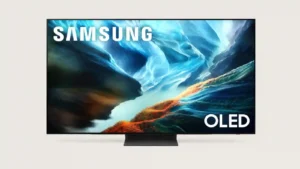
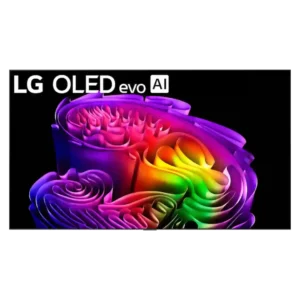
Compare Samsung S95F OLED vs LG G5 OLED

Samsung S95F OLED

Samsung S95F OLED

Overall score 4.0 / 5

Based on 44 scored reviews

vs
LG G5 OLED

LG G5 OLED

Overall score 4.2 / 5

Based on 42 scored reviews

How we score

Scorata scores summarize analyzed review evidence on a 1–5 scale; they are not laboratory measurements or a simple average of customer star ratings. Feature scores summarize the reviews covering that feature. The overall score averages feature scores within each review, then combines review averages. When both expert and customer evidence are available, those two groups receive equal weight. Products can have different review coverage, so small score gaps do not establish a winner.

Recommendations prioritize important features for the category, with a score of at least 3.5, a gap of at least 0.25 points and at least two supporting reviews per product. Features with widely varying scores or broad connectivity contexts are excluded from recommendations. These safeguards do not establish statistical significance.

Quick verdict

What each product is best for

The review evidence points to a tradeoff: stand quality and HDR10+ support versus ease of use and Dolby Vision support. Choose according to which strengths matter more to you; the overall score alone does not settle that choice.

Choose Samsung S95F OLED for stand quality and HDR10+ support.

Choose LG G5 OLED for ease of use and Dolby Vision support.

Why these recommendations?

Samsung S95F OLED

Where It Has the Edge

  • stand quality is 4.6 vs 2.0. The heavy, centered metal stand supports the display with a premium appearance.
  • HDR10+ support is 4.4 vs 2.0. HDR10+ remains Samsung’s dynamic-metadata alternative to Dolby Vision; it works well where content supports it.
  • remote control quality is 4.0 vs 2.1. A lightweight, rechargeable SolarCell remote is a practical and environmentally convenient accessory.

LG G5 OLED

Where It Has the Edge

  • ease of use is 4.6 vs 4.2. Ease of use draws favorable reactions, with clear strengths noted in the G5’s real-world performance.
  • Dolby Vision support is 5.0 vs 1.6. Dolby Vision is a meaningful advantage over Samsung flagships that omit it, especially for movies, streaming, and compatible...
  • HDR tone mapping accuracy is 4.9 vs 4.0. The G5 generally tracks HDR intent closely, with slightly elevated midtones and controlled highlight roll-off. Panasonic's Z95B is...
Samsung S95F OLED 4.0 overall score
LG G5 OLED 4.2 overall score

Compare features

Scores are out of 5. Missing scores mean missing review evidence, not a missing feature.

Scored on both products

Performance

Picture quality
Samsung S95F OLED
4.8

Excellent OLED contrast, unusually bright highlights and saturated color are the defining qualities, balanced against bright-room black lift.

LG G5 OLED
4.8

Across tests, the G5 is celebrated for its vivid, high-contrast, bright and precise image. Some processing sharpness and near-black artifacts temper the otherwise top-tier showing.

Noise reduction
Samsung S95F OLED
3.4

Low-bitrate images retain considerable detail, but macroblocking in dark scenes and aggressive noise filtering remain limitations.

LG G5 OLED
4.8

The G5 cleans up compression blocks and low-bitrate noise impressively without sacrificing much fine detail, often keeping pace with Sony's premium processing.

Picture mode tuning
Samsung S95F OLED
4.0

Filmmaker Mode and calibration allow faithful viewing, while punchier presets can improve daylight visibility at the cost of accuracy.

LG G5 OLED
5.0

Picture mode tuning draws favorable reactions, with clear strengths noted in the G5’s real-world performance.

HDR performance
Samsung S95F OLED
4.8

Bold highlights, vivid color and OLED contrast create a powerful HDR presentation across movies and games.

LG G5 OLED
3.9

HDR performance is a mixed area, combining useful capabilities with practical caveats.

Contrast ratio
Samsung S95F OLED
4.3

Self-emissive pixels produce effectively infinite contrast, with vivid highlights beside deep dark detail.

LG G5 OLED
5.0

Near-perfect pixel-level contrast lends images striking depth without LCD-style backlight compromises.

Picture detail
Samsung S95F OLED
4.4

Fine textures and crisp 4K material are a particular strength, although unavoidable edge enhancement may bother meticulous viewers.

LG G5 OLED
3.8

Crisp processing preserves fine detail in good sources, while rough broadcast feeds can expose noise or slightly overprocessed texture.

Dark-room performance
Samsung S95F OLED
4.6

Movies and games look beautiful with the lights out, although the S90F can look surprisingly similar in many ordinary scenes.

LG G5 OLED
4.0

In dim rooms, per-pixel blacks and intense highlights make films especially involving; faint near-black patterns can occasionally be seen close up.

Color accuracy
Samsung S95F OLED
4.3

Natural, convincing colors receive strong praise, especially in SDR, though HDR white balance and some hues can need adjustments.

LG G5 OLED
4.8

Accurate presets create credible skin tones and nuanced colors with little need for adjustment. SDR is particularly strong; HDR can require modest calibration for strict accuracy.

HDR brightness
Samsung S95F OLED
4.3

Bright HDR highlights have exceptional impact, while large bright scenes hold up better than on many older OLEDs.

LG G5 OLED
4.7

The G5's tandem OLED panel produces exceptionally striking specular highlights while keeping large HDR scenes bright. Brightness is among its most consistent advantages over other OLED flagships.

White balance accuracy
Samsung S95F OLED
4.4

SDR balance is notably close to target, but HDR grayscale and certain preset tones benefit from calibration.

LG G5 OLED
4.0

Its factory white balance is close to reference, with some cool bias or subtle gray-level variation noted in stricter tests.

Gaming performance
Samsung S95F OLED
4.7

Extremely low lag, quick pixel response and bright HDR place the S95F among the most capable gaming TVs.

LG G5 OLED
5.0

The G5 ranks among the strongest OLED gaming screens, combining bright HDR, low latency, sharp motion, and generous ports. Historical HDR10 banding complaints were largely patched.

AI audio processing
Samsung S95F OLED
4.0

Voice enhancement and adaptive sound can make dialogue easier to follow, though some listening modes alter tonal balance more than enthusiasts prefer.

LG G5 OLED
4.3

The AI sound tools can clarify voices and enlarge the virtual stage, but they cannot fully compensate for the limited physical bass of the slim TV.

SDR brightness
Samsung S95F OLED
4.6

Unusually strong SDR brightness gives television, sports and daytime material lively impact even outside HDR.

LG G5 OLED
4.5

Bright regular television and streaming content remains punchy during daytime viewing, a notable departure from dimmer generations of OLED TVs.

Peak brightness
Samsung S95F OLED
4.5

The S95F reaches standout OLED luminance, delivering sparkling highlights without losing much full-screen impact.

LG G5 OLED
4.6

The G5 reaches exceptional peak brightness for an OLED, making HDR light sources pop and frequently outshining rival flagships. Its biggest panel improvements do not extend to the 97-inch model.

Sustained brightness
Samsung S95F OLED
4.3

Improved full-field brightness makes daytime scenes lively, though OLED protection can still restrain sustained peak output.

LG G5 OLED
4.4

Bright scenes stay more convincing than on earlier OLED generations, with less dimming as larger areas light up. Some very bright full-field content can still favor top Mini LED TVs.

Bass performance
Samsung S95F OLED
3.0

Bass can sound punchy for such a slim TV but lacks deep extension and occasionally becomes buzzy at higher volume.

LG G5 OLED
3.0

Bass performance is a mixed area, combining useful capabilities with practical caveats.

Sound quality
Samsung S95F OLED
3.9

The integrated speakers deliver unusually solid TV sound, including clear dialogue, but limited bass and immersion still favor a soundbar.

LG G5 OLED
3.9

Built-in audio is adequate for casual viewing, and voices are often intelligible, but bass and cinema impact trail the picture quality; a soundbar improves the experience.

Other features

Input lag
Samsung S95F OLED
4.3

Game Mode responds almost immediately to controller actions; extra interpolation or non-game menus can increase latency.

LG G5 OLED
4.5

Controller inputs respond quickly, especially at high refresh rates; updates reduced early 165 Hz latency to roughly four milliseconds.

Ease of use
Samsung S95F OLED
4.2

The interface is usable for routine tasks but some menu paths, AI options and startup choices demand extra patience.

LG G5 OLED
4.6

Ease of use draws favorable reactions, with clear strengths noted in the G5’s real-world performance.

Stand quality
Samsung S95F OLED
4.6

The heavy, centered metal stand supports the display with a premium appearance.

LG G5 OLED
2.0

Stand quality is a weak spot, with the chief limitation affecting normal use.

Remote control quality
Samsung S95F OLED
4.0

A lightweight, rechargeable SolarCell remote is a practical and environmentally convenient accessory.

LG G5 OLED
2.1

The updated remote divides opinion chiefly because of its button layout and pointer controls; the missing dedicated input key is a recurring annoyance.

Burn-in resistance
Samsung S95F OLED
1.5

Static imagery remains a genuine OLED risk, so news tickers and persistent game HUDs warrant sensible viewing habits.

LG G5 OLED
3.0

Long periods with fixed logos or news tickers pose burn-in risk, so the G5 is better suited to varied content than static unattended imagery.

Flicker control
Samsung S95F OLED
1.5

OLED dimming avoids ordinary PWM artifacts, yet subtle refresh flicker or VRR flicker may remain perceptible in edge cases.

LG G5 OLED
3.0

Flicker is subtle for most viewers but not completely absent; highly sensitive viewers may notice it.

Banding control
Samsung S95F OLED
4.0

Most gradients look smooth, yet some darker shades can show faint bands and low-bit-rate material is less forgiving.

LG G5 OLED
2.8

Initial HDR10 contouring complaints were substantial, especially in Game Optimizer. Later updates fixed the excess banding in most accurate picture modes, although Standard and Vivid remain exceptions.

Judder handling
Samsung S95F OLED
3.2

Most film sources play without obvious judder, but 24fps pans may still show stutter and interpolation compromises.

LG G5 OLED
4.2

Native 24p movies can be displayed without cadence judder, but a few unusual source-frame-rate combinations still create jitter.

Backlight strobing
Samsung S95F OLED
2.0

Optional black-frame insertion may sharpen motion at 60Hz, but flicker and a loss of brightness make it a conditional choice.

LG G5 OLED
3.0

Backlight strobing is a weak spot, with the chief limitation affecting normal use.

Remote control usability
Samsung S95F OLED
4.5

The light, compact remote is easy to hold and simplifies basic navigation, with solar and USB-C charging.

LG G5 OLED
3.5

Some users enjoy the pointing cursor, while others find its motion control imprecise or the missing input key frustrating.

VRR range
Samsung S95F OLED
4.0

A broad VRR operating range and low-frame compensation keep many variable-frame-rate games free from distracting tearing.

LG G5 OLED
5.0

VRR range draws favorable reactions, with clear strengths noted in the G5’s real-world performance.

Stutter handling
Samsung S95F OLED
2.9

Quick OLED response reveals choppiness in slow low-frame-rate pans; smoothing alleviates it imperfectly.

LG G5 OLED
3.9

Rapid pixel transitions produce wonderfully crisp motion but can also make slow 24fps pans look choppy; careful motion settings help only partially.

HDR highlight detail
Samsung S95F OLED
3.9

Most specular effects look vivid, but aggressive brightness roll-off can trade away fine gradation in the brightest areas.

LG G5 OLED
4.8

The bright panel preserves detail around intense light sources, making sunlit skies, fire, and specular reflections especially convincing.

Blooming control
Samsung S95F OLED
4.3

Individual pixel lighting eliminates the halos that can surround highlights on backlit televisions.

LG G5 OLED
5.0

Bright objects sit against dark backgrounds without the distracting halos seen on many backlit televisions.

Dirty screen effect
Samsung S95F OLED
4.3

The tested panels generally look clean and free of conspicuous dirty-screen patches in bright or uniform scenes.

LG G5 OLED
5.0

Minor uneven patches may show on broad uniform surfaces, such as an ice rink, even though regular viewing is usually unaffected.

AI scene optimization
Samsung S95F OLED
4.3

The image processor adds convincing depth and restores detail, but aggressive automatic preferences can stray from faithful movie presentation.

LG G5 OLED
5.0

AI scene optimization draws favorable reactions, with clear strengths noted in the G5’s real-world performance.

Low-resolution content handling
Samsung S95F OLED
4.3

Older, lower-resolution programs upscale surprisingly well, yet tiny text and difficult compression cannot be fully restored.

LG G5 OLED
5.0

Low-resolution content handling draws favorable reactions, with clear strengths noted in the G5’s real-world performance.

Wall-mount compatibility
Samsung S95F OLED
4.4

The thin panel and external connections suit wall mounting, although placement and cable routing require planning.

LG G5 OLED
3.8

Wall mounting is central to the G5’s appeal, although cable routing, port access, and installation planning deserve attention.

Motion clarity
Samsung S95F OLED
3.9

Near-instant pixels keep sports and gaming sharp, with very little smearing behind moving subjects.

LG G5 OLED
4.5

Motion clarity draws favorable reactions, with clear strengths noted in the G5’s real-world performance.

Gaming mode quality
Samsung S95F OLED
3.9

Game Mode maintains excellent responsiveness and vivid color, though processing options and firmware changes can complicate tuning.

LG G5 OLED
4.5

Game Optimizer offers responsive play and extensive controls, and later firmware fixed its original HDR10 banding problem. Some early impressions were more critical before the fixes.

Viewing angles
Samsung S95F OLED
4.8

Wide seating arrangements retain vibrant color and contrast with very little off-axis change.

LG G5 OLED
4.3

The picture largely holds together for people seated off center, though slight color shifts become noticeable at wider angles.

Color volume
Samsung S95F OLED
4.1

Bright saturated colors are a major strength of the QD-OLED panel, with a few color-space bugs and 83-inch differences as caveats.

LG G5 OLED
4.5

The tandem panel delivers vivid highlights and noticeably stronger saturated colors than older WOLED sets, though top-end QD-OLED rivals still reproduce the very brightest colors more purely.

HDMI 2.1 port count
Samsung S95F OLED
4.3

Four HDMI 2.1 inputs provide welcome flexibility for multiple consoles, PCs and audio accessories.

LG G5 OLED
4.6

All four ports provide full-bandwidth HDMI 2.1, allowing several consoles and a gaming PC to remain connected at once.

Variable refresh rate
Samsung S95F OLED
4.0

VRR reduces tearing and adapts to varying frame rates for smoother console and PC play.

LG G5 OLED
4.4

VRR, FreeSync and G-SYNC support help accommodate changing game frame rates without distracting tearing.

Shadow detail
Samsung S95F OLED
3.8

Near-black objects are often rendered clearly, but occasional black crush requires adjusted settings in dark films.

LG G5 OLED
4.1

Shadow detail is a mixed area, combining useful capabilities with practical caveats.

Near-black uniformity
Samsung S95F OLED
3.0

Dark gray fields show some vertical banding, but the rest of the screen is largely even in typical viewing.

LG G5 OLED
2.7

Faint diagonal dithering and occasional dark-scene grain are more distracting at desk distance than from a sofa, and some panels show visible vertical bands near black.

Advertising intrusiveness
Samsung S95F OLED
1.8

Ads and promotional rows clutter the home screen, and targeted advertising can be disabled but not all advertising.

LG G5 OLED
2.0

Advertising intrusiveness is a mixed area, combining useful capabilities with practical caveats.

G-SYNC compatibility
Samsung S95F OLED
4.0

Variable-refresh compatibility with modern PCs is helpful, although some users may need to enable the setting manually.

LG G5 OLED
4.3

G-SYNC compatibility is a mixed area, combining useful capabilities with practical caveats.

Response time
Samsung S95F OLED
3.9

Almost instantaneous pixel transitions produce highly defined action with minimal overshoot.

LG G5 OLED
4.1

Near-instant pixel response produces sharp motion with very little ghosting, though it can make low-frame-rate panning appear stuttery.

Dialogue clarity
Samsung S95F OLED
4.0

Speech is generally easy to follow, especially with enhancement enabled, although some settings and midrange dips can mute voices.

LG G5 OLED
4.2

Speech generally remains intelligible and AI-based voice processing can bring dialogue forward without drowning other soundtrack elements.

Screen uniformity
Samsung S95F OLED
4.5

Most bright and medium-gray fields are exceptionally clean, while subtle near-black bands can appear in demanding dark scenes.

LG G5 OLED
4.7

Gray-screen uniformity is generally good, with little dirty-screen effect, though near-black vertical bands can be visible in challenging scenes or test patterns.

Black levels
Samsung S95F OLED
4.2

OLED pixels deliver extraordinary blacks in controlled lighting, while the matte screen can make them appear gray in bright rooms.

LG G5 OLED
4.4

Self-lit pixels produce inky blacks and powerful contrast, including under ordinary ambient lighting. Early firmware reports noted some floating or raised blacks, most of which were later addressed.

Color gamut
Samsung S95F OLED
4.4

The QD-OLED versions cover an exceptionally wide range of colors, helping richly mastered HDR material stand out.

LG G5 OLED
4.2

The G5 offers broad, vibrant color coverage, although some QD-OLED rivals still stretch further into the widest HDR gamut.

Image processing
Samsung S95F OLED
4.3

The processor handles detail and enhancement strongly, although some low-bitrate material and forced edge sharpening reveal limits.

LG G5 OLED
4.1

Upscaling and cleanup rank near the top of the class, often competing with Sony. Some owners and testers dislike always-on microcontrast or conspicuous fine-detail sharpening.

Image realism and naturalness
Samsung S95F OLED
4.5

Textures, depth and skin tones often appear lifelike rather than artificial, especially in well-mastered 4K material.

LG G5 OLED
4.4

Well-tuned modes deliver believable faces, refined highlights, and striking depth without relying on exaggerated colors.

Glare resistance
Samsung S95F OLED
4.8

Its matte Glare Free coating is exceptionally effective at stopping mirror-like reflections from lamps and windows.

LG G5 OLED
4.7

This screen is bright enough to overcome much everyday glare, though a direct light source can still be distracting.

Motion interpolation
Samsung S95F OLED
2.6

Motion smoothing can help sports or low-frame-rate content, but settings often involve uneven cadence or a soap-opera look.

LG G5 OLED
2.5

Interpolation can reduce some 24fps judder but does not fully smooth slow camera pans, and stronger settings may compromise cinematic authenticity.

High-refresh-rate gaming
Samsung S95F OLED
4.2

165Hz PC support pushes beyond typical console frame rates and preserves clear fast motion, provided the source supports compression where needed.

LG G5 OLED
4.3

Extremely fast response and support up to 165 Hz keep PC games crisp and responsive. The 97-inch panel has different capabilities.

Speaker quality
Samsung S95F OLED
3.7

Speakers perform respectably for the panel’s thickness, although deep bass and high output are limited.

LG G5 OLED
3.8

Speakers do a respectable job for a thin TV, though several comparisons favor rival sets with larger dedicated audio hardware.

Gradient handling
Samsung S95F OLED
4.4

Smooth color transitions largely avoid distracting posterization, with faint dark-band limitations in select material.

LG G5 OLED
4.3

After firmware refinements, most accurate picture modes show smooth color transitions. Vivid and Standard can retain some harsher HDR10 gradients.

Overall satisfaction
Samsung S95F OLED
4.9

The vivid picture, gaming performance and anti-glare finish earn broad acclaim, though the software and premium pricing temper enthusiasm.

LG G5 OLED
4.8

The G5 earns enthusiastic praise for its unusually bright OLED picture and gaming versatility. Value, the new remote and some near-black processing quirks are the most common reservations.

Upscaling quality
Samsung S95F OLED
4.3

The 4K processing does a strong job of sharpening HD and older content, despite occasional edge enhancement and macroblocking.

LG G5 OLED
4.3

DVDs, HD broadcasts and lower-resolution streams look unusually clear and sharp for a large OLED, though extremely poor sources cannot be fully rescued.

Remote layout
Samsung S95F OLED
2.3

The minimal-button layout is approachable for everyday control, although shortcuts replace some traditional keys.

LG G5 OLED
2.3

The updated layout removes handy dedicated controls, particularly the input button and numeric keypad, creating more menu steps.

Reflection handling
Samsung S95F OLED
4.3

Direct and ambient reflections are dramatically diffused rather than appearing as distracting mirror images.

LG G5 OLED
4.3

The glossy coating controls many reflections while preserving deep blacks in ambient light. Direct windows or lamps still create more visible glare than Samsung’s matte finish.

Black uniformity
Samsung S95F OLED
5.0

Self-lit pixels deliver strikingly even blacks without bright halos around small highlights.

LG G5 OLED
5.0

Deep blacks and no OLED blooming form a major advantage for movie nights, although near-black gray screens are less pristine.

Refresh rate
Samsung S95F OLED
4.3

A maximum 165Hz is attractive for high-end PC gaming, with 120Hz support covering modern consoles.

LG G5 OLED
4.3

Refresh rate is a mixed area, combining useful capabilities with practical caveats.

Ownership and support

Dolby Vision support
Samsung S95F OLED
1.6

Samsung continues to omit Dolby Vision, an enduring limitation for people who prioritize the format in movies and games.

LG G5 OLED
5.0

Dolby Vision is a meaningful advantage over Samsung flagships that omit it, especially for movies, streaming, and compatible Xbox games.

HDR10+ support
Samsung S95F OLED
4.4

HDR10+ remains Samsung’s dynamic-metadata alternative to Dolby Vision; it works well where content supports it.

LG G5 OLED
2.0

The lack of HDR10+ is a drawback for viewers seeking every premium HDR format, although Dolby Vision coverage is a meaningful offset.

HDMI 2.1 support
Samsung S95F OLED
3.6

The four ports cover modern gaming features, but the One Connect box limits throughput to 40Gbps, potentially restricting older PC graphics hardware at 4K/165Hz.

LG G5 OLED
4.4

Four 48 Gbps connections make the set unusually flexible for demanding game sources and AV systems.

4K at 120 Hz support
Samsung S95F OLED
4.3

Support for 4K at 120Hz makes the TV a strong match for current consoles; the fast pixel response keeps gameplay clean.

LG G5 OLED
5.0

The TV handles demanding 4K/120 console signals with low delay and the features expected from current Xbox and PlayStation hardware.

Dolby Atmos support
Samsung S95F OLED
4.5

The built-in system supports Atmos, but its limited height effect and narrow soundfield fall short of a dedicated home theater system.

LG G5 OLED
4.0

Dolby Atmos support draws favorable reactions, with clear strengths noted in the G5’s real-world performance.

DTS support
Samsung S95F OLED
1.5

The lack of DTS decoding and passthrough is a meaningful inconvenience for Blu-ray collections with DTS soundtracks.

LG G5 OLED
2.0

Missing DTS decoding and passthrough can complicate playback from physical discs or older theater setups that use DTS soundtracks.

4K gaming support
Samsung S95F OLED
4.1

Detailed 4K games look vibrant and responsive, with ample bandwidth for current console play and higher PC refresh rates where supported.

LG G5 OLED
4.5

4K gaming support draws favorable reactions, with clear strengths noted in the G5’s real-world performance.

Value for money
Samsung S95F OLED
3.5

Flagship performance justifies much of the cost for enthusiasts, but the cheaper S90F is often close in ordinary movie viewing.

LG G5 OLED
3.8

The G5 is expensive beside LG's C-series, but its extra brightness, wall-flush design and gaming flexibility help justify the premium for enthusiasts; discounts improve its case.

FreeSync support
Samsung S95F OLED
4.0

AMD FreeSync support reduces tearing and makes fluctuating frame rates look smoother when paired with compatible gaming hardware.

LG G5 OLED
4.3

FreeSync support draws favorable reactions, with clear strengths noted in the G5’s real-world performance.

HDR format support
Samsung S95F OLED
4.3

HDR10 and HDR10+ offer strong image quality, but the omission of Dolby Vision reduces format flexibility.

LG G5 OLED
4.1

HDR format support is a mixed area, combining useful capabilities with practical caveats.

Controls and connectivity

Menu responsiveness
Samsung S95F OLED
3.8

Menus are generally smooth but some nested settings and transitions feel less immediate than they should.

LG G5 OLED
5.0

Most reviewers find navigation fluid, but interactions with webOS and the pointer remote are not universally smooth.

HDR tone mapping accuracy
Samsung S95F OLED
4.0

HDR tracking is generally strong with appropriate settings, but there are occasional clipping, luminance and firmware-related compromises.

LG G5 OLED
4.9

The G5 generally tracks HDR intent closely, with slightly elevated midtones and controlled highlight roll-off. Panasonic's Z95B is sometimes preferred for stricter reference accuracy.

App selection
Samsung S95F OLED
4.0

Main streaming apps are widely available, although some regional services and the organization of the app library leave room for improvement.

LG G5 OLED
3.4

App selection is a mixed area, combining useful capabilities with practical caveats.

Operating system speed
Samsung S95F OLED
4.3

The current Tizen version feels responsive in routine use, with occasional navigation stutters.

LG G5 OLED
4.5

webOS feels quick in many tests, although menu and input-switching responsiveness are not uniformly praised.

Tone mapping
Samsung S95F OLED
4.0

Static mapping favors accuracy, while active options add visible punch and can trade accuracy or bright detail for intensity.

LG G5 OLED
4.2

The G5 offers controlled HDR tone mapping and optional extra punch, although aggressive dynamic modes can depart from creator intent.

Comfort and build

Build quality
Samsung S95F OLED
4.0

The thin display, sturdy metal stand and tight construction communicate flagship-level build quality.

LG G5 OLED
5.0

Build quality draws favorable reactions, with clear strengths noted in the G5’s real-world performance.

Design and appearance
Samsung S95F OLED
4.3

Its minimalist metal construction and razor-thin silhouette make it a visually striking premium TV.

LG G5 OLED
4.4

Its thin bezels, minimal chassis, and gallery-style wall profile earn praise, particularly in rooms where the TV is a design feature.

Bezel size
Samsung S95F OLED
4.2

Minimal borders frame the picture elegantly and reinforce the large, almost floating-screen appearance.

LG G5 OLED
4.3

Bezel size draws favorable reactions, with clear strengths noted in the G5’s real-world performance.

Inconsistent panel and coating by size
Samsung S95F OLED
2.4

The 83-inch version uses WOLED rather than the smaller models’ QD-OLED, so the very largest size may have different color luminance.

LG G5 OLED
2.5

The 55–83-inch models receive the brighter primary RGB tandem panel, while the 97-inch version does not. Smaller regional variants can also perform differently.

Evidence available for one product

Other features

Motion handling
Samsung S95F OLED
3.4

Fast content looks exceptionally clear, but slow 24fps pans and occasional processing artifacts are weaker spots.

LG G5 OLEDNo score yet
AI Chatbot usefulness
Samsung S95F OLEDNo score yet
LG G5 OLED
2.0

AI Chatbot usefulness is a weak spot, with the chief limitation affecting normal use.

AI Game Mode optimization
Samsung S95F OLED
5.0

Automatic game-genre adjustments are a convenient extra for players who want a quick picture setup without extensive menu work.

LG G5 OLEDNo score yet
Auto low-latency mode
Samsung S95F OLEDNo score yet
LG G5 OLED
3.7

Auto low-latency mode is a mixed area, combining useful capabilities with practical caveats.

Broadcast TV guide functionality
Samsung S95F OLEDNo score yet
LG G5 OLED
5.0

Broadcast TV guide functionality draws favorable reactions, with clear strengths noted in the G5’s real-world performance.

Cable management
Samsung S95F OLED
4.3

The One Connect box routes inputs and power through a single display cable, creating a much cleaner installation.

LG G5 OLEDNo score yet
Calibration options
Samsung S95F OLED
3.9

SDR calibration is straightforward and effective, while HDR adjustments can be less reliable and require more care.

LG G5 OLEDNo score yet
Chassis thickness
Samsung S95F OLED
4.1

An impressively slender and consistent profile lends the screen a gallery-like look, particularly when wall-mounted.

LG G5 OLEDNo score yet
Color Booster Pro
Samsung S95F OLED
2.5

Extra color processing adds punch for viewers who like a vivid image, but is less suitable when faithful color accuracy is the priority.

LG G5 OLEDNo score yet
Content recommendations
Samsung S95F OLED
4.3

Tailored suggestions can be helpful, but irrelevant promoted rows and personalization gaps can make discovery feel cluttered.

LG G5 OLEDNo score yet
Dolby Vision gaming quality
Samsung S95F OLEDNo score yet
LG G5 OLED
5.0

Dolby Vision gaming quality draws favorable reactions, with clear strengths noted in the G5’s real-world performance.

Energy efficiency
Samsung S95F OLEDNo score yet
LG G5 OLED
4.5

Energy efficiency draws favorable reactions, with clear strengths noted in the G5’s real-world performance.

Game Motion Plus
Samsung S95F OLED
3.5

Frame interpolation can make low-frame-rate games look smoother, but it introduces latency that competitive players may dislike.

LG G5 OLEDNo score yet
Gaming dashboard
Samsung S95F OLED
3.9

Game Bar settings are handy for gaming adjustments, while cloud gaming access can depend on regional availability.

LG G5 OLEDNo score yet
HDMI port accessibility
Samsung S95F OLED
4.0

Centralizing every media connection in the external box makes plugs easier to access after wall mounting.

LG G5 OLEDNo score yet
HDMI port count
Samsung S95F OLEDNo score yet
LG G5 OLED
4.6

HDMI port count is a mixed area, combining useful capabilities with practical caveats.

HGiG game HDR calibration
Samsung S95F OLED
4.0

Updated firmware restored proper Game HDR calibration, but earlier software changes made the feature less dependable.

LG G5 OLEDNo score yet
Maximum volume
Samsung S95F OLED
3.8

The internal speakers are suitable for normal listening but lack the ultimate output and scale of an external system.

LG G5 OLEDNo score yet
Motion artifacts
Samsung S95F OLED
4.0

Fast-moving objects generally stay clean with very little ghosting, though some processing settings can introduce occasional artifacts.

LG G5 OLEDNo score yet
Off-axis color shift
Samsung S95F OLEDNo score yet
LG G5 OLED
3.0

Colors are largely stable from the side, but direct comparisons find a little more shift than on certain QD-OLED flagships.

PC text clarity
Samsung S95F OLED
3.0

The triangular QD-OLED subpixel arrangement can create colored edges around Windows text, making desktop reading less pristine than gaming.

LG G5 OLEDNo score yet
Screen coating clarity
Samsung S95F OLED
2.9

The matte layer suppresses distracting reflections but gives the image a different finish from glossy OLED, with some brightness-dependent black lift.

LG G5 OLEDNo score yet
Slim One Connect box usability
Samsung S95F OLED
3.3

The external connection box makes a clean wall-mounted setup easier, although the extra hardware and HDMI bandwidth limits remain divisive.

LG G5 OLEDNo score yet
Vision AI companion usefulness
Samsung S95F OLED
2.8

Search and assistant tools offer convenient recommendations and on-screen information, but their everyday value is not universally convincing.

LG G5 OLEDNo score yet
Wall flushness
Samsung S95F OLEDNo score yet
LG G5 OLED
5.0

The gallery chassis sits exceptionally close to the wall, giving the G5 a clean, built-in look.

Ownership and support

Reliability
Samsung S95F OLED
3.9

Panel longevity is broadly encouraging for mixed viewing, but burn-in from static elements and gradual brightness aging remain concerns.

LG G5 OLEDNo score yet
4K at 165 Hz support
Samsung S95F OLEDNo score yet
LG G5 OLED
5.0

PC owners can push compatible games up to 4K at 165 Hz, an extra margin above typical 120 Hz console output.

AirPlay support
Samsung S95F OLEDNo score yet
LG G5 OLED
4.0

AirPlay support is a mixed area, combining useful capabilities with practical caveats.

Casting support
Samsung S95F OLEDNo score yet
LG G5 OLED
4.5

Casting support is a mixed area, combining useful capabilities with practical caveats.

Cloud gaming support
Samsung S95F OLED
2.3

The Game Hub brings popular cloud gaming choices together, although availability and integration vary by region.

LG G5 OLEDNo score yet
EARC support
Samsung S95F OLED
3.8

An eARC connection is available for external audio, although setup and routing behavior can require attention.

LG G5 OLEDNo score yet
Setup ease
Samsung S95F OLED
3.6

The box and stand offer flexible arrangements, but the heavy metal hardware and separate cabling can complicate initial installation.

LG G5 OLEDNo score yet
Warranty
Samsung S95F OLEDNo score yet
LG G5 OLED
4.5

Warranty is a mixed area, combining useful capabilities with practical caveats.

Performance

Audio passthrough
Samsung S95F OLED
2.3

Audio connectivity supports common formats, but restricted channel configurations and absent DTS passthrough frustrate advanced setups.

LG G5 OLEDNo score yet
Audio settings
Samsung S95F OLEDNo score yet
LG G5 OLED
4.3

Audio settings is a mixed area, combining useful capabilities with practical caveats.

Automatic brightness limiting
Samsung S95F OLED
2.5

Panel protection can dim prolonged bright scenes more aggressively than expected, though ordinary viewing rarely exposes the behavior.

LG G5 OLEDNo score yet
Daytime viewing performance
Samsung S95F OLED
3.9

The matte coating and punchy brightness cut down distracting sunlight reflections; black depth can soften under strong light.

LG G5 OLEDNo score yet
Display technology
Samsung S95F OLEDNo score yet
LG G5 OLED
4.0

LG’s four-stack Primary RGB Tandem OLED panel brings a substantial step up in brightness and color over prior WOLED models. The biggest size uses different, less capable panel hardware.

Dolby Vision picture quality
Samsung S95F OLEDNo score yet
LG G5 OLED
3.8

Dolby Vision can look exceptionally rich, although early streamed content exposed shadow and gradient errors that firmware improved.

Q-Symphony soundbar integration
Samsung S95F OLED
4.0

Compatible Samsung soundbars can use the TV speakers alongside the bar for additional vocal focus and a fuller sound.

LG G5 OLEDNo score yet
SDR picture performance
Samsung S95F OLEDNo score yet
LG G5 OLED
4.5

SDR picture performance draws favorable reactions, with clear strengths noted in the G5’s real-world performance.

Soundbar clearance
Samsung S95F OLED
5.0

The raised, centered stand generally leaves sufficient clearance for a typical soundbar without blocking the picture.

LG G5 OLEDNo score yet
Soundstage
Samsung S95F OLED
3.3

Effects can track on-screen action, yet the built-in soundstage is narrower and less enveloping than a proper surround system.

LG G5 OLEDNo score yet
Stand specification accuracy
Samsung S95F OLEDNo score yet
LG G5 OLED
2.4

U.S. packages are designed around wall mounting rather than an included tabletop stand, so buyers using a TV cabinet need to budget for a compatible stand.

Surround sound virtualization
Samsung S95F OLEDNo score yet
LG G5 OLED
4.0

Surround sound virtualization is a mixed area, combining useful capabilities with practical caveats.

Controls and connectivity

Bluetooth audio connectivity
Samsung S95F OLEDNo score yet
LG G5 OLED
5.0

Bluetooth audio connectivity draws favorable reactions, with clear strengths noted in the G5’s real-world performance.

Picture settings menu flexibility
Samsung S95F OLEDNo score yet
LG G5 OLED
3.8

Extensive picture modes and calibration controls allow close tuning, but finding a pleasing setting can be complicated by the different HDR10 behavior of Standard and Vivid.

Smart home integration
Samsung S95F OLEDNo score yet
LG G5 OLED
5.0

Smart home integration is a mixed area, combining useful capabilities with practical caveats.

Smart TV platform
Samsung S95F OLED
3.6

Tizen is capable and well-equipped, yet clutter, advertising and buried settings frustrate some owners.

LG G5 OLEDNo score yet
Smart TV platform
Samsung S95F OLEDNo score yet
LG G5 OLED
4.0

webOS offers a broad app selection and generally quick navigation, though several viewers dislike the home-screen layout, promotional content, or the revamped remote.

Software updates
Samsung S95F OLEDNo score yet
LG G5 OLED
4.6

Firmware has fixed many early HDR10, Dolby Vision and gaming problems. One update temporarily reduced brightness, reinforcing the need to check release notes.

Streaming app support
Samsung S95F OLED
3.8

Popular streaming services are supported, but some regional integrations and navigation choices may disappoint.

LG G5 OLEDNo score yet
Voice control accuracy
Samsung S95F OLEDNo score yet
LG G5 OLED
4.5

Voice control accuracy draws favorable reactions, with clear strengths noted in the G5’s real-world performance.

Tracking and training

Object Tracking Sound
Samsung S95F OLED
4.0

Sound effects follow screen action convincingly, although the perceived soundfield is not as expansive as a true surround setup.

LG G5 OLEDNo score yet

Comfort and build

Size options
Samsung S95F OLED
4.3

The four available sizes cover common premium-screen needs, with an important WOLED change at 83 inches.

LG G5 OLEDNo score yet

Battery and charging

Solar remote charging
Samsung S95F OLED
4.0

Solar charging and a USB-C backup keep the small remote convenient without disposable batteries.

LG G5 OLEDNo score yet

Reviews Comparing These Products

These are a few of the reviews included in our analysis.

Video Reviews

Article Reviews

Other Top TVs to Consider

#1 Samsung S90H
4.5

Choose the S90H for bright-room OLED viewing, deep blacks and top-tier gaming without flagship pricing. Skip it if you want Dolby Vision, a glossy screen or the simplest smart-TV software.

Pros: glare resistance, black levels

Cons: Dolby Vision support, color gamut

#2 Roku Pro Series (2025)
4.4

Best for bright Mini-LED picture, excellent built-in audio, easy Roku navigation, and responsive 4K/120 gaming. Skip it if you want ad-free menus, premium motion consistency, or stronger confidence in long-term...

Pros: overall satisfaction, picture quality

Cons: reliability, portability and versatility

#3 TCL QM8L
4.4

Choose the QM8L for a big, brilliantly bright TV with vivid HDR, deep mini-LED blacks, low input lag, and four HDMI 2.1 ports. Skip it if you need OLED-clean motion,...

Pros: picture quality, value for money

Cons: stand quality, judder handling

#4 LG G6
4.4

Choose the G6 for class-leading bright-room OLED picture, rich color, deep blacks and elite gaming. Skip it if you want strong built-in audio, polished launch firmware, no account sign-in, or...

Pros: picture quality, peak brightness

Cons: value for money, sound quality