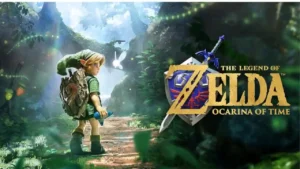
Compare The Legend of Zelda: Ocarina of Time vs DERELIKT

The Legend of Zelda: Ocarina of Time

The Legend of Zelda: Ocarina of Time

Overall score 4.3 / 5

Based on 48 scored reviews

vs
DERELIKT

DERELIKT

Overall score 3.6 / 5

Based on 26 scored reviews

How we score

Scorata scores summarize analyzed review evidence on a 1–5 scale; they are not laboratory measurements or a simple average of customer star ratings. Feature scores summarize the reviews covering that feature. The overall score averages feature scores within each review, then combines review averages. When both expert and customer evidence are available, those two groups receive equal weight. Products can have different review coverage, so small score gaps do not establish a winner.

Recommendations prioritize important features for the category, with a score of at least 3.5, a gap of at least 0.25 points and at least two supporting reviews per product. Features with widely varying scores or broad connectivity contexts are excluded from recommendations. These safeguards do not establish statistical significance.

Quick verdict

What each product is best for

The review evidence points to a tradeoff: AI behavior and movement feel versus save system reliability and atmosphere. Choose according to which strengths matter more to you; the overall score alone does not settle that choice.

Choose The Legend of Zelda: Ocarina of Time for AI behavior and movement feel.

Choose DERELIKT for save system reliability and atmosphere.

Why these recommendations?

The Legend of Zelda: Ocarina of Time

Where It Has the Edge

  • AI behavior is 4.5 vs 2.0. Reactive enemies encourage dodging, countering, and managing more than one threat. More aggressive groups can add welcome tension...
  • movement feel is 4.7 vs 2.3. Manual jumping and a proper dash make simply crossing Hyrule more enjoyable. The extra control often removes awkwardness...
  • map and navigation design is 4.2 vs 1.9. Regional collectible counts, clear points of interest, and improved sightlines make navigation easier. The detailed minimap can reveal...

DERELIKT

Where It Has the Edge

  • save system reliability is 3.8 vs 2.0. Periodic autosaves help soften tough sections, although quirky save-point placement and related storage problems can still be inconvenient.
  • atmosphere is 5.0 vs 4.6. Isolation, creaking machinery, oppressive darkness, and alien designs make the station feel convincingly threatening. A dissenting view found...
  • humor is 5.0 vs 4.6. Cheeky terminal messages, playful NPC dialogue, and absurd cheats provide well-placed laughs without completely abandoning the dark setting.
The Legend of Zelda: Ocarina of Time 4.3 overall score
DERELIKT 3.6 overall score

Compare features

Scores are out of 5. Missing scores mean missing review evidence, not a missing feature.

Scored on both products

Other features

Crash stability
The Legend of Zelda: Ocarina of Time
5.0

The completed playthrough that explicitly discusses crashes reports none. Its smooth technical behavior supports the broader impression of polish.

DERELIKT
1.0

Crashes while checking inventory interrupted at least one full playthrough and forced reloading, making save management important.

Frame rate stability
The Legend of Zelda: Ocarina of Time
4.9

Accounts of completed playthroughs consistently praise smooth 60 fps performance in both docked and handheld play. That fluidity is a major improvement to movement and combat.

DERELIKT
1.0

One early build suffered increasingly frequent microstutters after enemy deaths, disrupting otherwise smooth exploration.

Bug frequency
The Legend of Zelda: Ocarina of Time
5.0

The source that directly assesses glitches reports a clean playthrough. There is no recurring bug complaint in the scored material.

DERELIKT
1.6

Launch-period bugs are the most persistent concern, ranging from vanishing inventory items and broken weapons to collision problems and blocked progress.

AI behavior
The Legend of Zelda: Ocarina of Time
4.5

Reactive enemies encourage dodging, countering, and managing more than one threat. More aggressive groups can add welcome tension to otherwise familiar encounters.

DERELIKT
2.0

Basic enemies tend to rush players directly rather than requiring varied tactics, making otherwise promising encounters feel too simple.

Cutscene skippability
The Legend of Zelda: Ocarina of Time
4.5

Skipping repeated ocarina song playback is a useful convenience. It keeps familiar musical actions from becoming a repetitive interruption.

DERELIKT
2.0

The period-styled CGI scenes reinforce the aesthetic, but being unable to skip them can be inconvenient.

Movement feel
The Legend of Zelda: Ocarina of Time
4.7

Manual jumping and a proper dash make simply crossing Hyrule more enjoyable. The extra control often removes awkwardness that once made small tasks feel slow.

DERELIKT
2.3

Slow travel and awkward weapon cycling make backtracking more laborious than necessary.

Environmental detail
The Legend of Zelda: Ocarina of Time
4.9

Woven clothing, weathered stone, vegetation, and furnished interiors make familiar locations feel newly tangible. Small details frequently reward stopping to look around.

DERELIKT
2.5

The outpost has evocative industrial spaces and personal traces of its crew, although reused geometry and muted colors can make areas blend together.

Pacing
The Legend of Zelda: Ocarina of Time
4.4

A compact route and faster equipment handling usually keep the adventure moving briskly. Longer early cinematics and switches between voiced and unvoiced scenes occasionally interrupt that rhythm.

DERELIKT
2.0

The compact progression usually maintains momentum, but repeated backtracking and distant save points can make failures tedious.

Inventory management
The Legend of Zelda: Ocarina of Time
4.5

Quick selection and boot toggles remove much of the old stop-and-start equipment work. The single active item slot and long horizontal selector still frustrate some players.

DERELIKT
2.2

The grid inventory is contentious: some like the difficult choices, but most dislike manual ammo stacking, awkward storage, and item bugs.

Weapon balance
The Legend of Zelda: Ocarina of Time
4.5

Better aiming makes ranged tools feel more viable alongside the sword. The slingshot in particular gets more practical use than before.

DERELIKT
2.4

Most core guns are enjoyable, but specialty weapons often feel less practical and bugs sometimes distort damage or ammo behavior.

Polish
The Legend of Zelda: Ocarina of Time
5.0

The many small control and design refinements work together unusually well. The resulting adventure feels carefully finished and easy to stay absorbed in.

DERELIKT
3.0

The atmosphere and carefully crafted aesthetic are impressive, but collision quirks and small technical distractions could use another pass.

Stealth mechanics
The Legend of Zelda: Ocarina of Time
3.2

The castle infiltration benefits from a redesigned approach and modern controls. Other stealth sections can still feel simplistic or tedious, though they occupy little of the adventure.

DERELIKT
5.0

Sneaking past distracted enemies while robots and aliens fight each other provides a useful alternative to draining ammunition.

Gameplay mechanics
The Legend of Zelda: Ocarina of Time
4.8

Time travel, musical tools, and item-driven exploration remain an inventive combination. The updates refresh how players interact with those systems without replacing them.

DERELIKT
3.0

Old-school shooting, environmental puzzles, and upgrades often work well together, though clunky legacy systems and uneven polish divide opinion.

Writing quality
The Legend of Zelda: Ocarina of Time
4.8

Expanded dialogue gives familiar scenes more gravitas and characters more personality. For some players, the strengthened story becomes the remake's greatest attraction.

DERELIKT
3.0

There is praise for concise, funny, surprisingly human station stories, sharply contrasted by criticism that the main premise is derivative.

Collectibles
The Legend of Zelda: Ocarina of Time
4.5

Moved heart pieces and Skulltulas make familiar hunts feel fresh. New tracking aids help players locate the remaining discoveries.

DERELIKT
3.0

Logs, glyphs, and secrets reward investigation, but some pickups become repetitive or lose value once upgrade resources are plentiful.

Overall quality
The Legend of Zelda: Ocarina of Time
4.7

The prevailing verdict is that this remains an exceptional adventure with a lavish modern presentation. Conservative scope and a handful of usability restrictions account for most reservations.

DERELIKT
3.4

A memorable retro-horror game lies beneath substantial rough edges. Its period authenticity inspires enthusiasm, while bugs and dated conventions keep recommendations qualified.

Immersion
The Legend of Zelda: Ocarina of Time
4.7

Responsive action, detailed places, and more expressive scenes make Hyrule easier to inhabit. Camera freedom also helps players feel more directly involved.

DERELIKT
3.4

The tight integration of visuals and audio draws many players into the station, although one particularly negative assessment found it artificial.

Enemy variety
The Legend of Zelda: Ocarina of Time
4.5

A colorful roster keeps repeated combat patterns from dominating the adventure. Many enemies appear only in a few locations, helping each region feel distinct.

DERELIKT
3.3

Enemy designs and later variants provide some visual freshness, but several players wanted more monster types and more tactical differences.

Narrative quality
The Legend of Zelda: Ocarina of Time
4.6

The classic time-travel tale gains drama and clearer emotional beats through expanded scenes. A predictable plot and a less convincing Sheik revelation remain reservations for some.

DERELIKT
3.4

The station’s mystery and stranded crew intrigue several players, though others see a familiar and underwritten sci-fi horror premise.

Cutscene visual quality
The Legend of Zelda: Ocarina of Time
4.8

New framing and expanded cinematics bring weight and spectacle to familiar turning points. The opening presentation works less well for some, but later scenes are widely admired.

DERELIKT
3.7

Retro CGI sequences sell the lost-PS1-game illusion, though heavy scanline effects can make individual shots hard to see.

Load times
The Legend of Zelda: Ocarina of Time
4.1

Many interiors and connected spaces now flow seamlessly. Remaining regional fades fit the theatrical framing for some players, while others wish the whole world were continuous.

DERELIKT
5.0

Fast loading supports the old-console presentation without requiring the sluggish waits of the hardware being imitated.

Difficulty balance
The Legend of Zelda: Ocarina of Time
3.3

The smoother controls generally make the adventure easier, but reactions differ sharply. Some welcome the reduced friction, while others think enemies and puzzles no longer keep pace with Link.

DERELIKT
2.3

Some players enjoy the modest challenge, but others found combat far too forgiving even on Hard because enemies are simple and supplies abundant.

Economy and resource balance
The Legend of Zelda: Ocarina of Time
3.6

A larger wallet and summonable merchant can reduce inconvenient supply trips. Opinions differ on scarcity: some welcome resource pressure, while others find supplies so abundant that the new seeds feel unnecessary.

DERELIKT
2.7

Opinions split sharply: sorting scarce-looking gear can add tension, yet many finished with mountains of ammunition and healing items.

Horror tension
The Legend of Zelda: Ocarina of Time
4.5

ReDead, Dead Hand, and other unsettling encounters retain or heighten their frightening effect. Jump scares and disturbing monster designs remain a memorable part of the adventure.

DERELIKT
3.8

Unpredictable alien appearances and unsettling sound build genuine dread for many, but ammunition abundance and obvious enemy sounds undercut fear for others.

Onboarding experience
The Legend of Zelda: Ocarina of Time
2.5

Extra exposition and repeated exercises can make the opening feel overly managed. Those small interruptions add up before the adventure fully opens.

DERELIKT
1.8

Key systems and progression cues are not always explained well, so even retro enthusiasts sometimes struggle with basic inventory and upgrade mechanics.

Emotional impact
The Legend of Zelda: Ocarina of Time
5.0

Time travel, childhood memories, and expanded story scenes give the remake unusual emotional force. Familiar music and places often feel newly affecting rather than merely nostalgic.

DERELIKT
4.3

Individual crewmates and a satisfying mystery payoff made some players care about the survivors amid the horror.

Fun factor
The Legend of Zelda: Ocarina of Time
4.9

The mix of discovery, puzzles, and playful interactions repeatedly keeps players engaged. Several accounts describe wanting to return as soon as a session ends.

DERELIKT
4.3

Most players found the eerie retro adventure entertaining despite clear rough edges, while a harsh dissenting review found the whole experience bland.

Graphics quality
The Legend of Zelda: Ocarina of Time
4.8

Rebuilt towns, forests, and temples draw unusually strong visual praise. Occasional softness, shimmer, and distant pop-in keep the presentation from looking equally polished everywhere.

DERELIKT
4.1

Purposefully crunchy low-poly visuals convincingly reproduce old hardware. Some praise their suggestive ambiguity; others find them repetitive or difficult to read.

Lore depth
The Legend of Zelda: Ocarina of Time
4.0

A suggestive, mythic approach leaves room for imagination and theory-building. That restraint is preferred to frequent explanatory lore dumps.

DERELIKT
4.5

Optional notes reveal the station’s prior lives and growing mystery, making background reading more rewarding than routine collectible hunting.

Atmosphere
The Legend of Zelda: Ocarina of Time
4.6

Foggy temples, melancholic story beats, and playful towns give the adventure a broad emotional range. Some miss the original's rougher eeriness even as others find the remake darker.

DERELIKT
5.0

Isolation, creaking machinery, oppressive darkness, and alien designs make the station feel convincingly threatening. A dissenting view found the effect cheap and unimmersive.

Humor
The Legend of Zelda: Ocarina of Time
4.6

Strange inhabitants, slapstick, and absurd little encounters provide frequent comic relief. The whimsy helps balance the adventure's darker moments.

DERELIKT
5.0

Cheeky terminal messages, playful NPC dialogue, and absurd cheats provide well-placed laughs without completely abandoning the dark setting.

Art direction
The Legend of Zelda: Ocarina of Time
4.3

A puppet-like cast and richly textured scenery give Hyrule a distinctive storybook identity. Most warm to the style in motion, though some find faces uncanny or inconsistent with the environments.

DERELIKT
4.7

Warping geometry, hand-painted color, boot sequences, and chunky models create an unusually authentic PS1 illusion. One strongly negative assessment found the environments drab and repetitive.

Side character depth
The Legend of Zelda: Ocarina of Time
4.7

Hyrule's oddball inhabitants remain memorable, and Navi becomes a warmer, more believable companion. Added dialogue and voiced scenes give several familiar faces more personality.

DERELIKT
5.0

The surviving crew have memorable personal details and problems, giving the otherwise lonely station surprising humanity.

Combat system
The Legend of Zelda: Ocarina of Time
4.3

Swordplay gains satisfying speed and audiovisual impact while retaining simple lock-on fundamentals. Waiting for openings, awkward target changes, and low challenge still bother some players.

DERELIKT
4.1

Weapons usually feel punchy and responsive, with different approaches to fights. Several players felt shallow enemy behavior and loose balance held the combat back.

Weapon variety
The Legend of Zelda: Ocarina of Time
4.5

A broad assortment of gadgets and weapons gives exploration practical rewards. Newly found tools keep opening useful possibilities elsewhere.

DERELIKT
4.4

The arsenal grows from familiar firearms to unusual alien tools, making combat more entertaining even where balance is imperfect.

Upgrade system
The Legend of Zelda: Ocarina of Time
4.0

Magic upgrades feel worth pursuing even when the Great Fairies charge substantial amounts. Optional activities help fund those improvements.

DERELIKT
4.1

Alien glyphs with offsetting stat bonuses are one of the game’s strongest additions, offering meaningful choices despite some resource and unlock bugs.

Exploration quality
The Legend of Zelda: Ocarina of Time
4.8

A dense world full of secrets rewards curiosity and returning with new tools. Discoveries often feel worthwhile even when they offer little practical treasure.

DERELIKT
4.9

Looping corridors, hidden codes, optional rooms, and tool-gated shortcuts make exploration compelling, despite frustrating stretches of backtracking.

Dialogue quality
The Legend of Zelda: Ocarina of Time
4.5

Expanded conversations add humor, local gossip, and useful direction. Faster text and a conversation history make it easier to enjoy the extra detail.

DERELIKT
4.5

Short conversations and quirky NPC lines help flesh out the outpost without overwhelming the action.

Minigame quality
The Legend of Zelda: Ocarina of Time
4.0

Archery, bowling, and other diversions provide enjoyable changes of pace and useful rewards. Better aiming makes them more accessible, though sometimes too easy to master immediately.

DERELIKT
4.0

Terminal hacking earns particular praise as a welcome puzzle diversion, though one player found it only passable.

Comfort and build

Boss design
The Legend of Zelda: Ocarina of Time
4.1

Giant, item-driven encounters still deliver spectacle and memorable puzzle solutions. Added moves impress some reviewers, while others find the fights too forgiving or structurally simple.

DERELIKT
1.0

The final encounter disappointed one player because it felt closer to evasion than a satisfying fight.

Map and navigation design
The Legend of Zelda: Ocarina of Time
4.2

Regional collectible counts, clear points of interest, and improved sightlines make navigation easier. The detailed minimap can reveal so much that some prefer exploring without it.

DERELIKT
1.9

Minimal objective guidance is deliberately old-fashioned. Some enjoy figuring routes out themselves, but many report getting lost or missing important directions.

Enemy design
The Legend of Zelda: Ocarina of Time
4.7

Distinctive monsters combine memorable looks with readable attack patterns. Several redesigns make the darker encounters especially striking.

DERELIKT
3.2

The low-poly alien creatures are often praised as distinctive and creepy, though some players find the small fast attackers obnoxious rather than frightening.

Puzzle design
The Legend of Zelda: Ocarina of Time
4.4

The dungeons still deliver clever spatial reasoning and satisfying moments of realization. Streamlining is welcomed by many, but obvious targets and fewer keys can blunt discovery for experienced players.

DERELIKT
3.4

Environmental codes and observation-based puzzles delight some players, while others find them cryptic, arbitrary, or vulnerable to bugs.

Sound design
The Legend of Zelda: Ocarina of Time
4.6

Clanging shields and forceful attack sounds give familiar actions greater impact. Spatial cues and smooth musical transitions also help make Hyrule feel more present.

DERELIKT
3.6

Metallic footsteps, distant machinery, and distinctive alien noises often elevate suspense; a few reviewers criticize harsh mixing or lifeless ambient loops.

Level design
The Legend of Zelda: Ocarina of Time
4.6

Themed dungeons remain the adventure's central achievement, with rooms that connect into larger puzzle boxes. Small redesigns often remove friction, although some veterans prefer the original layouts' demands.

DERELIKT
4.3

Intricate station sectors, looping shortcuts, and environmental clues are frequently praised; poor signposting and repetitive vents make some stretches exhausting.

World-building
The Legend of Zelda: Ocarina of Time
4.7

More active townsfolk, expanded conversations, and convincing architecture give Hyrule a fuller sense of daily life. The world often feels larger and richer without substantially expanding its borders.

DERELIKT
5.0

Logs, lived-in quarters, corporate history, and distinct survivors make the station feel like a functioning place before disaster struck.

Controls and connectivity

Voice acting
The Legend of Zelda: Ocarina of Time
4.2

The cast usually adds warmth, personality, and menace to familiar characters. English accents and a few initially jarring voices divide opinion; the Spanish dub also has some uneven performances.

DERELIKT
1.7

The mostly unvoiced dialogue fits a deliberately retro production for some, but one critic argued the absence weakened the narrative and horror.

Controls responsiveness
The Legend of Zelda: Ocarina of Time
4.7

Modern inputs make Link feel precise, fast, and immediately familiar to players of recent Zelda games. The handling is a frequent reason to prefer this version.

DERELIKT
3.0

Gunfire can feel satisfyingly immediate, but severe glitches sometimes prevent weapons from responding altogether.

Ownership and support

Save system reliability
The Legend of Zelda: Ocarina of Time
2.0

The main complaint is the single manual save slot per profile, rather than lost or corrupted saves. Keeping a completed file while starting again requires an inconvenient workaround.

DERELIKT
3.8

Periodic autosaves help soften tough sections, although quirky save-point placement and related storage problems can still be inconvenient.

Replay value
The Legend of Zelda: Ocarina of Time
3.7

The compact, secret-filled adventure often inspires an immediate second playthrough. One manual save per profile and the missing Master Quest complicate that enthusiasm for some players.

DERELIKT
2.3

Collectibles, alternative endings, and cheats offer some incentive to revisit, but limited New Game Plus-style features restrict long-term replay.

Performance

Soundtrack quality
The Legend of Zelda: Ocarina of Time
5.0

New instrumental and orchestral arrangements preserve the memorable melodies while giving key scenes more grandeur. Music is among the most consistently celebrated parts of the remake.

DERELIKT
3.8

Sparse eerie synths and occasional energetic tracks complement the isolation for most players, though others wanted greater variety or a less generic sound.

Performance optimization
The Legend of Zelda: Ocarina of Time
3.8

Performance is generally praised, but image reconstruction has visible costs. Shimmer, soft distant detail, and grass pop-in are the main technical complaints.

DERELIKT
5.0

One technical assessment found the lightweight game ran solidly, despite separate complaints about gameplay bugs.

Evidence available for one product

Other features

Ease of use
The Legend of Zelda: Ocarina of Time
4.9

Quick equipment access and more intuitive controls remove repeated interruptions. The remake is much easier to handle without losing the underlying adventure.

DERELIKTNo score yet
Achievement list quality
The Legend of Zelda: Ocarina of TimeNo score yet
DERELIKT
1.0

Some achievements failed to unlock even after their requirements were met, undermining otherwise rewarding completion goals.

Aiming precision
The Legend of Zelda: Ocarina of Time
4.7

Third-person aiming and optional gyro input make the bow and slingshot notably easier to use. Even some players who usually disable motion controls enjoy this implementation.

DERELIKTNo score yet
Animation quality
The Legend of Zelda: Ocarina of Time
4.6

Finger movements, breathing, gestures, and fluid enemy motion add personality to the rebuilt models. These small touches help familiar actions feel more carefully observed.

DERELIKTNo score yet
Boss Rush mode quality
The Legend of Zelda: Ocarina of Time
3.9

Timed rematches offer an enjoyable reason to practice familiar bosses. Thin rewards and limited modifiers keep the mode from feeling like substantial new content.

DERELIKTNo score yet
Camera behavior
The Legend of Zelda: Ocarina of Time
4.1

Free camera control makes exploration more natural and lets players appreciate rebuilt spaces. It also loses some deliberately composed views, and occasional lock-on conflicts remain.

DERELIKTNo score yet
Casting choices
The Legend of Zelda: Ocarina of Time
4.3

Retaining a familiar Ganondorf performer is strongly welcomed in the prerelease discussion. Blind auditions focused on voice fit also receive approval.

DERELIKTNo score yet
Character development
The Legend of Zelda: Ocarina of Time
4.5

Added scenes and rewritten dialogue make characters feel more developed. Familiar relationships benefit from context that was only lightly sketched before.

DERELIKTNo score yet
Checkpoint system
The Legend of Zelda: Ocarina of Time
4.5

Well-placed autosaves are a welcome convenience. They reduce the practical friction of resuming the adventure.

DERELIKTNo score yet
Combat readability
The Legend of Zelda: Ocarina of Time
4.2

Clearer enemy movements, lighting cues, and threat sounds help communicate what is happening in fights. These changes reduce confusion without changing the basic combat rules.

DERELIKTNo score yet
Content completeness
The Legend of Zelda: Ocarina of Time
3.1

The base adventure is dense and satisfying, but the extra package is less comprehensive than some hoped. Missing Master Quest and few substantial new areas are the recurring caveats.

DERELIKTNo score yet
Content variety
The Legend of Zelda: Ocarina of Time
4.5

Distinct dungeons, side quests, minigames, and hidden encounters keep the journey varied. The new museum is a modest extra rather than a major expansion.

DERELIKTNo score yet
Core gameplay loop
The Legend of Zelda: Ocarina of Time
4.9

Exploring, finding a dungeon item, solving its challenges, and opening new routes remains deeply satisfying. The remake reinforces how well that traditional structure still works.

DERELIKTNo score yet
Demo quality
The Legend of Zelda: Ocarina of TimeNo score yet
DERELIKT
4.4

The demo made a strong impression through atmosphere and gunplay, although one preview criticized its abrupt jumps between early and late-game areas.

Endgame content
The Legend of Zelda: Ocarina of Time
2.4

The missing Master Quest is a recurring disappointment after the main adventure. Boss rematches provide a distraction, but many want a richer or harder second campaign.

DERELIKTNo score yet
Enemy gallery
The Legend of Zelda: Ocarina of Time
4.0

Collecting statues offers an appealing chance to inspect the redesigned monsters in detail. It is usually treated as a pleasant showcase, with limited depth beyond its associated rematches.

DERELIKTNo score yet
Facial animations
The Legend of Zelda: Ocarina of Time
4.3

Link's expressions often communicate affection, hesitation, and surprise without dialogue. A few scenes instead leave him looking unusually still or vacant.

DERELIKTNo score yet
Faithfulness to franchise
The Legend of Zelda: Ocarina of Time
4.7

Modernization generally preserves the original's rhythm, oddness, and emotional identity. The close adherence delights preservation-minded fans, even when it limits reinvention.

DERELIKTNo score yet
Family friendliness
The Legend of Zelda: Ocarina of Time
4.0

One broad recommendation explicitly extends across ages. That enthusiasm does not remove the need to consider frightening monsters and darker story moments for younger children.

DERELIKTNo score yet
Fast travel convenience
The Legend of Zelda: Ocarina of Time
4.3

Shortcuts and warp songs help keep revisits manageable. Preserving travel rather than adding many extra warp points is also welcomed for protecting incidental discoveries.

DERELIKTNo score yet
Fishing mechanics
The Legend of Zelda: Ocarina of Time
4.5

Fishing remains an enjoyable optional diversion. It sits comfortably alongside the other minigames as a change of pace from dungeon exploration.

DERELIKTNo score yet
Flashlight usability
The Legend of Zelda: Ocarina of TimeNo score yet
DERELIKT
1.3

The weak, sometimes unreliable flashlight is a widely criticized nuisance in already dark environments, often switching off when players need it.

Game length
The Legend of Zelda: Ocarina of Time
4.5

The main adventure feels digestible rather than endless, while still substantial enough to be satisfying. Optional exploration can extend the commitment considerably.

DERELIKTNo score yet
Graphics settings
The Legend of Zelda: Ocarina of TimeNo score yet
DERELIKT
4.3

High-resolution and filter toggles let players retain the style without its worst blur, a thoughtful option for modern displays.

Handheld play suitability
The Legend of Zelda: Ocarina of Time
4.0

Handheld mode retains smooth performance and an attractive overall presentation. Visible shimmer and softer detail are more noticeable in some accounts.

DERELIKTNo score yet
Hint system
The Legend of Zelda: Ocarina of Time
4.3

Quieter companions and the Threads of Time tapestry reduce interruptions while helping players remember their next goal. More obvious targets and puzzle cues can feel too explicit to veterans.

DERELIKTNo score yet
Innovation
The Legend of Zelda: Ocarina of Time
2.4

The remake spends most of its ambition on presentation and comfort. Players hoping for a radical reinterpretation or major new discoveries may find that approach too cautious.

DERELIKTNo score yet
Learning curve
The Legend of Zelda: Ocarina of Time
4.5

The control conventions feel familiar even to someone who missed the original. Experience with later adventure games makes the remake surprisingly easy to settle into.

DERELIKTNo score yet
Loot system
The Legend of Zelda: Ocarina of Time
2.0

Some hidden rewards feel underwhelming, especially single rupees or supplies that are already plentiful. Boss-rush prizes also attract criticism for limited usefulness.

DERELIKTNo score yet
Mission variety
The Legend of Zelda: Ocarina of TimeNo score yet
DERELIKT
2.0

Repeated vent crawling and password searches become monotonous toward the end, despite attempts to vary objectives.

Monetization fairness
The Legend of Zelda: Ocarina of Time
4.5

Amiibo rewards are welcomed because they provide extras without being essential. The bonuses do not feel necessary to enjoy the adventure.

DERELIKTNo score yet
Narrative tone consistency
The Legend of Zelda: Ocarina of Time
4.5

Silly interludes provide welcome breathing room within a serious heroic journey. The contrast helps the darker moments land without making the whole adventure oppressive.

DERELIKTNo score yet
Originality
The Legend of Zelda: Ocarina of TimeNo score yet
DERELIKT
2.0

Though its inspirations are obvious, some admire how the game turns nostalgic references into a coherent adventure; critics see too much borrowing.

Physics quality
The Legend of Zelda: Ocarina of Time
3.5

Physical detail contributes to the visual spectacle, but consistency is imperfect. One account specifically misses weapons colliding with walls rather than passing through them.

DERELIKTNo score yet
Platforming precision
The Legend of Zelda: Ocarina of Time
4.7

A dedicated jump button gives direct control over ledges and gaps. Traversal feels more reliable and satisfying than waiting for an automatic leap.

DERELIKTNo score yet
Progression system
The Legend of Zelda: Ocarina of Time
4.8

New tools and abilities create a clear, satisfying sense of advancement. Their usefulness across later challenges makes progression feel purposeful.

DERELIKTNo score yet
Remake/remaster quality
The Legend of Zelda: Ocarina of Time
4.6

A lavish rebuild brings the familiar adventure into the present through new presentation and more fluid play. Most call it an outstanding return, while some wish it had taken larger creative risks.

DERELIKTNo score yet
RPG system depth
The Legend of Zelda: Ocarina of TimeNo score yet
DERELIKT
4.0

Optional alien glyph effects add a welcome RPG-like layer, but do not turn the experience into a deep character-building RPG.

Sandbox freedom
The Legend of Zelda: Ocarina of Time
2.5

This is a more contained adventure with fewer tools and less freedom than the recent open-world games. Players who want unrestricted experimentation may feel constrained.

DERELIKTNo score yet
Spawn placement
The Legend of Zelda: Ocarina of TimeNo score yet
DERELIKT
1.3

Sudden enemy spawns right next to players can turn tense encounters into unfair damage, especially during movement-heavy scenes.

Storage footprint
The Legend of Zelda: Ocarina of Time
4.0

The estimated download size is considered reasonable in the buying guide. It does not emerge as a recurring drawback.

DERELIKTNo score yet
Survival mechanics
The Legend of Zelda: Ocarina of TimeNo score yet
DERELIKT
3.4

Limited carrying capacity and manual saving create old-school pressure, but many feel overly plentiful supplies make true survival strategy unnecessary.

Swimming mechanics
The Legend of Zelda: Ocarina of Time
4.5

Swimming is described as smoother and more natural than before. The improvement reduces the awkwardness of moving through water.

DERELIKTNo score yet
Tutorial quality
The Legend of Zelda: Ocarina of Time
3.5

A redesigned sword challenge teaches the new movement rules effectively. Other players find the repeated opening practice sessions more restrictive than necessary.

DERELIKTNo score yet
Visual effects quality
The Legend of Zelda: Ocarina of Time
4.6

Lighting, water, fog, destruction, and attack particles make the rebuilt world striking in motion. Combat effects give even simple hits a stronger sense of impact.

DERELIKTNo score yet
Visual readability
The Legend of Zelda: Ocarina of TimeNo score yet
DERELIKT
3.5

Sharper display modes improve legibility, helping mitigate period-styled blur and indistinct signage.

World interactivity
The Legend of Zelda: Ocarina of Time
4.3

Reactive details and reported changes to the world after major events make Hyrule feel more responsive. They add texture without replacing the adventure's classic structure.

DERELIKTNo score yet

Ownership and support

4:3 aspect ratio support
The Legend of Zelda: Ocarina of TimeNo score yet
DERELIKT
5.0

Native 4:3 presentation makes the retro aesthetic convincing on old televisions and monitors, not just modern widescreens.

Cheat code support
The Legend of Zelda: Ocarina of TimeNo score yet
DERELIKT
3.7

Discoverable old-school codes add humor and replay novelty, though their usefulness varies and one player reported unlocks not appearing correctly.

Platform-specific feature support
The Legend of Zelda: Ocarina of Time
4.3

Humming, whistling, or playing an instrument to trigger ocarina songs is charming and sometimes useful. Accuracy is generally welcomed, although several players still prefer the buttons.

DERELIKTNo score yet

Controls and connectivity

Age appropriateness
The Legend of Zelda: Ocarina of Time
4.0

One reviewer broadly recommends the adventure across ages. Its frightening monsters and darker themes still warrant a separate age decision for younger players.

DERELIKTNo score yet
Character customization
The Legend of Zelda: Ocarina of Time
2.5

Losing the option to choose Link's name is a small disappointment for some returning fans. The hero has a fixed identity in this presentation.

DERELIKTNo score yet
Menu usability
The Legend of Zelda: Ocarina of Time
3.3

The item bar is fast and manageable for many players, especially compared with repeated pause-menu visits. Others want more assignable slots, better bottle grouping, or a customizable wheel.

DERELIKTNo score yet
Protagonist appeal
The Legend of Zelda: Ocarina of Time
5.0

Young Link's bravery is an especially appealing part of the story. His determination is praised as an empowering example of a child taking action.

DERELIKTNo score yet

Comfort and build

Build variety and synergy
The Legend of Zelda: Ocarina of TimeNo score yet
DERELIKT
4.7

Alien glyphs let players trade health, speed, and damage for different builds, a surprisingly engaging layer of flexibility in an otherwise straightforward shooter.

Control input comfort
The Legend of Zelda: Ocarina of TimeNo score yet
DERELIKT
1.3

Weapon switching, binding conflicts, and unconventional button choices add friction, particularly on controllers.

Mission design
The Legend of Zelda: Ocarina of TimeNo score yet
DERELIKT
2.0

Rescue tasks and code hunts can deepen exploration, but vague directions and late-game dependencies make progress unclear.

Open-world design
The Legend of Zelda: Ocarina of Time
4.4

Compact, interconnected regions deliver a strong sense of place without a huge travel commitment. Hyrule Field feels purposeful and inviting to some, but small or empty to others.

DERELIKTNo score yet
Quest design
The Legend of Zelda: Ocarina of Time
4.3

Character-led side quests provide memorable diversions and reasons to revisit Hyrule. The mask chain is especially well liked, while the Biggoron trade sequence can still feel convoluted.

DERELIKTNo score yet
User interface design
The Legend of Zelda: Ocarina of Time
4.6

The growing quest tapestry combines useful progress tracking with an especially attractive presentation. Optional interface reduction also suits players who want a cleaner view of Hyrule.

DERELIKTNo score yet

Performance

CRT filter quality
The Legend of Zelda: Ocarina of TimeNo score yet
DERELIKT
3.0

Period-style filters help the PlayStation illusion, although blur and aggressive scanlines can obscure detail; switching to clearer presentation is often preferable.

Marketing accuracy
The Legend of Zelda: Ocarina of Time
4.5

The prerelease footage is judged to reveal enough without showing too much. Important late-game discoveries still feel protected.

DERELIKTNo score yet

Other Top Video Games to Consider

#1 Well Dweller
4.7

Best for fluid traversal, rewarding exploration, striking art, and forgiving quality-of-life features. Skip it if you want deep combat, radical genre innovation, or consistently demanding bosses.

Pros: difficulty balance, boss design

Cons: innovation, sandbox freedom

#2 Hades II
4.5

Best for superb combat, inventive builds, and richly voiced characters. Skip it if repeated runs, resource gathering, or visually busy battles outweigh the appeal of steady progress.

Pros: overall quality, combat system

Cons: pacing, grind level

#3 Valheim
4.5

Good if you want a beautiful, demanding survival sandbox built around exploration, building, progression, and memorable co-op. Skip it if long resource runs, harsh death recovery, and deliberate pacing sound...

Pros: town-building system, exploration quality

Cons: grind level, fast travel convenience

#4 Grand Theft Auto VI
4.5

Leonida is a breathtakingly alive crime sandbox with memorable protagonists, spectacular heists, and extraordinary detail. The tradeoff is a 30 fps ceiling, occasional control awkwardness, and some progression friction.

Pros: immersion, graphics quality

Cons: grind level, controls responsiveness