
Tracker, Season 1
Where It Has the Edge
- villain quality is 4.8 vs 4.5. Peter Stormare’s first-season villain is a standout source of menace. The performance is praised as unsettling in exactly...

Scorata scores summarize analyzed review evidence on a 1–5 scale; they are not laboratory measurements or a simple average of customer star ratings. Feature scores summarize the reviews covering that feature. The overall score averages feature scores within each review, then combines review averages. When both expert and customer evidence are available, those two groups receive equal weight. Products can have different review coverage, so small score gaps do not establish a winner.
Recommendations prioritize important features for the category, with a score of at least 3.5, a gap of at least 0.25 points and at least two supporting reviews per product. Features with widely varying scores or broad connectivity contexts are excluded from recommendations. These safeguards do not establish statistical significance.
Quick verdict
The review evidence points to a tradeoff: villain quality versus romance quality and humor. Choose according to which strengths matter more to you; the overall score alone does not settle that choice.
Choose Tracker, Season 1 for villain quality.
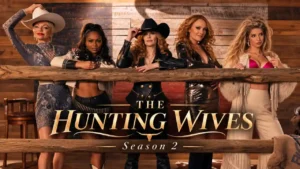
Choose The Hunting Wives, Season 2 for romance quality and humor.
Scores are out of 5. Missing scores mean missing review evidence, not a missing feature.
The labels can be a distraction: one critic ridicules rewardist, while another strongly dislikes Colter Shaw’s name. Both complaints concern awkward naming rather than the underlying rescue premise.
The in-universe reality-show title perfectly captures its absurd premise.
The pilot’s gunshot injury is not handled consistently. Colter alternates between protecting the wounded shoulder and using it as though nothing happened.
Stacy is introduced so seamlessly that her absence from the previous season is easy to accept.
Hartley is repeatedly judged an excellent fit for the lead. His trustworthy appearance and natural presence suit a capable rescuer whom strangers quickly rely on.
Brad’s casting and flashback appearance do not convincingly sell his teenage age.
One reviewer finds the lesbian handlers part of an ensemble that feels constructed rather than organic. The criticism concerns how the characters are developed, not a detailed assessment of their relationship.
The series gives queer characters room to be passionate, flawed and even villainous, with particular praise for the more nuanced and understated depictions.
Some cases land genuine surprises or satisfying answers without promising a happy outcome. The Springland resolution is a particular example of a darker payoff that catches viewers off guard.
The new murder mystery feels detached from the wealthy Texas social world that made the first season’s mystery engaging.
The restrained network approach is considered more family friendly than Reacher by one reviewer. Visible injuries, threatened children, language, and sexual themes still create meaningful family-viewing concerns.
The explicit material and violence make the show unsuitable for a typical family audience.
Gradually revealing Colter’s difficult childhood helps explain his present-day behavior. The past feels useful to the character rather than merely an isolated mystery.
Brad’s trauma is a serious subject that can feel misplaced within the camp and receives too little time for resolution.
The supporting cast and changing mysteries provide some freshness within a familiar framework. Several assessments still find predictable tropes, repetition, or little that distinguishes it from other procedurals.
The unusual pairing of queer affairs and wealthy conservative Texas gives a familiar camp thriller fresh energy.
Romantic banter and comedy help balance the serious cases. Other passages feel too uniformly fraught or stodgy, leaving a wish for more tonal variety.
Most appreciate the show’s unapologetically heightened, self-aware soap identity, although it can struggle when serious issues clash with the camp.
The family mystery can provide connective tissue between the standalone cases. Its integration is less successful when flashbacks feel detached from the investigation of the week.
The numerous intersecting arcs keep the action moving, but the biker gang and college storyline often feel disconnected from the core relationships.
Colter and Reenie’s flirtatious repartee is a frequent bright spot. Not every romantic beat works: one assessment finds their attraction one-sided, while another calls the pilot’s hookup tacked on.
The toxic central affair remains magnetic, with a second romance giving Callie added depth. The relationships work best when the show gives them time to breathe.
Reenie’s face-to-face scenes and the handlers’ partnership can sparkle. Keeping most of the team on separate phone calls limits camaraderie, and not everyone finds the romantic chemistry convincing.
Sophie and Margo’s chemistry is still the biggest attraction, even during arguments. Callie and Nadia also make an appealing pair.
Enthusiastic viewers find the show addictive and recommend watching the whole season. Its familiar cases and limited ongoing pull make it just as easy for others to stop.
The rapid reversals and messy relationships make the series very bingeable, even when individual storylines falter.
The roughly forty-minute installments are praised as easily digestible. Their manageable duration supports a light weekly action diversion.
Longer episodes provide valuable room for more character history without necessarily feeling bloated.
Colter’s barricade in the pilot produces an amusing piece of physical business. One viewer finds it funnier than the scene may have intended.
Brittany Snow’s panicked reactions are especially effective physical comedy.
The compelling family history and appealing supporting players do not always get enough attention. Bobby’s absences and Velma’s limited comic material are notable missed opportunities.
Callie’s expanded role is welcome, but some of the other wives fade into the background while Brad and the bikers take up substantial time.
The reward-seeking setup offers plenty of story possibilities, and the family mystery often supplies the strongest hook. Weekly investigations range from absorbing to thin or forgettable.
The escalating affairs and murder cover-ups are entertaining, but the crowded, increasingly implausible plot can sacrifice cohesion and depth.
Reenie’s exchanges and Velma’s comic potential provide welcome lightness. Several assessments want more humor to counter the hero’s seriousness and the heavy cases.
Darkly funny situations, crude puns, absurd behavior and physical comedy frequently land.
Easy escapes and apparently unearned wins reduce the sense that Colter faces meaningful obstacles. The expectation of a tidy resolution can make individual cases harder to invest in.
The stakes can feel urgent during the leads’ confrontations, but escalating crises sometimes make individual consequences feel less meaningful.
Colter’s childhood gives the season an intriguing foundation, and Reenie benefits from a later spotlight. Complaints center on shallow supporting characters, underexplored motivations, and inconsistent handling of the backstory.
Sophie and Callie get interesting new dimensions, but many other characters are driven by the needs of the plot rather than believable growth.
Reenie and Colter’s playful tension introduces humor at effective moments. The lighter beats help relieve the weight of the missing-person cases.
Jonny’s triumphant reaction after filming is a particularly funny comic beat.
Self-contained cases often provide satisfying closure, including some unhappy outcomes. Other assessments find the resolutions rushed, inevitable, or too easily earned.
The season keeps viewers guessing but does not entirely stick the landing.
The charismatic hero, adventure, and continuing secrets can deliver a satisfying network crime or action drama. The appeal rests on familiar genre pleasures rather than a radical reinvention.
As an unapologetic camp soap rather than prestige drama, the season delivers the entertainment its genre promises.
The cases can become convoluted, although their refusal to follow the obvious path is part of the appeal. Complexity is welcomed more as surprise than as a carefully explained puzzle.
Flashbacks and recaps help clarify earlier crimes and why characters behave as they do.
The capable hero and careful gun handling can feel convincing, but the surrounding logic often attracts criticism. Convenient gear, inconsistent injuries, easy escapes, and an unclear business model reward a forgiving approach.
Deliberately exaggerated soap logic is part of the fun, but implausible crimes, political maneuvers and character choices frustrate viewers who want credibility.
The lead and family mystery give many viewers a strong reason to return, and full-season fans welcome continuation. Weak secondary characters and uncertainty about how long the backstory can carry the show temper that enthusiasm.
The central relationship and unresolved finale generate considerable enthusiasm for another season.
Reenie and Colter can exchange sparkling banter, and some enjoy the survival-odds patter. Stilted exposition, long introductory speeches, and blunt delivery are recurring drawbacks.
The sharp one-liners earn laughs, although some overworked dialogue feels forced.
Brisk movement makes the wilderness showcase a pleasure for one reviewer. Elsewhere, hasty resolutions and uneven rhythm can leave cases feeling underdeveloped.
Quick switches between storylines can keep individual episodes lively, though some feel overpacked or poorly paced.
Childhood glimpses can deepen the hero and sustain an absorbing family mystery. They also draw complaints about disconnection from the weekly cases or revealing important background too quickly.
Flashbacks help connect past secrets and explain present events, but some are so exaggerated that they are difficult to take seriously.
One assessment welcomes the gratuitous shirtless shots as part of the show’s visual appeal. The approval concerns their contribution to the experience rather than an estimate of explicitness.
The season’s frequent explicit scenes are a major appeal for fans of its erotic tone. Others find the excess or exploitative elements off-putting.
Peter Stormare’s first-season villain is a standout source of menace. The performance is praised as unsettling in exactly the right way and unusually memorable.
Lincoln Trout is an especially compelling villain: reprehensible and manipulative, but difficult to look away from.
Giving Reenie her own scenes demonstrates the benefit of sharing focus beyond Colter. The broader ensemble remains underused for some, although one season-long fan appreciates seeing the team contribute.
The central duo and Callie are compelling, but opinions differ on whether the many supporting stories add breathing room or crowd out the ensemble.
The continuing family mystery can be absorbing, and enthusiastic viewers describe edge-of-the-seat viewing. Easy victories and uneven weekly cases leave others with little dramatic tension.
The escalating dangers keep viewers wondering whether any character is safe.
The violence does not satisfy everyone: one viewer wants more fisticuffs, while others object to frequent gun solutions and needless escalation. Threats and harm involving children are a particular concern.
The mounting murders are part of the heightened soap style, but many find the violence repetitive enough that deaths lose their impact.
The slow family reveal builds intrigue for some, but others find the season uneven or worry that early disclosures come too quickly. The balance between weekly cases and continuing history remains unsettled.
Some enjoy the relentless momentum, while others find the early episodes slow or the back half worn down by repeated murders.
Several cases and the childhood mystery offer genuinely effective reversals. Others find the weekly plots predictable, so surprise is a variable strength rather than a guarantee.
The season piles on outlandish reversals and delivers genuinely surprising moments, but the sheer frequency of murders makes some twists predictable.
Reenie’s later softening feels forced in one critical assessment. Her earlier abrasive behavior makes the adjustment difficult to accept.
Some characters make abrupt or repetitive choices that feel unearned, even for a deliberately heightened soap.
Scenes in which children are hurt or threatened are singled out as particularly bothersome. This is a concern about the effect of the portrayal, not praise for its intensity.
Brad’s retroactively revealed relationship with his mother is particularly disturbing and contributes to the unease around his arc.
The independent investigator’s legal shortcuts work well for one viewer. Others want more convincing deduction and less reliance on heavy-handed insights or special-operations-style action.
The investigative storyline provides grounding and breathing room for some viewers, while others dislike the shift toward crime-procedural material.
Colter’s calm competence and warmth make him likable to many, with an endearing support team around him. Detractors want a more distinctive personality, clearer motivation, and less irritating secondary characters.
The leads are charismatic despite their selfishness and increasingly ruthless behavior; Callie and Jonny also earn affection.
Guest appearances are a notable attraction, particularly Ackles, Birmingham, and Stormare, with the genre-TV guest trio also warmly received. A dissenting critic finds the thin scripts incapable of producing memorable guest work.
Guest performance is welcomed.
Hartley is widely seen as a strong anchor, with warmth, confidence, and an easy screen presence. Some critics think the role still leaves his emotional range underused, while Reenie’s later showcase adds another strong regular performance.
The central pair make even the most heightened situations convincing, delivering a potent mix of desire, desperation and dark humor.
Hartley’s confident, personable lead performance draws broad praise and often carries otherwise ordinary material. Supporting showcases, especially Fiona Rene’s, add further appeal.
The leads sell the wildly implausible material through committed performances, and several newcomers add welcome energy.
The regular team is endearing to many, and guest performers can make strong impressions. Others find the supporting roles too thin or disconnected to become memorable.
Callie and several new supporting characters shine, although the music-producer performance divides opinion.
The series can be addictive, reassuring fun when its lead and rescue premise click. More critical reactions find the same package disposable or unable to sustain interest.
A lurid, self-aware soap that remains highly entertaining for most viewers. Some find the relentless escalation exhausting rather than exhilarating.
The exaggerated drawls help create the show’s knowingly lurid atmosphere.
The mature sexual and violent content makes this a poor choice for younger viewers.
The series is at its best when it embraces its shameless, outlandish soap identity. For some, piling on more shock and spectacle eventually becomes too much.
The commercials make the series look like a generic CBS procedural. One reviewer finds more depth in the pilot than that presentation suggests.
Ackles’ guest episode evokes warm memories of Supernatural for one full-season viewer. The familiar presence adds a distinct nostalgic pleasure.
Teen social-media posts are not entirely convincing, but they provide an efficient shortcut to the victim’s background.
The Texas accents are exaggerated and geographically inconsistent; some find them heavy-handed, while others embrace them as camp.
The season offers flashy rescues and some admired wilderness stunts, but action is uneven as a selling point. Complaints range from too few fights to poor choreography, excessive heroics, and unsubtle escalation.
Sophie’s drinking and dependence on Margo are potentially serious themes, but the show’s treatment of them is confused and lacks gravity.
One Dad TV fan misses having a dog alongside the roaming hero. The complaint concerns that desired companion element, rather than the show’s actual amount of animal screen time.
The gang’s confrontation creates a potent moment for Sophie and Margo, but the new storyline often feels detached and slows the season.
Angel Reese makes her brief basketball-trainer appearance feel grounded and meaningful.
Desert rescues, mountain landscapes, and attractive towns are recurring visual strengths. The location photography can make the traveling format appealing even when the stories are conventional.
The finale leaves a striking unanswered question that makes viewers eager to return, even after repetitive late-season murders.
One critical assessment finds the diverse ensemble committee-designed rather than organically developed. The complaint centers on shallow characterization and missed opportunities to make the supporting people feel real.
The lively line-dancing scene is a well-executed highlight.
Bobby’s active involvement is welcomed as a portrayal that does not sideline a disabled character. Another assessment objects to what it sees as tokenistic ensemble construction, making reception of the characterization mixed.
The heightened interpersonal conflicts deliver the wild melodrama returning viewers expect.
The Springland story creates sympathy for Matt’s divided loyalties and difficult family position. Its emotional effect comes from a conflicted supporting character rather than a cheerful rescue.
The case-of-the-week structure offers accessible, dependable resolution alongside an ongoing family mystery. Its effectiveness weakens when the same police disputes recur or a case feels compressed into setup, action, and a rushed ending.
The mix of sensational entertainment with addiction and exploitation raises concerns about how carefully serious subjects are handled.
The social-media clues efficiently introduce background about the teenage victim.
Exposition can sound like a reference page read aloud or arrive in a large introductory dump. Reenie’s pilot explanation works better for one viewer because it establishes her personality and punctures Colter’s perfect image.
Colter’s Airstream lifestyle, independent habits, and probability calculations feel recognizable from the novel. This positive character fidelity does not resolve broader complaints about the adaptation’s execution.
The premiere presents Colter and Bobby as having an appealing, established friendship. Their easy rapport makes the practical support feel personal.
Colter’s seemingly limitless backpack makes crucial equipment feel too conveniently available. The practical tools are useful to the rescue but can strain plausibility.
One assessment strongly criticizes the female characters as unrealistic caricatures. Reenie’s attitude and limited development are particular complaints in that account.
The blend of erotic thriller, crime and camp creates an entertaining contrast, particularly in the wealthy East Texas setting.
Margo’s upgraded wig and increasingly blonde appearance earn praise, though Brad’s flashback wig is less convincing.
One reviewer objects to an episode’s dig at homeschooling and takes the treatment personally. The reaction is a specific complaint about that portrayal rather than a wider assessment of educational value.
The pilot’s wounded shoulder behaves inconsistently, undermining the physical consequences of the injury. The criticism concerns believable impairment rather than the amount of medical detail.
A strong guest villain can linger in the memory, especially Stormare’s unsettling turn. More broadly, some critics find the series and its standalone plots strikingly forgettable.
Political hypocrisy and the contrast between public and private lives can be sharp; the election maneuvering itself is less compelling for some.
Margo’s uncertain motives and the selfish side of her love for Sophie invite debate about how genuine their relationship is.
Recurring self-destructive decisions from the leads can feel repetitive rather than meaningfully escalated.
The premiere uses reminders of the previous season, including couples therapy and flashbacks, to bring returning viewers up to speed.
Opening with a rescue before explaining the reward business establishes Colter efficiently. The sequence is praised for introducing both his skills and the premise without excessive setup.
The pilot generally earns praise for introducing Colter, his skills, and a reason to return. A less enthusiastic assessment finds the opening case insufficiently riveting.
Several viewers stay guessing until the finale; others find culprits easier to anticipate as the body count grows.
The political farce is entertaining when it exposes hypocrisy and lets ideological differences fuel the central relationship.
The wilderness episode earns particular praise for its practical stunt work, including a jump from a moving plane. These physical sequences are a concrete action highlight.
Overt product placement stands out enough to distract from the scene.
The reward business raises unresolved questions about income, commissions, and a constantly available legal team. One critic finds those missing practical foundations difficult to accept.
Callie’s fictional reality show is an engaging new strand, providing comic set pieces and a compelling romance and investigation. Some miss the wider group dynamics that it only briefly restores.
A national-holiday streaming release is an awkward choice for viewers who have family plans.
Opinions on the music diverge: one critic finds it incessantly serious, while another praises its restraint. How well it supports the drama depends on the episode and the listener’s tolerance for procedural scoring.
A punchy, surprising finale provides a strong hook, although some feel the season barely sticks the landing.
The premiere sets up a fresh round of chaos and romantic tension, although the opening stretch feels uneven to some.
The increasingly grim or stoic approach can make scenes feel stiff. More levity and tonal variety would help the show’s promising characters breathe.
New towns and characters create useful variety and fresh storytelling possibilities. The structure works less well when each destination retains the same fraught tone instead of developing its own personality.
Queer desire is treated as an important part of the characters’ lives rather than merely a surprise reveal.
Colter’s calm tracking, rescue skills, and improvised solutions are recurring attractions. His competence can feel reassuring and even inspire viewers to learn more about tracking.
Brad’s college and music-career plot is a frequent sticking point; its trauma and family material can feel rushed, disconnected or tiresome.
The show is strongest as camp entertainment; the sheer volume of plot and its treatment of serious issues can leave little room for nuance.
The title is easy to confuse with Reacher. That similarity weakens its identity in an already crowded field of lone-hero action shows.
Phone-based support keeps the hero mobile but weakens team cohesion. More shared scenes could turn useful helpers into a group whose interactions are a reason to return.
Writing is sharply divisive: one full-season fan praises it enthusiastically, while several critics fault stiff dialogue and thin characterization. The familiar structure works more reliably as light entertainment than as ambitious drama.
The outfits contribute to the heightened style but can feel heavy-handed.
Colter’s Airstream is a distinctive, appealing home base. The broader production can still look like a standard network procedural beside more ambitious expectations.
The second season heightens the glossy Texas glam and razzle-dazzle.
The depiction of tracking inspired one viewer to buy a book and learn more. That points to curiosity and motivation rather than a demonstrated substitute for practical instruction.
The series is technically well made despite its deliberately trashy style.
One assessment welcomes a soundtrack that gives scenes room to breathe. Its restraint helps the dialogue and action avoid feeling swamped by music.

Best for sharp adult humor, magnetic chemistry and a deeply satisfying farewell. Skip it if familiar will-they-won’t-they plotting or deliberately messy leads are dealbreakers.
Pros: humor, writing quality

Choose Widow’s Bay for its dark laughs, richly haunted island and memorable ensemble. Skip it if you need straightforward scares, rapid answers to every mystery or a completely resolved finale.
Pros: humor, genre satisfaction
Cons: ending satisfaction, season pacing

Choose Season 15 for warm, character-driven comedy, meaningful growth, and a finale that rewards longtime fans. Skip it if the short binge format, uneven replacement voices, or occasional clumsy commentary...
Pros: franchise connection, character development

Best for sharply acted, compassionate, high-pressure hospital drama. Skip it if graphic procedures unsettle you or you need a neatly resolved season finale.
Pros: character development, acting performance
Cons: character consistency, dialogue quality