Compare Nocturne vs Tracker, Season 4

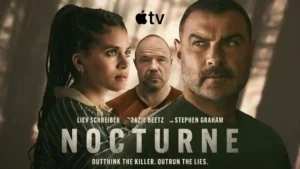
Nocturne

Nocturne

Overall score 3.7 / 5

Based on 23 scored reviews

vs
Tracker, Season 4

Tracker, Season 4

Overall score 3.7 / 5

Based on 28 scored reviews

How we score

Scorata scores summarize analyzed review evidence on a 1–5 scale; they are not laboratory measurements or a simple average of customer star ratings. Feature scores summarize the reviews covering that feature. The overall score averages feature scores within each review, then combines review averages. When both expert and customer evidence are available, those two groups receive equal weight. Products can have different review coverage, so small score gaps do not establish a winner.

Recommendations prioritize important features for the category, with a score of at least 3.5, a gap of at least 0.25 points and at least two supporting reviews per product. Features with widely varying scores or broad connectivity contexts are excluded from recommendations. These safeguards do not establish statistical significance.

Quick verdict

What each product is best for

The review evidence points to a tradeoff: Narrative stakes and villain quality versus Investigative procedure and character appeal. Choose according to which strengths matter more to you; the overall score alone does not settle that choice.

Choose Nocturne for Narrative stakes and villain quality.

Choose Tracker, Season 4 for Investigative procedure and character appeal.

Why these recommendations?

Nocturne

Where It Has the Edge

  • Narrative stakes is 4.8 vs 3.5. Saga’s undercover danger and the missing-girl investigation create escalating personal stakes. Favorable assessments find that each episode gives...
  • villain quality is 4.7 vs 3.5. Jurek’s apparent gentleness, calculated empathy, and eerie calm make him the show’s strongest attraction. A dissenting view finds...
  • Family relationships is 4.3 vs 3.6. Parenthood and letting go deepen the central mystery, and the Frost family’s early scenes are described as heartfelt....

Tracker, Season 4

Where It Has the Edge

  • Investigative procedure is 4.2 vs 2.0. The strongest investigations connect physical clues with witness accounts and Randy’s research. Acknowledging the team’s information advantage also...
  • character appeal is 4.4 vs 3.7. Colter’s appeal rests on practical kindness as much as competence. His concern for vulnerable clients and troubled witnesses...
  • renewal interest is 4.3 vs 3.8. The familiar cases and promising personal-story changes leave several accounts eager for more. There is clear interest in...
Nocturne 3.7 overall score
Tracker, Season 4 3.7 overall score

Compare features

Scores are out of 5. Missing scores mean missing review evidence, not a missing feature.

Scored on both products

Other features

Humor
Nocturne
1.5

The nearly total lack of humor is a drawback in one assessment. Its relentless seriousness makes the already grim atmosphere feel exhausting.

Tracker, Season 4
4.4

Dry impatience, a sharp insult and the convenience-store negotiation provide welcome comic relief. The humor gives the otherwise capable hero a more sociable, human edge.

Investigative procedure
Nocturne
2.0

The investigation and psychiatric-facility operations can require frustrating leaps of faith. Several critics single out decisions inside the hospital as difficult to believe.

Tracker, Season 4
4.2

The strongest investigations connect physical clues with witness accounts and Randy’s research. Acknowledging the team’s information advantage also makes Colter’s success more convincing than simple police incompetence.

Lighting quality
Nocturne
2.5

One critic finds the layered lighting and other visual flourishes disconnected from the material. Technical polish works against the grounded atmosphere the story needs.

Tracker, Season 4
4.5

Sunshine provides a welcome break from the show’s darker interiors and night scenes. The brighter wilderness episode benefits particularly from that relief.

Cinematography
Nocturne
2.8

The camera work creates eerie anticipation for one critic but feels plain and informational to another. A further complaint is that elaborate polish, lenses, and blurred backgrounds weaken the story’s grounded feel.

Tracker, Season 4
4.4

Brighter California locations, spectacular mountains and the scale of the port are major visual strengths. The premiere’s framing and scenic outdoor photography receive particularly warm praise.

Plot twists
Nocturne
3.1

Late twists divide opinion between exciting escalation and implausible excess. Several critics find the surprises telegraphed, although the tension often survives knowing what is coming.

Tracker, Season 4
4.5

Unexpected setbacks and the corrupt deputy’s late reversal keep the weekly cases from feeling automatic. The best twist changes the meaning of an apparent rescue.

Narrative stakes
Nocturne
4.8

Saga’s undercover danger and the missing-girl investigation create escalating personal stakes. Favorable assessments find that each episode gives the audience another reason to stay invested.

Tracker, Season 4
3.5

Setbacks and tactical vulnerability make later rescues feel more consequential. The premiere draws criticism for protecting Colter so thoroughly that its danger can feel manageable in advance.

Villain quality
Nocturne
4.7

Jurek’s apparent gentleness, calculated empathy, and eerie calm make him the show’s strongest attraction. A dissenting view finds his psychological power underused, with tricks and notes replacing the promised verbal warfare.

Tracker, Season 4
3.5

The abusive parents make frightening antagonists through the extremity of their fanaticism. Their characterization also follows familiar religious-horror conventions.

Setting shift execution
Nocturne
3.0

Moving the story to rural Pennsylvania largely works for one critic. Another finds the retained Scandinavian names awkward within the new setting.

Tracker, Season 4
4.1

The Los Angeles move generally refreshes the scenery and creates new physical storytelling opportunities. Some viewers miss the wooded atmosphere, and the broader promise of character renewal is still developing.

Location authenticity
Nocturne
3.0

The small-town setting captures a chilling local atmosphere for one critic. Another finds Pennsylvania’s people and daily life much less specific than in comparable regional dramas.

Tracker, Season 4
4.0

The California move draws approval from viewers who want the American settings to look more geographically convincing. One quoted fan contrasts that promise with earlier forest-heavy stand-ins.

Season pacing
Nocturne
3.3

Some critics find a breathless, steadily escalating thriller; others struggle through a glacial opening before momentum arrives. The later available episodes generally generate more excitement than the early setup.

Tracker, Season 4
2.4

The premiere is much stronger as an individual case than as a launch for a larger season arc. Several responses want more recognition of unresolved family threads and a clearer indication of where the season is going.

Emotional impact
Nocturne
3.5

The best performances bring grief and vulnerability into the detective story, and some critics find this its most effective dimension. Others feel mechanical characterization or excessive polish keeps them emotionally distant.

Tracker, Season 4
4.4

The strongest emotional payoffs come from frightened families being reunited and victims choosing to protect each other. Understated reassurance often works better than explicit speeches.

Realism
Nocturne
2.1

Hospital security, convenient coincidences, and implausible decisions repeatedly test suspension of disbelief. Strong acting helps some viewers accept these stretches, but logical plotting is a persistent weakness.

Tracker, Season 4
2.9

Coincidental leads, easily bypassed security and casual reactions to gunfire demand considerable suspension of disbelief. More nuanced treatment of police and a less overblown conspiracy occasionally provide welcome restraint.

Ensemble balance
Nocturne
2.6

The sprawling cast is not always served evenly: supporting figures can lose depth as attention shifts toward Jonah. An enthusiastic minority finds every subplot relevant, but crowding is a recurring complaint.

Tracker, Season 4
3.3

The ensemble works best when its members contribute directly to a shared investigation. Separate office scenes can feel like filler, though some welcome the new attention to the team’s own lives.

Family relationships
Nocturne
4.3

Parenthood and letting go deepen the central mystery, and the Frost family’s early scenes are described as heartfelt. These relationships give the investigation stakes beyond solving a puzzle.

Tracker, Season 4
3.6

Parental loss and responsibility give the premiere a warm emotional foundation, and family-linked cases remain engaging. Later parental-abuse revelations carry more troubling implications than some episodes have time to explore.

Cast chemistry
Nocturne
4.7

The hospital encounters create the strongest sparks, particularly Graham’s exchanges with Culkin and Beetz. Several critics also find the wider ensemble’s relationships convincing and mutually reinforcing.

Tracker, Season 4
4.0

Reenie and Adam’s easy flirtation is a recurring highlight. Colter and Jenna divide opinion, with some finding solid promise and others seeing only surface chemistry without enough shared history.

Trauma portrayal
Nocturne
3.4

Performers often make the characters’ old wounds and Michael’s post-captivity distress convincing. The writing is more divisive, sometimes treating trauma as a heavy backstory or neglecting its inner consequences.

Tracker, Season 4
4.0

The abused teenager’s safe placement offers hope without pretending that safety completes his recovery. The emotional resolution values help from others while leaving the consequences of his ordeal intact.

Professional life portrayal
Nocturne
2.0

The nursing workload and institutional pressures offer potential depth, but one critic finds them reduced to plot devices. The workplace itself receives less meaningful exploration than its premise promises.

Tracker, Season 4
2.6

Reenie’s expanded world divides opinion, with some welcoming independent stories and others finding them distracting. The prolonged office search is the most persistent complaint and needs a purpose beyond finding new premises.

Writing quality
Nocturne
3.0

Sharp dialogue and steady information release help the thriller work at its best. Critics also point to contrived decisions, excessive withholding, and characters whose emotional lives serve the plot too narrowly.

Tracker, Season 4
3.5

Small character reactions and useful contrasts between personal stories improve the writing. Thin explanations, an underused family parallel and distracting subplots keep that improvement uneven.

Atmosphere
Nocturne
3.5

A gloomy small town and claustrophobic hospital create sustained dread for many critics. Others find the darkness so heavy and self-conscious that it drains energy rather than deepening suspense.

Tracker, Season 4
3.0

The port creates tension without making the entire premiere grim. Later cases become much harder to stomach as the season explores more sinister crimes.

Opening sequence quality
Nocturne
5.0

The opening quickly establishes Jurek’s sinister influence. One critic ranks it among the psychological-thriller genre’s best openers.

Tracker, Season 4
4.5

The wilderness episode’s camera discovery is an effective opening device. Realizing that someone has been photographing the hikers makes an apparently empty trail feel threatening.

Renewal interest
Nocturne
3.8

Some critics see enough strong characters and source material to welcome another season. That interest is conditional on a satisfying finish and improvement to the current plotting weaknesses.

Tracker, Season 4
4.3

The familiar cases and promising personal-story changes leave several accounts eager for more. There is clear interest in the show continuing to develop beyond its current formula.

Suspense
Nocturne
4.3

The hospital mind games and race to find a missing girl can be gripping even when twists are predictable. A smaller group finds the prolonged setup and heavy mood ineffective at generating real tension.

Tracker, Season 4
3.9

Race-against-time searches and unexpected setbacks can make the rescues tense. Colter’s seemingly guaranteed success sometimes drains uncertainty, especially in the premiere.

Drama quality
Nocturne
4.8

The series earns praise as an emotionally charged crime drama, with Schreiber and Beetz supplying its turbulent core. Its strongest dramatic pull comes from the characters’ personal stakes.

Tracker, Season 4
4.3

Family responsibility gives the premiere human weight, while later stories find moving drama in victims protecting each other. Small glimpses of Colter’s values enrich the crime format.

Originality
Nocturne
2.9

The series relies heavily on familiar broken-cop and imprisoned-mastermind conventions. Its manipulative villain and emphasis on how crimes continue offer fresh interest for some, while others see an overly familiar remix.

Tracker, Season 4
3.3

New locations and occasional case variations refresh the formula without reinventing it. Familiar procedural turns and a contrived office arrangement remain noticeable limits to the season’s novelty.

Character development
Nocturne
2.8

Karl and Saga offer intriguing psychological layers, but Jonah and several supporting roles often feel underwritten. Critics disagree over whether the slow reveal deepens these people or reduces them to plot functions.

Tracker, Season 4
3.2

The season gradually reveals more of Colter through small personal reactions and tentative romance. Early episodes still draw criticism for limited growth, thinly introduced partners and uneven use of Mel, while the supporting mysteries offer promise.

Dialogue quality
Nocturne
3.8

The hospital exchanges can be sharp and even brilliant, particularly between Beetz and Graham. Another critic finds the dialogue too carefully manufactured to sound like real people.

Tracker, Season 4
3.5

Colter’s dry exchanges and cutting remarks add welcome humor. Office conversations are less effective when they carry too much explanation and setup.

Genre satisfaction
Nocturne
4.2

Strong performances and effective tension make this a satisfying crime thriller for its admirers. Familiar conventions limit its distinctiveness, but several critics still place it above many contemporary genre entries.

Tracker, Season 4
4.5

The familiar mystery and procedural pleasures remain effective: clear cases, investigative momentum and confident rescues. Viewers already drawn to that format have a solid reason to return.

Protagonist agency
Nocturne
4.5

Saga actively advances the investigation rather than simply enduring the villain’s games. Her ability to extract information and manipulate the manipulator gives the undercover storyline force.

Tracker, Season 4
4.2

Colter’s independent fieldwork is appealing, especially when he wins through observation and tactics. Later rescues also gain substance by allowing the victims to make consequential choices.

Workplace teamwork portrayal
Nocturne
4.5

The investigators’ cooperation avoids familiar jurisdictional arguments. That practical teamwork lets the story concentrate on the killer’s attacks and the shared effort to stop him.

Tracker, Season 4
4.2

The team is most convincing when Randy’s research, Reenie’s contacts and Mel’s knowledge materially advance the rescue. Giving them shared work and personal stakes can make them feel like colleagues rather than resources accessed between scenes.

Character screen time
Nocturne
2.3

Quinn, Ida, Nathan, and the tense hospital encounters can feel shortchanged. Some critics also want Jurek’s psychological abilities used more fully rather than keeping the most magnetic presence at a distance.

Tracker, Season 4
2.0

Mel’s promotion does not immediately translate into substantial independent material. Several accounts want the show to give her more attention and a clearer purpose.

Flashback storytelling
Nocturne
3.3

The flashbacks can give the present-day mystery useful stakes and context. Other critics find the same device stingy with essential information or too busy adding disturbing incidents to clarify events.

Tracker, Season 4
3.0

Victim flashbacks can efficiently clarify what happened. Their value drops when they repeat an already obvious horror or leave a more important choice unexplained.

Story quality
Nocturne
3.7

The central mystery can be addictive and thought-provoking, especially once the hospital plot gathers strength. Its reception is split by overcrowded threads, delayed context, familiar beats, and uneven episodes.

Tracker, Season 4
4.0

The early cases are generally compelling when clear clues connect to specific human stakes. Well-timed reversals and victims who help shape their rescue are strengths; underdeveloped implications and weak side plots remain limitations.

Plot clarity
Nocturne
2.6

Multiple timelines, investigations, and withheld connections make the story feel overcrowded to several critics. One enthusiastic assessment finds the plotting notably coherent, so tolerance for the mystery’s complexity matters.

Tracker, Season 4
2.9

The premiere’s immediate objective is easy to follow. Abrupt romantic introductions, unexplained withholding of information and gaps in victims’ decisions can leave individual scenes less clear.

Theme depth
Nocturne
3.2

Grief, parenthood, revenge, and ethical gray areas give the mystery substance for some critics. Others feel that withheld backstory and plot machinery prevent these ideas from developing fully.

Tracker, Season 4
3.2

Responsibility, compassion and the victims’ mutual care give the cases meaning. Trafficking and disturbing family dynamics sometimes receive too little reflection before the story moves on.

Bingeability
Nocturne
4.5

An addictive central mystery and escalating stakes invite continued watching. Continuous viewing may also make the slow opening and delayed explanations easier to tolerate.

Tracker, Season 4
4.5

Straightforward cases with clear answers make one episode easy to follow with another. The familiar rhythm encourages continued watching without demanding much effort.

Tonal consistency
Nocturne
3.0

The detective mystery and reflection on psychiatric care do not always balance smoothly. The mismatch is noticeable without completely undermining the show.

Tracker, Season 4
3.0

The premiere balances tension with warmth effectively. Abruptly leaving a disturbing family revelation behind makes the wilderness episode’s tonal transition much less comfortable.

Comfort and build

Production design
Nocturne
5.0

The clinical cell and dim police-station interiors create effective claustrophobia. These confined spaces strengthen the sense that Jurek’s influence reaches beyond his physical surroundings.

Tracker, Season 4
2.6

The port’s industrial maze gives the premiere an effective physical setting. The oversized temporary office is less successful, drawing complaints about coldness, wasted space and inadequate furnishings.

Visual style
Nocturne
3.1

The small-town setting gives the thriller a distinct, handsome identity for some. Others find its glossy sheen poorly matched to the grounded material.

Tracker, Season 4
4.1

The new California palette gives the show a brighter and more varied look. Rugged industrial spaces and wide-open mountain scenery are repeatedly praised.

Ownership and support

Entertainment value
Nocturne
3.2

Responses range from one of the year’s best shows to a competent but unexciting crime drama. Strong performances are the most dependable draw when the mystery feels slow or contrived.

Tracker, Season 4
4.2

Most accounts find the early season engaging, accessible and often very enjoyable. Familiar cases remain entertaining even where predictable heroics or detached subplots limit the excitement.

Production value
Nocturne
3.9

The production is widely seen as handsome and well made. Its polish can become a drawback when it feels overproduced and distant from the grounded story.

Tracker, Season 4
4.0

The perceived budget increase gives the premiere’s action more scale. The stunt work is the clearest visible benefit of the larger production resources.

Controls and connectivity

Character appeal
Nocturne
3.7

Karl’s vulnerability, Saga’s resourcefulness, and several supporting figures create strong interest. Jonah is more divisive, with reactions ranging from an engaging flawed protagonist to an uninspiring genre fixture.

Tracker, Season 4
4.4

Colter’s appeal rests on practical kindness as much as competence. His concern for vulnerable clients and troubled witnesses makes the formidable rescuer easy to root for.

Performance

Main cast performance
Nocturne
4.7

Graham’s controlled menace and Beetz’s layered undercover work dominate the praise. Schreiber’s restrained detective divides opinion between quietly devastating and too familiar.

Tracker, Season 4
4.5

Hartley remains the central draw, combining quiet reassurance with convincing physical work. His less assured personal moments add welcome texture to the dependable lead.

Acting performance
Nocturne
4.6

The cast is the clearest shared strength, with Graham and Beetz drawing especially enthusiastic praise. Even disappointed critics usually credit the performers with elevating uneven material.

Tracker, Season 4
4.5

Justin Hartley’s restraint and physical confidence anchor the early season. Dry impatience, romantic awkwardness and charismatic supporting encounters give the performances welcome variety.

Supporting cast performance
Nocturne
4.3

Culkin’s vulnerable nurse and Jagannathan’s forceful but human agent frequently enrich the thriller. Camp is a standout for some, while one critic finds Culkin’s nervous manner overplayed.

Tracker, Season 4
4.4

The supporting and recurring performers are warmly received when their material serves the case. Reenie and Adam’s flirtatious scene is a particular highlight.

Evidence available for one product

Controls and connectivity

Accent appeal
Nocturne
4.7

Schreiber’s regional delivery is a particular pleasure, while Graham’s chilling vocal choices help define the villain. Accent work also earns praise for adding texture to the ensemble.

Tracker, Season 4No score yet
Guest appearances
NocturneNo score yet
Tracker, Season 4
4.3

Weekly cases create room for enjoyable and sometimes unusually strong guest appearances. Becca stands out as a useful partner with local knowledge and a distinct presence.

Marketing appeal
Nocturne
4.5

The trailer earns praise for planting uncertainty about whether Jurek’s influence is supernatural or psychological. That favorable impression concerns the promotional material rather than the completed season.

Tracker, Season 4No score yet
Nostalgia appeal
Nocturne
4.5

The familiar rhythms recall the wave of serial-killer thrillers that followed Hannibal Lecter in the 1990s. For the right viewer, that predictability is part of the comfort.

Tracker, Season 4No score yet

Other features

Accent authenticity
Nocturne
3.7

Camp’s Western Pennsylvania accent and the ensemble’s regional speech earn strong approval from some critics. Another finds the accents inconsistent, so the authenticity does not convince everyone.

Tracker, Season 4No score yet
Accountability handling
NocturneNo score yet
Tracker, Season 4
4.0

The corrupt-deputy story leaves room for consequences beyond recovering stolen money. A departmental investigation gives the wrongdoing a meaningful institutional response.

Action sequence quality
NocturneNo score yet
Tracker, Season 4
4.4

Additional stunts, the port infiltration and a tactical final confrontation keep the action lively. The most effective sequences ask Colter to observe and adapt as well as fight.

Casting quality
Nocturne
4.5

Schreiber is considered a strong fit for Jonah, and Culkin is singled out as perfectly cast as Karl. Their ability to provoke frustration with the characters is treated as effective acting rather than a casting failure.

Tracker, Season 4No score yet
Character consistency
Nocturne
2.7

One favorable assessment finds Jonah’s choices grounded in his past, but others see characters making foolish decisions to move the plot. The most frustrating behavior often occurs around the hospital investigation.

Tracker, Season 4No score yet
Child abuse portrayal
NocturneNo score yet
Tracker, Season 4
3.5

The parental-abuse case gains force from its deliberate development and the victims’ surviving compassion. Some coverage finds the repeated images of suffering heavier than the story needs.

Cliffhanger effectiveness
NocturneNo score yet
Tracker, Season 4
2.0

One premiere response misses a stronger closing hook toward the season’s larger story. The notebook glimpse does not provide the cliffhanger that viewer wanted.

Comic timing
NocturneNo score yet
Tracker, Season 4
5.0

Colter’s dry response to a threat lands especially well because of its comic timing. The brief exchange turns his confidence into an effective joke.

Consent and relationship ethics
NocturneNo score yet
Tracker, Season 4
4.5

Reenie’s reunion with Adam works best when her reservations remain meaningful. His charm and apology create possibilities without automatically earning renewed intimacy.

Continuity
NocturneNo score yet
Tracker, Season 4
2.0

The premiere barely acknowledges several lingering threads from the previous finale. A later episode also strains continuity when previously unreliable phone service becomes conveniently available.

Directing quality
Nocturne
3.8

The direction is often praised for eerie atmosphere, momentum, and natural character dynamics. Dissenters find it too dutiful or unable to overcome implausible plotting.

Tracker, Season 4No score yet
Ending satisfaction
NocturneNo score yet
Tracker, Season 4
4.2

Warm reunions and the second rescue in the corrupt-deputy case produce satisfying conclusions. The wilderness episode is more divisive because its disturbing family revelation is rushed before the farewell.

Episode length
Nocturne
2.0

One critic finds the episodes considerably longer than necessary. The expanded running time adds to the sense that familiar thriller material has been stretched.

Tracker, Season 4No score yet
Episode pacing
NocturneNo score yet
Tracker, Season 4
2.9

The premiere moves briskly, and the parental-abuse case benefits from a more deliberate pace. Extended office hunting and rushed treatment of disturbing final revelations create the clearest pacing complaints.

Episode structure
NocturneNo score yet
Tracker, Season 4
3.9

Self-contained rescues remain an accessible and satisfying foundation. Parallel victim scenes and broader personal plots work best when they add uncertainty or character insight rather than interrupt the investigation.

Ethical sensitivity
NocturneNo score yet
Tracker, Season 4
2.0

The premiere’s trafficking revelation carries more moral weight than its quick resolution allows. Critics want greater attention to the rescued people and the significance of their exploitation.

Exposition repetition
Nocturne
3.0

Exposition slows the otherwise strong clip slightly more than necessary. The pauses are still considered less intrusive than in many contemporary thrillers.

Tracker, Season 4No score yet
Faithfulness to source material
Nocturne
3.5

The adaptation’s handling of the novels is sharply contested. Some find that its liberties preserve or enhance their frightening essence, while others believe it misses the wider impact of Jurek’s crimes.

Tracker, Season 4No score yet
Friendship portrayal
NocturneNo score yet
Tracker, Season 4
3.9

Professional friendship gives Colter’s work a wider human world, while the victims’ protective bond makes a later case particularly moving. His existing friendships still need room beyond emergency check-ins.

Grief portrayal
Nocturne
4.8

Jonah’s grief can be evocative, while the broader mystery integrates parenthood and letting go with unusual elegance for one critic. The emotional weight is a meaningful part of the show’s appeal.

Tracker, Season 4No score yet
Memorability
Nocturne
4.3

Several favorable assessments expect the thriller to linger, particularly once its later episodes gather force. Its unsettling central performance is a major part of that impression.

Tracker, Season 4No score yet
Mental health portrayal
Nocturne
2.5

The hospital setting raises promising questions about care and vulnerability, but treatment of these ideas is uneven. One criticism is that Saga’s internal response to isolation and reopened wounds remains underexplored.

Tracker, Season 4No score yet
Mystery payoff
Nocturne
3.0

The steady discovery of Jurek’s plan works well for some, while other clues land unevenly. One especially predictable reveal is criticized as both heavily signposted and stale; the final resolution remains unassessed.

Tracker, Season 4No score yet
Narrative structure
Nocturne
5.0

One enthusiastic assessment finds the nonlinear construction unusually effective. Visits to the past give present-day events meaning rather than merely interrupting them.

Tracker, Season 4No score yet
Release schedule
NocturneNo score yet
Tracker, Season 4
1.5

One streaming response strongly dislikes having to wait until the following day to watch the premiere on demand. The delay is a practical frustration for that viewer.

Religious messaging
NocturneNo score yet
Tracker, Season 4
3.0

The abusive parents’ religious fanaticism is frightening but familiar genre territory. Their distorted beliefs function as a justification for cruelty rather than a novel antagonist concept.

Romance quality
NocturneNo score yet
Tracker, Season 4
3.6

Romance offers a welcome route into Colter’s private life, but Jenna’s abrupt introduction and limited identity weaken investment for some. Reenie and Adam have stronger immediate flirtation, while Becca is also seen as an appealing possibility.

Score quality
Nocturne
3.0

The music amplifies dread for one critic but becomes an intrusive, pained screech for another. Its forceful presence is a significant part of the show’s mood.

Tracker, Season 4No score yet
Season length
Nocturne
3.0

Ten hours gives the familiar thriller formula a substantially larger commitment than a movie. One critic notes the repeated rhythm of Jonah proving himself right across that longer format.

Tracker, Season 4No score yet
Streaming availability
NocturneNo score yet
Tracker, Season 4
1.5

One viewer strongly criticizes being unable to stream the episode immediately after its broadcast. That complaint concerns the viewer’s access experience rather than the case itself.

Survival problem-solving
NocturneNo score yet
Tracker, Season 4
4.5

Remote terrain gives Colter’s tracking and survival abilities useful work to do. His competence becomes especially engaging when limited support forces him to read the landscape himself.

Violence level
NocturneNo score yet
Tracker, Season 4
2.0

The parental-abuse episode draws criticism for repeating images and reminders of cruelty after the danger is already clear. These complaints concern excessive emphasis, not a request for more intense violence.

Performance

Marketing accuracy
Nocturne
2.5

The trailer sets expectations that the series does not fully meet for one critic. The finished show remains engaging, but its production choices fall short of that initial promise.

Tracker, Season 4No score yet
Soundtrack quality
Nocturne
1.5

One critic finds the soundtrack intrusively shrill. Its insistence on signaling pain and dread detracts from the drama.

Tracker, Season 4No score yet

Comfort and build

World-building
Nocturne
4.0

The opening establishes the thriller’s world effectively. Its gloomy town, institutional setting, and intertwined mysteries create a clear foundation even as the familiar ingredients accumulate.

Tracker, Season 4No score yet

Other Top TV Shows to Consider

#1 Colin From Accounts, Season 3
4.8

Best for sharp adult humor, magnetic chemistry and a deeply satisfying farewell. Skip it if familiar will-they-won’t-they plotting or deliberately messy leads are dealbreakers.

Pros: humor, writing quality

#2 Widow’s Bay
4.8

Choose Widow’s Bay for its dark laughs, richly haunted island and memorable ensemble. Skip it if you need straightforward scares, rapid answers to every mystery or a completely resolved finale.

Pros: humor, genre satisfaction

Cons: ending satisfaction, season pacing

#3 King of the Hill, Season 15
4.7

Choose Season 15 for warm, character-driven comedy, meaningful growth, and a finale that rewards longtime fans. Skip it if the short binge format, uneven replacement voices, or occasional clumsy commentary...

Pros: franchise connection, character development

#4 The Pitt, Season 2
4.7

Best for sharply acted, compassionate, high-pressure hospital drama. Skip it if graphic procedures unsettle you or you need a neatly resolved season finale.

Pros: character development, acting performance

Cons: character consistency, dialogue quality