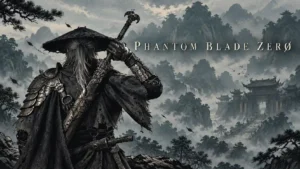
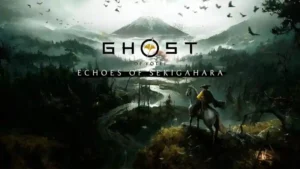
Compare Phantom Blade Zero vs Ghost of Yotei: Echoes of Sekigahara

Phantom Blade Zero

Phantom Blade Zero

Overall score 4.1 / 5

Based on 59 scored reviews

vs
Ghost of Yotei: Echoes of Sekigahara

Ghost of Yotei: Echoes of Sekigahara

Overall score 4.1 / 5

Based on 22 scored reviews

How we score

Scorata scores summarize analyzed review evidence on a 1–5 scale; they are not laboratory measurements or a simple average of customer star ratings. Feature scores summarize the reviews covering that feature. The overall score averages feature scores within each review, then combines review averages. When both expert and customer evidence are available, those two groups receive equal weight. Products can have different review coverage, so small score gaps do not establish a winner.

Recommendations prioritize important features for the category, with a score of at least 3.5, a gap of at least 0.25 points and at least two supporting reviews per product. Features with widely varying scores or broad connectivity contexts are excluded from recommendations. These safeguards do not establish statistical significance.

Quick verdict

What each product is best for

The review evidence points to a tradeoff: marketing accuracy and innovation versus platforming precision and dialogue quality. Choose according to which strengths matter more to you; the overall score alone does not settle that choice.

Choose Phantom Blade Zero for marketing accuracy and innovation.

Choose Ghost of Yotei: Echoes of Sekigahara for platforming precision and dialogue quality.

Why these recommendations?

Phantom Blade Zero

Where It Has the Edge

  • marketing accuracy is 5.0 vs 2.5. Several players initially doubted that the polished footage represented achievable gameplay. Their finished-game experience meets or exceeds that...
  • innovation is 4.6 vs 2.5. The strongest praise centers on a fresh blend of offense, defense, and weapon-switch resource recovery. Several pre-release accounts...
  • animation quality is 4.8 vs 3.7. Fluid motion capture and bespoke weapon animations make ordinary exchanges look like choreographed martial arts. A few players...

Ghost of Yotei: Echoes of Sekigahara

Where It Has the Edge

  • platforming precision is 4.5 vs 1.8. Climbing, grappling and sliding provide enjoyable breaks between fights. The weight of traversal and the views along the...
  • dialogue quality is 4.8 vs 2.3. Atsu and Nagato's tense, playful exchanges keep walking sequences engaging. Their conversations are a particular strength of the...
  • graphics settings is 4.8 vs 3.3. Graphics options offer welcome flexibility, with praise for the new contrast setting and image clarity. One especially enthusiastic...
Phantom Blade Zero 4.1 overall score
Ghost of Yotei: Echoes of Sekigahara 4.1 overall score

Compare features

Scores are out of 5. Missing scores mean missing review evidence, not a missing feature.

Scored on both products

Other features

Platforming precision
Phantom Blade Zero
1.8

Manual jumps and ledge boundaries can feel unreliable. Invisible walls and awkward landings are particularly frustrating beside the otherwise effortless martial movement.

Ghost of Yotei: Echoes of Sekigahara
4.5

Climbing, grappling and sliding provide enjoyable breaks between fights. The weight of traversal and the views along the way are particular strengths.

Collectibles
Phantom Blade Zero
2.0

Dense collectible books and stationary memory monologues can become tedious. Frequent interruptions weaken the pace for players who primarily want to return to combat.

Ghost of Yotei: Echoes of Sekigahara
4.5

One completion-focused account appreciates how collecting and clearing the region contributes to a larger narrative payoff. The activities feel connected to liberation rather than detached cleanup.

Dialogue quality
Phantom Blade Zero
2.3

Dialogue is criticized for awkward English phrasing or exchanges that offer little useful story context. Strong performances do not consistently overcome those writing problems.

Ghost of Yotei: Echoes of Sekigahara
4.8

Atsu and Nagato's tense, playful exchanges keep walking sequences engaging. Their conversations are a particular strength of the new partnership.

Load times
Phantom Blade Zero
2.5

The first shader-compilation step takes a noticeable amount of time. The tested playthrough does not encounter the same preparation screen again afterward.

Ghost of Yotei: Echoes of Sekigahara
5.0

Fast-travel loading is described as effectively instantaneous, helping movement around the region feel seamless.

Photo mode
Phantom Blade Zero
2.5

The absence of Photo Mode is explicitly regretted. The martial spectacle and detailed world make it a feature one player particularly wants.

Ghost of Yotei: Echoes of Sekigahara
5.0

The photo mode receives exceptional praise for its range of options. It is a major attraction for players who enjoy composing images of the scenery.

World interactivity
Phantom Blade Zero
2.5

Environmental destruction and traversal interactions are more tightly controlled than one player wants. Authored routes limit opportunities to experiment freely with the landscape.

Ghost of Yotei: Echoes of Sekigahara
4.9

Helping the region changes the hot-springs settlement and surrounding environment visibly. New residents, vendors and returning natural life make progress feel consequential beyond equipment rewards.

Loot system
Phantom Blade Zero
1.8

Late pickups can lose their value when currency and materials are already plentiful or tier limits prevent spending them. For some players, the constant collecting becomes an interruption rather than a reward.

Ghost of Yotei: Echoes of Sekigahara
4.0

Armor and other equipment rewards do more than fill a collection. Their abilities and visual options make exploration feel useful.

Polish
Phantom Blade Zero
2.8

Small collision, rendering, and interface faults accumulate even in highly favorable accounts. The harshest assessments consider the remaining roughness something that should have been caught before release.

Ghost of Yotei: Echoes of Sekigahara
5.0

One enthusiastic assessment finds the experience exceptionally polished, with no noticeable friction or interruptions.

Originality
Phantom Blade Zero
4.6

Traditional and industrial influences give the game a distinctive identity, even when its component ideas are familiar. Praise centers on the care used to refine and combine those ideas rather than universal claims of radical originality.

Ghost of Yotei: Echoes of Sekigahara
2.5

One criticism finds the parry-and-counter formula too familiar to stay fresh. Stylish presentation does not fully prevent mechanical repetition.

Innovation
Phantom Blade Zero
4.6

The strongest praise centers on a fresh blend of offense, defense, and weapon-switch resource recovery. Several pre-release accounts also admire the ambition of adaptive enemies and the game’s distinctive identity.

Ghost of Yotei: Echoes of Sekigahara
2.5

The expansion refines an established formula more than it reinvents one. That conservatism is the most consistent reservation even among positive accounts.

Bug frequency
Phantom Blade Zero
2.5

Getting caught on scenery, falling through the ground, and enemies slipping behind boundaries are recurring complaints. Their frequency varies substantially between playthroughs and builds.

Ghost of Yotei: Echoes of Sekigahara
4.5

One full playthrough reports no game-breaking bugs and explicitly welcomes that reliability. There is no broader catalog of minor issues in that account.

Movement feel
Phantom Blade Zero
2.7

Soul’s combat agility does not consistently translate into free movement through the world. Some admire the acrobatic traversal, while others dislike automatic flourishes, low jumps, and invisible boundaries.

Ghost of Yotei: Echoes of Sekigahara
4.5

Weighty climbing and fluid grappling make traversal enjoyable, while Jin's transitions between combat stances give him a distinct feel.

Combat readability
Phantom Blade Zero
4.1

Many players find the attack cues precisely timed and easier to follow than the spectacle suggests. Crowded encounters, obstructed views, and floaty enemy motion can still make threats difficult to read.

Ghost of Yotei: Echoes of Sekigahara
2.3

Some unblockable attacks arrive too quickly to read comfortably. Those moments make timing-sensitive fights feel less fair.

Writing quality
Phantom Blade Zero
2.6

Writing ranges from memorable small-character dialogue to confusing chronology and clumsy English lines. The strongest criticism concerns missing context for relationships and the events being discussed.

Ghost of Yotei: Echoes of Sekigahara
4.4

The script generally handles vulnerability, guilt and the Snake's legacy with care. Strong character writing helps carry predictable developments, though some wanted more time spent establishing the central relationship.

Grind level
Phantom Blade Zero
4.9

Progression generally avoids farming the same enemies for experience. Permanent encounter progress and exploration-based upgrades help the journey feel purposeful rather than padded.

Ghost of Yotei: Echoes of Sekigahara
3.4

Some find the unlock pace smooth and the cosmetics worth working toward. Others dislike rebuilding basic combat abilities or grinding before reaching their preferred character.

Graphics settings
Phantom Blade Zero
3.3

Performance-oriented settings and upscaling often provide the preferred balance for this fast action game. Ray tracing, path tracing, and sharper graphical modes can cost more responsiveness than players consider worthwhile.

Ghost of Yotei: Echoes of Sekigahara
4.8

Graphics options offer welcome flexibility, with praise for the new contrast setting and image clarity. One especially enthusiastic account finds the available settings unusually comprehensive.

Camera behavior
Phantom Blade Zero
2.3

Confined spaces and large enemies can push the camera behind scenery or hide incoming attacks. One PC account also reports jerky camera movement alongside severe stuttering.

Ghost of Yotei: Echoes of Sekigahara
3.8

Camera reactions range from praise for well-timed scenic framing to complaints about sluggish behavior in combat. The inconsistency matters most when fast attacks demand quick responses.

Sandbox freedom
Phantom Blade Zero
3.1

Flexible weapon builds allow considerable expression within combat. Prescribed routes, automatic traversal, and colored response cues can feel restrictive to players seeking greater freedom.

Ghost of Yotei: Echoes of Sekigahara
4.5

Optional discoveries reward following curiosity rather than staying on the main path. The region works well for players who like choosing their next detour themselves.

Skill tree depth
Phantom Blade Zero
3.9

Useful abilities and refundable skills help tailor combat, but the tree is less celebrated than the weapons. Some unlocks feel substantial, while others seem like basic functions held back unnecessarily.

Ghost of Yotei: Echoes of Sekigahara
2.5

The heavy-weapon skill tree is thin, with just four skills that can be unlocked early. It feels more like a small extension than a substantial new progression path.

Learning curve
Phantom Blade Zero
4.4

Many players find the timing intuitive within minutes, while others need time to turn frantic inputs into deliberate combinations. The skill ceiling remains high after the basics become comfortable.

Ghost of Yotei: Echoes of Sekigahara
3.0

Most Wanted takes time to reveal its best qualities. Early repetition gives way to more satisfying combat options as skills and rarer perks unlock.

Character development
Phantom Blade Zero
3.2

Soul’s depth and the cast’s development divide opinion. Some find revealing backstories and a fully realized hero, while others see underdeveloped characters beneath the drama.

Ghost of Yotei: Echoes of Sekigahara
4.5

Flashbacks reveal a more vulnerable Atsu and give her journey valuable personal context. This added dimension is one of the expansion's most consistent strengths.

AI behavior
Phantom Blade Zero
3.8

Adaptive Hellwalker opponents can introduce feints and unpredictable responses. Routine enemy awareness can be less convincing, and teleporting foes frustrate one player.

Ghost of Yotei: Echoes of Sekigahara
2.5

Some enemies are too relentlessly aggressive, punishing attempts to take the initiative. That behavior can make fights feel overly reactive.

Stealth mechanics
Phantom Blade Zero
4.7

Stealth and chained takedowns add stylish ways to thin enemy groups and keep the pace moving. Favorable accounts praise their feel alongside the main fighting.

Ghost of Yotei: Echoes of Sekigahara
3.4

Traps make sneaking more deliberate, but opinions split on whether that creates useful tension or merely slows things down. Several critics wanted stronger stealth layouts and more substantial changes.

Pacing
Phantom Blade Zero
3.1

Fighting often maintains excellent momentum, but exposition, repeated pickups, and prolonged boss phases can interrupt it. Some enjoy lighter encounters as breathing space between tougher duels.

Ghost of Yotei: Echoes of Sekigahara
4.3

The main story is generally praised for its focused pace and well-timed flashbacks. A dissenting view finds its attention to the past too inconsequential, while another welcomes its self-contained placement.

Animation quality
Phantom Blade Zero
4.8

Fluid motion capture and bespoke weapon animations make ordinary exchanges look like choreographed martial arts. A few players need time to adjust to floaty enemy motion or repeated early finishers, but most praise the range and physicality of the movement.

Ghost of Yotei: Echoes of Sekigahara
3.7

Combat animations look stylish and complex, particularly during standoffs. Some transitions from cinematics back to ordinary NPC movement can look awkward.

Frame rate stability
Phantom Blade Zero
3.3

Many tests are mostly smooth, but rain-heavy locations, water effects, and certain bosses can cause substantial drops. Results range from excellent PS5 Pro stability to severe PC stuttering and unplayable Steam Deck frame rates.

Ghost of Yotei: Echoes of Sekigahara
4.4

Most accounts describe smooth exploration with occasional dips during large or hectic fights. One particularly enthusiastic playthrough reports no frame drops at all.

Economy and resource balance
Phantom Blade Zero
2.7

Resource pacing draws conflicting reactions. Some appreciate generous upgrade supplies, while others find early scarcity restrictive or late abundance so excessive that it undermines rewards and difficulty.

Ghost of Yotei: Echoes of Sekigahara
3.6

Currency pacing divides opinion: some find upgrades arrive smoothly, while others dislike slow early earnings and expensive basic skills. Campaign rations have clear uses for both cooking and equipment upgrades.

Narrative quality
Phantom Blade Zero
3.3

The story sharply divides opinion: some find an emotional wuxia epic, while others struggle with terminology, flashbacks, and missing character context. Optional material can substantially change how satisfying the ending feels.

Ghost of Yotei: Echoes of Sekigahara
4.1

The campaign's strongest contribution is a personal story that gives Atsu's past and the consequences of revenge more weight. Predictability and a few underdeveloped turns limit its impact for some, with one strongly disappointed account finding the new narrative inconsequential.

Fast travel convenience
Phantom Blade Zero
4.2

Bells and shortcuts reduce the burden of revisiting earlier regions. Requiring a consumable for travel away from a bell adds a little deliberate planning without excessive inconvenience.

Ghost of Yotei: Echoes of Sekigahara
5.0

Fast travel is praised as immediate and frictionless. It makes revisiting locations unusually convenient.

Endgame content
Phantom Blade Zero
2.8

The combat leaves some players wanting an endless arena or a way to replenish cleared encounters. New Game Plus provides more fighting, but does not fully answer the wish for repeatable battles.

Ghost of Yotei: Echoes of Sekigahara
3.5

Most Wanted gives the post-campaign game more combat opportunities and unlockable rewards. Players hoping for fresh Legends missions may still find the additions incomplete.

Narrative tone consistency
Phantom Blade Zero
4.8

Human motives keep the supernatural and industrial fantasy grounded. The varied influences are praised for retaining a coherent kungfupunk identity.

Ghost of Yotei: Echoes of Sekigahara
4.0

The new chapter usually integrates naturally with the main story and preserves its coherence. Playing after the ending can make references to stopping Saito's campaign feel jarring.

Immersion
Phantom Blade Zero
3.8

Authentic movement and carefully built locations can make the world deeply absorbing. Collision faults, restrictive traversal, and distracting hair glitches can break that illusion.

Ghost of Yotei: Echoes of Sekigahara
4.5

Natural audio, convincing dialogue and the alternate soundtrack help draw players into Ezo. The music mode can be a particularly strong immersion aid for those who enjoy its style.

Combat system
Phantom Blade Zero
4.7

Simultaneous attacking, guarding, parrying, and weapon switching produce exceptionally fluid martial combat. The main reservations concern repetitive fodder fights and how much active freedom remains in some boss exchanges.

Ghost of Yotei: Echoes of Sekigahara
4.0

Precise parries, standoffs and a broad arsenal remain the main mechanical draw. Repetition, aggressive enemies and occasional targeting problems keep the combat from satisfying everyone equally.

Weapon variety
Phantom Blade Zero
4.8

Each blade brings its own moves, rhythms, and special abilities, making the large arsenal a major attraction. A few players find the choice overwhelming or favor only a handful of options.

Ghost of Yotei: Echoes of Sekigahara
4.1

Massive weapons deliver satisfying weight and destructive power, while bolas and new archery options broaden the toolkit. Their temporary nature and limited differentiation prevent them from feeling like a full new weapon discipline to everyone.

Character roster
Phantom Blade Zero
5.0

Even minor NPCs can have memorable dialogue and meaningful personal stories. The breadth of developed roles helps the world feel populated by people with concerns of their own.

Ghost of Yotei: Echoes of Sekigahara
4.3

Four playable hunters add welcome options, with Jin's familiar stance system a particular highlight. Opinions differ on how distinct the other characters feel, especially before more abilities unlock.

Core gameplay loop
Phantom Blade Zero
3.7

The cycle of attacking, defending, and switching weapons stays compelling throughout long playthroughs for many players. Routine fights can still become repetitive when enemies offer little resistance or familiar finishers recur.

Ghost of Yotei: Echoes of Sekigahara
4.4

Most Wanted turns the swordplay into a compelling cycle of fights, perks and permanent rewards. Its early hours can feel repetitive before the better combinations become available.

Weapon balance
Phantom Blade Zero
3.9

Many players find a useful role for different weapons, accessories, and elemental pairings. Others identify dominant choices or slower tools that fail to fit the combat rhythm.

Ghost of Yotei: Echoes of Sekigahara
3.3

Weapon counters can encourage preparation and creative tool use, but they also constrain specialized builds. Heavy weapons draw separate criticism for overpowering some encounters.

Lore depth
Phantom Blade Zero
3.8

Letters, memories, and books can reveal compelling histories and human tragedies. Their sheer volume and importance to basic comprehension also make the lore burdensome for some players.

Ghost of Yotei: Echoes of Sekigahara
4.4

The Snake's background and Atsu's missing history receive welcome attention. This context gives early events from the main game more significance.

Mission variety
Phantom Blade Zero
2.5

The world could use more activity variety between major fights. Repeated boss-focused progression becomes less engaging when players do not seek optional content or change equipment.

Ghost of Yotei: Echoes of Sekigahara
3.1

The campaign's optional stories often remix familiar mechanics meaningfully. Most Wanted draws more criticism for repeated bosses and predictable ordering, and the campaign still relies heavily on outpost encounters.

Gameplay mechanics
Phantom Blade Zero
4.7

The combat systems combine familiar attacks and defenses into an unusually fluid whole. Satisfaction is strongest when enemies meaningfully test those mechanics rather than fall to repetitive inputs.

Ghost of Yotei: Echoes of Sekigahara
4.2

Embedded arrows, throwable bolas and arrow-catching counters add useful decisions to familiar fights. The changes refresh combat without fundamentally rebuilding it.

Fun factor
Phantom Blade Zero
5.0

The spectacular fighting is repeatedly described as just as enjoyable to control as it is to watch. The strongest accounts find the game difficult to put down.

Ghost of Yotei: Echoes of Sekigahara
4.5

The familiar swordplay and return to Ezo remain highly enjoyable for many players. Enjoyment can persist even when the expansion itself feels less inventive than hoped.

Haptic feedback integration
Phantom Blade Zero
4.0

The described adaptive triggers and vibration make encounters feel more tactile. Drawing ranged weapons is highlighted as an example of the added physical feedback.

Ghost of Yotei: Echoes of Sekigahara
4.5

Heavy strikes feel convincingly weighty through the DualSense controller. That feedback strengthens the appeal of the temporary heavy weapons.

Content variety
Phantom Blade Zero
4.7

Distinct weapons, inventive bosses, and optional regions provide considerable variety. Individual previews and playthroughs repeatedly highlight fresh encounters and discoveries beyond the main path.

Ghost of Yotei: Echoes of Sekigahara
4.2

The region combines a healthy range of activities with varied scenery. Most Wanted is less consistent, offering interesting loadouts but too few unexpected objectives for some tastes.

Enemy variety
Phantom Blade Zero
3.5

A broad lineup and distinct regional opponents make a strong initial impression. Later areas can reuse familiar enemies enough to make ordinary fights feel repetitive.

Ghost of Yotei: Echoes of Sekigahara
3.0

Bounties provide some useful differences between enemies, but the overall selection could be broader. Repeated duel opponents are a particular limitation in Most Wanted.

Difficulty balance
Phantom Blade Zero
3.8

Generous defenses, adjustable settings, and saved boss phases make challenge flexible. Opinions still range from exhausting, spongy bosses to a disappointing lack of resistance on Hellwalker.

Ghost of Yotei: Echoes of Sekigahara
3.4

New arrows, armored enemies and demanding duels restore danger for experienced players. Others find the aggression and tight timing unfair, while heavy weapons can make certain bosses too easy.

Exploration quality
Phantom Blade Zero
4.3

Hidden bosses, equipment, and tool-gated routes make exploration a major strength for most players. Others encounter too many low-value pickups, empty return trips, or unclear routes.

Ghost of Yotei: Echoes of Sekigahara
4.7

The compact foothills encourage curiosity, with nearby sights and activities repeatedly pulling players off their planned route. Recipes, local stories and hidden locations help sustain that momentum.

Accessibility options
Phantom Blade Zero
4.4

Difficulty presets, generous timing windows, and accessories that ease parries make the action more approachable. These options help players tailor the challenge while keeping its fast pace.

Ghost of Yotei: Echoes of Sekigahara
4.0

Additional accessibility features are welcomed as useful improvements to the overall package. The praise is broad rather than an evaluation of individual settings.

Progression system
Phantom Blade Zero
4.5

Exploration-based growth and meaningful abilities usually make progress feel natural. One account finds that late-game resource abundance overpowers Soul and weakens the earlier balance.

Ghost of Yotei: Echoes of Sekigahara
4.1

Permanent upgrades and character unlocks give Most Wanted a strong sense of progress. Early earnings and the need to repurchase basic abilities frustrate some players before the mode opens up.

Romance quality
Phantom Blade Zero
4.5

An optional story about lovers separated by circumstance creates a reason to care about their reunion. Its appeal lies in the human tragedy within the larger fantasy world.

Ghost of Yotei: Echoes of Sekigahara
4.1

Atsu and Nagato's chemistry brings vulnerability and tension to the story. Some find the romance forced or wish it had more time to develop before its emotional payoff.

Visual effects quality
Phantom Blade Zero
4.5

Fluid particle effects contribute to the admired PS5 Pro spectacle. Their presentation is praised alongside the stable vistas and cinematic action.

Ghost of Yotei: Echoes of Sekigahara
4.9

Lighting, weather and cinematic vistas make the region an effective visual showcase. Fog, sunlight and the color palette are recurring highlights.

Onboarding experience
Phantom Blade Zero
4.2

Combat systems can be introduced at a smart, manageable pace. Narrative onboarding is less dependable, with one newcomer account left confused by the opening chronology.

Ghost of Yotei: Echoes of Sekigahara
4.5

Most Wanted provides a contained way to relearn combat before returning to the open world. That makes it a helpful route back after a long break.

Upgrade system
Phantom Blade Zero
4.5

Refundable investments and meaningful weapon milestones make experimentation practical. Scarce reset talismans, weak accessory improvements, or excessive late resources temper the praise in some accounts.

Ghost of Yotei: Echoes of Sekigahara
4.1

New equipment and run perks offer useful rewards, with some combinations becoming spectacularly powerful. Not every upgrade is equally appealing, and the most satisfying builds may require time to unlock.

Emotional impact
Phantom Blade Zero
4.3

Personal revelations, tragic side stories, and the ending can produce a strong emotional response. One account finds the larger narrative only occasionally affecting.

Ghost of Yotei: Echoes of Sekigahara
4.5

Betrayal, fractured relationships and the wolf's history give the expansion emotional weight. Several accounts find these personal moments especially affecting.

Game length
Phantom Blade Zero
3.8

Longer runs can feel substantial without dragging, with some players welcoming roughly 50 hours of exploration. Others feel the campaign or story continues beyond its strongest stretch.

Ghost of Yotei: Echoes of Sekigahara
3.6

The focused campaign length suits some players but leaves others wanting a more substantial expansion. Estimates vary with optional content, and comparisons with Iki Island often emphasize the smaller scale.

Side character depth
Phantom Blade Zero
4.6

Personal side stories and recurring NPCs give the ruined world humanity. Even smaller roles can be memorable, although not every account finds the cast equally developed.

Ghost of Yotei: Echoes of Sekigahara
4.4

Nagato is widely praised as a nuanced foil whose history makes his interactions with Atsu engaging. The Snake and other supporting characters also gain more meaningful context.

Art direction
Phantom Blade Zero
4.7

Traditional Chinese landscapes, elaborate machinery, puppetry, and dark fantasy combine into a striking kungfupunk identity. The visual imagination is one of the most consistently praised strengths.

Ghost of Yotei: Echoes of Sekigahara
4.9

Sweeping landscapes, dramatic colors and a deliberately damaged region maintain the series' strong artistic identity. Some find the scenery deeply soothing even when the story depicts a scarred land.

Cutscene visual quality
Phantom Blade Zero
4.6

Watercolor, anime-style sequences, and traditional shadow puppetry give the cinematics a distinctive look. Most praise the presentation, although one account finds some scenes weaker than the surrounding visual detail.

Ghost of Yotei: Echoes of Sekigahara
4.5

The cutscenes are praised as gripping, contributing to the expansion's strong presentation.

Environmental detail
Phantom Blade Zero
4.7

Clothing, architecture, interiors, water, and weather details give the world unusual visual richness. Many players stop simply to admire the scenery.

Ghost of Yotei: Echoes of Sekigahara
4.6

Dense scenery and small environmental touches make the foothills rewarding to look around. The detail often encourages stopping or taking a detour simply to admire the view.

Atmosphere
Phantom Blade Zero
4.6

Ruined settlements, eerie landscapes, and carefully arranged sound create a persuasive sense of dread. Quieter villages and natural scenery give the grim world room to breathe.

Ghost of Yotei: Echoes of Sekigahara
4.5

The foothills mix oppressive, damaged areas with beautiful scenery and a strong sense of place. Several accounts find the broader atmosphere unusually calming despite the violent action.

Overall quality
Phantom Blade Zero
4.4

Most accounts strongly recommend the game for its combat, bosses, weapons, and presentation. Storytelling, traversal, balance, and technical roughness prevent a similarly uniform endorsement of the whole package.

Ghost of Yotei: Echoes of Sekigahara
4.4

The overall response is strongly favorable, led by character development, scenery and satisfying action. A smaller group finds the expansion too safe or too dependent on the base game's existing strengths.

Graphics quality
Phantom Blade Zero
4.7

Detailed landscapes and cinematic martial arts make the game a visual standout. Strong technical fidelity usually supports its distinctive Chinese and industrial fantasy imagery.

Ghost of Yotei: Echoes of Sekigahara
4.8

Landscapes remain an exceptional visual attraction, with many describing the expansion as among the PS5's best-looking experiences. Reused, dated NPC models are a smaller blemish in an otherwise impressive presentation.

Humor
Phantom Blade Zero
4.0

A drunken boss’s mid-fight behavior provides an amusing surprise. The joke also connects to learning how the encounter works.

Ghost of Yotei: Echoes of Sekigahara
4.0

Catching an incoming arrow can be genuinely funny once the timing clicks. The moment adds a little levity to otherwise tense fights.

Violence level
Phantom Blade Zero
4.5

One player explicitly enjoys the brutal execution spectacle, including decapitations. That approval concerns its contribution to the action rather than treating greater violence as inherently better.

Ghost of Yotei: Echoes of Sekigahara
4.5

One account explicitly enjoys the brutal retaliation against the animal-abusing villains. The approval concerns the violence's dramatic effect, rather than simply how graphic it is.

Performance

Marketing accuracy
Phantom Blade Zero
5.0

Several players initially doubted that the polished footage represented achievable gameplay. Their finished-game experience meets or exceeds that promise, especially in combat feel.

Ghost of Yotei: Echoes of Sekigahara
2.5

The Complete Edition label draws criticism for pressuring earlier buyers. A separate commentator thinks the game's marketing could have promoted its strengths more effectively.

Performance optimization
Phantom Blade Zero
3.5

Optimization is highly dependent on hardware, mode, and build. Strong PC and console accounts coexist with severe stuttering reports, while Steam Deck performance is especially poor.

Ghost of Yotei: Echoes of Sekigahara
4.5

The expansion generally runs very well on both standard PS5 and PS5 Pro in the tested modes. Larger effect-heavy battles are the main reported technical stress point.

Soundtrack quality
Phantom Blade Zero
4.7

The mix of Chinese instruments, metal, electronic music, and other modern styles is a major highlight for most players. A minority finds the transitions or genre blending uneven.

Ghost of Yotei: Echoes of Sekigahara
4.5

Japanese instrumentation and the additional Watanabe tracks are warmly received. The alternate music mode is especially appealing to players who enjoy its relaxed hip-hop atmosphere.

Comfort and build

Enemy design
Phantom Blade Zero
5.0

Humanoid enemies preserve the usefulness of the core combat mechanics while offering imaginative fighting styles. Their visual designs are praised as strongly as their martial behavior.

Ghost of Yotei: Echoes of Sekigahara
2.5

Some enemies combine very fast attacks with punishing damage. One critique finds that design pushes fights too far toward waiting for permission to attack.

User interface design
Phantom Blade Zero
3.2

The upgrade interface can make future capabilities easy to preview. Equipment comparisons and switching between complete loadouts would benefit from clearer, more convenient handling.

Ghost of Yotei: Echoes of Sekigahara
5.0

The adaptive interface reveals information when needed and gets out of the way otherwise. That restraint helps preserve the scenic presentation.

Boss design
Phantom Blade Zero
4.6

Distinctive mechanics and elaborate choreography make the bosses the main attraction for most players. Several accounts find some fights too spongy, overlong, or easily overcome once builds become powerful.

Ghost of Yotei: Echoes of Sekigahara
3.5

Demanding optional duels can make mastery feel rewarding. Fast attacks and spirit-blocking arrows also make certain boss fights frustratingly reactive.

Quest design
Phantom Blade Zero
3.7

Side quests range from moving character stories and valuable rewards to routine errands. Confusing prerequisites and map guidance make some chains harder to enjoy than their content warrants.

Ghost of Yotei: Echoes of Sekigahara
4.8

Side quests are a major strength, tying local people, animals and the Snake's legacy into the region's recovery. Their stories and rewards frequently make optional detours feel worthwhile.

Mission design
Phantom Blade Zero
3.7

Optional missions can add strong personal stories, valuable equipment, and ending consequences. Basic fetch-and-fight objectives and unclear dependencies make some chains repetitive or frustrating.

Ghost of Yotei: Echoes of Sekigahara
4.6

The late campaign missions deliver memorable set pieces and some of the strongest action in the series. Several accounts consider them competitive with, or better than, the main game's highlights.

Sound design
Phantom Blade Zero
4.0

Weapon clashes, environmental sounds, and quieter details can give the world convincing physical presence. A few accounts report dialogue being buried beneath music or distorted effects.

Ghost of Yotei: Echoes of Sekigahara
4.7

Wind, wildlife and heavier combat sounds convincingly establish the setting. The soundscape complements the landscapes and helps quiet exploration feel alive.

Map and navigation design
Phantom Blade Zero
3.5

The ink-wash maps preserve a satisfying need to observe landmarks and learn routes. Opinions split on their clarity, especially around elevation, missed items, and quest dependencies.

Ghost of Yotei: Echoes of Sekigahara
4.0

Clue-based discovery remains a welcome way to find local stories and build a sense of place. Its scope is smaller here, but the approach still works.

World-building
Phantom Blade Zero
4.7

The Wulin combines martial traditions, industrial machinery, and human tragedy into a world that many find deeply compelling. Its setting often earns stronger praise than the clarity of the central plot.

Ghost of Yotei: Echoes of Sekigahara
4.4

The region's smaller stories connect its people, wildlife and recovery to the central conflict. That coherence makes the setting feel more developed than a collection of unrelated tasks.

Level design
Phantom Blade Zero
4.1

Interconnected regions, shortcuts, and substantial optional routes earn widespread praise. Invisible boundaries, clusters of locked paths, and overly controlled traversal make some areas less satisfying.

Ghost of Yotei: Echoes of Sekigahara
4.0

Level design draws opposing reactions: one enthusiastic assessment calls it phenomenal, while another finds too little support for stealth approaches.

Controls and connectivity

Weapon customization
Phantom Blade Zero
4.5

Meaningful abilities, tempering, and recoverable investments let players reshape how their equipment works. The main limits are later reset costs and occasional upgrade paths that feel too prescribed.

Ghost of Yotei: Echoes of Sekigahara
2.0

One strong criticism wants heavy weapons to be permanent, upgradeable and customizable like the core arsenal. Their temporary pickup role falls short of that expectation.

Character customization
Phantom Blade Zero
2.5

The highlighted deluxe costume fails to make a strong impression. Cosmetic extras are a weak reason to pay more in that account.

Ghost of Yotei: Echoes of Sekigahara
4.5

New armor, dyes and transferable cosmetics provide attractive goals, while transmog helps preserve preferred looks without losing bonuses. A few new or crossover designs are less universally liked.

Controls responsiveness
Phantom Blade Zero
4.5

Most accounts praise immediate defensive responses and seamless weapon changes. Steam Deck frame generation is a notable exception, introducing input lag that undermines precise timing.

Ghost of Yotei: Echoes of Sekigahara
3.0

Catching and returning an arrow feels great when it works, but the stationary input requirement can make the move awkward to trigger.

Voice acting
Phantom Blade Zero
3.6

Chinese performances draw strong praise, while English acting receives sharply mixed reactions. Some enjoy convincing character work; others hear flat delivery, awkward pauses, or exaggerated dubbing.

Ghost of Yotei: Echoes of Sekigahara
4.8

The performances convincingly convey tenderness, resentment and anger. Atsu's softer scenes are repeatedly singled out as a strong extension of the lead performance.

Protagonist appeal
Phantom Blade Zero
3.5

Soul’s stoic presence appeals to some players as an experienced, capable hero. Others find him bland or insufficiently developed, even after learning more of his history.

Ghost of Yotei: Echoes of Sekigahara
4.6

Atsu remains a compelling presence, and the younger, more open version of her strengthens that appeal. Even a disappointed account still enjoys inhabiting the character.

Ownership and support

Platform-specific feature support
Phantom Blade Zero
4.0

The described PS5 trigger and vibration features add useful tactile detail to encounters. Their appeal is tied to how ranged weapons and combat feel in the hands.

Ghost of Yotei: Echoes of Sekigahara
4.5

DualSense feedback is praised for conveying the force of heavy weapons. The controller integration adds a tangible sense of impact.

Value for money
Phantom Blade Zero
4.5

The standard edition is viewed as good value for the combat and amount of content. Deluxe cosmetics and digital extras are treated as optional rather than a necessary upgrade.

Ghost of Yotei: Echoes of Sekigahara
4.3

The stated roughly $15 upgrade is usually judged generous for a story chapter and replayable mode. A more cautious view makes value conditional on regional pricing and existing enthusiasm for the combat.

Replay value
Phantom Blade Zero
4.3

New Game Plus, missed regions, and alternate equipment setups motivate many players to return immediately. Others want deeper role-playing choices or more replenishing encounters to sustain further play.

Ghost of Yotei: Echoes of Sekigahara
4.3

Most Wanted regularly produces a strong urge to try another run, and its rewards can add many hours. Its lasting appeal depends on tolerance for repeated arenas and enthusiasm for the combat.

Evidence available for one product

Other features

Ease of use
Phantom Blade ZeroNo score yet
Ghost of Yotei: Echoes of Sekigahara
5.0

One account finds travel, presentation and interface behavior exceptionally seamless. The result is an experience with very little practical friction.

Achievement list quality
Phantom Blade ZeroNo score yet
Ghost of Yotei: Echoes of Sekigahara
4.0

Catching and returning an arrow comes with a trophy that one account describes as a neat extra reward.

Aiming precision
Phantom Blade ZeroNo score yet
Ghost of Yotei: Echoes of Sekigahara
2.3

Automatic targeting sometimes redirects a follow-up attack to the wrong nearby enemy. That mistake can waste a perfect parry or spoil a long run.

Animal companion abilities
Phantom Blade ZeroNo score yet
Ghost of Yotei: Echoes of Sekigahara
4.3

Wolf-assisted standoffs and stealth techniques remain useful and satisfying. The companion can help thin groups before ordinary combat begins.

Animal roster
Phantom Blade ZeroNo score yet
Ghost of Yotei: Echoes of Sekigahara
4.5

Additional animals, particularly a small bear cub, are an appealing part of exploring the region. The warmer encounters sit alongside a much darker wildlife storyline.

Battle mode quality
Phantom Blade ZeroNo score yet
Ghost of Yotei: Echoes of Sekigahara
4.0

Most Wanted can be an addictive showcase for the swordplay, with powerful perks and satisfying unlocks. More reserved accounts find it conventional, shallow or overly dependent on liking the underlying combat.

Boon balance
Phantom Blade ZeroNo score yet
Ghost of Yotei: Echoes of Sekigahara
2.5

Some run boons feel too weak to compete with straightforward weapon coverage. A small spirit reward is singled out as an unappealing upgrade.

Character diversity
Phantom Blade Zero
5.0

Women have their own motives, emotional conflicts, and substantial roles in the martial world. Their treatment is praised as part of the game’s respect for Chinese action cinema.

Ghost of Yotei: Echoes of SekigaharaNo score yet
Checkpoint system
Phantom Blade Zero
4.6

Saving progress between boss phases is widely appreciated for removing repetitive retries. A minority would prefer stricter hard-mode rules, and checkpoint spacing can vary between regions.

Ghost of Yotei: Echoes of SekigaharaNo score yet
Choice impact
Phantom Blade Zero
3.7

Some optional questlines shape the ending and give the conclusion greater weight. Individual dialogue responses can feel less consequential, with different answers apparently leading to the same result.

Ghost of Yotei: Echoes of SekigaharaNo score yet
Class balance
Phantom Blade ZeroNo score yet
Ghost of Yotei: Echoes of Sekigahara
2.0

One balance critique finds Oyuki so strong that additional run rewards become unnecessary. That weakens the need to engage with the mode's full upgrade system.

Companion AI
Phantom Blade ZeroNo score yet
Ghost of Yotei: Echoes of Sekigahara
3.0

Nagato's coordinated archery can help with ranged kills, but his ordinary combat support has limited impact. Another assessment finds the shared takedowns more visually novel than practically useful.

Conservation and education
Phantom Blade ZeroNo score yet
Ghost of Yotei: Echoes of Sekigahara
4.5

The expansion's attention to animal welfare is praised for bringing awareness to the issue. Many side stories give that theme a visible place in the adventure.

Content completeness
Phantom Blade ZeroNo score yet
Ghost of Yotei: Echoes of Sekigahara
3.3

The new character history often feels important enough that it should have belonged to the original release. The complete package is convenient, but several accounts question making this context an optional later addition.

Cooking system
Phantom Blade ZeroNo score yet
Ghost of Yotei: Echoes of Sekigahara
4.3

Discoverable recipes make cooking buffs more predictable and useful. Choosing effects that suit a build is a welcome improvement over less controllable meals.

Crash stability
Phantom Blade Zero
3.5

Stability varies between accounts: some complete their runs without a crash, while another reports repeated fast-travel crashes. One video also describes a freeze just after the prologue.

Ghost of Yotei: Echoes of SekigaharaNo score yet
Death mechanics
Phantom Blade Zero
3.8

Keeping resources and cleared progress after death removes much of the usual punishment. This saves time for some players, while others miss the tension of more consequential failure.

Ghost of Yotei: Echoes of SekigaharaNo score yet
Facial animations
Phantom Blade Zero
4.9

Detailed expressions and accurate lip-sync give dramatic conversations a convincing presence. Praise covers both Chinese and English synchronization where tested.

Ghost of Yotei: Echoes of SekigaharaNo score yet
Faithfulness to franchise
Phantom Blade ZeroNo score yet
Ghost of Yotei: Echoes of Sekigahara
4.5

Jin retains the katana stances and combat identity that made him distinctive. His return is widely appreciated as thoughtful fan service.

Handheld play suitability
Phantom Blade Zero
2.8

The MSI Claw test runs better than expected with moderate settings and upscaling. Steam Deck testing is strongly negative, with severe drops and no satisfactory workaround.

Ghost of Yotei: Echoes of SekigaharaNo score yet
Hint system
Phantom Blade Zero
2.5

Soul’s objective-sensing ability can fail to point out a route when the world opens up. Players may still need to search without useful guidance from it.

Ghost of Yotei: Echoes of SekigaharaNo score yet
Horror tension
Phantom Blade Zero
4.8

Unsettling puppetry, ominous music, and disturbing imagery create effective horror within the martial adventure. The creepy atmosphere is praised rather than treated merely as a measure of intensity.

Ghost of Yotei: Echoes of SekigaharaNo score yet
HUD clarity
Phantom Blade ZeroNo score yet
Ghost of Yotei: Echoes of Sekigahara
5.0

The HUD's dynamic behavior earns strong praise for showing information when useful. It avoids unnecessarily occupying the screen during quieter moments.

Inventory management
Phantom Blade Zero
2.5

The lack of saved loadouts makes switching between full sets of weapons, tools, and accessories less convenient. Quick equipment presets would better support the encouraged experimentation.

Ghost of Yotei: Echoes of SekigaharaNo score yet
Minigame quality
Phantom Blade ZeroNo score yet
Ghost of Yotei: Echoes of Sekigahara
4.5

The Zeni Hajiki side quest earns praise for its crafted presentation and personal stakes. Its added rules also make the match substantially harder.

Monetization fairness
Phantom Blade ZeroNo score yet
Ghost of Yotei: Echoes of Sekigahara
4.0

The discounted upgrade path is considered a comparatively fair way to treat existing owners. It avoids requiring a second purchase of the full game.

Physical release format
Phantom Blade Zero
4.5

The announced physical edition is welcomed by a player who values having the game on disc. The response concerns the availability of that format rather than an inspected retail copy.

Ghost of Yotei: Echoes of SekigaharaNo score yet
RPG system depth
Phantom Blade Zero
4.3

Weapons, accessories, medicines, and upgrades provide extensive combinations for shaping combat. Some players still find the underlying role-playing choices shallower than they want.

Ghost of Yotei: Echoes of SekigaharaNo score yet
Sailing mechanics
Phantom Blade Zero
4.0

Traveling between lake islands initially feels unexpected, then becomes an enjoyable change from walking. Discovering each island’s characters and enemies gives the boat trips purpose.

Ghost of Yotei: Echoes of SekigaharaNo score yet
Scenery showcase mode
Phantom Blade ZeroNo score yet
Ghost of Yotei: Echoes of Sekigahara
4.2

Beauty of Yōtei is a pleasant scenic bonus, whether watched closely or left as a backdrop. It is a smaller extra rather than a reason to expect substantial new gameplay.

Solo play quality
Phantom Blade ZeroNo score yet
Ghost of Yotei: Echoes of Sekigahara
4.3

Most Wanted provides an additional solo outlet for combat after the main adventure. It works particularly well as a more casual alternative to the Legends experience for players already comfortable with the swordplay.

Spawn placement
Phantom Blade Zero
4.5

Ranged opponents create tactical problems without generally forcing a single prescribed approach. Their placement is praised for avoiding excessive or artificially difficult pressure.

Ghost of Yotei: Echoes of SekigaharaNo score yet
Stamina management
Phantom Blade Zero
4.3

Weapon switching turns resource recovery into a reason to keep attacking and change styles. Most admire the rhythm it creates, though one account finds the resource nearly irrelevant later on.

Ghost of Yotei: Echoes of SekigaharaNo score yet
Storage footprint
Phantom Blade Zero
2.0

The reported large PS5 download calls for clearing space and starting the preload early. Its size is treated as a practical burden in the supplied buying guidance.

Ghost of Yotei: Echoes of SekigaharaNo score yet
Tutorial quality
Phantom Blade Zero
2.8

Learning what the game expects can take adjustment. One boss example also reveals insufficient guidance about the charged tool attack needed to solve its defenses.

Ghost of Yotei: Echoes of SekigaharaNo score yet

Ownership and support

DLC value
Phantom Blade ZeroNo score yet
Ghost of Yotei: Echoes of Sekigahara
4.3

Most consider the campaign and bundled combat mode a worthwhile return, often excellent value at the stated upgrade price. The weakest endorsements come from players who wanted a larger creative leap or found Most Wanted underwhelming.

Localization support
Phantom Blade Zero
2.5

One account reports English dialogue that conflicts with subtitles or scene context. Another welcomes German text but regrets the lack of German voice acting.

Ghost of Yotei: Echoes of SekigaharaNo score yet

Comfort and build

Equipment durability
Phantom Blade ZeroNo score yet
Ghost of Yotei: Echoes of Sekigahara
2.6

Heavy weapons breaking after a few attacks is a recurring frustration for players who want a permanent new weapon class. Another account approves of the limit because the weapons are so destructive and plentiful.

Multiplayer design
Phantom Blade Zero
2.0

Players seeking co-op or multiplayer are explicitly directed elsewhere. The supplied buying guidance presents this as a solo adventure.

Ghost of Yotei: Echoes of SekigaharaNo score yet
Open-world design
Phantom Blade ZeroNo score yet
Ghost of Yotei: Echoes of Sekigahara
4.3

Ashoro Foothills trades scale for a dense concentration of activities and scenery. Most find that focus appealing, although a few consider the region cramped or smaller than hoped.

QTE design
Phantom Blade Zero
4.0

Quick execution prompts can keep the spectacle snappy and enable satisfying chained takedowns. They remain a matter of taste, with one player explicitly disliking their inclusion.

Ghost of Yotei: Echoes of SekigaharaNo score yet

Controls and connectivity

Menu usability
Phantom Blade Zero
3.2

Previewing future weapon abilities helps with planning upgrades. Less clear comparisons and the absence of saved loadouts add friction when managing equipment.

Ghost of Yotei: Echoes of SekigaharaNo score yet

Other Top Video Games to Consider

#1 Well Dweller
4.7

Best for fluid traversal, rewarding exploration, striking art, and forgiving quality-of-life features. Skip it if you want deep combat, radical genre innovation, or consistently demanding bosses.

Pros: difficulty balance, boss design

Cons: innovation, sandbox freedom

#2 Hades II
4.5

Best for superb combat, inventive builds, and richly voiced characters. Skip it if repeated runs, resource gathering, or visually busy battles outweigh the appeal of steady progress.

Pros: overall quality, combat system

Cons: pacing, grind level

#3 Valheim
4.5

Good if you want a beautiful, demanding survival sandbox built around exploration, building, progression, and memorable co-op. Skip it if long resource runs, harsh death recovery, and deliberate pacing sound...

Pros: town-building system, exploration quality

Cons: grind level, fast travel convenience

#4 Clair Obscur: Expedition 33
4.5

Choose Clair Obscur if you want a story-rich RPG with thrilling timed combat, gorgeous art, and standout music. Skip it if poor maps, tight parry timing, or occasional bugs and...

Pros: narrative quality, combat system

Cons: map and navigation design, menu usability