
The Jackbox Party Pack 12
Where It Has the Edge
No clear scored advantage over the other product.

Scorata scores summarize analyzed review evidence on a 1–5 scale; they are not laboratory measurements or a simple average of customer star ratings. Feature scores summarize the reviews covering that feature. The overall score averages feature scores within each review, then combines review averages. When both expert and customer evidence are available, those two groups receive equal weight. Products can have different review coverage, so small score gaps do not establish a winner.
Recommendations prioritize important features for the category, with a score of at least 3.5, a gap of at least 0.25 points and at least two supporting reviews per product. Features with widely varying scores or broad connectivity contexts are excluded from recommendations. These safeguards do not establish statistical significance.
Quick verdict
The available evidence supports the recommendation below, but does not establish an overall winner. Check the remaining features against your priorities.
There is not enough comparable review evidence to recommend The Jackbox Party Pack 12 over the other product.
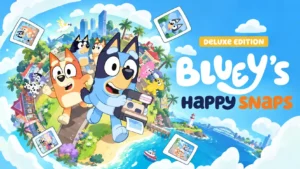
Choose Bluey’s Happy Snaps for controls responsiveness and family friendliness.
No clear scored advantage over the other product.
Scores are out of 5. Missing scores mean missing review evidence, not a missing feature.
Phone editing can feel imprecise or frustrating, especially for detailed changes against the clock. Touch controls also caused difficulty during fast Idol Factions sorting.
The basic movement, interaction, and photo buttons are generally easy to use. Touch interaction and some photo-related functions are less dependable.
Synthetic plush voices help sell the card game’s final joke. Their silly, high-pitched delivery is repeatedly singled out as a highlight.
Familiar voices contribute strongly to the feeling of playing the cartoon. Occasional missing audio, stiff delivery, and audible splices limit the otherwise warm reception.
An overly easy first round in Idol Factions weakens its momentum and replay appeal for one group. The complaint concerns an underchallenging opening rather than the later chaos.
Most objectives offer gentle, forgiving discovery, with occasional trickier photos and travel challenges. This suits young beginners better than players seeking substantial difficulty.
Hyperface’s distinctive presentation earns enthusiastic praise. Visual appeal is less consistent elsewhere: MegaPals is criticized as uninspired, while the debate game’s art is considered charming.
Bright colors and carefully recreated locations make much of the adventure look like an interactive episode of Bluey.
Family settings help control supplied prompts, and the structured card game can keep a gathering more focused. Player-written messages still need oversight because filters cannot guarantee appropriate contributions.
Wholesome activities and gentle play make this an appealing family experience. Spoken guidance and the lack of required online interaction are particularly welcome for younger households.
Idol Factions earns praise for its appealing mood alongside the team trivia. Its setting adds charm to the increasing chaos.
Cheerful settings and gentle audio create a particularly cozy mood for unhurried play.
Hyperface leaves room for subtle edits or grotesque transformations. The card game’s more open plush round also earns praise for letting players respond more freely.
Children can follow their curiosity, play with objects, and photograph whatever catches their eye. Freedom from punishment is one of the adventure’s most consistent strengths.
The greeting-card game can feel long when players struggle to be funny on demand. Its roughly twenty-minute commitment works better once the group has warmed up.
The adventure is short, though some find the amount of content adequate for children. Players seeking a longer campaign may feel less satisfied.
Idol Factions can begin too gently or slowly before added complications raise the energy. The opening is a recurring obstacle to an otherwise livelier quiz.
Side activities and travel sections often keep things moving pleasantly. Lengthy pauses after sticker unlocks can interrupt that flow.
An additional isolated MegaPals freeze adds to the early PC reliability concerns. The reported scope is limited, so this does not imply universal faults.
Reports range from minor annoyances to frequent failed interactions, missing animation, and camera states requiring a level restart. Photo recognition and mismatched dialogue are recurring trouble spots.
An enjoyable addition to the party rotation, with enough strong games to outweigh an uneven lineup. Enthusiasm ranges from a consistently excellent collection to an adequate pack missing a defining star.
A charming photography adventure that gives young Bluey fans plenty to enjoy. Technical roughness, limited depth, and Deluxe content gating keep the recommendations from being unanimous.
Several games consistently deliver an enjoyable time, with word matching and creative reveals producing memorable laughs. The short Rogue assessment finds the entire lineup appealing.
Many families and adult fans report having a wonderful time exploring and snapping pictures, even when the mechanics are simple.
Idol Factions makes clear communication and division of labor matter. Organized teams can thrive, while shouting over one another turns useful coordination into confusion.
Some families love exploring and setting up photos together. Others find the second player too restricted because they cannot take pictures themselves.
Idol Factions recaptures the classic combination of trivia knowledge, quick reactions and opponent sabotage. It gives the collection a welcome link to the appeal of You Don’t Know Jack.
Familiar locations, voices, toys, and episode references capture much of the show’s charm. Several accounts describe the feeling of stepping into an episode.
Joining through a phone avoids the need to supply traditional controllers for everyone. Straightforward card-game setup and self-teaching guidance help the evening start smoothly.
The gentle structure makes a promising first experience with video games for young Bluey fans.
The familiar loop of writing responses and voting remains effective. Greeting-card themes give that established formula a clear comic purpose.
Point-and-shoot photography and small play activities are approachable, while on-rails sections add a different rhythm. There is little mechanical depth beyond that accessible foundation.
Content controls, timer adjustments and other access settings help more players join in. Phone-based participation and audience options also keep the entry barrier low.
Spoken options, visual clues, and picture-based objectives reduce the need to read. These choices help younger children understand what to do independently.
Optional printed greeting cards are seen as an endearing extra despite their commercial purpose. Selling the desired trivia title separately drew a much sharper complaint about value.
Avoiding in-game purchase requests is reassuring, but gating Grannies behind Deluxe draws criticism for withholding an important activity.
MegaPals and the greeting-card game are easy to grasp, and starting from photos lowers the creative barrier. Idol Factions can take longer to click despite its eventual appeal.
Simple buttons and starter objectives make the game approachable for beginners. The youngest players may still need help interpreting the tasks.
Inside jokes, unexpected word matches and warped faces can produce sustained laughter. The funniest game varies with the group, and weaker prompts or a forced performance can stall the momentum.
The Grannies bonus mode brings a welcome dose of familiar chaos and comedy.
Word matching, greeting cards, photo manipulation, debate and team trivia give groups several distinct ways to play. That range also makes it less likely that every game will suit the same mood.
Coloring, toys, small games, and travel photography help break up the main scavenger hunts. Some still want more to do beyond taking pictures.
Phones become tools for shared laughter, unexpected connections and conversations after the game. MegaPals is especially effective at revealing shared references and surprising mental connections.
Not needing to connect with other players online is a welcome feature for the parent describing shared play.
Hyperface’s small creative workspace and initially cumbersome tools can get in the way of the joke. Simple distortions are easier to manage than carefully sculpted images.
Spoken options and visual objectives make much of the interface approachable. Awkward object selection and unclear photo conditions can still interrupt play.
Audience voting and heckling let a large crowd participate beyond the main players. This broader involvement supports the collection’s low-barrier party format.
Local multiplayer fits family play well for some, but the unequal roles divide opinion. Player two explores and poses while player one controls the camera.
Regular groups can get good value from repeated evenings of play. The price is less persuasive if only a few activities appeal, and some players would prefer a sale.
The extra Deluxe charge leaves a sour impression when it includes an activity considered essential to the experience.
Hyperface and MegaPals give several groups compelling reasons to return. Others find the photo tools limiting or feel Idol Factions’ slow opening damages repeat appeal.
Once all the stickers are collected, there is little fresh reason to revisit locations. Enjoying the world again can help, but some replay appeal sits in the Deluxe bonus mode.
Hyperface’s soundtrack is praised alongside its presentation. The music contributes to the appeal of its unusual photo-editing style.
The gentle music usually complements the colorful world and relaxed pace. One account finds it pleasant but largely forgettable beyond the familiar theme.
The uncomplicated controls and gentle structure suit young children well. Different roles in co-op can accommodate children at different stages of gaming experience.
A well-stocked wardrobe adds playful dress-up options. Some of the more appealing outfits are included with Deluxe.
Clear menus and spoken text help young children navigate and choose objectives with less reading support.
Bluey, Bingo, and their parents retain the lovable presence that makes the show appealing.
Decorating pages gives photos a creative purpose and can become a shared family project. The tools delight some players, while another account finds them awkward on a controller.
Lining up subjects is generally approachable. One account finds successful recognition depends frustratingly on tiny changes in camera position.
Some find the animation as attractive as the cartoon, while others notice stiff cutscenes and characters that fail to look at one another.
Switching into the camera can unexpectedly face the opposite direction, making it difficult to predict where the view will land.
A large cast gets room to contribute through brief photo opportunities and little family scenes.
Stickers and decorative unlocks make completed photos feel rewarding and give children something tangible to work toward.
Larger screens can give Hyperface players an advantage. The cramped editing space makes the creative contest less even across devices.
Finding subjects and earning stickers is satisfying for many families. Others find the repeated photo objectives lose their charm before long.
Local play can produce shared laughs and make photo setups easier. Its limited second role works best when partners are happy with different levels of control.
Reported early PC freezes can prevent Hyperface from finishing. The warning is platform-specific and does not establish that every copy or console version is affected.
Hyperface produced hardware-acceleration warnings across the tested phones, and one older device could not display its images. Device capability can become a practical barrier to participation.
Some lines feel static or do not match the on-screen text and events, weakening otherwise familiar scenes.
Grannies stands out as an entertaining car-based diversion, letting players wreak havoc around the backyard.
The adventure has warmth and heart, even where its mechanics and presentation fall short.
Locations are packed with recognizable objects, small discoveries, and affectionate references that reward looking around.
Searching familiar locations for wildlife, hidden photos, and little interactions is a major attraction. The world offers room for curiosity without demanding a strict route.
Fixed, unfocused eyes make conversations look unnatural. The lack of eye contact is distracting enough to weaken the cartoon illusion.
Switch 2 play earns strong praise for stable 60fps in both handheld and docked modes. Another account finds the high frame rate benefits the scenes.
The sharp, colorful environments usually impress, including in handheld play. Occasional visual seams, shadow errors, and stiff scenes spoil the illusion for some.
Handheld Switch 2 play stays sharp and smooth, matching the positive docked experience.
Picture and voice clues can help beginners understand the next goal. Their usefulness is uneven: some objectives remain confusing even after checking the hint.
Warping familiar faces produces some of the pack’s biggest laughs without requiring drawing skills. Small editing areas, awkward phone tools and limited precision make it much less successful for some groups.
Photo manipulation and several new concepts refresh familiar Jackbox activities. Other reactions find the creative advances modest, with too many ideas feeling like variations on established staples.
Discovering that another person made the same strange association is a recurring highlight. Later rounds depend on player answers becoming usable prompts, so private references and awkward phrases can flatten the fun.
The absence of in-game purchase prompts is welcomed as a practical benefit for parents.
Similar clues and repeated sticker objectives make the tasks feel repetitive as the adventure continues.
The small camera-led adventure provides a sweet, simple premise rather than a substantial story. Its everyday family outings generally fit the show’s tone.
The all-new lineup is welcomed as a break from sequels and rereleases. Even where older mechanics are recognizable, the games can retain distinct identities.
Hyperface’s stock portraits and selfies do not satisfy everyone’s creative wishes. The inability to upload existing phone photos is a specific disappointment.
Taking pictures is easy to grasp, but the camera has limited creative controls and can be inconsistent about recognizing subjects. Its simplicity is better suited to children than demanding photographers.
Many appreciate the care invested in the cartoon recreation. Stiff scenes, audio mismatches, and technical glitches make the finish noticeably uneven.
Regular stickers and decorative rewards provide a satisfying sense of advancement. Gentle requirements and clear cause and effect help beginners move forward.
Instructions for recreating games away from the screen are a frequently praised addition. One family even turned the inspiration into pillow forts and a homemade taxi game.
Playing alone can make activities that need a character posing and another taking pictures feel awkward. One account strongly prefers bringing a second player along.
Chalk, toys, playground equipment, and small games make the locations feel like places to play rather than just photograph.
Debate and Switch’s charming writing helps its simple forum premise feel like a fuller party game. The supplied material gives players a playful starting point.
Changing a word mid-debate and watching live audience reactions can spark inspired nonsense. It is also the most frequently criticized inclusion, with reluctant speakers and quieter groups often finding it flat.
Real-time routing, bombs and teamwork turn trivia into an energetic coordination game. Several call it a favorite, although others dislike its slow opening, confusing start or hectic two-player workload.
The detailed locations often make enjoyable playgrounds and search spaces. A few cramped or poorly visible targets make individual photo challenges less successful.
Some photo objectives have obscure conditions or fail to recognize apparently correct shots. These issues can turn a gentle hunt into an unnecessarily frustrating search.
Simple photo hunts and short scenarios encourage observation and introduce children to quest structures without excessive hand-holding.
Ambient noises and familiar audio often bring the world to life. Some find the supporting sound weak or notice mismatched and abruptly joined dialogue.
An easy warm-up that gives players a concrete setup for writing absurd messages. Its familiar format can feel routine, while the talking-plush finale often supplies the freshest laughs.
The carefully realized world brings familiar places to life and expands them with settings that preserve Bluey’s aesthetic.
Grannies and the extra outfits are appealing Deluxe additions. Several critics dislike paying extra for a minigame they consider an important part of the experience.
PS5 controller integration earns praise, but one Switch 2 account found the touchscreen unable to interact properly with the creative tools.
Switch 2 performance is praised for smooth movement and photo aiming at 60fps.

Best for fluid traversal, rewarding exploration, striking art, and forgiving quality-of-life features. Skip it if you want deep combat, radical genre innovation, or consistently demanding bosses.
Pros: difficulty balance, boss design
Cons: innovation, sandbox freedom

Best for superb combat, inventive builds, and richly voiced characters. Skip it if repeated runs, resource gathering, or visually busy battles outweigh the appeal of steady progress.
Pros: overall quality, combat system
Cons: pacing, grind level

Good if you want a beautiful, demanding survival sandbox built around exploration, building, progression, and memorable co-op. Skip it if long resource runs, harsh death recovery, and deliberate pacing sound...
Pros: town-building system, exploration quality
Cons: grind level, fast travel convenience
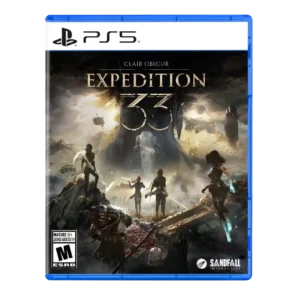
Choose Clair Obscur if you want a story-rich RPG with thrilling timed combat, gorgeous art, and standout music. Skip it if poor maps, tight parry timing, or occasional bugs and...
Pros: narrative quality, combat system
Cons: map and navigation design, menu usability