#1
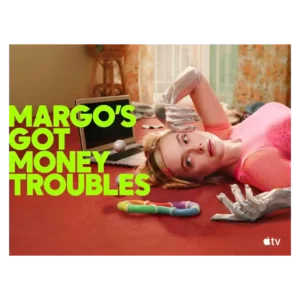
Bold camera choices, stylish flourishes, and efficient pilot staging give the show a confident surface. The strongest direction keeps tender moments simple while letting the Hungry Ghost material become playful.
Pros: episode structure, dialogue quality
Cons: plot twists, season finale quality
#2
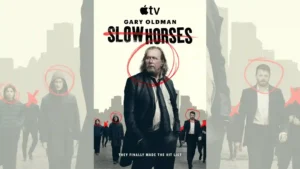
Adam Randall’s direction was repeatedly credited with making the season feel more cinematic, darker, and more intense. His handling of action and visual atmosphere drew especially strong praise.
Pros: season finale quality, character development
Cons: accent authenticity, product placement
#3
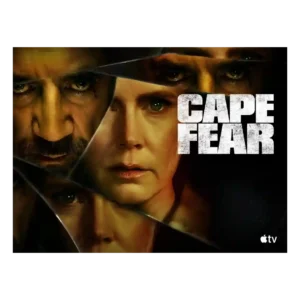
Direction receives strong praise where reviewers mention it directly, especially for building tension without losing the thriller's bold, heightened style.
Pros: directing quality, cinematography
Cons: realism, character consistency
#4
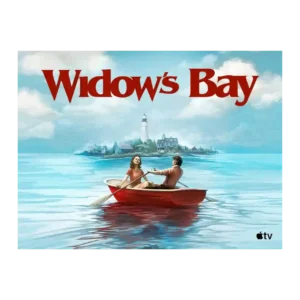
Direction is praised for managing the show’s delicate tonal balance between scares and jokes.
Pros: episode structure, main cast performance
Cons: family friendliness, language level
#5
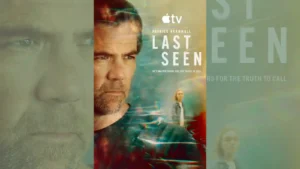
Christian Schwochow’s direction is repeatedly praised for keeping the drama muscular, polished, and psychologically focused while shifting perspective without losing emotional clarity.
Pros: screenplay quality, cinematography
Cons: accountability handling, character consistency
#6
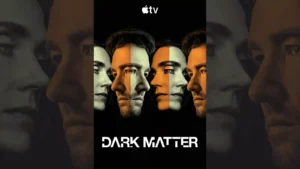
Episode-level direction earns praise for energetic cross-cutting and strong immersion in the low-tech alternate world.
Pros: plot originality, main cast performance
Cons: release schedule, dialogue quality
#7
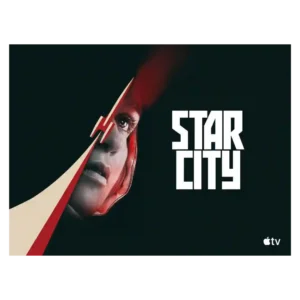
The pilot’s direction is praised for balancing triumph and intimidation. It makes cosmic awe and political cruelty feel inseparable from the start.
Pros: cliffhanger effectiveness, main cast performance
Cons: humor, family friendliness
#8
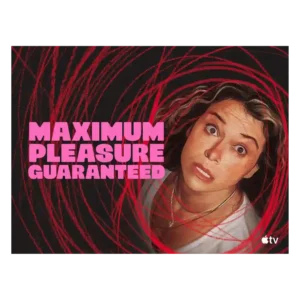
Direction and craft are generally praised, especially the tight staging, confident premieres, and polished thriller execution. Even mixed reviews often grant that the show knows how to move and build...
Pros: acting quality, main cast performance
Cons: family friendliness, age appropriateness
