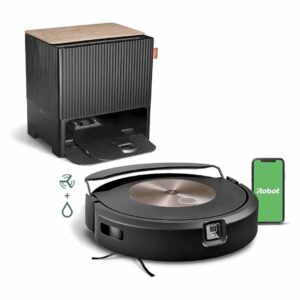
Odor control was viewed favorably because the no-dirty-water-bin approach was considered more sanitary and less messy.
Pros: Obstacle Avoidance (Robot), Overall opinion
Cons: Maintenance requirements, Self-cleaning cycle

Odor control was viewed favorably because the no-dirty-water-bin approach was considered more sanitary and less messy.
Pros: Obstacle Avoidance (Robot), Overall opinion
Cons: Maintenance requirements, Self-cleaning cycle
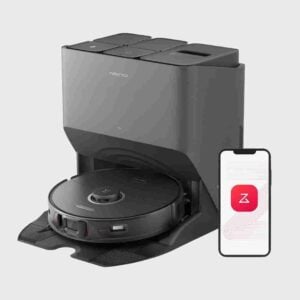
Odor control was a strength when the mop dryer worked, but dirty water still needed timely emptying and rinsing.
Pros: Mopping performance, Self-cleaning cycle
Cons: Price and Value, Value-for-money
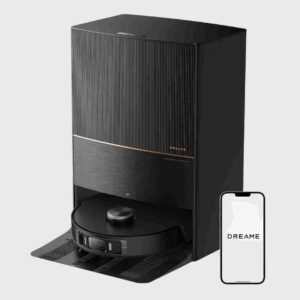
Odor control was mixed: hot-air drying was credited with reducing mold risk, but one review said mop pads still smelled over time.
Pros: Overall opinion, Obstacle Avoidance (Robot)
Cons: Price and Value, Storage footprint and upright-stand stability
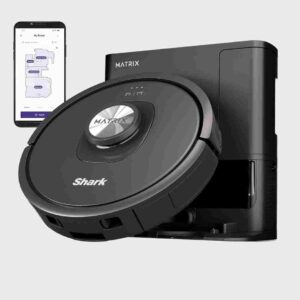
Odor control was a caveat because one reviewer expected many users to empty the bin before its claimed capacity because of odors.
Pros: Suction and Airflow, Map and Path Efficiency (Robot Vacuums)
Cons: Obstacle Avoidance (Robot), Noise level
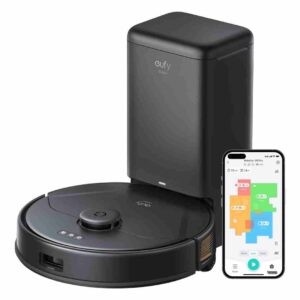
Odor control had limited negative evidence from a mop pad that became smelly when not rinsed after use.
Pros: AI, Smart, App and Automation, Overall opinion
Cons: Mopping performance, Maintenance requirements
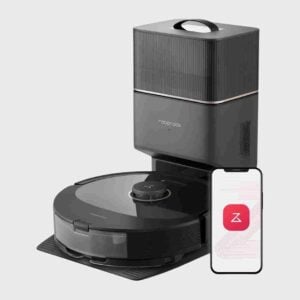
Odor control evidence was negative and tied to mop upkeep, with one reviewer warning that dirty mop cloths can create bad odors.
Pros: Mopping performance, AI, Smart, App and Automation
Cons: Obstacle Avoidance (Robot), Dock noise
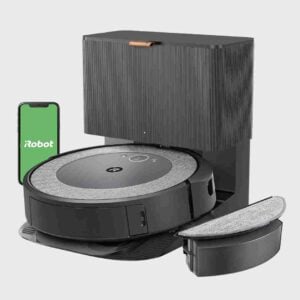
Odor control was poor in one wet-bin failure case where the collection bag and second floor were affected by odor.
Pros: Overall opinion, Emptying and Mess Control
Cons: AI, Smart, App and Automation, Mopping performance