Best for USB-C
Audeze Maxwell 2
5.0 feature score
Highest scored product for this feature based on supporting review evidence.

Highest scored product for this feature based on supporting review evidence.
Balances feature score, supporting reviews, and overall product strength.
Has the broadest review evidence for this feature.
Strongest overall product among items with scored evidence for this feature.
Showing Headsets only. Switch back to all Headphones & Earbuds anytime.
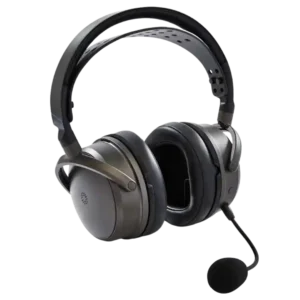
USB-C is especially valuable for wired listening because it carries a clean digital signal into the headset and supports high-resolution playback. It is also the preferred wired option over the...
Pros: Packaging quality, USB-C
Cons: Portability/foldability, Multipoint connectivity reliability
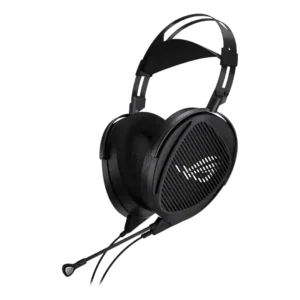
The included USB-C adapter expands phone, laptop, Switch, PlayStation, and PC compatibility and supports high-resolution playback. It can add volume, but it is not consistently powerful enough to replace a...
Pros: Maximum volume clarity, Frequency response accuracy
Cons: Active noise cancellation, Bluetooth
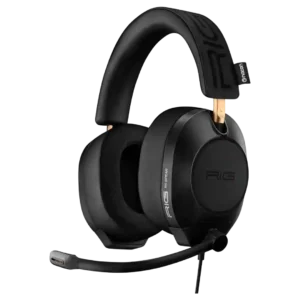
USB-C was appreciated for modern device support and charging/power flexibility.
Pros: Audio-video sync accuracy, Battery
Cons: Bluetooth, Active noise cancellation
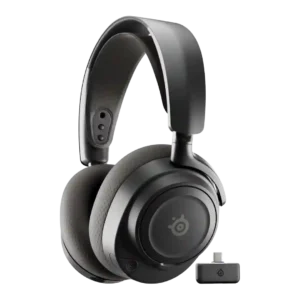
USB-C was praised for charging convenience and fast charging, while the broader USB-C dongle design drew separate complaints.
Pros: Connectivity versatility, Multi-platform compatibility
Cons: Transparency mode quality, Active noise cancellation
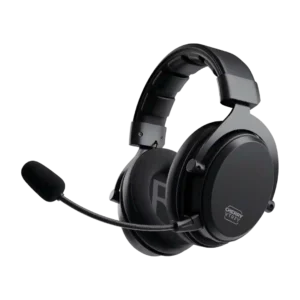
USB-C was a practical plus because charging while gaming worked without problems.
Pros: Volume output, Audio-video sync accuracy
Cons: Xbox compatibility, Equalizer customization
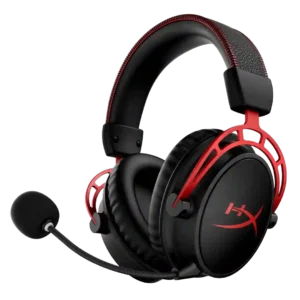
USB-C is discussed positively in the context of quick wireless-model charging.
Pros: Maximum volume clarity, Earpad replacement ease
Cons: Bluetooth, Xbox compatibility
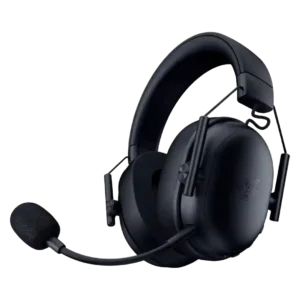
USB-C is a practical strength here, supporting the headset's very fast charging experience.
Pros: Midrange clarity, Volume output
Cons: Xbox compatibility, Console compatibility limitations
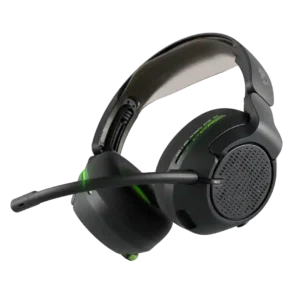
USB-C audio adds another useful wired connection option alongside Bluetooth, 2.4GHz, and 3.5mm.
Pros: Instrument separation, Bluetooth
Cons: Noise isolation (passive), Integrated microphone
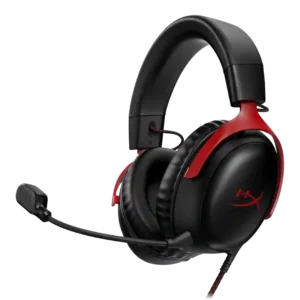
USB-C support was viewed positively, especially when paired with included USB-A adapters and broader platform use.
Pros: Hinge durability, Wireless latency
Cons: Preset EQ profile quality, Xbox compatibility
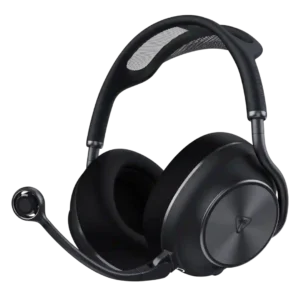
USB-C supports charging and wired digital playback on compatible PC and PlayStation setups. Wired platform support and included cable types are limited enough that some users will need an adapter.
Pros: Codec support, Packaging quality
Cons: Multipoint connectivity reliability, Replaceable ear plates
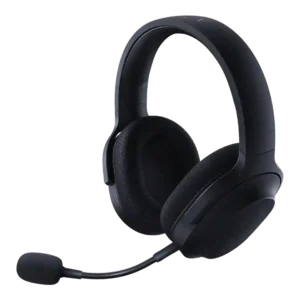
USB-C was praised for broad dongle and charging convenience, but a few reviews noted limitations such as port blocking or no USB-C audio data mode.
Pros: Cable quality, Hinge durability
Cons: aptX, Active noise cancellation
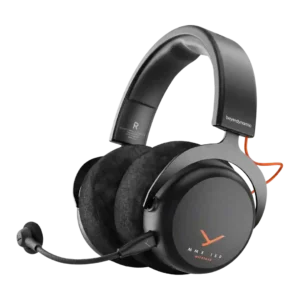
USB-C/USB use is generally the best-supported mode, unlocking features and better platform behavior, though that dependence limits analog use.
Pros: Battery, Audio-video sync accuracy
Cons: Xbox compatibility, Volume output
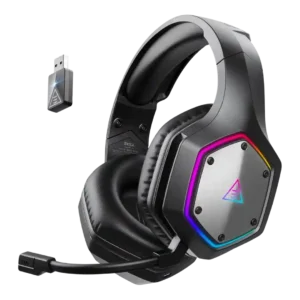
USB-C evidence was limited but positive in one WT unboxing comment about the included charging cable.
Pros: Audio-video sync accuracy, Wireless latency
Cons: Midrange clarity, Ear cup swivel/rotation range
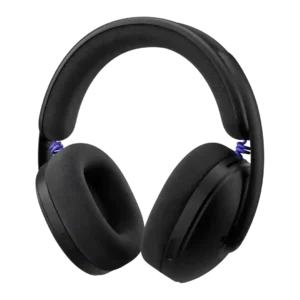
USB-C was useful in one review because it enabled wired use through the left earcup.
Pros: Wireless latency, Weight comfort
Cons: Microphone noise reduction, Multipoint connectivity reliability
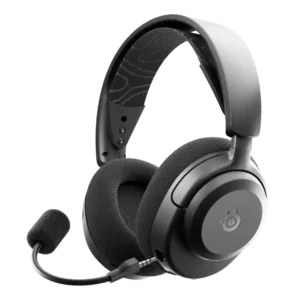
USB-C was viewed as a useful upgrade because it enabled better connectivity and subtle sound/software advantages.
Pros: Charging, Weight comfort
Cons: Sound leakage, Cable quality
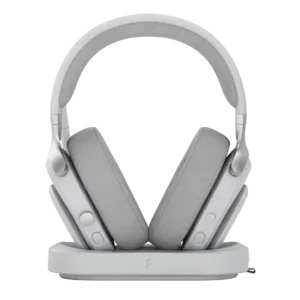
USB-C adds useful wired-audio and charging redundancy away from the dock. One reviewer wished the included connection setup were friendlier to USB-C-only computers.
Pros: Midrange clarity, Soundstage width
Cons: Xbox compatibility, Bluetooth
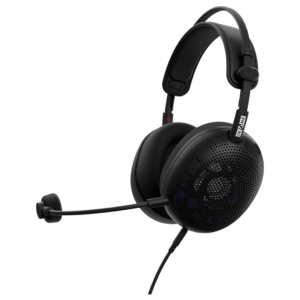
USB-C support worked well as a connection option, though one reviewer wished Sony had also included USB-A compatibility.
Pros: Weight comfort, Battery
Cons: Noise isolation (passive), Sound leakage
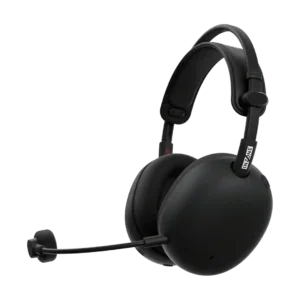
USB-C is useful for charging and the wireless dongle works across many modern devices, but the physical setup has drawbacks. Several users wanted a USB-A adapter or more clearance so...
Pros: Instrument separation, Maximum volume clarity
Cons: Packaging quality, Console compatibility limitations
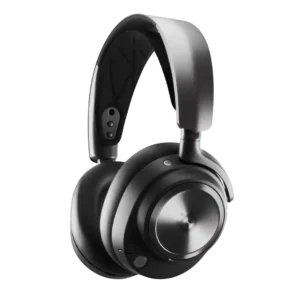
USB-C is mixed: it is useful for backup charging, but reviewers repeatedly dislike the awkward side placement.
Pros: Charging, Spatial audio
Cons: Hinge durability, Smudge resistance
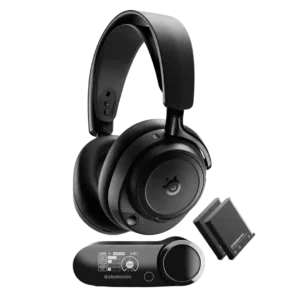
USB-C is a limitation in one review because the headset charges over USB-C but does not support direct USB audio.
Pros: Maximum volume clarity, Multipoint connectivity reliability
Cons: Portability/foldability, USB-C
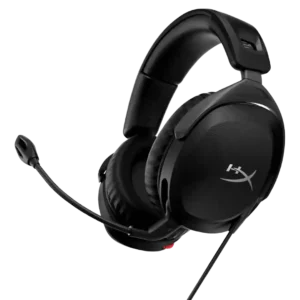
USB-C commentary was negative only where reviewers focused on the short included USB-C charging cable.
Pros: Multi-platform compatibility, Dongle
Cons: Replaceable earpads, Preset EQ profile quality
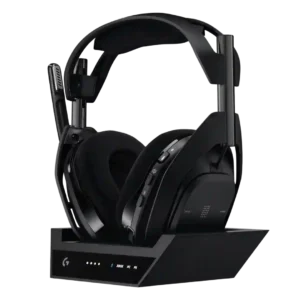
USB-C support is limited by the fact that the headset’s port is for charging only, not wired listening.
Pros: Positional audio accuracy, Soundstage width
Cons: Active noise cancellation, Hinge durability
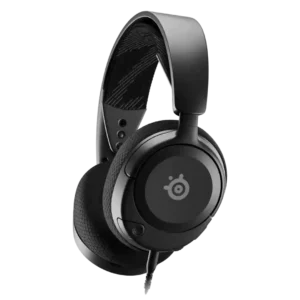
USB-C support is treated as a miss in one review because modern devices increasingly need USB-C or an adapter.
Pros: Earpad replacement ease, Weight comfort
Cons: Sidetone adjustment quality, USB-C