Best for Sidetone adjustment quality
SteelSeries Arctis Nova 3 Gaming Headset
4.5 feature score
Highest scored product for this feature based on supporting review evidence.

Highest scored product for this feature based on supporting review evidence.
Balances feature score, supporting reviews, and overall product strength.
Has the broadest review evidence for this feature.
Strongest overall product among items with scored evidence for this feature.
Showing Headsets only. Switch back to all Headphones & Earbuds anytime.
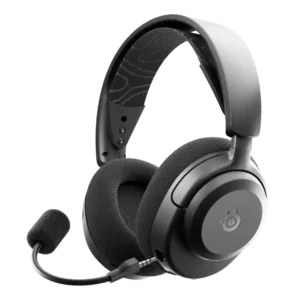
Sidetone quality was a strength in the few reviews that discussed it, especially for real-time, clear monitoring.
Pros: Charging, Weight comfort
Cons: Sound leakage, Cable quality
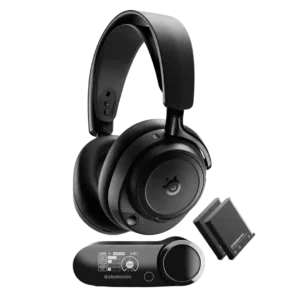
Sidetone is useful and clear, but reviewers also describe it as overpowering or only comfortable at moderate levels.
Pros: Maximum volume clarity, Multipoint connectivity reliability
Cons: Portability/foldability, USB-C
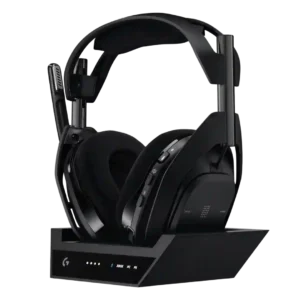
Sidetone controls are useful and detailed, but one reviewer reports occasional quirks that require re-toggling the setting.
Pros: Positional audio accuracy, Soundstage width
Cons: Active noise cancellation, Hinge durability
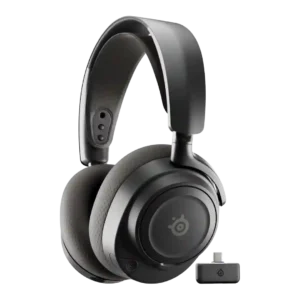
Sidetone was useful on the 7P version, but reviewers criticized loudness, hiss, or activation quirks.
Pros: Connectivity versatility, Multi-platform compatibility
Cons: Transparency mode quality, Active noise cancellation
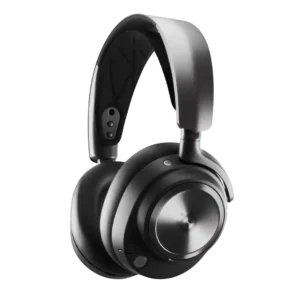
Sidetone is useful but uneven, with praise for adjustability and practical callout control alongside complaints about quiet or intrusive behavior.
Pros: Charging, Spatial audio
Cons: Hinge durability, Smudge resistance
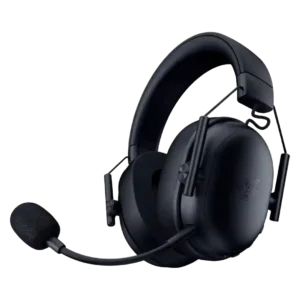
Sidetone is useful at moderate settings, but the control experience is imperfect: placement can feel odd and the highest level can be excessively loud or briefly finicky.
Pros: Midrange clarity, Volume output
Cons: Xbox compatibility, Console compatibility limitations
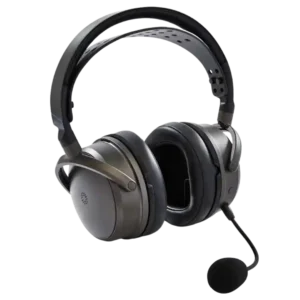
Sidetone is adjustable from the headset or app and can be useful for monitoring your voice, with improved behavior over the original in some tests. Opinions vary on its sound...
Pros: Packaging quality, USB-C
Cons: Portability/foldability, Multipoint connectivity reliability
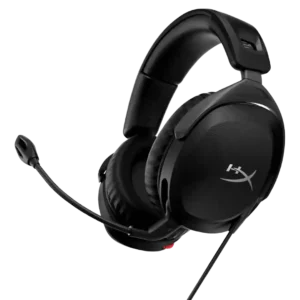
Sidetone and mic monitoring were mixed: one reviewer said sidetone worked well, while another heard white noise when monitoring was enabled.
Pros: Multi-platform compatibility, Dongle
Cons: Replaceable earpads, Preset EQ profile quality
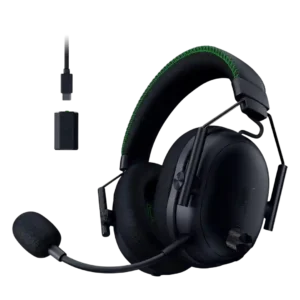
Sidetone adjustment was mixed: some reviewers found it fuzzy or unpleasant, while others liked its real-time performance and usability.
Pros: Audio-video sync accuracy, Multi-platform compatibility
Cons: Cable quality, Preset EQ profile quality
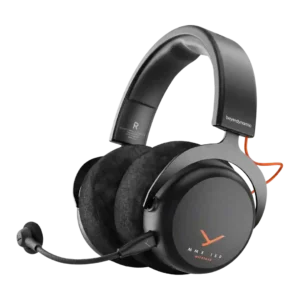
Sidetone/augmented voice monitoring is mixed: convenient in wired USB use, but the wireless Sidetone mode is criticized for hiss.
Pros: Battery, Audio-video sync accuracy
Cons: Xbox compatibility, Volume output
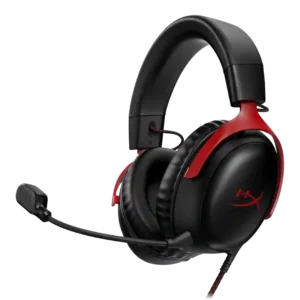
Sidetone and mic monitoring were highly inconsistent, ranging from useful or best-ever sidetone to non-working monitoring toggles.
Pros: Hinge durability, Wireless latency
Cons: Preset EQ profile quality, Xbox compatibility
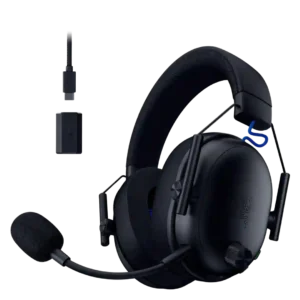
Sidetone is polarizing. One reviewer gets a natural, useful monitoring level after adjustment, while another calls it quiet and terrible-sounding enough to be a dealbreaker.
Pros: Midrange clarity, Treble clarity
Cons: Volume output, Console compatibility limitations
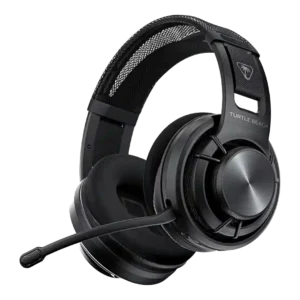
Sidetone or mic monitoring is mixed to weak: some reviewers like the lack of hiss, while others find it too quiet, eerie, or ineffective.
Pros: Weight comfort, Cable quality
Cons: Active noise cancellation, Noise isolation (passive)
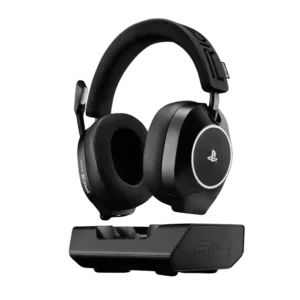
Sidetone/monitoring controls were mixed, with one reviewer finding mid/high levels too heavy and another finding the effect odd.
Pros: Spatial audio, Positional audio accuracy
Cons: Carry case quality, Detachable microphone convenience
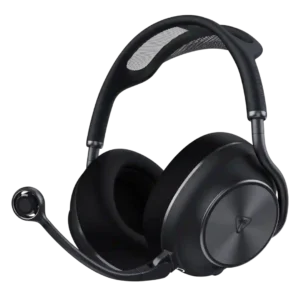
Mic monitoring is useful for controlling speaking volume, but current implementation is inconsistent. It can be very quiet, fail to work as expected, or become unavailable when ANC is active.
Pros: Codec support, Packaging quality
Cons: Multipoint connectivity reliability, Replaceable ear plates
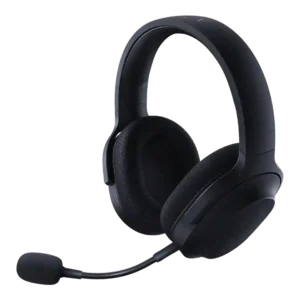
Sidetone and mic monitoring were weak overall: one review valued sidetone, but others criticized delay or lack of adjustment.
Pros: Cable quality, Hinge durability
Cons: aptX, Active noise cancellation
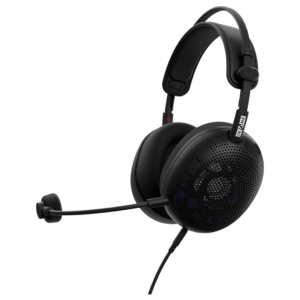
Sidetone was weakly received: reviewers either suggested turning it off or wanted more mic-control options than sidetone volume.
Pros: Weight comfort, Battery
Cons: Noise isolation (passive), Sound leakage
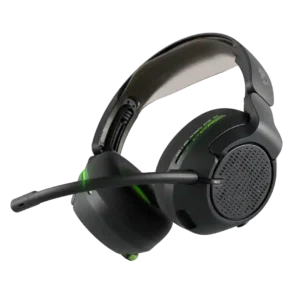
Sidetone is one of the weaker features. Multiple reviewers called it faint, quiet, or robotic, though one found the level appropriate.
Pros: Instrument separation, Bluetooth
Cons: Noise isolation (passive), Integrated microphone
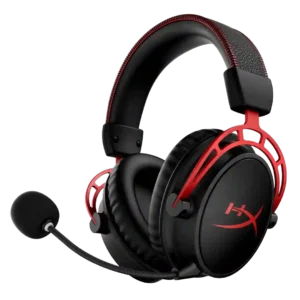
Sidetone adjustment is weak: reviewers either cannot adjust mic monitoring or find the fixed level too strong.
Pros: Maximum volume clarity, Earpad replacement ease
Cons: Bluetooth, Xbox compatibility
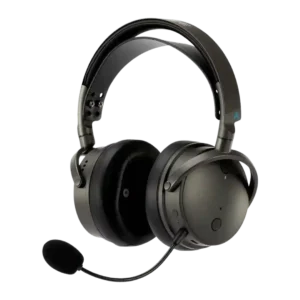
Sidetone is the most consistently criticized feature, with noise, feedback, static, and bugs outweighing one positive report about loud monitoring.
Pros: Instrument separation, Maximum volume clarity
Cons: Hinge durability, Carry case quality
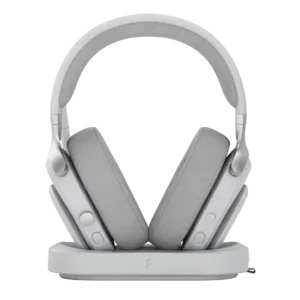
Sidetone is one of the weakest features in the launch-era reviews. Several testers found it extremely quiet, unclear or effectively broken and hoped firmware would improve it.
Pros: Midrange clarity, Soundstage width
Cons: Xbox compatibility, Bluetooth
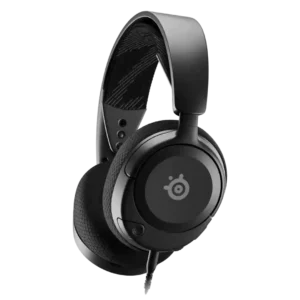
Sidetone or mic-monitoring support is a weakness, with reviewers complaining about no indicator, no sidetone, or no microphone monitoring.
Pros: Earpad replacement ease, Weight comfort
Cons: Sidetone adjustment quality, USB-C
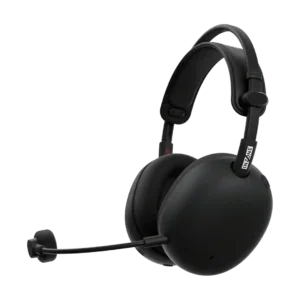
Sidetone needs too much adjustment for a natural result: the default level can be hard to hear, while higher settings were described as robotic, shrill, or walkie-talkie-like.
Pros: Instrument separation, Maximum volume clarity
Cons: Packaging quality, Console compatibility limitations