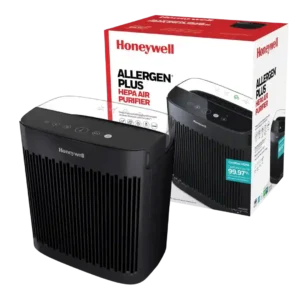
Odor feedback was generally strong, especially for room odors, cooking odors, smoke odors, and dog smell.
Pros: air purification performance, overall satisfaction
Cons: auto mode performance, real-time air quality monitoring

Odor feedback was generally strong, especially for room odors, cooking odors, smoke odors, and dog smell.
Pros: air purification performance, overall satisfaction
Cons: auto mode performance, real-time air quality monitoring
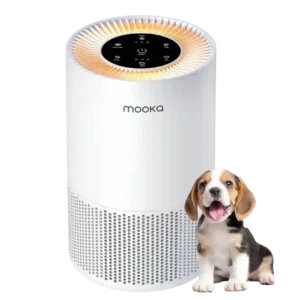
Odor control is a major strength, especially for pets, cooking, smoke, carpets, and small living spaces. Several owners said tough smells became much less noticeable or disappeared after running the...
Pros: noise level, air purification performance
Cons: reliability
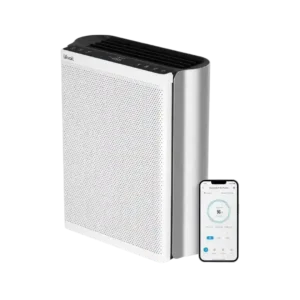
Odor reduction is strongly supported for pets, cooking, smoke, litter, fish, and stale rooms, with a few failures.
Pros: air purification performance, noise level
Cons: filter replacement cost, reliability
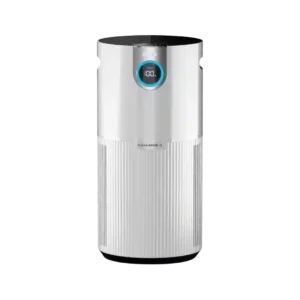
Odor removal is a major crowd-pleaser for cooking smells, pets, litter boxes, candles, and smoking. A few disappointed buyers said musty or pet smells were not reduced well enough.
Pros: overall satisfaction, air purification performance
Cons: air quality sensor accuracy, reliability
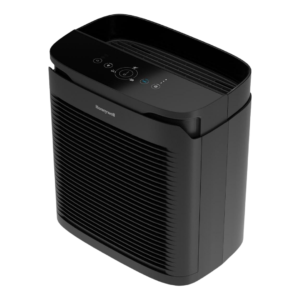
Odor control is mostly positive for cat smell, cooking odors, candle scent, and fresh-smelling air. One owner had the opposite experience, saying the unit itself gave off an unpleasant odor.
Pros: noise level, overall satisfaction
Cons: durability, sleep mode
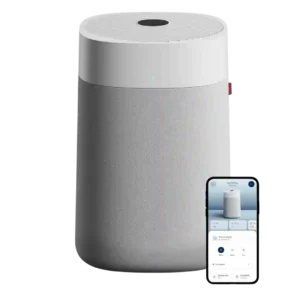
Two reviews state that smells and odors are handled effectively.
Pros: room coverage, air purification performance
Cons: filter replacement cost, activated carbon filter
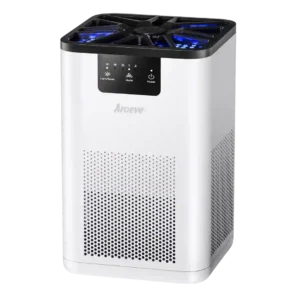
Odor removal is a major strength, with praise for litter boxes, dog smells, food odors, paint smell, and stale rooms. A few buyers still found odors unchanged, especially when expecting...
Pros: size and footprint, overall satisfaction
Cons: customer support, HEPA filtration
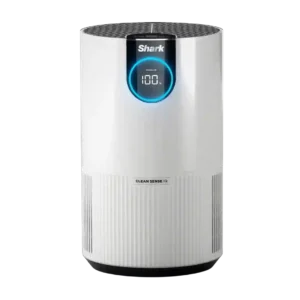
Odor evidence was broadly positive for cooking, pet, smoke, and musty smells, but not universal.
Pros: noise level, air purification performance
Cons: air quality sensor accuracy, room coverage
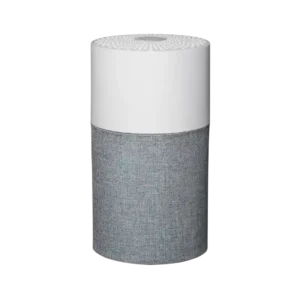
Odor control is a major positive for pet smells, litter boxes, stale rooms, cooking odors, and musty spaces. A minority wanted faster odor removal or stronger default carbon performance.
Pros: overall satisfaction, room coverage
Cons: app connectivity, control placement
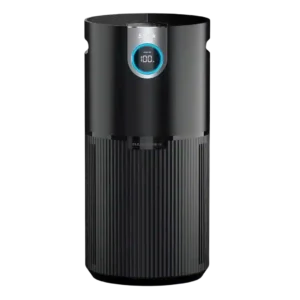
Odor reduction was often strong for cooking, smoke, pets, and skunk smell, but several pet-odor and apartment reviews were disappointed.
Pros: air purification performance, noise level
Cons: value for money, air quality sensor accuracy
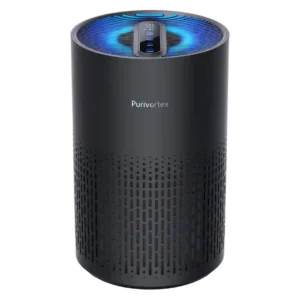
Odor control is a major strength for many buyers, especially pet, kitchen, mildew, smoke, and workshop smells. It is weaker in larger or smell-heavy apartments where odors continued.
Pros: air purification performance, noise level
Cons: aromatherapy feature, scheduling options
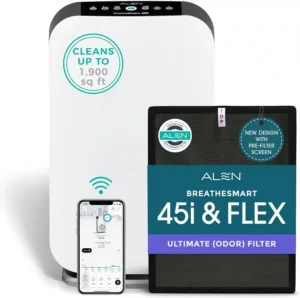
Odor reduction depends heavily on filter choice: upgraded carbon filters help, while the base filter leaves odors.
Pros: overall satisfaction, air purification performance
Cons: pre-filter quality
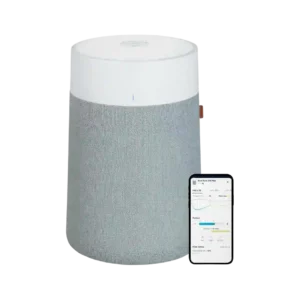
Odor reduction was mixed: reviewers found it acceptable for light everyday smells but weak for serious odors because of the limited carbon media.
Pros: noise level, air purification performance
Cons: activated carbon filter, ozone-free operation