#1
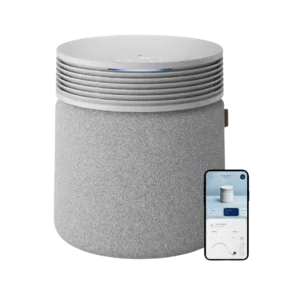
HouseFresh and its video review praised the shift to pelleted activated carbon, calling it better than the impregnated carbon fabric used in other Blueair models.
Pros: design and appearance, air purification performance
Cons: filter replacement cost
#2
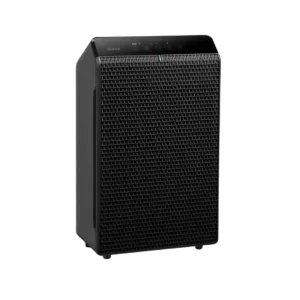
Review evidence for activated carbon filter is mostly positive, based on opinionated comments from 4 source review(s).
Pros: pet dander removal, noise level
Cons: app connectivity, air quality sensor accuracy
#3
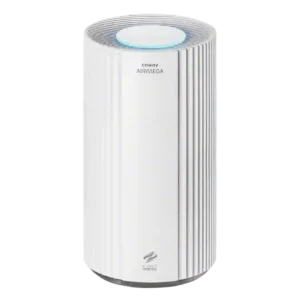
Activated carbon was judged useful for odors, smoke, gases, and VOCs, though heavy VOC use may shorten effective carbon life.
Pros: air purification performance, noise level
Cons: app connectivity, power consumption
#4
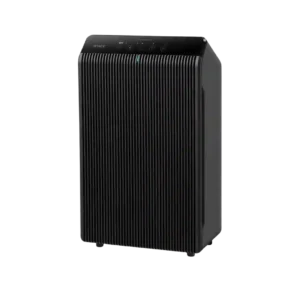
Reviewers liked the separate pellet carbon setup and odor role, but one comparison warned the carbon amount is too low for serious chemical fumes.
Pros: air purification performance, value for money
Cons: noise level, energy efficiency
#5
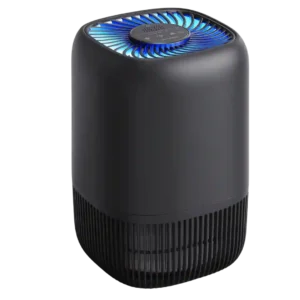
One owner noticed a subtle coal-like scent from the carbon filter side. Most people in that home apparently did not notice it, but sensitive buyers may pick up on it.
Pros: air purification performance, noise level
Cons: filter availability, reliability
#6
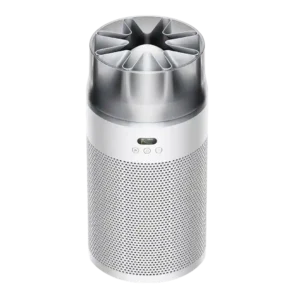
Evidence is mixed, with both praise and criticism.
Pros: noise level, air purification performance
Cons: value for money, air quality sensor accuracy
#7
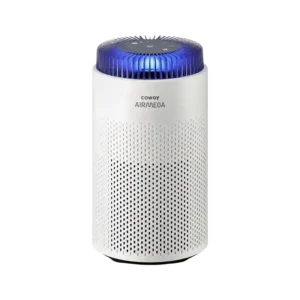
The carbon layer is a weak point. It is thin and better suited to light everyday smells than serious odor control.
Pros: air purification performance, noise level
Cons: odor reduction, reliability
#8
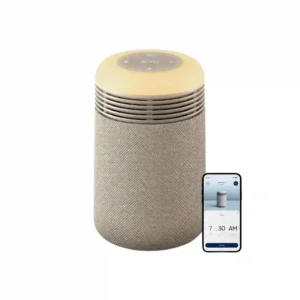
Carbon filtration is a weak point. Reviewers describe the carbon layer or charcoal capacity as limited compared with stronger Blueair models.
Pros: overall satisfaction, noise level
Cons: indicator lights, value for money
