
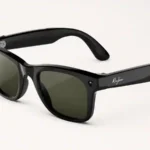
Meta Ray-Ban (Gen 3) Feature Scores
Explore all 39 feature scores for Meta Ray-Ban (Gen 3), organized into pros and cons.
Scores by Feature
Summary
39 reviewed features-
Very positive 4.5-5.09 (23%)
-
Positive 3.5-4.417 (44%)
-
Neutral 2.5-3.43 (8%)
-
Negative 1.5-2.410 (26%)
Pros
Sort
-
The customizable action button is one of the most consistently praised additions. Reviewers like having a faster, programmable shortcut instead of relying only on voice and touch gestures.
-
The consensus is positive for first-time buyers and Gen 1 owners: the glasses feel polished, stylish, and useful. Existing Gen 2 owners are much less convinced because the changes are mostly incremental.
-
The slimmer, more glasses-like construction is a major design win. Reviewers especially like the smaller camera treatment and how naturally the technology blends into the frames.
-
Style is a major strength thanks to Aviator, Wayfarer, Zena, and numerous color options. Most reviewers like the look, though the bold Aviator shape will not suit everyone.
-
Adjustable temple tips are a clear improvement, giving buyers more flexibility and a secure fit without excessive pressure. Several hands-on reviewers specifically linked the new adjustment options to better comfort.
-
Hands-free capture remains one of the glasses’ strongest use cases, with immersive audio and usable creator footage earning praise. The main caveat is that glasses capture can still feel slower and less reliable than a phone or dedicated camera.
-
Most hands-on impressions are positive, especially around the slimmer design and adjustable tips. A few reviewers still find the frames bulky or question whether comfort is meaningfully better than Gen 2.
-
Hearing Enhancement is one of the standout additions, with hands-on testers finding it genuinely helpful and natural enough to fade into the background during use.
-
Hearing Enhancement is generally well received and can noticeably improve conversational clarity. The added cost tempers enthusiasm for some buyers.
-
The upgraded microphone system performs well in noisy settings. Reviewers found voice pickup effective at a busy reception and expected clearer calls and commands around traffic or crowds.
-
Audio output is strong, remaining clear in noisy settings and earning category-leading praise from one experienced smart-glasses reviewer.
-
The six-mic system is one of the more convincing hardware upgrades. Hands-on testing shows strong voice pickup, though some reviewers found little difference versus other recent Meta glasses.
-
Landscape capture is a meaningful improvement for first-person shooting, producing a view that better matches what the wearer actually sees.
-
The redesigned foldable charging case gets enthusiastic praise for being easier to carry than the bulky older case.
-
Open-ear sound is a standout strength, with one reviewer calling Meta’s audio among the best available on smart glasses.
-
3K recording is praised as a major improvement by a reviewer coming from older first-generation hardware.
-
Improved stabilization is expected to make recorded footage look noticeably better than first-generation output.
-
The jump to nine hours is broadly welcomed, especially by Gen 1 owners, but most reviewers call it a modest improvement over Gen 2 rather than a transformative change.
-
Opinions depend heavily on the comparison point. One side-by-side test found little visible change from recent Meta glasses, while a Gen 1 owner expected a major leap in image quality.
-
Live translation is useful and works solidly in hands-on use, though spoken output can become overwhelming without a more specific prompt.
-
Voice pickup is strong in noisy environments, although a comparative test found the improvement over other recent Meta glasses less obvious.
-
The glasses are viewed as a strong entry point into Meta’s expanding smart-glasses ecosystem, even if that ecosystem is also available on cheaper or older hardware.
-
Dynamic Photos is a useful addition because it improves the odds of capturing a strong frame when subjects are moving.
-
Hands-free scene description is viewed as a useful accessibility benefit, especially for people who need help understanding their surroundings without pulling out a phone.
-
Voice interaction is generally accurate even when spoken quietly, though occasional completely wrong answers keep it from being fully reliable.
-
Voice control generally works well, including quiet speech, but a comparative test did not show a clear pickup advantage over other recent Meta glasses.
Cons
Sort
-
Meta’s newer safeguards are not enough to satisfy most privacy-focused reviewers. Concerns about covert recording, data handling, and platform control remain largely unresolved.
-
Gen 3 is a weak upgrade for most Gen 2 owners because the core experience and camera remain similar. The jump is much easier to justify from Gen 1 or for first-time buyers.
-
Value is the biggest purchasing concern after privacy. Several reviewers think the $449 starting price is hard to defend when Gen 2 or cheaper Meta glasses offer much of the same experience.
-
Trust in Meta remains a major concern. Reviewers question cloud privacy, AI data handling, and whether future protections are enough to make personal-data use feel safe.
-
The touchpad remains a weak point. Reviewers report accidental play/pause inputs while adjusting the glasses, with no clear fix for the inherited issue.
-
The recording safeguards help, but several reviewers still think bystanders may feel vulnerable or fail to notice when the glasses are capturing. Privacy remains one of the product’s biggest weaknesses.
-
Meta’s AI shows useful potential, but the experience is uneven. Testers saw slow actions, incomplete tasks, and occasional wrong answers that keep it from feeling essential.
-
The lack of meaningful new fitness features is a disappointment, especially as competing wearables expand deeper into health and activity integrations.
-
Hands-free capture can still be less dependable than pulling out a phone, with one reviewer calling glasses-based shooting slower and less reliable.
-
Muse can feel slow during multi-step tasks, with at least one hands-on demo showing noticeable delays before actions completed.
-
The built-in assistant is not universally convincing. One reviewer finds it more effort than simply searching for an answer on a phone.
-
The LED is valued as an important safeguard, but opinions are sharply divided on whether it is obvious enough. Some reviewers call it essential, while others think it is too subtle in real-world conditions.
-
Longer battery life helps, but wearability still depends on fit and comfort over time. One tester warned about possible strain, while another saw the new endurance-and-recharge routine as practical.