

Nothing Ear (3a)
Where It Has the Edge
No clear scored advantage over the other product.

Scorata scores summarize analyzed review evidence on a 1–5 scale; they are not laboratory measurements or a simple average of customer star ratings. Feature scores summarize the reviews covering that feature. The overall score averages feature scores within each review, then combines review averages. When both expert and customer evidence are available, those two groups receive equal weight. Products can have different review coverage, so small score gaps do not establish a winner.
Recommendations prioritize important features for the category, with a score of at least 3.5, a gap of at least 0.25 points and at least two supporting reviews per product. Features with widely varying scores or broad connectivity contexts are excluded from recommendations. These safeguards do not establish statistical significance.
Quick verdict
The available evidence supports the recommendation below, but does not establish an overall winner. Check the remaining features against your priorities.
There is not enough comparable review evidence to recommend Nothing Ear (3a) over the other product.
Choose Soundcore Anker Liberty Buds 2 for Sound quality and Frequency response accuracy.
No clear scored advantage over the other product.
Scores are out of 5. Missing scores mean missing review evidence, not a missing feature.
The sound is widely considered capable and enjoyable for the price, with strong energy across music and movies. Listeners seeking finer detail or balance often need EQ, while bass fans may enjoy it immediately.
Sound is widely praised as clear, engaging and remarkably competitive for the price. EQ often improves it further, although preferences differ on stock bass weight and treble brightness.
Stock tuning often sacrifices neutrality and detail to a dark, bass-heavy presentation, although some hear a pleasing balance. Sound changes between ANC and transparency also bother a few listeners.
The tuning is often described as balanced despite a mild V shape, keeping vocals and instruments from being buried. Some listeners hear recessed mids or sharp treble before adjusting EQ.
Wind filtering and voice isolation impress several testers, including a call taken near a hair dryer. Others hear background chatter or find that aggressive suppression makes voices compressed and less intelligible.
Background-noise suppression is repeatedly praised for keeping construction, traffic, voices and wind out of calls. Extreme noise can still add a brief metallic or processed edge.
Gaming effects stay focused and footsteps can be distinguished to the left and right. The reported directional placement is usable rather than especially precise.
Gaming mode provides a useful sense of where footsteps and gunfire occur in mobile play, though the assessment stops short of calling positioning exceptional.
The powerful low end delights bass lovers, especially with electronic music and hip-hop. Many others find the stock bass boomy or overpowering and prefer to reduce it in the equalizer.
Bass is commonly praised for depth, punch and good control, especially after tuning. Preferences vary: some find it powerful, while others want more low-end weight or tighter mid-bass.
Static spatial processing is often dismissed for adding echo, darkening tracks, or overriding EQ. A few listeners enjoy its immersive effect, especially for certain songs, concerts, films, or games.
Dolby can add a theater-like or concert-hall effect, but opinions are mixed. Echo, metallic highs and more distant vocals lead several testers to prefer the standard sound profile.
Cancellation usually reduces engine hum, traffic, and travel noise well for the price, but voices and higher sounds often remain audible. Improvements over older Nothing buds vary with fit, and several listeners still want stronger suppression.
Most testers find unusually strong cancellation for the price, including effective traffic and workplace noise reduction. Results vary substantially: one calls it average, and strong settings can create pressure for some ears.
Several testers hear an open, generously wide stage with room around vocals and instruments. Others find orchestral mixes tight or less spacious than competing buds.
The soundstage is more spacious than the tiny housings suggest, with a pleasing sense of room around voices and instruments.
Video lip sync and the low-lag mode work well in the reported tests, including on Android and iPhone. Latency is also described as reasonably low without enabling the dedicated mode.
Watching videos generally produces excellent synchronization, and mobile gaming can work well too. Precise audio editing is a clear limitation because the remaining wireless delay is too large.
Adaptive cancellation draws mixed reactions: some find its adjustments useful and smooth, while others notice fluctuations or bugs. The highest manual setting can be the more dependable choice.
Automatic protection against sudden loud sounds is welcomed, but adaptive transparency divides opinion. One comparison finds it noticeably less clear than the regular transparency mode.
The transparent case is criticized as prone to fingerprints and fine surface marks. Keeping it away from abrasive items may help preserve its appearance.
The frosted white finish is praised for hiding fingerprints well.
Balanced tuning appeals to bass fans, while the Vocal option can improve spoken-word listening. Other testers find the presets heavy-handed, thin, or less effective than making their own EQ.
The Soundcore Signature profile satisfies several testers without custom EQ, and the available presets are considered well worked out. Other listeners still prefer a personalized curve.
Several listeners praise clean, controlled playback without harshness at higher levels. One reports sub-bass distortion on demanding electronic tracks with the stock bass amplification.
High-volume listening retains clear vocals and separation in the assessments that examine it. Sound is praised for remaining consistent rather than breaking up as level rises.
Vocals can sound warm, clear, and expressive, but excessive stock bass often pushes them back or masks lower instruments. EQ adjustments commonly bring the midrange into better focus.
Vocals are commonly clear, lively and intelligible, with guitars and piano also receiving praise. Tuning can bring voices forward when the stock presentation feels slightly recessed.
Leaving out the charging cable is generally accepted because spare USB-C cables are common. The missing accessory does not substantially hurt these reviewers’ impression of the package.
Keeping a charging cable in the box is appreciated, even by a user who already owns several.
Instrument and vocal separation can be convincing, especially after reducing the bass. Busy arrangements sometimes become congested or lose guitars beneath the low end.
Vocals, instruments and bass usually remain distinct rather than crowding each other. Personalized tuning can improve separation further.
Highs are often crisp or smooth without harshness, particularly with suitable EQ or LDAC. Other listeners want more sparkle and detail, or find treble adjustments metallic.
Treble is usually praised for clean detail and a lively but comfortable presentation. One tester finds the stock highs harsh and warns that extra boost can quickly become excessive.
Most listeners recommend these as stylish, capable everyday earbuds at a budget price. Reservations cluster around stock tuning, cancellation limits, case usability, and the usefulness or privacy implications of recording.
The overall response is strongly positive, especially for comfort, calls and the performance offered at the price. Controls, wind behavior and differing ANC experiences are the main qualifications.
Wear detection is usually useful for automatically pausing and resuming playback. A finicky sensor can occasionally misread fit and interrupt ANC, and it complicates some bench tests.
Wearing detection is generally welcomed and can pause playback almost instantly when a bud comes out. One tester notes that a pocket can trigger the optical sensor by mistake.
Output is enough for most listeners and can get very loud in some tests. Others want more headroom, particularly after EQ, while one first-impressions listener found maximum volume uncomfortable.
There is ample output for listeners who like louder playback. One user reports soreness after listening at maximum, so the high ceiling can also become uncomfortable.
Most find the slim case easy to pocket and carry. Others see the clear outer frame as unnecessary bulk and prefer a smaller or differently shaped case.
The compact, lightweight case and small buds make the set convenient to carry. Slimness is a particular advantage in direct comparisons.
The three-part status light is a useful, popular addition, and many like the case’s rounded feel. Its shallow opening lip, strong magnets, and occasional lid looseness or misplaced buds frustrate others.
The case is usually praised as compact, light and convenient to carry. A wobbly lid and a thicker-than-preferred profile draw isolated complaints.
Touch gestures are described as responsive and usefully customizable through the app. The flexibility helps adapt everyday playback and noise controls to personal preferences.
Touch recognition is usually quick and accurate, including multiple-tap commands. Sensitivity adjustment can help users who trigger unintended inputs.
Pairing across Android, iOS, computers, and a TV receives favorable reports. Some platform-specific customization differences remain, so the experience is not identical on every device.
Video playback and phone use are favorably assessed across iOS and Android, without a major everyday experience gap between the platforms.
Some hear natural surroundings and hold conversations easily, while others notice hiss, boosted fan noise, or a blocked-ear effect when speaking. The result depends on fit and expectations of naturalness.
Regular transparency often sounds clear and natural enough for conversation and awareness. Some listeners still hear an electronically relayed character, and wind can reduce clarity substantially.
The buds usually stay put during walking, gym sessions, and even running. A poor seal can still require frequent readjustment, and some rivals feel more secure to particular ears.
Low weight, a flush shape and interchangeable wings deliver a secure fit during movement. Testers report good retention while running, lifting weights, talking and changing shirts.
High-resolution playback is welcomed as an affordable extra rather than a reason to buy a flagship. LDAC-equipped listening is credited with preserving detail and energetic sound on compatible devices.
Higher-resolution playback on compatible Android devices is valued for cleaner sound and a higher-bitrate connection. These impressions concern wireless playback rather than a separately assessed DAC.
Compatible Android listening can gain texture, separation, and upper-range detail with LDAC. Shorter battery life and recording-feature tradeoffs mean it is not always worth leaving enabled.
LDAC is valued for cleaner high-resolution sound on compatible devices. Its battery penalty is substantial, and one tester also describes a tradeoff with multipoint.
Splash and sweat protection on both buds and case is appreciated for commutes and workouts. The reported protection is meant for everyday moisture rather than swimming or full submersion.
Rain and sweaty workouts are generally considered well within the buds’ protection. They are unsuitable for full submersion, and the case does not share the same protection in one assessment.
Fast Pair makes Android setup convenient, and Android users are a strong fit for the feature set. Compatibility advantages matter most to listeners who are not relying on Apple ecosystem switching.
Android users benefit from convenient pairing, dependable video playback and access to LDAC. The higher-resolution listening option draws particular praise.
The audible finder helps one tester locate a bud, but another finds it too quiet for a laundry basket or deep pocket. Its usefulness depends on how well the alert can be heard.
The locator beep can help find nearby earbuds in a quiet room. Its limited loudness makes it much less useful in a crowded or noisy place.
The metal hinge is praised for a sturdy, precise feel. One extended test also reports that it stays tight after repeated opening and closing.
A slightly wobbly case lid is the specific concern about the hinge and lid assembly.
Many listeners can wear the lightweight buds for hours without soreness or fatigue. Smaller ears and poor seals can make longer sessions less comfortable, so fit remains personal.
Comfort is one of the most consistent strengths, with many testers forgetting the buds are in during long sessions. A secure seal and low-pressure ANC setting can matter for sensitive ears.
The low weight helps the buds feel unobtrusive during longer listening sessions. Several wearers describe barely noticing them in their ears.
The very low weight repeatedly helps the buds disappear during wear, with little tugging or pressure over longer sessions.
The extra-small option broadens the fit range and helps several small-ear listeners. A wider choice does not guarantee a seal for everyone, and one tester wanted extra-large tips.
A generous choice of tips and wings helps different ear sizes find a comfortable, stable seal. Both very small and larger options prove useful in practice.
Soft tips and revised shaping often deliver a comfortable, secure seal. A few listeners still struggle to fit one ear properly, making tip selection important for both sound and cancellation.
Many testers get an excellent seal and comfortable fit, sometimes after switching tip or wing sizes. The right combination also improves stability and sound balance.
Transparent stems and vivid pink or yellow finishes give these earbuds a distinctive, playful look. Most love the visual identity, though a few criticize the case’s bulky decorative frame.
The small stemless shape and flush profile are widely liked, while the mother-of-pearl finish draws particular enthusiasm. One reviewer dislikes the more prominent Anker branding.
The earbuds often feel solid and more polished than their price suggests. The plastic case divides opinion, with reports of lid play, fine scratches, and a less premium feel alongside praise for durability.
The charging case finish holds up well to sharing a pocket with keys. A slightly wobbly lid is the notable construction caveat.
Fast charging makes short breaks useful for getting back to music or finishing a movie. The lack of wireless charging ranges from an acceptable price compromise to a major disappointment.
The quick-charge feature is appreciated when heading out or needing a fast top-up, with four hours of playback claimed from ten minutes in the case.
Everyday endurance is generally useful, and several listeners go days between case charges. ANC, LDAC, and retrospective recording shorten runtime, while some testers find stamina average or disappointing.
Battery life is generally considered strong for such compact earbuds, with enough endurance for long listening sessions. ANC, LDAC and frequent calls shorten runtime considerably, so the longest advertised figure does not represent every use.
Calls are often clear in quiet rooms, with some testers rating them exceptionally highly for the price. Results outdoors and in busy spaces are less consistent, ranging from clean speech to distant or compressed voices.
Call quality is a leading reason to buy, with strong speech pickup in loud environments and at very low speaking levels. Several testers find it competitive with or better than more expensive earbuds.
Pairing and navigating the app are generally quick and simple. Needing to adjust the sound before enjoying it can reduce the straight-out-of-the-box convenience.
Pairing and app setup are generally quick and straightforward, with Fast Pair especially appreciated. Routine configuration is considered easy to follow.
The eight-band parametric EQ is one of the strongest reasons to buy, offering enough control to tame bass and improve clarity. A minority find adjustments less effective or notice a drop in volume.
HearID and the manual EQ often make a meaningful improvement to bass weight, vocal clarity and overall balance. The main complaint is limited control of the deepest bass frequencies.
Nothing X earns broad praise for its clean layout, dependable operation, and unusually extensive customization. The EQ tools are a particular highlight, although recording-account prompts and some fit-test quirks complicate the experience.
The companion app earns repeated praise for useful features, straightforward operation and extensive sound and control settings. Its personalized tuning is a frequent highlight.
Pinch controls usually feel deliberate, responsive, and customizable, reducing accidental inputs. Small sensing areas, quiet feedback, and awkward volume gestures create a learning curve for some hands.
Customizable taps cover the essentials and are often easy to use. Some testers prefer stem, swipe or voice controls, and one finds repeated long presses for volume adjustment frustrating.
Connections are commonly described as stable, with successful playback across rooms and floors. Bluetooth 6.0 is welcomed, although its presence alone does not settle conflicting reports about optional audio standards.
Testers generally report stable Bluetooth, useful range and fast reconnection. Several describe daily use without unexpected disconnects.
The Nothing-phone assistant feature is viewed as a small extra rather than a major reason to buy. Its appeal depends on whether hands-free AI access fits everyday use.
A configured phone-assistant shortcut works in testing. The app’s separate AI assistant receives criticism for slow responses and a tendency to seek personal information.
Dual-device connection usually works reliably and is useful for moving between a phone and computer. Some tests show a brief handoff delay or require pausing one device before starting the other.
Phone-to-laptop or tablet switching is generally quick and dependable. A few caveats remain around moving out of range and, in one account, combining multipoint with LDAC.
AAC, SBC, and LDAC cover familiar listening needs, and codec flexibility is generally welcomed. Missing newer options are treated as a minor limitation rather than a universal dealbreaker.
Standard codec playback can still sound dynamic and satisfying. One tester describes having to choose between the higher-quality mode and multipoint use.
The $99 package is widely praised for combining distinctive styling, useful features, and capable audio. Strong budget rivals mean it is not everyone’s best-value pick, especially when ANC or untouched sound matters most.
The price is repeatedly judged excellent for the combination of comfort, sound, calls and noise control. Several testers find the experience close to substantially more expensive options.
Transcription can produce useful, accurate text, with the Pro model particularly praised for names and speaker separation. Subscription requirements and unclear ongoing pricing repeatedly weaken its appeal.
Live translation is described as working well within the companion app.
Playback and connection behavior receive favorable assessments on both iPhone and Android, helping the buds work across common phone choices.
Sound is reported to stay clean and consistent as volume increases, without the stretching or bleeding heard from some other earbuds.
The IP55 dust protection is welcomed for outdoor movement and sweaty exercise. The protection applies to the buds rather than establishing an equally protected case.
The compact housings leave room for earrings and avoid catching on nearby clothing, making them easier to wear with jewelry.
Glasses generally sit comfortably alongside the low-profile buds, without competing for space. Helmet wear also receives favorable comments.
Optional volume monitoring, hearing tests and related adjustments are welcomed for added control of listening levels and balance.
Independent use of either bud works successfully and gives flexibility while the other charges. Single-ear listening is also valued for getting through a work shift.
The integrated microphones are a central strength, keeping speech clear in noisy places and capturing quiet voices. Some processing remains audible under the harshest conditions.
The onboard recording capacity is considered impressive for capturing audio without immediately transferring it to a phone. This praise concerns saved recordings rather than a music library for independent playback.
The unboxing is described as simple and pleasant, with familiar Anker presentation.
The minimal presentation and helpful pull tab make unpacking pleasant. A thin outer box makes a less premium first impression, but the product itself matters more to that listener.
The case is generally regarded as compact and notably slim in comparisons. One tester would still prefer less thickness.
The buds are easy to insert, twist into place and remove, helping the compact design feel straightforward in daily handling.
Quick media clips and call recordings can help with interviews, lectures, and remembering instructions. Others find them unnecessary or troubling, with regional restrictions and conflicting reports about recording alerts adding uncertainty.
Noise modes and sound options offer useful flexibility, with convenient switching during work. One tester still wants finer control over cancellation and transparency.
Footfalls and heavier breathing do not transmit strongly through the tips, which helps running feel less intrusive.
A good tip seal gives helpful passive reduction in quieter spaces. It is less reliable against voices and higher sounds, so noisy journeys often still call for ANC.
Some listeners hear convincing depth and a speaker-like sense of distance. One comparison also credits the sound with more depth than a budget EarFun rival.
A dedicated wind setting can make outdoor listening much more comfortable, with strong praise from several testers. Others find noticeable pickup and slow recovery, especially in transparency mode.
Separate battery readouts for each earbud and the case make charge levels easy to check in the app.
Wireless charging is a frequently welcomed convenience, especially when compatible pads are already available at home or work. It is seen as a useful inclusion at the price.
Audible touch feedback helps confirm recognized commands, and it can be disabled. One tester prefers it off once familiar with the controls.
Voices remain clear and complete in difficult conditions, but heavy processing can still be audible at extreme noise levels. Brief metallic edges and tiny hiccups are the more specific complaints.
Tip changes are usually straightforward, though the snap-on fitting can require more force than expected. Some aftermarket tips interfere with closing the case or seating the buds correctly.
Standard warranty coverage and an established update history add confidence for one reviewer. This is reassurance about ongoing ownership rather than a report of a support claim being handled.
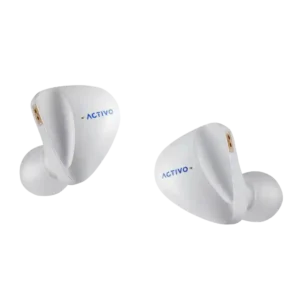
Best for detailed, natural wired sound, three connector options, and standout value around $99. Skip it if you need wireless features, stronger bass, softer treble, or a compact fit for...
Pros: Value for money, Multi-platform compatibility

Choose these for excellent, balanced sound, a comfortable redesign, deep EQ tools and uniquely replaceable batteries. Skip them if you need class-leading ANC, consistently great calls or the smoothest treble...
Pros: User-replaceable batteries, Overall satisfaction
Cons: Auracast support, Sensors

Choose the AirPods 5 for strong open-ear ANC, clearer sound, easy Apple-device switching, and excellent value. Skip them if you need all-day battery, a very secure workout fit, or full...
Pros: Overall satisfaction, Sound quality
Cons: Battery, Eartips fit
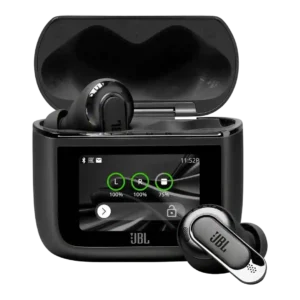
Choose the JBL Tour Pro 3 if you want feature-packed earbuds with strong sound, ANC, LDAC and a genuinely useful smart case. Skip them if you have smaller ears, want...
Pros: Sound quality, Carry case quality
Cons: Portability/foldability, Button control usability