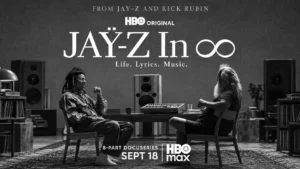

JAŸ-Z In 8
Where It Has the Edge
No clear scored advantage over the other product.

Scorata scores summarize analyzed review evidence on a 1–5 scale; they are not laboratory measurements or a simple average of customer star ratings. Feature scores summarize the reviews covering that feature. The overall score averages feature scores within each review, then combines review averages. When both expert and customer evidence are available, those two groups receive equal weight. Products can have different review coverage, so small score gaps do not establish a winner.
Recommendations prioritize important features for the category, with a score of at least 3.5, a gap of at least 0.25 points and at least two supporting reviews per product. Features with widely varying scores or broad connectivity contexts are excluded from recommendations. These safeguards do not establish statistical significance.
Quick verdict
The available evidence supports the recommendation below, but does not establish an overall winner. Check the remaining features against your priorities.
There is not enough comparable review evidence to recommend JAŸ-Z In 8 over the other product.
Choose The Real Rooneys for cast chemistry.
No clear scored advantage over the other product.
Scores are out of 5. Missing scores mean missing review evidence, not a missing feature.
The recorded sound is a standout pleasure for the NPR discussion, with crisp music playback and exceptionally clear sonics.
The recurring whoosh-heavy post-production is a noticeable irritant in the harshest appraisal. It reinforces the breathless, overproduced feel instead of letting scenes breathe.
The elegant monochrome look and readable lyrics earn praise. Sparse visual variation leaves some critics wondering how much the screen adds beyond the conversation.
The series has a glossy, Instagram-ready sheen that suits viewers who want luxury and polish. The tradeoff is that the same look can make the supposedly intimate portrait feel staged.
The account of his father’s drug problems helps one viewer understand the abandonment and recognize struggles that still affect families.
Wayne’s past struggles with alcohol are treated too lightly for the harshest critic. Drinking scenes and brief references stop short of the deeper exploration that the subject could support.
Personal anecdotes give familiar tracks a richer human meaning, especially around family and the move from street life into music. Strong individual stories can coexist with a loose overall narrative.
The weakest material is so repetitive and thin that it can feel stretched far beyond what the underlying story needs. The family’s stronger personal dynamics prevent the series from being uniformly empty.
The absence of a clear narrative build makes consecutive viewing feel slow for one critic, even when individual stories remain worthwhile.
The light tone makes episodes easy to keep on, but ten installments may test anyone without a strong interest in the family. It is more snackable than essential.
The strongest passages connect music to family relationships, racial tensions, masculinity, and poverty. Other discussions stop before exploring the deeper implications of a song.
The show gains unexpected depth when Coleen’s career rise is contrasted with the domestic load still falling on her. That tension turns a glossy family series into a more nuanced look at gendered expectations.
Longer episodes attract criticism for extending discussions without a proportionate payoff. Some viewers would prefer much shorter installments.
The roughly 40-minute episodes can feel substantially overstuffed. One harsh take argues the repeated material could be cut down dramatically without losing the story.
First-person memories and detailed song discussions can be fascinating, particularly when Jay-Z becomes vulnerable. The friendly approach also attracts criticism for obvious explanations and missed follow-up questions.
Personal disclosures can produce genuinely fresh nuggets for fans, but the depth is inconsistent. The strongest criticism is that major admissions about alcohol and recovery are not explored nearly enough.
The eight-part scale is a frequent sticking point, with critics calling for a shorter treatment. A creator defends the abundance as a benefit for viewers already invested in the artist.
Ten episodes may be more than casual viewers need. The full run is easiest to justify for people already interested in the Rooneys and their day-to-day life.
Long familiarity makes the exchange comfortable and, for some viewers, profound. That same closeness can discourage a challenging follow-up.
Wayne and Coleen’s long history gives their interactions an easy mix of affection, irritation and teasing. The family banter helps the home scenes feel warmer and more natural than the staged work material.
Repeated stories and slow recitations of lyrics invite calls for tighter editing. Several viewers think a shorter version would be smoother and more accessible.
The slick editing keeps everyone looking polished, but that is also the problem for viewers seeking candor. The glossy, rapid-fire construction can make the series feel manufactured rather than revealing.
Self-deprecating remarks and funny memories keep parts of the first episode light and engaging.
The family’s humor is a clear strength, from Wayne and Coleen laughing at themselves to the boys’ quick lines and Klay’s pundit parody. Even skeptical takes find the banter entertaining.
Several critics want tougher questions about contentious lyrics, damaged relationships, and business decisions. They find that the conversations often stop at a comfortable explanation.
The show is repeatedly faulted for looking forward while leaving major parts of Wayne’s past largely untouched. That selectivity weakens the promise of a fully candid family portrait.
Stories of reconciliation, grief, and parental abandonment give the conversations their strongest emotional pull. Several viewers single out the account of meeting his father shortly before his death.
The most affecting material comes from the strain of balancing work, childcare and marriage. Coleen’s visible stress gives the family story weight beyond the lighter celebrity-lifestyle scenes.
The treatment of problematic lyrics and collaborators draws objections when sensitive issues pass without meaningful examination.
Putting the Rooney children so prominently into the public eye raises a clear concern. The family footage is entertaining, but the exposure of minors remains a meaningful caveat.
Dense explanations can stall the episodes, especially when they merely restate a lyric. More energetic creative recollections offer a welcome lift.
Pacing splits sharply by presentation: the harshest critique finds the preview-recap editing frantic and repetitive, while a more favorable take says the show moves along sweetly and easily.
The conversations often lack a clear chronological or thematic frame. A later standalone interview changes the arrangement but can repeat familiar material.
The structure can be uneven. Repeated preview-play-recap editing draws criticism, and the scheduled work material is less engaging than the more spontaneous home footage.
Some viewers question the documentary label because the experience resembles a lengthy interview or podcast more than a fully developed documentary.
The promise of showing the “real” Rooneys is a recurring weak spot. Several takes find the title and intimacy pitch overstated because the access still feels curated and selective.
Enthusiastic fans find the conversations absorbing and occasionally magical. Others enjoy individual discoveries while struggling with the lengthy, unstructured presentation.
At its best, the series is light, funny and easy to watch, with the Rooneys’ personalities carrying familiar reality-TV machinery. That appeal drops for viewers wanting a harder-edged examination of their history.
Committed Jay-Z fans and listeners fascinated by songwriting are the clearest audience. Casual viewers may miss context or find the granular treatment demanding.
The family itself is the main draw: fans can find fresh details, humor and domestic access, while viewers seeking investigative frankness may be disappointed. Interest in the Rooneys strongly shapes how satisfying the series feels.
The overall tone is considered suitable for family viewing, with humor and everyday family conflict dominating the presentation. Mature relationship and drinking themes still make it a better fit for teens than young children.
Wayne, Coleen and the boys generally come across as charming, funny and easy company. Their likability is often strong enough to carry a format that otherwise feels familiar.
The black-and-white photography can make a nearly empty room feel elegant and intimate. Holding on Jay-Z’s face lets the emotional weight of a memory register.
The Primark decision is a weak suspense beat because the outcome feels obvious. Playing it as a cliffhanger lands more as unintended comedy than genuine tension.
The series can preserve valuable hip-hop history and show how lyrics express lived social experience. Its explanation of the racial conflict in The Story Of O.J. earns particular praise.
Rubin’s restraint allows personal stories to unfold and sometimes gives the camera excellent emotional timing. Critics who want a more searching portrait find his admiration and loose framing limiting.
Relationship friction supplies most of the genuine drama, but the treatment can feel sanitized. When the show stays with smaller arguments instead of the harder history, the stakes feel thin.
Critics find that the final conversations offer repetition or affectionate closure without a strong sense of culmination.
Despite arguments and adult family issues, the overall presentation is described as family-friendly viewing. The emphasis stays on humor, domestic life and relationships rather than shock value.
As football-family reality TV, the show often works better than recent peers because the Rooneys are lively and funny. Its familiar format limits novelty, but the personalities keep it enjoyable.
Brief discussions of celebrity and industry pressures offer sharp insight into how fame can consume an artist’s life.
The political discussion leaves a critic dissatisfied with the gap between liberation-minded rhetoric and the series’ capitalist framing.
The series does not reinvent celebrity-family reality television. Its format, tone and editing are familiar, with most of the freshness coming from the family rather than the concept.
The opening installments inspire strong enthusiasm among music-focused viewers, who enjoy the early lyric breakdowns and personal details.
One viewer finds the premise harder to understand because the opening leaves out the relationship and context behind the interview.
Commercial tie-ins are one of the sharper complaints. Primark, Paddy Power and the wider family brand can feel woven into the show as promotion rather than incidental background.
Authenticity is the biggest point of disagreement: some scenes feel unusually candid and relatable, while others look heavily stage-managed. The strongest praise comes from ordinary family rows and self-deprecation; the strongest criticism targets the polished, reputation-conscious framing.
Weekly viewing gives the loose, detailed conversations room to breathe and is recommended over a continuous binge by one critic.
There is appetite for another season, especially if it spends more time at home with the family. The less-scripted domestic footage is the clearest direction for a stronger follow-up.
Songs and memories move across periods without consistently building toward a destination. The loose sequencing can feel meandering rather than cumulative.
Family abandonment, reconciliation, and violent memories bring unusually vulnerable material into the room. Viewers respond especially strongly when the series lets those experiences carry their own emotional weight.
Detailed breakdowns reveal hidden references, multiple meanings, and the craft behind familiar lines. Their value falls when simple definitions or already familiar anecdotes fill the same space.
Wayne and Coleen carry the show through likability, self-deprecation and easy comic timing. Their relaxed screen presence is a major reason the familiar format stays watchable.
Hearing the durable songs remains a pleasure even for a critic frustrated by the surrounding conversation.
The children are a major asset, with spontaneous jokes and reactions often outshining the more scheduled adult material. Klay’s pundit parody is a particular comic highlight.
The minimal room, table, and speakers support concentrated listening, and the production draws praise for making that simplicity work.

Best for sharp adult humor, magnetic chemistry and a deeply satisfying farewell. Skip it if familiar will-they-won’t-they plotting or deliberately messy leads are dealbreakers.
Pros: humor, writing quality

Choose Season 15 for warm, character-driven comedy, meaningful growth, and a finale that rewards longtime fans. Skip it if the short binge format, uneven replacement voices, or occasional clumsy commentary...
Pros: franchise connection, character development

Choose The Pitt Season 2 for a gripping, realistic medical drama with superb acting and emotional depth. Skip it if graphic procedures, unresolved arcs, or slower character-driven pacing bother you.
Pros: realism, emotional impact

Best for powerhouse performances, thorny character work, and a tense revenge mystery that grows richer as it goes. Skip it if abuse, trafficking, graphic violence, or deliberately messy moral questions...
Pros: main cast performance, character development
Cons: pilot episode quality