

Line of Fire
Where It Has the Edge
No clear scored advantage over the other product.

Scorata scores summarize analyzed review evidence on a 1–5 scale; they are not laboratory measurements or a simple average of customer star ratings. Feature scores summarize the reviews covering that feature. The overall score averages feature scores within each review, then combines review averages. When both expert and customer evidence are available, those two groups receive equal weight. Products can have different review coverage, so small score gaps do not establish a winner.
Recommendations prioritize important features for the category, with a score of at least 3.5, a gap of at least 0.25 points and at least two supporting reviews per product. Features with widely varying scores or broad connectivity contexts are excluded from recommendations. These safeguards do not establish statistical significance.
Quick verdict
The available evidence supports the recommendation below, but does not establish an overall winner. Check the remaining features against your priorities.
There is not enough comparable review evidence to recommend Line of Fire over the other product.
Choose Tip Toe for character likability and modern political framing.
No clear scored advantage over the other product.
Scores are out of 5. Missing scores mean missing review evidence, not a missing feature.
One critic finds the pileup of twists leaves too little genuine feeling to make the stakes matter.
The show is consistently described as harrowing, heartbreaking, disturbing, and deeply affecting. Its anger and dread leave a strong impression even on viewers who resist its lack of subtlety.
One critique objects to family members bending professional rules without visible consequences.
Clive’s habit of blaming everyone but himself is treated as a key part of his radicalization. The story makes his refusal to self-examine feel dangerous rather than excusable.
The show’s casual handling of serious on-the-job ethical breaches troubles one critic.
The series often handles prejudice with unusual care, refusing to require Leo to be flawless before deserving safety. One weakness is Stephanie’s bigotry being left insufficiently addressed, and a viewer also found some sensitive material gratuitous.
The second episode adds more crimes to an already busy setup, raising concern that the season may become overcrowded.
The compact season maintains expertly built tension and avoids the slackness that a longer run might have introduced.
The number of federal agents in one family and their frequent professional overlap ask for substantial suspension of disbelief. Some viewers can accept the conceit; others cannot.
Realism is mixed at the plot level: the social-media radicalization and cultural climate feel frighteningly believable, but some character decisions and the final escalation strain credibility.
The pilot’s plot density can eclipse character work, particularly outside the Hollingsworth family.
The two leads receive deep, nuanced treatment, while some supporting characters—especially Zee—are left thinner or more functional than the central pair.
The comic family material and high-stakes mystery feel seamless to one viewer and jarringly uneven to another.
The series holds onto its anxious, threatening atmosphere with unusual discipline, rarely allowing the tension to fully break even during lighter or more intimate scenes.
The blend of investigations and family secrets creates plenty to follow, with one sharp closing reveal. Critics split over whether the many threads build intrigue or crowd out a coherent story.
The neighbor feud is widely praised as a gripping vehicle for fear, resentment, prejudice, and radicalization. The story remains compelling even when its mechanics become deterministic or overtly symbolic.
The Hollingsworths can be arrogant and hard to root for, but their affection for one another and commitment to justice soften that edge.
Leo’s charm, generosity, humor, and instinct to help vulnerable people make him easy to care about even when he misjudges situations or pushes too far.
Early episodes avoid policy disputes and focus on family stakes, a choice that can make the Washington setting feel detached from current politics.
The series is unapologetically about the present moment, tying radicalization, anti-LGBTQ rhetoric, misinformation, and social polarization to intimate neighbor conflict. Most find that urgency powerful even when the messaging is blunt.
Several responses praise the ensemble’s presence and layered family work. Dissenters call the performances bland or argue the material underuses the cast.
The performances are the clearest strength, with Alan Cumming and David Morrissey repeatedly singled out for rich, frighteningly human work. Even the supporting ensemble receives strong praise.
The family-of-agents concept feels fresh enough to some, especially alongside the serialized conspiracy. Others see a polished variation on familiar network drama.
Revealing the central death up front is treated as a bold structural choice, and the broader storytelling is praised as daring and distinctive rather than routine.
The show combines weekly cases with a continuing mystery and family stories. That breadth works for some viewers, while others feel the cases are forgettable or the strands compete.
Repeated flashes of Leo’s fate turn each episode into a countdown, creating a fatalistic structure that keeps the focus on how the tragedy develops rather than what happens.
Several viewers appreciate how quickly the Hollingsworth siblings and their competing loyalties take shape. Others feel supporting characters remain plot devices and the busy story limits deeper development.
Leo and Clive emerge as flawed, layered people rather than simple symbols. Clive’s flashes of vulnerability and Leo’s warmth, carelessness, anger, and fear make the tragedy more persuasive.
The familiar crime procedural gains extra energy from family conflicts and an ongoing conspiracy. Some find the format conventional or wish the series leaned harder into its serialized thriller side.
The psychological-thriller approach is highly effective, generating horror-level fear without functioning as a conventional horror series.
The longer broadcast season is seen as space for the family relationships and conspiracy to grow.
Five episodes is judged an ideal length, keeping the story concentrated before its dread has time to become exhausting or repetitive.
Quick family banter helps sell the sibling relationships for some. Others find the jabs flat, Jane’s lines clichéd, or the dialogue too generic.
The dialogue is one of the clearest tradeoffs: it can be urgent, thoughtful, and nuanced, but several assessments find the speeches blunt, preachy, or too eager to spell out the message.
The show uses federal work and family loyalty to explore how people protect strangers while hurting those closest to them.
The series digs into masculinity, queer visibility, prejudice, online radicalization, found family, resentment, and personal responsibility. Its strongest moments let those ideas emerge through character rather than speeches.
The First Daughter’s connection to Howard University is welcomed as a meaningful D.C. detail.
Queer and trans life is portrayed as a lived community rather than a backdrop, with the bar, found-family bonds, and generational fears giving the story breadth beyond the central feud.
The writing makes room for both comic relief and intensity, drawing on the ensemble’s strengths.
Davies’ writing is strongest when character, conflict, and politics reinforce one another. The recurring drawback is over-explanation, with blunt speeches sometimes doing work the central relationship already accomplishes.
Family friction, secrets, and divided loyalties are the central attraction for many viewers. A few find the domestic plots tepid or too soapy.
As drama, the series lands hard: tense, emotionally forceful, and frequently described as essential or top-tier. Its bluntness rarely erases the impact of the performances and central conflict.
Many find the family banter and Mike and Jane’s wary intimacy easy to believe. A smaller group finds the siblings’ connection unconvincing.
Cumming and Morrissey’s chemistry gives the central feud exceptional heat, shifting convincingly between hostility, uneasy connection, and outright menace.
A brisk pilot hooks some viewers quickly and efficiently. Others find its scene changes and late burst of exposition too rushed.
The short run mostly keeps tension taut, though speech-heavy stretches can interrupt the momentum when the drama pauses to underline its politics.
The conspiracy, hidden son, and accumulating clues give viewers strong reasons to continue. Some find the thriller mechanics too obvious or less compelling than the family scenes.
Knowing Leo’s fate does not reduce the tension; it intensifies it. Ordinary encounters become threatening, and the series sustains a slow-motion-train-wreck sense of dread.
The premiere introduces five federal agents and lands a major family reveal with speed. Most find the setup engaging, though its density demands attention.
The premiere makes a strong first impression by revealing the tragedy immediately and closing with a bravura montage; the unconventional opening is specifically praised as improving the show.
The pilot script’s character nuances helped attract its lead actor.
The scripts have urgency and purpose, but conspicuous speechifying and overlong monologues sometimes make the writing feel more instructional than dramatic.
The ensemble draws praise for its mix of recognizable leads and lively younger performers. Even critics frustrated by the plot often see substantial talent in the cast.
Cumming describes Leo as an unusually fitting role for his age, background, and dramatic strengths, reinforcing the sense that the lead casting is especially well matched.
The chaotic family dinner and sibling bickering bring welcome levity to the crime story. The comedy tends to come from familiar family habits rather than broad jokes.
Dark and playful humor gives the story some breathing room, especially around Leo and the bar community. Still, one assessment finds the show too serious and occasionally strident rather than genuinely funny.
The family dinner is praised for its careful blocking and timing as characters move through competing conversations.
Peter Hoar’s direction earns particular praise for a bravura premiere montage and a haunting, tightly controlled sense of dread.
One critic finds the show mildly watchable but doubts it will inspire viewers to recommend it to friends.
The series is repeatedly positioned as urgent, essential, and worth seeking out, especially for viewers drawn to intense social drama. Its confrontational style may narrow the audience, but enthusiasm is still high.
The early critical response reported here leans positive, though much of that approval is qualified.
The show arrives with exceptionally strong critical momentum, with existing U.K. coverage framed as suggesting it could rank among Davies’ best work.
The family mess and mystery make the show easy to keep watching for many. A few see only modest diversion or find the early episodes flat.
Despite the punishing subject matter, the strongest recommendations call it must-watch television and argue that its tension and performances make the experience compelling.
The supporting characters can hold attention beyond the central family, giving the procedural world more texture.
The supporting ensemble is a genuine strength, with several younger performers singled out and the queer and trans cast given room to make strong impressions.
The pilot’s principal ensemble is praised as consistently compelling.
Cumming and Morrissey dominate the series, with their performances described as phenomenal, revelatory, riveting, and at times career-best work.
Several viewers want to return immediately for answers about the conspiracy and family secrets. Others say the pull is only mild.
The opener’s closing turn broadens the mystery and makes the next episode more tempting.
The premiere’s cross-cut montage is a standout construction, combining sexuality, loneliness, and radicalized media consumption into one bravura sequence.
One viewer finds the 42-minute format too tight when a weekly crime has to be resolved alongside ongoing stories.
The creative team presents the show as entertainment families can watch together, despite its murder-driven plot.
The climax can deliver a stomach-churning payoff, but the ending is still a notable split point: some find the final escalation hard to believe and the postscript titles clumsy.
Some find the mystery accessible enough to follow while piecing together clues. Others struggle with the many agencies or spot obvious investigative gaps.
The pilot’s late family reveal shocks many viewers and gives the season momentum. Others call it ridiculous or manufactured.
Mike and Jane’s complicated intimacy is often the romantic highlight. Micah’s affair with the President’s daughter draws criticism as contrived or distracting.
Sam Watts’ scoring is singled out alongside the direction as haunting and note-perfect, strengthening the sustained atmosphere of dread.
The climax has real stomach-churning impact, yet the final escalation and postscript execution leave some viewers unconvinced or dissatisfied.
As the limited-series ending, the climax is powerfully disturbing for some but unconvincing for others, especially in its final escalation and postscript wrap-up.
The bleak material is often praised for confronting violence without simply wallowing in it, but at least one viewer felt the trauma became excessive and existed for its own sake.
Clive works because he is not reduced to a cartoon monster: flashes of vulnerability, ordinariness, and possible decency make his slide into hatred more frightening.
The pilot’s opening phone and text presentation strikes one viewer as screen clutter.
The grounded world-building is strongest around Spit & Polish, where ordinary work, gossip, friendship, and safety make the queer community feel lived-in rather than merely symbolic.

Best for sharp adult humor, magnetic chemistry and a deeply satisfying farewell. Skip it if familiar will-they-won’t-they plotting or deliberately messy leads are dealbreakers.
Pros: season pacing, episode structure
Cons: none
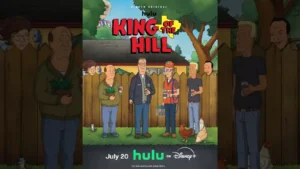
Choose Season 15 for warm, character-driven comedy, meaningful growth, and a finale that rewards longtime fans. Skip it if the short binge format, uneven replacement voices, or occasional clumsy commentary...
Pros: episode structure, season finale quality
Cons: release schedule, bingeability

Choose The Pitt Season 2 for a gripping, realistic medical drama with superb acting and emotional depth. Skip it if graphic procedures, unresolved arcs, or slower character-driven pacing bother you.
Pros: episode structure, main cast performance
Cons: age appropriateness, plot clarity

Best for powerhouse performances, thorny character work, and a tense revenge mystery that grows richer as it goes. Skip it if abuse, trafficking, graphic violence, or deliberately messy moral questions...
Pros: episode structure, supporting cast performance
Cons: cinematography, sexual content level