Scorata scores summarize analyzed review evidence on a 1–5 scale; they are not laboratory measurements or a simple average of customer star ratings. Feature scores summarize the reviews covering that feature. The overall score averages feature scores within each review, then combines review averages. When both expert and customer evidence are available, those two groups receive equal weight. Products can have different review coverage, so small score gaps do not establish a winner.
Recommendations prioritize important features for the category, with a score of at least 3.5, a gap of at least 0.25 points and at least two supporting reviews per product. Features with widely varying scores or broad connectivity contexts are excluded from recommendations. These safeguards do not establish statistical significance.
Quick verdict
What each product is best for
The available evidence supports the recommendation below, but does not establish an overall winner. Check the remaining features against your priorities.
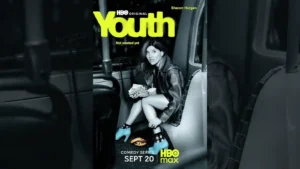
Choose Youth (2026) for cultural representation and emotional impact.
There is not enough comparable review evidence to recommend Minimum Wage over the other product.
Why these recommendations?
Youth (2026)
Where It Has the Edge
cultural representation is 5.0 vs 1.8. The show’s London social world feels naturally diverse, and its focus on complex women over 50 is welcomed...
emotional impact is 4.8 vs 2.3. Cringe, tenderness, and midlife anxiety frequently sit beside the jokes, producing moments reviewers found wrenching, vulnerable, and emotionally...
audience appeal is 4.8 vs 3.3. The comedy is especially relatable for viewers navigating midlife, but its clear character work and humor are also...
Minimum Wage
Where It Has the Edge
No clear scored advantage over the other product.
Youth (2026)4.6 overall score
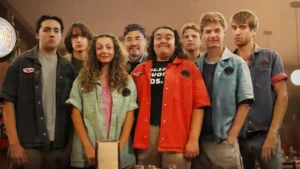
Minimum Wage3.3 overall score
Compare features
Scores are out of 5. Missing scores mean missing review evidence, not a missing feature.
Scored on both products
Other features
Cultural representation
Youth (2026)
5.0
The show’s London social world feels naturally diverse, and its focus on complex women over 50 is welcomed as a broader, less stereotyped form of representation.
Minimum Wage
1.8
The largely white ensemble draws criticism for a narrow perspective that leaves the show blander and less distinctive than it could be.
Sexual content level
Youth (2026)
4.7
The show is sexually frank and raunchy, but reviewers generally approve of how the sex scenes stay awkward, funny, and grounded rather than glossy.
Minimum Wage
1.5
The crude relationship drama is criticized for overwhelming the show’s few constructive lessons.
Romance quality
Youth (2026)
4.8
Alex and Patrick’s relationship is a major draw, powered by warmth, bad timing, and strong chemistry that makes both characters’ hesitation understandable.
Minimum Wage
2.0
The overlapping crushes and tentative romantic pairings can feel limited in imagination rather than richly developed.
Theme depth
Youth (2026)
4.8
The show’s strongest thematic idea is that growth does not end with youth: aging, desire, parenting, work, and self-definition are treated as ongoing and often contradictory.
Minimum Wage
2.0
The ensemble’s shallow execution restricts the personality and substance the show could develop.
Emotional impact
Youth (2026)
4.8
Cringe, tenderness, and midlife anxiety frequently sit beside the jokes, producing moments reviewers found wrenching, vulnerable, and emotionally recognizable.
Minimum Wage
2.3
The brief comic situations struggle to produce lasting emotional depth or satisfying impact.
Dialogue quality
Youth (2026)
5.0
Sharp lines, witty banter, and precise comic phrasing are repeatedly singled out as part of the show’s appeal.
Minimum Wage
2.5
The rapid exchanges can be silly-smart and warm, but the dialogue also attracts emphatic criticism for sounding unnatural and badly written.
Ensemble balance
Youth (2026)
4.5
The Alex-Ruari pairing is generally well balanced, with their parallel crises reinforcing each other, though some surrounding relationships feel less organically integrated.
Minimum Wage
2.0
Several employees blend together, leaving the crowded group without enough distinct personalities.
Language level
Youth (2026)
4.5
The foulmouthed dialogue fits the show’s candid comic voice and is treated as part of the fun rather than a drawback.
Minimum Wage
2.0
Frequent bleeping, even of mild swearing, can feel awkward and distracting rather than making the humor smoother.
Writing quality
Youth (2026)
4.6
The scripts are praised for tight episodic construction, sharp comic beats, and a strong sense of narrative flow.
Minimum Wage
2.6
The writing earns praise for its personal comic voice and improvement over the original shorts, but also sharp criticism for forced jokes, thin characterization, and weak dialogue.
Casting quality
Youth (2026)
5.0
The ensemble is viewed as a clear strength, with the cast itself described as great and the guest lineup adding extra texture.
Minimum Wage
3.0
Keeping the original team pays off for some, but others find the performers inexperienced or the uniformly young staff implausible.
Directing quality
Youth (2026)
4.0
The direction supports the show’s brisk half-hour rhythm and helps its observational comedy land consistently.
Minimum Wage
2.0
The inexperienced approach could benefit from more practiced mockumentary guidance, particularly in shaping characters and comic ideas.
Editing quality
Youth (2026)
4.5
Onscreen phone displays and rapid digital interruptions effectively communicate how Alex’s obligations pile up and collide.
Minimum Wage
2.5
Tighter cutting could sharpen the slapstick. Excessive cuts and unnecessary extra beats sometimes work against the comedy.
Originality
Youth (2026)
5.0
The show’s fresh angle comes less from its basic dating premise than from how it reframes the empty nest and reinvention through a 50-year-old woman’s perspective.
Minimum Wage
3.2
Some appreciate the young ensemble’s fresh, personal comic identity. Others find a shaky imitation of better-established workplace mockumentaries.
Story quality
Youth (2026)
4.2
The central midlife and mother-son stories are compelling and self-aware, though some side plots feel superfluous and the overall emotional core can occasionally get crowded.
Minimum Wage
2.5
Comic premises can be stronger than the people carrying them. Loose sketches and quickly resolved conflicts often leave the stories without enough weight.
Realism
Youth (2026)
4.6
Reviewers repeatedly praise the specificity of everyday behavior, family friction, awkward sex, and midlife insecurity, although one excerpt finds the overall presentation slightly too glamorous.
Minimum Wage
3.0
Natural cast interactions and familiar restaurant frustrations provide occasional credibility. The derivative boss and unusually young workforce can undermine it.
Season pacing
Youth (2026)
5.0
The season’s flow is addictive enough that one reviewer found it easy to move from episode to episode almost without noticing.
Minimum Wage
3.5
The comedy becomes easier to enjoy as the characters grow familiar, although later improvement does not convince every viewer.
Humor
Youth (2026)
4.7
Comedy is the broadest point of agreement: reviewers repeatedly call the show very funny, mordant, biting, and laugh-out-loud effective, especially in its publishing satire and awkward social situations.
Minimum Wage
3.2
The comedy spans inspired absurdity, physical gags, and natural banter, but consistency is a major divide. Some find frequent laughs; others see forced oddness and jokes that rarely land.
Bingeability
Youth (2026)
5.0
Short episodes, breezy momentum, and an addictive flow make the season unusually easy to consume in long stretches.
Minimum Wage
3.7
The energetic episodes can make an easy, disposable binge. Others find that continuing to the next installment never supplies the missing substance.
Episode length
Youth (2026)
4.8
The roughly 30-minute episodes are praised as snappy and particularly well suited to easy viewing.
Minimum Wage
3.4
Brief installments make the comedy easy to try and watch in small doses. The runtime still divides opinion: some find padding, while others want more room for story and character.
Character development
Youth (2026)
3.7
The mother-son relationship grows in satisfying ways, but Ruari’s personal arc is also criticized as rushed and at times too simply resolved.
Minimum Wage
2.4
Thin identities and limited growth are recurring complaints, especially when jokes displace emotional development. One viewer nevertheless finds the Netflix characters more distinct than their YouTube counterparts.
Character consistency
Youth (2026)
3.2
Alex is praised as carefully balanced, but Sam and especially Ruari draw some criticism for inconsistent characterization or behavior that serves the plot.
Minimum Wage
2.0
Personality traits shift or fade between episodes, making several employees hard to define beyond the immediate gag.
Episode pacing
Youth (2026)
4.3
The pacing is loose and light rather than urgent, with several reviewers finding the breezy movement a good fit for the material.
Minimum Wage
3.1
Quick movement keeps the show lively, but the speed sometimes rushes conflicts and character moments; one assessment also finds the expansion slower than the original shorts.
Episode structure
Youth (2026)
4.0
The two-episode opening gives the overlapping family, work, and dating pressures enough room to establish themselves before the weekly rollout.
Minimum Wage
3.3
Short, self-contained situations and secondary plots can hold attention well. Loose sketch construction and limited breathing room can also keep episodes from developing satisfying stories.
Genre satisfaction
Youth (2026)
4.0
As a midlife comedy-drama it lands very well, though at least one reviewer places it just below Horgan’s best earlier work.
Minimum Wage
4.5
The show can satisfy viewers who enjoy its specific brand of absurd workplace comedy, with enthusiastic support for how fully it commits to that style.
Cast chemistry
Youth (2026)
4.8
Chemistry is one of the clearest strengths, especially in Alex’s romantic scenes with Patrick and the shifting warmth and strain of her friendship with Sam.
Minimum Wage
4.4
Natural banter and the cast’s long familiarity are among the most frequently praised strengths. Even qualified assessments often find the group more enjoyable together than as separate characters.
Accountability handling
Youth (2026)
2.0
The show’s handling of Ruari’s wrongdoing draws criticism for making his rehabilitation too easy, softening a harder accountability arc.
Minimum Wage
2.0
The staff repeatedly evade consequences, weakening the show’s messages about responsibility.
Controls and connectivity
Character appeal
Youth (2026)
4.5
Patrick’s appeal is carefully calibrated: he remains flawed, but reviewers find him likable and charming enough to make Alex’s attraction believable.
Minimum Wage
2.9
The oddball employees can be irresistibly amusing together, but several blend into one another or become irritating when isolated from the group.
Audience appeal
Youth (2026)
4.8
The comedy is especially relatable for viewers navigating midlife, but its clear character work and humor are also described as accessible beyond that core audience.
Minimum Wage
3.3
Early streaming success indicates an audience for the compact format, but several assessments stress that the over-the-top style has limited or acquired appeal.
Ownership and support
Entertainment value
Youth (2026)
5.0
The series is described as a highly enjoyable, superlative comedy with strong momentum and plenty of comic payoff.
Minimum Wage
3.4
At its best, this is lively, low-commitment amusement. The weakest jokes, loud delivery, and shallow stories make it a much tougher watch for detractors.
Performance
Acting performance
Youth (2026)
5.0
Performances are a major strength, with the ensemble making relationships feel lived-in and Aran Murphy’s work bringing tenderness to Ruari.
Minimum Wage
3.6
Supporters enjoy the performers’ wholehearted embrace of ridiculous behavior; detractors find the same approach excessive and unconvincing.
Main cast performance
Youth (2026)
5.0
The lead ensemble is consistently praised, with Horgan’s comic presence and Aran Murphy’s naturalistic work giving the show much of its emotional credibility.
Minimum Wage
3.6
The ensemble’s uninhibited commitment and deadpan delivery can sell the absurdity. Reactions range from strong praise for its comic talent to frustration with broad, exaggerated acting.
Supporting cast performance
Youth (2026)
4.7
The supporting players are widely seen as a strength, bringing comic energy and added texture even when a few side characters verge on caricature.
Minimum Wage
4.5
Randall Park usually brings welcome energy and memorable comic moments to his recurring boss, even when his role is brief.
Comfort and build
World-building
Youth (2026)
4.0
Guest characters and the publishing-world ensemble add depth and color to the show’s wider social universe.
Minimum Wage
3.0
The pizzeria offers an interesting foundation, but one viewer finds its potential largely wasted.
Evidence available for one product
Controls and connectivity
Age appropriateness
Youth (2026)No score yet
Minimum Wage
1.5
Sexual references and immature relationship behavior prompt strong reservations about younger viewers, with caution advised even for older teens.
Critic appeal
Youth (2026)
5.0
Critical reception is strongly positive, with the series characterized as another major success for Horgan.
Minimum WageNo score yet
Other features
Character screen time
Youth (2026)No score yet
Minimum Wage
1.5
Randall Park’s limited recurring appearances can disappoint viewers expecting him to play a more central part in the show.
Cinematography
Youth (2026)No score yet
Minimum Wage
2.0
The camera does not always arrive at the right comic moment, weakening the mockumentary’s visual execution.
Class commentary
Youth (2026)No score yet
Minimum Wage
3.5
The struggling young workers feel economically relatable to some viewers. Another finds almost no meaningful insight into contemporary minimum-wage employment.
Comic timing
Youth (2026)No score yet
Minimum Wage
3.5
Ryan Micho’s precise delivery stands out positively, while camera choices sometimes fail to capture the timing that other jokes need.
Consent and relationship ethics
Youth (2026)No score yet
Minimum Wage
1.5
The relationship comedy draws criticism for turning unhealthy behavior and immaturity into punchlines instead of modeling growth.
Drama quality
Youth (2026)
2.5
The dramatic side is less consistent than the comedy, with one critic arguing that the many complications can crowd out the emotional core.
Minimum WageNo score yet
Faithfulness to source material
Youth (2026)No score yet
Minimum Wage
5.0
The Netflix adaptation keeps the original web series’ comic spirit and returning cast, a choice that helps preserve what already worked.
Family friendliness
Youth (2026)No score yet
Minimum Wage
1.0
Crude relationship humor and irresponsible behavior make this a poor choice for families seeking clean, hopeful comedy.
Fourth-wall narration
Youth (2026)No score yet
Minimum Wage
3.0
Looking into the camera provides a convenient comic shortcut, without much development of why the crew is filming.
Friendship portrayal
Youth (2026)No score yet
Minimum Wage
3.5
Beneath the nonsense, enough warmth comes through to suggest that these coworkers actually like one another.
Gender and sexism portrayal
Youth (2026)No score yet
Minimum Wage
1.5
Hyde’s misogyny becomes grating rather than funny for one critic, while another objects to relationship conflicts organized around men-versus-women hostility.
Joke originality
Youth (2026)No score yet
Minimum Wage
4.5
One enthusiastic assessment values the comedy’s individual personality and youthful creative voice over repeating familiar jokes.
LGBTQ+ representation
Youth (2026)No score yet
Minimum Wage
1.8
The strongly heterosexual ensemble draws criticism for limiting the variety and personality of its relationships.
Memorability
Youth (2026)No score yet
Minimum Wage
2.0
The energetic hangout is deliberately disposable, offering quick amusement with little that lingers afterward.
Menopause portrayal
Youth (2026)
5.0
The menopause material is unusually frank and specific, treating physical changes, sexuality, and self-image as both funny and meaningful rather than background detail.
Minimum WageNo score yet
Mockumentary execution
Youth (2026)No score yet
Minimum Wage
2.9
Confessionals and camera reactions can create easy laughs, but the documentary setup often feels unexplained, derivative, or sloppily filmed.
Modern political framing
Youth (2026)
2.5
The masculinity storyline is one of the shakier elements; its attempt to engage contemporary anxieties around young men is seen as less fully resolved than the midlife material.
Minimum WageNo score yet
Narrative stakes
Youth (2026)No score yet
Minimum Wage
4.0
The possibility of the shop closing and its staff losing their jobs supplies a useful hook beyond introductions and random antics.
Physical comedy
Youth (2026)No score yet
Minimum Wage
4.0
The cast throws itself into pratfalls and bodily absurdity with little inhibition, although busy cutting can weaken the payoff.
Pilot episode quality
Youth (2026)No score yet
Minimum Wage
3.0
The opening is oddly compelling to one viewer but the weakest comic installment to another; its setup becomes more engaging when the owner supplies a concrete threat.
Professional life portrayal
Youth (2026)No score yet
Minimum Wage
3.2
Customer chaos and precarious young workers can feel recognizable, but the workplace also draws criticism for sitcom-derived behavior and an implausibly uniform teenage staff.
Release schedule
Youth (2026)
4.5
The two-episode premiere is viewed as a smart launch choice because it establishes the show’s competing pressures before shifting to weekly episodes.
Minimum WageNo score yet
Religious messaging
Youth (2026)No score yet
Minimum Wage
4.0
Brief references to the Bible and dependence on God are appreciated for adding a light Christian moral foundation.
Renewal interest
Youth (2026)No score yet
Minimum Wage
4.3
Several viewers want further episodes or another season to develop the show’s comic promise, even while noting its current shortcomings.
Season length
Youth (2026)
5.0
Eight half-hour episodes make for a compact season that several reviewers describe as unusually easy to binge.
Minimum WageNo score yet
Shock comedy execution
Youth (2026)No score yet
Minimum Wage
2.0
Odd statements and provocative behavior too often replace clever writing or naturally developed jokes.
Tonal consistency
Youth (2026)
4.9
The series largely sustains a tricky blend of raunch, melancholy, cringe, and tenderness without losing its identity as a comedy.
Minimum WageNo score yet
Topical relevance
Youth (2026)No score yet
Minimum Wage
4.0
The younger workforce gives the familiar workplace-comedy formula a comparatively fresh generational perspective.
Workplace teamwork portrayal
Youth (2026)No score yet
Minimum Wage
3.0
There are useful moments about cooperation, dependability, and friendship, though selfish behavior frequently undercuts them.
Ownership and support
Educational value
Youth (2026)No score yet
Minimum Wage
3.0
A few lessons about friendship and responsibility emerge, but crude humor and negative examples limit their value.
Production value
Youth (2026)No score yet
Minimum Wage
3.0
The move to Netflix looks like an improvement over the YouTube version to one viewer, while another finds the production conspicuously cheap on a large television.
Performance
Marketing accuracy
Youth (2026)No score yet
Minimum Wage
2.0
Emphasizing Randall Park can create expectations that his limited recurring appearances do not meet.
Comfort and build
Production design
Youth (2026)
4.0
Real London locations and polished interiors are used in ways that fit Alex’s publishing-world ambitions and professional setting.
Minimum WageNo score yet
Visual style
Youth (2026)
4.3
Phone screens and busy visual details reinforce Alex’s overloaded life, though one review finds the show’s polished glamour a little at odds with its claim to everyday realism.
Best for sharp adult humor, magnetic chemistry and a deeply satisfying farewell. Skip it if familiar will-they-won’t-they plotting or deliberately messy leads are dealbreakers.
Choose Widow’s Bay for its dark laughs, richly haunted island and memorable ensemble. Skip it if you need straightforward scares, rapid answers to every mystery or a completely resolved finale.
Choose Season 15 for warm, character-driven comedy, meaningful growth, and a finale that rewards longtime fans. Skip it if the short binge format, uneven replacement voices, or occasional clumsy commentary...
Best for sharply acted, compassionate, high-pressure hospital drama. Skip it if graphic procedures unsettle you or you need a neatly resolved season finale.