Scorata scores summarize analyzed review evidence on a 1–5 scale; they are not laboratory measurements or a simple average of customer star ratings. Feature scores summarize the reviews covering that feature. The overall score averages feature scores within each review, then combines review averages. When both expert and customer evidence are available, those two groups receive equal weight. Products can have different review coverage, so small score gaps do not establish a winner.
Recommendations prioritize important features for the category, with a score of at least 3.5, a gap of at least 0.25 points and at least two supporting reviews per product. Features with widely varying scores or broad connectivity contexts are excluded from recommendations. These safeguards do not establish statistical significance.
Quick verdict
What each product is best for
The review evidence points to a tradeoff: episode pacing and writing quality versus visual style and romance quality. Choose according to which strengths matter more to you; the overall score alone does not settle that choice.
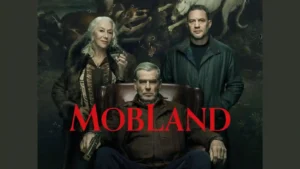
Choose MobLand, Season 2 for episode pacing and writing quality.
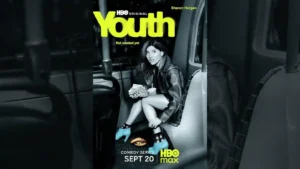
Choose Youth (2026) for visual style and romance quality.
Why these recommendations?
MobLand, Season 2
Where It Has the Edge
episode pacing is 5.0 vs 4.3. Season 2’s opening episodes usually move quickly, with critics praising how fast the premiere reestablishes stakes and throws...
writing quality is 5.0 vs 4.6. The writing earns strong praise for sharp scripts, added subtlety, and the ability to deepen the family dynamics...
episode length is 5.0 vs 4.8. Hour-long chapters are explicitly praised as worth the investment because the tension and danger stay high.
Youth (2026)
Where It Has the Edge
visual style is 4.3 vs 3.3. Phone screens and busy visual details reinforce Alex’s overloaded life, though one review finds the show’s polished glamour...
romance quality is 4.8 vs 4.0. Alex and Patrick’s relationship is a major draw, powered by warmth, bad timing, and strong chemistry that makes...
main cast performance is 5.0 vs 4.3. The lead ensemble is consistently praised, with Horgan’s comic presence and Aran Murphy’s naturalistic work giving the show...
MobLand, Season 24.2 overall score
Youth (2026)4.6 overall score
Compare features
Scores are out of 5. Missing scores mean missing review evidence, not a missing feature.
Scored on both products
Other features
Sexual content level
MobLand, Season 2
2.0
One critic sees sex as part of an overreliance on sensational jolts, arguing that the spectacle can crowd out deeper exploration of the family.
Youth (2026)
4.7
The show is sexually frank and raunchy, but reviewers generally approve of how the sex scenes stay awkward, funny, and grounded rather than glossy.
Drama quality
MobLand, Season 2
5.0
The premiere works best when the power struggle becomes personal, tightening the conflict around damaged family relationships rather than only gangland mechanics.
Youth (2026)
2.5
The dramatic side is less consistent than the comedy, with one critic arguing that the many complications can crowd out the emotional core.
Modern political framing
MobLand, Season 2
5.0
The season expands from street-level gang conflict into a more sophisticated political drama with international implications, a shift one review strongly praises.
Youth (2026)
2.5
The masculinity storyline is one of the shakier elements; its attempt to engage contemporary anxieties around young men is seen as less fully resolved than the midlife material.
Plot originality
MobLand, Season 2
2.6
Originality is one of the most consistent reservations: reviewers repeatedly call the gangster framework familiar or clichéd. Strong execution, eccentric characters, and energy often compensate for that familiarity.
Youth (2026)
5.0
The show’s fresh angle comes less from its basic dating premise than from how it reframes the empty nest and reinvention through a 50-year-old woman’s perspective.
Language level
MobLand, Season 2
2.5
Profanity is polarizing: one critic thinks the relentless cursing enhances the heightened style, while another argues the show depends on swearing so heavily that it becomes grating.
Youth (2026)
4.5
The foulmouthed dialogue fits the show’s candid comic voice and is treated as part of the fun rather than a drawback.
Dialogue quality
MobLand, Season 2
3.3
Dialogue reactions are sharply divided: some critics call it devilishly funny or almost Elizabethan, while others find it crass, less punchy, or effortful.
Youth (2026)
5.0
Sharp lines, witty banter, and precise comic phrasing are repeatedly singled out as part of the show’s appeal.
Season pacing
MobLand, Season 2
3.4
Pacing is the most divided area. Some reviews call the season faster, relentless, or breakneck, while others say it is overbusy, slow to build, or outright stalled.
Youth (2026)
5.0
The season’s flow is addictive enough that one reviewer found it easy to move from episode to episode almost without noticing.
Casting quality
MobLand, Season 2
3.7
Johnny Flynn’s arrival is widely viewed as inspired casting, though one harsh review argues Helen Mirren is badly miscast. Overall casting sentiment is positive but not unanimous.
Youth (2026)
5.0
The ensemble is viewed as a clear strength, with the cast itself described as great and the guest lineup adding extra texture.
Directing quality
MobLand, Season 2
5.0
Guy Ritchie’s premiere direction is praised for combining menace, swagger, violence, and darkly funny understatement with confidence.
Youth (2026)
4.0
The direction supports the show’s brisk half-hour rhythm and helps its observational comedy land consistently.
Editing quality
MobLand, Season 2
3.5
Editing draws split reactions. One critic misses the rapid-fire cutting associated with Ritchie’s action style, while another praises dynamically rhythmic edits that make action scenes sing.
Youth (2026)
4.5
Onscreen phone displays and rapid digital interruptions effectively communicate how Alex’s obligations pile up and collide.
Screenplay quality
MobLand, Season 2
4.0
The writing is praised at its best as whip-smart and tightly constructed, though one review criticizes moments when supposedly savvy characters make implausibly poor decisions.
Youth (2026)
5.0
The scripts are praised for tight episodic construction, sharp comic beats, and a strong sense of narrative flow.
Romance quality
MobLand, Season 2
4.0
Eddie and Gina’s relationship adds a softer note to the violence, with reviewers praising their chemistry and the small touch of sweetness their bond brings.
Youth (2026)
4.8
Alex and Patrick’s relationship is a major draw, powered by warmth, bad timing, and strong chemistry that makes both characters’ hesitation understandable.
Episode pacing
MobLand, Season 2
5.0
Season 2’s opening episodes usually move quickly, with critics praising how fast the premiere reestablishes stakes and throws viewers back into the conflict.
Youth (2026)
4.3
The pacing is loose and light rather than urgent, with several reviewers finding the breezy movement a good fit for the material.
Theme depth
MobLand, Season 2
4.0
Reviews split on depth: some praise the stronger focus on marriage, family damage, motivation, and humanism, while others see fireworks and criminal posturing crowding out substance.
Youth (2026)
4.8
The show’s strongest thematic idea is that growth does not end with youth: aging, desire, parenting, work, and self-definition are treated as ongoing and often contradictory.
Character balance
MobLand, Season 2
3.8
Several reviews like the wider focus and say the larger cast avoids feeling forced, but others find the number of active players daunting. Harry’s reduced centrality is generally seen as manageable.
Youth (2026)
4.5
The Alex-Ruari pairing is generally well balanced, with their parallel crises reinforcing each other, though some surrounding relationships feel less organically integrated.
Humor
MobLand, Season 2
4.1
Dark humor is a major draw for many reviewers, especially when brutality and absurdity collide. Detractors find the jokes, banter, and profanity strained rather than funny.
Youth (2026)
4.7
Comedy is the broadest point of agreement: reviewers repeatedly call the show very funny, mordant, biting, and laugh-out-loud effective, especially in its publishing satire and awkward social situations.
Realism
MobLand, Season 2
4.0
Some critics find the family power struggle more credible and appreciate Hardy’s grounding influence, while others call the Harrigans ludicrous or emphasize the show’s deliberately stylized unreality.
Youth (2026)
4.6
Reviewers repeatedly praise the specificity of everyday behavior, family friction, awkward sex, and midlife insecurity, although one excerpt finds the overall presentation slightly too glamorous.
Character likability
MobLand, Season 2
5.0
Harry’s competence and insight make him unusually easy to root for, while the broader cast is praised as compelling even when the characters are morally awful.
Youth (2026)
4.5
Patrick’s appeal is carefully calibrated: he remains flawed, but reviewers find him likable and charming enough to make Alex’s attraction believable.
Release schedule
MobLand, Season 2
4.0
The weekly rollout is viewed positively as a way to sustain tension and make the season feel like an ongoing must-watch event.
Youth (2026)
4.5
The two-episode premiere is viewed as a smart launch choice because it establishes the show’s competing pressures before shifting to weekly episodes.
Writing quality
MobLand, Season 2
5.0
The writing earns strong praise for sharp scripts, added subtlety, and the ability to deepen the family dynamics without abandoning the show’s chaotic identity.
Youth (2026)
4.6
Horgan’s scripts are repeatedly praised for sharp observation, comic precision, and honesty, even as a minority view finds the writing slightly softened and less biting than her best work.
Genre satisfaction
MobLand, Season 2
4.3
For viewers who want a modern gangster thriller, the season is widely described as a strong or even top-tier genre entry, despite familiar genre DNA.
Youth (2026)
4.0
As a midlife comedy-drama it lands very well, though at least one reviewer places it just below Horgan’s best earlier work.
Story quality
MobLand, Season 2
4.5
The dominant view is that Season 2 is gripping, more ambitious, and improved over the first season. Dissenters see stalled momentum, thin substance, or squandered potential beneath the spectacle.
Youth (2026)
4.2
The central midlife and mother-son stories are compelling and self-aware, though some side plots feel superfluous and the overall emotional core can occasionally get crowded.
Episode length
MobLand, Season 2
5.0
Hour-long chapters are explicitly praised as worth the investment because the tension and danger stay high.
Youth (2026)
4.8
The roughly 30-minute episodes are praised as snappy and particularly well suited to easy viewing.
Episode structure
MobLand, Season 2
4.3
The premiere’s recap and reintroduction work well, and its personal stakes sharpen the setup. One critic pushes back that quieter episodes can feel like filler rather than purposeful progression.
Youth (2026)
4.0
The two-episode opening gives the overlapping family, work, and dating pressures enough room to establish themselves before the weekly rollout.
Cast chemistry
MobLand, Season 2
5.0
Maeve and Conrad’s combustible pairing earns strong praise, while the Harry-Maeve-Conrad triangle is also seen as an entertaining core dynamic.
Youth (2026)
4.8
Chemistry is one of the clearest strengths, especially in Alex’s romantic scenes with Patrick and the shifting warmth and strain of her friendship with Sam.
Character development
MobLand, Season 2
3.9
Many reviewers see richer motivations, stronger arcs, and more depth across the family, especially Harry. Critics on the other side argue some quieter episodes stall rather than develop the characters.
Youth (2026)
3.7
The mother-son relationship grows in satisfying ways, but Ruari’s personal arc is also criticized as rushed and at times too simply resolved.
Character consistency
MobLand, Season 2
3.0
Familiar personality traits sometimes edge toward repetition, and Gina’s rapid shift into criminality is called whiplash by one critic. The returning characters otherwise remain recognizably themselves.
Youth (2026)
3.2
Alex is praised as carefully balanced, but Sam and especially Ruari draw some criticism for inconsistent characterization or behavior that serves the plot.
Emotional impact
MobLand, Season 2
5.0
Harry and Jan’s marriage material lands as both heartbreaking and funny, giving the season emotional weight beneath the criminal chaos.
Youth (2026)
4.8
Cringe, tenderness, and midlife anxiety frequently sit beside the jokes, producing moments reviewers found wrenching, vulnerable, and emotionally recognizable.
Acting quality
MobLand, Season 2
4.9
The ensemble is one of the clearest strengths, with repeated praise for the leads and newcomers even from reviews that dislike the plotting. Several critics call the cast fantastic, top-form, or the main reason the show works.
Youth (2026)
5.0
Performances are a major strength, with the ensemble making relationships feel lived-in and Aran Murphy’s work bringing tenderness to Ruari.
Tone consistency
MobLand, Season 2
5.0
The darker, more serious mood is generally viewed as a coherent evolution, and the directing team is praised for keeping the style and tone consistent across episodes.
Youth (2026)
4.9
The series largely sustains a tricky blend of raunch, melancholy, cringe, and tenderness without losing its identity as a comedy.
Accountability handling
MobLand, Season 2
2.0
One critic objects that the crime family never meaningfully reckons with the human consequences of its drug business, making the moral fallout feel underexamined.
Youth (2026)
2.0
The show’s handling of Ruari’s wrongdoing draws criticism for making his rehabilitation too easy, softening a harder accountability arc.
Bingeability
MobLand, Season 2
5.0
The premiere quickly rekindled one reviewer’s desire to binge the entire season in one sitting.
Youth (2026)
5.0
Short episodes, breezy momentum, and an addictive flow make the season unusually easy to consume in long stretches.
Comfort and build
World-building
MobLand, Season 2
5.0
The broader criminal and political world is praised for feeling more developed, with added layers around both the Harrigans and the forces moving against them.
Youth (2026)
4.0
Guest characters and the publishing-world ensemble add depth and color to the show’s wider social universe.
Visual style
MobLand, Season 2
3.3
The show is often called stylish, especially in the opener, but several reviewers find it less visually distinctive than The Gentlemen or more formulaic once the premiere settles down.
Youth (2026)
4.3
Phone screens and busy visual details reinforce Alex’s overloaded life, though one review finds the show’s polished glamour a little at odds with its claim to everyday realism.
Ownership and support
Entertainment value
MobLand, Season 2
4.1
Most reviews find the season highly watchable, fun, addictive, or outright excellent. A smaller but forceful group finds the chaos tedious, stalled, or a waste of the cast and audience’s time.
Youth (2026)
5.0
The series is described as a highly enjoyable, superlative comedy with strong momentum and plenty of comic payoff.
Performance
Main cast performance
MobLand, Season 2
4.3
The leads remain a major asset, especially Tom Hardy’s calm, menacing presence. Even reviews focused on story problems often acknowledge the strength of the central performances.
Youth (2026)
5.0
The lead ensemble is consistently praised, with Horgan’s comic presence and Aran Murphy’s naturalistic work giving the show much of its emotional credibility.
Supporting cast performance
MobLand, Season 2
5.0
The supporting players are described by the principal cast as top-tier British actors who add substantial quality around the leads.
Youth (2026)
4.7
The supporting players are widely seen as a strength, bringing comic energy and added texture even when a few side characters verge on caricature.
Controls and connectivity
Audience appeal
MobLand, Season 2
4.5
The season wins over at least one self-described gangster-genre skeptic and earns a direct recommendation from another writer, suggesting broad appeal beyond committed mob-drama fans.
Youth (2026)
4.8
The comedy is especially relatable for viewers navigating midlife, but its clear character work and humor are also described as accessible beyond that core audience.
Critic appeal
MobLand, Season 2
5.0
Early critical reception is presented as exceptionally strong, with writers emphasizing the initial perfect aggregator score while also noting the small early sample.
Youth (2026)
5.0
Critical reception is strongly positive, with the series characterized as another major success for Horgan.
Evidence available for one product
Other features
Accent authenticity
MobLand, Season 2
1.8
Irish-accent work is a recurring weak spot. Multiple critics call the accents unconvincing or comical, even when they still enjoy the performances around them.
Youth (2026)No score yet
Action quality
MobLand, Season 2
4.7
Most reviewers find the action explosive, stylish, and high-impact, especially the dog-track opener. A notable dissenting review says the once-propulsive action stalls during the first four episodes.
Youth (2026)No score yet
Cinematography
MobLand, Season 2
2.0
One review specifically misses the stylized camerawork normally associated with this kind of kinetic crime action, making the visual shooting style a relative weakness there.
Youth (2026)No score yet
Cliffhanger effectiveness
MobLand, Season 2
5.0
Frankie’s late reveal in the premiere is praised as an effective warning that the threat board is getting more crowded.
Youth (2026)No score yet
Continuity
MobLand, Season 2
5.0
The darker, more damaging direction is described as a natural evolution of what the first season had already been building toward rather than a shock-for-shock’s-sake pivot.
Youth (2026)No score yet
Cultural representation
MobLand, Season 2No score yet
Youth (2026)
5.0
The show’s London social world feels naturally diverse, and its focus on complex women over 50 is welcomed as a broader, less stereotyped form of representation.
Lore depth
MobLand, Season 2
5.0
The expanded world gives viewers more meaningful insight into both major and secondary players, adding texture beyond the central Harrigan power struggle.
Youth (2026)No score yet
Menopause portrayal
MobLand, Season 2No score yet
Youth (2026)
5.0
The menopause material is unusually frank and specific, treating physical changes, sexuality, and self-image as both funny and meaningful rather than background detail.
Plot clarity
MobLand, Season 2
3.0
Clarity varies by reviewer. Some praise how quickly the season establishes players and stakes, while others find the many feuds and schemes hard to follow without close attention.
Youth (2026)No score yet
Plot twists
MobLand, Season 2
5.0
The season’s shocking developments and expanding complications are repeatedly framed as a strength that keeps the story lively.
Youth (2026)No score yet
Renewal interest
MobLand, Season 2
5.0
Enthusiasm for continuing is high, with multiple reviewers explicitly eager for more and relieved that a third season is already confirmed.
Youth (2026)No score yet
Season length
MobLand, Season 2No score yet
Youth (2026)
5.0
Eight half-hour episodes make for a compact season that several reviewers describe as unusually easy to binge.
Special effects quality
MobLand, Season 2
5.0
Action effects such as muzzle flashes and bloody impacts are praised for making the upgraded violence feel vivid and hard-hitting.
Youth (2026)No score yet
Suspense
MobLand, Season 2
4.5
Most reviewers find the season tense, unpredictable, and hard to look away from, especially as characters become less safe. One critic thinks Frankie’s early danger is asserted more than earned.
Youth (2026)No score yet
Villain quality
MobLand, Season 2
4.8
Frankie is the breakout threat for most reviewers—strange, menacing, funny, and unpredictable—while Kat adds strategic pressure. One major dissent calls Frankie a temporary stopgap whose early menace lacks consequences.
Youth (2026)No score yet
Violence level
MobLand, Season 2
3.3
Violence is intentionally extreme and very polarizing. Fans of the style praise the gore-flecked spectacle and upgraded impact, while detractors find the carnage excessive and unsupported by enough wit or charm.
Youth (2026)No score yet
Comfort and build
Costume design
MobLand, Season 2
5.0
Maeve’s power-dressing wardrobe receives explicit praise as a standout visual detail this season.
Youth (2026)No score yet
Production design
MobLand, Season 2No score yet
Youth (2026)
4.0
Real London locations and polished interiors are used in ways that fit Alex’s publishing-world ambitions and professional setting.
Sound design
MobLand, Season 2
2.0
One review says the punchy sound design associated with the show’s kinetic action style is largely missing this season.
Youth (2026)No score yet
Performance
Soundtrack quality
MobLand, Season 2
5.0
The soundtrack gets enthusiastic praise for its defiant choices and the way music energizes major action sequences.
Best for sharp adult humor, magnetic chemistry and a deeply satisfying farewell. Skip it if familiar will-they-won’t-they plotting or deliberately messy leads are dealbreakers.
Choose Season 15 for warm, character-driven comedy, meaningful growth, and a finale that rewards longtime fans. Skip it if the short binge format, uneven replacement voices, or occasional clumsy commentary...
Choose The Pitt Season 2 for a gripping, realistic medical drama with superb acting and emotional depth. Skip it if graphic procedures, unresolved arcs, or slower character-driven pacing bother you.
Best for powerhouse performances, thorny character work, and a tense revenge mystery that grows richer as it goes. Skip it if abuse, trafficking, graphic violence, or deliberately messy moral questions...