Compare SPRAWL zero vs Tenebris Somnia

SPRAWL zero

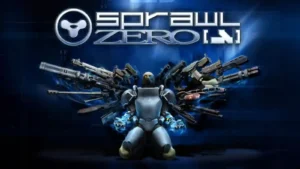
SPRAWL zero

Overall score 4.0 / 5

Based on 33 scored reviews

vs
Tenebris Somnia

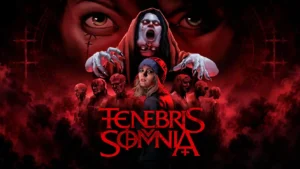
Tenebris Somnia

Overall score 4.0 / 5

Based on 17 scored reviews

How we score

Scorata scores summarize analyzed review evidence on a 1–5 scale; they are not laboratory measurements or a simple average of customer star ratings. Feature scores summarize the reviews covering that feature. The overall score averages feature scores within each review, then combines review averages. When both expert and customer evidence are available, those two groups receive equal weight. Products can have different review coverage, so small score gaps do not establish a winner.

Recommendations prioritize important features for the category, with a score of at least 3.5, a gap of at least 0.25 points and at least two supporting reviews per product. Features with widely varying scores or broad connectivity contexts are excluded from recommendations. These safeguards do not establish statistical significance.

Quick verdict

What each product is best for

The review evidence points to a tradeoff: gameplay mechanics and core gameplay loop versus protagonist appeal and character development. Choose according to which strengths matter more to you; the overall score alone does not settle that choice.

Choose SPRAWL zero for gameplay mechanics and core gameplay loop.

Choose Tenebris Somnia for protagonist appeal and character development.

Why these recommendations?

SPRAWL zero

Where It Has the Edge

  • gameplay mechanics is 4.8 vs 3.3. The one-gun system, Gravity Gloves, powers, environmental throws, and aggressive movement combine into a mechanically strong throwback that...
  • core gameplay loop is 4.8 vs 4.0. The shoot-empty-throw-grab rhythm is the game's defining strength. Constant weapon swaps and physics interactions create a fast loop...
  • checkpoint system is 5.0 vs 4.3. Frequent green-gate checkpoints are generous and keep deaths from becoming overly punishing.

Tenebris Somnia

Where It Has the Edge

  • protagonist appeal is 4.8 vs 2.0. Julia is praised as complex and compelling, especially for holding to her convictions while confronting a painful shared...
  • character development is 4.5 vs 2.0. New revelations deepen Julia’s response to the failed relationship and repeatedly change how her history with Ivan is...
  • environmental detail is 4.7 vs 2.9. Rooms retain recognizable props and details when switching between pixels and filmed sets. That close matching helps both...
SPRAWL zero 4.0 overall score
Tenebris Somnia 4.0 overall score

Compare features

Scores are out of 5. Missing scores mean missing review evidence, not a missing feature.

Scored on both products

Other features

Frame rate stability
SPRAWL zero
2.0

Frame-rate stability is the biggest technical concern on handheld hardware. Steam Deck and Switch 2 can suffer heavy drops in busy combat, while other platforms fare better.

Tenebris Somnia
5.0

The tested Linux setup maintains a rock-solid 60fps once running.

Character development
SPRAWL zero
2.0

Five's attempted character arc has interesting ideas but often lacks enough clarity or emotional investment to land.

Tenebris Somnia
4.5

New revelations deepen Julia’s response to the failed relationship and repeatedly change how her history with Ivan is understood.

Loot system
SPRAWL zero
4.5

Color-coded weapon rarity makes stronger drops easy to identify without slowing down the action.

Tenebris Somnia
2.0

Optional storage lockers do not always repay the time spent finding keys; some offer only a small healing item.

Progression system
SPRAWL zero
5.0

Progression stays refreshingly simple, with linear ability upgrades instead of sprawling skill trees or multiple currencies.

Tenebris Somnia
2.5

Item collection can occur in an order that feels unnatural, weakening the sense of a cleanly guided progression path.

Aiming precision
SPRAWL zero
4.3

Gunplay is generally accurate and responsive, though one take found aiming down sights adds little compared with the intended hip-fire style.

Tenebris Somnia
2.0

Shot alignment can feel inconsistent: a slight mismatch sometimes wastes a bullet and sometimes makes no difference.

Movement feel
SPRAWL zero
4.5

Movement is generally fluid, purposeful, and well matched to the more grounded combat. Some miss the predecessor's freer parkour, but others prefer the tighter focus.

Tenebris Somnia
2.4

Movement gets sharply different reactions: one account finds Julia agile enough to evade threats, while others find her slow or stiff. Snagging on scenery adds to the frustration.

Dialogue quality
SPRAWL zero
2.5

Story dialogue can be difficult to follow because much of it arrives during active firefights.

Tenebris Somnia
4.5

Julia’s text narration is praised for its somber tone, occasional humor, and strong characterization. Some dialogue is a little clunky without spoiling its appeal.

Combat system
SPRAWL zero
4.9

Combat is the clear centerpiece: disposable guns, Gravity Gloves, Bullet Time, shields, and Rushdown combine into frantic improvisational fights. At its best, the system feels fast, expressive, and exceptionally satisfying.

Tenebris Somnia
2.9

Combat is the most divisive part of the experience: some find tense, satisfying fights, while others struggle with clunky weapons and frustrating late encounters. Delayed attacks and reload commitment are frequent sticking points.

Environmental detail
SPRAWL zero
2.9

The brutalist city has a distinctive identity, but many areas reuse similar concrete corridors, browns, greys, and industrial spaces. Visual repetition can make midgame locations blur together.

Tenebris Somnia
4.7

Rooms retain recognizable props and details when switching between pixels and filmed sets. That close matching helps both halves feel like the same place.

Writing quality
SPRAWL zero
2.5

The story's ideas are interesting, but faction explanations can slip into exposition-heavy writing that is hard to absorb during a fast shooter.

Tenebris Somnia
4.2

Layered relationship writing, film-centered themes, and well-written characters are recurring strengths. Some accounts find the final explanations heavy-handed or stylistically at odds with the evocative films.

Gameplay mechanics
SPRAWL zero
4.8

The one-gun system, Gravity Gloves, powers, environmental throws, and aggressive movement combine into a mechanically strong throwback that still feels fresh.

Tenebris Somnia
3.3

The interactive half offers some clever meta sequences and effective links to the story. Familiar systems and uneven execution still leave one critic reluctant to recommend it for gameplay alone.

World interactivity
SPRAWL zero
5.0

Gravity Gloves make the environment an active weapon: barrels, grenades, health pods, debris, doors, and even enemies can be manipulated. This physical interactivity is one of the game's strongest defining traits.

Tenebris Somnia
3.5

Object comments and unusual screen-based interactions can make the world feel responsive and narratively rich. Finicky interaction distance and hard-to-spot hotspots sometimes undermine that strength.

Narrative quality
SPRAWL zero
3.0

The story is serviceable rather than central. It provides enough context and a few twists, but several takes find it confusing, emotionally thin, or too dependent on mid-combat exposition.

Tenebris Somnia
4.5

The layered mystery around Julia, Ivan, and their filmmaking is one of the most consistent strengths. A minority objects to inconsistent turns or heavy explanation near the ending.

Learning curve
SPRAWL zero
5.0

The systems move quickly but remain easy to understand, making the game approachable without sacrificing room for mastery.

Tenebris Somnia
4.0

Subtle environmental guidance makes the adventure more approachable for newcomers without turning every step into an explicit instruction.

Exploration quality
SPRAWL zero
3.8

Secrets and hidden areas can be satisfying to hunt, but some exploration rewards amount to weapon caches or collectibles that do not always feel equally exciting.

Tenebris Somnia
2.8

Shifting environments can keep the compact world engaging, but repeated travel and unclear interaction points sometimes turn searching into a chore.

Enemy variety
SPRAWL zero
4.1

Enemy variety is generally strong, with snipers, shielded heavies, drones, melee threats, and other specialists forcing different responses. A few sections still feel repetitive when familiar foes dominate.

Tenebris Somnia
3.3

One account finds just enough enemy types to stay entertained; another sees the small creature roster as part of repetitive combat.

Graphics quality
SPRAWL zero
4.8

The deliberately retro rendering is widely praised for looking sharp, attractive, and authentic to the era it emulates. Resolution and image quality vary by platform.

Tenebris Somnia
3.9

Many admire the detailed retro rooms and startling filmed imagery, but a few find the pixel graphics ugly or spatially unconvincing. Visual appeal depends partly on your tolerance for severe retro minimalism.

Polish
SPRAWL zero
3.7

The overall package is strong but not uniformly polished. Later-balance issues and occasional bugs contrast with a presentation that otherwise feels carefully assembled.

Tenebris Somnia
2.8

Technical refinement is uneven across playthroughs. Some describe a smooth experience aside from pixel hunting; others find collision faults and mechanical friction hard to overlook.

Core gameplay loop
SPRAWL zero
4.8

The shoot-empty-throw-grab rhythm is the game's defining strength. Constant weapon swaps and physics interactions create a fast loop that many find addictive once it clicks.

Tenebris Somnia
4.0

Item collection, exploration, and puzzle solving generally sustain the adventure. Keeping the playable sections distinct from the films also preserves meaningful player involvement.

Bug frequency
SPRAWL zero
3.2

Technical bugs range from nearly absent on some systems to enemies getting stuck in geometry or triggers failing. The most disruptive cases can force a checkpoint reload.

Tenebris Somnia
2.4

Several playthroughs report snagging on stairs or scenery, and one describes a boss attack causing a soft lock. Another finds the game largely bug-free, so the severity varies.

Checkpoint system
SPRAWL zero
5.0

Frequent green-gate checkpoints are generous and keep deaths from becoming overly punishing.

Tenebris Somnia
4.3

Encounter checkpoints reduce the need to repeat entire bosses or wave sequences after dying, softening some demanding setpieces.

Pacing
SPRAWL zero
3.0

Pacing is mixed: the best stretches flow beautifully, but long walking sections, repeated objectives, backtracking, and bullet-spongy encounters can stall the momentum.

Tenebris Somnia
3.7

The story’s escalating revelations usually sustain momentum, especially early on. Backtracking, unclear puzzles, and lengthy later fights can interrupt that flow.

Economy and resource balance
SPRAWL zero
4.5

Health and adrenaline systems reward smart ability use, giving Bullet Time, shields, and other powers a meaningful role in resource management.

Tenebris Somnia
3.9

Limited ammunition and healing often create effective pressure, while some players find supplies arrive when needed. Enemy buildup and costly late encounters can make the same scarcity feel punishing.

Originality
SPRAWL zero
4.8

The game wears its Halo, F.E.A.R., Half-Life 2, and Y2K influences openly, yet the disposable-weapon combat and cohesive presentation give it a clear identity of its own.

Tenebris Somnia
4.3

The film-and-pixel combination stands apart from familiar indie horror presentation. Its distinctiveness comes more from that form than from reinventing every gameplay system.

Animation quality
SPRAWL zero
4.0

Animation is mostly solid, with only a few minor hitches noted around launch.

Tenebris Somnia
4.5

Later transformations become more colorful, grotesque, and lively, giving the effects a growing sense of energy.

Violence level
SPRAWL zero
5.0

The exaggerated gore, dismemberment, flaming enemies, and bloody impacts are treated as part of the fun rather than a drawback, fitting the game's over-the-top shooter tone.

Tenebris Somnia
4.5

A particularly grotesque late transformation is admired as an effective horror spectacle, rather than criticized for going too far.

Art direction
SPRAWL zero
4.7

The low-poly, brown-and-neon Y2K cyberpunk look is one of the game's most consistently praised qualities. A few players find the deliberately drab palette monotonous, but the style itself is unusually cohesive.

Tenebris Somnia
4.4

The collision of chunky pixel art and filmed horror gives the game its strongest visual identity. Most find the contrast compelling, though one critic thinks the pixel art cannot match the films’ artistic strength.

Visual effects quality
SPRAWL zero
4.5

Volumetric lighting, reflections, and other deliberately era-styled effects add flair without losing the early-2000s visual identity.

Tenebris Somnia
4.7

Practical makeup and creature transformations are widely praised, sometimes compared favorably with theatrical production quality. A few cheap-looking moments qualify an otherwise strong impression.

Weapon balance
SPRAWL zero
4.5

The huge arsenal is a major strength, with distinct tiers and behaviors encouraging constant adaptation. Some weak drops, shield interactions, and disposable limits can occasionally make a preferred weapon feel short-lived.

Tenebris Somnia
4.3

Limited ammunition prevents guns from dominating, while differing melee strengths give weapons distinct uses. The modest arsenal also fits Julia’s ordinary, vulnerable character.

Emotional impact
SPRAWL zero
4.5

The presentation can trigger a strong hit of nostalgia for players who grew up with early-2000s console shooters.

Tenebris Somnia
4.7

The failed relationship gives the horror emotional weight beyond monster reveals. Expressive filmed moments and satisfying endings leave a particularly strong impression.

Fun factor
SPRAWL zero
4.7

The overwhelming strength is simple enjoyment: fast fights, absurd weapons, physics tricks, and a strong soundtrack make the game easy to enjoy even when level or technical issues surface.

Tenebris Somnia
4.5

The combined horror spectacle can be thrilling enough to outweigh smaller frustrations, and another account simply finds it a lot of fun to play.

Innovation
SPRAWL zero
4.3

SPRAWL zero does not reinvent shooters wholesale, but the disposable-weapon economy and Gravity Gloves give its retro framework a distinctive modern hook.

Tenebris Somnia
4.1

Mixed-media presentation and meta mechanics are the clearest innovations. The standard survival-horror systems themselves are more familiar and sometimes less inventive.

Lore depth
SPRAWL zero
4.5

The setting has more background depth than the main story initially suggests, with codex entries and environmental details filling in the city's factions and history.

Tenebris Somnia
4.7

The cult, supernatural realm, and rituals form a compelling mythology. Gradual explanations often deepen interest without draining the mystery.

Atmosphere
SPRAWL zero
4.8

Industrial cityscapes, propaganda, fog, electronic music, and religious imagery create a strong early-2000s cyberpunk mood that quickly pulls players in.

Tenebris Somnia
4.7

The nightmare setting and abrupt shifts into physical horror sustain a distinctive sense of unease. Even some critics of the gameplay find the atmosphere worth experiencing.

Game length
SPRAWL zero
4.3

The compact campaign generally lands well, with estimates ranging from roughly five to ten hours. Some appreciate the lack of bloat, while others would happily take a little more.

Tenebris Somnia
4.3

The concise scope is generally appreciated, with roughly eight hours described as manageable and focused rather than overly demanding.

AI behavior
SPRAWL zero
4.0

Enemies often flank, reposition, throw grenades, and pressure the player instead of standing still. Pathfinding and wall-stuck bugs can undermine that intelligence, especially in a few later encounters.

Tenebris Somnia
4.0

Learnable enemy attack patterns give you opportunities to evade threats and land melee counterattacks.

Difficulty balance
SPRAWL zero
3.3

Challenge is highly inconsistent across perspectives: some enjoy the tougher fights and adjustable settings, while others dislike late spikes, shielded enemies, and bullet-spongy foes that interrupt combat flow.

Tenebris Somnia
3.3

Early challenge often feels manageable, and some find the bosses rewarding throughout. Others describe a steep late-game rise into cramped, unfair, or disproportionately demanding fights.

Immersion
SPRAWL zero
4.5

The combination of fast movement, distinctive weapon audio, and era-fitting music can be highly immersive, especially with headphones.

Tenebris Somnia
4.5

The unfolding mystery and close continuity between filmed and playable scenes keep many players absorbed. Even some frustrated by combat remain eager to see what happens next.

Controls and connectivity

Protagonist appeal
SPRAWL zero
2.0

Five is the weak link in the cast for some players, with limited characterization making his arc harder to care about.

Tenebris Somnia
4.8

Julia is praised as complex and compelling, especially for holding to her convictions while confronting a painful shared history.

Controls responsiveness
SPRAWL zero
4.2

Shooting and movement usually feel modern, tight, and responsive despite the retro presentation. Switch 2 input latency is the main exception.

Tenebris Somnia
2.8

Control feel divides opinion. One reviewer finds it comfortable, but others describe a long delay between pressing attack and Julia actually striking.

Voice acting
SPRAWL zero
5.0

Silas's performance is singled out as convincingly malevolent and effective.

Tenebris Somnia
3.7

The largely unvoiced approach works well for some, letting images communicate emotion without spoken lines. Another finds silence awkward when characters would naturally speak or shout.

Comfort and build

User interface design
SPRAWL zero
2.5

A small loading-screen communication issue can make it unclear when the game is ready for input.

Tenebris Somnia
4.5

The interface keeps item actions straightforward and avoids offering pointless options, making interaction feel streamlined.

Puzzle design
SPRAWL zero
2.8

Light Gravity Glove puzzles can be enjoyable, but repeated power-cell tasks are also criticized as padding.

Tenebris Somnia
3.7

Some find clever, intuitive adventure puzzles that connect naturally to filmmaking; others encounter simple matching tasks or obtuse roadblocks. Thorough searching helps, but does not resolve every complaint about clarity.

Boss design
SPRAWL zero
2.6

Bosses are uneven: some encounters are enjoyable or appropriately challenging, but the final fight is repeatedly called frustrating, repetitive, or poorly matched to the game's best combat.

Tenebris Somnia
3.3

Puzzle-driven bosses earn praise for imagination, but reactions to playing them vary sharply. Long fights, cramped arenas, and demanding late encounters are recurring complaints.

Sound design
SPRAWL zero
4.5

Weapons hit with exceptional weight and punch, and the overall mix sells the violence well. Overprocessed voice lines are the notable audio drawback.

Tenebris Somnia
4.0

Compressed effects can sound crunchy, distinctive, and chilling, with useful cues for unseen enemies. One critic instead finds the footsteps harsh and overprocessed.

Level design
SPRAWL zero
3.5

Level design is sharply divisive. Some stages are praised for secrets, varied arenas, and nonlinear objectives, while others feel overlong, repetitive, confusing, or padded by backtracking.

Tenebris Somnia
3.8

Compact, shifting spaces can feel larger and more engaging than their footprint suggests. One critic still misses denser interconnections and more satisfying shortcuts.

Map and navigation design
SPRAWL zero
2.8

Navigation is a recurring weakness because similar-looking spaces and backtracking can make routes hard to read. The optional waypoint ping helps substantially but does not solve every layout.

Tenebris Somnia
3.2

The compact map can be easier to stay engaged with than a sprawling world. Limited shortcuts and unclear puzzle direction still make some return trips tiresome.

World-building
SPRAWL zero
4.8

The dystopian city, factions, propaganda, architecture, and hidden lore create a richer setting than the lightweight main plot alone suggests.

Tenebris Somnia
4.6

The supernatural setting gains depth through gradually revealed lore and environmental storytelling. Its mythology remains intriguing even as more of its rules are explained.

Performance

Performance optimization
SPRAWL zero
2.9

Performance varies dramatically by platform. Some PC runs are smooth, while Steam Deck and Switch 2 can suffer substantial drops, indicating uneven optimization.

Tenebris Somnia
4.5

The tested Linux configuration runs well once the required compatibility setup is in place.

Soundtrack quality
SPRAWL zero
4.9

The electronic, trance, techno, and breakcore-inspired score is one of the most universally praised parts of the game, driving fights with energy while easing back between encounters.

Tenebris Somnia
4.3

A chiptune horror soundtrack earns praise for its tone, while another account values the sparse use of music for increasing tension.

Ownership and support

Platform-specific feature support
SPRAWL zero
3.8

Xbox Play Anywhere adds meaningful flexibility, while VRR and other display features do not fully solve the Switch 2 technical problems.

Tenebris Somnia
2.5

Linux play required Proton 6.3-8 in one test, making compatibility setup a practical hurdle before the otherwise smooth runtime.

Replay value
SPRAWL zero
4.4

New Game+, remixed enemies, relic modifiers, secrets, and higher difficulties give the short campaign strong replay potential for players who enjoy mastering the combat.

Tenebris Somnia
3.8

Multiple endings and clues that gain meaning on a second pass encourage replaying for some. One critic finds the mechanical frustrations too substantial to want another run.

Value for money
SPRAWL zero
4.0

The core game is widely considered worth the asking price thanks to replay systems and strong combat, but poor Switch 2 launch performance can erase that value until patched.

Tenebris Somnia
4.5

One reviewer considers the filmed sequences worth admission alone. A separate launch-deal article also finds the discounted offer appealing.

Evidence available for one product

Other features

Accessibility options
SPRAWL zero
5.0

Aim-assist and objective-marker toggles, plus broad difficulty settings, let players tailor how much guidance and challenge they want.

Tenebris SomniaNo score yet
Achievement list quality
SPRAWL zeroNo score yet
Tenebris Somnia
1.5

The wrench-only achievement is criticized as nearly impossible because enemy patterns and movement make the restriction especially punishing.

Camera behavior
SPRAWL zero
2.5

Holding large throwable objects can block the player's view and make it harder to see targets or obstructions during combat.

Tenebris SomniaNo score yet
Collectibles
SPRAWL zero
3.8

Codex entries and relics give explorers extra goals, with relics feeding modifiers and challenges. The lack of a clear per-level tracker makes completion hunting less convenient.

Tenebris SomniaNo score yet
Combat readability
SPRAWL zeroNo score yet
Tenebris Somnia
2.0

Unclear hitboxes and inconsistent alignment can make attacks difficult to judge. One account also dislikes Julia briefly disappearing when damaged.

Content variety
SPRAWL zero
3.0

The campaign introduces hazards, new enemies, and occasional structural changes, but the basic loop can still feel repetitive over a full run.

Tenebris SomniaNo score yet
Death mechanics
SPRAWL zeroNo score yet
Tenebris Somnia
2.0

One-hit kills can be discouraging, especially in boss encounters. Learning when to avoid those enemies helps, but does not remove the frustration.

Endgame content
SPRAWL zero
5.0

New Game+ is a standout post-campaign feature, remixing enemy placement while letting players bring upgraded abilities back through earlier levels.

Tenebris SomniaNo score yet
Generative AI concerns
SPRAWL zeroNo score yet
Tenebris Somnia
4.5

The handmade film production and explicit rejection of generative AI receive approving attention.

Grind level
SPRAWL zero
2.5

Repetition can creep in during the longer stretches, making the campaign feel grindy when combat variables stop changing enough.

Tenebris SomniaNo score yet
Handheld play suitability
SPRAWL zero
2.5

Handheld results are mixed to poor: Steam Deck struggles to hold 60 FPS, and Switch 2 can drop sharply in busy scenes. VRR helps in some portable situations, but performance remains the main caveat.

Tenebris SomniaNo score yet
Hint system
SPRAWL zeroNo score yet
Tenebris Somnia
3.0

Subtle visual cues and recorded notes help some players progress naturally. Others encounter puzzles so vague that they need outside help.

Horror tension
SPRAWL zeroNo score yet
Tenebris Somnia
4.7

Scarce supplies, surprise transitions, and well-timed reveals keep players unsettled. Several accounts praise how effectively even the low-resolution scenes deliver scares.

HUD clarity
SPRAWL zero
4.5

Color-coded weapon tiers and readable pickup information make it easy to understand what is on the ground during frantic fights.

Tenebris SomniaNo score yet
Humor
SPRAWL zeroNo score yet
Tenebris Somnia
4.0

Julia’s otherwise somber narration includes occasional humor without losing its serious tone.

Inventory management
SPRAWL zeroNo score yet
Tenebris Somnia
4.5

Carrying important items without stash juggling is appreciated for keeping the adventure moving. Paused item combinations and reloading also provide breathing room.

Live-action cinematics
SPRAWL zeroNo score yet
Tenebris Somnia
4.4

The filmed scenes are repeatedly singled out as a highlight, with strong performances, practical effects, and carefully staged transitions. Occasional awkwardness and a desire for more footage are the main qualifications.

Load times
SPRAWL zero
1.0

Switch 2 death reloads can take roughly 25 seconds to more than a minute, which is far too long for a fast shooter built around repeated attempts.

Tenebris SomniaNo score yet
Mission variety
SPRAWL zero
3.9

The campaign does mix in poison-gas runs, powered-down sequences, defense sections, and other twists, though not every experiment lands.

Tenebris SomniaNo score yet
Onboarding experience
SPRAWL zero
5.0

No knowledge of the original SPRAWL is required, and the mechanics are easy to pick up despite their unusual weapon rules.

Tenebris SomniaNo score yet
Overall quality
SPRAWL zeroNo score yet
Tenebris Somnia
4.3

Most find the cinematic horror and relationship mystery memorable enough to outweigh mechanical roughness. Less enthusiastic accounts regard it as an interesting experiment held back by combat and puzzle friction.

Pause functionality
SPRAWL zeroNo score yet
Tenebris Somnia
4.5

Stopping time while handling inventory lets you combine items and reload safely, offering useful breathing room during a tense adventure.

Sandbox freedom
SPRAWL zero
3.0

Some open objective areas create a welcome sandbox feel, but the broader campaign often provides less mission freedom than its pitch suggests.

Tenebris SomniaNo score yet
Side character depth
SPRAWL zero
4.5

Silas and supporting characters such as Laeta make a stronger impression than Five, giving the otherwise lightweight story more personality.

Tenebris SomniaNo score yet
Survival mechanics
SPRAWL zeroNo score yet
Tenebris Somnia
4.3

Low supplies and vulnerability give the adventure meaningful survival pressure. Positive accounts find those systems substantial enough to support the cinematic spectacle.

Upgrade system
SPRAWL zero
4.4

Abilities upgrade at a steady pace and usually add meaningful power without burying the player in menus. A few powers or later upgrades feel less useful than others.

Tenebris SomniaNo score yet

Comfort and build

Enemy design
SPRAWL zeroNo score yet
Tenebris Somnia
4.8

Grotesque creatures are a major visual strength, with distinctive shapes that work in both pixel art and live action. Reveals become increasingly elaborate as the game progresses.

Mission design
SPRAWL zero
2.1

Objective structure is one of the weaker areas, with repeated backtracking, holdout tasks, and one especially long poison-gas mission drawing criticism.

Tenebris SomniaNo score yet

Performance

Marketing accuracy
SPRAWL zero
2.0

One claim about approaching missions in different ways does not fully match the experience, which can remain much more linear than advertised.

Tenebris SomniaNo score yet

Controls and connectivity

Menu usability
SPRAWL zero
3.0

Relic and modifier functions are useful but can be easy to overlook in the main menu.

Tenebris SomniaNo score yet

Ownership and support

Save system reliability
SPRAWL zeroNo score yet
Tenebris Somnia
4.0

Save-point quantity and placement are generally appreciated, and unrestricted saves ease resource pressure. Having to sacrifice several save points later adds a strategic complication.

Other Top Video Games to Consider

#1 Well Dweller
4.7

Best for fluid traversal, rewarding exploration, striking art, and forgiving quality-of-life features. Skip it if you want deep combat, radical genre innovation, or consistently demanding bosses.

Pros: difficulty balance, boss design

Cons: innovation, sandbox freedom

#2 Hades II
4.6

Good if you want fast, tactical roguelite combat with huge progression depth, striking art, and standout music. Skip it if repetition, resource micromanagement, or a less emotionally satisfying sequel story...

Pros: combat system, progression system

Cons: originality

#3 Valheim
4.5

Good if you want a beautiful, demanding survival sandbox built around exploration, building, progression, and memorable co-op. Skip it if long resource runs, harsh death recovery, and deliberate pacing sound...

Pros: town-building system, exploration quality

Cons: grind level, fast travel convenience

#4 Donkey Kong Bananza
4.5

Best for joyful destruction, dense exploration, and a charming DK-Pauline adventure. Skip it if camera quirks, frame-rate dips, easy bosses, or premium Switch 2 pricing are dealbreakers.

Pros: fun factor, world interactivity

Cons: frame rate stability, boss design